
Alabama State Trooper Phone Number: Complete Contact Directory for All 50 States
Find the alabama state trooper phone number plus contact info for Texas, Florida, Illinois, Arizona, and all state trooper offices nationwide. ✍🏼
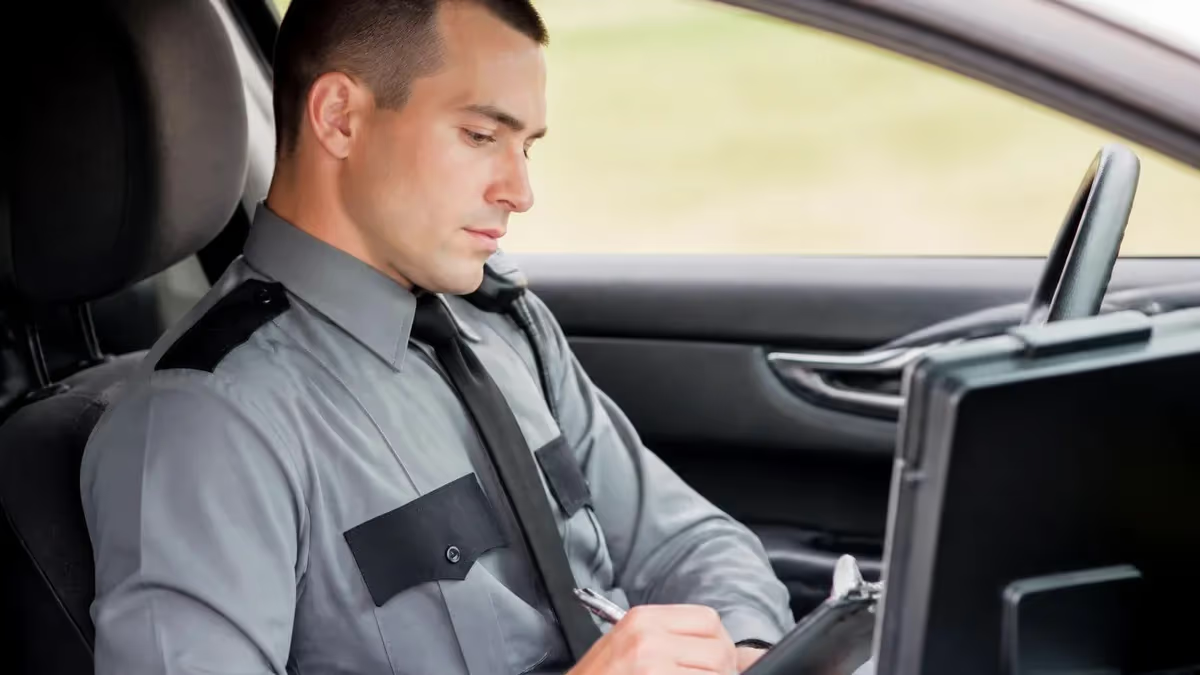
The alabama state trooper phone number is one of the most searched contact details in the country, but Alabama is far from alone — every state highway patrol or trooper agency maintains a dedicated dispatch line, a non-emergency administrative number, and a public information desk that the average driver should know how to reach. Whether you need to report a reckless driver, request a crash report, verify a citation, or ask about recruitment, the right number depends entirely on which state you are calling from and what kind of issue you are trying to resolve.
This guide consolidates verified contact information for state trooper agencies nationwide, with emphasis on the largest and most-searched departments including the Texas Department of Public Safety, Florida Highway Patrol, Illinois State Police, North Carolina Highway Patrol, and Arizona Department of Public Safety. We also explain when to dial 911 versus the non-emergency line, how barracks and field offices differ, and why social media has driven enormous curiosity about the iconic state trooper texas a imagery that now defines public perception of the uniform.
Most state trooper agencies operate under a tiered communication system. The first tier is the 911 emergency network, which routes life-safety calls to the nearest dispatcher regardless of jurisdiction. The second tier is the agency-specific non-emergency dispatch line, which handles disabled vehicles, traffic hazards, and minor crashes. The third tier is the administrative headquarters number, which is used for records requests, public information, recruitment, and complaints. Confusing these tiers can delay your help or clog emergency channels for someone in a life-threatening situation.
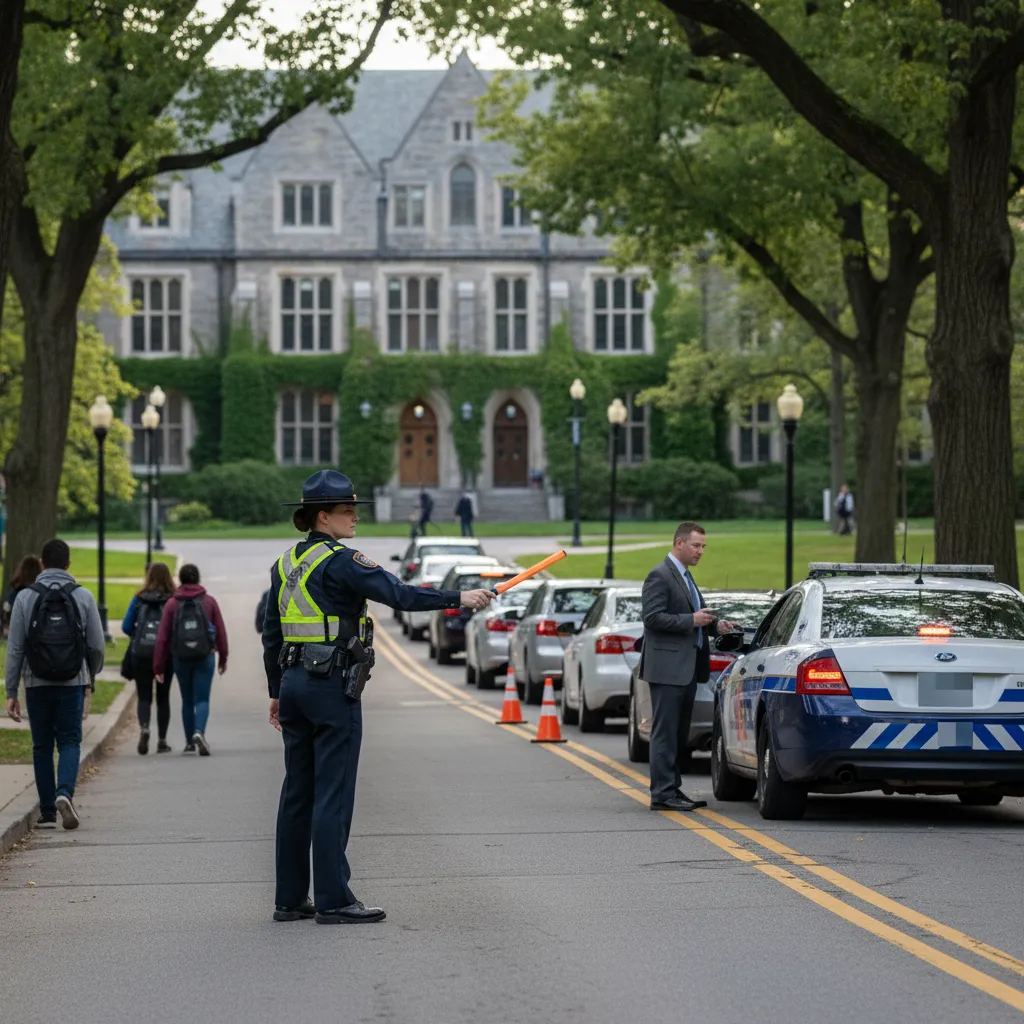
You may also see references to the legendary internet meme involving a uniformed trooper appearing at Texas A&M, a viral image that briefly turned the texas state trooper into a pop-culture symbol. While the meme is harmless fun, it has made it harder for genuine callers to find real Texas DPS phone numbers because search engines now return entertainment content above official directories. We address that confusion below and direct you straight to the verified Texas DPS communications division.
State trooper agencies handle calls covering a remarkable range of duties — interstate enforcement, commercial vehicle inspections, governor protection, statewide investigations, and disaster response. A single non-emergency line in Florida or Illinois may field tens of thousands of calls per week, which is why agencies increasingly publish online reporting forms for low-priority issues. This article walks through the phone numbers, online portals, and barracks locations you actually need rather than the recruitment hotlines that dominate Google results.
We will also touch on state trooper salary research, because many of the people calling these numbers are not victims or motorists at all — they are prospective recruits trying to reach a recruiter or background investigator. If that describes you, you will need a specific recruitment extension, not the general dispatch line. We separate those workflows clearly so dispatchers stay free for the public-safety calls they exist to handle.
By the end of this directory you will know exactly which number to dial for the situation in front of you, whether you are in Mobile, Houston, Tallahassee, Phoenix, Chicago, or Charlotte, and you will understand the etiquette dispatchers expect so your call gets resolved on the first attempt.
State Trooper Contact System by the Numbers

Primary State Trooper Phone Numbers
Alabama state trooper phone number for non-emergency dispatch is (334) 242-4128, with statewide HQ at 301 South Ripley Street in Montgomery. Dial *47 from any mobile phone in Alabama to reach the nearest trooper post directly.
Texas DPS headquarters operates at (512) 424-2000 in Austin. For roadside assistance from any mobile phone, dial *DPS (*377) to be connected to the nearest regional communications center 24 hours a day.
FHP's universal mobile shortcut is *FHP (*347), or (850) 617-2300 for the Tallahassee HQ. Each of the nine FHP troops also maintains a local communications center for in-state callers.
Illinois State Police HQ is reachable at (217) 782-7263. Motorists in need of roadside help can dial *999 from any cellular phone to be routed to the nearest ISP district headquarters.
Arizona DPS general line is (602) 223-2000, dial *DPS for highway help. North Carolina Highway Patrol is (919) 733-7952, and South Carolina Highway Patrol is (803) 896-7920 — both publish district numbers online.
Understanding when to dial 911 instead of a non-emergency state trooper number is the most important contact skill any driver can develop. The 911 system is reserved for in-progress crimes, injury crashes, fires, medical emergencies, drunk drivers actively on the road, and any situation where a delay of even a few minutes could result in death or serious harm. Dispatchers will route your call to the trooper agency, the local sheriff, or the city police based on the jurisdiction where the incident is happening, not where you are calling from.
The non-emergency state trooper line is the appropriate choice for disabled vehicles blocking a shoulder, debris in the roadway, abandoned cars, suspicious but non-urgent activity along the highway, and minor fender-benders without injuries. Calling the right line keeps the 911 channel open for life-and-death emergencies and gets your specific issue to the right desk faster. Many states now route non-emergency cellular calls through abbreviated codes like *47, *DPS, *347, or *999.
State troopers and county sheriffs share overlapping jurisdiction across most of the country, which sometimes confuses new residents. As a general rule, the state trooper handles interstate highways and unincorporated rural roads, while the sheriff handles county roads and city police handle municipal streets. If you call the wrong agency, the dispatcher will transfer you, but expect a brief delay. Knowing the boundaries reduces frustration and improves response time.
Some agencies, including Texas DPS and Arizona DPS, function as combined departments that absorb highway patrol, driver license services, criminal investigations, and even capitol security. That means a single phone tree can connect you to dozens of different divisions. Listen carefully to the menu prompts rather than mashing zero to reach a person, because the directed extensions are answered far faster than the operator overflow queue. If you research state trooper salary ranges before applying, you will see why each division maintains separate recruitment lines.
Public information officers, often called PIOs, are a separate category of contact within every state trooper agency. PIOs handle media inquiries, public record requests, crash report verification, and crisis communications during major incidents. They are not equipped to dispatch help and they will not have access to live patrol data. If you are a journalist or a researcher, call the PIO during business hours rather than tying up dispatch.
TTY and relay services are available at every state trooper headquarters for deaf, hard-of-hearing, and speech-impaired callers. Most agencies also accept text-to-911 in metropolitan counties, though rural counties still require voice calls. Spanish-language and multilingual dispatchers are available through the language line service in every state, with translators added to the call within roughly sixty seconds. Never hang up because of a language barrier — dispatchers are trained to wait for the interpreter.
Finally, remember that calls to state trooper non-emergency lines are typically recorded for quality assurance and evidence preservation. Be factual, calm, and concise. State your location first, your name second, and the nature of the issue third. Dispatchers will guide you through the rest of the report and will keep you on the line until help arrives if the situation warrants it.

State Trooper Practice Test Questions
Prepare for the State Trooper exam with our free practice test modules. Each quiz covers key topics to help you pass on your first try.
State Trooper Criminal and Traffic Law
State Trooper Exam Questions covering Criminal and Traffic Law. Master State Trooper Test concepts for certification prep.
State Trooper General
Free State Trooper Practice Test featuring General. Improve your State Trooper Exam score with mock test prep.
State Trooper MCQ
State Trooper Mock Exam on MCQ. State Trooper Study Guide questions to pass on your first try.
State Trooper Patrol and Investigation Pro...
State Trooper Test Prep for Patrol and Investigation Procedures. Practice State Trooper Quiz questions and boost your score.
State Trooper
State Trooper Questions and Answers on State Trooper. Free State Trooper practice for exam readiness.
State Trooper Random
State Trooper Mock Test covering Random. Online State Trooper Test practice with instant feedback.
State Trooper Reading Comprehension and Re...
Free State Trooper Quiz on Reading Comprehension and Reasoning. State Trooper Exam prep questions with detailed explanations.
State Trooper Report Writing and Grammar
State Trooper Practice Questions for Report Writing and Grammar. Build confidence for your State Trooper certification exam.
State Trooper Situational Judgment and Ethics
State Trooper Test Online for Situational Judgment and Ethics. Free practice with instant results and feedback.
State Trooper Trivia
State Trooper Study Material on Trivia. Prepare effectively with real exam-style questions.
State Trooper Use of Force Principles
Free State Trooper Test covering Use of Force Principles. Practice and track your State Trooper exam readiness.
State Trooper Ultimate State Trooper
State Trooper Exam Questions covering Ultimate State Trooper. Master State Trooper Test concepts for certification prep.
State Trooper Community Relations and Comm...
Free State Trooper Practice Test featuring Community Relations and Communication. Improve your State Trooper Exam score with mock test prep.
State Trooper Constitutional Rights and Ci...
State Trooper Mock Exam on Constitutional Rights and Civil Liberties. State Trooper Study Guide questions to pass on your first try.
State Trooper Criminal Law Fundamentals
State Trooper Test Prep for Criminal Law Fundamentals. Practice State Trooper Quiz questions and boost your score.
State Trooper Emergency Response and Crisi...
State Trooper Questions and Answers on Emergency Response and Crisis Management. Free State Trooper practice for exam readiness.
State Trooper Emergency Vehicle Operations
State Trooper Mock Test covering Emergency Vehicle Operations. Online State Trooper Test practice with instant feedback.
State Trooper Ethics and Professional Conduct
Free State Trooper Quiz on Ethics and Professional Conduct. State Trooper Exam prep questions with detailed explanations.
State Trooper Firearms Safety and Use of F...
State Trooper Practice Questions for Firearms Safety and Use of Force. Build confidence for your State Trooper certification exam.
State Trooper Incident Report Writing
State Trooper Test Online for Incident Report Writing. Free practice with instant results and feedback.
State Trooper Investigation Procedures
State Trooper Study Material on Investigation Procedures. Prepare effectively with real exam-style questions.
State Trooper Map Reading and Navigation
Free State Trooper Test covering Map Reading and Navigation. Practice and track your State Trooper exam readiness.
State Trooper Patrol Operations and Proced...
State Trooper Exam Questions covering Patrol Operations and Procedures. Master State Trooper Test concepts for certification prep.
State Trooper Patrol Procedures and Tactics
Free State Trooper Practice Test featuring Patrol Procedures and Tactics. Improve your State Trooper Exam score with mock test prep.
State Trooper Physical Fitness and Wellnes...
State Trooper Mock Exam on Physical Fitness and Wellness Standards. State Trooper Study Guide questions to pass on your first try.
State Trooper Reading Comprehension and Logic
State Trooper Test Prep for Reading Comprehension and Logic. Practice State Trooper Quiz questions and boost your score.
State Trooper Report Writing and Documenta...
State Trooper Questions and Answers on Report Writing and Documentation. Free State Trooper practice for exam readiness.
Texas State Trooper, Florida State Trooper, and Illinois State Trooper Contacts
The texas state trooper agency is officially the Texas Department of Public Safety, headquartered at 5805 North Lamar Boulevard in Austin. The main switchboard is (512) 424-2000, and the mobile shortcut *DPS (*377) routes drivers to the nearest of seven regional communications centers in Austin, Houston, Dallas, Garland, Lubbock, El Paso, and Weslaco. Average answer time on the shortcut is under thirty seconds during daylight hours and under sixty seconds overnight.
Texas DPS divides its field operations into Highway Patrol, Criminal Investigations, Intelligence and Counterterrorism, and Regulatory Services. Each division maintains a separate public number, and the agency publishes a downloadable PDF directory of every county sergeant. For crash reports, use the online Crash Records Information System rather than calling, since report retrieval by phone is no longer offered. Open records requests go to the General Counsel's office at (512) 424-2890.
Calling the State Trooper Non-Emergency Line vs. 911
- +Keeps the 911 channel open for genuine life-safety emergencies
- +Routes directly to the agency with proper jurisdiction over highways
- +Allows you to report low-priority hazards without overwhelming dispatch
- +Lets dispatchers triage your call by precise location and incident type
- +Provides a record of your report for follow-up and insurance purposes
- +Connects you to multilingual operators trained for traffic incidents
- +Often answered faster than 911 during regional surges or storms
- −Not appropriate for crimes in progress or injuries
- −Numbers vary by state and can be hard to find under stress
- −Some non-emergency lines close overnight in smaller states
- −Cellular shortcut codes do not work across state lines
- −Caller may need to know which barracks covers their location
- −Hold times can spike during weather events or holiday weekends
Pros and Cons at a Glance
| Pros | Cons |
|---|---|
| Routes directly to the agency with proper jurisdiction over highways | Not appropriate for crimes in progress or injuries |
| Allows you to report low-priority hazards without overwhelming dispatch | Numbers vary by state and can be hard to find under stress |
| Lets dispatchers triage your call by precise location and incident type | Some non-emergency lines close overnight in smaller states |
| Provides a record of your report for follow-up and insurance purposes | Cellular shortcut codes do not work across state lines |
| Connects you to multilingual operators trained for traffic incidents | Caller may need to know which barracks covers their location |

Before You Call a State Trooper Phone Number
- ✓Confirm the call is non-emergency — if anyone is hurt, dial 911 instead
- ✓Identify the highway, mile marker, and direction of travel before dialing
- ✓Note your exact location using a phone GPS or nearest interchange
- ✓Have a brief, factual description of the incident or vehicle ready
- ✓Write down the license plate, vehicle color, make, and model if relevant
- ✓Switch your phone off speaker so the dispatcher hears you clearly
- ✓Stay on the line until the dispatcher releases you — do not hang up early
- ✓Provide a callback number that you will actually answer for follow-up
- ✓Avoid pulling over in an unsafe location just to make the call
- ✓Use the agency's mobile shortcut (*DPS, *FHP, *999, *47) when available
- ✓Switch to the headquarters line for records, FOIA, and recruitment
- ✓Document the dispatcher's name and the incident number for your records
Every state trooper agency offers a short code from cellular phones
Texas DPS uses *DPS (*377), Florida Highway Patrol uses *FHP (*347), Illinois State Police uses *999, and Alabama uses *47. These codes route your call to the nearest regional communications center even if you do not know which county or highway you are on — a lifesaver when traveling long distances or after dark. Save them in your phone before your next road trip.
Beyond direct dispatch numbers, every state trooper agency maintains dedicated lines for records, reports, and document requests. The most-requested item is the traffic crash report, which insurance companies often demand within days of an accident. Texas DPS, Florida Highway Patrol, and Illinois State Police all maintain online crash portals where reports become available within seven to ten business days, but if you need a copy faster or your case involved injuries, you may need to call the agency's records bureau directly.
Citation verification is another common reason to call. If a trooper hands you a ticket and you cannot read the handwriting or you lost the paper copy, the records bureau at your state's trooper agency can pull a digital copy and confirm court dates, fines, and the issuing officer's badge number. In Texas this service runs through (512) 424-7293, in Florida through (850) 617-2435, and in Illinois through (217) 782-7263. Most agencies require a small fee and proof of identity by mail or in person.
Background checks, driver license inquiries, and concealed carry permits are typically split into separate divisions within combined-department states like Texas, Arizona, and Oregon. Calling the highway patrol number for a permit question will only result in a transfer, so it pays to identify the correct division before dialing. The agency website usually has a 'contact directory' or 'public services' page that lists every public number by topic — bookmark it before you need it.
FOIA, open records, and public information requests are governed by state law and processed by a designated officer at every trooper headquarters. These officers are reachable by phone during business hours and by email at any time. Be specific in your request — name the date, location, and incident number whenever possible — because vague requests are routinely denied or take weeks to process. Some states charge a per-page copying fee for large requests, payable by check or money order.
Lost-and-found is a surprisingly busy division at most state trooper agencies, particularly in tourist-heavy states like Florida and tourist-corridor states like Tennessee. If you lose a wallet, phone, child seat, or piece of luggage on the interstate, the nearest barracks may have it in evidence storage. Call the closest district headquarters, not the statewide HQ, because items are stored locally for thirty to ninety days before being destroyed or auctioned.
Complaint and internal affairs lines are publicly listed at every state trooper agency by federal accreditation requirement. If you believe a trooper acted improperly during a traffic stop or interaction, call the Office of Professional Standards or Internal Affairs rather than the general dispatch line. Your complaint will be assigned a tracking number and reviewed within a set timeline that varies from state to state. False complaints can result in criminal charges, so document your interaction carefully before filing.
Finally, victim assistance and crime victim advocacy services are available through every state trooper agency at no charge. Specially trained victim advocates can connect you to counseling, restitution programs, and court accompaniment after a serious crime or fatal crash. These lines are confidential and staffed during extended hours, making them an important resource that many callers do not know exists.
State trooper agencies do not respond to noise complaints, domestic disturbances inside city limits, residential burglaries in municipal areas, or parking issues on city streets. Calling the wrong agency wastes your time and clogs lines reserved for highway emergencies. Use 311 or the local police non-emergency number for city issues, and reserve trooper lines for interstate, rural, and unincorporated jurisdictions.
If you are calling a state trooper agency to inquire about becoming a trooper, you need the recruitment line, not the dispatch line. Recruitment numbers are typically published separately on the agency website under 'Careers' or 'Join Us,' and they are staffed by background investigators and recruiters rather than dispatchers. Calling dispatch will get you transferred at best and a polite hang-up at worst — these numbers exist to keep public-safety calls flowing without interruption.
Each state runs its own recruitment cycle, application process, and training academy, but the broad outlines are similar. Candidates typically need a clean driving record, no felony convictions, US citizenship, a high school diploma or equivalent, and the ability to pass a physical fitness test. Many states now require some college credit or military experience, and almost all states administer a written examination as the first major hurdle. The texas a&m state trooper practice materials can give you a feel for the format used by combined departments.
The carolina state trooper agencies — North Carolina Highway Patrol and South Carolina Highway Patrol — both maintain dedicated recruitment lines staffed by current troopers who can walk you through eligibility, the academy schedule, and starting salary. North Carolina runs its recruitment hotline at (919) 733-7952 and South Carolina at (803) 896-7920. Both states have aggressive lateral entry programs for officers transferring from other departments, often with signing bonuses and accelerated academy timelines.
Background investigators will eventually call you back during the application process, so it pays to keep your phone available and your voicemail tidy. The investigator's call is not the time to ask casual questions about pay or schedules — that conversation should happen with the recruiter before you apply. Investigators are evaluating your judgment, your honesty, and your fitness for an armed law-enforcement role, and every call is part of the assessment.
Salary verification is one of the most common reasons applicants call recruitment lines, and it is also the question that varies most by state. New Jersey, California, and Connecticut pay top-quartile starting salaries above seventy thousand dollars annually. Mississippi, Arkansas, and Louisiana sit at the lower end, often starting recruits in the high thirties or low forties. Mid-tier states like Florida, Texas, and Ohio fall between these two extremes, with academy pay reduced from the certified-trooper pay scale.
The arkansas state trooper eup search volume is unusually high because of online streaming communities that use simulated trooper roles in driving games. If you are calling the actual Arkansas State Police about a real-world matter, the HQ line is (501) 618-8000, with Troop A through Troop L each maintaining separate field office numbers. Do not confuse video-game lore with real recruiting information when speaking to a live operator.
Polygraph appointments, medical screenings, and psychological evaluations all involve their own scheduling lines, and missing any of these appointments can knock you out of the hiring pool entirely. Save every phone number your recruiter gives you, return every call within twenty-four hours, and treat every interaction as a job interview because that is exactly what it is.
Practical tips for getting the most out of any state trooper phone call begin with timing. Non-emergency lines are busiest from 3 PM to 7 PM on weekdays and from late Friday afternoon through Sunday evening on weekends. If your matter is not urgent — a records request, a recruitment inquiry, or a citation question — call between 8 AM and 11 AM on Tuesday through Thursday for the shortest wait times. Holidays and storm events should be avoided entirely unless you have a true emergency.
If you regularly drive long distances, build a small state-by-state contact card and store it in your glove box and your phone. Include the statewide HQ line, the mobile shortcut code, the road conditions line (often dial 511 or a state-specific number), and the nearest barracks for your home county. This thirty-minute project can save hours of frustration if you ever break down in an unfamiliar state. Many drivers also save the AAA roadside number alongside trooper contacts for a complete mobile-safety toolkit.
Hands-free calling is mandatory in most states while driving, so configure voice dialing for these numbers before you leave home. Modern smartphones can dial *DPS, *FHP, or *999 with a single voice command if you label the contacts correctly. If you must pull over to make a call, choose a wide shoulder, turn on your hazard flashers, and stay inside the vehicle with your seatbelt fastened — most fatalities involving disabled vehicles happen to drivers standing outside on the shoulder.
Document every interaction with a state trooper agency, even routine ones. Note the date, time, dispatcher name, badge number, and incident number. If you are reporting a hazard, ask whether you can be called back when the issue is resolved. If you are requesting a record, ask for an estimated turnaround and a reference number for your request. This habit transforms a one-time call into a verifiable paper trail that protects you in insurance disputes or court proceedings.
For Spanish speakers and other non-English speakers, the language line works fastest when you state your preferred language immediately. Say 'Spanish,' 'Vietnamese,' 'Mandarin,' or your language name clearly when the dispatcher answers. The interpreter joins the call within roughly sixty seconds. Never apologize for needing a translator — dispatchers are trained to wait, and accurate communication saves time over guessing through a language gap.
Hearing-impaired and speech-impaired callers should use 711 to access the relay service, which conferences a trained operator onto the call to communicate by text. Most state trooper agencies also accept text-to-911 in metropolitan counties, though this technology is still expanding into rural areas. Confirm whether your county supports text-to-911 before you need it by checking the state emergency management website.
Finally, treat every dispatcher with the same respect you would expect from them. Dispatchers handle thousands of stressful calls per week and have far more authority over response priority than most callers realize. A calm, factual report from a respectful caller gets faster service than a frantic, demanding one, every single time.
Sample State Trooper Practice Questions
Try these questions from our free State Trooper practice tests. The correct answer and an explanation follow each question.
A trooper's policy manual states: 'If a driver refuses a sobriety test, the trooper shall document the refusal and advise the driver of the legal consequences.' A driver refuses the test. What is the trooper's FIRST required action according to the policy?
- A. Arrest the driver immediately
- B. Document the refusal
- C. Advise the driver of legal consequences
- D. Call a supervisor
Answer: B. Document the refusal
The policy lists documentation before advising of consequences — 'document the refusal' is the first required step.
A Trooper responds to a call about an individual shouting erratically in a public space. Upon arrival, the Trooper observes a person who appears agitated and is talking to themselves, but is unarmed and has not made any threats. Which of the following should be the Trooper's *first* course of action?
- A. Immediately rush in to handcuff the individual to prevent escalation.
- B. Create distance, use a calm and non-threatening tone of voice, and attempt to establish verbal dialogue.
- C. Request backup and wait for them to arrive before taking any action.
- D. Draw a TASER and hold it at the low-ready position to show authority.
Answer: B. Create distance, use a calm and non-threatening tone of voice, and attempt to establish verbal dialogue.
When no immediate physical threat exists, de-escalation is the priority. [13, 25] Establishing distance for safety, using a calm demeanor, and attempting verbal communication are foundational de-escalation techniques that can resolve situations without resorting to force. [5, 27]
Which document must a state trooper typically complete after discharging a firearm in the line of duty?
- A. Incident/use-of-force report
- B. Overtime authorization form
- C. Annual performance review
- D. Traffic collision report
Answer: A. Incident/use-of-force report
Discharging a firearm requires a detailed incident and use-of-force report documenting the circumstances, justification, and outcome.
A policy states: 'Searches of a vehicle require either a warrant, consent, or a recognized legal exception.' A trooper stops a driver for speeding and smells marijuana through the open window. The trooper searches the car without a warrant or consent. This search is MOST likely:
- A. Invalid because the driver did not consent
- B. Valid under a recognized legal exception based on probable cause
- C. Invalid because a warrant is always required for vehicle searches
- D. Valid only if the driver is arrested first
Answer: B. Valid under a recognized legal exception based on probable cause
The odor of marijuana establishes probable cause, which is a recognized legal exception allowing a warrantless vehicle search under established law.
State Trooper Questions and Answers

About the Author

Educational Psychologist & Academic Test Preparation Expert
Columbia University Teachers CollegeDr. Lisa Patel holds a Doctorate in Education from Columbia University Teachers College and has spent 17 years researching standardized test design and academic assessment. She has developed preparation programs for SAT, ACT, GRE, LSAT, UCAT, and numerous professional licensing exams, helping students of all backgrounds achieve their target scores.
Join the Discussion
Connect with other students preparing for this exam. Share tips, ask questions, and get advice from people who have been there.
View discussion (3 replies)