
What Is ServSafe Certified? Full Guide to ServSafe Certification 2026 October
🎓 What is ServSafe certified? Get the full guide to ServSafe certification: who needs it, exam format, pass score, cost, validity, and how to prepare fast.
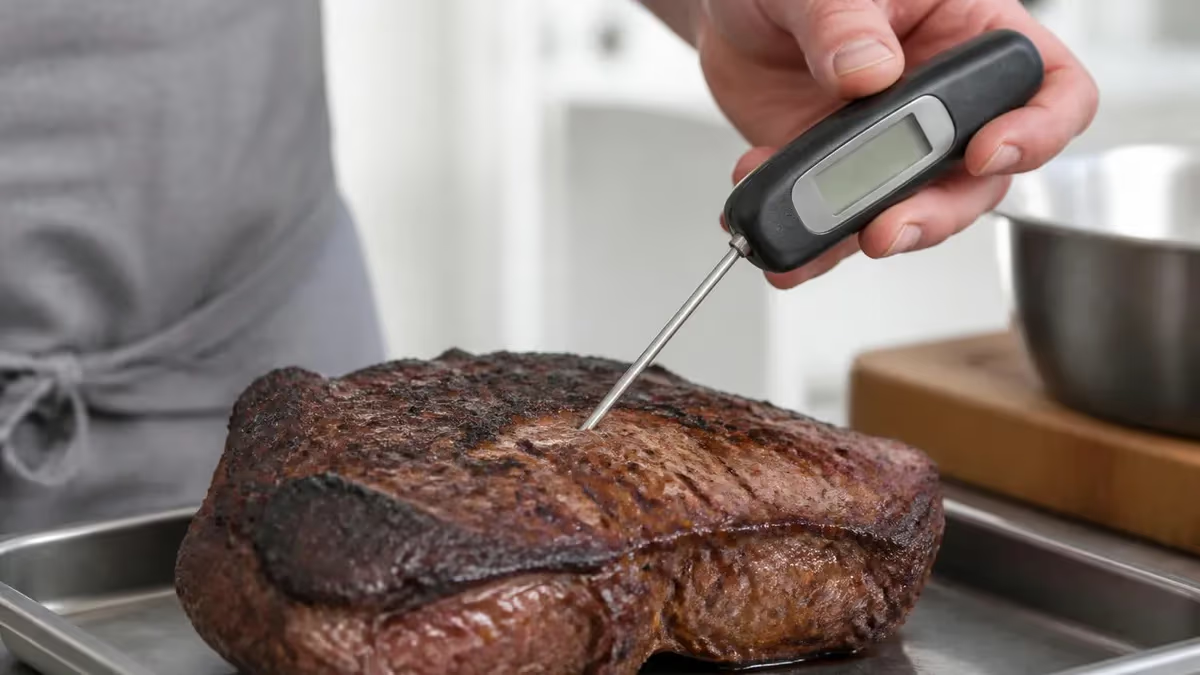
So you keep seeing the phrase "ServSafe certified" on job listings, and you're wondering what it actually means. Short answer: ServSafe certification proves you understand the food safety rules that keep restaurant guests from getting sick. Long answer? That's what this guide is for.
ServSafe is the food safety training program run by the National Restaurant Association. It's been around since the 1970s, and today it's the most widely accepted food safety credential in the United States. If you've ever worked in a kitchen, bussed tables, or poured a beer somewhere with a liquor license, you've probably worked next to someone who holds one of these certifications, even if you didn't know it.
Being "ServSafe certified" usually means one of two things. Either you've passed the ServSafe Food Protection Manager Certification (the big one, often required for kitchen managers and chefs), or you've completed a lower-tier credential like ServSafe Food Handler or ServSafe Alcohol. Each one targets a different role and a different level of responsibility. We'll break all of them down below, along with cost, exam format, validity, and how to prepare without losing a weekend to flashcards.
ServSafe Certification by the Numbers
Key Facts at a Glance
| Item | Value | Details |
|---|---|---|
| Minimum passing score on the Manager exam | 70% | |
| Multiple-choice questions on the Manager test | 90 | |
| Validity of Manager certification in most states | 5 yrs | |
| Time limit for the proctored Manager exam | Not published |
What does being ServSafe certified actually mean?
When someone says they're ServSafe certified, they're saying they passed a test on food safety standards that match FDA Food Code guidelines. It's not a license issued by the government. It's a private credential, but most state and local health departments accept it as proof that you (or your manager) understand the rules.
The credential covers things like the temperature danger zone, cross-contamination prevention, allergen awareness, personal hygiene, cleaning and sanitizing, pest control, and the responsibilities of a Person in Charge. If that sounds dry, it kind of is. But it's also the reason your favorite taco place hasn't given anyone salmonella.
Here's the part that confuses people. "ServSafe certified" isn't one thing. It's a family of credentials. A line cook with a Food Handler card is technically ServSafe certified. So is a general manager with the Food Protection Manager certification. They sat very different exams, paid very different fees, and learned very different amounts of material. Same brand, very different levels.

Quick definition
To be ServSafe certified is to hold a valid, unexpired credential from the National Restaurant Association's ServSafe program — most commonly the Food Handler card, the Food Protection Manager certification, or the Alcohol certification — earned by passing a proctored or online exam.
The different ServSafe certifications, ranked by weight
Not every "ServSafe certified" badge is the same. Some take 90 minutes and cost $15. Others take a full day of class and cost over $150. Here's how the main programs stack up, from entry-level to manager-grade.
The Food Handler certification is the starter tier. It's aimed at line cooks, prep staff, servers, bussers, and dishwashers. The course covers basic food safety, and the exam is short — usually 40 questions with a 75% pass mark. Most states accept it in lieu of a county-issued food handler card, though a handful (looking at you, California and Texas) have specific in-state versions.
The Food Protection Manager certification is the heavyweight. This is the one most kitchens are required to have on staff at all times. It's 90 questions, proctored, and demands a working knowledge of HACCP principles, foodborne illness, time and temperature control, and crisis response. Pass it and you're certified for five years in most jurisdictions.
ServSafe Certification Tiers
Entry-level. 40 questions, ~90 minutes, valid 3 years. For line cooks, servers, prep staff. Around $15 online. Suits anyone who touches food but doesn't manage the kitchen.
Manager-level. 90 questions, 2-hour proctored exam, valid 5 years. Required at most full-service restaurants. $36 exam, around $125 with course. Most kitchens need at least one on staff.
For bartenders and beverage servers. Covers responsible service laws, intoxication signs, ID checks. $30, valid 3 years in most states. Mandatory in states like Texas and Utah.
Add-on credential covering the Big 9 allergens, cross-contact, and emergency response. $22 online, increasingly mandated by state law in Illinois, Michigan, and others.
Who actually needs to be ServSafe certified?
The honest answer is: it depends where you live and what you do. There's no single federal rule that says every kitchen worker must hold ServSafe specifically. What exists is a patchwork of state and local laws that say food establishments must have at least one Certified Food Protection Manager (CFPM) on staff, and that frontline employees must complete a food handler training program. ServSafe satisfies both requirements almost everywhere.
Restaurant managers and chefs almost always need the Manager certification. Health departments will ask for proof during inspections, and many landlords won't issue a food service permit without it. If you're applying to run a kitchen, expect it to be a hiring requirement before you even step into the interview.
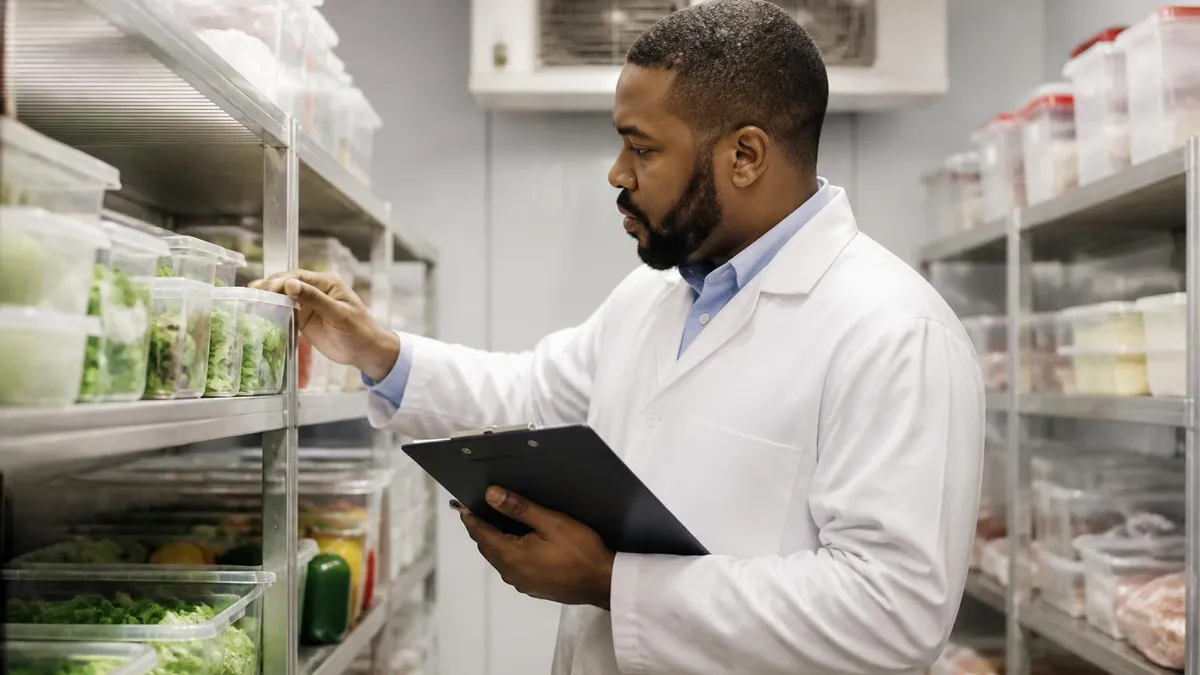
Who Needs ServSafe by Industry
Full-service and quick-service restaurants are the core market. At least one Certified Food Protection Manager must be on duty during operating hours in most states. Servers and cooks need Food Handler certification, and bartenders need Alcohol certification. Chain restaurants typically run in-house training that maps directly to the ServSafe curriculum.
What the ServSafe Manager exam actually looks like
The Food Protection Manager exam is the one most people picture when they hear "ServSafe certified." It's a 90-question multiple-choice test administered by a registered proctor. You can take it in a classroom, at a testing center, or remotely with an online proctor watching through your webcam.
Only 80 of the 90 questions count toward your score. The other 10 are unscored pilot questions the program is testing for future exams. You won't know which is which, so treat every question seriously. The pass mark is 75%, which means you can miss 20 of the 80 scored items and still walk out with a certificate.
Time-wise, you get two hours. That's plenty for most people — the average test-taker finishes in about 60 to 80 minutes. The questions are scenario-based as often as they're definitional, so you'll get things like "A cook is thawing chicken on the counter. What should the manager do first?" rather than "What is the temperature danger zone?" Knowing the numbers cold is necessary but not sufficient. You need to be able to apply them.
Score reports come back fast. Online proctored exams give you a preliminary pass/fail at the end of the test, with the official certificate emailed within a few weeks. Classroom paper-based exams take a little longer but follow the same pattern.
One detail that catches people off guard: the question pool rotates. ServSafe maintains a large bank of items, and the version you sit will pull a different mix from the version your coworker sat last month. That's by design. It prevents memorization-based cheating and means your study has to focus on understanding principles, not on chasing leaked questions. The good news is that the principles themselves are limited and stable, so once you actually grasp the temperature danger zone, allergen protocols, HACCP, and pest management, you can answer almost anything the bank throws at you.
Fail the Manager exam and you can retake it twice within 30 days without redoing the course. Fail a third time and ServSafe requires you to complete the full course again before sitting another exam. Don't wing it — even the experienced kitchen vets get caught out by the HACCP and allergen sections.
How much does ServSafe certification actually cost?
This is where things get a little muddy, because ServSafe is sold both directly and through resellers, and prices vary depending on whether you bundle the course with the exam. Here's the realistic 2026 breakdown.
For the Food Handler card, you're looking at $15 to $20 if you take the online version directly from ServSafe. Some states (Texas, California, Illinois) have state-specific versions priced the same. The exam is built into the course, so the fee covers everything.
The Food Protection Manager exam costs $36 by itself. That's the proctored test, nothing else. If you want the full course plus the exam — which most first-timers do — you'll pay around $125 for the online package or $150 to $200 for a classroom course taught by a registered instructor. The classroom version often includes a textbook, which you can also buy separately for around $50.
ServSafe Alcohol is roughly $30 online with the exam included. Allergens is around $22. Workplace credentials run $15 to $25 each. None of these include the cost of any retakes if you fail, and a few states tack on filing fees that ServSafe doesn't control. Many employers pay for the certification, especially the Manager-level one, because they're legally required to have a CFPM on staff. If you're job-hunting, ask before you spend your own money. Some shifts will even let you study on the clock.
One more cost wrinkle worth flagging: third-party resellers sometimes advertise lower prices, but they're usually bundling slightly older course materials or routing you to a sub-licensed instructor. The credential they issue is still valid ServSafe, but the course experience can feel a step behind the official version. If you want the latest content and the cleanest support experience, buy directly from ServSafe.com. The few dollars you might save through a discount reseller rarely justify the headache when something goes wrong on exam day.
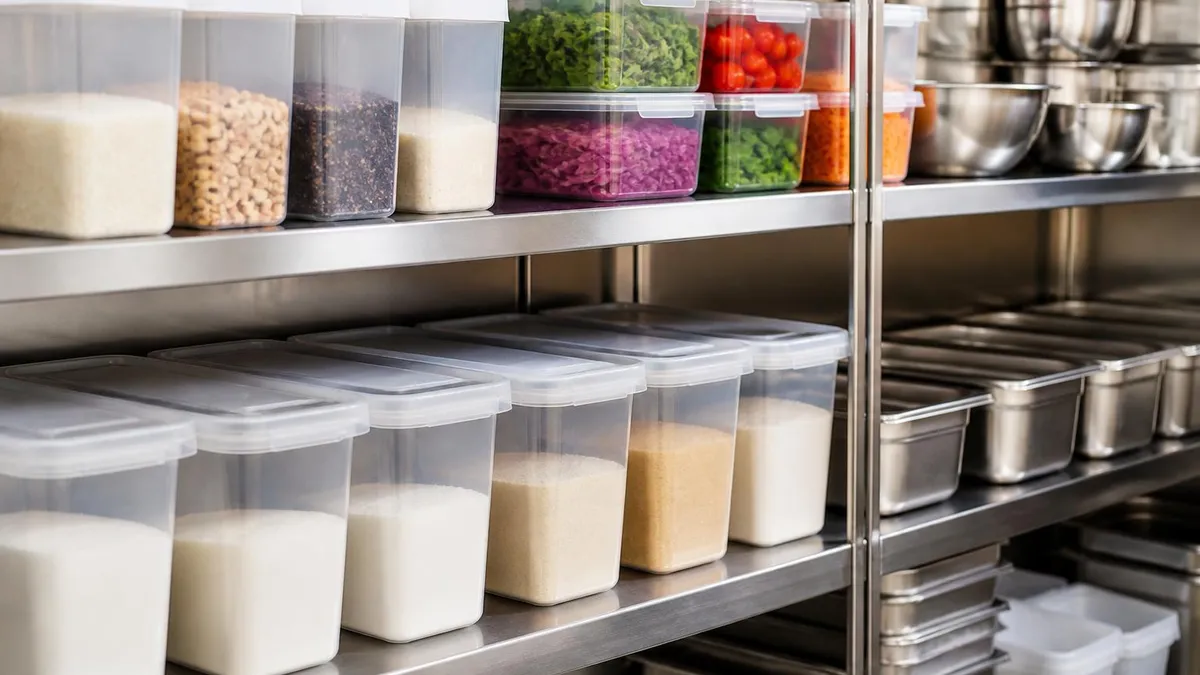
Manager Exam Prep Checklist
- ✓Memorize the temperature danger zone (41°F to 135°F) and minimum internal cooking temperatures for each food category
- ✓Know the five major foodborne illnesses (Norovirus, Hepatitis A, Salmonella, Shigella, E. coli) and their symptoms
- ✓Master the FIFO (First In, First Out) inventory rotation principle and how it ties to date-marking
- ✓Understand HACCP's seven principles, especially Critical Control Points and corrective action procedures
- ✓Learn the Big 9 food allergens and cross-contact prevention strategies
- ✓Review cleaning vs. sanitizing — they're not the same thing and the exam tests both
- ✓Practice handwashing procedure: 20 seconds minimum, when to wash, when gloves are required
- ✓Study pest management basics and the three-step IPM approach used in commercial kitchens
- ✓Take at least two full-length practice tests before exam day to build pacing and stamina
- ✓Sleep. Seriously. Cramming through the night will hurt your score more than it helps you
How long does ServSafe certification last?
The Food Protection Manager certification is valid for five years from the date you pass the exam in most states. A few states reduce that to three years — check with your local health department if you're unsure. After expiration, you don't get a grace period. You have to retake the exam (and ServSafe recommends retaking the course too, since the FDA Food Code updates every few years).
The Food Handler card is valid for three years in most jurisdictions. Some states or counties run on shorter cycles, especially in places with high turnover. ServSafe Alcohol is similarly valid for three years, though state laws sometimes mandate annual or biennial renewal regardless of the credential's printed expiration.
Worth knowing: your certificate doesn't follow you automatically when you move to a different state. A Manager certification earned in Florida is recognized in most other states because it's a nationally accredited credential — but a state-specific Food Handler card might not transfer. If you're relocating, check the destination state's requirements before assuming you're covered. Some states also have a brief grace period for new residents that lets you start working while you transfer or re-certify.
ServSafe Pros and Cons
- +Nationally recognized credential accepted in 49 states across the country
- +Available online with same-day exam scheduling for most candidates
- +Valid for five years (Manager) — long shelf life for the upfront cost
- +Manager certification often comes with a pay bump at most employers
- +Course materials genuinely teach skills that prevent foodborne illness outbreaks
- +Multiple language options including English, Spanish, Chinese, French Canadian, and Korean
- −Manager course can feel long — many learners report 6 to 8 hours
- −Some states require their own version even if you already hold ServSafe
- −Allergen and Alcohol content is occasionally outdated between Food Code revisions
- −Online proctoring can be glitchy if your home internet connection drops
- −Retake fees stack up if you fail more than once in a row
How to prepare without burning a whole weekend
You don't need to study for weeks. Most people who fail the Manager exam fail it because they skipped the practice tests, not because the material is impossible. Here's a realistic prep plan for someone who already works in food service.
Start with a diagnostic. Take a free ServSafe practice test cold, before opening any study materials. Whatever score you get is your baseline. If you're already above 75%, you probably need a couple of evenings of review. If you're below 60%, plan for a full week of focused study with two to three practice exams along the way.
Next, work through the official ServSafe study guide or coursebook. Don't try to memorize every sentence — focus on the numbers (temperatures, time limits, allergens) and the decision trees (what does the Person in Charge do when X happens?). Highlight anything that surprises you. Those are the gaps the exam will probe.
Finally, drill with practice questions. The single biggest predictor of passing on the first try is the number of practice questions you complete before the exam. Aim for at least 200. Get them from multiple sources so you're not memorizing one provider's quirks. Mix in scenario questions specifically, since the real exam leans heavily on "what would you do?" scenarios rather than pure recall.
The night before, don't study. Eat something. Sleep at least seven hours. Show up to the exam with your ID and confidence that you've already done the work.
ServSafe Questions and Answers
Bottom line on being ServSafe certified
Being ServSafe certified isn't a single thing — it's a family of credentials covering everything from a server's basic food handler card to a kitchen manager's deep dive on HACCP and crisis response. Which one you need depends on the role, the state, and sometimes the specific city you're working in.
For most people reading this, the path forward looks something like: figure out whether you need the Food Handler or the Manager certification (or both), check whether your state has a specific approved version, sign up for the online course, work through it at your own pace, take two or three practice exams, and book the proctored test for a morning when you're well-rested. Total time investment for the Manager certification, from start to finish? Anywhere between 8 and 20 hours, depending on your background. The Food Handler card is closer to two hours.
The credential pays for itself almost immediately. Manager certification is non-negotiable for most kitchen leadership jobs and usually triggers a pay bump. Food Handler cards make you employable in basically any food service role. Even Alcohol certification, which feels niche, can be the difference between getting hired at a bar and being told to come back when you've got the card.
If you're at the start of this, don't overthink it. Pick the right credential for your role, dedicate a few evenings to honest practice questions, and book the exam. You'll be ServSafe certified before the end of the month. The food safety knowledge sticks with you for life, and it makes you safer in your own kitchen too — even when you're not the one getting paid to cook.
Common myths about ServSafe certification, sorted out
Three quick myths worth busting before you pay for an exam. First, ServSafe isn't a money grab — it's accepted by health departments in 49 states. Second, the Food Handler card doesn't cover manager roles. Third, veteran cooks fail the exam all the time because they cook by feel, not by FDA Food Code numbers. Study the published standards, not your gut. The exam tests specific temperatures and timeframes, not intuition. And don't assume the online test is softer — the questions and pass mark are identical to the in-person version.
If English isn't your first language, take advantage of the multilingual exam options. ServSafe offers the exam in Spanish, Chinese, Korean, and French Canadian. Switching the test language to your strongest language can be the difference between a fail and a comfortable pass, especially on scenario questions where reading speed matters. The credential issued is the same regardless of test language — there's no asterisk on a Spanish-language ServSafe certificate. Use the version that lets your knowledge shine, not the one that forces you to translate in real time under exam pressure.
About the Author

Registered Sanitarian & Food Safety Certification Expert
Cornell University College of Agriculture and Life SciencesThomas Wright is a Registered Sanitarian and HACCP-certified food safety professional with a Bachelor of Science in Food Science from Cornell University. He has 17 years of experience in food safety auditing, regulatory compliance, and foodservice management training. Thomas prepares food industry professionals for ServSafe Manager, HACCP certification, and state food handler examinations.
Join the Discussion
Connect with other students preparing for this exam. Share tips, ask questions, and get advice from people who have been there.
View discussion (7 replies)