
ServSafe Temperature Danger Zone: Complete Guide 2026
Get ready for your ServSafe Temperature Danger Zone: 🏆 certification. Practice questions with step-by-step answer explanations and instant scoring.
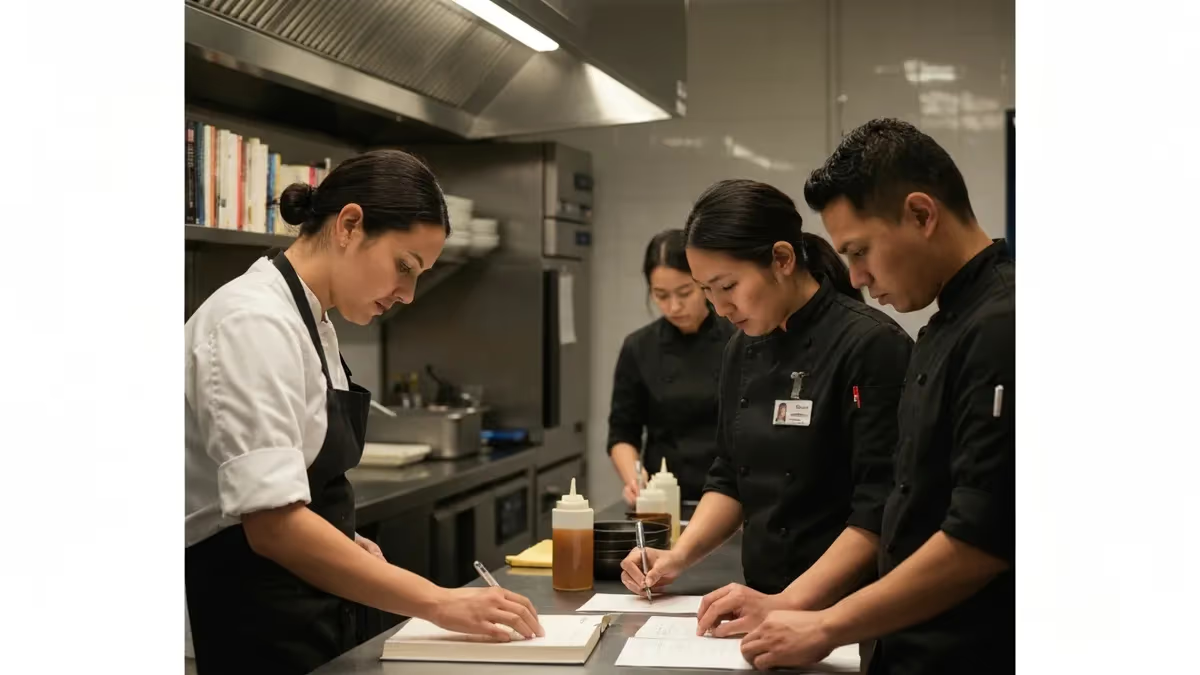
Mastering the ServSafe Temperature Danger Zone: Your Complete 2026 Guide
For any professional in the foodservice industry, a thorough understanding of the ServSafe Temperature Danger Zone is non-negotiable. This guide provides comprehensive insights into this critical aspect of ServSafe food safety, ensuring you're well-prepared for your ServSafe food safety manager certification and daily operational challenges. Preventing foodborne illnesses starts with strict adherence to temperature control, a cornerstone of effective management of food safety practices ServSafe emphasizes. Practice with the free ServSafe practice test on PracticeTestGeeks (1,350+ questions with answer explanations).
Free ServSafe Study Tools
Interactive ServSafe resources on PracticeTestGeeks, free to start:
- ServSafe practice test — 1,350+ questions with instant scoring and answer explanations
- ServSafe flashcards — review key terms and concepts card by card
- ServSafe study guide — topic-by-topic overview of what the exam covers
- ServSafe cheat sheet — one-page printable summary for last-minute review
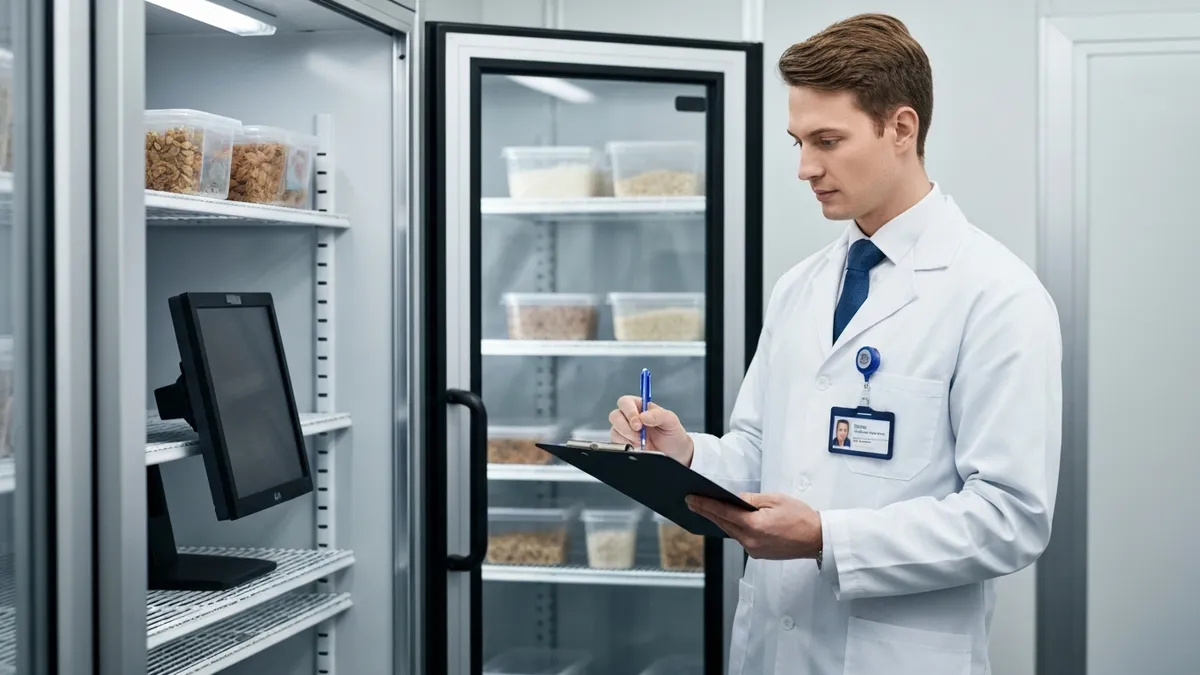
What is the ServSafe Temperature Danger Zone?
The ServSafe Temperature Danger Zone refers to the temperature range in which foodborne pathogens grow most rapidly. According to ServSafe food safety guidelines, this zone is between 41°F (5°C) and 135°F (57°C). Foods that spend too much time in this zone can quickly become unsafe to eat, even if they appear and smell normal. This is why mastering food safety temperatures ServSafe standards require is so vital for preventing illness.
Understanding this range is a core component of any ServSafe food safety course. It's not just about knowing the numbers; it's about implementing practices that keep food out of this critical range during preparation, cooking, holding, cooling, and reheating. Proper temperature management is a fundamental aspect of maintaining a high level of ServSafe food safety in any establishment.
Why the TDZ is Dangerous for Food Safety
The primary danger of the ServSafe Temperature Danger Zone lies in its ideal conditions for bacterial multiplication. Within this range, common foodborne pathogens like Salmonella, E. coli, and Listeria can grow exponentially. This rapid growth can lead to unsafe levels of bacteria or the production of toxins that are not destroyed by cooking. Adhering to ServSafe food safety regulations and standards is critical to mitigate these risks.
High-risk foods, often referred to as Time/Temperature Control for Safety (TCS) foods, are particularly susceptible. These include dairy products, meat, poultry, fish, cooked vegetables, and cut melons. Neglecting proper temperature control for these items can quickly turn them into a breeding ground for harmful microorganisms, potentially leading to widespread foodborne illness. This is why vigilance is key during food safety inspection ServSafe checks.
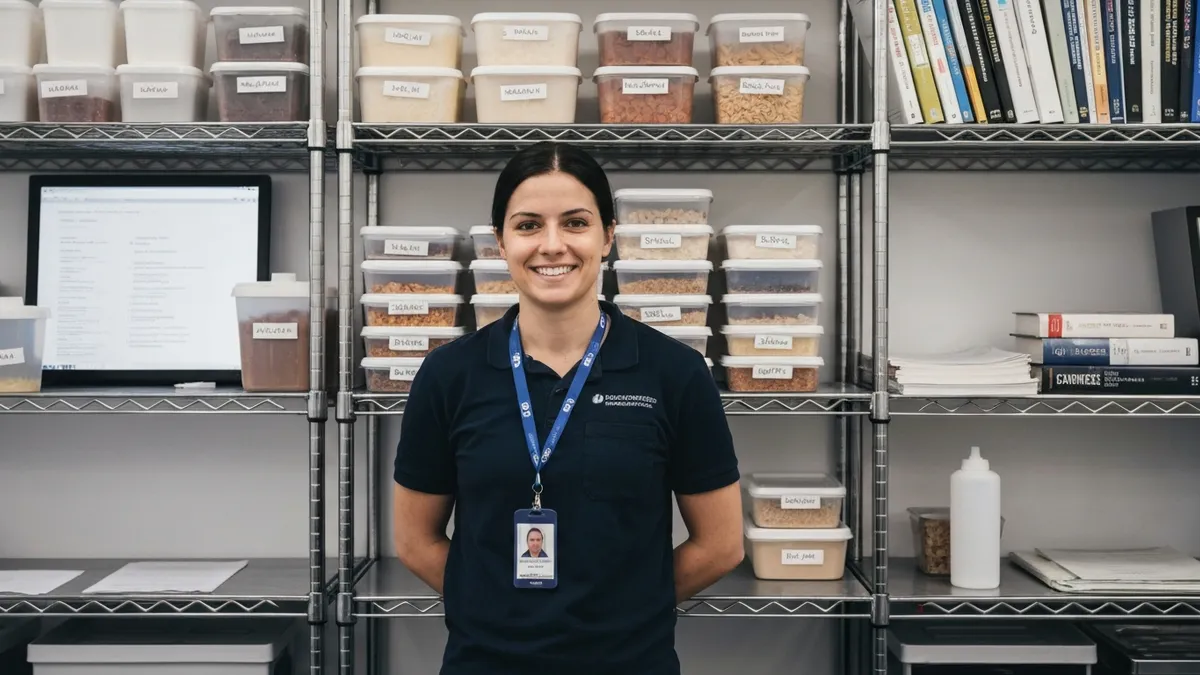
Temperature Control Checklist
- ✓Use and calibrate thermometers regularly to monitor food safety temperatures ServSafe standards.
- ✓Implement proper thawing methods (refrigerator, running water, microwave, or as part of cooking).
- ✓Follow the two-stage cooling process for cooked foods.
- ✓Reheat foods to the correct internal temperature (165°F for 15 seconds) within two hours.
- ✓Store hot foods at 135°F or higher and cold foods at 41°F or lower.
- ✓Practice strict personal hygiene and prevent cross-contamination.
- ✓Train all staff on <strong>ServSafe food safety training</strong> principles.
ServSafe Time and Temperature Control Practices
Effective time and temperature control is the backbone of any strong ServSafe food safety management systems. It involves a series of practices from receiving ingredients to serving the final dish. This proactive approach ensures that food spends minimal time in the ServSafe Temperature Danger Zone.
Key practices include:
- Receiving: Check temperatures of incoming food. Cold TCS food should be 41°F or lower; hot TCS food 135°F or higher.
- Storage: Store foods correctly to maintain safe temperatures and prevent cross-contamination.
- Preparation: Minimize the time food spends at room temperature during prep. Prepare food in small batches.
- Cooking: Cook foods to their required internal temperatures as per ServSafe food safety guidelines.
- Holding: Use proper equipment like steam tables or refrigeration units to maintain safe temperatures.
- Cooling & Reheating: Adhere strictly to the two-stage cooling and rapid reheating procedures.
By consistently applying these methods, foodservice operations can significantly reduce the risk of foodborne illnesses, proving which is a correct food safety practice ServSafe advocates.
Temperature Monitoring: Pros and Cons
- +Enhanced protection of public health and safety.
- +Compliance with local, state, and federal food safety regulations.
- +Improved customer confidence and business reputation.
- +Reduced food waste due to spoilage and fewer recalls.
- +Higher efficiency in kitchen operations through structured practices.
- +Achievement of <strong>ServSafe food safety certificate</strong> or <strong>ServSafe food safety manager certification</strong>.
- −Increased risk of foodborne illness outbreaks and public health hazards.
- −Legal penalties, fines, and potential business closure if found during a food safety inspection ServSafe.
- −Damage to reputation and loss of customer trust.
- −Financial losses from discarded food and legal costs.
- −Decreased staff morale due to increased scrutiny and potential job loss.
Pros and Cons at a Glance
| Pros | Cons |
|---|---|
| Enhanced protection of public health and safety. | Increased risk of foodborne illness outbreaks and public health hazards. |
| Compliance with local, state, and federal food safety regulations. | Legal penalties, fines, and potential business closure if found during a food safety inspection ServSafe. |
| Improved customer confidence and business reputation. | Damage to reputation and loss of customer trust. |
| Reduced food waste due to spoilage and fewer recalls. | Financial losses from discarded food and legal costs. |
| Higher efficiency in kitchen operations through structured practices. | Decreased staff morale due to increased scrutiny and potential job loss. |
Temperature Safety by Food Type
Meat & Poultry — These are highly susceptible to bacterial growth. Cook to appropriate internal temperatures (e.g., poultry to 165°F), cool rapidly, and hold strictly outside the TDZ. Raw meats should always be stored below cooked foods.
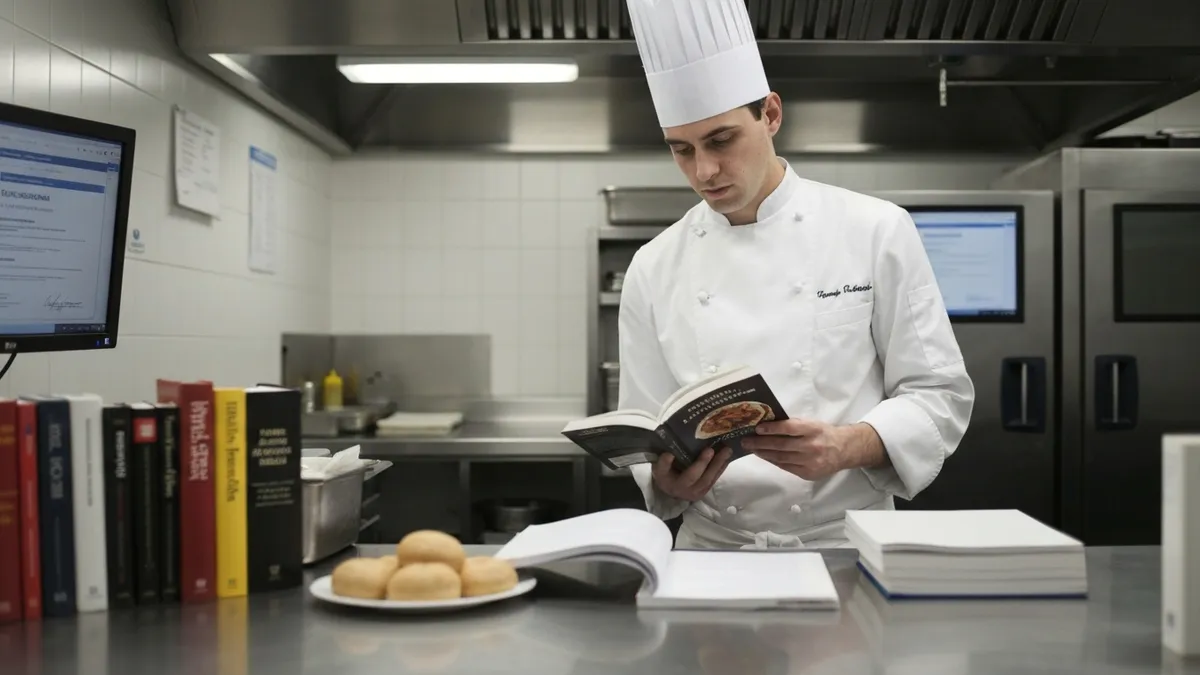
Key ServSafe Food Safety Practices to Avoid the TDZ
Beyond knowing the temperature ranges, adopting consistent operational practices is essential for avoiding the ServSafe Temperature Danger Zone. This forms the core of effective management of food safety practices ServSafe training provides. Here are some key areas:
- Thermometer Use: Always use calibrated thermometers to check food temperatures.
- Thawing: Thaw food properly in a refrigerator, under cold running water, in a microwave (if cooked immediately), or as part of the cooking process.
- Cooling: Implement the two-stage cooling method to cool hot food from 135°F to 70°F within two hours, then from 70°F to 41°F within an additional four hours.
- Reheating: Reheat food rapidly to 165°F for 15 seconds within two hours for hot holding.
- Holding: Hold hot food at 135°F or above and cold food at 41°F or below. Check temperatures every four hours.
- Cross-Contamination Prevention: Keep raw and cooked foods separate, use separate cutting boards, and wash hands frequently.
ServSafe Food Safety Manager Certification and Training
Achieving ServSafe food safety manager certification demonstrates a commitment to upholding the highest standards of food safety. The curriculum extensively covers topics like the ServSafe Temperature Danger Zone, proper hygiene, cross-contamination prevention, and HACCP principles. Undergoing comprehensive ServSafe food safety training is essential not just for passing the ServSafe food safety test, but for ensuring daily operational excellence.
Whether you're looking for a ServSafe food safety course or preparing for the ServSafe food safety manager certification exam, understanding these core principles is key. PracticeTestGeeks.com offers resources to help you prepare, including materials for the ServSafe food safety servsafe manager practice exam, ensuring you are well-equipped to protect public health and maintain compliance.
Many readers pair this guide with the servsafe test 90 questions and answers to check their readiness before exam day.
Sample ServSafe Practice Questions
Try these questions from our free ServSafe practice tests. The correct answer and an explanation follow each question.
Which temperature range is considered the 'temperature danger zone' for food storage?
- A. 0°F to 32°F (-18°C to 0°C)
- B. 32°F to 70°F (0°C to 21°C)
- C. 41°F to 135°F (5°C to 57°C)
- D. 50°F to 165°F (10°C to 74°C)
Answer: C. 41°F to 135°F (5°C to 57°C)
The temperature danger zone is 41°F to 135°F (5°C to 57°C), the range in which most pathogens grow rapidly.
Which temperature range is considered the 'temperature danger zone' for bacterial growth?
- A. 0°F to 32°F (-18°C to 0°C)
- B. 32°F to 70°F (0°C to 21°C)
- C. 41°F to 135°F (5°C to 57°C)
- D. 135°F to 165°F (57°C to 74°C)
Answer: C. 41°F to 135°F (5°C to 57°C)
The temperature danger zone is 41°F to 135°F (5°C to 57°C), where bacteria can multiply rapidly. Food should spend as little time as possible in this range.
Which temperature range is considered the Temperature Danger Zone?
- A. 32°F to 100°F (0°C to 38°C)
- B. 41°F to 135°F (5°C to 57°C)
- C. 50°F to 140°F (10°C to 60°C)
- D. 40°F to 165°F (4°C to 74°C)
Answer: B. 41°F to 135°F (5°C to 57°C)
The Temperature Danger Zone is 41°F to 135°F (5°C to 57°C), where pathogens grow most rapidly.
What is the temperature danger zone for TCS (Temperature Control for Safety) foods according to ServSafe?
- A. 32°F to 100°F (0°C to 38°C)
- B. 41°F to 135°F (5°C to 57°C)
- C. 40°F to 140°F (4°C to 60°C)
- D. 38°F to 165°F (3°C to 74°C)
Answer: B. 41°F to 135°F (5°C to 57°C)
ServSafe defines the temperature danger zone as 41°F to 135°F (5°C to 57°C). Within this range, pathogens can multiply rapidly. Keeping TCS foods below 41°F (refrigeration) or above 135°F (hot holding) prevents dangerous bacterial growth.
Take the full ServSafe practice test
For more details, see our servsafe manager practice test guide. For more details, see our servsafe alcohol exam answers guide. For more details, see our servsafe manager certification exam guide. For more details, see our ServSafe Sanitation and Hygiene Guide 2026: Key Rules & Procedures guide. For more details, see our servsafe food handler test guide. For more details, see our servsafe study guide spanish pdf guide. For more details, see our servsafe test cost guide. For more details, see our servsafe exam answer cheat sheet guide. For more details, see our ServSafe Cross Connection Guide 2026: What You Need to Know guide. For more details, see our ServSafe Food Contamination & Pest Control Guide 2026 guide. For more details, see our servsafe practice test with answers guide. For more details, see our what is a step in practicing correct personal hygiene servsafe guide. For more details, see our servsafe manager online course & exam guide. For more details, see our How Long Does ServSafe Certification Last? Renewal Guide 2026 guide. For more details, see our servsafe test scores guide. For more details, see our ServSafe Promo Code & Coupon 2026: Save on Certification guide.ServSafe Temperature Danger Zone Questions and Answers
Related ServSafe Articles

About the Author

Registered Sanitarian & Food Safety Certification Expert
Cornell University College of Agriculture and Life SciencesThomas Wright is a Registered Sanitarian and HACCP-certified food safety professional with a Bachelor of Science in Food Science from Cornell University. He has 17 years of experience in food safety auditing, regulatory compliance, and foodservice management training. Thomas prepares food industry professionals for ServSafe Manager, HACCP certification, and state food handler examinations.