
How to Get ServSafe Certified: Step-by-Step Process, Costs, and Timeline
How to get ServSafe certified: 📝 pick the right credential, register, study, take the proctored exam, and download your certificate. Costs, timeline

Getting ServSafe certified isn't complicated. It feels complicated the first time you look at it — five different credentials, two delivery formats, varying state rules, a proctored exam that intimidates people who haven't tested in years. But the process itself is a sequence. Pick the right credential. Register. Study. Take the exam. Download the certificate. That's the whole arc.
This guide walks through every step. The credentials you can choose from. The cost breakdown. The study window most people actually need. What the proctored exam feels like. What happens if you fail — and what happens after you pass. By the end you'll know exactly which version you need, what it costs, how long it takes, and how to be ready on test day.
One thing to settle first. ServSafe is run by the National Restaurant Association. It's the dominant food safety and alcohol service credential in the United States. If your state, county, or employer says "you need ServSafe," they almost always mean one of five specific credentials — not "any food handler card." The first decision you make is which one matches your role. Get that right and the rest of the process is straightforward.
The shortest path from "I need to get certified" to "I have my certificate in hand" is roughly 1 to 4 weeks depending on which credential you pick and how much you study. The Food Handler course can be done in an afternoon. ServSafe Manager takes more preparation. The actual exam takes 90 to 120 minutes. The certificate downloads from your ServSafe account 1 to 2 business days after you pass.
How to Get ServSafe Certified — Key Numbers
Key Facts at a Glance
| Item | Value | Details |
|---|---|---|
| Typical cost of ServSafe Food Handler in most states — bundled course and exam together | $15 | |
| Typical cost of the ServSafe Manager bundle with the online course and proctored exam voucher | $179 | |
| Minimum passing score on every ServSafe credential exam, from Food Handler through Manager | 75% | |
| ServSafe Manager certificate validity in most states before full re-test renewal is required | 5 years |
Step 1 — Pick the Right Credential
ServSafe sells five separate credentials. Each one matches a specific role in the food service industry. Picking the wrong one wastes money and time, so spend ten minutes on this step before you swipe a card.
The ServSafe Food Handler credential is for entry-level cooks, dishwashers, prep staff, and front-of-house servers. It covers basic food safety — handwashing, contamination prevention, temperature control, allergens, and cleaning. The course runs about 90 minutes, and the exam is 40 questions with a 75 percent pass mark. Most states accept it as the floor-level food handler credential. Cost is $15 in most states.
The ServSafe Manager credential is the big one — required by most states for at least one supervisor on every shift in a food-service establishment. It covers everything in Food Handler at a much deeper level, plus HACCP principles, allergen management, pest control, and supervisor responsibilities. The course is 8 to 16 hours of study and the exam is 90 questions with a 75 percent pass mark. Cost is $179 for the bundled course-and-exam package.
The ServSafe Alcohol credential is separate from food safety entirely. It covers responsible beverage service — ID checking, intoxication recognition, intervention, and alcohol liability law. Bartenders, servers, and managers at venues that serve alcohol may need this on top of a food credential. Primary version (servers) is around $30; Advanced (managers) is around $75 to $100.
ServSafe Allergens and ServSafe Workplace are specialty add-ons. Allergens covers cross-contact, ingredient labeling, and customer communication around food allergies — required in Massachusetts, Michigan, Rhode Island, and a handful of other states. Workplace covers harassment prevention. Most people don't need either one unless their state or employer specifically asks for it.
The quick decision tree. New to food service, working the line or the front? Food Handler. Promoted to supervisor or applying for a manager role? Manager. Serving alcohol in any role? Add Alcohol on top. Working in MA, MI, or RI? Add Allergens. That covers 95 percent of the cases.
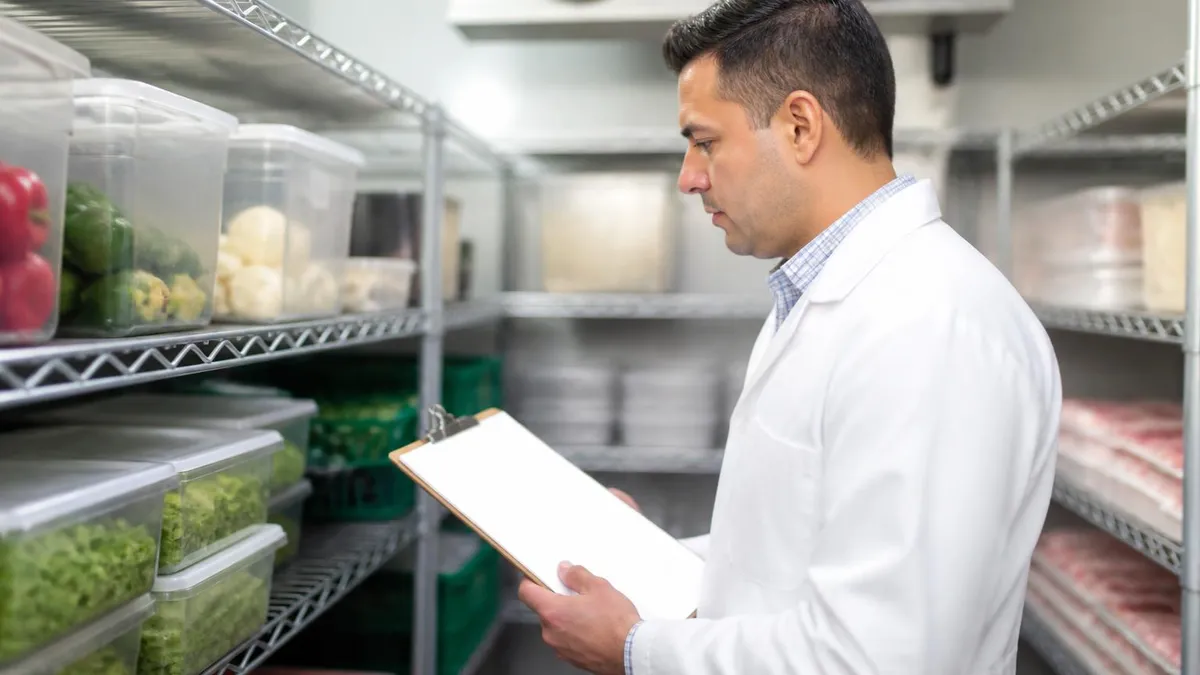
Five ServSafe Credentials at a Glance
Entry-level food safety credential for cooks, dishwashers, prep staff, and servers. Covers handwashing, contamination prevention, temperature control, allergens, and cleaning procedures. Course runs roughly 90 minutes online; the exam is 40 multiple-choice questions with a 75 percent pass mark. Typical cost is $15 bundled in most states. Validity is 2 to 3 years depending on state, and the credential is required as the floor-level certification for nearly every line-level food service role nationally.
The supervisor credential required by most states for at least one manager on every shift. Covers everything in Food Handler at deeper level plus HACCP, allergen management, pest control, and supervisor responsibilities. 8 to 16 hours of study; the exam is 90 questions with a 75 percent pass mark. Typical bundled cost is $179. Five-year validity in most states. Often non-negotiable for any role with managerial authority — and frequently a prerequisite for obtaining or renewing a local food service operating permit.
Responsible beverage service credential for bartenders, servers, and managers at venues that pour alcohol. Two tiers — Primary (servers, $30 to $40) and Advanced (managers, $75 to $100). Covers ID checking, intoxication recognition, intervention techniques, and alcohol liability law. Validity is 3 years in most states. Separate from food safety credentials — you need both if your role touches food and alcohol. Strongly recommended for any front-of-house staff serving in a licensed venue.
Specialty credential for allergen-aware service. Covers cross-contact prevention, ingredient labeling, customer communication, and allergen-safe preparation procedures. Required in Massachusetts, Michigan, Rhode Island, and a handful of other states. Around $22 bundled. Two-hour course plus a short exam. Often layered on top of Food Handler or Manager credentials in states that mandate it for any kitchen-side staff or for any manager working in a food service operation with multiple allergen risks.
Step 2 — Register and Pay
Registration happens through ServSafe.com. You create a free account first — name, email, address, employer (optional). Then you select your credential and pay. The site accepts credit cards. Some employers have corporate accounts that let you register without paying yourself, but most candidates pay directly and submit for reimbursement later.
For Food Handler, you'll often go through a state-specific portal that ServSafe routes you to based on your selected state. The course and exam are bundled — one fee, both included. You'll start the course immediately after paying. There's no waiting period.
For ServSafe Manager, the registration is slightly more complex. You can buy the textbook only, the online course only, the exam only, or any combination. The bundled package — online course plus proctored exam voucher — is the cleanest path and usually the cheapest per-item. If you've already studied from the textbook or taken a refresher course elsewhere, you can buy just the exam voucher for around $50 to $65. The voucher is then redeemed when you schedule the proctored sitting.
For Alcohol, registration mirrors Food Handler. Select your state, pick Primary or Advanced, pay, and the course unlocks. State selection matters here — the course module includes state-specific law that changes the content slightly depending on jurisdiction.
A few practical notes on payment. Some employers reimburse the full cost after you pass — typically within 30 to 60 days of starting the job. A few cover the cost upfront if you ask. Don't assume one way or the other. Ask the HR contact or hiring manager before you swipe your own card. Pay stubs from a successful first month are usually the proof of employment they want before reimbursing.
For Manager, the bundled package (online course plus exam voucher) is almost always cheaper than buying the textbook, the online course, and the exam voucher separately. The exception is when you've already taken a refresher course elsewhere and only need the exam — then the standalone voucher at $50 to $65 wins.
Step 3 — Study (and Don't Skip This)
Most people who fail a ServSafe exam fail because they assumed they didn't need to study. The Food Handler exam looks easy on paper. So does the Manager exam if you've worked in food service for years. Both are deceptively wordy and situational. You'll be asked what to do, not just what's true.
For Food Handler, plan to spend 2 to 4 hours total. Run through the online course once. Take every knowledge check seriously — if you score under 80 percent on any module, re-read that section. Then run through a set of ServSafe practice questions the day before the exam. The Food Handler exam is short and the content is concentrated, so a focused afternoon of study is usually enough.
For Manager, the study window is longer. Plan 20 to 40 hours of preparation across 2 to 4 weeks. Read the coursebook. Take the practice questions at the end of each chapter. Then work through a full ServSafe practice test under timed conditions to find your weak areas. Most candidates struggle with the same three areas — time and temperature controls, allergen management, and cleaning vs sanitizing procedures. Focus extra study on those topics.
The Manager exam pulls from a large bank of situational questions. Memorizing facts isn't enough. You'll see scenarios — "a cook reports symptoms of jaundice; what is the manager's responsibility?" — and you'll need to apply the framework. The right answer is almost always the one that prevents transmission, not the one that punishes the cook. Study the principles, not the trivia.
For Alcohol, the study window is closer to Food Handler. Plan 4 to 8 hours. The exam is situational in the same way Manager is — recognizing the right intervention in a guest scenario, applying the BAC framework to a given drinker, refusing service without escalation. Practice with situational questions, not flashcards.
One final study tip. Don't take the proctored exam the same day you finish the course. Give yourself at least 24 hours between completing the last module and sitting for the test. Your brain needs time to consolidate the material. Candidates who blast through the course and sit for the exam the same afternoon fail at a higher rate than those who sleep on it first.
Pre-Exam Study Checklist
- ✓Read every course module from start to finish — don't skim past the time and temperature section or the cleaning vs sanitizing material
- ✓Score 80 percent or higher on every in-course knowledge check before you schedule the proctored exam slot
- ✓Work through at least one full set of practice questions from a third-party bank to expose weak topic areas
- ✓Identify your two lowest-scoring topics on a practice test and spend extra study time on those specific areas
- ✓Build a flashcard set for the numeric facts — danger zone temperatures, hot holding minimums, cold holding maximums, cooling timeframes
- ✓Sleep on the material for at least one overnight gap between finishing the course and sitting for the proctored exam
- ✓Schedule the proctored exam slot at registration time so you have a deadline and a locked-in test date to work toward
- ✓Test your webcam, microphone, and internet connection 24 hours before the exam — not five minutes before you launch
Step 4 — Take the Proctored Exam
The exam is the part that intimidates people. It shouldn't. The format is straightforward and the proctor is professional. Knowing what to expect ahead of time removes 80 percent of the anxiety.
You have two delivery options. In-person at an approved testing center — typically a community college, a chamber of commerce office, or a ServSafe-affiliated training facility. Or online with a remote proctor through ServSafe's testing partner. Both options use the same exam content and pass mark. The online proctored version is more convenient and more popular, but the in-person version has a slight edge in pass rates because there's less tech anxiety to deal with.
For the online proctored exam, you'll need a quiet, well-lit room with no other people present. A working webcam and microphone. A government-issued photo ID. A computer with a stable internet connection. You'll launch the exam through your ServSafe account, the proctor will check you in (5 to 10 minutes of ID verification and room scanning), and then the exam timer starts. You can't have a phone within reach. You can't have a second monitor visible. You can't have notes or a textbook nearby. The proctor watches throughout via webcam.
The exam itself uses multiple-choice questions, four options each, no penalty for guessing. Food Handler is 40 questions in roughly 60 minutes. Manager is 90 questions in 120 minutes. Alcohol Primary is 40 questions in 90 minutes. You can flag questions you're unsure of and come back to them. There's a clock visible throughout.
Read every question twice. ServSafe writes its wrong answers to look plausible — that's not a bug, it's by design. The most common failure mode is rushing the first half of the exam, finishing in 40 minutes with 35 minutes of "buffer" left, then realizing on review that 8 of your answers were rushed. Slow down. Use the full time. Read scenarios twice before picking an answer.
Results display immediately at the end of the exam. You'll see pass or fail and a score breakdown by topic area. Pass and the certificate becomes available in your ServSafe account within 1 to 2 business days as a downloadable PDF. Fail and you can review the score report to see which topics tripped you up, then schedule a retake after the cool-down period.
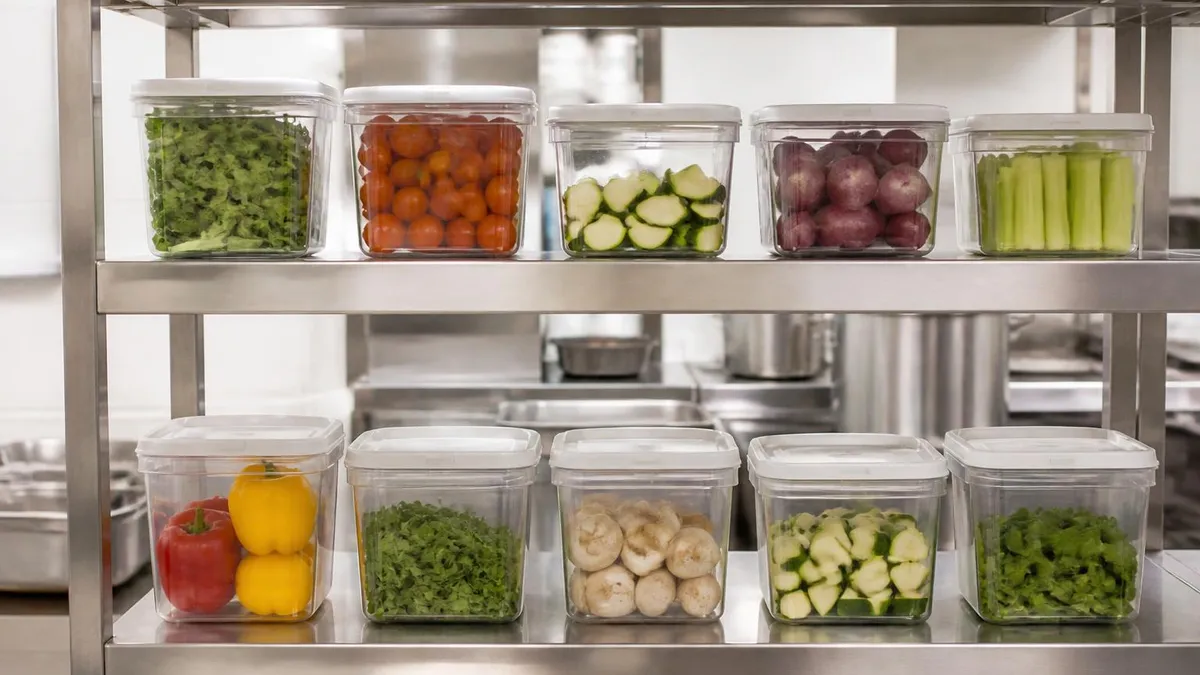
The proctor needs to verify your ID and scan the room before the exam timer starts. Rushing this step gets attempts flagged or voided. Allow a full 10 minutes for check-in, move slowly with the camera, and have your government-issued photo ID ready before you launch the session.
Step 5 — Download the Certificate and Submit to Your Employer
Once you pass, the certificate is yours. It lives in your ServSafe account and you can download it as a PDF, print it, or share it with employers. Most employers want a copy on file before they put you on the schedule for shifts where the credential is required.
The certificate shows your name, the credential earned, the date of certification, and the expiration date. For Food Handler, that's typically 2 to 3 years depending on state. For Manager, 5 years in most states. For Alcohol, 3 years. Put the expiration in your phone calendar with a 30-day-out reminder so you don't get caught lapsed.
Some employers verify certifications independently through ServSafe's online lookup tool. They'll ask for your full name and certification number to confirm the credential is current. This is normal practice for chains and franchises with strict compliance requirements. Provide the number when asked — it's printed on the certificate itself.
If your state uses its own food handler card system on top of ServSafe (Texas, for example, has the Texas Food Handler card administered through approved providers), you may need to upload your ServSafe certificate to a state portal to receive the official state-issued card. Check your state's health department website for the specific process.
Choosing Between Credentials
Entry-level credential. 40-question exam, 75% pass mark, $15 in most states. Best for line cooks, dishwashers, prep staff, and front-of-house servers in their first food service role. Validity is 2 to 3 years depending on state. The course takes about 90 minutes online — completable in a single afternoon for most candidates. Required as the baseline for any kitchen-side or service-floor role in most regulated jurisdictions, and almost always accepted as the floor-level credential by chain operators and independent restaurants alike.
Full Cost Breakdown
The total cost depends on which credential and which extras. Here's the full picture.
Food Handler. $15 in most states. Some states (California, Illinois, Texas) have state-specific food handler programs that bundle ServSafe at slightly higher prices — $20 to $35. The card is downloadable as a PDF immediately after passing, and most employers accept the PDF.
Manager. $179 for the bundled package (online course plus proctored exam voucher). The textbook alone is $65. The exam voucher alone is $50 to $65. Most candidates buy the bundle because it's the cheapest combined option. If your employer already has a corporate ServSafe account, the cost might be covered or significantly discounted.
Alcohol Primary. $30 to $40 bundled. Advanced runs $75 to $100. Same payment flow as the other credentials.
Retakes. Each retake costs the full exam fee. There's no discount for retesting. Plan to pass on the first attempt if you can — the cost of a failed Manager exam plus a retake is around $250 total, more than double the cost of passing first time.
Bookkeeping note. Save your receipts. Many employers reimburse the cost, and the IRS allows continuing education deductions for some food service workers (consult a tax professional for your specific situation). The receipts also help if you need to prove training history when applying for management roles later.
Realistic Timeline
From "I need to get certified" to "I have the PDF in hand," the realistic timeline varies by credential and by how aggressive you want to be with study.
Fastest path for Food Handler — 2 to 3 days. Register Day 1, run through the course and a practice test Day 1 evening, sleep on it, sit the proctored exam Day 2 morning, download the certificate Day 2 or Day 3. Some people compress this into a single day if they're motivated. It's doable but not ideal — your brain absorbs material better with at least one overnight gap.
Fastest path for Manager — 1 to 2 weeks. Register Day 1, start reading the coursebook. Spend evenings going through the course modules. Aim for 2 to 4 hours of study per evening for 5 to 7 days. Take practice tests on Day 6 or 7 to identify weak areas. Spend Day 8 reviewing weak areas. Sit the proctored exam Day 9 or 10. Download the certificate the same week.
Comfortable path for Manager — 3 to 4 weeks. Spread the same total study time across more calendar days. This is the path most working adults take because it fits around full-time jobs and family commitments. Two to four hours per weekend plus one weeknight session of an hour is plenty.
Alcohol path — 3 to 7 days. Similar to Food Handler in scope, but the exam is slightly tougher and the situational questions take more practice. A weekend of study and a Monday morning proctored exam is a typical pattern.
One scheduling note. Proctored exam slots can book up during high-demand seasons (typically late spring and early fall when seasonal hiring peaks). Schedule your exam slot when you register, even if you're not ready to sit yet. You can usually reschedule for free up to 48 hours before the slot. Locking in the date also creates a useful deadline for your study.
Getting ServSafe Certified — Honest Tradeoffs
- +Nationally recognized credential accepted by nearly every food service employer
- +Online proctored option makes scheduling easy — no driving to a testing center
- +Immediate pass/fail result at the end of the exam — no waiting weeks for scores
- +Strong career value — certified workers earn more and qualify for more roles
- +Reasonable cost compared to many vocational certifications — $15 for entry level
- −Five separate credentials can confuse first-time buyers picking the right one
- −Full re-test at renewal — no shortened refresher exam in most states
- −Online proctored format is strict — small infractions can void an attempt
- −Manager credential is genuinely difficult without serious study — high failure rate
- −State-specific add-ons (Allergens in MA, RBS in CA) may be required on top

What Happens If You Fail
You retake the exam. That's the short answer. The longer answer involves cool-down periods, fees, and figuring out what went wrong.
Food Handler retakes have a short cool-down — typically the same day or next day depending on platform. Manager retakes have a 24-hour cool-down between attempts. Alcohol Primary has a 24-hour cool-down, Advanced is 72 hours. Each retake costs the full exam fee, so figure $15 to $179 each attempt depending on which credential.
The score report after a failed attempt is the most useful diagnostic you'll get. It breaks performance down by topic area — for Manager, that's typically 6 to 8 categories. Look at the two lowest-scoring categories and focus your re-study there. Don't re-read the entire textbook. That wastes time and doesn't address the actual gap.
Most second-attempt candidates pass. The pass rate on second attempts is around 85 to 90 percent because the candidates know what to expect on the exam format and have a focused study target from the score report. Don't panic if you fail the first time. It doesn't mean you can't do the job. It usually just means your study plan needed a stronger focus on the weak areas.
If you fail twice, take a longer break — a week or two — and consider switching to a different study format. If you studied online only, get the textbook. If you read the textbook, try an instructor-led course at a community college. Different presentations of the same material help different people. There's no shame in asking for help with the material.
Renewal — Staying Current
Certifications expire. Plan for renewal before they do.
Food Handler is the shortest cycle — 2 to 3 years in most states. Renewal usually means re-taking the course and exam from scratch. There's no shortened "refresher exam" for Food Handler. The good news — the second time around, the material is familiar and the exam takes half the time to prep for.
Manager is the longest cycle — 5 years in most states. Renewal also requires a full re-test, though some states accept continuing education credits in lieu of a full exam. Check your state health department's specific rules. ServSafe offers a refresher course that's shorter than the original — useful if you've been working in the field continuously and just need a content refresh before re-testing.
Alcohol is 3 years. Renewal is a full re-test. Same as the others — no shortened refresher exam, but the second attempt feels much easier because you've already worked the role.
Set calendar reminders 60 days, 30 days, and 7 days before each expiration. Letting a credential lapse means you may not legally work in certain roles until you re-certify, and some employers will move you off the schedule (or out of a managerial role) until the renewed certificate is in hand. The 60-day reminder gives you time to study and schedule the exam without scrambling.
The day you pass, set three calendar reminders for the expiration date — 60 days out, 30 days out, and 7 days out. The 60-day reminder gives you time to study and schedule the renewal exam without scrambling.
Mistakes People Make Getting Certified
A few patterns repeat across candidates who struggle. Knowing them helps you avoid them.
Buying the wrong credential. Someone applies for a manager job, reads "ServSafe required" in the listing, and buys Food Handler because it's cheaper. They show up Day 1 with the wrong credential and have to re-test on Manager. Spending the extra $164 on the right credential up front is cheaper than buying Food Handler plus Manager separately. Read the job description carefully and ask the hiring manager if you're unsure.
Skipping the practice questions. The ServSafe course modules include knowledge checks but they're not as challenging as the real exam. People who only review the course material score 5 to 10 percentage points lower than people who also work through a separate set of practice questions. The cost of a third-party practice question bank is usually $20 or less and pays for itself in retake savings.
Candidates who only review the ServSafe course modules score 5 to 10 percentage points lower than candidates who also work through a separate set of practice questions. The course knowledge checks are softer than the real exam — supplement them.
Rushing the proctored check-in. The proctor needs to see your ID clearly, verify your face matches the ID, and scan the room with your webcam. Candidates who rush this part get flagged for poor lighting or unclear ID and have to redo the check-in — which eats into the exam timer in some platforms. Take five extra minutes. Move the camera slowly. Show the room thoroughly.
Not eating before the exam. Sounds trivial. It isn't. Hungry brains miss subtle wording. Eat a real meal (not just coffee) an hour before the exam. Drink water. Use the restroom. The exam is 60 to 120 minutes of concentrated focus and your brain runs on glucose like every other organ.
Forgetting to download the certificate. The certificate becomes available 1 to 2 business days after the exam. Some candidates pass, get the immediate "you passed" notification, and forget to log back in and download the PDF. Then six months later when an employer asks for it, they panic. Download it the day it becomes available. Email yourself a copy. Save it in three places.
Day-of-Exam Checklist
- ✓Eat a real meal an hour before the exam — protein and complex carbs, not just coffee or a sugary snack
- ✓Drink a full glass of water and use the restroom 10 minutes before launching the proctored session
- ✓Confirm your government-issued photo ID is within arm's reach and the photo matches your current appearance
- ✓Close every other browser tab, application, and any chat or notification programs that might pop up mid-exam
- ✓Test the webcam and microphone one final time and confirm the room lighting shows your face clearly on camera
- ✓Block all interruptions for the full exam window — phone on silent in another room, door locked, household notified
- ✓Read every scenario question twice before picking an answer — wrong answers are written to look plausible at first glance
- ✓Use the full time allotment — most failures come from rushing the first half, not from running out of time at the end
Treat the certificate as the start, not the finish
Getting ServSafe certified is a sequence — pick the right credential, register, study, sit the exam, download the certificate, renew on schedule. The training builds the food safety instincts and managerial frameworks you'll actually use on the job. Pass the exam, treat the training as the floor of how you run a safe operation, not the ceiling.
Sample ServSafe Practice Questions
Try these questions from our free ServSafe practice tests. The correct answer and an explanation follow each question.
The second step of properly washing a food contact surface is:
- A. Wash
- B. Rinse
- C. Sanitize
- D. Dry
Answer: B. Rinse
The five steps for properly washing a food contact surface are: 1) Scrape/Pre-rinse, 2) Wash, 3) Rinse, 4) Sanitize, and 5) Air-dry. After washing with detergent to remove food particles, the next step is to rinse the surface thoroughly to remove all soap residue before sanitizing.
What is the purpose of setting a critical limit in the cooking process of TCS food?
- A. Reduce hazards to safe levels
- B. Avoid serving undercooked food to high-risk customers
- C. Identify potential hazards
- D. Identify where hazards can be eliminated
Answer: A. Reduce hazards to safe levels
In a HACCP system, a critical limit is established at a critical control point, such as cooking, to ensure food safety. The primary purpose of setting a critical limit for cooking TCS food is to reduce identified hazards, specifically harmful microorganisms, to safe and acceptable levels. This ensures that the food reaches a temperature and time combination sufficient to destroy pathogens.
What is the first step in developing a HACCP plan?
- A. identify corrective actions
- B. conduct a hazard analysis
- C. establish monitoring procedures
- D. determine critical control points
Answer: B. conduct a hazard analysis
The first and foundational step in developing a HACCP (Hazard Analysis and Critical Control Points) plan is to conduct a hazard analysis. This involves identifying potential biological, chemical, and physical hazards that could occur at each step of the food preparation process and determining which hazards are significant and must be controlled.
What is the final step in cleaning and sanitizing a prep table?
- A. Allowing the surface to air-dry
- B. Rinsing the surface
- C. Cleansing with detergent
- D. Sanitizing the surface
Answer: A. Allowing the surface to air-dry
After a food-contact surface has been thoroughly cleaned with detergent and then rinsed, it must be sanitized to reduce pathogens to safe levels. The final and crucial step in this process is allowing the surface to air-dry completely. Air-drying prevents recontamination that can occur from wiping with cloths and ensures the sanitizer has sufficient contact time to be effective.
ServSafe Questions and Answers
About the Author

Registered Sanitarian & Food Safety Certification Expert
Cornell University College of Agriculture and Life SciencesThomas Wright is a Registered Sanitarian and HACCP-certified food safety professional with a Bachelor of Science in Food Science from Cornell University. He has 17 years of experience in food safety auditing, regulatory compliance, and foodservice management training. Thomas prepares food industry professionals for ServSafe Manager, HACCP certification, and state food handler examinations.
Join the Discussion
Connect with other students preparing for this exam. Share tips, ask questions, and get advice from people who have been there.
View discussion (7 replies)