
Meaning of RCMP: What the Royal Canadian Mounted Police Stands For 2026 October
⏳ The meaning of RCMP explained: history, structure, role, and what the Royal Canadian Mounted Police acronym represents in 2026 October.

The meaning of RCMP goes far beyond the four letters stamped on a red serge tunic or the iconic Stetson hat. RCMP stands for Royal Canadian Mounted Police, the national, federal, and in many places provincial and municipal police service of Canada. Few law enforcement agencies in the world carry such a complex mandate or such a recognizable brand, and understanding what the acronym truly represents requires looking at history, jurisdiction, training, and culture all at once.
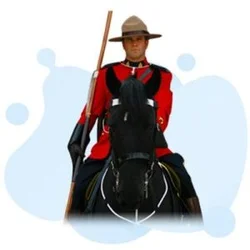
When most people hear the phrase Royal Canadian Mounted Police, they picture a constable on horseback in a scarlet coat. That image is real, but it is largely ceremonial today. The modern Mounties patrol highways, run organized crime task forces, staff airports, protect dignitaries, investigate terrorism, and police hundreds of small towns that have no local force. The meaning of RCMP has expanded with Canada itself, evolving from a frontier mounted force into a sprawling, multi-jurisdictional agency.
The word "Royal" in the title is not decorative. It signals a direct constitutional link to the Canadian Crown, granted in 1904 by King Edward VII. "Canadian" reflects the federal nature of the agency, which serves the entire country rather than a single province. "Mounted" recalls the original North-West Mounted Police of 1873, whose officers rode horses across the prairies. And "Police" simply confirms what the organization does: enforces criminal law and keeps the peace.
For Americans curious about Canadian institutions, the closest comparison would be a hybrid of the FBI, state troopers, and small-town sheriffs all rolled into one agency. There is no exact U.S. equivalent. The RCMP investigates federal crimes like counterfeiting and cybercrime, but in eight provinces and three territories it also responds to bar fights, traffic accidents, and missing persons calls. This dual identity is central to understanding the meaning of RCMP today.
If you are preparing for an entrance exam or simply researching the force, you will quickly encounter the RCMP meaning in formal documents, recruitment material, and statutes like the RCMP Act of 1985. The terminology can be confusing because the agency uses several names: Royal Canadian Mounted Police, RCMP, Mounties, and in French, Gendarmerie royale du Canada or GRC. All four refer to the same organization.
Culturally, the Mounties occupy a unique space. They appear on currency, in Hollywood films, and on tourist postcards, often portrayed as polite, dutiful, and unfailingly fair. The reality is more nuanced. Like any large law enforcement body, the RCMP has faced criticism, reform efforts, and internal controversies. Still, public trust remains comparatively high, and the brand carries a weight that few national police forces can match.
This article unpacks every layer of the acronym, from the 1873 founding to modern recruitment standards, salary, and exam preparation. Whether you are studying for a career in policing, writing a school report, or just curious about Canada's most famous institution, the next sections will give you a complete, accurate picture of what RCMP really means.
RCMP by the Numbers

What Each Letter in RCMP Stands For
Granted by King Edward VII in 1904 in recognition of service. The Royal designation links the force to the Canadian Crown and is a mark of honor shared with only a handful of police agencies worldwide.
Reflects the federal scope of the agency. The RCMP serves all of Canada, including federal jurisdictions, eight provinces under contract, three territories, and roughly 150 municipalities and 600 Indigenous communities.
A historical reference to the original mounted patrols of the prairies. While horses are now ceremonial, the term preserves the force's frontier identity and is still used in the famous Musical Ride performances.
Defines the core function: criminal law enforcement, public safety, investigation, and peacekeeping. The RCMP performs every function of a modern police service, from traffic stops to international counterterrorism.
In French, the agency is called Gendarmerie royale du Canada, abbreviated GRC. Both names have equal legal standing under Canada's Official Languages Act, and members may serve in either language.
The meaning of RCMP cannot be understood without its origin story. The agency was born in 1873 as the North-West Mounted Police, a paramilitary force created by Prime Minister Sir John A. Macdonald to bring order to the vast and largely lawless North-West Territories. American whisky traders had been crossing the border into what is now Alberta and Saskatchewan, devastating Indigenous communities at posts like Fort Whoop-Up. Ottawa needed a force that could project authority across thousands of miles of prairie quickly and cheaply.
The original 300 officers undertook the legendary March West in 1874, a grueling 800-mile trek from Manitoba to the foothills of the Rockies. The march established the force's reputation for endurance and helped negotiate peaceful relations, at least initially, with First Nations peoples like the Blackfoot Confederacy. Within two years, the whisky forts had been shut down and a basic legal order extended across the prairies. This founding myth still shapes the agency's self-image today.
In 1904, King Edward VII added the prefix "Royal" in recognition of distinguished service, creating the Royal North-West Mounted Police. The current name, Royal Canadian Mounted Police, was adopted in 1920 when the force merged with the Dominion Police, an eastern federal agency. The merger gave the new RCMP a truly national scope, extending its reach from coast to coast for the first time and consolidating federal policing under one banner.
Throughout the twentieth century, the RCMP grew dramatically. It absorbed several provincial police forces, including the Saskatchewan Provincial Police in 1928 and the British Columbia Provincial Police in 1950. These mergers cemented the contract policing model that still defines RCMP operations today. By the post-war era, the Mounties had become a symbol of Canadian identity, featured in films, songs, and tourism campaigns around the world.
Modern reforms have shaped the meaning of RCMP as much as its founding. Women were first admitted as regular members in 1974, a milestone that reshaped recruitment and training. The force has also undergone significant restructuring in response to inquiries into past misconduct, missing and murdered Indigenous women, and workplace culture. If you want a deeper breakdown of these milestones, the practice test resources cover this history in detail.
The RCMP also has a complicated relationship with Indigenous communities, which it polices in over 600 locations. Early Mounties enforced policies like the residential school system and the suppression of cultural practices. Recent decades have brought formal apologies, Indigenous recruitment initiatives, and community-led policing programs. Understanding this history is essential for anyone studying the force, whether academically or as a prospective recruit.
Today, the RCMP traces a continuous lineage back to 1873, making it one of the oldest continuously operating federal police forces in the world. Each new cadet who graduates from Depot Division in Regina inherits that 150-plus-year history, along with the symbolism, the responsibilities, and the controversies that come with it. The acronym RCMP carries all of that weight in just four letters.
RCMP Practice Test Questions
Prepare for the RCMP - Royal Canadian Mounted Police exam with our free practice test modules. Each quiz covers key topics to help you pass on your first try.
RCMP Problem Solving
RCMP Exam Questions covering Problem Solving. Master RCMP Test concepts for certification prep.
RCMP Verbal Reasoning
Free RCMP Practice Test featuring Verbal Reasoning. Improve your RCMP Exam score with mock test prep.
RCMP Canadian Law and Criminal Code Knowledge
RCMP Mock Exam on Canadian Law and Criminal Code Knowledge. RCMP Study Guide questions to pass on your first try.
RCMP History and Organization
RCMP Test Prep for RCMP History and Organization. Practice RCMP Quiz questions and boost your score.
RCMP - Royal Canadian Mounted Police Ethic...
RCMP Questions and Answers on - Royal Canadian Mounted Police Ethical Decision-Making. Free RCMP practice for exam readiness.
RCMP - Royal Canadian Mounted Police Logic...
RCMP Mock Test covering - Royal Canadian Mounted Police Logical Reasoning Puzzles. Online RCMP Test practice with instant feedback.
RCMP - Royal Canadian Mounted Police Memor...
Free RCMP Quiz on - Royal Canadian Mounted Police Memory and Observation. RCMP Exam prep questions with detailed explanations.
RCMP - Royal Canadian Mounted Police Numer...
RCMP Practice Questions for - Royal Canadian Mounted Police Numerical Reasoning and Computation. Build confidence for your RCMP certification exam.
RCMP - Royal Canadian Mounted Police RCMP ...
RCMP Test Online for - Royal Canadian Mounted Police RCMP Core Competencies. Free practice with instant results and feedback.
RCMP - Royal Canadian Mounted Police Readi...
RCMP Study Material on - Royal Canadian Mounted Police Reading Comprehension Skills. Prepare effectively with real exam-style questions.
RCMP - Royal Canadian Mounted Police Situa...
Free RCMP Test covering - Royal Canadian Mounted Police Situational Judgement Scenarios. Practice and track your RCMP exam readiness.
RCMP - Royal Canadian Mounted Police Spati...
RCMP Exam Questions covering - Royal Canadian Mounted Police Spatial Skills and Visualization. Master RCMP Test concepts for certification prep.
RCMP Roles, Jurisdiction, and Mandate
At the federal level, the RCMP enforces Canadian laws that apply nationwide. This includes counterterrorism, organized crime, cybercrime, financial crime, drug trafficking, border integrity, and protection of internationally protected persons such as visiting heads of state. Federal units operate from coast to coast and work closely with international partners like the FBI, Interpol, and Europol on cross-border cases that touch Canadian soil or Canadian victims.
Federal policing also includes protective services for the Prime Minister, the Governor General, and foreign dignitaries. Specialized teams handle counterfeiting investigations, proceeds of crime, money laundering, and national security threats. This federal mandate is the foundation of the meaning of RCMP and is the one role the force never delegates to another agency, regardless of province or territory.
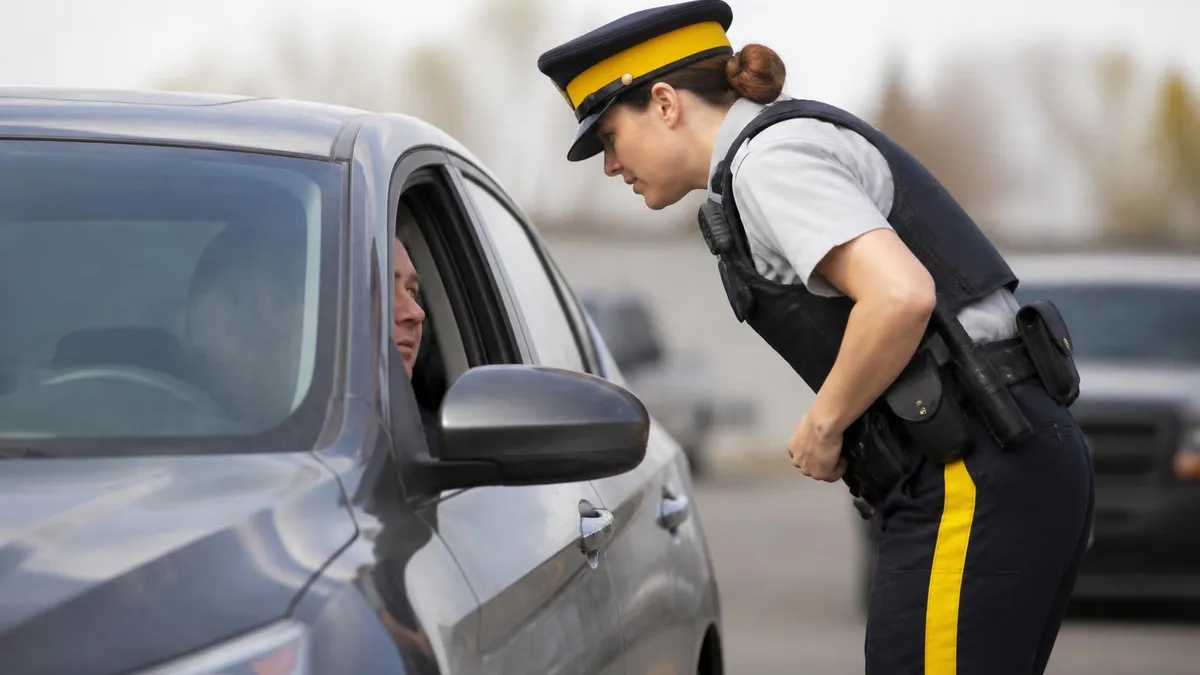
Is a Career with the Royal Canadian Mounted Police Right for You?
- +Stable federal employment with strong pension, health, and dental benefits across all postings
- +Opportunity to serve anywhere in Canada, from major cities to remote Arctic detachments
- +Wide range of specializations including K9, dive team, forensic identification, and federal investigations
- +Competitive starting salary of roughly CAD $69,000 rising to over $106,000 within three years
- +Tuition support, leadership development, and clear promotion paths for committed officers
- +Iconic uniform and global recognition that opens doors to international policing partnerships
- −Mandatory relocation anywhere in Canada upon graduation from Depot Division in Regina
- −Shift work, night patrols, and on-call duties that strain family life and personal routines
- −Exposure to traumatic incidents, violent crime, and high-stress operational environments
- −Lengthy recruitment process that can take 12 to 18 months from application to swearing-in
- −Strict fitness, background, and medical standards that disqualify many otherwise strong candidates
- −Cultural adjustment for officers posted to small, isolated communities far from urban amenities
Pros and Cons at a Glance
| Pros | Cons |
|---|---|
| Stable federal employment with strong pension, health, and dental benefits across all postings | Mandatory relocation anywhere in Canada upon graduation from Depot Division in Regina |
| Opportunity to serve anywhere in Canada, from major cities to remote Arctic detachments | Shift work, night patrols, and on-call duties that strain family life and personal routines |
| Tuition support, leadership development, and clear promotion paths for committed officers | Exposure to traumatic incidents, violent crime, and high-stress operational environments |
| Iconic uniform and global recognition that opens doors to international policing partnerships | Strict fitness, background, and medical standards that disqualify many otherwise strong candidates |
Steps to Join the Royal Canadian Mounted Police
- ✓Confirm eligibility: Canadian citizenship or permanent residency with ten years in Canada
- ✓Hold a valid Canadian driver's licence and a Canadian high school diploma or equivalent
- ✓Meet vision, hearing, and medical fitness standards published by the RCMP
- ✓Submit the online application through the official RCMP careers portal
- ✓Pass the RCMP Police Aptitude Battery (RPAB) entrance exam covering reasoning and judgment
- ✓Complete the Physical Abilities Requirement Evaluation (PARE) within four minutes and forty-five seconds
- ✓Clear a comprehensive security clearance, polygraph interview, and reference checks
- ✓Pass detailed medical, psychological, and dental assessments with approved professionals
- ✓Attend and successfully complete the 26-week cadet program at Depot Division in Regina
- ✓Accept posting to any location in Canada upon graduation as a regular member
RCMP is the only police force in the world that operates at four levels simultaneously
The Royal Canadian Mounted Police is federal, provincial, territorial, municipal, and Indigenous all at once. No other national police service in the G7 spans this many layers of jurisdiction. Understanding this is the single most important step in grasping what the acronym truly means in practice today.
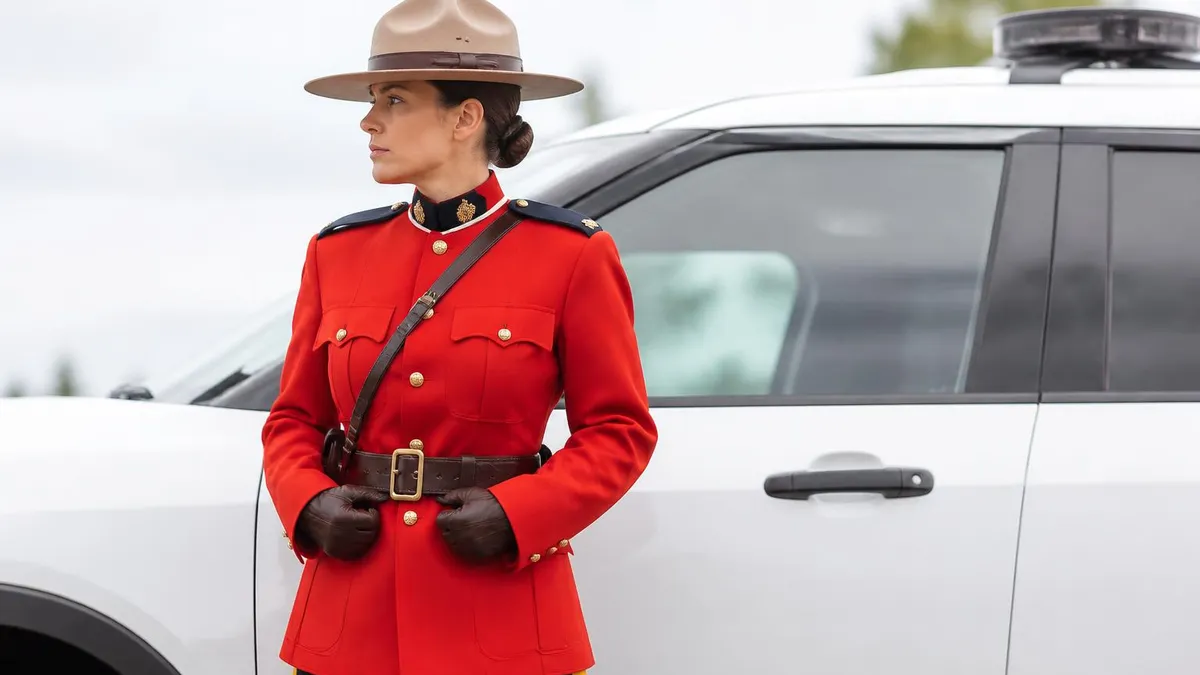
Every RCMP officer earns the right to wear the red serge by completing the Cadet Training Program at Depot Division in Regina, Saskatchewan. The program lasts 26 weeks and is one of the most demanding entry-level police training experiences in North America. Cadets live on-site in dormitories, follow a strict daily schedule, and are immersed in a paramilitary culture that emphasizes discipline, teamwork, and accountability from the very first day they arrive on the parade square.
The training curriculum balances classroom learning with hands-on scenarios. Academic modules cover Canadian criminal law, the Charter of Rights and Freedoms, RCMP policy, ethics, cultural awareness, and interview techniques. Physical training, defensive tactics, and firearms instruction are layered on top, along with driver training in pursuit and emergency response. Cadets also rehearse hundreds of realistic scenarios in mock streets, homes, and traffic stops with role-playing actors who push them under pressure.
One of the most distinctive elements of Depot is the integrated training model. Rather than teaching law on Monday and tactics on Tuesday, instructors weave subjects together. A single scenario might require a cadet to apply Criminal Code arrest powers, demonstrate use-of-force continuum reasoning, communicate with a distressed victim, and write a clear, court-ready report afterward. This approach reflects the reality that frontline officers must integrate every skill simultaneously in real incidents.
Cadets are paid a modest training allowance of roughly $525 per week while at Depot, and meals, accommodation, and uniforms are provided. Upon graduation, recruits become regular members, swear the oath of office, and are sworn in as peace officers. Salaries jump significantly, starting at approximately CAD $69,000 in the first year and progressing to over $106,000 by year three, with additional pay for specialized assignments and remote postings.
The graduation ceremony at Depot is a deeply emotional event. Cadets march onto the parade square in red serge, receive their badges and assignments, and are formally welcomed into the regular force by senior officers and family members. Postings are announced shortly before graduation, and new constables typically have just a few weeks to relocate to their first detachment, which could be anywhere from Vancouver Island to Iqaluit or rural Newfoundland.
Depot also houses the famous Sergeant Major's Parade and the RCMP Musical Ride training facilities. Although the Musical Ride is now a separate ceremonial unit, every cadet at Depot learns the basics of equitation as part of the heritage curriculum. This is more than nostalgia; it reinforces the historical roots that give the meaning of RCMP its enduring symbolic power across Canada and around the world today.
Beyond the basic cadet program, the RCMP invests heavily in ongoing professional development. Officers can pursue advanced training in major crime, forensic investigation, undercover operations, financial crime, cybercrime, and emergency response. Many also complete post-secondary degrees on a part-time basis, supported by tuition assistance. This commitment to lifelong learning is one reason the RCMP remains one of the most respected federal employers in Canada.
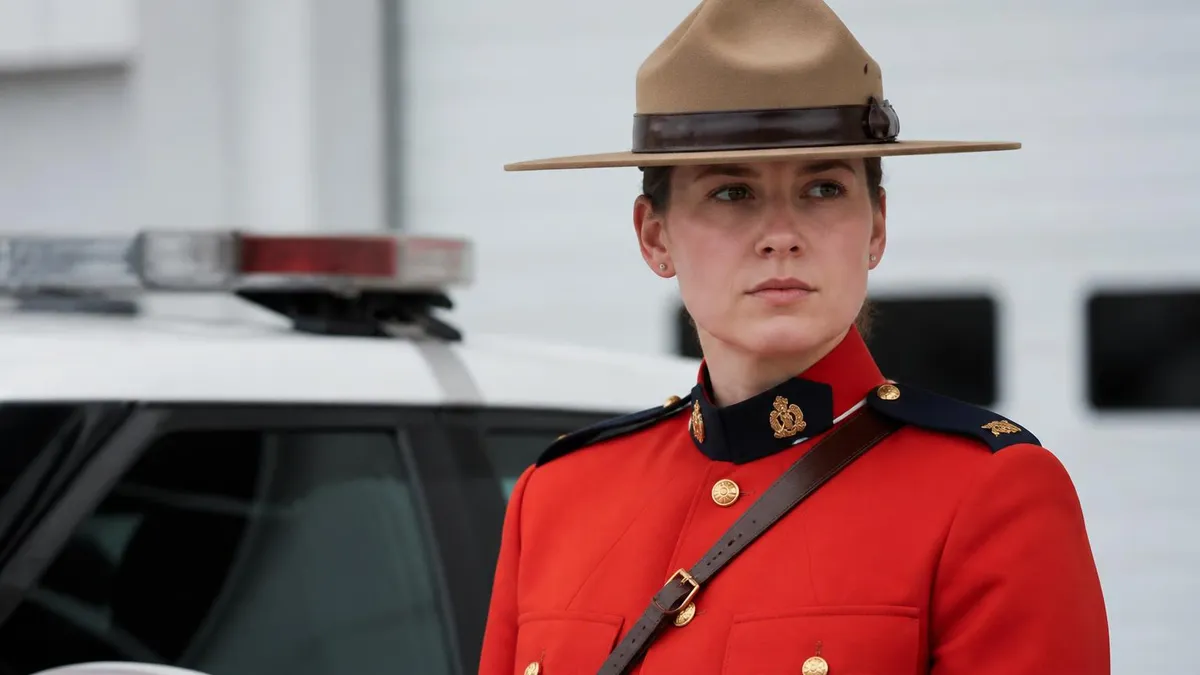
The RCMP regularly revises medical, vision, fitness, and background screening requirements. Always check the official RCMP careers portal before applying to confirm current standards. Tattoo policy, prior drug use disclosures, and credit history reviews have all changed in recent years and can disqualify candidates who relied on outdated information.
The meaning of RCMP in modern Canada is shaped as much by current events as by tradition. Over the past decade, the force has faced significant scrutiny over workplace harassment, the handling of mass casualty events, and its historic role in colonial policies. Several class-action settlements have resulted in formal apologies and structural reforms aimed at modernizing internal culture. Civilian oversight has expanded through the Civilian Review and Complaints Commission, which investigates public complaints with independence from the chain of command.
Diversity and inclusion have become central pillars of recruitment. The RCMP actively encourages applications from women, Indigenous peoples, racialized communities, and 2SLGBTQI+ Canadians. Today, roughly 22 percent of regular members are women, and Indigenous representation continues to grow, though slowly. These shifts reflect a broader Canadian conversation about who policing is for and how it should look in a country that prides itself on multiculturalism.
Technology is also redefining the meaning of RCMP in 2026. The force operates one of the largest digital forensics labs in Canada, runs the National Cybercrime Coordination Unit, and uses advanced analytics for everything from organized crime investigations to missing persons cases. Body-worn cameras have been rolled out to frontline members nationwide, and digital evidence management is now standard across detachments. For more on how modern testing reflects these changes, see the practice test resources.
Public trust remains comparatively high, with national polling consistently placing the RCMP among Canada's most respected institutions. That trust is not unconditional. Reports from auditors general, parliamentary committees, and royal commissions continue to push the agency toward greater transparency, faster discipline of misconduct, and stronger relationships with Indigenous and racialized communities. The force is in a period of genuine, sometimes uncomfortable, transformation.
Internationally, the RCMP punches above its weight. Liaison officers are stationed in dozens of countries, supporting transnational investigations into drug trafficking, human smuggling, terrorism financing, and cybercrime. Canadian Mounties have deployed on United Nations peacekeeping missions and trained foreign police services in places like Ukraine, Haiti, and Afghanistan. This international footprint contributes substantially to the modern meaning of RCMP as a force with global reach, not just domestic responsibility.
Culturally, the Musical Ride continues to tour Canada and abroad each summer, performing for hundreds of thousands of spectators. The red serge appears at state funerals, royal visits, hockey championships, and Remembrance Day ceremonies. These ceremonial appearances are not just pageantry; they reinforce the bond between the force and the Canadian public, and they remind viewers that the meaning of RCMP includes a deep emotional and symbolic dimension that few other federal agencies enjoy.
Looking forward, the RCMP faces hard strategic questions. Some provinces and municipalities are considering replacing contract policing with their own forces. Recruitment is challenged by competition from provincial agencies offering higher pay and shorter commutes. The Auditor General has flagged the need for modernization in IT systems, equipment, and human resources. How the RCMP responds will determine what the acronym means to the next generation of Canadians and the officers who choose to wear the uniform.
If you are preparing for an RCMP entrance exam or simply trying to deepen your understanding of the meaning of RCMP for academic or personal reasons, a focused study approach will pay off. Start with the official RCMP careers website and download the most recent edition of the Applicant Information Guide. This document lays out eligibility, the application steps, and a clear description of the RCMP Police Aptitude Battery, often called the RPAB, which has replaced older entrance exams.
Build a study schedule that covers four core areas: verbal reasoning, problem solving, observation and memory, and Canadian legal knowledge. Allocate roughly two hours per day over eight to twelve weeks. Use timed practice questions to simulate exam conditions, because the RPAB measures both accuracy and speed. Many candidates fail not because they cannot answer the questions but because they manage time poorly under pressure on test day.
Pay particular attention to legal knowledge. Familiarize yourself with the structure of the Canadian Criminal Code, the Charter of Rights and Freedoms, key arrest powers under sections 494 and 495, search and seizure principles, and the duties of a peace officer. You do not need to memorize every section, but you should be able to apply core concepts to scenario questions. This is where strong candidates separate themselves from average applicants in the written assessment.
Physical preparation is equally important. The Physical Abilities Requirement Evaluation, or PARE, simulates a foot pursuit, a control tactic, and a weight-carry under four minutes and forty-five seconds. Train with circuit-style workouts that combine sprinting, jumping, agility, and grip strength. Many candidates underestimate the grip and shoulder demands of the push-pull station and arrive at the test underprepared, despite being otherwise fit.
Interview preparation should not be left to the last minute. The RCMP uses structured behavioral interviews that ask about specific past situations. Prepare four or five detailed stories that demonstrate integrity, teamwork, conflict resolution, leadership, and communication under pressure. Use the STAR method: situation, task, action, result. Practice delivering these stories out loud until they feel natural rather than rehearsed and robotic.
Mental health and wellness preparation matter too. Policing is emotionally demanding, and the RCMP screens carefully for resilience, stability, and self-awareness. Be honest about any past challenges, but be ready to articulate the coping strategies, support systems, and personal growth that show you can handle the operational stress of frontline work. Recruiters value authentic candidates over those who try to project an unrealistic image of perfection.
Finally, talk to current and former Mounties whenever you can. Attend RCMP recruiting information sessions, visit a local detachment, and follow the agency's official social media for updates. Real conversations with serving officers will give you insights that no website or study guide can match. Their stories will also help you decide whether the meaning of RCMP, with all its responsibilities and trade-offs, truly aligns with the career and life you want.
Sample RCMP - Royal Canadian Mounted Police Practice Questions
Try these questions from our free RCMP - Royal Canadian Mounted Police practice tests. The correct answer and an explanation follow each question.
Choose the correct meaning of the phrase 'beyond a reasonable doubt' in legal contexts:
- A. Any suspicion is enough to convict
- B. The evidence must be strong enough that no reasonable person would question guilt
- C. The accused must prove their innocence
- D. Doubt always leads to acquittal regardless of evidence
Answer: B. The evidence must be strong enough that no reasonable person would question guilt
'Beyond a reasonable doubt' means the evidence is so convincing that a reasonable person would have no significant uncertainty about guilt.
Which pair of words are ANTONYMS (opposite in meaning)?
- A. Hostile / Aggressive
- B. Transparent / Opaque
- C. Prompt / Timely
- D. Cautious / Careful
Answer: B. Transparent / Opaque
Transparent means allowing light through or being open, while opaque means not transparent — these are antonyms.
What does PARE stand for in the RCMP recruitment process?
- A. Physical Abilities Requirement Evaluation
- B. Police Assessment and Response Evaluation
- C. Physical Aptitude and Readiness Examination
- D. Performance Ability and Resilience Evaluation
Answer: A. Physical Abilities Requirement Evaluation
PARE stands for Physical Abilities Requirement Evaluation, which is the standardized fitness test required for RCMP membership.
A witness statement reads: 'The vehicle accelerated rapidly before the collision.' Which word is closest in meaning to 'accelerated'?
- A. Braked
- B. Sped up
- C. Turned
- D. Reversed
Answer: B. Sped up
'Accelerated' means increased in speed, which is closest in meaning to 'sped up'.
Take the full RCMP - Royal Canadian Mounted Police practice test
RCMP Questions and Answers
About the Author

Educational Psychologist & Academic Test Preparation Expert
Columbia University Teachers CollegeDr. Lisa Patel holds a Doctorate in Education from Columbia University Teachers College and has spent 17 years researching standardized test design and academic assessment. She has developed preparation programs for SAT, ACT, GRE, LSAT, UCAT, and numerous professional licensing exams, helping students of all backgrounds achieve their target scores.
Join the Discussion
Connect with other students preparing for this exam. Share tips, ask questions, and get advice from people who have been there.
View discussion (7 replies)