
Mass PCA Directory: Complete Guide to Personal Care Assistants in Massachusetts
Explore the mass pca directory, understand pca meaning, pca medical roles, pca skincare differences, and how to launch your PCA career in Massachusetts. ✏️

When people search for the mass pca directory, they are often looking for one of two very different things: a listing of licensed Personal Care Assistants working in Massachusetts, or information about PCA Skin, the professional skincare brand known for products like its hydrating toner. Understanding the pca meaning in each context is essential before you dive deeper, and this article covers both worlds thoroughly so you leave with clarity about what a PCA is, what they do, and how the Massachusetts system works for job seekers and care recipients alike.
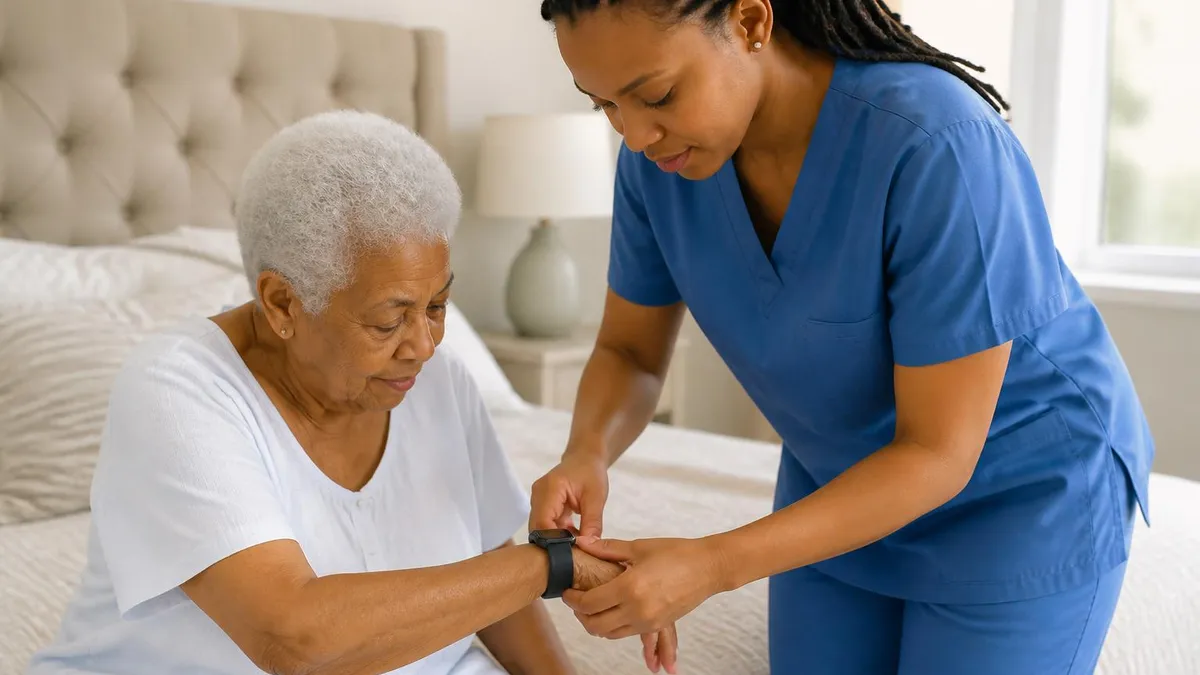
The term PCA stands for Personal Care Assistant, a trained professional who helps individuals with disabilities, chronic illness, or age-related limitations perform the activities of daily living. In Massachusetts, the PCA program is administered through the state's MassHealth system, and it is one of the most strong consumer-directed care programs in the entire United States. Thousands of PCAs are currently employed across the commonwealth, providing essential support to adults who want to live independently in their own homes rather than moving to institutional settings.
PCA medical roles should not be confused with clinical nursing. While a PCA may assist with tasks that touch on health and wellness — such as medication reminders, monitoring vital signs, and supporting physical therapy exercises — they are not licensed nurses or physicians. The pca meaning in a medical context refers to a paraprofessional who bridges the gap between independent living and full nursing care, offering hands-on assistance while respecting the autonomy of the person they serve. This distinction matters enormously when understanding what training, certification, and compensation look like.
Massachusetts stands out nationally for its consumer-directed model, which means that the person receiving care — called the consumer — actually hires, trains, and manages their own PCA. This approach gives consumers significant control over who enters their home and how care is delivered. It also means that family members, friends, and neighbors can be hired as PCAs in many circumstances, creating a support network rooted in existing relationships rather than agency assignments. The state provides a fiscal intermediary service to handle payroll and administrative tasks on behalf of consumers.
Many people are also curious about pca stats — the data behind the workforce. Massachusetts employs tens of thousands of PCAs, and the number has grown steadily as the state's aging population increases and as public policy has shifted toward home and community-based care. Average hourly wages for PCAs in Massachusetts hover above the national average, and the state has made repeated commitments to raise the wage floor for this workforce, recognizing the critical value these workers provide in keeping people out of expensive institutional placements.
For those interested in pca skincare or the PCA Skin brand, the connection to Personal Care Assistants is purely coincidental. PCA Skin is a professional-grade cosmetic line sold through licensed aestheticians and dermatology offices. Products like the pca hydrating toner have developed a dedicated following among skincare professionals. If you came here searching for product reviews or the pca pump applicator, we recommend visiting a licensed esthetician or dermatology provider for hands-on guidance with those formulations.
This guide focuses on the Massachusetts PCA workforce program, walking you through what PCAs do, how the mass PCA directory system works, what qualifications are required, and how to pursue a career or find a qualified PCA in your area. Whether you are a job seeker, a family caregiver, or someone who needs care, the information here will help you navigate this essential program with confidence.
Massachusetts PCA Program by the Numbers

How the Massachusetts PCA Program Works
In Massachusetts, the person receiving care acts as the employer of record. They hire, train, schedule, and supervise their own PCA, giving them maximum control over the quality and style of their care without relying on a staffing agency.
The Massachusetts PCA program is funded through MassHealth, the state Medicaid program. Eligible consumers receive a personalized care plan that determines approved hours, and PCAs are compensated directly through a state-contracted fiscal intermediary that handles all payroll and taxes.
Boston-based fiscal intermediaries like PPL (Public Partnerships LLC) process payroll, manage workers' compensation insurance, and file taxes on behalf of consumers. This removes administrative burden from both the consumer and the PCA, simplifying the employment relationship significantly.
Consumers may designate a surrogate to manage hiring when they are temporarily unable to do so, and they are encouraged to maintain a back-up PCA for emergencies. The state supports this redundancy to ensure continuity of care during illness, vacations, or unexpected absences.
Care plans are reassessed annually by a MassHealth-contracted assessor who evaluates functional need and approved hours. PCAs and consumers should document care activities carefully throughout the year to support accurate reassessment outcomes and maintain appropriate service levels.
Understanding what qualifications are required to work as a PCA in Massachusetts is the first practical step for anyone considering this career. The state sets baseline eligibility standards, but the consumer — the person receiving care — ultimately decides who they want to hire. Massachusetts requires PCAs to be at least 18 years old, legally authorized to work in the United States, and able to pass a CORI (Criminal Offender Record Information) background check. Certain criminal convictions related to abuse, neglect, or fraud can disqualify applicants from working in the program.
Beyond the legal eligibility requirements, PCAs must complete a state-approved orientation program before they can begin working. This training covers fundamental topics including understanding the consumer-directed model, safe patient handling and transfer techniques, infection control and universal precautions, understanding disability and chronic illness, communication skills, and recognizing signs of abuse or neglect. The orientation is designed to give new PCAs a working foundation, with the expectation that the consumer will provide additional training specific to their individual needs and routines.
The question of what is a pca often comes up alongside questions about the difference between a PCA and other home care roles like a Home Health Aide (HHA) or Certified Nursing Assistant (CNA). In Massachusetts, PCAs work under the consumer-directed model and perform non-clinical tasks. HHAs and CNAs typically work through licensed home health agencies and may perform some clinical procedures. If you want to understand this distinction more deeply, reviewing the pca stats around scope of practice versus clinical licensure is a helpful starting point for career planning.
Continuing education is not formally mandated in Massachusetts the way it is for licensed clinical professionals, but experienced PCAs who want to advance their careers often pursue additional training in areas like dementia care, mental health support, pediatric care, or traumatic brain injury rehabilitation. Community colleges across the state — including Bunker Hill Community College, MassBay Community College, and Quinsigamond Community College — offer affordable continuing education programs that PCAs can complete on flexible schedules without interrupting their current work.
Language skills are an increasingly valued qualification in the Massachusetts PCA market. The state has a large immigrant population and a diverse elderly community, and PCAs who are bilingual in Spanish, Portuguese, Haitian Creole, Cape Verdean Creole, Chinese, or Vietnamese are consistently in higher demand. Some consumers specifically seek PCAs who share their cultural background or religious traditions, which makes cultural competency as important as technical skills in many placement scenarios.
References and professional reputation matter significantly in the consumer-directed model. Since consumers are making a personal hiring decision, a strong track record with previous consumers, documented training credentials, and positive references from supervisors or family members carry real weight. New PCAs who are building their profiles in the mass PCA directory should focus on collecting references early, maintaining reliable attendance records, and demonstrating genuine care and professionalism in every interaction with their first consumers.
For those wondering about pca church or other community-based pathways into PCA work, it is worth noting that many faith communities, senior centers, and immigrant advocacy organizations in Massachusetts actively connect their members with PCA employment opportunities. These community networks function as informal directories and referral systems that complement the official state registry, making grassroots relationships an important part of finding PCA work alongside formal channels.
PCA Medical Roles, Skincare Confusion, and What PCA Really Means
In a pca medical context, a Personal Care Assistant provides non-clinical support to individuals who have physical, cognitive, or developmental disabilities. Their work focuses on assisting with bathing, grooming, dressing, meal preparation, mobility support, and medication reminders rather than administering treatments or interpreting diagnostic data. In Massachusetts, PCAs specifically work within the MassHealth consumer-directed program, meaning the consumer they serve is legally their employer, a relationship that differs significantly from agency-based home health models.
The distinction between a PCA and a nurse is important both legally and practically. PCAs do not perform wound care, administer injections, or carry out physician-ordered clinical tasks unless additional licensure applies. However, their proximity to consumers means they are often the first to notice changes in health status, and skilled PCAs know when to escalate concerns to a nurse, physician, or emergency services. This observational and communicative role is one of the most clinically valuable aspects of the PCA's position within the broader healthcare continuum.

Pros and Cons of Working as a PCA in Massachusetts
- +Above-average hourly wages compared to many other states, with ongoing legislative pressure to increase pay further
- +Flexible scheduling that allows PCAs to work with multiple consumers and set hours that fit their own life demands
- +High job security driven by demographic growth and persistent workforce shortages across the state
- +Meaningful work that directly improves quality of life and independence for the people you serve every day
- +Consumer-directed model means you often build a genuine long-term relationship with one primary consumer
- +Access to free or subsidized training through state-contracted programs and community college partnerships
- −Work can be physically demanding, including lifting, transferring, and extended periods of standing or walking
- −Emotional labor is significant — working closely with individuals who face serious health challenges can be draining
- −Benefits like employer-sponsored health insurance are not always guaranteed, particularly for part-time PCAs
- −Consumer-directed model means you are dependent on a single employer who can end the relationship at will
- −Travel time between multiple consumers is unpaid, reducing effective hourly earnings for multi-consumer schedules
- −Limited formal career ladder compared to clinical healthcare roles without additional education and licensing
Pros and Cons at a Glance
| Pros | Cons |
|---|---|
| Above-average hourly wages compared to many other states, with ongoing legislative pressure to increase pay further | Work can be physically demanding, including lifting, transferring, and extended periods of standing or walking |
| Flexible scheduling that allows PCAs to work with multiple consumers and set hours that fit their own life demands | Emotional labor is significant — working closely with individuals who face serious health challenges can be draining |
| High job security driven by demographic growth and persistent workforce shortages across the state | Benefits like employer-sponsored health insurance are not always guaranteed, particularly for part-time PCAs |
| Meaningful work that directly improves quality of life and independence for the people you serve every day | Consumer-directed model means you are dependent on a single employer who can end the relationship at will |
| Consumer-directed model means you often build a genuine long-term relationship with one primary consumer | Travel time between multiple consumers is unpaid, reducing effective hourly earnings for multi-consumer schedules |
| Access to free or subsidized training through state-contracted programs and community college partnerships | Limited formal career ladder compared to clinical healthcare roles without additional education and licensing |
Steps to Register in the Massachusetts PCA Directory
- ✓Complete a state-approved PCA orientation program through a MassHealth-contracted training provider.
- ✓Submit your CORI background check authorization form and wait for clearance before starting work.
- ✓Obtain a valid government-issued photo ID and proof of legal work authorization in the United States.
- ✓Register with a MassHealth-approved fiscal intermediary such as PPL to set up payroll processing.
- ✓Complete the PCA enrollment paperwork including the W-4, I-9, and direct deposit authorization forms.
- ✓Ask your consumer to complete the consumer enrollment forms with MassHealth to authorize your employment.
- ✓Confirm your approved care hours and schedule with the consumer and begin documenting time accurately.
- ✓Submit timesheets through the fiscal intermediary's online portal or mobile app on the required schedule.
- ✓Keep your training certifications and contact information current in the MassHealth provider database.
- ✓Review and sign the annual consumer-PCA agreement to confirm your understanding of duties and conduct expectations.
Massachusetts PCAs Earn More When They Document Their Skills
PCAs who maintain a written record of their training completions, specialized skills (dementia care, pediatric support, TBI rehabilitation), and professional references consistently command higher wages and receive more consumer inquiries through the mass PCA directory than those without documentation. Start your skills portfolio today even if you are just entering the field.
Compensation for PCAs in Massachusetts is a topic that generates significant interest from both prospective workers and from advocates pushing for higher wages. As of 2025, the state-set base rate for MassHealth-funded PCA work sits well above the state minimum wage, and several advocacy coalitions have been pushing for further increases that would raise the PCA wage to a true living wage for the Boston metropolitan area. Understanding the full picture of PCA wages means looking beyond the hourly rate to include overtime rules, travel considerations, and benefit access.
Massachusetts PCAs who work more than 40 hours per week are entitled to overtime pay at 1.5 times their regular rate under both state and federal law. Because many PCAs work with multiple consumers across several households, tracking hours carefully is essential to ensure legal compliance and accurate pay. The fiscal intermediary system makes this easier by aggregating hours across consumers, but PCAs bear responsibility for submitting accurate timesheets and flagging any discrepancies promptly rather than waiting for payroll errors to accumulate.
Health insurance access for PCAs varies. Full-time PCAs who meet MassHealth's own income and residency eligibility criteria may qualify for MassHealth coverage as individuals, creating a pathway to affordable health insurance through the same program that funds their work. PCAs employed through some union agreements or larger consumer organizations may also access group health benefits. This patchwork approach to benefits access is one of the structural challenges the home care workforce faces, and it is an active area of advocacy and policy reform in the state legislature.
Career advancement for PCAs often takes one of two paths. The first is deepening expertise within the PCA role — becoming a specialist in areas like pediatric care, hospice support, behavioral health, or brain injury rehabilitation. This specialization typically commands a wage premium and opens access to more complex and rewarding care relationships. The second path involves pursuing additional education to become a Certified Nursing Assistant, Home Health Aide, Licensed Practical Nurse, or Registered Nurse, using the PCA experience as a foundation for clinical licensure.
The porsche experience metaphor — the idea of a premium, high-performance journey through a career — applies here in a meaningful way. PCAs who invest in their professional development, maintain strong reputations, and actively manage their careers tend to experience outcomes dramatically better than those who treat the work as purely transactional. Consumers and their families notice dedication, reliability, and genuine skill, and they reward it with long-term employment relationships, positive referrals, and in some cases, advocacy for higher wages and better conditions.
Union membership is a growing part of the Massachusetts PCA landscape. SEIU 1199 represents a significant portion of the state's PCA workforce and has been instrumental in negotiating wage increases, securing workers' compensation coverage, and advocating for benefits expansion. PCAs considering union membership should research the dues structure and collective bargaining history, but for many workers the wage gains and advocacy support more than justify the investment in collective action and membership fees.
Retirement planning is a dimension of financial wellness that many PCAs overlook in the early stages of their careers. Because PCAs are technically employed by individual consumers rather than large agencies, employer-sponsored retirement contributions are rare. This makes individual retirement account (IRA) contributions especially important. Massachusetts also has the state-helped CORE Plan (Common Wealth Offering for Retirement and Equity), a low-fee retirement savings program specifically designed for self-employed and gig workers that PCAs can access with modest minimum contributions.

Massachusetts investigators have identified cases where unscrupulous intermediaries or consumers have pressured PCAs to sign blank timesheets, submit hours for work not performed, or agree to kickback arrangements. These actions constitute Medicaid fraud and carry serious criminal penalties including fines, repayment demands, and imprisonment. If anyone asks you to falsify records, report it immediately to the MassHealth Fraud Hotline.
Finding PCA work across Massachusetts involves a mix of official channels, community networks, and online platforms. The most direct path for new PCAs is connecting with the MassHealth consumer registry, which maintains a listing of consumers who are actively seeking PCAs in their area. Consumers search this registry when they need to hire, and PCAs who create complete, accurate profiles are far more likely to receive inquiries. Keeping your profile updated with current contact information, availability, language skills, and any specialty training you have completed is essential to staying visible.
Online job boards like Indeed, ZipRecruiter, and LinkedIn all feature PCA job postings in Massachusetts, and many consumers post openings directly rather than relying solely on the state registry. Community organizations, disability advocacy groups, and Centers for Independent Living (CILs) across the state also maintain informal matching networks that can connect PCAs with consumers who share specific backgrounds, languages, or care needs. The Northeast Independent Living Program (NILP), the Boston Center for Independent Living (BCIL), and Independent Living Center of the North Shore are among the regional organizations that offer these services.
Social media has become an increasingly important channel for PCA recruitment in Massachusetts. Facebook groups dedicated to Massachusetts disability services and home care employment see regular job postings, particularly in the Greater Boston area and along the Route 128 corridor. These informal networks move quickly, so PCAs who participate actively and respond promptly to postings gain a real advantage over those who rely solely on formal job application processes that can take weeks to complete.
Geographic flexibility significantly expands a PCA's employment options. While many PCAs prefer to work close to home to minimize travel time and costs, those willing to commute across town lines or work in underserved areas like western Massachusetts, the Cape and Islands, or the South Coast often find more available positions and sometimes higher negotiated wages because the supply of qualified PCAs in those areas is lower relative to consumer demand. Reliable personal transportation or access to regional transit can be a genuine career asset in these markets.
Networking with other PCAs is an underutilized strategy for finding new positions. Experienced PCAs often know of consumers who are seeking back-up workers, part-time help, or a new primary PCA before those positions are formally advertised. Building relationships with colleagues through training programs, union meetings, or community events creates a pipeline of referrals that can sustain a PCA's career through the inevitable transitions that occur when consumers' health needs change or when care relationships naturally end.
For consumers trying to find a qualified PCA, the mass PCA directory through MassHealth remains the official starting point. Consumers can browse profiles, review training credentials, check language skills, and contact candidates directly. Family members who want to become PCAs for their relative must confirm eligibility under MassHealth rules — spouses and legal guardians generally cannot be paid PCAs for each other, but adult children, siblings, friends, and other relatives typically can. Navigating these eligibility rules is an area where the consumer's Independent Living Center or MassHealth service coordinator can provide specific guidance.
Ultimately, the Massachusetts PCA program represents one of the most person-centered approaches to disability services in the country. Whether you are entering the workforce as a PCA, seeking care as a consumer, or supporting a family member through the process, understanding how the system works — from the mass PCA directory and enrollment process to wages, benefits, and career pathways — gives you a significant advantage in making the most of what this program has to offer.
Preparing for a career as a PCA in Massachusetts requires more than meeting the minimum qualifications — it calls for a thoughtful approach to professional development, self-care, and long-term career management. New PCAs often underestimate how physically and emotionally demanding the work can be, particularly when supporting consumers with complex medical histories, behavioral health needs, or significant mobility limitations. Building sustainable work habits from the very beginning of your career pays dividends in longevity, job satisfaction, and physical health over time.
Body mechanics and safe patient handling are among the most important practical skills a PCA can master. Back injuries are one of the leading causes of early career exit among home care workers, and many of these injuries are preventable with proper lifting techniques, appropriate use of assistive equipment, and clear communication with consumers about how transfers and repositioning should be performed. Ask your training provider for hands-on practice with gait belts, Hoyer lifts, and sliding boards — these tools dramatically reduce injury risk when used consistently and correctly.
Time management and organizational skills matter more than many people expect in PCA work. A typical care visit involves completing a structured set of tasks within a defined time window while remaining flexible enough to respond to unexpected needs that arise during the visit. PCAs who develop strong routines, communicate proactively with consumers about schedule changes, and arrive prepared with everything they need for the visit consistently receive higher satisfaction ratings from the consumers they serve and are more likely to be recommended to new consumers through word of mouth.
Documentation is a practical skill that separates professional PCAs from casual workers. Even though Massachusetts does not require clinical charting for PCAs the way it does for licensed nurses, keeping personal notes about care routines, equipment needs, consumer preferences, and any notable changes in health or behavior is invaluable. These notes protect you if a dispute ever arises about the care provided, help your back-up PCA step in smoothly during your absence, and support the consumer's care team in understanding the full picture of their daily functioning.
Mental health and self-care deserve explicit attention in any career preparation guide for PCAs. Compassion fatigue — the emotional exhaustion that can come from sustained close contact with people who are suffering or declining — is real and common in this work. Building a regular practice of rest, physical activity, social connection, and boundary-setting is not a luxury for PCAs; it is a professional necessity. Many experienced PCAs recommend setting clear off-hours communication boundaries with consumers and families, particularly around overnight text messages and weekend calls about non-emergency matters.
Professional boundaries also include knowing when to say no. PCAs are not required to perform tasks outside their defined care plan, and accepting requests that cross into clinical territory — wound care, medication administration, or procedures requiring clinical licensure — can create legal liability for both the PCA and the consumer. When in doubt, consult your fiscal intermediary, your union representative, or the consumer's MassHealth service coordinator before agreeing to any task that feels outside your training and scope of practice.
Finally, staying informed about policy changes affecting the Massachusetts PCA program is an underappreciated career practice. Wage rates, eligibility rules, training requirements, and program structures have all evolved significantly over the past decade, and they will continue to change as state budgets, federal Medicaid policy, and disability advocacy priorities shift. Following organizations like SEIU 1199, the Arc of Massachusetts, and the Massachusetts Council on Aging on social media or email lists keeps you informed and connected to the community of people working to improve conditions for PCAs and the consumers they serve.
Sample Personal Care Assistant Practice Questions
Try these questions from our free Personal Care Assistant practice tests. The correct answer and an explanation follow each question.
Which of the following best distinguishes a PCA from a Certified Nursing Assistant (CNA)?
- A. PCAs require more clinical training than CNAs
- B. CNAs typically have more formal clinical training and can perform more medical tasks
- C. PCAs are licensed by the federal government while CNAs are not
- D. There is no practical difference between the two roles
Answer: B. CNAs typically have more formal clinical training and can perform more medical tasks
CNAs complete more extensive clinical training and are listed on a state registry, allowing them to perform certain medical tasks beyond the PCA scope of practice.
Why is it important for a Personal Care Assistant (PCA) to perform proper hand hygiene?
- A. To reduce the need for gloves.
- B. To prevent the spread of infections and promote safety.
- C. It is only needed when handling food.
- D. It is unnecessary if gloves are worn.
Answer: B. To prevent the spread of infections and promote safety.
Proper hand hygiene is the single most effective way to prevent the transmission of harmful microorganisms and reduce the risk of infection. PCAs interact closely with vulnerable patients, making meticulous handwashing essential to protect both the patient from healthcare-associated infections and the PCA from exposure. This practice is fundamental to maintaining a safe and healthy care environment for everyone.
Which federal program is the primary payer for Medicaid-funded Personal Care Assistant services in most US states?
- A. Medicare Part A
- B. Medicaid HCBS Waiver
- C. TRICARE
- D. Veterans Affairs Community Care
Answer: B. Medicaid HCBS Waiver
Medicaid Home and Community-Based Services (HCBS) waivers fund PCA services for eligible individuals who would otherwise require institutional care.
What is the primary role of a Personal Care Assistant (PCA)?
- A. To diagnose medical conditions
- B. To provide assistance with daily living activities
- C. To perform surgical procedures
- D. To manage financial accounts
Answer: B. To provide assistance with daily living activities
The primary role of a Personal Care Assistant (PCA) is to provide essential assistance with Activities of Daily Living (ADLs) for individuals who need support due to age, illness, or disability. These activities include fundamental tasks such as bathing, dressing, eating, mobility, and personal hygiene. By helping with these daily living activities, PCAs enable clients to maintain their independence and improve their quality of life.
PCA Questions and Answers

PCA Jobs: What They Pay, Where to Find Them, and How to Start

What Does a PCA Do? Complete Guide to Personal Care Assistant Duties and Daily Responsibilities

Personal Care Assistant Job Description: Complete Guide to PCA Duties, Skills, and Responsibilities in 2026
Difference Between PCA and HHA: Complete Career Comparison Guide for 2026

What Is a Personal Care Assistant? Complete Career Overview, Duties, Requirements, and Pathways for 2026
About the Author

Registered Nurse & Healthcare Educator
Johns Hopkins University School of NursingDr. Sarah Mitchell is a board-certified registered nurse with over 15 years of clinical and academic experience. She completed her PhD in Nursing Science at Johns Hopkins University and has taught NCLEX preparation and clinical skills courses for nursing students across the United States. Her research focuses on evidence-based exam preparation strategies for healthcare certification candidates.