
How to Become a PCA in Minnesota: Complete Training Guide, Requirements, and Steps for 2026 October
How do you become a PCA in Minnesota? 🎯 Complete 2026 October guide: training, eligibility, certification steps, and what to expect on the job.

If you've been asking yourself how do you become a PCA in Minnesota, you're not alone — thousands of Minnesotans pursue this rewarding career every year. A Personal Care Assistant (PCA) provides hands-on support to individuals with disabilities, chronic conditions, or aging-related needs, helping them live safely and independently in their own homes. Minnesota has one of the most structured and well-funded PCA programs in the country, administered primarily through Medicaid waiver services, and the demand for qualified PCAs continues to grow rapidly across the state.
Understanding what is a PCA is the first step before diving into the requirements. In the PCA meaning used by Minnesota's Department of Human Services, a Personal Care Assistant is a trained worker who assists recipients with activities of daily living such as bathing, dressing, meal preparation, medication reminders, and mobility support. This is distinct from PCA skin or PCA skincare product lines, which are unrelated cosmetic brands. The PCA medical role we're discussing here is a licensed-support position with specific state requirements that every applicant must meet before they can begin working.
Minnesota's PCA program is governed by Minnesota Statutes and overseen by the Department of Human Services (DHS). To qualify, candidates must complete a DHS-approved training curriculum, pass a competency evaluation, and clear a background check through the Minnesota Background Studies program. There are also age requirements, health screenings in some cases, and ongoing continuing education expectations once you're employed. The process is straightforward but requires attention to detail — skipping any step can delay or disqualify your application.
One of the most appealing aspects of becoming a PCA in Minnesota is the flexibility it offers. Many PCAs work part-time or set their own hours in coordination with the person receiving care, especially in consumer-directed models where the recipient acts as the employer. Others work through home health agencies or managed care organizations, which provide more structured schedules and additional benefits. According to pca stats from the Bureau of Labor Statistics and Minnesota DHS data, personal care aides represent one of the fastest-growing occupations in the state, with job growth projected to exceed 20% through 2030.
The training requirement is another key element of the PCA pathway. Minnesota requires all new PCAs to complete at least 75 hours of DHS-approved training through an accredited program. This training covers essential topics including person-centered care, safety and emergency procedures, communication skills, and understanding the rights of individuals receiving services. Many community colleges, workforce centers, and nonprofit organizations across Minnesota offer this training at low or no cost, making entry into the field accessible for people from all economic backgrounds.
Once you understand the basics, it's also important to familiarize yourself with the day-to-day realities of PCA work. Learning about how to become a pca in minnesota includes understanding that the role demands both physical stamina and emotional intelligence. You'll be working closely with vulnerable individuals and their families, often in intimate home settings, so professionalism, reliability, and compassion are just as critical as technical skill. Minnesota's PCA workforce is diverse, and the state actively recruits bilingual candidates and those from underrepresented communities to better serve the state's multicultural population of care recipients.
This guide walks you through every step of the process in detail — from meeting initial eligibility requirements and completing training, to finding your first position and thriving long-term in this vital health care role. Whether you're brand new to caregiving or transitioning from another field, Minnesota's PCA pathway is designed to be accessible, and the support resources available to new workers are extensive. Read on to discover exactly what you need to do, how long it takes, and what to expect once you begin your career as a certified Personal Care Assistant in Minnesota.
Minnesota PCA Program by the Numbers

Step-by-Step: How to Become a PCA in Minnesota
Meet Basic Eligibility Requirements
Complete DHS-Approved PCA Training
Pass the Competency Evaluation
Clear the Minnesota Background Study
Register with a Medicaid Provider or Agency
Begin Work and Complete Ongoing Training
The training phase is the cornerstone of the Minnesota PCA certification process, and understanding what the curriculum covers will help you prepare effectively. DHS-approved PCA training programs in Minnesota must follow the guidelines set out in Minnesota Statutes, Section 256B.0659. The curriculum is divided into core competency areas that every aspiring PCA must master before being cleared to work unsupervised with a care recipient. These areas include basic anatomy and physiology relevant to caregiving, understanding diagnoses and conditions commonly seen in PCA clients, techniques for safely assisting with mobility and transfers, and proper use of adaptive equipment.
One critical and often underestimated part of the training involves documentation and communication skills. PCAs in Minnesota are required to keep accurate records of the services they provide, noting any changes in the recipient's condition, unusual incidents, or concerns that need to be reported to a supervisor or care coordinator. These records are reviewed during audits by DHS and managed care organizations, so accuracy is not optional. Training programs spend considerable time on documentation because errors or omissions can affect both the recipient's care plan and the PCA's employment status.
Many first-time PCAs are surprised to learn how much of the training focuses on person-centered care philosophy. Unlike a clinical approach that focuses solely on tasks, person-centered care emphasizes the dignity, preferences, and self-determination of the individual receiving services. This means asking the recipient how they prefer to be assisted, respecting their cultural and personal values, and adapting your approach based on their feedback. Minnesota has been a national leader in promoting this model, and it's reflected prominently throughout DHS training standards and in the state's overall Olmstead Plan commitment to community-based care.
Safety training is another major component. PCAs learn how to prevent common injuries — both to themselves and to the people they serve — including proper body mechanics for lifting and transfers, fall prevention strategies, and infection control procedures such as hand hygiene and the use of personal protective equipment.
Given that PCAs often work alone in private residences without immediate access to additional staff, the ability to recognize and respond to emergencies is essential. Training covers when and how to call 911, how to perform basic first aid, and how to use an AED if one is present in the home.
After completing the formal training curriculum, you'll take a competency evaluation. The format of this evaluation varies by training provider, but it typically includes a written multiple-choice exam and a practical skills demonstration. Common skills tested include hand washing, assisting with transfers, applying a gait belt, and demonstrating how to respond to a choking emergency. Evaluators assess both your knowledge and your technique, so practicing hands-on skills during training — not just reading about them — is essential for passing on your first attempt.
The Minnesota Background Studies program is managed by the DHS and uses the NETStudy 2.0 system. Your employer or the training program will typically initiate the background study on your behalf. The study checks Minnesota criminal records, sex offender registries, and in some cases national databases. If you have a prior conviction that appears on the background study, you'll receive a notice explaining whether it's a disqualifying offense and what your options are for appeal or reconsideration. Many candidates with older or minor offenses are still able to receive clearance, especially if they can demonstrate rehabilitation.
Once all steps are completed and you receive your clearance, you're ready to begin working as a PCA in Minnesota. The typical timeline from starting training to receiving your first paycheck is between two and six weeks, depending on how quickly you complete training, how fast the background study processes, and how quickly you're matched with a recipient. Agencies and managed care organizations often have faster placement processes than self-directed setups, so if you need income quickly, working through an established provider can reduce your wait time significantly.
PCA Work Settings and What Is a PCA Role Like Day-to-Day
In Minnesota's consumer-directed model, the person receiving PCA services acts as the employer of record, often with assistance from a fiscal support entity. This arrangement gives recipients maximum control over who provides their care and when services are delivered. As a PCA in this setting, you work directly with the individual and their family, set schedules collaboratively, and report to the recipient rather than an agency supervisor. This model is especially common among younger adults with disabilities who value independence and self-determination.
The consumer-directed model requires PCAs to be self-motivated and organized, since there is less institutional oversight than in an agency setting. You'll still submit timesheets, comply with DHS billing rules, and complete required documentation, but the day-to-day relationship is more personal and flexible. Many PCAs find this arrangement more rewarding because they develop a deep, consistent relationship with one individual rather than rotating among multiple clients. It also often allows for more predictable hours and closer alignment between the PCA's schedule and the recipient's actual needs.

Pros and Cons of Becoming a PCA in Minnesota
- +High and growing job demand — Minnesota has one of the nation's largest and best-funded PCA programs
- +Low barrier to entry — no college degree required, training takes only 2–6 weeks
- +Flexible scheduling options especially in consumer-directed care arrangements
- +Meaningful, relationship-based work that directly improves someone's quality of life
- +Multiple pathways to career advancement into nursing, social work, or therapy
- +Competitive wages averaging $17–$22/hour with additional differentials at some agencies
- −Physically demanding — lifting, transfers, and prolonged standing can cause injury without proper technique
- −Emotionally taxing — caregiver burnout is common without strong self-care practices
- −Variable hours and income, particularly in consumer-directed settings where recipient needs change
- −Paperwork and documentation requirements can be burdensome and time-consuming
- −Working alone in private homes reduces immediate access to supervisory support
- −Some positions offer limited or no employer-sponsored health or retirement benefits
Pros and Cons at a Glance
| Pros | Cons |
|---|---|
| High and growing job demand — Minnesota has one of the nation's largest and best-funded PCA programs | Physically demanding — lifting, transfers, and prolonged standing can cause injury without proper technique |
| Flexible scheduling options especially in consumer-directed care arrangements | Emotionally taxing — caregiver burnout is common without strong self-care practices |
| Meaningful, relationship-based work that directly improves someone's quality of life | Variable hours and income, particularly in consumer-directed settings where recipient needs change |
| Multiple pathways to career advancement into nursing, social work, or therapy | Paperwork and documentation requirements can be burdensome and time-consuming |
Minnesota PCA Application Checklist: Everything You Need
- ✓Confirm you are at least 18 years old and legally authorized to work in the United States
- ✓Gather government-issued ID (driver's license, passport, or state ID) for training enrollment and background study
- ✓Research and enroll in a DHS-approved PCA training program in your area or online
- ✓Complete all 75+ required training hours and attend every scheduled session
- ✓Pass the competency evaluation with a score of 80% or higher (written and/or skills demonstration)
- ✓Submit to the Minnesota DHS Background Study through your employer or training program's NETStudy 2.0 portal
- ✓Obtain clearance notification from DHS before beginning any direct care work with recipients
- ✓Complete your new-hire orientation with your agency or consumer-directed employer
- ✓Set up direct deposit and complete tax withholding forms (W-4) with your fiscal support entity or agency payroll
- ✓Review your assigned recipient's individualized care plan and service authorization before your first shift
Your Background Study Clearance Must Be Active Before Day One
Minnesota law prohibits PCAs from providing direct care to recipients until the DHS background study returns a clearance result. Beginning work before receiving this clearance — even if your employer suggests it — can result in immediate termination, civil penalties, and potential disqualification from future PCA employment. Always wait for written confirmation of your clearance before your first shift.
Understanding the compensation and benefits landscape for Minnesota PCAs is essential for planning your career. As of 2026, the average hourly wage for PCAs in Minnesota ranges from $17 to $22 per hour, depending on the employer type, the recipient's complexity of need, geographic region, and the PCA's level of experience.
The Twin Cities metro area tends to offer higher wages due to the higher cost of living and greater competition among agencies for qualified workers. Greater Minnesota regions such as Duluth, Rochester, and St. Cloud offer slightly lower base wages but often come with other advantages such as lower commuting costs and tighter-knit community relationships with recipients.
In recent years, Minnesota has seen sustained legislative advocacy from PCA worker organizations pushing for higher Medicaid reimbursement rates that translate directly to PCA wages. The SEIU Healthcare union, which represents a substantial portion of Minnesota's PCA workforce, has successfully negotiated rate increases in several state budget cycles. These advocacy efforts have been part of a broader national conversation about recognizing the pca medical workforce as skilled healthcare professionals deserving of living wages and benefits parity with other health sector workers. Tracking these developments is worthwhile if you plan to build a long-term career in the field.
Benefits vary significantly by employer. Agency-employed PCAs may receive group health insurance, paid time off, sick leave, and participation in a 401(k) or 403(b) retirement plan. Consumer-directed PCAs, who are employed by the individual recipient, typically do not receive employer-sponsored benefits beyond legally mandated protections such as workers' compensation and unemployment insurance. Some fiscal support entities offer optional benefit programs that consumer-directed PCAs can enroll in voluntarily, though these typically require the PCA to contribute premiums from their wages.
Career advancement from a PCA role in Minnesota is genuinely achievable. Many PCAs use the role as a springboard into licensed nursing assistant (CNA) positions, which require additional certification but offer higher wages and access to facility-based work. Others pursue degrees in social work, occupational therapy, nursing, or human services, with some employers offering tuition assistance or flexible scheduling to accommodate coursework. Minnesota's healthcare workforce has significant shortages at every level of the care continuum, so the state offers various financial incentives including grant programs and loan forgiveness to support PCA career advancement into higher-credential roles.
The pca stats for job retention are an important consideration for those planning their career strategy. Turnover in the PCA sector is historically high — industry data suggests annual turnover rates of 40–60% at some agencies — driven primarily by low wages, physical demands, and emotional fatigue.
However, PCAs who invest in building strong relationships with their recipients, who practice consistent self-care, and who seek out employers with better working conditions and benefits tend to stay in the role much longer. Longevity in PCA work not only benefits recipients through continuity of care but also opens doors to supervisory and mentoring roles that come with higher pay.
Minnesota also has a strong system of worker supports for PCAs. The PCA Union — SEIU Healthcare Minnesota — provides members with resources including legal advice, workplace rights information, access to group benefits, and representation in workplace disputes. Even if you're not employed by an agency, you may be eligible to join the union as a consumer-directed PCA and access these supports. Worker centers and immigrant-serving organizations in the Twin Cities also offer culturally specific resources for PCAs from East African, Latino, Hmong, and other communities who make up a large and vital segment of the state's PCA workforce.
Finally, Minnesota's PCA program is subject to ongoing policy changes driven by state budget decisions, federal Medicaid rules, and advocacy outcomes. Staying informed about these changes — through the DHS website, employer communications, or union updates — helps PCAs understand shifts in service authorization, documentation requirements, and wage rates. Connecting with professional networks and attending occasional trainings beyond the minimum required hours will position you as a knowledgeable, reliable PCA and make you a more competitive candidate for the best positions available.

You cannot self-initiate a Minnesota DHS Background Study — it must be submitted through a DHS-enrolled provider or agency using the NETStudy 2.0 system. If you're pursuing consumer-directed employment, the fiscal support entity or the recipient's designated employer representative handles this. Starting work before clearance is a legal violation regardless of who initiates the study, so plan your timeline accordingly and build in a 2–3 week buffer.
For many people, the decision to become a PCA is as much about personal values as it is about career strategy. Minnesota's PCA workforce includes individuals from every background — recent high school graduates, career-changers from retail or food service, retired nurses looking for part-time meaningful work, and family members who became PCAs after caring for a loved one with a disability. What unites successful PCAs is a genuine commitment to person-centered values and a willingness to show up reliably for some of the most vulnerable members of the community.
If you're exploring this path, one of the best first steps is talking to currently working PCAs in your area. Many community organizations, workforce centers, and libraries host informational events where you can hear directly from PCAs about what the work is really like day-to-day.
These conversations will give you a realistic picture of both the rewards and the challenges and help you decide whether the role is a good fit before you invest time and money in training. Minnesota's workforce centers — run through the state's CareerForce network — can connect you with these resources at no cost and often have job placement assistance specifically for PCA candidates.
Geographic location matters when planning your PCA career in Minnesota. In urban areas like Minneapolis and St. Paul, there are dozens of agencies and hundreds of available positions at any given time, giving new PCAs significant choice in where and how they work. In rural areas, the options are fewer but the need is often more acute, and some rural employers offer relocation assistance or housing support to attract qualified candidates. If you're flexible about location and willing to commute or relocate, you may find better pay or working conditions outside of the immediate metro area.
Language skills are a significant asset in Minnesota's diverse PCA market. The state has large Somali, Hmong, Spanish-speaking, Karen, and Oromo communities, many of whose members use PCA services. Bilingual PCAs are in extremely high demand and often command premium pay or first access to desirable assignments. If you speak a language other than English, highlight this prominently in your job applications and during interviews — it is one of the most marketable skills you can bring to a PCA position in Minnesota's multicultural care landscape.
Technology is playing an increasingly important role in PCA work. Electronic visit verification (EVV) systems are now mandatory for all Minnesota PCA services under federal Medicaid rules. EVV requires PCAs to clock in and out of shifts using a mobile app or phone call system that records the time, location, and type of services delivered. Training programs increasingly include EVV orientation, but new PCAs should expect to spend a few weeks becoming comfortable with their employer's specific EVV platform. Accuracy in EVV records is essential — discrepancies between EVV data and paper timesheets can trigger audits and payment delays.
Mental health and emotional wellbeing deserve dedicated attention as you build your PCA career. Caregiving is emotionally intensive, and secondary trauma — the stress that comes from supporting someone through pain, decline, or crisis — is a real occupational hazard. Minnesota offers several mental health support programs specifically for healthcare workers, including PCAs, through DHS and various nonprofit organizations.
Many agencies also provide access to Employee Assistance Programs (EAPs) that offer free confidential counseling. Building a personal support network, maintaining boundaries between work and personal life, and practicing stress management techniques from day one will make your career sustainable and more fulfilling.
To make the most of your PCA career in Minnesota, treat it as the professional role it is from the very first day. Arrive on time for every shift, communicate proactively with your recipient and supervisors, document your work accurately, and pursue every available training opportunity. The PCAs who advance most quickly — into supervisory roles, higher-paying positions, or clinical careers — are those who demonstrate professionalism and initiative consistently.
Minnesota's growing need for qualified caregivers means that reliable, skilled PCAs have real career power in this labor market, and the state's strong infrastructure of training, support, and advocacy makes it one of the best places in the country to build a long-term career in personal care.
As you prepare to enter the Minnesota PCA workforce, developing strong daily habits from the beginning will set you apart from other candidates and help you build the professional reputation that leads to the best positions. One of the most important habits is proactive communication.
Whether you work for an agency or directly for a consumer-directed recipient, always communicate schedule changes, concerns about the recipient's condition, or questions about your care duties as early and clearly as possible. Delayed communication is one of the most common sources of conflict in PCA relationships and one of the easiest problems to prevent with a quick phone call or text.
Documentation discipline is equally critical. Minnesota DHS conducts random audits of PCA service records, and agencies must be able to produce accurate, complete timesheets and care logs on demand. Develop the habit of completing your documentation at the end of every shift — never leave it for later. Note the specific tasks you performed, any observations about the recipient's condition or mood, any incidents that occurred, and the exact start and end times of your shift. Clear, thorough records protect you, your employer, and most importantly the person in your care.
Continuous learning is a hallmark of the best PCAs. Beyond the minimum continuing education required for annual renewal, seek out workshops on topics like dementia care, mental health first aid, motivational interviewing, or specific disability categories that your recipients may have. Many of these trainings are free through DHS, managed care organizations, or disability advocacy groups. Each additional skill you develop makes you more effective in the moment and more attractive to employers offering higher-paying specialized positions.
Physical self-care is non-negotiable in PCA work. Back injuries, shoulder strain, and repetitive stress injuries are among the most common occupational hazards for personal care assistants. Always use the proper body mechanics taught in your training: bend your knees not your back, use transfer belts and other assistive devices as directed, and never attempt a lift or transfer you're uncertain about without requesting additional support. If your worksite does not have adequate equipment for safe transfers, report this to your supervisor or the recipient's care coordinator immediately — you have a legal right to a safe work environment.
Building a professional network in Minnesota's PCA community will open doors you might not expect. Connecting with other PCAs through SEIU Healthcare, disability services forums, or community organizations gives you access to job leads, peer support, mentorship, and information about upcoming policy changes that could affect your work. Minnesota's disability and aging services community is relatively tightly networked, and reputation matters — the colleagues and supervisors you work with early in your career may become references, collaborators, or hiring managers for future positions.
Finally, remember that the people you serve as a PCA are whole individuals with rich lives, interests, and goals beyond their need for physical assistance. The most effective and respected PCAs approach every shift with curiosity and respect — asking about the recipient's preferences, celebrating their accomplishments, and adapting their care approach as the person's needs and desires evolve. This person-centered mindset is not just philosophically important — it is the practical foundation of safe, high-quality PCA care and the reason Minnesota has invested so heavily in training all PCAs to practice it from day one of their career.
Minnesota's PCA program offers one of the most accessible, meaningful, and financially viable entry points into healthcare for people without advanced degrees. With the right preparation, the right mindset, and a commitment to ongoing professional growth, a career as a Personal Care Assistant in Minnesota can be both personally fulfilling and economically stable. Use the resources in this guide, connect with your local CareerForce center, find a reputable training program, and take your first step toward a career that truly makes a difference in people's lives every single day.
Sample Personal Care Assistant Practice Questions
Try these questions from our free Personal Care Assistant practice tests. The correct answer and an explanation follow each question.
What type of training is often required for a CPA?
- A. Medical school degree
- B. On-the-job training and a PCA certification program
- C. Legal studies degree
- D. Engineering certification
Answer: B. On-the-job training and a PCA certification program
While a medical degree is not required, PCAs typically undergo specific training to effectively and safely perform their duties. This often involves completing a PCA certification program, which covers essential caregiving skills, safety protocols, and client communication. This formal training is frequently complemented by practical on-the-job training, ensuring they gain both theoretical knowledge and hands-on experience.
An applicant for a PCA position cannot provide proof of completing an approved training program. What is the most likely outcome?
- A. They will be hired and given 90 days to complete training afterward
- B. They may be ineligible for positions funded by Medicaid or state programs
- C. They will automatically qualify based on work experience alone
- D. They only need a letter from a prior employer
Answer: B. They may be ineligible for positions funded by Medicaid or state programs
Many Medicaid-funded PCA programs require documented completion of an approved training program as a condition of employment.
A client falls and strikes their head. They seem fine at first, but 30 minutes later become increasingly drowsy and confused. What should the PCA do?
- A. Call 911 immediately — this may indicate a serious brain injury
- B. Encourage the client to sleep it off and monitor in the morning
- C. Give the client acetaminophen and check back in an hour
- D. Help the client do light exercises to keep them alert
Answer: A. Call 911 immediately — this may indicate a serious brain injury
Worsening drowsiness and confusion after a head injury are signs of a possible intracranial bleed requiring emergency evaluation.
Which situation requires a PCA to complete an incident report?
- A. A client refuses to eat their lunch
- B. A client slips in the bathroom but is uninjured
- C. A client requests a different meal time
- D. A client asks about their medication schedule
Answer: B. A client slips in the bathroom but is uninjured
Any fall or near-fall must be documented in an incident report, even if the client is not visibly injured, to ensure follow-up assessment.
PCA Questions and Answers

PCA Duties: Complete Guide to Personal Care Assistant Responsibilities, Daily Tasks, and Care Standards in 2026
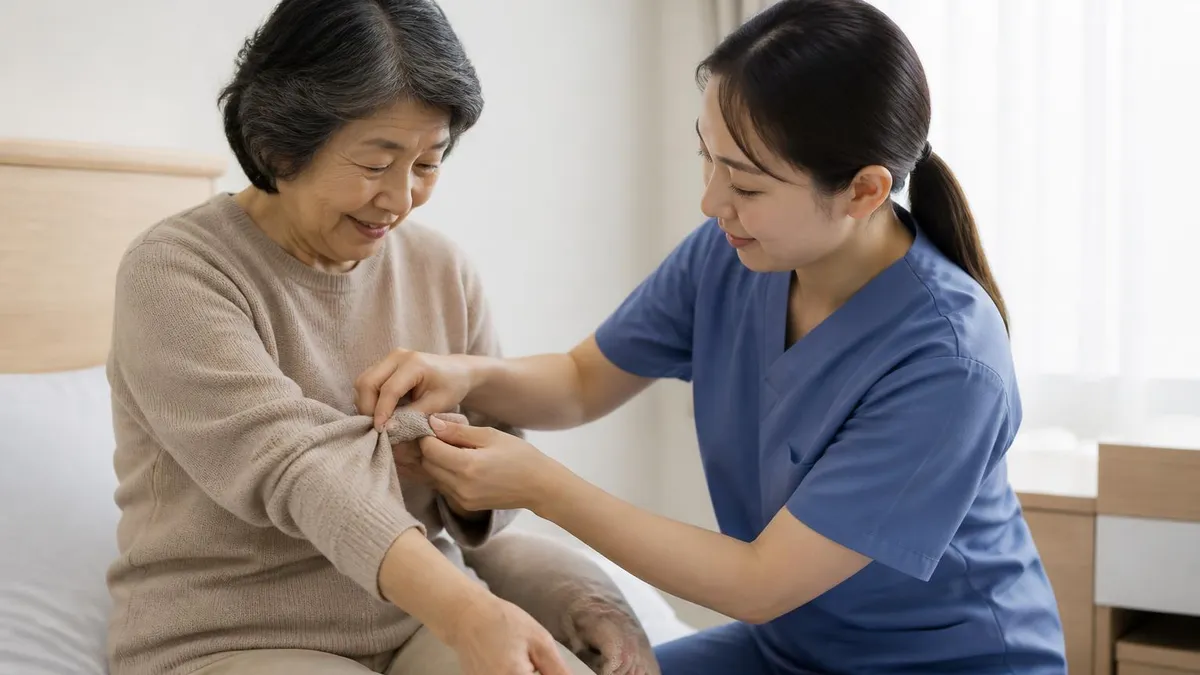
Personal Care Assistant Jobs Near Me: How to Find Local PCA Positions, Apply Successfully, and Start Your Caregiving Career in 2026
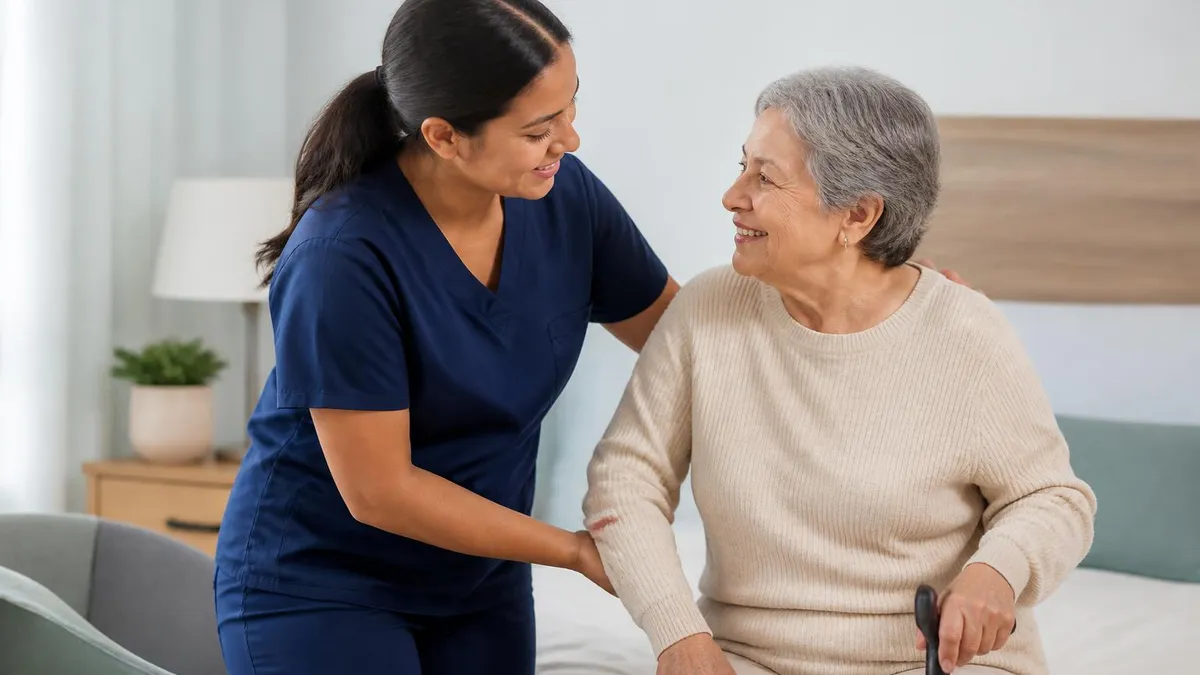
Personal Care Assistant Salary 2026: Complete Pay Guide by State, Experience, and Setting

Tempus Unlimited PCA: Complete Guide to Personal Care Assistant Services, Eligibility, and How to Get Started in 2026

PCA Benefits Center: Complete Guide to Personal Care Assistant Programs, Eligibility, and How to Apply in 2026
About the Author

Registered Nurse & Healthcare Educator
Johns Hopkins University School of NursingDr. Sarah Mitchell is a board-certified registered nurse with over 15 years of clinical and academic experience. She completed her PhD in Nursing Science at Johns Hopkins University and has taught NCLEX preparation and clinical skills courses for nursing students across the United States. Her research focuses on evidence-based exam preparation strategies for healthcare certification candidates.