
NFPA 72 PDF: Complete Guide to the National Fire Alarm and Signaling Code
Learn how to access and use the NFPA 72 PDF. Covers the 🎓 National Fire Alarm and Signaling Code chapters, editions, inspection requirements, and provisions.

The NFPA 72 PDF is one of the most sought-after documents in the fire protection industry, serving as the definitive reference for fire alarm and signaling systems across the United States. Whether you are a fire alarm technician, electrical contractor, building inspector, or facility manager, understanding how to access and navigate this critical standard is essential for compliance and safety. Officially titled the National Fire Alarm and Signaling Code, NFPA 72 provides comprehensive requirements governing fire detection and alarm system design, installation, inspection, testing, and maintenance.
Published by the National Fire Protection Association, NFPA 72 has undergone numerous revisions since its original adoption, with each edition reflecting advances in technology and lessons learned from real-world fire incidents. The current edition addresses modern challenges such as mass notification systems, carbon monoxide detection integration, and networked fire alarm configurations. Professionals working in fire protection must stay current with the latest version to ensure their designs and installations meet the most up-to-date requirements enforced by local authorities having jurisdiction throughout the country.
Accessing the NFPA 72 PDF has become increasingly important as digital workflows replace traditional paper-based references on job sites and in design offices. Many jurisdictions reference NFPA 72 directly in their building codes, making it a legally enforceable document. Fire alarm system designers, installers, and inspectors regularly consult the PDF version for its searchability and portability across devices. Understanding how to obtain an authorized copy ensures you are working with accurate, unaltered text that reflects all official amendments and errata published by NFPA.
The scope of NFPA 72 extends well beyond basic smoke detector placement in commercial and residential buildings. It covers initiating devices, notification appliances, supervising station alarm systems, emergency communications systems, and the inspection testing and maintenance protocols that keep these systems operational throughout their service life. Each chapter addresses a specific subsystem or function, making the PDF table of contents and index critical navigation tools for professionals who need to locate specific requirements quickly during design reviews or field inspections.
For those preparing for NICET certification, state licensing examinations, or continuing education requirements, the NFPA 72 PDF serves as a primary study resource. Many certification programs base a significant portion of exam questions directly on code requirements within this document. Having a digital copy allows candidates to practice navigating the document under timed conditions, simulating the open-book format used in many fire alarm certification exams. Familiarity with the document structure can save critical minutes during testing and significantly improve exam performance.
Organizations responsible for maintaining fire alarm systems in commercial buildings, healthcare facilities, educational institutions, and high-rise structures rely on NFPA 72 as their operational framework. The code specifies inspection frequencies, testing procedures, and documentation requirements that facility managers must follow. A properly maintained PDF copy with bookmarks and annotations can simplify the inspection process and help teams track code compliance across multiple systems and buildings within a portfolio managed by a single organization or service company.
Throughout this guide, you will find detailed information about the structure and content of NFPA 72, guidance on accessing authorized copies of the PDF, key chapters and requirements you need to understand, and practical tips for using the document effectively. Whether you are encountering NFPA 72 for the first time or need a refresher on the latest edition changes, this resource will help you navigate the National Fire Alarm and Signaling Code with confidence and a thorough understanding of its most important provisions.
NFPA 72 by the Numbers
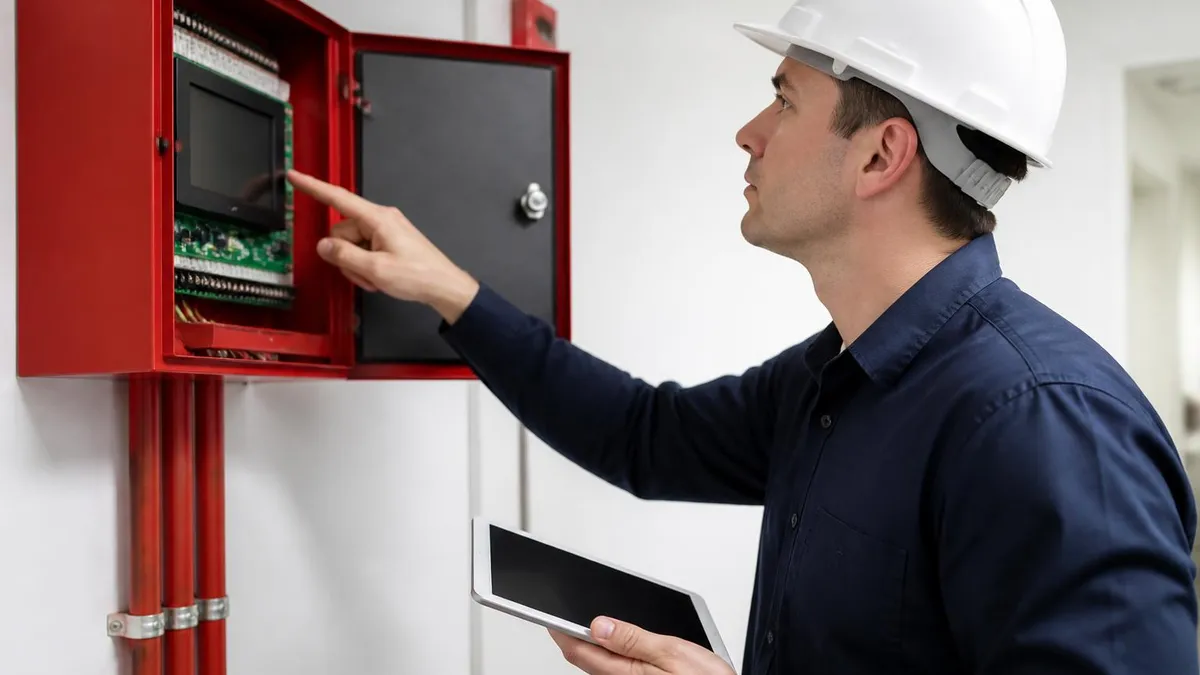
Key Components Covered in NFPA 72
Chapter 17 covers placement and spacing requirements for smoke detectors, heat detectors, manual fire alarm boxes, and radiant energy detectors used to detect fire conditions and trigger alarm signals throughout protected buildings.
Chapter 18 establishes requirements for audible and visible notification appliances including horns, strobes, speakers, and textual displays that alert building occupants to emergency conditions and provide voice communications during evacuations.
Chapter 12 defines performance classifications for fire alarm circuits and pathways, specifying survivability requirements and redundancy levels ensuring alarm signals reach the control unit even when individual circuit faults occur.
Chapter 14 provides detailed schedules and methods for visual inspections, functional testing, and preventive maintenance of all fire alarm system components to ensure ongoing operational reliability throughout system service life.
Emergency communications chapters address mass notification, two-way in-building communications, and area of refuge stations used for campus-wide emergency messaging beyond traditional fire alarm notification in large facilities and complexes.
The NFPA 72 PDF is organized into a logical chapter structure reflecting the complete lifecycle of fire alarm and signaling systems from initial design through ongoing maintenance. Chapters one through three cover administrative provisions including purpose, scope, and definitions establishing the document foundation. Understanding these opening chapters is critical because they define key terms used throughout the code and establish the document authority within the regulatory framework. Many professionals skip these early chapters, but the definitions section alone resolves ambiguities that frequently arise during system design reviews and field inspections.
Chapter 10 of NFPA 72 addresses fundamentals, covering equipment compatibility, documentation requirements, and power supply specifications for fire alarm systems installed in every building type. This chapter establishes baseline requirements applying regardless of the specific system type being installed or building occupancy classification. The power supply provisions mandate both primary and secondary power sources with specific capacity calculations ensuring the system remains operational during utility power failures. These requirements directly impact electrical design and battery sizing calculations that every fire alarm system designer must perform for each project.
Key technical chapters within NFPA 72 address the specific subsystems making up a complete fire alarm installation. Chapter 12 covers circuits and pathways, establishing performance classifications for wiring connecting system components and ensuring signal integrity under fault conditions. Chapter 17 covers initiating devices, specifying placement requirements for smoke detectors, heat detectors, manual fire alarm boxes, and other detection equipment. The spacing and location requirements in this chapter are among the most frequently referenced provisions in the entire code, directly determining how many devices a building requires.
Chapter 18 addresses notification appliance requirements covering both audible and visible alerting devices informing building occupants of emergency conditions requiring immediate action. The emergency communications system chapters address mass notification systems increasingly important in facilities such as universities, military installations, and large commercial complexes. Mass notification provisions specify requirements for intelligibility, coverage area calculations, and integration with fire alarm functions, addressing scenarios beyond fire emergencies including severe weather warnings and active threat situations requiring immediate campus-wide occupant notification.
Chapter 14 of NFPA 72 contains inspection, testing, and maintenance requirements essential for anyone responsible for keeping existing fire alarm systems operational and code-compliant over their service life. This critical chapter specifies the type of test required for each component, the frequency of inspections, and the documentation that must be maintained by responsible parties. Separate provisions address unique requirements for different system configurations and component types. Fire marshals and building inspectors focus heavily on Chapter 14 during reviews of building compliance records and annual inspection reports submitted by licensed fire alarm service companies.
The annexes of NFPA 72 provide explanatory material that, while not enforceable as code requirements, offers invaluable guidance for interpreting and applying mandatory provisions in real-world situations. Annex A provides paragraph-by-paragraph explanatory notes clarifying intent behind specific requirements and offering examples of acceptable approaches. Annex B contains engineering guides for automatic fire detector spacing, including widely referenced smoke detector spacing tables and ceiling height correction factors. These annexes are particularly useful for professionals working on unusual configurations or spaces falling outside standard detector placement rules.
Understanding the relationship between NFPA 72 and companion standards is essential for comprehensive fire protection design and compliance. NFPA 72 works with NFPA 70, the National Electrical Code, for wiring methods and installation practices governing how fire alarm circuits are physically constructed. It also interfaces with NFPA 101, the Life Safety Code, determining when and where fire alarm systems are required based on building occupancy type and size. Reading NFPA 72 in isolation without considering these companion documents can lead to incomplete designs satisfying the alarm code but failing broader building safety requirements.
NFPA Practice Test Questions
Prepare for the NFPA - National Fire Protection Association exam with our free practice test modules. Each quiz covers key topics to help you pass on your first try.
NFPA Life Safety
NFPA Exam Questions covering Life Safety. Master NFPA Test concepts for certification prep.
NFPA 10 Portable Fire Extinguishers
NFPA Mock Exam on NFPA 10 Portable Fire Extinguishers. NFPA Study Guide questions to pass on your first try.
NFPA 13 Sprinkler Systems
NFPA Test Prep for NFPA 13 Sprinkler Systems. Practice NFPA Quiz questions and boost your score.
NFPA 1 Fire Code General Requirements
NFPA Questions and Answers on NFPA 1 Fire Code General Requirements. Free NFPA practice for exam readiness.
NFPA 25 Water-Based Fire Protection Inspec...
NFPA Mock Test covering NFPA 25 Water-Based Fire Protection Inspection. Online NFPA Test practice with instant feedback.
Understanding NFPA 72 PDF Editions and Update Cycles
The 2022 edition of NFPA 72 represents the most recent version of the National Fire Alarm and Signaling Code published by the National Fire Protection Association. This edition incorporates significant updates to emergency communications system requirements, carbon monoxide detection integration, and pathway survivability provisions reflecting advances in fire alarm technology and building design practices since the previous edition was released. Professionals should verify which edition their jurisdiction has adopted before applying requirements to any project.
Key changes in the 2022 edition include revised inspection and testing frequencies for certain device types, updated requirements for mass notification system design in campus environments, and clarified provisions for networked fire alarm system configurations spanning multiple buildings. The edition also addresses emerging technologies such as cloud-based monitoring services and enhanced video smoke detection systems. Designers and inspectors working on new construction projects should familiarize themselves with these revisions to ensure their work reflects current code requirements adopted locally.
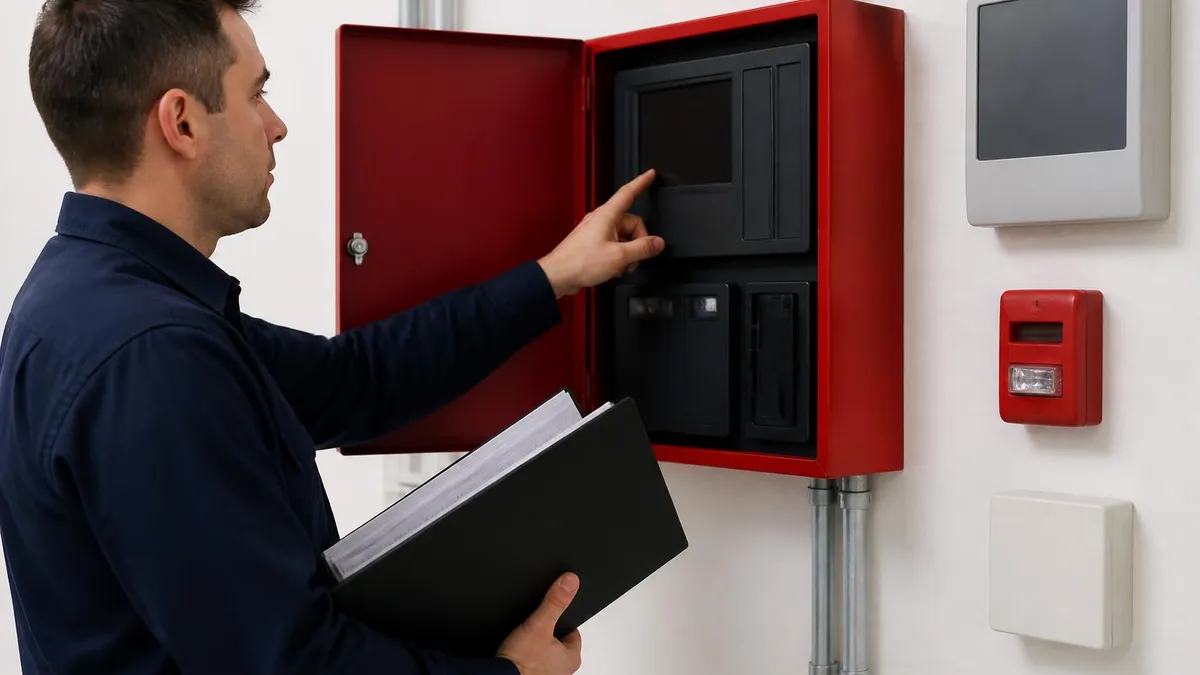
Advantages and Limitations of Using the NFPA 72 PDF Format
- +Fully searchable text enables quick keyword lookups across all chapters and annexes
- +Portable on tablets and smartphones for convenient field reference during inspections
- +Hyperlinked table of contents allows instant navigation to any chapter or section
- +Supports digital annotations, highlights, and custom bookmarks for personalized reference
- +Instant access to tentative interim amendments and errata updates from NFPA website
- +Environmentally friendly alternative eliminating the need for printed code books
- −Free NFPA online access is read-only and does not permit downloading or printing
- −Purchased PDF licenses can be expensive for individual practitioners and small firms
- −Requires electronic devices with adequate battery life for extended field use sessions
- −Screen readability may be significantly reduced in bright outdoor sunlight conditions
- −Digital rights management restrictions may limit copying text to reports and documents
- −Managing multiple edition PDFs can create version confusion across project teams
NFPA 72 PDF Reference and Compliance Checklist
- ✓Verify which edition of NFPA 72 your jurisdiction has officially adopted before starting any project.
- ✓Obtain an authorized PDF copy through NFPA purchase, library access, or employer subscription.
- ✓Create digital bookmarks for Chapter 14 inspection tables and Chapter 17 device spacing requirements.
- ✓Cross-reference NFPA 72 requirements with NFPA 70 wiring methods for all circuit installations.
- ✓Review Annex B engineering guides before designing detector layouts for non-standard ceiling configurations.
- ✓Check for tentative interim amendments or errata issued since your edition was published.
- ✓Maintain documented records of all inspections, tests, and maintenance activities per Chapter 14.
- ✓Verify notification appliance placement meets both audible and visible coverage requirements in Chapter 18.
- ✓Confirm power supply calculations include both primary and secondary source capacity per Chapter 10.
- ✓Review local amendments that may modify or supplement base NFPA 72 requirements in your jurisdiction.
Free Read-Only Access Is Available Online
The National Fire Protection Association offers free read-only access to the complete text of NFPA 72 through its website at nfpa.org. Registered users can view current and previous editions online at no cost, making it possible to reference the code without purchasing a PDF license. However, this free access does not permit downloading, printing, or offline use, so professionals needing portable field reference should consider purchasing a downloadable PDF or accessing the code through an employer or library subscription.
Accessing an authorized copy of the NFPA 72 PDF requires understanding the distribution channels NFPA has established for its codes and standards library. The National Fire Protection Association offers free read-only access to NFPA 72 through its website, allowing registered users to view the complete text of current and previous editions in an online browser-based viewer. However, this free access does not permit downloading, printing, or offline use, which significantly limits its practicality for field work and on-site reference during installations and inspections where internet connectivity may be unreliable or unavailable.
For professionals needing a downloadable PDF copy, the National Fire Protection Association offers several purchase options through its online store at varying price points suited to different needs. Individual PDF licenses provide single-user access with the ability to download and store the document on personal devices for offline reference anywhere. Organizational licenses are available for companies needing to distribute the code to multiple team members working across different job sites. Pricing varies by format and license type, and NFPA periodically offers promotional discounts or bundled packages combining NFPA 72 with related standards at reduced rates.
Many public libraries, university libraries, and technical reference libraries maintain subscriptions to the NFPA codes and standards database, providing free access to registered patrons. This option is particularly valuable for students and professionals needing occasional reference access without the cost of purchasing individual standards. Some employers maintain corporate subscriptions through the NFPA National Fire Codes Subscription Service providing access to the entire library of over 300 NFPA codes and standards in both online and downloadable PDF formats for all authorized employees within the subscribing organization.
When working with the NFPA 72 PDF, using the built-in search function is one of the most efficient ways to locate specific requirements within the lengthy document. Unlike printed editions, the PDF allows keyword searches across the entire document, enabling you to find every instance where a particular term, section number, or concept appears. Creating bookmarks for frequently referenced sections further improves navigation speed, and many PDF readers allow custom annotations and highlights that persist between sessions for ongoing reference throughout an entire project lifecycle from design through final inspection.
Verifying you are working with the correct edition of NFPA 72 for your specific jurisdiction is critically important before applying any requirements. Different states, counties, and municipalities may adopt different editions of the code, and using the wrong edition can result in designs that do not comply with local requirements enforced by the authority having jurisdiction. The applicable edition is typically documented through the local building department or fire marshal office, and this information should always be confirmed before beginning any design, installation, or inspection work on fire alarm systems.
Digital annotation tools have made the NFPA 72 PDF an even more powerful reference for field professionals carrying tablets and mobile devices on job sites every day. Tablet computers and smartphones allow inspectors and technicians to carry annotated PDFs, cross-referencing specific code sections during installations and inspections in real time. Some teams create standardized annotation layers highlighting the most commonly referenced provisions for their specific work type, whether involving new construction fire alarm design, retrofit projects in existing buildings, or annual inspection and testing cycles across large building portfolios.
Staying current with amendments and errata issued between edition cycles is another important aspect of working effectively with the NFPA 72 PDF. The National Fire Protection Association publishes tentative interim amendments and formal errata notices modifying the published text when urgent corrections or safety updates are needed. These updates are available for free download from the NFPA website and should be incorporated into your working copy promptly after release. Failure to account for interim changes can result in installations that do not meet the latest requirements recognized by your local authority having jurisdiction.

Using the wrong edition of NFPA 72 can result in non-compliant installations, failed inspections, and costly rework. Before starting any fire alarm design, installation, or inspection project, confirm which edition your local authority having jurisdiction has adopted. Many jurisdictions lag several years behind the latest published edition, and applying current edition requirements where an older edition is enforced can create unnecessary conflicts during plan review and final acceptance.
The inspection, testing, and maintenance provisions within the NFPA 72 PDF represent some of the most practically important requirements for building owners, facility managers, and fire protection service companies operating across commercial and institutional properties. These chapters establish minimum frequencies and methods for verifying that fire alarm system components continue to function as intended throughout their operational life. Failure to comply with prescribed inspection and testing schedules can result in code violations, insurance complications, and most critically, systems that may fail to detect fires and alert occupants during actual emergencies when performance matters most.
NFPA 72 Table 14.3.1 is one of the most frequently referenced tables in the entire document, specifying visual inspection frequencies for various fire alarm components. This table indicates whether each component requires daily, weekly, monthly, semiannual, or annual visual inspections to maintain compliance. For example, fire alarm control panels require periodic visual inspections to verify normal operating indicators, while initiating device wiring requires annual visual inspection for damage or improper modification. Building owners maintaining comprehensive inspection schedules based on this table demonstrate due diligence in their fire protection responsibilities.
The testing requirements specified in NFPA 72 Table 14.4.3.2 are equally detailed, prescribing specific test methods and frequencies for every major system component installed in the building. Smoke detectors typically require annual sensitivity testing verifying each device responds within its listed sensitivity range. Fire alarm control equipment must be tested annually to confirm proper receipt and processing of alarm, trouble, and supervisory signals from all connected devices. Notification appliances require annual testing to verify audible and visible output levels meet original design specifications documented during system acceptance testing.
Documentation requirements form a critical component of the NFPA 72 inspection, testing, and maintenance framework that every service provider must follow diligently. The code requires that records of all inspections, tests, and maintenance activities be maintained and made available to the authority having jurisdiction upon request. These records must include the date of activity, name of the qualified person performing the work, and description of any deficiencies found along with corrective actions taken. Many jurisdictions have adopted specific reporting forms based on NFPA 72 requirements to standardize documentation across all service providers.
Impairment management is another crucial aspect covered in the NFPA 72 PDF that directly affects building safety during maintenance operations. When a fire alarm system or any component must be taken out of service for maintenance, repair, or modification, the code requires specific procedures to manage the resulting gap in fire protection coverage. These procedures include notifying the building owner, authority having jurisdiction, supervising station, and building occupants about the impairment. Temporary protective measures such as fire watch patrols may be required until the system is fully restored to operational status.
The frequency of required inspections and tests can vary based on the specific environment and conditions where the fire alarm system operates in a given facility. NFPA 72 allows the authority having jurisdiction to modify testing frequencies based on documented performance data and environmental factors affecting system reliability. Smoke detectors in dusty industrial environments may require more frequent cleaning and sensitivity testing than those installed in clean office environments. Understanding these provisions allows service providers to develop customized maintenance programs balancing code compliance with practical operational considerations and budget constraints.
Service personnel qualifications are also addressed within the NFPA 72 framework to ensure competent execution of all maintenance activities. The code requires that individuals performing inspection, testing, and maintenance activities be qualified and experienced in the specific systems they service. While NFPA 72 does not prescribe specific certifications by name, it references qualifications that may include manufacturer training, NICET certification, or state licensing requirements depending on the jurisdiction. Building owners should verify their fire alarm service providers employ qualified personnel meeting these standards to ensure work is performed correctly and thoroughly.
Developing an efficient workflow for using the NFPA 72 PDF in daily professional activities can significantly improve your productivity and code compliance accuracy across every project. Start by familiarizing yourself with the document organizational structure during non-urgent study time rather than trying to learn the layout while under pressure on a job site. Create a personal reference sheet mapping the most common tasks you perform to specific NFPA 72 chapters, sections, and tables governing those activities. This preparation investment pays dividends every time you need to quickly locate a requirement.
Cross-referencing the NFPA 72 PDF with manufacturer installation instructions is a best practice ensuring both code compliance and proper equipment performance on every installation project. NFPA 72 requires equipment to be installed in accordance with manufacturer published instructions, and these instructions sometimes impose requirements exceeding minimum code provisions. A smoke detector manufacturer may specify maximum mounting heights or minimum distances from air supply registers more restrictive than general spacing requirements found in the NFPA 72 chapters on initiating devices, creating additional obligations the installer must follow.
When preparing for NICET certification exams or state licensing tests, the NFPA 72 PDF becomes your most important study tool for achieving a passing score. Create tabbed sections or digital bookmarks for chapters most heavily tested on your specific exam level. Practice locating information under timed conditions since most fire alarm certification exams are open-book and your speed navigating the code directly impacts available time for analyzing questions. Many successful candidates report that document navigation skills were as important as technical knowledge in achieving their passing scores on certification examinations.
Using the NFPA 72 PDF for plan review and design verification requires a systematic approach covering all applicable sections without overlooking critical requirements. Begin by identifying the building occupancy type and specific fire alarm system requirements triggered by the applicable building code or life safety code for the project. Then work through NFPA 72 provisions systematically, checking initiating device placement, notification appliance coverage calculations, pathway survivability requirements, and power supply sizing against design documents. This methodical approach prevents the common mistake of focusing on obvious requirements while overlooking less prominent but equally mandatory provisions.
Field verification using the NFPA 72 PDF involves comparing installed conditions against both approved design documents and applicable code requirements to identify deficiencies. Carry your PDF on a tablet with inspection and testing tables readily accessible so you can verify component types, spacing, and mounting configurations in real time during site visits. When you identify potential code violations, document them with specific NFPA 72 section references rather than general observations. This specificity strengthens inspection reports and provides clear guidance for contractors who need to correct identified deficiencies promptly.
Collaborating with team members using shared annotations on the NFPA 72 PDF can improve consistency across your entire organization and reduce interpretation disagreements. When one team member identifies an important interpretation or receives clarification from the authority having jurisdiction on a specific provision, documenting that information as an annotation in a shared PDF copy ensures all team members benefit from the insight. Some organizations maintain a master annotated copy incorporating local amendments, authority interpretations, and internal design standards alongside published code text for comprehensive field reference.
Finally, staying engaged with the NFPA code development process helps you anticipate changes to future editions of NFPA 72 before they become enforceable in your jurisdiction. The National Fire Protection Association publishes proposed changes and public comments through its standards development process, and anyone can participate by submitting comments or attending technical committee meetings. Reviewing the Report on Proposals and Report on Comments documents provides early insight into upcoming changes that may affect current design practices, equipment selections, or inspection procedures when your jurisdiction eventually adopts the next published edition of the code.
NFPA Questions and Answers

NFPA 24: Complete Guide to the Standard for Private Fire Service Mains and Their Appurtenances

Hydrogen Peroxide NFPA Diamond Meanings: Complete Guide to NFPA 704 Hazard Identification for Peroxide Solutions

NFPA 1001 Explained: Firefighter Professional Qualifications Standard Guide

NFPA 704 Placard: The Complete Guide to the Fire Diamond Hazard Identification System

NFPA 70E: Electrical Safety Standard Guide for the Workplace
About the Author

Certified Safety Professional & OSHA Compliance Expert
Indiana University of Pennsylvania Safety SciencesDr. William Foster holds a PhD in Safety Science from Indiana University of Pennsylvania and is a Certified Safety Professional (CSP) and Certified Hazardous Materials Manager. With 20 years of occupational health and safety management experience across construction, manufacturing, and chemical industries, he coaches safety professionals through OSHA certification, CSP, CHST, and safety management licensing programs.
Join the Discussion
Connect with other students preparing for this exam. Share tips, ask questions, and get advice from people who have been there.
View discussion (8 replies)