

Neurologists Exam Practice Test
Updated October 2026Facts verified Oct 25, 2026 against American Board of Psychiatry and Neurology
Neurologists Exam: upcoming dates and official changes
- Dec 21, 2026: The application deadline for the April 2027 ABPN Neurology Continuing Certification examination is December 21, 2026. (American Board of Psychiatry and Neurology)
- Jan 4, 2027: Applications for the 2027 ABPN Neurology Certification Examination open online on January 4, 2027. (American Board of Psychiatry and Neurology)
- Updated Oct 25, 2026: Registration opens (Neurology Certification (initial)) is now January 4, 2027 (previously January 4, 2027).
- Updated Oct 25, 2026: Delivery is now Computer-based at Pearson VUE test centers (previously Computer-based at Pearson VUE test centers).
- Updated Oct 25, 2026: Eligibility (Neurology Certification (initial)) is now PGY-1 + 3 yrs ACGME neurology residency, 5 NEX evaluations, full unrestricted license (previously PGY-1 + 3 yrs ACGME neurology residency, 5 NEX evaluations, full unrestricted license).
Facts verified Oct 25, 2026 against American Board of Psychiatry and Neurology. Dates that have passed are removed automatically.
- The ABPN Neurology Certification Examination delivers 400 test questions in eight sections. (American Board of Psychiatry and Neurology)
- The ABPN Neurology Certification Examination has 430 minutes of testing time, plus up to 50 minutes of pooled breaks. (American Board of Psychiatry and Neurology)
- The ABPN Neurology Certification Examination is scored on a total standard score with a non-norm-referenced passing standard and no predefined passing rate. (American Board of Psychiatry and Neurology)
- The ABPN initial certification examination fee for Neurology is $1,945 and is non-refundable. (American Board of Psychiatry and Neurology)
- ABPN graduates can take the certification examination as many times as allowed during the seven-year period after residency. (American Board of Psychiatry and Neurology)
- ABPN certificates are valid as long as they are maintained through continuing certification. (American Board of Psychiatry and Neurology)
- ABPN administers its Neurology certification and continuing certification examinations by computer at Pearson test centers. (American Board of Psychiatry and Neurology)
- To sit for the ABPN Neurology Certification Examination, applicants need an ACGME-accredited PGY-1 year, three years of ACGME-accredited neurology residency, five clinical skills (NEX) evaluations and an active, full, unrestricted medical license. (American Board of Psychiatry and Neurology)
- ABPN provides Neurology exam results approximately 10–12 weeks after the final date of testing. (American Board of Psychiatry and Neurology)
Facts verified Oct 25, 2026 against American Board of Psychiatry and Neurology. Dates that have passed are removed automatically.
Neurologists Exam Exam at a Glance
| Item | Detail | Official source |
|---|---|---|
| Number of questions (Neurology Certification (initial)) | 400 questions in 8 sections | American Board of Psychiatry and Neurology |
| Time limit (Neurology Certification (initial)) | 430 minutes total (7 hrs for questions) + up to 50 min pooled breaks | American Board of Psychiatry and Neurology |
| Passing score (Neurology Certification (initial)) | Standard score; no predefined pass rate | American Board of Psychiatry and Neurology |
| Exam fee (Neurology Certification (initial)) | $1,945 (non-refundable) | American Board of Psychiatry and Neurology |
| Retake policy (Neurology Certification (initial)) | Unlimited attempts within 7-year period | American Board of Psychiatry and Neurology |
| Validity | Valid while maintained via Continuing Certification | American Board of Psychiatry and Neurology |
| Delivery | Computer-based at Pearson VUE test centers | American Board of Psychiatry and Neurology |
| Eligibility (Neurology Certification (initial)) | PGY-1 + 3 yrs ACGME neurology residency, 5 NEX evaluations, full unrestricted license | American Board of Psychiatry and Neurology |
| Score release | About 10–12 weeks after the final test date | American Board of Psychiatry and Neurology |
| Registration deadline (Neurology Continuing Certification (CC)) | December 21, 2026 (April 2027 window) | American Board of Psychiatry and Neurology |
| Registration opens (Neurology Certification (initial)) | January 4, 2027 | American Board of Psychiatry and Neurology |
Facts verified Oct 25, 2026 against American Board of Psychiatry and Neurology. Dates that have passed are removed automatically.
Free Neurologists Exam Study Tools
Interactive Neurologists Exam resources on PracticeTestGeeks, free to start:
- Neurologists Exam Cerebrovascular Disease & Stroke 1 — 7 questions with answer explanations
- Neurologists Exam flashcards — review key terms and concepts card by card
- Neurologists Exam study guide — topic-by-topic overview of what the exam covers
- Neurologists Exam cheat sheet — one-page printable summary for last-minute review
Neurologist Schooling
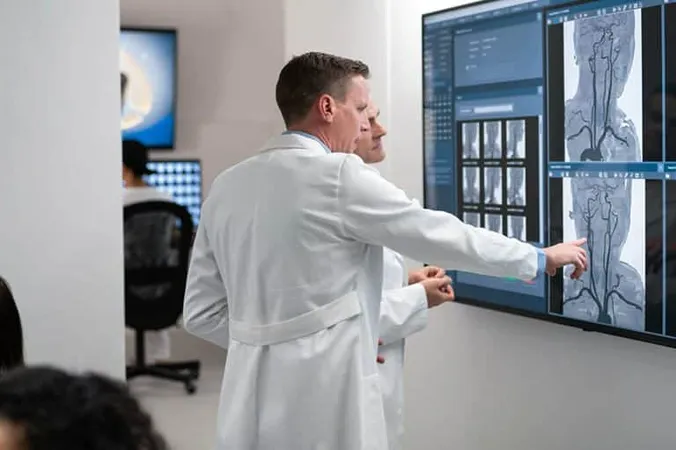
Becoming a neurologist requires a significant amount of schooling and training. After completing a bachelor's degree, aspiring neurologists must attend medical school for four years. During this time, they receive comprehensive instruction on the human body and various diseases and conditions. However, the real journey begins with a residency in neurology.
Neurology residencies typically last for three to four years and are highly competitive. Residents work alongside experienced neurologists to gain hands-on experience diagnosing and treating patients with neurological disorders. This intensive training allows them to develop their clinical skills, as well as their ability to interpret diagnostic tests such as MRI scans and electroencephalograms (EEGs). Additionally, residents may have opportunities to engage in research projects or participate in conferences, further deepening their knowledge in specific areas of interest.
Throughout their education, aspiring neurologists are introduced to a variety of specialties within the field that go beyond general neurology. They may choose to specialize further by pursuing fellowships after completing their residency program. These fellowships provide more focused training in areas such as stroke medicine, epilepsy management, or movement disorders. By dedicating additional time and expertise to these subspecialties, neurologists can become even more adept at providing specialized care for patients with complex neurological conditions.
In conclusion, the journey to become a neurologist is an arduous but rewarding one that requires many years of dedicated schooling and training. From medical school to residency programs and possible fellowship opportunities afterward, neurologists undergo rigorous education and clinical experience to develop the necessary skills and knowledge to diagnose, treat, and manage various neurological disorders. Their commitment to lifelong learning ensures that they stay up-to-date with the latest advancements in their field.
Candidates preparing for tkt can build exam confidence with our TKT teaching knowledge test 2026, which covers all key topics and question formats used in the real assessment.
Neurologists Exam Practice Test Questions
Prepare for the Neurologists Exam exam with our free practice test modules. Each quiz covers key topics to help you pass on your first try.
Neurologists Exam Anatomy & Physiology Fun...
Neurologists Exam Exam Questions covering Anatomy & Physiology Fundamentals. Master Neurologists Exam Test concepts for certification prep.
Neurologists Exam Cerebrovascular Disease ...
Free Neurologists Exam Practice Test featuring Cerebrovascular Disease & Stroke. Improve your Neurologists Exam Exam score with mock test prep.
Neurologists Exam Clinical Assessment & Pa...
Neurologists Exam Mock Exam on Clinical Assessment & Patient Care. Neurologists Exam Study Guide questions to pass on your first try.
Neurologists Exam Diagnostic Procedures & ...
Neurologists Exam Test Prep for Diagnostic Procedures & Interpretation. Practice Neurologists Exam Quiz questions and boost your score.
Neurologists Exam Documentation & Health R...
Neurologists Exam Questions and Answers on Documentation & Health Records. Free Neurologists Exam practice for exam readiness.
Neurologists Exam Emergency Response & Cri...
Neurologists Exam Mock Test covering Emergency Response & Critical Care. Online Neurologists Exam Test practice with instant feedback.
Neurologists Exam Infection Control & Prev...
Free Neurologists Exam Quiz on Infection Control & Prevention. Neurologists Exam Exam prep questions with detailed explanations.
Neurologists Exam Neurodegenerative & Move...
Neurologists Exam Practice Questions for Neurologists Exam Neurodegenerative & Movement Disorders. Build confidence for your Neurologists Exam certification exam.
Neurologists Exam Neurological Rehabilitat...
Neurologists Exam Test Online for Neurologists Exam Neurological Rehabilitation & Functional Recovery. Free practice with instant results and feedback.
Neurologists Exam Patient Education & Heal...
Neurologists Exam Study Material on Patient Education & Health Promotion. Prepare effectively with real exam-style questions.
Neurologists Exam Pharmacology & Treatment...
Free Neurologists Exam Test covering Pharmacology & Treatment Protocols. Practice and track your Neurologists Exam exam readiness.
Neurologists Exam Professional Ethics & Le...
Neurologists Exam Exam Questions covering Professional Ethics & Legal Standards. Master Neurologists Exam Test concepts for certification prep.
Neurologists Exam Public Health & Communit...
Free Neurologists Exam Practice Test featuring Public Health & Community Medicine. Improve your Neurologists Exam Exam score with mock test prep.
How Much Does an Exam From a Neurologist Cost
When it comes to seeking medical care, cost is often a significant concern. This is particularly true for specialized examinations, such as those conducted by neurologists. The cost of an exam from a neurologist can vary depending on several factors, including the location, the complexity of the case, and whether additional tests are required.
In general, a consultation with a neurologist can range from $150 to $500 or more. Keep in mind that this fee typically covers only the physician's time and expertise during the visit. Any additional tests, procedures, or treatments will likely have separate costs. It's also worth noting that insurance coverage can greatly influence the out-of-pocket expenses for patients seeking neurological examinations.
However, focusing solely on price when considering your healthcare options may not be advisable in all cases. While cost is indeed an important factor to consider and manage effectively within your budget, it should not override quality care or thoroughness of examination. Neurological conditions often require detailed assessments and complex diagnostics to ensure proper diagnoses – which could be compromised if patients opt for cheaper alternatives without necessary expertise or facilities – leading to potential delays in treatment and even higher costs down the road.
In conclusion, while there are no fixed prices for exams conducted by neurologists due to varying circumstances and locations, being informed about potential costs associated with visits to a neurologist can help you plan your healthcare budget better. Prioritizing quality over price is crucial when it comes to assessing neurological conditions as comprehensive evaluations are critical in ensuring accurate diagnoses and appropriate treatment plans. It is important to remember that the expertise and facilities available at reputable neurology clinics may come at a higher cost, but this investment in your health can ultimately save you from potential complications or additional expenses in the future.
Neurologist Certification
Neurologist certification is a significant milestone in the journey of becoming a professional in this specialized field. It represents an individual's dedication, expertise, and commitment to providing the highest standard of care for patients with neurological disorders. However, what many people may not realize is that neurologist certification goes beyond simply obtaining a degree or completing a residency program.
To become a certified neurologist, one must pass rigorous examinations that test their knowledge and skills in various areas of neurology. These exams not only assess an individual's understanding of neurological conditions but also evaluate their ability to diagnose and treat patients effectively. Moreover, this certification process ensures that practitioners stay up-to-date on the latest advancements in neuroscience by requiring them to participate in continuing medical education programs.
By seeking out certified neurologists, patients can have confidence in knowing that they are receiving treatment from professionals who have undergone comprehensive training and assessment processes. Additionally, achieving certification demonstrates a commitment to ongoing professional development and quality improvement. These dedicated individuals constantly strive to enhance their skill set and expand their knowledge base to provide the best possible care for those affected by neurological disorders.
They attend conferences, workshops, and seminars to stay up-to-date with the latest advancements in neuroscience research and clinical practice. These educational opportunities allow neurologists to learn about advanced techniques, emerging therapies, and novel diagnostic tools that can significantly improve patient outcomes. Certified neurologists also engage in peer discussions and collaborate with colleagues to share their experiences, exchange ideas, and discuss challenging cases. This collaborative approach builds a culture of continuous learning within the field of neuroscience.


- +Validates your knowledge and skills objectively
- +Increases job market competitiveness
- +Provides structured learning goals
- +Networking opportunities with other certified professionals
- −Study materials can be expensive
- −Exam anxiety can affect performance
- −Requires dedicated preparation time
- −Retake fees apply if you don't pass
Pros and Cons at a Glance
| Pros | Cons |
|---|---|
| Validates your knowledge and skills objectively | Study materials can be expensive |
| Increases job market competitiveness | Exam anxiety can affect performance |
| Provides structured learning goals | Requires dedicated preparation time |
| Networking opportunities with other certified professionals | Retake fees apply if you don't pass |
Sample Neurologists Exam Practice Questions
Try these questions from our free Neurologists Exam practice tests. The correct answer and an explanation follow each question.
A patient with traumatic brain injury has difficulty forming new memories but retains old ones. This pattern is called:
- A. Anterograde amnesia
- B. Retrograde amnesia
- C. Transient global amnesia
- D. Procedural memory loss
Answer: A. Anterograde amnesia
Anterograde amnesia is the inability to form new memories after a brain injury, while memories before the injury remain intact.
Which protein aggregate is the pathological hallmark found in Lewy body dementia and Parkinson's disease?
- A. Alpha-synuclein (Lewy bodies)
- B. Tau neurofibrillary tangles
- C. TDP-43 inclusions
- D. Amyloid-beta plaques
Answer: A. Alpha-synuclein (Lewy bodies)
Lewy bodies are intraneuronal aggregates of misfolded alpha-synuclein protein, defining the neuropathology of Parkinson's disease and LBD.
In Neurologists, what is the MOST effective approach to patient education & health promotion?
- A. Active listening combined with clear, empathetic communication
- B. Providing information without seeking feedback
- C. Using technical terminology exclusively
- D. Communicating only in writing to avoid misunderstandings
Answer: A. Active listening combined with clear, empathetic communication
Active listening combined with clear, empathetic communication builds trust and ensures mutual understanding between all parties.
Which cognitive rehabilitation strategy involves breaking complex tasks into simpler component steps for TBI patients?
- A. Chaining
- B. Errorless learning
- C. Spaced retrieval
- D. Dual-task training
Answer: A. Chaining
Chaining (forward or backward) breaks multi-step tasks into manageable links, allowing TBI patients to relearn ADLs systematically.
Neurologists Exam Questions and Answers
How this page was made: written with AI tools and published by Nathan Beja, founder of Practice Test Geeks, who is responsible for its content. Exam facts are checked against the official sources listed below. Not reviewed by a subject-matter expert. Editorial policy
Sources & references
Exam facts on this page (fees, format, dates, passing scores) are checked against these official sources; the date is our last check. Editorial policy
- abpn.org — Fees, retake policy, score validity, test delivery, score release, registration deadline, registration, exam format, passing score, time limit · verified Oct 2026