
Who Can Order an MRI? Doctors, PTs, NPs, and Referral Rules Explained
Can physical therapist order MRI? Learn who can order MRI scans, referral rules by state, insurance authorization, and the full ordering workflow. 💯

If you have ever waited weeks for an MRI and wondered who actually has the authority to sign that order, you are not alone. A common question patients ask their clinicians is, can physical therapist order MRI scans directly, or does the referral always have to come from a physician? The answer is more nuanced than a simple yes or no, and it depends on state law, the practice setting, the type of insurance involved, and the specific body part being imaged. Understanding the rules can save you weeks of delay and hundreds of dollars in unnecessary visits.
Magnetic resonance imaging is one of the most expensive and most heavily regulated diagnostic studies in modern medicine. A single scan can cost between $400 and $3,500 depending on the region, the magnet strength, and whether contrast is used. Because of the cost, the radiation-free safety profile (which encourages overuse), and the contraindications related to metal implants and pacemakers, payers and regulators carefully control who can place the order and under what clinical circumstances.
In the United States, the list of providers who can order an MRI has expanded significantly over the past two decades. Medical doctors and doctors of osteopathy have always had ordering privileges. Nurse practitioners, physician assistants, podiatrists, chiropractors, dentists, optometrists, and in a growing number of states, physical therapists with direct access privileges can now order MRIs within their scope of practice. Each provider type operates under specific limits set by state licensing boards and federal payer rules.
The growth of direct access physical therapy has been one of the most important changes in this landscape. As of 2026, all 50 states allow some form of direct access to physical therapy, meaning patients can see a PT without a physician referral. However, direct access to evaluation and treatment does not automatically grant the PT authority to order advanced imaging like MRI. Roughly a dozen states have explicit statutory or regulatory authority allowing PTs to order MRIs, while the rest require co-signature or referral back to a physician.
Insurance coverage adds another layer of complexity. Even when a provider is legally permitted to order an MRI, the patient's insurance plan may require prior authorization, a peer-to-peer review, or documentation that conservative treatment has failed for six weeks or more. Medicare, Medicaid, and most commercial insurers maintain ordering provider lists, and a scan ordered by an unapproved provider will be denied at the claims stage even if clinically appropriate.
This guide walks through every category of provider authorized to order MRI studies in the United States. We will cover the legal framework, scope of practice limitations, insurance considerations, the appropriate clinical indications for ordering, and the practical workflow steps that get a patient from clinical evaluation to scan completion. Whether you are a clinician trying to understand your own ordering rights, a patient navigating a complex referral, or a student preparing for the ARRT MRI registry exam, the details below will help you understand the system.
We will also examine when ordering an MRI is the wrong choice. Despite its diagnostic power, MRI is overused for low back pain, knee pain, and headaches, often producing incidental findings that lead to unnecessary surgery. The American College of Radiology Appropriateness Criteria, the Choosing Wisely campaign, and most clinical guidelines now recommend a conservative-care-first approach before advanced imaging. Knowing who can order is only half the equation. Knowing when ordering is appropriate is the other half.
MRI Ordering in the United States by the Numbers
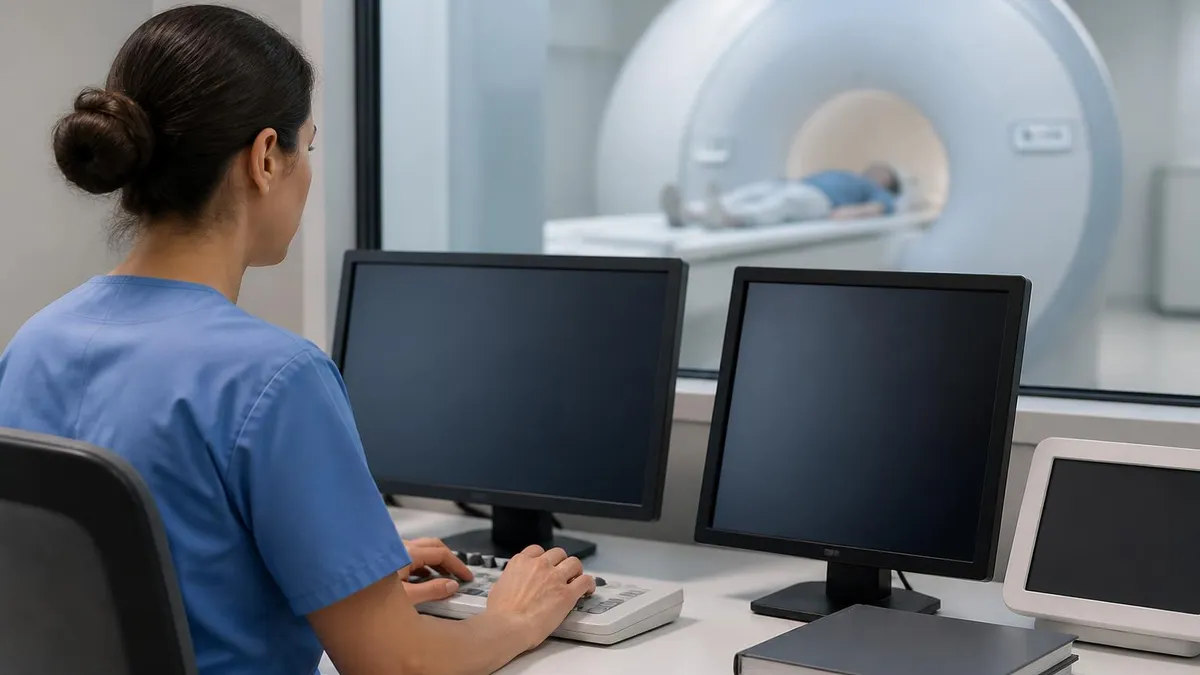
Provider Categories Authorized to Order MRI Scans
Medical doctors and doctors of osteopathy have unrestricted MRI ordering authority in all 50 states across every body system. They are the most common ordering providers and face no scope-of-practice limitations.
NPs can order MRIs in all 50 states, though 14 states require physician collaboration agreements. Their ordering authority generally matches their clinical specialty, such as family, acute care, or orthopedic NP roles.
PAs order MRIs under their supervising physician's authority. The exact scope depends on the practice agreement, but in most settings PAs have functional parity with their supervising MD or DO for imaging orders.
Podiatrists order MRIs of the foot and ankle. Dentists and oral surgeons order TMJ and head MRIs. Chiropractors can order spinal MRIs in many states. Each operates within a strict body-region scope.
In a growing number of direct access states, licensed PTs can order musculoskeletal MRIs after initial evaluation. Authority varies widely by state law, payer rules, and whether the PT holds advanced credentials like the DPT or OCS.
Physical therapists occupy a unique position in the MRI ordering landscape. Their training in musculoskeletal evaluation, gait analysis, and orthopedic special tests makes them well-qualified to identify cases where advanced imaging will change the treatment plan. Yet for most of the twentieth century, PTs were considered ancillary providers who could only treat patients after a physician referral. That model has shifted dramatically since the early 2000s, and ordering authority is one of the most visible signs of that shift.
In states where physical therapists can order MRIs, the legal framework typically requires several conditions. The PT must hold an active license in good standing. Many states require a doctorate of physical therapy degree or post-professional certification such as the Orthopaedic Clinical Specialist credential. The PT must perform a documented evaluation that justifies the imaging, follow established appropriateness criteria, and either be working under a collaborative agreement with a physician or refer the patient back if abnormal findings warrant further workup.
The clinical rationale for PT-ordered MRI is strong. Studies published in Physical Therapy Journal and the Journal of Orthopaedic and Sports Physical Therapy have shown that physical therapists order imaging at rates similar to or lower than primary care physicians, and that the imaging they do order has comparable diagnostic yield. PTs are also less likely to order MRI for nonspecific low back pain within the first six weeks, which aligns with clinical practice guidelines that discourage early imaging in the absence of red flags.
However, the practical reality of PT-ordered MRI is often complicated by insurance. Even in states where PT ordering is legally permitted, many commercial insurers, Medicare Advantage plans, and traditional Medicare may not reimburse for MRIs ordered by non-physicians without specific documentation. Some PTs have built workflows where they identify imaging needs, draft the order, and then route it to a collaborating physician for co-signature, which solves the reimbursement issue while preserving the PT's clinical role.
Military and federal practice settings have led the way. The Department of Defense and the Veterans Health Administration grant active duty and VA physical therapists full ordering privileges for musculoskeletal imaging including MRI. Studies of military PTs ordering MRI have shown high appropriateness rates, fast time-to-diagnosis, and significant cost savings compared to traditional physician-gatekeeper models. These federal precedents have informed civilian state legislation.
Patients sometimes ask whether they should request that their PT order the MRI directly rather than going back to a primary care physician. The answer depends on the state, the insurance plan, and the urgency. If the PT has been treating you for several weeks and identifies a red flag such as progressive weakness, unexplained weight loss, night pain, or trauma with mechanism, they may be able to order imaging immediately in a direct-access state. In more conservative jurisdictions, the PT will refer back to your physician with a clinical summary recommending the scan.
If you are a PT student or new graduate exploring ordering authority, the American Physical Therapy Association maintains a regularly updated state-by-state guide. State practice acts, regulatory board interpretations, and payer policies all change, so a PT moving from one state to another must verify ordering rules before assuming privileges transfer. The next section breaks down the geographic patchwork in more detail.
MRI Practice Test Questions
Prepare for the MRI - Magnetic Resonance Imaging exam with our free practice test modules. Each quiz covers key topics to help you pass on your first try.
MRI Knowledge
MRI Exam Questions covering Knowledge. Master MRI Test concepts for certification prep.
MRI Physics
Free MRI Practice Test featuring Physics. Improve your MRI Exam score with mock test prep.
MRI Anatomy and Pathology
MRI Test Prep for MRI Anatomy and Pathology. Practice MRI Quiz questions and boost your score.
MRI Anatomy and Positioning
MRI Questions and Answers on MRI Anatomy and Positioning. Free MRI practice for exam readiness.
MRI Contrast Agents
Free MRI Quiz on MRI Contrast Agents. MRI Exam prep questions with detailed explanations.
MRI Patient Care and Positioning
MRI Practice Questions for MRI Patient Care and Positioning. Build confidence for your MRI certification exam.
State-by-State Rules on Who Can Order an MRI
States with the broadest physical therapist ordering authority include Colorado, Wisconsin, Maryland, Utah, and Arizona. In these jurisdictions, licensed PTs may order musculoskeletal MRIs of the spine, shoulder, knee, hip, and other extremities after performing a documented evaluation. The PT does not need a physician co-signature for the legal order, although insurance policies may still require one for reimbursement purposes.
These states typically share several legislative features. They define imaging within the PT scope of practice, set training requirements such as a DPT degree, and may require continuing education in radiologic interpretation. Practitioners in these states still refer to radiologists for image interpretation and back to physicians when findings require medical or surgical management beyond the PT scope.
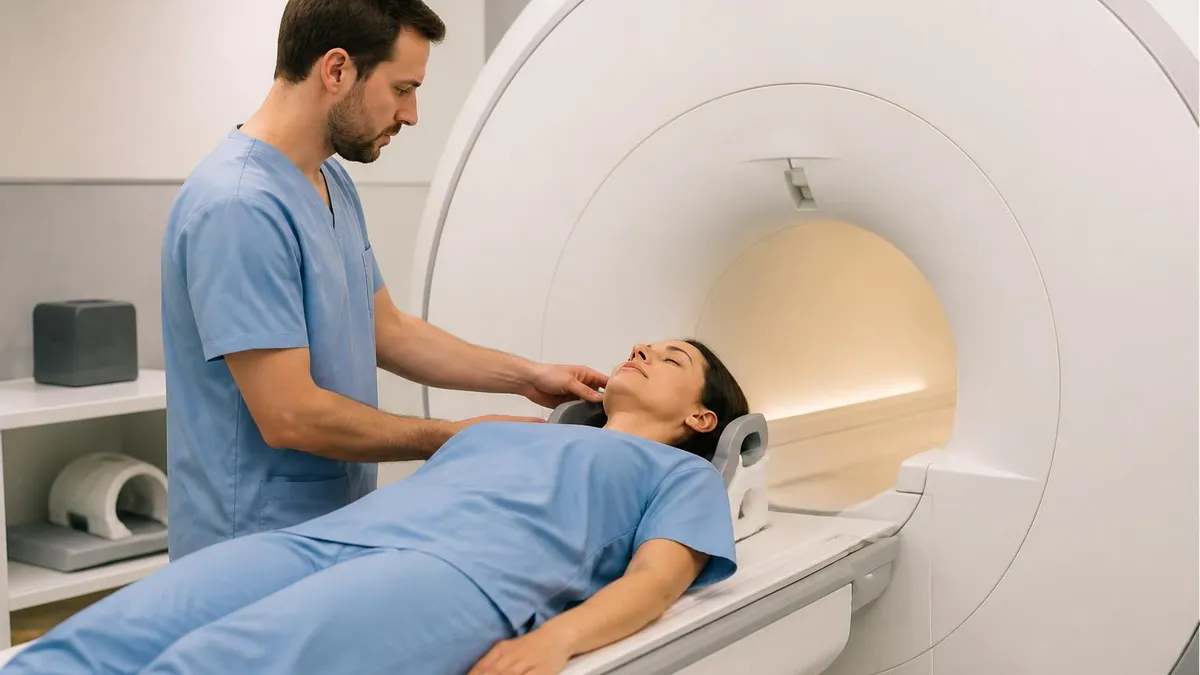
Should Physical Therapists Be Allowed to Order MRI?
- +Faster diagnosis and reduced time-to-treatment for orthopedic patients
- +Lower total cost of care by eliminating redundant physician visits
- +Improved patient satisfaction and convenience in direct access models
- +Evidence shows comparable appropriateness rates to primary care physicians
- +Reduces burden on overloaded primary care system
- +Aligns with successful military and VA practice models
- +Empowers PTs to practice at the top of their license and training
- −State scope-of-practice laws vary widely and create confusion
- −Many commercial payers will not reimburse PT-ordered imaging
- −Risk of overutilization if appropriateness criteria are not enforced
- −PTs may lack training in interpreting non-musculoskeletal findings
- −Physician collaborative agreements add administrative burden
- −Liability and malpractice coverage can be unclear for PT-ordered imaging
- −Patients may be confused about who is managing their case
Pre-Order Checklist Before Requesting an MRI
- ✓Confirm the patient has completed a documented clinical evaluation including history and physical exam
- ✓Verify that conservative care has been trialed for at least 4 to 6 weeks unless red flags are present
- ✓Screen the patient for MRI contraindications including pacemakers, ferromagnetic implants, and cochlear devices
- ✓Document the specific clinical question the MRI is intended to answer
- ✓Check insurance prior authorization requirements for the patient's plan
- ✓Confirm the ordering provider has active ordering privileges in the state and on the payer's roster
- ✓Specify the correct body region, contrast requirements, and any special sequences needed
- ✓Provide the radiologist with relevant clinical history including symptoms duration and prior surgeries
- ✓Identify whether the patient needs sedation or claustrophobia accommodation
- ✓Communicate the timeline and follow-up plan to the patient before they leave the office
MRI within six weeks of acute low back pain is discouraged
The American College of Physicians and the American College of Radiology agree that MRI for nonspecific low back pain without red flags should not be performed in the first six weeks. Studies show early MRI does not improve outcomes and frequently leads to unnecessary procedures driven by incidental findings such as asymptomatic disc bulges, which appear in up to 60 percent of pain-free adults over age 40.
Insurance authorization is often the single biggest obstacle between a clinical decision to order an MRI and the actual scan being performed. Even when the ordering provider has full legal authority, the patient's insurance plan controls the financial reality. Roughly 85 percent of commercial payers require prior authorization for MRI, and that percentage rises to nearly 100 percent for outpatient elective musculoskeletal MRI. Emergency department and inpatient MRIs are usually exempt from prior authorization because of clinical urgency.
The prior authorization process typically begins when the ordering provider's office submits a request through the payer's portal or a radiology benefits manager such as eviCore, AIM Specialty Health, or HealthHelp. The submission includes the patient's diagnosis codes, a clinical summary, documentation of failed conservative treatment, and the proposed CPT code for the MRI. Most payers respond within 72 hours, but complex cases that require peer-to-peer review can take 7 to 14 days.
Medicare follows a different model. Traditional Medicare Part B does not require prior authorization for most outpatient MRI, but it does require that the ordering provider be enrolled in Medicare and that the study meet medical necessity criteria as defined by Local Coverage Determinations. Medicare Advantage plans, which now cover more than half of Medicare beneficiaries, do require prior authorization and often apply commercial-style utilization management.
Medicaid rules vary by state. Some state Medicaid programs require prior authorization for all outpatient MRI, while others use a tiered system that exempts orders from certain specialists. Medicaid managed care plans add another layer of variability. For uninsured patients paying cash, no authorization is required, but the patient bears the full cost, which can range from $400 for a basic extremity MRI at an independent imaging center to over $3,500 for a contrast-enhanced study at a hospital outpatient department.
One of the most overlooked elements of MRI authorization is the credentialing of the ordering provider. Every payer maintains a list of credentialed ordering providers. If the provider is not credentialed with that specific payer, the claim will be denied at adjudication even if the order was clinically appropriate. This is a common pitfall for newly hired clinicians, locum tenens providers, and out-of-network referrals. Practice managers should verify ordering credentials for every active payer contract.
For physical therapists in states with ordering authority, payer credentialing is particularly important. Some payers credential PTs as ordering providers without restriction. Others credential them only for specific CPT codes or anatomic regions. A few large national insurers still do not credential PTs as ordering providers at all, which forces those PTs to route orders through a collaborating physician for reimbursement purposes even when state law allows independent ordering.
The financial stakes for patients are significant. A scan denied for missing authorization or improper ordering provider can leave the patient liable for the full charge, often several thousand dollars. Patients should always confirm three things before scheduling: that their ordering provider is credentialed with their insurance, that prior authorization has been approved if required, and that the imaging facility is in network. The few minutes spent verifying can prevent a major financial surprise.
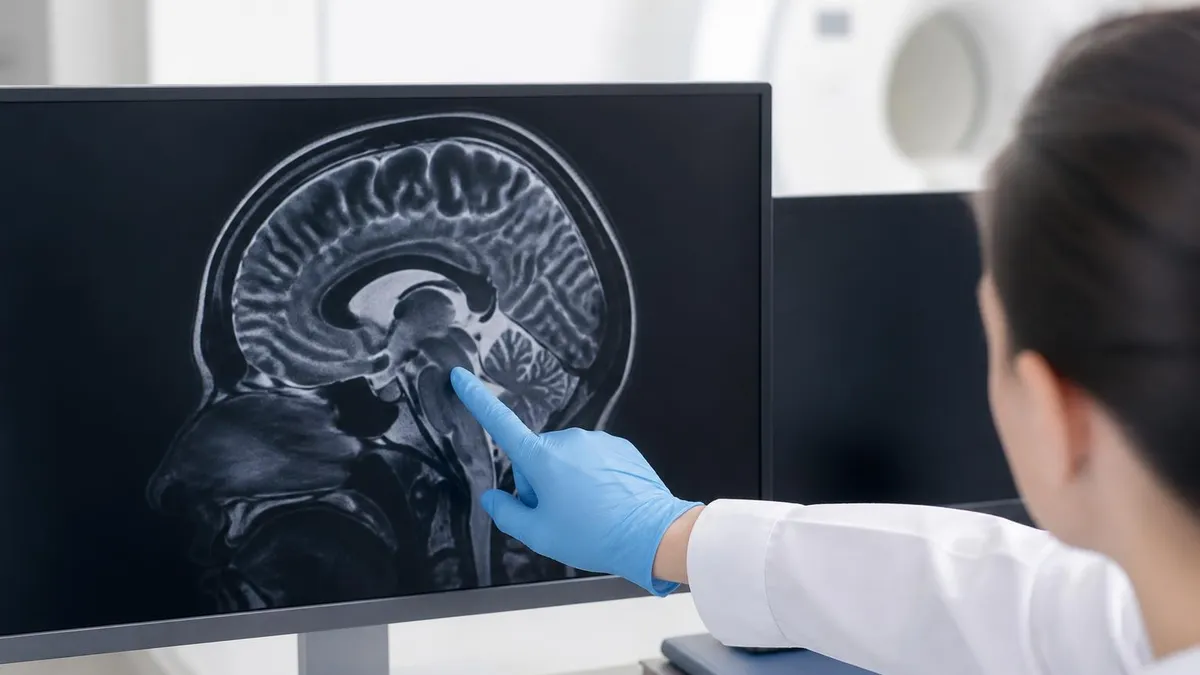
Before any patient enters the MRI scanner, a comprehensive safety screening must be completed. Ferromagnetic objects, certain pacemakers, cochlear implants, aneurysm clips, and metal fragments in the eye are absolute contraindications. Failure to screen has resulted in fatalities. The ordering provider shares responsibility for documenting known implants in the order.
The complete MRI ordering workflow has six distinct phases, and understanding each phase helps clinicians, patients, and front-office staff move efficiently from clinical decision to completed scan. Phase one is the clinical evaluation. The ordering provider, whether physician, nurse practitioner, physician assistant, or qualified physical therapist, performs a focused history and physical exam, applies appropriateness criteria, and decides that MRI is the right next step. Documentation must clearly establish medical necessity in the chart.
Phase two is order entry. In modern electronic health record systems, the provider selects the appropriate CPT code, specifies the body part and side, indicates whether contrast is needed, and adds clinical history for the radiologist. Common CPT codes include 73721 for lower extremity joint MRI without contrast, 72148 for lumbar spine MRI without contrast, and 70551 for brain MRI without contrast. Choosing the wrong code is a frequent cause of denials.
Phase three is prior authorization. The order is transmitted to the payer or radiology benefits manager. A clinical coordinator or the provider's office submits supporting documentation. If the request is approved, an authorization number is issued and the order can move to scheduling. If denied, the provider can request a peer-to-peer review, modify the order, or appeal. About 10 percent of initial denials are overturned on peer-to-peer review.
Phase four is scheduling and patient preparation. The imaging facility contacts the patient, confirms insurance information, schedules the scan, and provides preparation instructions. Patients on certain medications may need to hold doses. Patients with claustrophobia may need oral sedation or referral to an open MRI scanner. The facility verifies implant safety once more before the appointment. For more on alternative imaging modalities when MRI is not feasible, see MRI Alternatives.
Phase five is the scan itself. A licensed MRI technologist, typically certified by the ARRT in MRI, performs the study following the protocol selected by the supervising radiologist. Scan times range from 20 minutes for a single extremity to over an hour for multi-region studies or contrast-enhanced protocols. The technologist screens the patient one more time, positions them in the bore, and acquires the sequences.
Phase six is interpretation and follow-up. A board-certified radiologist reviews the images and dictates a report, which is typically available within 24 hours for outpatient studies and within minutes for emergent cases. The report is sent back to the ordering provider, who reviews the findings, contacts the patient, and decides on next steps such as referral to a specialist, additional imaging, or initiation of treatment. The ordering provider remains responsible for ensuring the patient receives and understands the results.
Patients sometimes assume the imaging center will notify them of the results, but that is not the case. The ordering provider owns the result communication. If you have had an MRI and not heard back within a week, call the ordering provider's office to request the report. Critical findings such as suspected malignancy, fracture, or cord compression should generate a phone call from the radiologist to the ordering provider within hours, but routine findings flow back through the standard chart review process.
For clinicians preparing to order MRIs more frequently or for patients who want to navigate the process efficiently, several practical tips can make a significant difference. First, build a relationship with one or two preferred imaging centers. Knowing the radiologists, understanding their protocols, and being on a first-name basis with the scheduling staff allows you to expedite urgent cases, request specific sequences, and resolve denials quickly. Centers that perform high volumes of musculoskeletal MRI often have orthopedic-trained radiologists who provide more detailed reports.
Second, use clinical decision support tools. The American College of Radiology has developed the ACR Appropriateness Criteria, which assigns a numerical score to imaging studies based on the clinical scenario. Many electronic health record systems now integrate this directly into the order entry workflow, prompting the provider with the appropriateness score before the order is finalized. Studies show these tools reduce inappropriate imaging by 8 to 15 percent without compromising patient outcomes.
Third, master the documentation that supports medical necessity. Payers want to see the specific symptom, its duration, the conservative treatment attempted, the response to that treatment, the physical exam findings, and the clinical question the MRI is intended to answer. A note that says "left knee pain, ordering MRI" will be denied. A note that says "left knee pain 8 weeks after twisting injury, failed 4 weeks of NSAIDs and structured PT, positive McMurray and joint line tenderness suggesting medial meniscus tear, ordering MRI to confirm and plan referral to orthopedics" will be approved.
Fourth, understand contrast indications. Most musculoskeletal MRIs do not require gadolinium contrast. Contrast is typically reserved for tumor evaluation, postoperative infection workup, certain brain studies, and dynamic vascular imaging. Routinely ordering contrast adds cost, increases scan time, requires intravenous access, and carries a small but real risk of nephrogenic systemic fibrosis in patients with severe renal dysfunction. Order contrast deliberately, not as a default.
Fifth, communicate clearly with patients before they leave the office. Explain why you are ordering the MRI, what the scan will feel like, how long it will take, and what the next steps will be after the results come back. Patients who understand the plan are more likely to complete the scan, comply with prep instructions, and follow up appropriately. Brief patient education conversations are one of the highest-yield workflow investments a provider can make.
Sixth, prepare for the noise and the experience itself. Patients are often surprised by how loud MRI machines are during scanning. The knocking, buzzing, and humming sounds come from rapidly switching gradient coils and can exceed 110 decibels. Hearing protection is mandatory. For a deeper explanation of why scanners are so loud and how technologists manage the experience, the article on MRI machine noise is worth reading.
Finally, stay current with state and payer rules. Scope-of-practice law and reimbursement policy are not static. State legislatures expand PT direct access. Payers update their prior authorization lists. Medicare adjusts its coverage determinations annually. A provider who relies on three-year-old knowledge will inevitably hit denials and patient access problems. Set a calendar reminder to review your state board's website, your top three payers' policy pages, and the relevant professional society guidelines at least twice a year.
MRI Questions and Answers
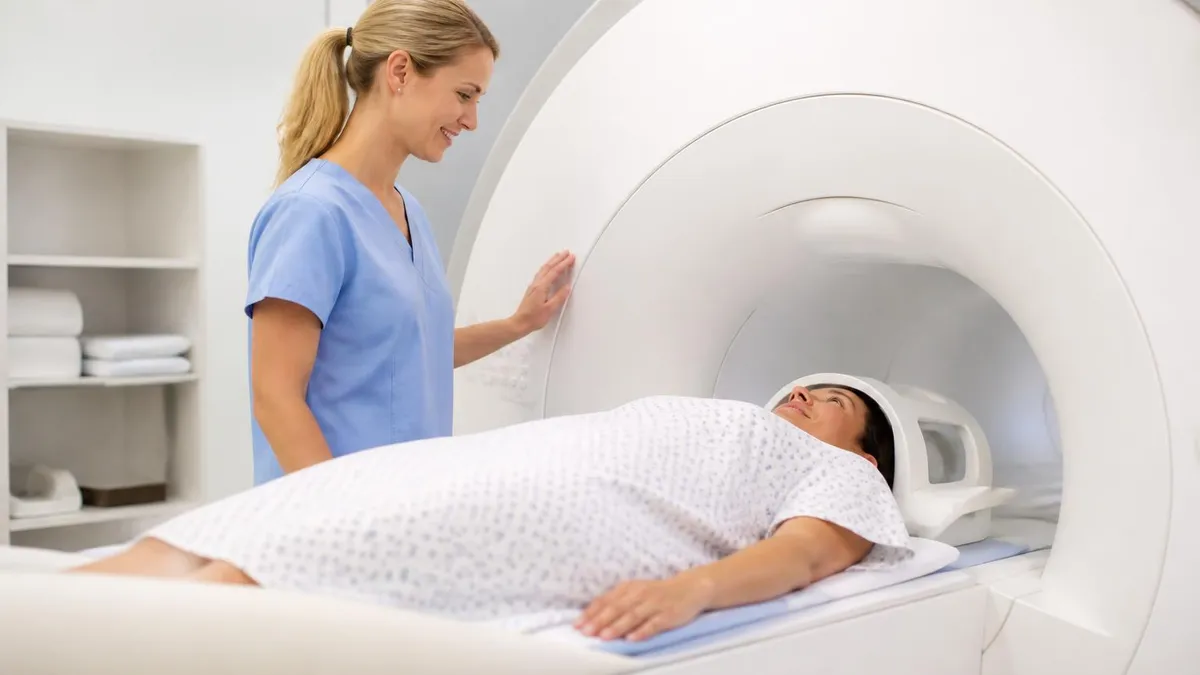
MRI Medical Abbreviation: What MRI Stands For and Why It Matters
The History of MRI: From Discovery to Modern Medicine
Knee MRI Images: A Complete Guide to Reading, Understanding, and Interpreting Knee Scans
Noise of MRI Machine: Why MRI Scanners Are So Loud and What to Expect
MRI Alternatives: When CT, Ultrasound, X-Ray, and PET Make More Sense Than an MRI
About the Author

Medical Laboratory Scientist & Clinical Certification Expert
Johns Hopkins UniversityDr. Sandra Kim holds a PhD in Clinical Laboratory Science from Johns Hopkins University and is certified as a Medical Technologist (MT) and Medical Laboratory Scientist (MLS) through ASCP. With 16 years of clinical laboratory experience spanning hematology, microbiology, and molecular diagnostics, she prepares candidates for ASCP board exams, MLT, MLS, and specialist certification tests.
Join the Discussion
Connect with other students preparing for this exam. Share tips, ask questions, and get advice from people who have been there.
View discussion (8 replies)