
Tethered Cord MRI: Complete Guide to Imaging, Diagnosis, and Findings
Tethered cord MRI guide covers protocols, sequences, key findings, 🧠 conus position, filum thickness, and differential diagnosis for radiology techs and...
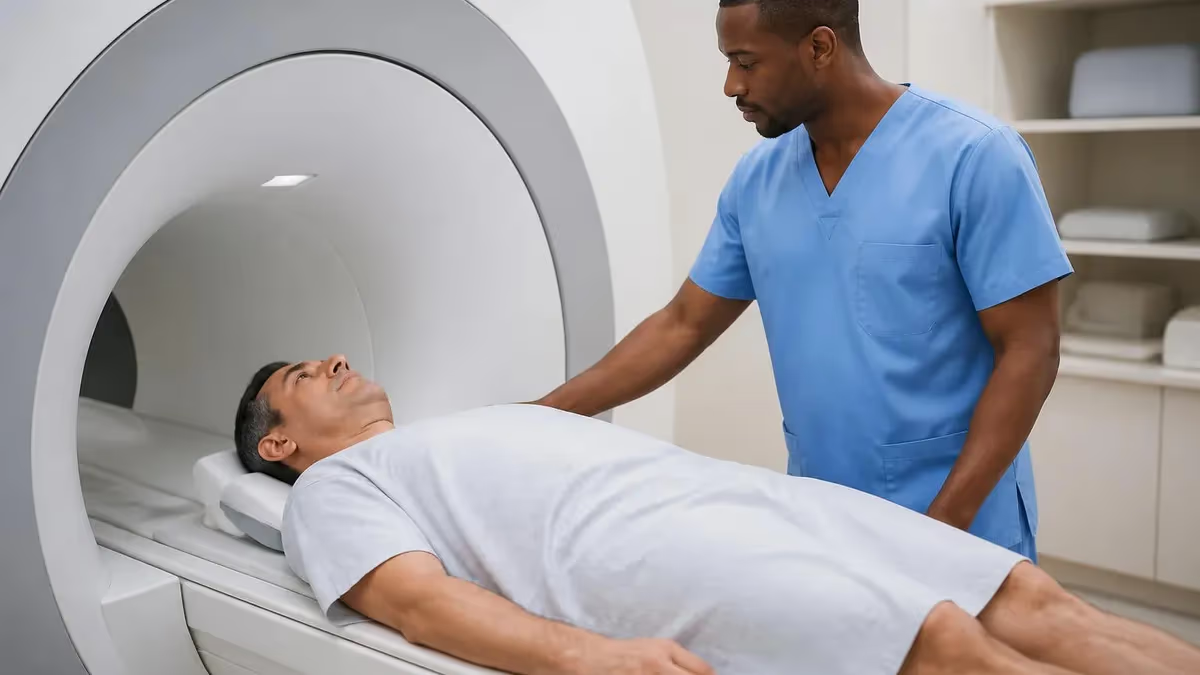
A tethered cord MRI is the gold-standard imaging study used to evaluate tethered cord syndrome, a neurological condition in which the spinal cord is abnormally fixed at its lower end, restricting its normal upward movement during growth and motion. Magnetic resonance imaging provides unmatched soft-tissue contrast, allowing radiologists to identify the position of the conus medullaris, measure filum terminale thickness, detect fatty infiltration, and characterize associated anomalies such as lipomas, dermal sinus tracts, or syringomyelia. For technologists and clinicians alike, understanding the protocol is essential.
The condition occurs in both pediatric and adult populations, though presentation differs significantly between age groups. Pediatric patients often present with cutaneous stigmata such as sacral dimples, hairy patches, or hemangiomas, while adults typically report progressive back pain, leg weakness, bladder dysfunction, or sensory changes. MRI is preferred over CT or ultrasound because it provides direct visualization of neural structures without ionizing radiation, making it especially valuable in young children who may require repeated imaging across their developmental years.
Modern protocols typically combine sagittal and axial T1-weighted and T2-weighted sequences of the entire lumbar spine, with attention focused on the thoracolumbar junction down to the coccyx. The conus medullaris should normally terminate at or above the L2-L3 disc space in adults and by approximately three months of age in infants. Anything lower raises suspicion. Reading the history of MRI shows how rapidly spine imaging has evolved since the 1980s into today's high-field standard.
Filum terminale thickness greater than 2 mm at the L5-S1 level is considered abnormal and supports the diagnosis of tethered cord. Radiologists also evaluate for the presence of fat within the filum, which appears bright on T1-weighted images and is best confirmed with fat-saturation sequences. Other findings include intradural lipomas, lipomyelomeningocele, split cord malformations, and posterior element defects such as spina bifida occulta. Each of these findings carries surgical implications.
Technique matters greatly. Patients should be positioned supine with the spine straight, and care must be taken to avoid motion artifact, especially in younger patients who may require sedation. Slice thickness of 3 mm or less is recommended for axial sequences, and 4 mm or less for sagittals. Field of view should encompass the entire lumbosacral spine, and fat saturation is mandatory whenever a fatty filum or lipoma is suspected. High-resolution 3D sequences such as CISS or FIESTA can offer additional detail.
Beyond structural assessment, dynamic and cine MRI sequences are sometimes used to evaluate cord motion, particularly in occult tethered cord syndrome where the conus appears normally positioned but movement is restricted. Phase-contrast imaging assesses CSF flow around the cord, and supine versus prone imaging has been investigated in research settings. Although these advanced techniques remain less commonly employed, they reflect the evolving landscape of tethered cord evaluation and the importance of correlating imaging findings with clinical symptoms.
This comprehensive guide walks through everything technologists, residents, and clinicians need to know about tethered cord MRI: the standard protocol, anatomic landmarks, sequence selection, common findings, pitfalls, and how imaging integrates with surgical decision-making. Whether you are preparing for the ARRT-MRI registry, refining your scanning technique, or interpreting your first pediatric spine study, the following sections offer practical, exam-ready knowledge grounded in current radiological practice.
For a fuller set of questions on this topic, see our open mri locations near me resource.
For a fuller set of questions on this topic, see our cpt 72195 resource.
Tethered Cord MRI by the Numbers
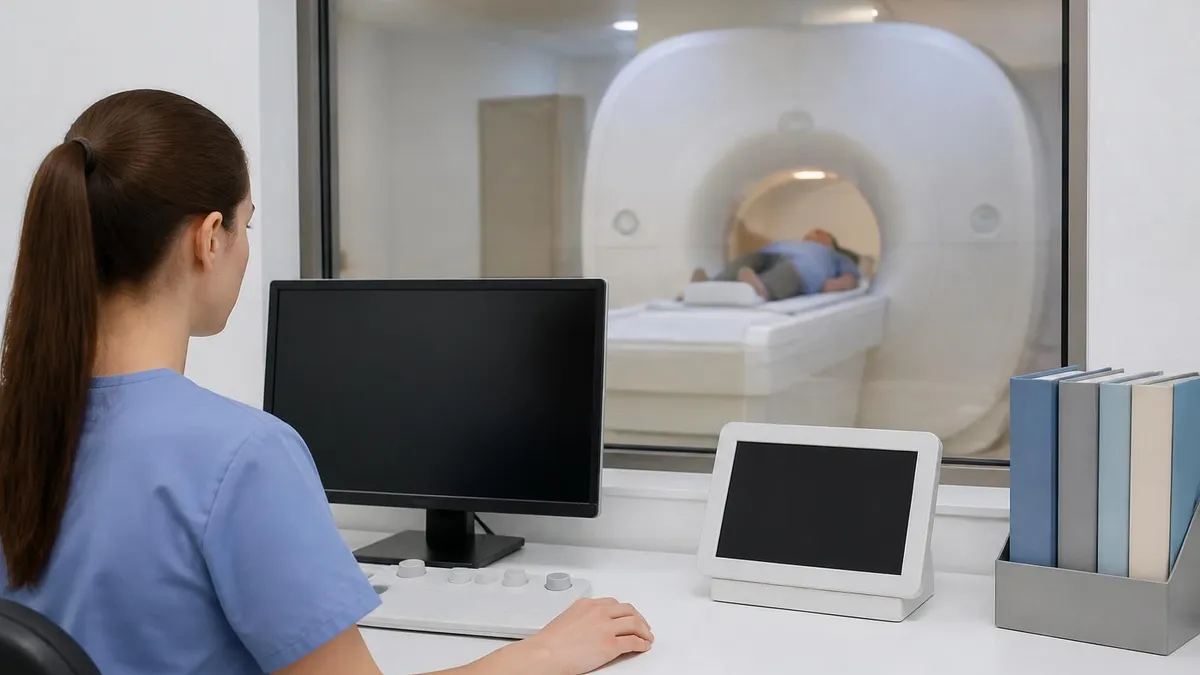
Standard Tethered Cord MRI Protocol
Provides anatomic overview of the lumbar spine, identifies the conus medullaris position, and highlights fatty tissue such as a fatty filum or lipoma against the dark CSF background.
Offers excellent CSF-to-cord contrast, allowing assessment of cord caliber, syrinx formation, and any cystic structures. The bright CSF outlines the conus and filum sharply against neural tissue.
Essential for measuring filum thickness, confirming midline position, and detecting subtle lipomas. Thin slices through the conus and filum at the L5-S1 level are critical for accurate measurement.
Confirms or excludes fatty content within the filum or intraspinal masses. Bright T1 signal that suppresses on fat-sat sequences confirms fat, distinguishing lipomas from hemorrhage or proteinaceous fluid.
CISS or FIESTA sequences deliver submillimeter resolution and multiplanar reformation capability. These are particularly useful for evaluating nerve roots, small lipomas, and complex congenital anomalies.
Understanding spinal anatomy is foundational to interpreting any tethered cord MRI. The spinal cord normally terminates as the conus medullaris, which in adults ends at or above the L1-L2 interspace and in newborns reaches approximately L2-L3, ascending to its final adult position by about three months of age. Below the conus, the filum terminale extends to attach to the dorsal coccyx, normally measuring less than 2 mm in thickness when measured at the L5-S1 level on axial images.
The cauda equina, comprising the lumbar and sacral nerve roots, occupies the thecal sac below the conus. In a normal spine, these nerve roots float freely within the CSF and can be seen evenly distributed on axial sequences. In tethered cord syndrome, the conus is displaced inferiorly, the filum is often thickened or fatty, and the nerve roots may appear pulled posteriorly toward the dorsal thecal sac wall, a finding sometimes called the empty thecal sac sign.
Several variants and associated anomalies must be recognized. Lipomyelomeningocele, lipomyelocele, dermal sinus tracts, dorsal cord lipomas, terminal myelocystocele, and split cord malformations (diastematomyelia) all can present alongside tethered cord. Each carries distinct imaging features and surgical considerations. Recognizing these is critical because surgical planning hinges on accurate anatomic characterization. Reviewing the MRI medical abbreviation guide can help technologists communicate findings efficiently with radiologists and referring physicians during these complex cases.
Conus position deserves particular attention. In adults, a conus terminating below the L2-L3 disc is considered abnormal and supports the diagnosis. However, position alone is not sufficient — clinical correlation is essential. Some patients have a low-lying conus without symptoms, while others present with classic tethered cord syndrome and a normally positioned conus, leading to the controversial diagnosis of occult tethered cord. Radiologists must therefore describe findings precisely rather than offering definitive diagnoses without clinical context.
The filum terminale itself can harbor important clues. A fatty filum, seen as a bright streak on T1-weighted sagittal images that suppresses on fat-saturated sequences, is a hallmark finding. Even when filum thickness measures within normal limits, the presence of fat indicates abnormal embryologic development and can be associated with tethered cord symptoms. This finding has gained increasing recognition in adult patients evaluated for chronic low back pain or progressive neurologic decline.
Bony anatomy should not be overlooked. Posterior element defects such as spina bifida occulta are commonly seen in association with tethered cord and may extend across multiple levels. Vertebral body abnormalities, scoliosis, and sacral dysgenesis can also coexist. While MRI primarily evaluates soft tissue, sagittal sequences provide enough bony detail to flag these findings and recommend correlative CT if more detailed osseous assessment is required for surgical planning purposes.
Finally, the skin surface should be evaluated whenever possible. Cutaneous stigmata such as sacral dimples, hairy patches, hemangiomas, or skin tags often correlate with underlying tethering. The clinician's physical exam findings, combined with the MRI, paint a complete picture. Technologists should always note any visible skin abnormalities on the imaging request and ensure the lower sacrum and coccyx are fully included in the field of view to avoid missing key associated findings.
MRI Practice Test Questions
Prepare for the MRI - Magnetic Resonance Imaging exam with our free practice test modules. Each quiz covers key topics to help you pass on your first try.
MRI Knowledge
MRI Exam Questions covering Knowledge. Master MRI Test concepts for certification prep.
MRI Physics
Free MRI Practice Test featuring Physics. Improve your MRI Exam score with mock test prep.
MRI Anatomy and Pathology
MRI Test Prep for MRI Anatomy and Pathology. Practice MRI Quiz questions and boost your score.
MRI Anatomy and Positioning
MRI Questions and Answers on MRI Anatomy and Positioning. Free MRI practice for exam readiness.
MRI Contrast Agents
Free MRI Quiz on MRI Contrast Agents. MRI Exam prep questions with detailed explanations.
MRI Patient Care and Positioning
MRI Practice Questions for MRI Patient Care and Positioning. Build confidence for your MRI certification exam.
MRI Sequences for Tethered Cord Imaging
T1-weighted sequences excel at depicting anatomy with high spatial resolution. Fat appears bright, CSF appears dark, and the spinal cord shows intermediate signal. Sagittal T1 is the workhorse sequence for evaluating conus position because the bright epidural fat outlines vertebral bodies clearly, providing reliable anatomic reference points for measurement and reporting purposes across pediatric and adult patient populations.
T1 is also indispensable for detecting fat. A fatty filum terminale lights up as a vertical bright streak on midline sagittal T1, while intradural lipomas appear as well-defined bright masses. Because fat signal alone can be confused with hemorrhage or proteinaceous material, T1 findings should always be confirmed with a fat-saturated sequence. Subtle lipomas can be easily overlooked without careful attention.
MRI vs Other Imaging for Tethered Cord
- +Superior soft-tissue contrast for visualizing cord, filum, and nerve roots
- +No ionizing radiation, safe for repeated pediatric imaging
- +Direct multiplanar imaging in sagittal, axial, and coronal planes
- +Identifies associated lipomas, syrinx, and dermal sinus tracts
- +Allows precise measurement of conus position and filum thickness
- +Detects subtle congenital anomalies missed on CT or ultrasound
- −Longer scan times may require sedation in young children
- −Motion artifact can degrade image quality in restless patients
- −Loud acoustic noise can be distressing without ear protection
- −Contraindicated in patients with non-MR-conditional implants
- −Higher cost compared to ultrasound or X-ray screening
- −Limited bone detail compared to CT for complex osseous anomalies
Pros and Cons at a Glance
| Pros | Cons |
|---|---|
| Superior soft-tissue contrast for visualizing cord, filum, and nerve roots | Longer scan times may require sedation in young children |
| No ionizing radiation, safe for repeated pediatric imaging | Motion artifact can degrade image quality in restless patients |
| Direct multiplanar imaging in sagittal, axial, and coronal planes | Loud acoustic noise can be distressing without ear protection |
| Identifies associated lipomas, syrinx, and dermal sinus tracts | Contraindicated in patients with non-MR-conditional implants |
| Allows precise measurement of conus position and filum thickness | Higher cost compared to ultrasound or X-ray screening |
| Detects subtle congenital anomalies missed on CT or ultrasound | Limited bone detail compared to CT for complex osseous anomalies |
Pre-Scan Checklist for Tethered Cord MRI
- ✓Verify MRI safety screening including implants, pacemakers, and metallic foreign bodies
- ✓Confirm patient identity, clinical indication, and referring physician on the order
- ✓Review prior imaging studies to compare conus position and filum thickness over time
- ✓Position patient supine with spine straight to avoid scoliotic artifact
- ✓Provide hearing protection and explain scan duration to reduce anxiety and motion
- ✓Set field of view to include entire lumbosacral spine from T12 to coccyx
- ✓Use slice thickness of 3 mm or less for axial sequences through the conus
- ✓Include sagittal T1, sagittal T2, axial T1, axial T2, and fat-saturated sequences
- ✓Consider 3D CISS or FIESTA for high-resolution evaluation of nerve roots and filum
- ✓Document any visible cutaneous stigmata on the lower back during patient positioning
The 2 mm Filum Rule
A filum terminale measuring greater than 2 mm in thickness at the L5-S1 level on axial T2 imaging is considered abnormal and strongly supports tethered cord syndrome. Combined with a low-lying conus or fatty filum, this measurement guides surgical decision-making and helps differentiate true tethering from normal anatomic variants in symptomatic patients.
Common findings on tethered cord MRI fall into several diagnostic categories, each with distinct implications. The most frequent finding is a low-lying conus medullaris terminating below the L2-L3 disc level in adults. The further the conus extends inferiorly, the higher the likelihood of clinically significant tethering. Some patients present with the conus as low as L4 or even L5, accompanied by tense, posteriorly displaced nerve roots and a thickened filum, classic findings that virtually confirm the diagnosis on imaging alone.
Fatty filum terminale is another hallmark finding. Even in patients with normal conus position, a fatty filum can produce tethering symptoms by mechanically restricting cord movement during growth and ambulation. The characteristic appearance is a vertical bright stripe within the filum on midline sagittal T1, suppressing on fat-saturated sequences. Some patients have small focal lipomas at the level of the conus or along the filum, which can be subtle and easily overlooked without dedicated fat-saturated imaging during the scanning session.
Lipomyelomeningocele represents a more complex finding, involving a lipoma that extends from the subcutaneous tissue through a posterior element defect into the spinal canal, where it attaches to a low-lying, tethered cord. These lesions are typically apparent at birth as a soft mass over the lumbosacral region and require detailed surgical planning. MRI reveals the full extent of the lipoma, its relationship to neural tissue, and any associated syrinx or hydromyelia within the cord above the level of tethering.
Syringohydromyelia, or fluid-filled cavities within the spinal cord, can occur secondary to tethering and is best evaluated on sagittal T2 imaging. The syrinx appears as a central CSF-intensity cavity that may extend over several vertebral segments. Identifying syrinx is important because its presence may influence surgical timing and approach. Post-operative MRI often shows resolution or stabilization of the syrinx after successful untethering procedures performed by experienced pediatric neurosurgeons.
Diastematomyelia, or split cord malformation, is occasionally encountered alongside tethered cord. The spinal cord is divided into two hemicords, sometimes separated by a bony or fibrous septum. Axial T2 imaging clearly demonstrates the two hemicords within a single or duplicated dural sleeve. This finding has significant surgical implications and should always prompt evaluation of the entire spine to exclude additional anomalies, as multiple levels of pathology can coexist in the same patient population.
Dermal sinus tracts appear as thin linear tracts extending from a skin dimple or pit down into the spinal canal. These can be challenging to visualize but are important because they carry a risk of recurrent meningitis. High-resolution T2 and 3D sequences improve detection. The tract may terminate in the subcutaneous tissue, attach to the dura, or extend intradurally to attach to neural elements such as the conus or filum, thereby contributing to tethering and requiring surgical resection.
Posterior element defects, particularly spina bifida occulta, are very commonly seen and often span multiple levels. While isolated spina bifida occulta is a common incidental finding without clinical significance, its presence in a symptomatic patient should prompt careful evaluation for underlying neural tube defects. Always assess the entire posterior osseous arch on sagittal and axial sequences, and recommend correlative imaging if complex bony anomalies are suspected requiring detailed three-dimensional evaluation.
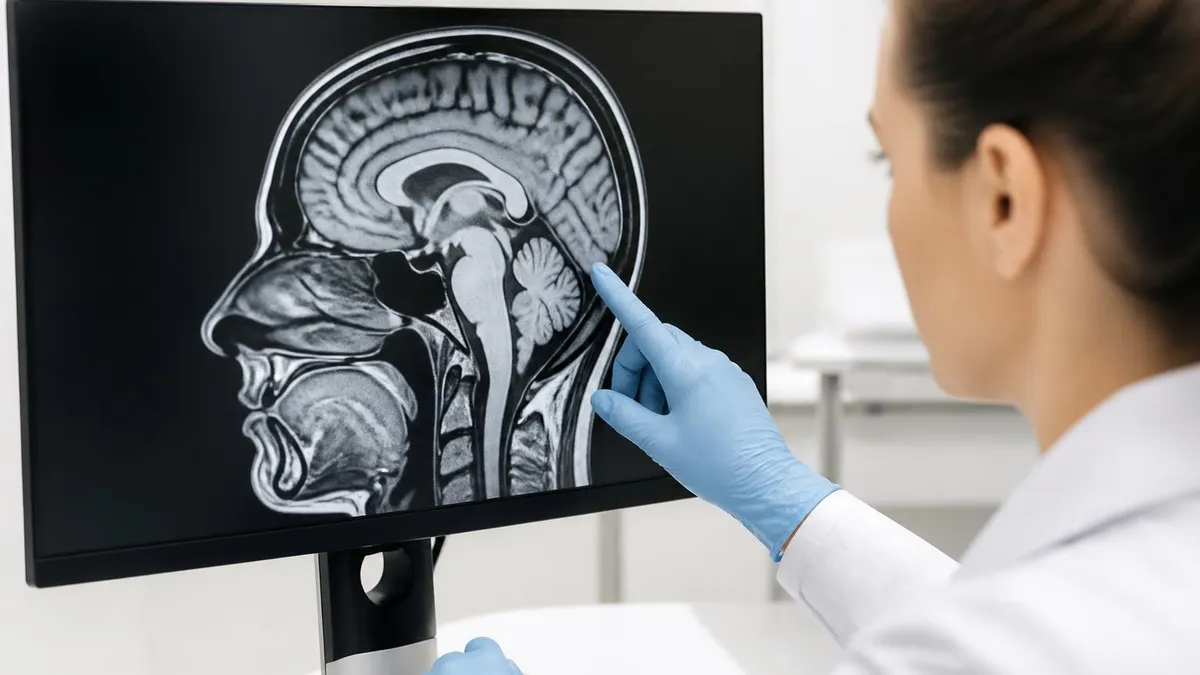
Motion artifact in pediatric patients can mimic or obscure tethered cord findings. Always evaluate image quality before reporting, and consider repeating sequences or recommending sedated re-imaging if motion compromises diagnostic confidence. Misdiagnosis can lead to unnecessary surgery or, conversely, missed pathology with delayed treatment and worsening neurologic outcomes.
Several pitfalls can trap even experienced radiologists when interpreting tethered cord MRI. The first is over-reliance on conus position alone. While a conus below L2-L3 in adults is suggestive of tethering, position must always be correlated with clinical symptoms and other imaging findings. Some asymptomatic patients have low-lying conuses as incidental findings, and treating these surgically without symptoms can cause more harm than good, leading to unnecessary risk and complications.
The second pitfall is missing a fatty filum. Small amounts of fat within the filum can be subtle on standard T1 imaging, especially if no fat-saturated sequence is performed. Always include a sagittal T1 with fat saturation or compare with STIR to confirm or exclude fatty filum. This is particularly important in adult patients evaluated for unexplained back pain or progressive neurologic symptoms where occult tethering may be the underlying cause of the patient's symptoms.
Misinterpreting normal nerve root configuration as tethering is another common error. In normal patients, nerve roots may layer dependently due to gravity, particularly when the patient is supine. This should not be confused with the empty thecal sac sign, which involves nerve roots adherent to the dorsal dural wall regardless of position. Prone imaging or careful evaluation across multiple sequences can help distinguish these findings and prevent over-diagnosis of tethered cord in normal variants seen daily.
Failing to evaluate the entire spine is a critical oversight. Tethered cord can be associated with anomalies at other levels including Chiari malformations, syringomyelia, and additional split cord malformations. Always recommend cervical and thoracic imaging when complex congenital findings are present in the lumbosacral region. This comprehensive approach improves surgical planning and prevents missed pathology that could affect long-term outcomes for patients requiring extensive operative intervention by neurosurgical teams.
Choosing the right slice thickness matters enormously. Thick axial slices can miss small lipomas, subtle filum thickening, or thin dermal sinus tracts. Always use slice thickness of 3 mm or less when scanning for tethered cord, and consider 3D heavily T2-weighted sequences such as CISS or FIESTA for high-resolution evaluation. These sequences offer submillimeter resolution and multiplanar reformation that can reveal findings invisible on conventional 2D sequences performed with thicker slice acquisitions.
Patient preparation contributes significantly to diagnostic success. Anxious children may require child life specialist support, mock scanners, or sedation to complete the study without motion. Adult patients should be counseled about the loud noise and offered hearing protection. The MRI machine noise guide provides additional context for technologists explaining the experience. Proper preparation reduces motion artifact and improves diagnostic yield, ultimately benefiting both the patient and the interpreting radiologist working under time pressure daily.
Finally, correlate every imaging finding with the clinical context. A radiologist who reads MRIs in isolation without reviewing the clinical history, physical exam findings, and prior imaging may miss the significance of subtle findings or over-call insignificant variants. Tethered cord is fundamentally a clinical diagnosis supported by imaging, not the reverse. Effective communication with referring neurosurgeons, urologists, and pediatricians ensures that imaging findings translate into appropriate patient care and management decisions for each individual.
Practical tips for technologists scanning tethered cord cases begin with thorough preparation. Review the order carefully to understand the clinical question. Is this a follow-up for known tethered cord, a workup for chronic back pain, or evaluation of a newborn with a sacral dimple? The indication shapes the protocol — neonates may need only a screening lumbar spine, while adults with complex symptoms benefit from comprehensive multiplanar high-resolution imaging including 3D sequences and post-contrast evaluation when surgical planning is anticipated.
Coil selection makes a meaningful difference in image quality. Use the highest channel-count spine coil available to maximize signal-to-noise ratio. For very small infants, a head coil or dedicated pediatric coil may provide better coverage and resolution than an adult spine coil. Always center the coil over the area of interest — typically the lumbosacral junction — and verify positioning with localizer images before launching the full protocol to avoid wasted time and patient frustration during the examination.
Sequence ordering can improve patient tolerance and diagnostic yield. Start with the fastest, most informative sequences such as sagittal T2, which establishes anatomy and identifies obvious abnormalities. Follow with sagittal T1 and axial sequences through the conus. Reserve longer 3D sequences for the end when you know the patient is tolerating the scan well. If motion becomes a problem, you will already have your essential diagnostic sequences in hand and can make informed decisions about whether to continue scanning.
Communication with the patient or family is critical, especially in pediatric imaging. Explain each step in age-appropriate language. Allow a parent into the scan room when safe and feasible. Use distraction techniques such as videos, music, or storytelling. For sedated patients, coordinate carefully with anesthesia colleagues to optimize timing and minimize total sedation duration. A calm, well-prepared patient produces dramatically better images than a stressed, restless one fighting against the magnet during scanning attempts.
Reviewing your own images before the patient leaves the table is a habit worth developing. Check for motion, coverage, contrast, and adequate visualization of the conus and filum. If something looks off, it is far easier to repeat a sequence with the patient already in the scanner than to recall them later. A few extra minutes of quality control at the end of every exam significantly reduces callbacks and improves patient satisfaction with the imaging department's overall service.
Documentation supports the radiologist's interpretation. Note any technical limitations such as motion, incomplete breath-holds, or modifications to the standard protocol. Record positioning details, contrast administration if applicable, and any patient-reported symptoms during the exam. Photograph or describe any visible cutaneous stigmata on the lower back. This information becomes part of the permanent record and may prove invaluable for future comparison studies or when a different radiologist reviews the case months or years later for follow-up.
Continuing education is essential. Tethered cord syndrome and its imaging evaluation continue to evolve, with growing recognition of occult tethered cord, increasing use of dynamic and cine MRI, and refinements in 3D sequence design. Stay current through professional journals, society meetings, and online resources. Pursuing ARRT advanced certification in MRI demonstrates commitment to excellence and opens doors to more complex case work, leadership opportunities, and higher compensation across the diverse range of MRI imaging practice settings.
Sample MRI - Magnetic Resonance Imaging Practice Questions
Try these questions from our free MRI - Magnetic Resonance Imaging practice tests. The correct answer and an explanation follow each question.
Diffusion-weighted imaging (DWI) measures the random Brownian motion of water molecules. Restricted diffusion (e.g., in acute stroke) appears as:
- A. Low signal on DWI, high ADC
- B. High signal on DWI, low ADC
- C. High signal on DWI, high ADC
- D. Low signal on DWI, low ADC
Answer: B. High signal on DWI, low ADC
In acute ischemia, cytotoxic edema restricts water movement; restricted diffusion shows high signal on DWI (b=1000) and low signal on ADC map (low diffusivity).
For MRI of the internal auditory canals (IACs), which imaging plane is most commonly used as the primary plane?
- A. Sagittal oblique
- B. Axial
- C. Coronal
- D. Oblique coronal
Answer: B. Axial
Axial high-resolution images are the primary plane for IAC MRI because they show the full length of CN VII and CN VIII within the canal.
Which type of MRI coil provides the best SNR for imaging a small, superficial structure?
- A. Small surface coil placed directly over the region of interest
- B. Large volume (birdcage) coil surrounding the patient
- C. Phased-array coil designed for the spine
- D. Solenoid body coil at isocenter
Answer: A. Small surface coil placed directly over the region of interest
A small surface coil placed close to the target anatomy maximizes signal reception from that area while minimizing noise from surrounding regions.
Which coil type generally provides the highest SNR for imaging a small superficial structure?
- A. Surface coil
- B. Volume coil
- C. Body coil
- D. Quadrature head coil
Answer: A. Surface coil
Surface coils placed close to the target anatomy have superior SNR for small or superficial structures because they detect signal from a limited volume with less noise.
Take the full MRI - Magnetic Resonance Imaging practice test
MRI Questions and Answers
MRI Medical Abbreviation: What MRI Stands For and Why It Matters
The History of MRI: From Discovery to Modern Medicine
Knee MRI Images: A Complete Guide to Reading, Understanding, and Interpreting Knee Scans
Noise of MRI Machine: Why MRI Scanners Are So Loud and What to Expect
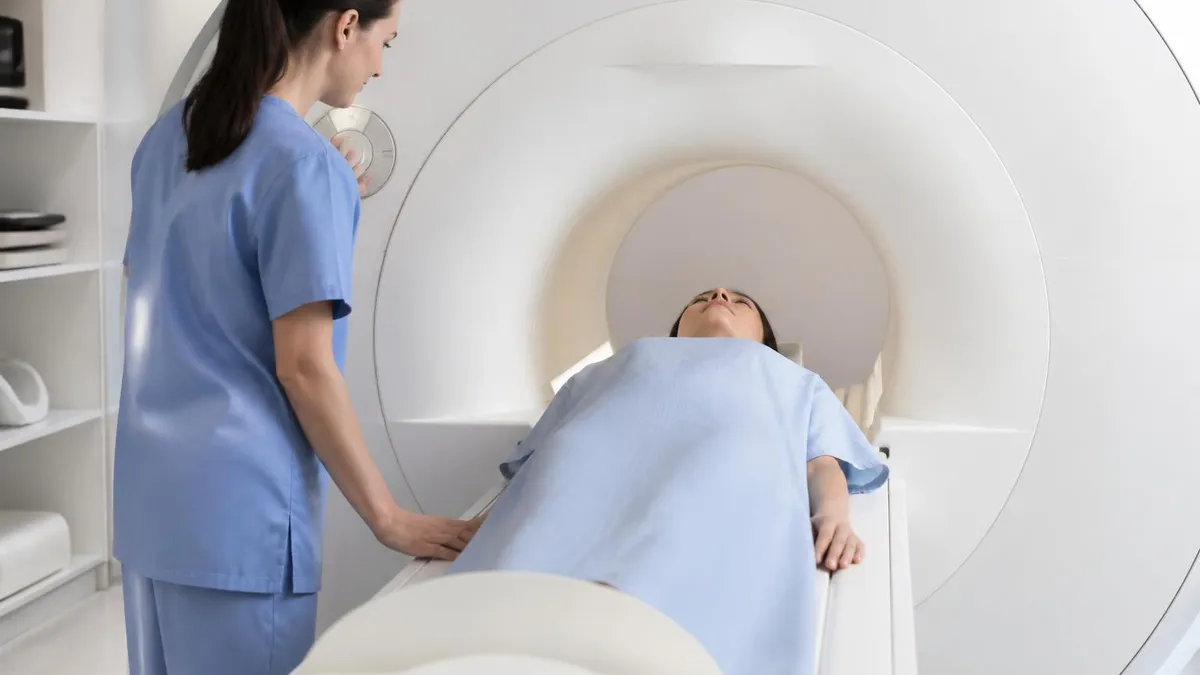
MRI Alternatives: When CT, Ultrasound, X-Ray, and PET Make More Sense Than an MRI
About the Author

Medical Laboratory Scientist & Clinical Certification Expert
Johns Hopkins UniversityDr. Sandra Kim holds a PhD in Clinical Laboratory Science from Johns Hopkins University and is certified as a Medical Technologist (MT) and Medical Laboratory Scientist (MLS) through ASCP. With 16 years of clinical laboratory experience spanning hematology, microbiology, and molecular diagnostics, she prepares candidates for ASCP board exams, MLT, MLS, and specialist certification tests.
Join the Discussion
Connect with other students preparing for this exam. Share tips, ask questions, and get advice from people who have been there.
View discussion (8 replies)