
How to Prep for MRI: Complete Patient Preparation Guide 2026 September
🟢 Learn how to prep for MRI with our complete guide covering fasting, clothing, metal screening, contrast prep, and what to expect during your scan.
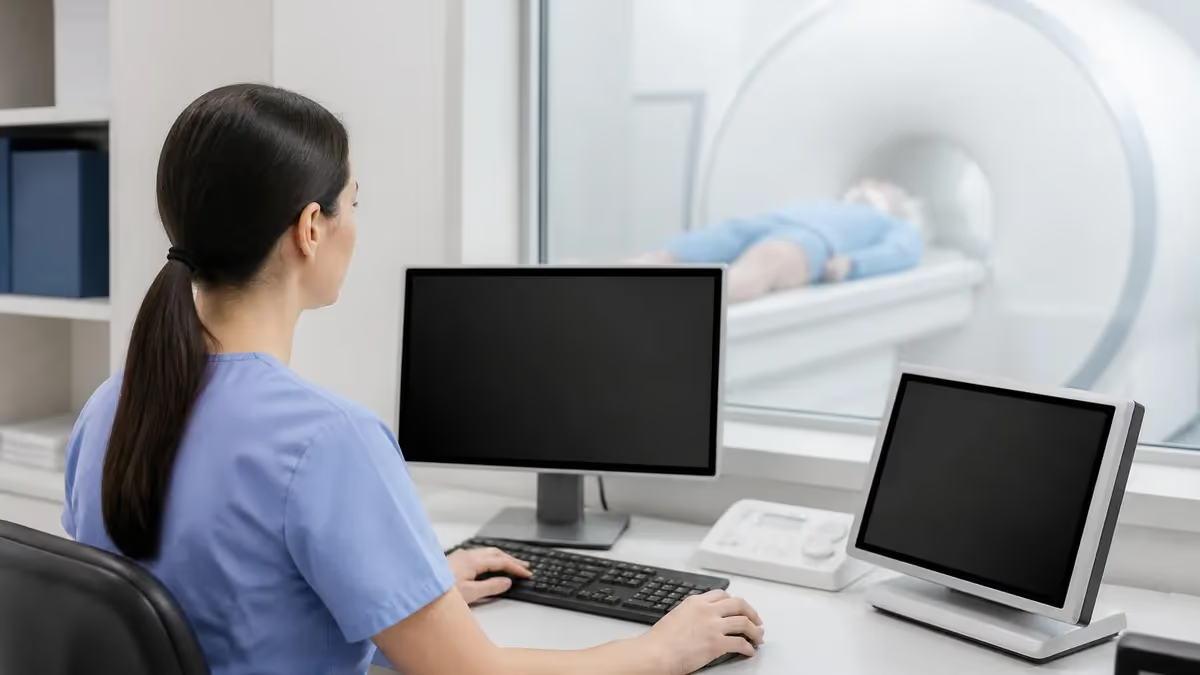
Learning how to prep for MRI properly is one of the most important steps you can take before your scan, and yet most patients arrive at the imaging center with only a vague idea of what is actually required. Magnetic resonance imaging uses powerful magnetic fields and radio waves to create detailed pictures of the inside of your body, and the quality of those images depends heavily on what you do in the hours and days leading up to your appointment. Good preparation means clearer images, fewer repeat scans, and a faster, less stressful experience overall.
The basics of MRI prep cover a surprisingly wide range of considerations. You will need to think about clothing, jewelry, metal implants, medications, food and drink restrictions, and whether contrast dye is involved. Different body parts being scanned also require slightly different protocols. A brain MRI has different fasting rules than an abdominal mri cpt code, and a cardiac study may require medication adjustments your radiologist must approve before you arrive.
Anxiety is another factor that catches many patients off guard. The MRI machine is a narrow tunnel, the scan is loud, and you must remain perfectly still for up to an hour. Patients who prep mentally and understand the procedure tend to do significantly better than those who walk in cold. Reviewing an MRI medical abbreviation guide or a procedure overview the night before can build the familiarity needed to stay calm in the bore.
Safety screening is non-negotiable. The MRI magnet is always on, and metal objects in or on your body can become dangerous projectiles or heat sources. Patients with pacemakers, cochlear implants, aneurysm clips, or certain types of surgical hardware may need special clearance or may not qualify for MRI at all. The screening questionnaire is detailed for a reason, and you should plan to answer it honestly and completely.
If you are receiving gadolinium-based contrast, your prep list expands further. Blood work to check kidney function is sometimes required, hydration becomes more important, and you should know what side effects to watch for after the scan. Patients with chronic kidney disease, pregnancy, or known contrast allergies need to flag these issues during scheduling, not on the day of the appointment.
This guide walks you through every angle of MRI preparation, from the moment your scan is scheduled to the hour you walk out of the imaging suite. We cover fasting, clothing choices, metal screening, contrast prep, anxiety management, and the specific differences between common scan types. By the end, you will know exactly what to expect, what to ask, and what to bring.
Whether your scan is for a sports injury, a neurological workup, a cancer follow-up, or a routine surveillance study, the same core principles apply. Preparation is not just about following rules; it is about giving the radiologist the best possible chance to see what they need to see in the first scan, the first time. The next sections break down each step in detail.
MRI Prep by the Numbers
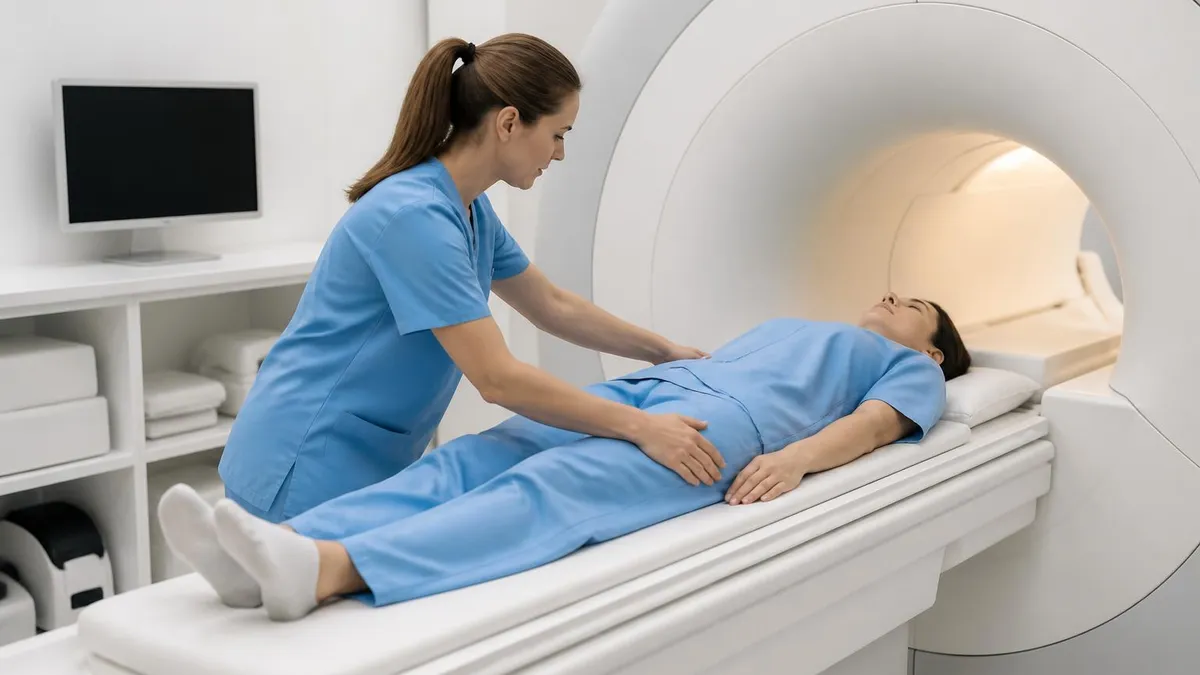
Your MRI Preparation Timeline
1 Week Before
24 Hours Before
Night Before
Morning Of
At the Facility
During and After
Fasting requirements for MRI vary widely depending on what body part is being scanned and whether contrast dye is involved. For a routine MRI of the brain, spine, or extremities without contrast, there is usually no fasting required at all. You can eat and drink normally before your appointment, take your usual medications, and have a regular meal that morning. Many patients are surprised by how relaxed the rules are for these straightforward studies.
Abdominal and pelvic MRI scans are a different story. Because the imaging targets organs that are affected by digestion, you will typically be asked to fast for 4 to 6 hours before the scan. Food in the stomach and intestines can produce motion artifacts, gas, and bowel peristalsis that obscure the very structures the radiologist needs to evaluate. For an MRI with and without contrast study of the abdomen, the fasting window is at the longer end of that range.
Clear liquids are generally permitted up to 2 hours before the scan, even when solid food is restricted. Water, black coffee, plain tea, apple juice, and broth count as clear liquids. Milk, smoothies, orange juice with pulp, and anything you cannot see through do not. Staying hydrated is actually helpful, particularly if you are receiving contrast, because hydration supports kidney function and helps your body clear gadolinium efficiently after the scan.
Medications generally should be continued on schedule unless your ordering physician tells you otherwise. Blood pressure medications, antidepressants, thyroid hormones, and seizure medications are almost always taken normally. Diabetic patients on metformin may receive special instructions if contrast is planned, because there is a small theoretical risk of lactic acidosis if kidney function declines after contrast administration. Your doctor will guide you on whether to hold metformin.
Caffeine and alcohol deserve their own mention. Heavy caffeine on the morning of a brain or cardiac MRI can occasionally cause restlessness that makes lying still difficult, so cutting back is reasonable. Alcohol the night before is best avoided because it can dehydrate you and amplify anxiety. Recreational drugs and stimulants should be disclosed honestly to the technologist, because they can affect both image quality and your reaction to the scanning environment.
Children and patients requiring sedation have different fasting rules entirely. Pediatric protocols often require nothing by mouth for 6 to 8 hours before sedation, with very strict limits on clear liquids. The anesthesia team will give explicit instructions, and these must be followed exactly. A child who eats breakfast against orders will have the scan postponed because of aspiration risk under sedation, and rescheduling can take weeks.
Finally, if you have any uncertainty about fasting, call the imaging center the day before and ask. Different facilities have slightly different protocols, and the front desk would much rather answer a fasting question on the phone than turn you away at check-in. Confirming details with a real person also gives you a chance to ask about parking, paperwork, and what to bring.
MRI Practice Test Questions
Prepare for the MRI - Magnetic Resonance Imaging exam with our free practice test modules. Each quiz covers key topics to help you pass on your first try.
MRI Knowledge
MRI Exam Questions covering Knowledge. Master MRI Test concepts for certification prep.
MRI Physics
Free MRI Practice Test featuring Physics. Improve your MRI Exam score with mock test prep.
MRI Anatomy and Pathology
MRI Test Prep for MRI Anatomy and Pathology. Practice MRI Quiz questions and boost your score.
MRI Anatomy and Positioning
MRI Questions and Answers on MRI Anatomy and Positioning. Free MRI practice for exam readiness.
MRI Contrast Agents
Free MRI Quiz on MRI Contrast Agents. MRI Exam prep questions with detailed explanations.
MRI Patient Care and Positioning
MRI Practice Questions for MRI Patient Care and Positioning. Build confidence for your MRI certification exam.
Clothing, Metal and Personal Items Prep for MRI
Wear loose, comfortable clothing without any metal components. That means no zippers, no metal buttons, no underwire bras, no snaps, no rivets, and no clothing with metallic threads or sequins. Athletic wear without metal fasteners, sweatpants, and soft t-shirts are excellent choices. Many facilities will ask you to change into a hospital gown regardless, but arriving in MRI-friendly clothing speeds up check-in significantly.
Avoid lotions, sunscreens, makeup, hair products, and antiperspirants on the day of your scan. Many cosmetics contain microscopic metallic particles, iron oxides, or aluminum compounds that can heat up in the magnetic field or produce image artifacts. Some tattoo inks also contain iron-based pigments. Large or dark tattoos rarely cause problems, but tell the technologist if you have any so they can monitor the area for warmth.
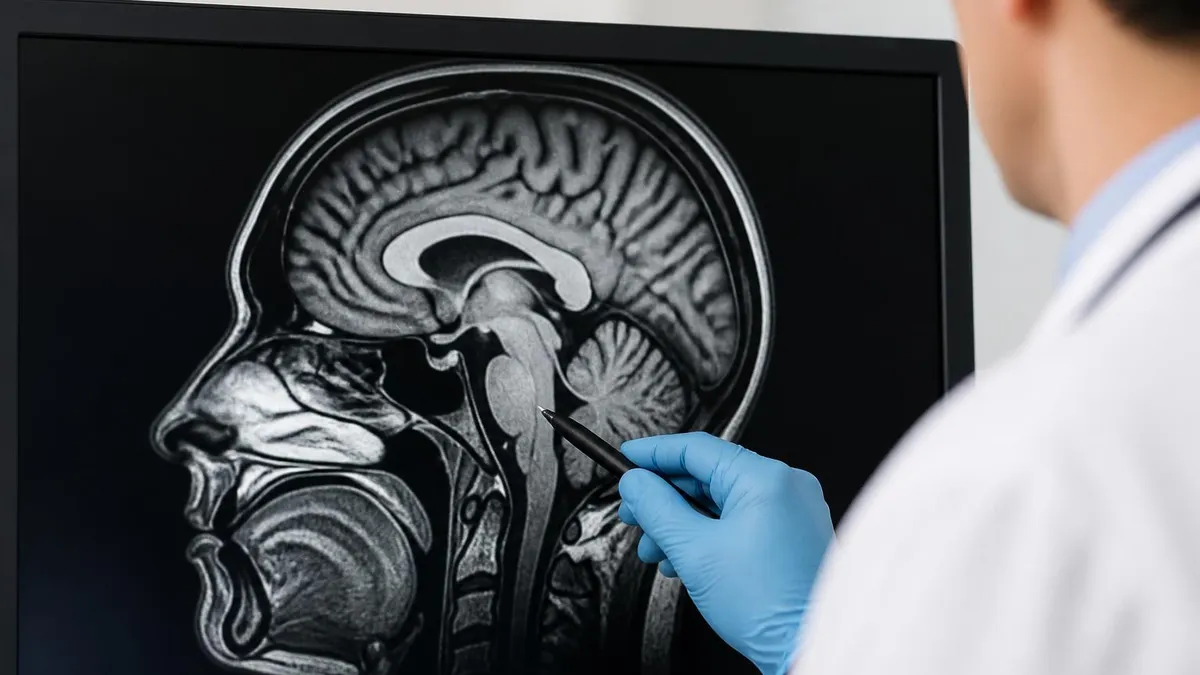
Should You Eat Before Your MRI?
- +Most non-contrast head, spine, and joint scans require no fasting at all
- +Staying hydrated improves contrast clearance and IV placement
- +Light meals reduce nausea and lightheadedness during longer scans
- +Diabetic patients maintain stable blood sugar without disruption
- +Reduces hunger-related restlessness during a 60-minute scan
- +Anxiety medications absorb more predictably with food in stomach
- −Abdominal and pelvic MRI requires 4-6 hours of fasting
- −Heavy meals can cause bowel motion artifact in body imaging
- −Carbonated drinks produce gas that distorts abdominal images
- −Caffeine may increase restlessness and difficulty staying still
- −Some contrast protocols specifically prohibit recent solid food
- −Children needing sedation must follow strict NPO rules
Complete Day-Of MRI Prep Checklist
- ✓Wear loose, metal-free clothing or be ready to change into a gown
- ✓Remove all jewelry, watches, hairpins, and body piercings
- ✓Skip lotions, makeup, deodorant, and hair products that morning
- ✓Bring photo ID, insurance card, and any prior MRI or CT discs
- ✓Bring a written list of all medications, allergies, and implants
- ✓Confirm fasting status — check the facility's specific instructions
- ✓Arrive 30 minutes early to complete safety screening paperwork
- ✓Take your routine medications unless specifically told otherwise
- ✓Use the restroom before the scan, especially for pelvic studies
- ✓Bring a driver if sedation or anti-anxiety medication is planned
The screening form is more important than the scan itself
Every year, MRI safety incidents trace back to incomplete screening forms — patients who forgot about a shrapnel injury from decades ago, an old aneurysm clip, or a recent surgery. Take 15 extra minutes to think hard about every implant, injury, and procedure you have ever had. When in doubt, mention it. The technologist will sort out what matters.
Contrast preparation deserves a dedicated section because it adds several layers of complexity to your MRI prep. Gadolinium-based contrast agents (GBCAs) are injected through an IV during the scan to highlight blood vessels, inflammation, tumors, and areas of disrupted blood-brain barrier. About 15 to 20 percent of MRI exams use contrast, and your ordering physician makes that decision based on what they are trying to see. If contrast is part of your study, prep changes meaningfully.
Kidney function is the primary concern with gadolinium. The kidneys filter contrast out of your bloodstream within 24 hours in healthy patients, but in people with chronic kidney disease, that clearance is slower and historically has been associated with a rare condition called nephrogenic systemic fibrosis. Modern contrast agents are much safer, but facilities still routinely check estimated glomerular filtration rate (eGFR) through a simple blood test before contrast in patients over 60 or with known kidney issues.
Hydration before and after contrast is genuinely helpful. Drink plenty of water in the 24 hours leading up to your scan, unless you have heart failure or another condition that restricts fluid intake. Good hydration makes IV placement easier, supports your kidneys as they filter the contrast out, and reduces the rare risk of nausea afterward. Skip the diuretics like heavy coffee or alcohol the night before, since they work against you.
Allergic reactions to gadolinium are rare, occurring in roughly 1 in 1,000 patients, but you should know the signs. Mild reactions include hives, itching, or nausea and typically resolve on their own. Severe reactions involving breathing difficulty or anaphylaxis are extremely uncommon but require immediate treatment. If you have ever had a reaction to MRI contrast before, tell the scheduler when you book the appointment, not when you arrive — premedication may be necessary.
Iodinated contrast used in CT scans is chemically different from gadolinium used in MRI. An allergy to one does not necessarily mean you are allergic to the other, but the imaging team will want to know about both. Patients with multiple severe allergies, asthma, or a history of contrast reactions may receive corticosteroid premedication starting 12 to 13 hours before the scan, which requires advance planning.
Pregnancy is another factor. Gadolinium crosses the placenta and is generally avoided during pregnancy unless the diagnostic information cannot be obtained any other way and is essential to the mother's care. If there is any chance you could be pregnant, tell the technologist before the scan begins. A urine pregnancy test is standard at most facilities for women of childbearing age receiving contrast.
Breastfeeding mothers can usually continue nursing without interruption after gadolinium contrast. The amount of contrast that enters breast milk is extremely small, and even less is absorbed by an infant's gastrointestinal tract. Older guidelines recommended pumping and discarding milk for 24 hours, but current radiology society recommendations no longer require this. As always, discuss your specific situation with your physician.
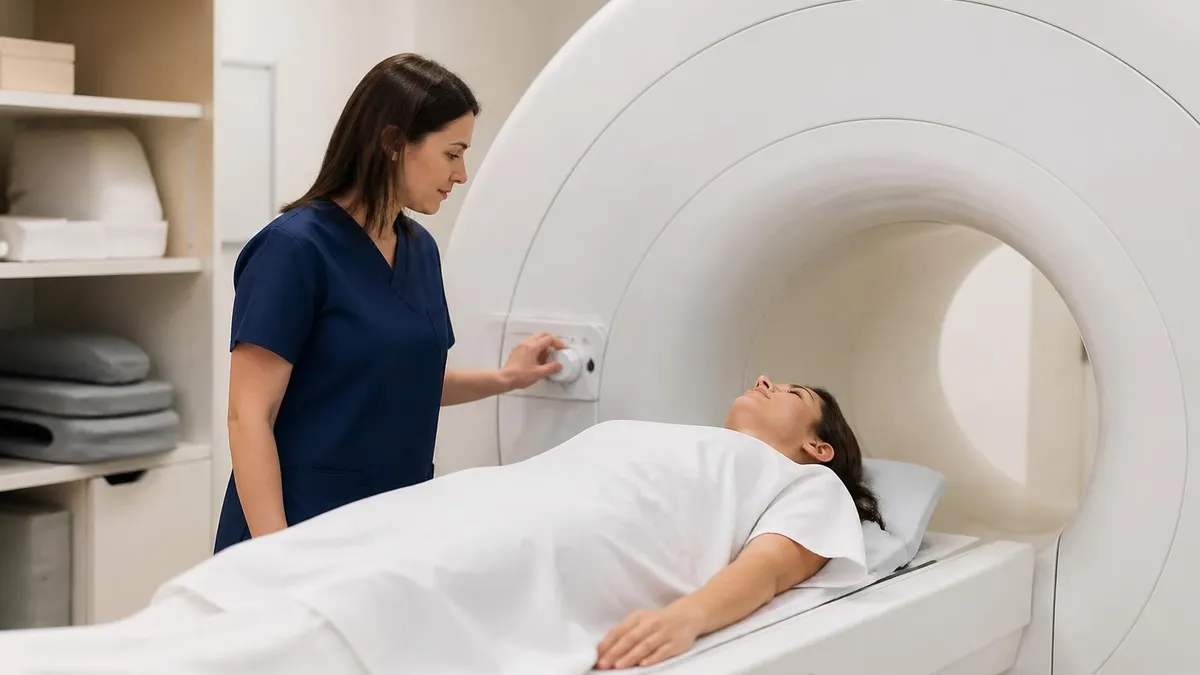
Never enter the MRI scanner room without completing the safety screening. The magnet is always on, even when no scan is in progress, and metal objects can become projectiles at lethal speeds. If you have a pacemaker, cochlear implant, aneurysm clip, insulin pump, or any other implanted device, bring the manufacturer card or documentation to your appointment.
Anxiety is one of the most underestimated parts of MRI prep, and managing it well can make the difference between a successful scan and a study that has to be repeated or abandoned. The bore of a typical MRI scanner is about 60 centimeters across — roughly two feet — and you may be inside it for 30 to 60 minutes or longer. The scanner produces loud knocking, buzzing, and tapping sounds that can reach 110 decibels, similar to a rock concert. Hearing protection is always provided, but the noise still surprises first-timers.
Claustrophobia affects roughly 5 to 10 percent of MRI patients to varying degrees. Mild anxiety is normal and usually manageable with breathing techniques and reassurance. Severe claustrophobia, however, can make the scan impossible without medication or alternative options. If you have struggled with enclosed spaces in the past, mention it during scheduling. Many facilities can prescribe a short-acting anti-anxiety medication, offer open MRI alternatives, or provide a virtual tour of the equipment ahead of time.
If you take anti-anxiety medication for your scan, you will need a driver. Lorazepam, alprazolam, or similar benzodiazepines are commonly prescribed, and they impair driving for several hours after the dose. Take the medication at the time your doctor specifies — usually 30 to 60 minutes before the appointment — and have someone available to bring you home. Driving yourself after sedation is not only unsafe but may be a legal issue depending on your state.
Open MRI scanners are an alternative for severely claustrophobic patients, very large patients, or pediatric cases where the standard tunnel design is impossible. The tradeoff is image quality — open MRI scanners typically operate at 0.3 to 1.0 Tesla, compared to 1.5 or 3 Tesla for standard closed scanners — so images are less detailed. For some studies the tradeoff is acceptable; for others, particularly neurological or vascular imaging, it is not. Your ordering physician can advise.
Practical tricks help more than people expect. Reviewing the history of MRI or watching a video of a typical scan online before your appointment removes the fear of the unknown. Practice lying flat and perfectly still for 20 minutes at home so you know what to expect. Many facilities now offer headphones with music, mirrors that let you see out of the bore, and even goggles for watching video during the scan. Ask what is available.
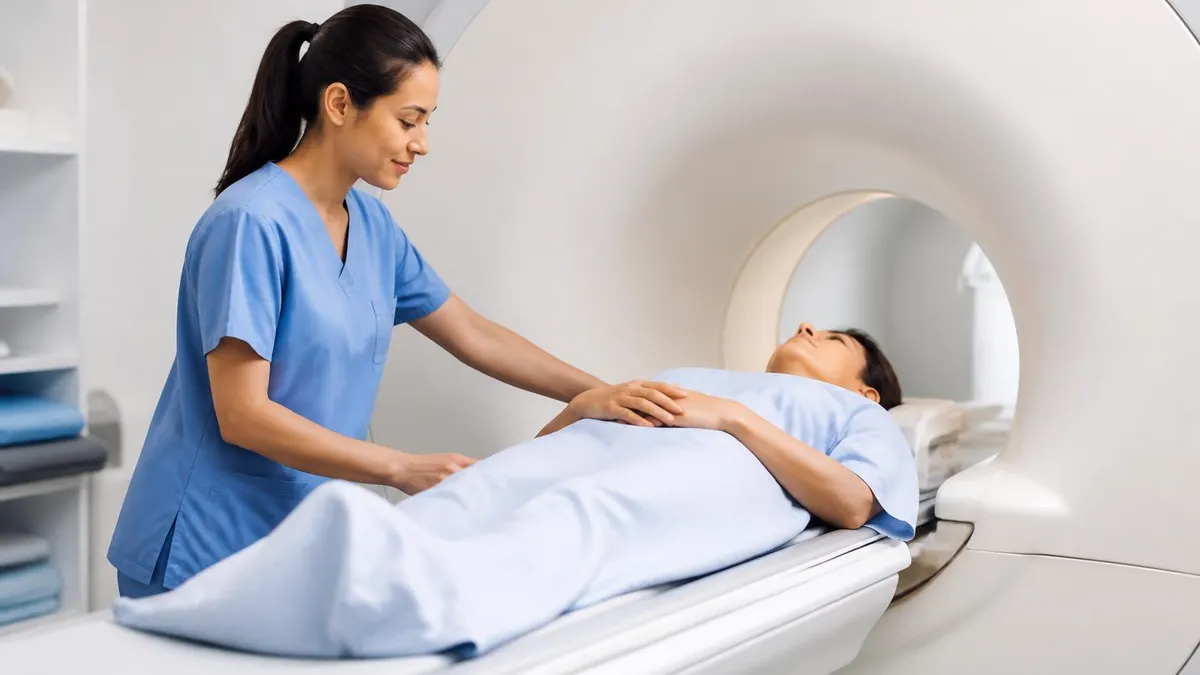
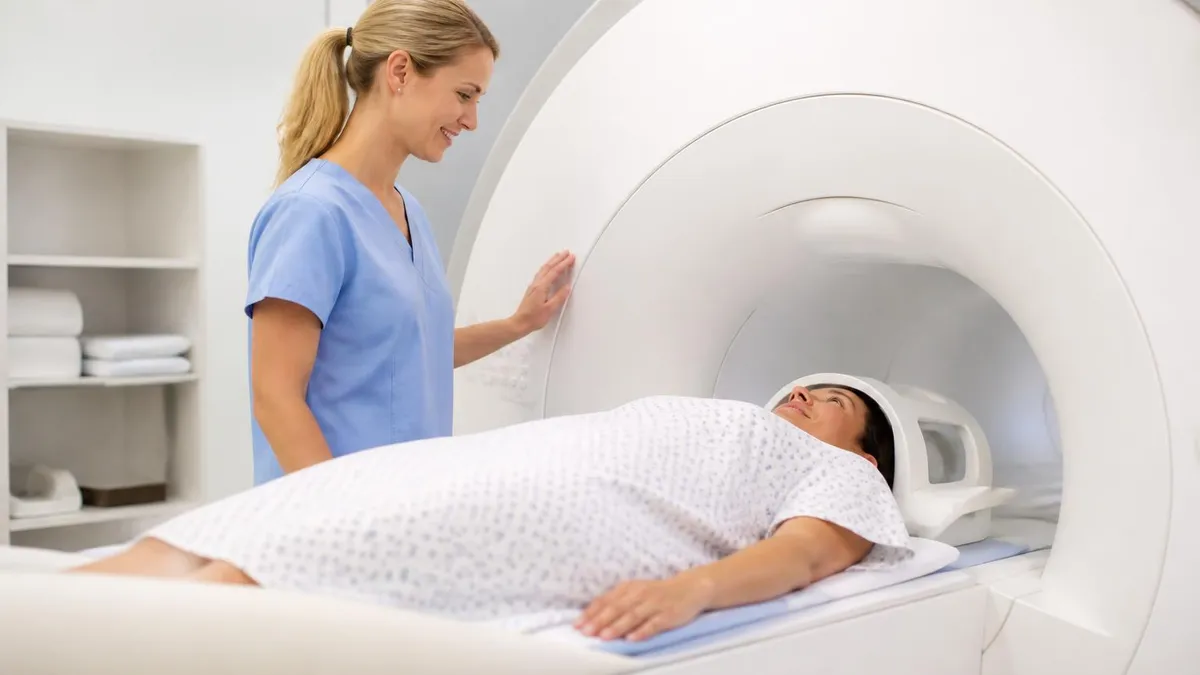
Communication during the scan is built into every modern scanner. You hold a squeeze ball or call button that immediately alerts the technologist, who can stop the scan and pull you out within seconds. The technologist speaks to you between sequences through an intercom, confirming that you are doing well. Knowing that you can stop the scan at any time is itself a powerful anxiety reducer for most patients.
Breathing techniques are the simplest and most effective non-pharmacologic option. Slow nasal inhales for 4 counts, hold for 4, exhale through the mouth for 6 — repeated through each scanning sequence — keeps the parasympathetic nervous system engaged and reduces the feeling of confinement. Focusing on a single point of mental attention, like counting or visualizing a peaceful place, works for many patients. Combine these with hearing protection and the time goes faster than you expect.
Final practical tips for your MRI prep day come down to logistics, communication, and self-care. Allow yourself extra time. Arriving rushed, sweaty, and stressed makes everything harder — the IV placement, the safety screening, and lying still in the bore. Plan for the appointment to take twice as long as the scan itself when you factor in paperwork, gowning, IV insertion, and post-scan recovery. A scheduled 45-minute scan can easily mean two hours at the facility.
Bring a small bag with essentials but leave valuables at home. A book or your phone for the waiting room, a snack and water for after the scan, your medication list, insurance card, ID, and any prior imaging on CD or DVD. Some facilities now accept imaging through cloud-based image-sharing platforms, which is faster, but a physical disc is a reliable backup. If you take medications throughout the day, bring them in case the visit runs long.
Eat strategically. If fasting is not required, have a light meal an hour or two before — something with protein and complex carbs to keep your blood sugar stable through what may be an hour or more of immobility. Skip heavy, greasy, or gas-producing foods, especially if your scan involves the abdomen. Carbonated drinks and very large meals can produce bloating that affects image quality even on scans where fasting is not technically required.
Use the bathroom right before the scan starts, even if you do not think you need to. Many MRI sequences are sensitive to motion, and the urge to urinate halfway through a 45-minute scan is a real problem. For pelvic and prostate MRIs, you may actually be asked to arrive with a moderately full bladder — follow the facility's specific instructions. For everything else, empty bladder beats full bladder every time.
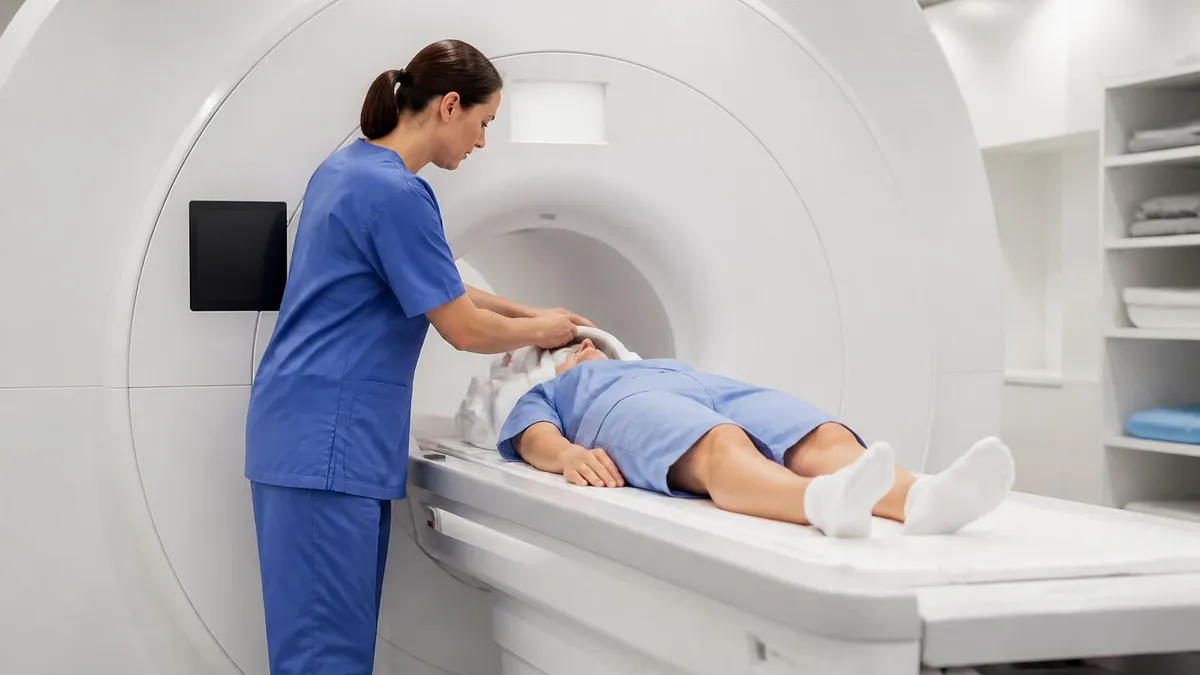
Tell the technologist about anything unusual. Recent surgery, even minor procedures, can affect imaging. Pregnancy, breastfeeding, recent contrast studies, ongoing treatments like chemotherapy, or new medications all matter. If you have had an MRI before and something about it bothered you — the noise, the position, a sensation of warmth — mention it. Small adjustments to positioning, padding, or coil placement can make a big difference in comfort.
After the scan, the prep is mostly over but a few things matter. Drink extra water for the rest of the day if you received contrast, especially if you have any kidney concerns. Watch for delayed allergic reactions in the 24 hours after gadolinium — hives, itching, or shortness of breath warrant a call to your doctor. Most patients feel fine immediately and can drive themselves home, return to work, and resume normal activities without restrictions.
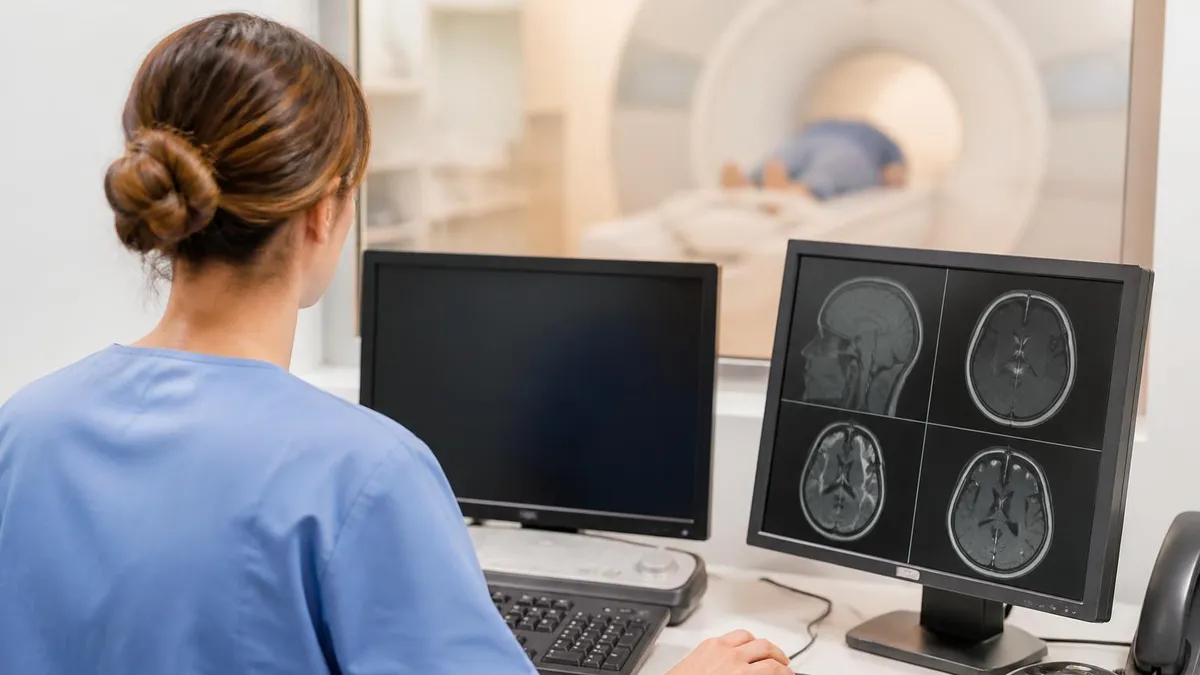
Finally, results. MRI images are reviewed by a radiologist, who dictates a report that is sent to your ordering physician, usually within 1 to 3 business days. Urgent findings may be communicated faster. Plan to follow up with the doctor who ordered the scan to discuss results — the imaging center generally does not interpret findings directly to patients. Patient portals increasingly provide direct access to the report, but having a clinical conversation about what it means remains the most important step.
MRI Questions and Answers
About the Author

Medical Laboratory Scientist & Clinical Certification Expert
Johns Hopkins UniversityDr. Sandra Kim holds a PhD in Clinical Laboratory Science from Johns Hopkins University and is certified as a Medical Technologist (MT) and Medical Laboratory Scientist (MLS) through ASCP. With 16 years of clinical laboratory experience spanning hematology, microbiology, and molecular diagnostics, she prepares candidates for ASCP board exams, MLT, MLS, and specialist certification tests.
Join the Discussion
Connect with other students preparing for this exam. Share tips, ask questions, and get advice from people who have been there.
View discussion (8 replies)