
Dog MRI Cost: What to Expect, What Affects Price, and How to Save 2026 September
💯 Find out how much a dog MRI costs in 2026 September, what factors affect price, and proven ways to reduce your bill without compromising your pet's care.
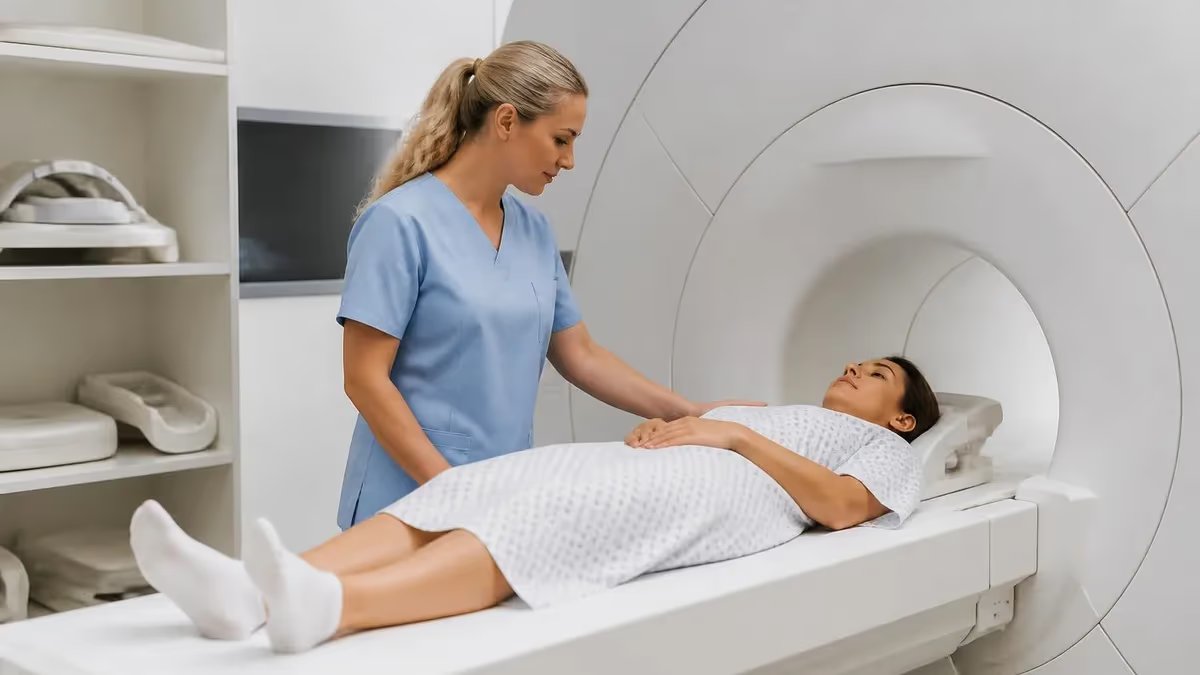
Understanding dog MRI cost is one of the first things pet owners face when a veterinarian recommends advanced imaging. Prices in the United States typically range from $1,500 to $5,000 for a single study, depending on the body region scanned, the facility, anesthesia requirements, and whether specialist interpretation is included. While that range can feel overwhelming, knowing what drives the number helps you plan financially and advocate for your dog without sacrificing diagnostic accuracy.
MRI — magnetic resonance imaging — is the gold standard for evaluating the brain, spinal cord, joints, and soft tissue structures in dogs. Unlike X-rays or CT scans, MRI uses powerful magnetic fields and radio waves rather than ionizing radiation, producing detailed cross-sectional images that reveal subtle abnormalities such as intervertebral disc disease, brain tumors, ligament tears, and inflammatory lesions. Because of its superior soft-tissue contrast, MRI frequently provides answers that other modalities simply cannot.
The technology itself is expensive to purchase and maintain. A modern veterinary MRI unit costs between $500,000 and $2 million, and running the system requires specialized technologists, veterinary neurologists or radiologists, regular magnet maintenance, and cryogenic cooling agents. Those overhead costs are passed on to clients, which is why even a straightforward head MRI can exceed $2,000 at many specialty hospitals across the country.
Geography plays a major role in pricing. Pet owners in metropolitan areas such as New York City, San Francisco, Los Angeles, or Boston often pay 20–40% more than those in smaller cities or rural regions, simply because of higher real estate costs, staff salaries, and local market demand. Traveling to a teaching hospital or university veterinary clinic even one or two hours away can sometimes reduce the bill by several hundred dollars while still delivering excellent care from board-certified specialists.
Anesthesia is nearly universal for canine MRI because dogs must remain completely motionless during the scan — any movement creates significant image artifacts that can make the study non-diagnostic. Anesthesia fees typically add $300 to $800 to the total cost and include pre-anesthetic bloodwork, the induction agent, inhalant maintenance, monitoring equipment, and recovery supervision by a licensed veterinary technician. Some facilities bundle these fees into a single quoted price; others itemize them separately, so always ask for a complete cost breakdown before scheduling.
The body region being imaged heavily influences the final price. Brain and spinal cord studies are among the most expensive because they require longer scan times, higher-field magnets for adequate resolution, and radiologist interpretation by a board-certified veterinary neurologist. A lumbar spine MRI may take 45 to 90 minutes of actual scan time, whereas a joint study might conclude in 30 minutes. Longer scans mean more technologist time, more anesthesia time, and ultimately a higher invoice for the owner.
Pet insurance can dramatically change the financial picture for families who enrolled before the diagnosis. Most comprehensive plans cover MRI when it is medically necessary and prescribed by a veterinarian, though pre-existing condition exclusions, annual deductibles, and reimbursement percentages all affect the actual out-of-pocket amount. If you do not currently have pet insurance, checking into a dog mri cost comparison across local specialty centers while simultaneously exploring CareCredit or similar veterinary financing programs can help you move forward with confidence rather than delay critical diagnostics.
Dog MRI Cost by the Numbers
Cost Breakdown by Region and Facility Type
Several distinct variables converge to determine what you will actually pay for your dog's MRI. The most significant is magnet field strength. Veterinary MRI units are generally classified as low-field (0.2–0.5 Tesla), mid-field (1.0 Tesla), or high-field (1.5–3.0 Tesla). High-field systems produce sharper images in less time and are better suited for brain and spinal cord evaluations, but they cost significantly more to purchase, maintain, and operate — costs that translate directly into higher per-scan fees.
A low-field unit may be adequate for orthopedic studies, but a neurologist examining the cerebellum or brainstem will almost always prefer a 1.5T or 3T system.
The experience and board certification of the radiologist interpreting your dog's images also affects cost. Veterinary neurologists and radiologists who are diplomates of the American College of Veterinary Radiology (ACVR) or the American College of Veterinary Internal Medicine (Neurology) (ACVIM) command higher fees for their interpretations. A board-certified specialist's read typically adds $200–$400 to the study, but the diagnostic value is often worth it: these professionals catch subtle findings that a general practitioner reviewing the images might miss, potentially avoiding a second scan or a delayed diagnosis.
Contrast-enhanced MRI studies cost more than non-contrast ones. Gadolinium-based contrast agents highlight areas where the blood-brain barrier is disrupted — a key finding in tumors, inflammatory disease, and vascular abnormalities. Contrast materials add $100–$250 to the bill and require an additional 15–20 minutes of scan time. Your veterinarian will specify whether contrast is needed based on the clinical suspicion; do not decline contrast to save money if the specialist has recommended it, as it may compromise the diagnostic yield of an expensive study.
Emergency or after-hours scanning carries a premium at most facilities. If your dog presents with acute neurological decline — sudden paralysis, seizures, or altered mentation — waiting until the next available weekday appointment may not be clinically feasible. Emergency MRI can cost 25–50% more than a scheduled daytime study due to on-call staffing, overtime rates for technologists, and the additional monitoring required for critically ill patients under anesthesia. Understanding this before an emergency occurs allows families to make faster decisions when time is critical.
Some facilities charge separately for the pre-MRI consultation, anesthesia assessment bloodwork, post-study hospitalization if your dog requires monitoring, and prescription medications sent home after the procedure. Always request an itemized estimate rather than a single lump-sum quote. An itemized breakdown lets you compare apples to apples across multiple facilities and identify any charges that might be reduced — for example, if your regular vet can perform the pre-anesthetic bloodwork at a lower cost than the specialty center's in-house laboratory.
The dog's size and physical condition also influence cost. Larger dogs require higher doses of anesthetic drugs, need larger IV catheter gauges, and often require longer scan times because the imaging field-of-view must cover more anatomy. A 100-pound Great Dane will cost more to anesthetize and scan than a 15-pound Beagle. Brachycephalic breeds — Bulldogs, Pugs, Boxers — present additional anesthetic risk and may require extended recovery monitoring, adding to the overall fee. Dogs with underlying cardiac or respiratory disease may need a cardiologist consultation before general anesthesia, adding another $200–$500 to the pre-scan workup.
Finally, whether your dog needs a single sequence or a comprehensive multi-sequence protocol affects time and therefore cost. A neurologist evaluating for intervertebral disc disease typically orders T1-weighted, T2-weighted, STIR, and gradient echo sequences through the thoracolumbar spine — a protocol that can run 60–90 minutes under anesthesia. A sports medicine specialist scanning one stifle joint may complete the study in 25–35 minutes. Longer protocols mean more anesthesia agent consumed, more technologist hours billed, and more radiologist time reviewing the larger dataset, all of which compound into a meaningfully higher total charge for the owner.
MRI Practice Test Questions
Prepare for the MRI - Magnetic Resonance Imaging exam with our free practice test modules. Each quiz covers key topics to help you pass on your first try.
MRI Knowledge
MRI Exam Questions covering Knowledge. Master MRI Test concepts for certification prep.
MRI Physics
Free MRI Practice Test featuring Physics. Improve your MRI Exam score with mock test prep.
MRI Anatomy and Pathology
MRI Test Prep for MRI Anatomy and Pathology. Practice MRI Quiz questions and boost your score.
MRI Anatomy and Positioning
MRI Questions and Answers on MRI Anatomy and Positioning. Free MRI practice for exam readiness.
MRI Contrast Agents
Free MRI Quiz on MRI Contrast Agents. MRI Exam prep questions with detailed explanations.
MRI Patient Care and Positioning
MRI Practice Questions for MRI Patient Care and Positioning. Build confidence for your MRI certification exam.
Brain, Spine, and Joint MRI Costs Compared
Brain MRI is typically the most expensive canine study, ranging from $2,500 to $5,000 at most US specialty centers. The brain demands high-field magnets (1.5T minimum, 3T preferred), multiple pulse sequences to evaluate gray matter, white matter, and vascular structures, and board-certified neurologist interpretation. Gadolinium contrast is almost always administered to assess the integrity of the blood-brain barrier, adding $100–$250 to the total. Conditions commonly diagnosed include brain tumors (meningioma, glioma, lymphoma), encephalitis, hydrocephalus, and vascular accidents such as ischemic strokes.
The scan itself typically runs 60–90 minutes under general anesthesia, which is longer than most other body regions. Post-anesthetic recovery adds another 1–3 hours of monitoring time, billed as a hospitalization fee at many facilities. Because brain MRI findings directly guide chemotherapy protocols, surgical planning, and prognosis conversations, the cost is generally considered justified when a dog presents with new-onset seizures, progressive behavioral change, or acute vestibular syndrome that does not respond to initial treatment.
Is Canine MRI Worth the Cost? Pros and Cons
- +Unmatched soft-tissue detail that X-rays and CT cannot replicate
- +No ionizing radiation, making it safer for repeated imaging if needed
- +Directly guides surgical planning and reduces operative guesswork
- +Can rule out life-threatening conditions like brain tumors in one session
- +Board-certified interpretation provides legally defensible, specialist-level findings
- +Results often prevent more expensive, invasive diagnostic procedures down the line
- −High upfront cost of $1,500–$5,000 per study can be prohibitive
- −General anesthesia is required, adding risk and additional fees
- −Limited availability in rural areas may require long-distance travel
- −Results can be emotionally difficult if a serious or terminal diagnosis is found
- −Not all conditions seen on MRI have effective treatments, raising cost-benefit questions
- −Pet insurance may deny claims if the condition is considered pre-existing at enrollment
10 Steps to Reduce Your Dog's MRI Bill
- ✓Request an itemized estimate from every facility before scheduling to enable true cost comparison.
- ✓Ask your primary vet to perform pre-anesthetic bloodwork so you avoid the specialty center's higher lab fees.
- ✓Call your nearest veterinary teaching hospital — resident-supervised studies often cost 25–40% less.
- ✓Inquire about mobile MRI units that visit general practices, which typically charge lower overhead fees.
- ✓Apply for CareCredit or Scratchpay before your appointment to secure zero-interest financing periods.
- ✓Confirm whether your pet insurance plan covers MRI and submit a pre-authorization request in writing.
- ✓Ask the neurologist whether a non-contrast study is clinically sufficient to avoid the gadolinium upcharge.
- ✓Schedule during standard weekday business hours to avoid after-hours and emergency scan surcharges.
- ✓Request that post-anesthetic recovery monitoring be performed at your regular vet if medically appropriate.
- ✓Join breed-specific online communities where owners share cost data and facility recommendations by region.
University Vet Clinics Often Cost 25–40% Less
Veterinary teaching hospitals affiliated with accredited universities — such as Cornell, UC Davis, Colorado State, and NC State — offer MRI studies supervised by board-certified faculty specialists. Because residents and interns participate in the diagnostic process under faculty oversight, operational costs are lower and savings are passed on to clients. Quality of care and image interpretation meet the same specialist standard as private referral centers, making these institutions an excellent first call for cost-conscious pet owners.
Pet insurance is the single most powerful financial tool available to dog owners facing high-cost diagnostics like MRI. Comprehensive accident-and-illness policies from companies such as Trupanion, Healthy Paws, Embrace, and Figo typically cover MRI when the study is ordered by a licensed veterinarian as medically necessary. Coverage details vary significantly, however: some plans reimburse 70–90% of the actual invoice after the deductible is met, while others cap reimbursement at a fixed benefit schedule that may be lower than real-world prices. Reading the fine print before a health crisis — not during one — is essential.
Pre-existing conditions are the most common reason insurance claims are denied. If your dog was diagnosed with epilepsy before you enrolled, any MRI performed to evaluate brain disease will almost certainly be excluded. Insurers define pre-existing conditions differently: some exclude conditions documented in medical records before the policy start date, while others use a more expansive definition that includes signs and symptoms noted in records even without a formal diagnosis. Enrolling a puppy before any medical history accumulates is the best way to protect against these exclusions long-term.
For owners without insurance or with policies that fall short of covering the full cost, veterinary financing companies offer interest-free promotional periods of 6, 12, or 18 months on approved credit. CareCredit is the most widely accepted option at US veterinary specialty centers; Scratchpay and LendingClub Patient Solutions are growing alternatives with flexible repayment plans. Applying takes about five minutes online and does not always require excellent credit, making same-day financing feasible even when the MRI recommendation is unexpected.
Some nonprofit organizations and breed-specific rescue groups offer financial assistance grants for diagnostic procedures. The Pet Fund, RedRover Relief, and the Brown Dog Foundation accept applications from pet owners facing large veterinary bills for conditions that are treatable. Approval is competitive and not guaranteed, but the application process is free and turnaround time is sometimes as fast as 48–72 hours for urgent cases. Veterinary social workers at teaching hospitals can also connect families with local resources, including sliding-scale payment arrangements negotiated directly with the institution.
Crowdfunding through GoFundMe has become a legitimate and increasingly common way for dog owners to offset MRI costs. A well-written campaign with a clear diagnosis, a photo of the dog, and a transparent breakdown of expected costs can generate meaningful contributions from friends, family, and even strangers who share a love of animals. Social media amplification matters — posts shared in local community Facebook groups and neighborhood apps like Nextdoor routinely reach more people than personal networks alone. Campaigns that update donors with progress photos and medical results tend to perform better and maintain community goodwill.
If cost remains a barrier after exploring all of the above options, a frank conversation with the veterinary neurologist is appropriate and will be welcomed by any experienced specialist. Many neurologists can stratify the diagnostic workup — starting with the most critical body region rather than a full spine survey — to reduce the initial cost while still obtaining actionable information. A targeted cervical spine MRI to rule out atlantoaxial subluxation, for example, may be far less expensive than a complete cervical-thoracic-lumbar survey, yet provide sufficient data to guide the next step in management.
Payment plans negotiated directly with the specialty center are also possible at many institutions, particularly nonprofit and university-affiliated hospitals. These arrangements typically require a down payment of 25–50% on the day of service and monthly installments thereafter. Interest may or may not be charged depending on the institution's policies. Building a relationship with the client services coordinator or financial counselor at the specialty center before the appointment date gives you the best chance of structuring a payment plan that fits your actual budget without delaying critical care for your dog.
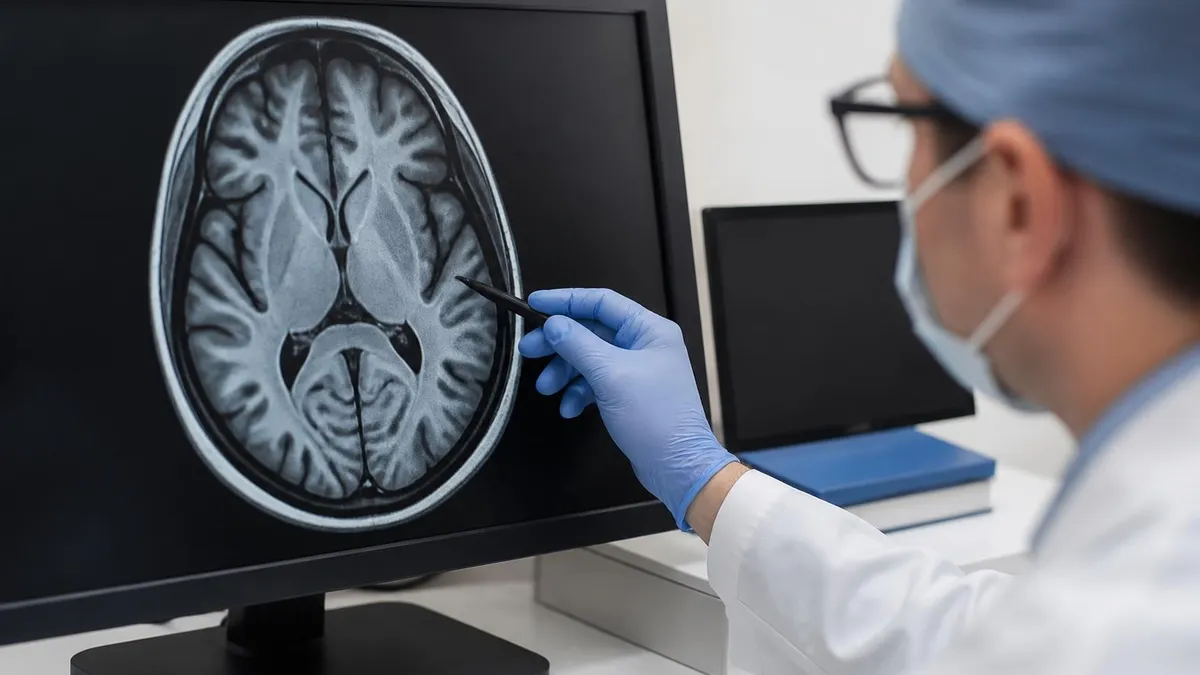
Spinal cord compression in dogs is time-sensitive: dogs with acute myelopathy who receive surgical decompression within 24–48 hours have significantly better neurological outcomes than those who wait days or weeks. If your veterinarian recommends urgent MRI, contact the specialty center's financial counselor the same day to discuss payment plans, financing applications, and any available assistance programs before concluding that the procedure is unaffordable. Many families find workable solutions within hours when they ask directly.
Understanding when MRI is truly the right diagnostic tool — versus when a less expensive alternative is equally informative — helps families make value-driven decisions rather than simply reacting to cost. For a young dog with a first isolated seizure, a veterinary neurologist may recommend a medical trial before ordering immediate MRI, since many first seizures are idiopathic and respond to anticonvulsant therapy. MRI becomes far more compelling when seizures are cluster events, when they begin after age five (suggesting structural or neoplastic cause), or when neurological deficits persist between episodes.
For orthopedic conditions, comparing MRI with musculoskeletal ultrasound and arthroscopy helps clarify value. Ultrasound of the shoulder and biceps tendon sheath is a much less expensive option ($200–$500) for evaluating bicipital tenosynovitis, a common cause of forelimb lameness in large breeds. Arthroscopy provides direct visual inspection of joint surfaces and simultaneous therapeutic intervention — debridement or fragment removal — but requires general anesthesia and carries its own procedural costs. MRI adds the most value when the clinical picture is ambiguous and the surgeon needs cross-sectional anatomy before committing to a surgical approach.
CT scanning is sometimes presented as a lower-cost alternative to MRI for certain indications, particularly evaluation of bony structures, nasal passages, lung parenchyma, and the inner ear. CT costs $1,000–$2,500 in most US markets — roughly 30–40% less than MRI — and scan times are much shorter (5–10 minutes versus 30–90 minutes), which reduces anesthesia duration and risk. For a dog with suspected nasopharyngeal polyp, inner ear cholesteatoma, or bone lesion, CT may provide equivalent or superior diagnostic information at a meaningfully lower cost. Asking the specialist whether CT could answer the clinical question is a legitimate and well-received question.
Myelography — injection of contrast dye into the spinal subarachnoid space followed by fluoroscopy or CT — is an older technique that remains useful in facilities without MRI access. It costs $800–$1,500 and can identify spinal cord compression, though it carries a small risk of seizure or neurological worsening from the contrast injection and does not provide the same soft-tissue detail as MRI.
In emergency situations where MRI is not immediately available, myelography may be the most practical path to surgical planning. Always ask the neurologist what level of image quality is truly required for your dog's specific situation rather than assuming MRI is the only acceptable option.
When MRI is recommended and you accept the cost, preparing your dog properly helps ensure the study succeeds on the first attempt — avoiding a repeat scan that would double your expense. Most facilities require withholding food for 8–12 hours before anesthesia induction; water is typically permitted until a shorter cutoff of 2–4 hours.
Bathing your dog the day before removes surface debris that can create susceptibility artifacts in some sequences. Inform the facility of all current medications, since some drugs (particularly anticonvulsants, steroids, and NSAIDs) may affect anesthetic protocols or create signal changes on the images that could be misinterpreted.
Post-MRI care at home follows standard anesthesia recovery guidelines: a quiet, warm environment for the first 12 hours; withholding food until nausea has cleared; close monitoring for abnormal behavior, difficulty breathing, or excessive vomiting; and a follow-up call to the specialty center if recovery seems slower than expected. Most dogs return to their baseline within 24 hours. If a biopsy, cerebrospinal fluid tap, or joint aspirate was performed concurrently under the same anesthetic event — a common and cost-efficient practice — additional discharge instructions will apply and should be reviewed carefully with the attending technician before leaving the facility.
The diagnostic information gathered from a well-executed MRI study often charts the entire remainder of a dog's treatment course. Knowing the exact type, location, and extent of a brain tumor allows the veterinary oncologist to design a radiation therapy or chemotherapy protocol with precision.
Knowing the degree of spinal cord compression and the presence or absence of signal change on T2-weighted images allows the neurologist to counsel families on realistic recovery expectations before surgery. That information has real monetary value in addition to its medical value — it prevents spending money on treatments that are unlikely to help while directing resources toward interventions that carry genuine evidence of benefit.
For pet owners who want to be proactive rather than reactive, several practical strategies can reduce the financial shock of a future MRI recommendation. Enrolling a healthy puppy in a comprehensive pet insurance plan before any medical history exists is the single highest-leverage step.
Monthly premiums for robust accident-and-illness coverage range from $40 to $100 depending on the breed, age, and geographic location, but a single MRI claim can recover years of premium payments in one event. Compare policies across at least three insurers before enrolling, paying close attention to the annual limit, reimbursement percentage, deductible structure, and how the company defines pre-existing conditions.
Building a dedicated veterinary savings account is a complementary strategy that provides immediate cash access during the gap period before insurance kicks in — most policies have a 14-day waiting period for illnesses and up to six months for orthopedic conditions. Setting aside $50–$100 per month in a dedicated savings account creates a meaningful buffer over one to two years that can cover the deductible and coinsurance portion of an MRI claim or fund the full cost if insurance falls short. High-yield savings accounts currently earning 4–5% annual interest make this approach even more financially sensible.
Establishing a relationship with a veterinary internal medicine specialist or neurologist before an emergency arises gives you an informed contact point when a crisis occurs. Some specialists offer brief phone consultations with referred clients to discuss whether advanced imaging is truly indicated or whether a medical trial is appropriate first. This kind of clinical triage can prevent unnecessary MRI expenditure in cases where the diagnosis is more straightforward, while fast-tracking the scan in cases where imaging is genuinely urgent. Knowing who to call and having your dog's records pre-loaded in their system saves critical hours during an acute neurological event.
Researching veterinary schools within a 3–4 hour drive of your home is another practical preparation step. The Association of American Veterinary Medical Colleges (AAVMC) lists all accredited programs, most of which offer specialty and emergency services to the public. These institutions are typically staffed by faculty diplomates supervising residents in training, combining specialist-level expertise with lower institutional overhead. For planned, non-emergency MRI such as a scheduled stifle evaluation or a routine brain survey in a seizure-controlled dog, the cost savings at a teaching hospital can be $500–$1,500 compared to a private specialty center while delivering equivalent diagnostic quality.
Communicating openly with your primary care veterinarian about your financial constraints before a referral is made allows them to tailor their recommendations. A general practitioner who knows your budget may suggest a targeted referral — for example, to a sports medicine specialist with access to a low-field extremity MRI unit at $1,600, rather than to a full neurology service where a whole-body scan would cost $3,200.
Veterinarians want to help families find workable paths; they can only do so if they know the constraints you are working within. Transparency about finances is not embarrassing — it is clinically useful information that leads to better-tailored recommendations.
Finally, keeping your dog at a healthy weight and providing regular exercise and joint-appropriate supplementation reduces the statistical likelihood of certain conditions that lead to MRI recommendations — particularly orthopedic disease. Obesity is the leading modifiable risk factor for cranial cruciate ligament rupture in dogs, and the MRI, surgical repair, and rehabilitation that follow a CCL tear routinely exceed $6,000–$10,000 in total cost. A $40 monthly bag of joint-support food or a daily fish oil supplement is not a guarantee against disease, but it is a meaningful investment in prevention that pays compounding returns across a dog's lifetime.
Ultimately, the best financial preparation for canine MRI combines insurance enrollment, a dedicated savings buffer, and a trusted specialist relationship established before the need arises. When those elements are in place, the question shifts from whether you can afford to get the answer to simply how you will structure the payment — a far more manageable conversation to have at the reception desk of a specialty center than scrambling for options in the middle of a medical crisis involving a dog you love.
MRI Questions and Answers
MRI of Cervical Spine: Complete Guide to Imaging, Anatomy, Pathology, and Patient Preparation
Knee MRI Images: A Complete Guide to Reading, Understanding, and Interpreting Knee Scans

Ace Your Exam with MRI Practice Test 2026 Prep

MRI Tech School 2026 — Programs, Requirements, and What to Expect
MRI Procedure: What to Expect Before, During and After Your Scan
About the Author

Medical Laboratory Scientist & Clinical Certification Expert
Johns Hopkins UniversityDr. Sandra Kim holds a PhD in Clinical Laboratory Science from Johns Hopkins University and is certified as a Medical Technologist (MT) and Medical Laboratory Scientist (MLS) through ASCP. With 16 years of clinical laboratory experience spanning hematology, microbiology, and molecular diagnostics, she prepares candidates for ASCP board exams, MLT, MLS, and specialist certification tests.
Join the Discussion
Connect with other students preparing for this exam. Share tips, ask questions, and get advice from people who have been there.
View discussion (8 replies)