
MRI Scan Locations: Where to Get an MRI Near You — Hospitals, Imaging Centers, and Mobile Options
✏️ Find MRI scan locations near you — compare hospitals, imaging centers, and mobile MRI options by cost, wait time, magnet strength, and insurance coverage.
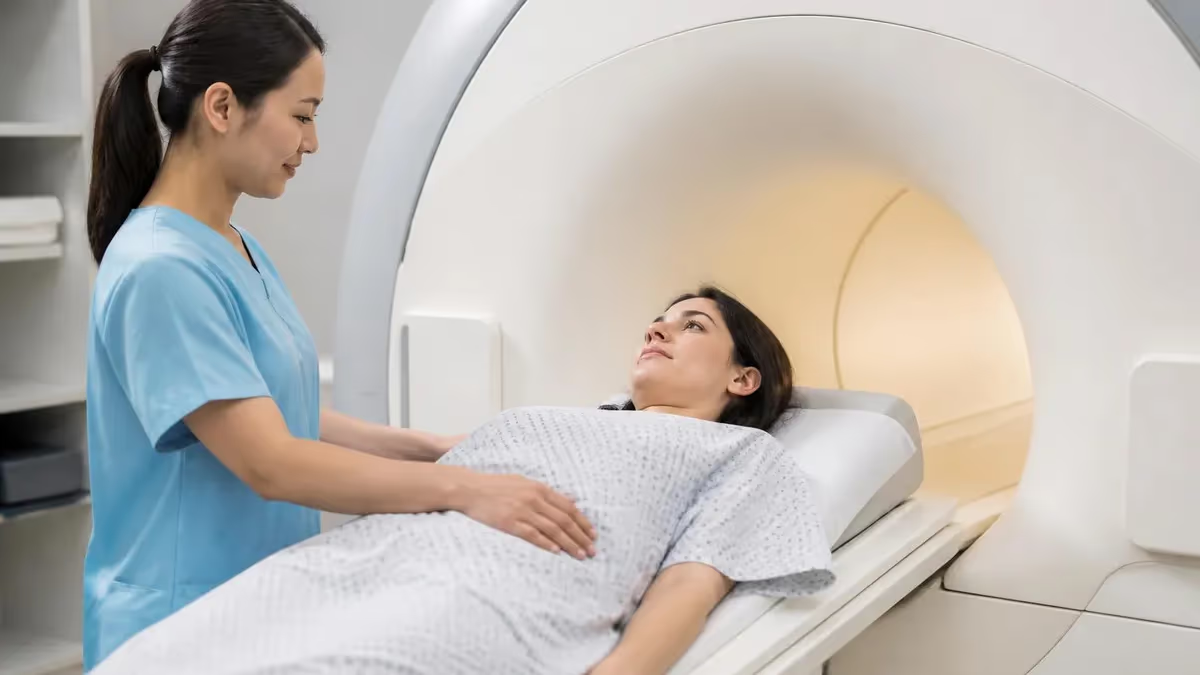
Choosing among the many available mri scan locations is one of the most underestimated decisions in modern healthcare. The same lumbar MRI ordered by the same physician can cost $400 at a freestanding imaging center and $3,200 at a hospital outpatient department twenty minutes away. Wait times can swing from same-day to six weeks, image quality varies with magnet strength, and your insurance network may exclude the very facility your doctor recommended. Understanding where to scan — and why — protects both your wallet and your diagnosis.
The United States now has roughly 12,000 fixed MRI scanners spread across hospitals, academic medical centers, freestanding outpatient imaging centers, orthopedic and neurology specialty clinics, and a growing fleet of mobile MRI trailers that rotate between rural hospitals. Each setting has tradeoffs in price, scanner technology, radiologist subspecialty, scheduling flexibility, and patient comfort. A teaching hospital may offer a 3-Tesla scanner read by a fellowship-trained neuroradiologist, while a strip-mall imaging center may use a 1.5T magnet but charge a third as much.
For most outpatient MRIs — knee, shoulder, lumbar spine, brain without contrast — a freestanding accredited imaging center delivers diagnostic quality equal to a hospital at a fraction of the cost. For complex cases involving cardiac MRI, MR enterography, pediatric sedation, breast MRI with biopsy capability, or post-surgical hardware imaging, hospital-based or academic centers remain the safer choice. The trick is matching the scan to the setting rather than defaulting to whatever building is closest.
Geography also matters more than patients realize. Rural counties may have only one fixed scanner within a sixty-mile radius, pushing patients toward mobile MRI services that visit critical-access hospitals on rotating weekly schedules. Urban patients face the opposite problem — too many choices with opaque pricing. Both situations reward a few hours of research before scheduling, including verifying ACR accreditation, confirming in-network status, and asking for a written cash price.
This guide walks through every common MRI setting in the US, what each one charges, how to verify quality, how to read your insurance authorization, and how to spot the warning signs of an underqualified facility. We will also cover open MRI, wide-bore options for claustrophobic or larger patients, extremity-only scanners, and the question of whether a 3T scan is genuinely better than a 1.5T scan for your specific body part. By the end you should be able to call three facilities, ask five questions, and confidently book the right scan.
One detail worth emphasizing up front: the building that owns the scanner and the radiologist who interprets the images are often two separate entities. A strip-mall imaging center may send your images to a teleradiology group reading from another state. That is not inherently bad — many teleradiology groups employ board-certified subspecialists — but it does mean you should ask who reads the study and whether they are fellowship-trained in the relevant anatomy. Before you compare locations, it helps to know what MRI can actually detect, so review the list of common MRI findings for context.
Finally, remember that the cheapest scan is worthless if it produces a non-diagnostic study that has to be repeated. Quality and price are not always inversely related, but they are not the same axis either. The goal is finding the lowest-cost facility that still meets the technical and clinical bar your physician needs to make a treatment decision.
MRI Scan Locations by the Numbers
Types of MRI Facilities Explained
Located inside or attached to a hospital. Bills under hospital codes (HOPD), which is why prices run 2–5x higher than freestanding centers. Best for complex MRIs, sedation cases, and patients with implanted devices needing on-site cardiology backup.
Independent outpatient facilities — often multi-modality with CT, ultrasound, and X-ray on site. Billed under physician-office codes, so cash and insurance prices are dramatically lower. Most carry ACR accreditation and use 1.5T or 3T scanners.
Orthopedic groups and neurology practices increasingly own dedicated MRI scanners, sometimes extremity-only units. Convenient for in-network musculoskeletal imaging but limited to the body parts the clinic treats. Often same-day scheduling.
University and teaching hospitals with 3T and occasionally 7T research-grade scanners. Best for rare diseases, advanced cardiac MRI, functional MRI, and pediatric cases. Highest cost tier but unmatched subspecialty radiology depth.
Truck-mounted scanners that rotate through rural hospitals, clinics, and prisons on weekly schedules. A practical answer for underserved counties with no fixed scanner. Image quality is comparable when the trailer is parked and powered properly.
Cost is the single largest driver of where Americans get their MRI scans, and the spread between settings is wider than for almost any other medical service. A non-contrast lumbar spine MRI billed by a hospital outpatient department averages $2,100 nationally, while the same study at a freestanding imaging center across the parking lot averages $625. Cash-pay prices at high-volume independent centers can dip below $400 for a single body part. These differences are not about quality — they reflect billing codes, facility fees, and the absence of hospital overhead.
Insurance behavior compounds the gap. Many high-deductible plans apply hospital MRIs to your deductible at full chargemaster rates, while the same plan may treat a freestanding center as a routine outpatient service with a flat $150 copay. If you have not met your deductible, choosing the lower-priced setting can save $1,500 or more on a single scan. Plans with site-of-service steering policies now actively redirect non-emergency MRIs to freestanding centers and may deny coverage at hospital sites without prior justification.
Mobile MRI services occupy a middle pricing tier. The trailer itself is expensive to operate, but mobile providers contract with rural hospitals at negotiated rates that often fall between freestanding and hospital prices. For patients in counties with no fixed scanner, the mobile option is frequently cheaper than driving to the nearest city — once you factor in fuel, lost work hours, and overnight stays for early-morning appointments.
Academic medical centers sit at the top of the price ladder. A brain MRI with and without contrast at a major university hospital can exceed $4,000 in chargemaster pricing, though negotiated insurance rates bring this closer to $1,800. The premium pays for fellowship-trained neuroradiologists, advanced sequences like diffusion tensor imaging, and the ability to handle complications during the scan. For routine joint or spine imaging this is overkill; for suspected glioma or multiple sclerosis it can be worth every dollar.
Specialty clinic scanners — orthopedic groups with in-house knee and shoulder MRIs — have emerged as a fourth pricing tier. Because they bundle scan and consult into one visit, the all-in cost is often the lowest of any setting. The catch is that the radiologist reading the study is sometimes the same orthopedist who will recommend surgery, raising legitimate questions about conflict of interest. Patients can request that images be sent to an independent radiologist for a second read.
Cash-pay transparency has improved dramatically since the federal hospital price disclosure rule took effect. Most facilities now publish negotiated rates and self-pay discounts online, though the files are often buried and poorly formatted. Third-party aggregators have parsed these disclosures into searchable databases, and patients calling for a quote should specifically ask for the "all-in self-pay price including radiologist read." Get it in writing before you book. For context on what these scans are actually capable of detecting, the guide to MRI diagnostic capabilities covers cpt codes for mri and joint pathology in detail.
One final cost factor: contrast. A scan "with contrast" adds gadolinium-based dye, an IV line, and twenty extra minutes — and typically $200–$600 to the bill. Some facilities quote only the non-contrast price and add contrast charges later. Always ask whether your order is for, without, or with-and-without contrast, and confirm the corresponding price for each scenario.
MRI Practice Test Questions
Prepare for the MRI - Magnetic Resonance Imaging exam with our free practice test modules. Each quiz covers key topics to help you pass on your first try.
MRI Knowledge
MRI Exam Questions covering Knowledge. Master MRI Test concepts for certification prep.
MRI Physics
Free MRI Practice Test featuring Physics. Improve your MRI Exam score with mock test prep.
MRI Anatomy and Pathology
MRI Test Prep for MRI Anatomy and Pathology. Practice MRI Quiz questions and boost your score.
MRI Anatomy and Positioning
MRI Questions and Answers on MRI Anatomy and Positioning. Free MRI practice for exam readiness.
MRI Contrast Agents
Free MRI Quiz on MRI Contrast Agents. MRI Exam prep questions with detailed explanations.
MRI Patient Care and Positioning
MRI Practice Questions for MRI Patient Care and Positioning. Build confidence for your MRI certification exam.
Hospital vs Imaging Center vs Mobile MRI
Hospital-based MRI is the right choice when the clinical scenario is complicated or when sedation, anesthesia, or rapid intervention may be needed. Patients with pacemakers, deep brain stimulators, or cochlear implants benefit from on-site cardiology and neurology support. Inpatients, trauma cases, and pediatric scans under general anesthesia almost always happen at hospital scanners because the staffing, monitoring, and emergency response infrastructure are already in place.
The downside is cost. Hospital MRIs bill under outpatient prospective payment codes with a facility fee added on top of the technical and professional components. Average self-pay prices run two to five times higher than freestanding centers for identical scans. Wait times can also be longer because hospital scanners share their schedule with inpatients and emergency department orders, which take priority over outpatient bookings.
Freestanding Imaging Center vs Hospital — Which Is Better?
- +Cash and insurance prices are typically 60–80% lower than hospital outpatient departments
- +Scheduling is usually faster, often within 3–7 days versus 2–6 weeks
- +Evening and weekend hours are widely available
- +ACR accreditation is standard at reputable centers
- +Dedicated parking and shorter check-in reduce total visit time
- +Most centers offer same-day or next-day image release to a patient portal
- +Many use modern 3T scanners with wide-bore designs for claustrophobic patients
- −Limited ability to handle sedation, anesthesia, or pediatric cases
- −Not equipped for inpatient or emergency MRI scenarios
- −Some centers do not perform contrast studies in patients with reduced kidney function
- −Subspecialty radiology coverage varies — confirm reader credentials
- −Cardiac MRI, MR enterography, and breast MRI are less commonly offered
- −On-site physician backup is minimal compared to hospitals
- −Patients with complex implants may still need a hospital scanner regardless of cost
Pros and Cons at a Glance
| Pros | Cons |
|---|---|
| Evening and weekend hours are widely available | Limited ability to handle sedation, anesthesia, or pediatric cases |
| ACR accreditation is standard at reputable centers | Not equipped for inpatient or emergency MRI scenarios |
| Dedicated parking and shorter check-in reduce total visit time | Some centers do not perform contrast studies in patients with reduced kidney function |
| Most centers offer same-day or next-day image release to a patient portal | Subspecialty radiology coverage varies — confirm reader credentials |
Checklist Before Booking Any MRI Scan Location
- ✓Confirm the facility is ACR-accredited for MRI on the official ACR website
- ✓Verify the location is in-network with your specific insurance plan, not just the insurer
- ✓Ask whether the scanner is 1.5T or 3T and which is appropriate for your body part
- ✓Request the all-in self-pay price including radiologist interpretation in writing
- ✓Confirm prior authorization has been approved before the appointment date
- ✓Ask whether contrast is included in the price and whether it is clinically required
- ✓Verify the radiologist reading the study is fellowship-trained in the relevant subspecialty
- ✓Check that images will be released to a patient portal or burned to disc on the day of scan
- ✓Ask about bore diameter if you are claustrophobic, larger-bodied, or anxious
- ✓Bring a complete list of implanted devices, prior surgeries, and metal exposure history
Call three locations before you book.
The single highest-return action in MRI shopping is calling three facilities and asking each for the all-in self-pay price for your exact CPT code. Patients who do this routinely save $800 to $2,500 on a single scan. Insurance does not protect you — high-deductible plans often pay 100% of hospital chargemaster rates until the deductible is met.
Magnet strength is the technical specification patients hear most about, and it is genuinely important — but not always in the direction marketing materials suggest. The two dominant field strengths in clinical use are 1.5 Tesla and 3 Tesla. A 3T scanner produces roughly twice the signal-to-noise ratio of a 1.5T, which translates into higher resolution images or shorter scan times for equivalent quality. For brain imaging, pituitary studies, MR angiography, and small-joint musculoskeletal work, 3T offers real diagnostic advantages.
For other indications, 3T is neutral or even disadvantageous. Patients with certain orthopedic hardware, spinal instrumentation, or large body habitus may experience worse image quality at 3T due to increased susceptibility artifact and dielectric effects. Cardiac MRI is performed at both field strengths with comparable results, and lumbar spine imaging is diagnostic at 1.5T for the overwhelming majority of disc and degenerative findings. A 1.5T scan read by a fellowship-trained musculoskeletal radiologist beats a 3T scan read by a generalist almost every time.
Bore diameter and bore length matter at least as much as magnet strength for patient comfort. Standard scanners have a 60 cm bore, while "wide-bore" scanners offer 70 cm — a difference that feels enormous to claustrophobic or larger patients. Wide-bore 1.5T and 3T scanners are now widely available at freestanding centers and represent the best balance of image quality and patient tolerance for most outpatient indications. Ask specifically for a 70 cm wide-bore if anxiety or body size is a concern.
Open MRI scanners, which sandwich the patient between two magnet plates rather than surrounding them in a tube, operate at much lower field strengths — typically 0.3T to 1.2T. Image quality is correspondingly lower, scan times are longer, and many advanced sequences cannot be performed. Open MRI has a real but narrow role: severely claustrophobic patients who cannot tolerate any closed scanner even with sedation, and very large patients who exceed wide-bore weight or diameter limits. For most claustrophobic patients, a wide-bore closed scanner with oral anxiolytic medication is a better choice.
Extremity-only scanners are a niche category found in some orthopedic clinics. The patient sits in a chair and places only the affected limb inside the small bore. Image quality for knee, ankle, wrist, and elbow imaging can be excellent, and the experience is dramatically less stressful than whole-body MRI. The tradeoff is that only distal extremities can be scanned — these units cannot image the spine, brain, hip, or shoulder.
Scanner age also influences quality more than most patients realize. A new 1.5T scanner with modern coils and sequences often outperforms a ten-year-old 3T scanner with older hardware. Ask the facility when the scanner was installed or last upgraded. Vendor matters less — Siemens, GE, Philips, Canon, and Hitachi all make diagnostically equivalent scanners — but consistency within an imaging network can help when comparing serial scans over time.
Finally, the coils used for each body part directly affect image quality. A modern multi-channel knee coil produces dramatically sharper images than an older quadrature coil. Reputable facilities replace coils on a regular cycle and use the manufacturer's recommended coil for each indication. This is rarely advertised, but it is reasonable to ask whether the facility uses dedicated coils for the specific body part being scanned.
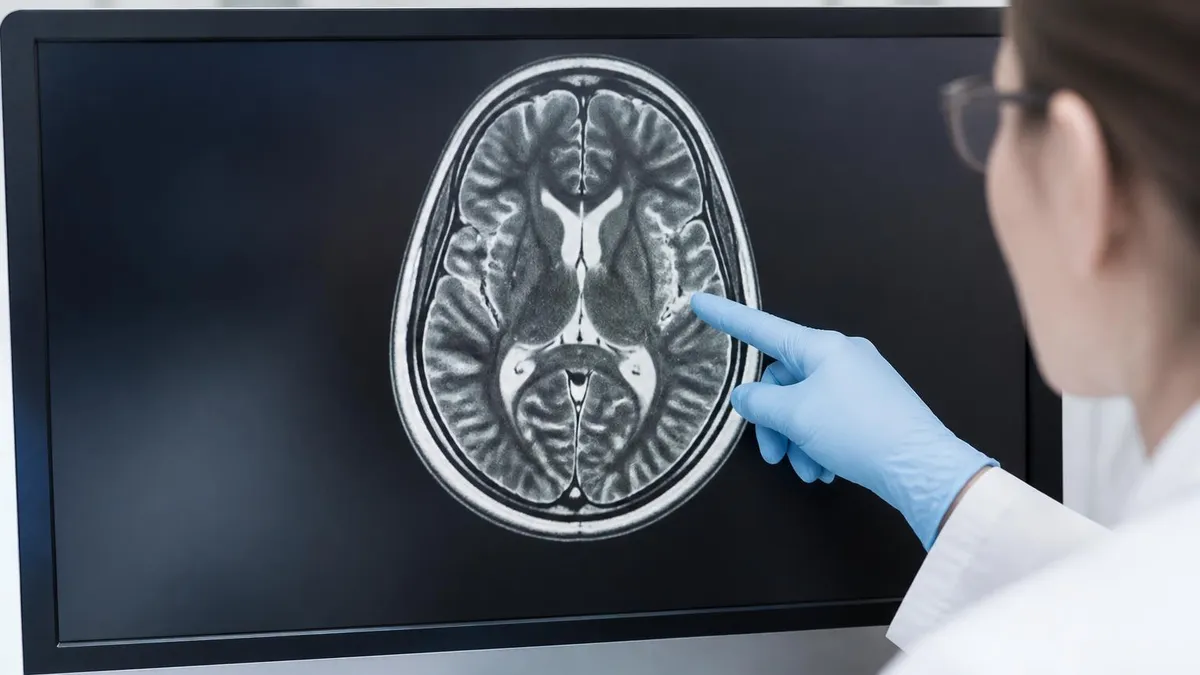
Every MRI facility requires a written safety screening covering pacemakers, defibrillators, neurostimulators, cochlear implants, aneurysm clips, metallic foreign bodies, and recent surgical hardware. Bring the manufacturer card or device ID for any implant. Showing up without this information will delay or cancel your scan, and some implants require a specific scanner model or scanning protocol to be MRI-conditional.
Finding the right MRI scan location near you starts with the insurance side, not the geographic side. Begin by logging into your insurance member portal and pulling the list of in-network outpatient imaging providers within a reasonable radius. The list will typically include hospital outpatient departments, freestanding imaging centers, and any contracted mobile providers. Cross-reference this list with the ACR accreditation database to filter for facilities that have passed independent quality review. This two-step filter usually narrows the field to a manageable handful of options.
Next, use a price transparency aggregator or call each facility directly. Federal rules require hospitals to publish machine-readable rate files, and CMS requires Medicare-enrolled imaging providers to disclose self-pay prices on request. Independent tools like Turquoise Health, FAIR Health Consumer, and Healthcare Bluebook parse these files into searchable estimates. Cross-check the aggregator number with a direct phone call, because published rates frequently lag actual cash prices by months.
Patient reviews on Google, Yelp, and Healthgrades provide a noisy but useful signal about wait times, staff communication, and the comfort of the scanning environment. Ignore reviews complaining about the scan itself feeling loud or tight — that is physics, not facility quality. Pay attention to patterns about scheduling reliability, billing accuracy, and how quickly results reach the referring physician. A facility with consistent complaints about lost orders or delayed reads is a red flag regardless of price.
Geographic convenience deserves real weight in the final decision. Saving $300 on a scan is not worth a two-hour drive each way if a closer in-network option is available. That said, patients in rural counties may genuinely have to travel for the right scan, especially for subspecialty indications like cardiac MRI or MR enterography that few facilities offer. Mobile MRI services can dramatically shorten this travel for routine imaging in underserved areas.
For complex or unusual indications — suspected multiple sclerosis, evaluation of a known tumor, congenital heart disease, prostate MRI for cancer staging — favor academic medical centers or large multispecialty groups even if the price is higher. These cases benefit from radiologists who read hundreds of similar studies per year and have access to advanced sequences that smaller centers do not perform. Your treating physician can usually recommend a specific facility known for high-quality reads in the relevant area.
If you are an MRI technologist or considering the career, understanding the variety of scan settings is part of the job. The pathway to entering the field is covered in detail in the guide to becoming an MRI technician, which walks through schooling, ARRT certification, and salary expectations across hospital, outpatient, and mobile settings.
One last consideration: prior authorization. Most commercial insurers require pre-authorization for outpatient MRI, and the authorization is often tied to a specific facility or facility group. Switching to a cheaper site after authorization is granted may require a new request and a new wait. Confirm the authorized facility name on your approval letter before scheduling, and if you want to switch, ask the ordering physician's office to update the request rather than canceling and starting over.
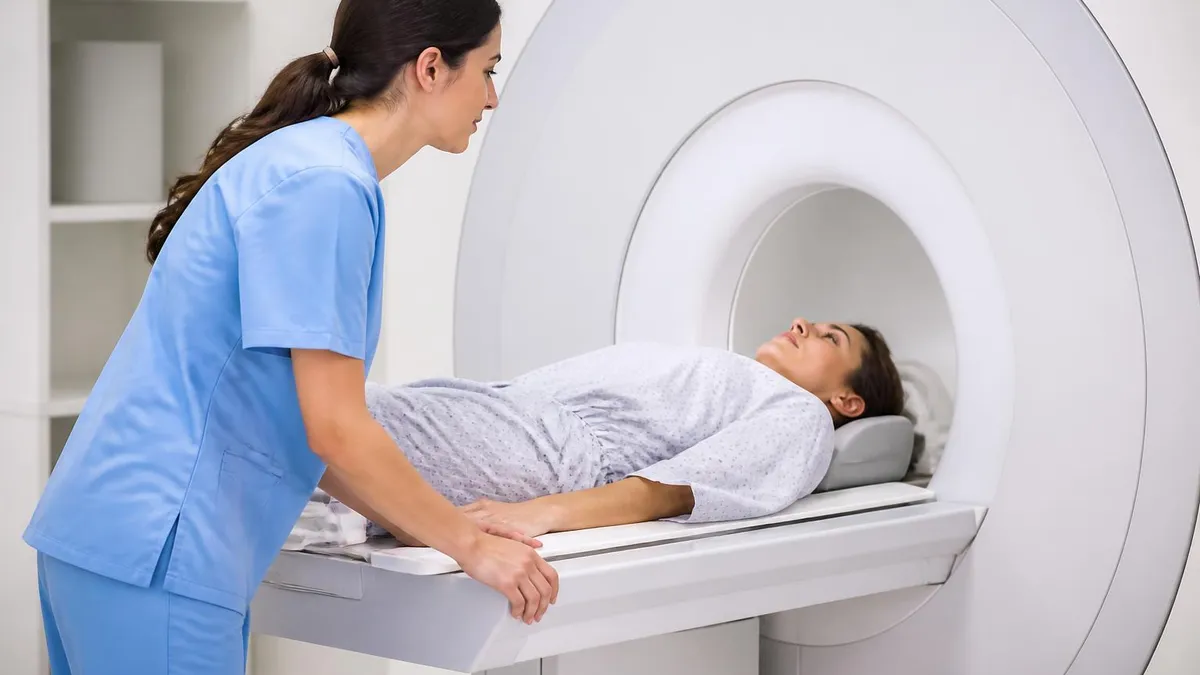
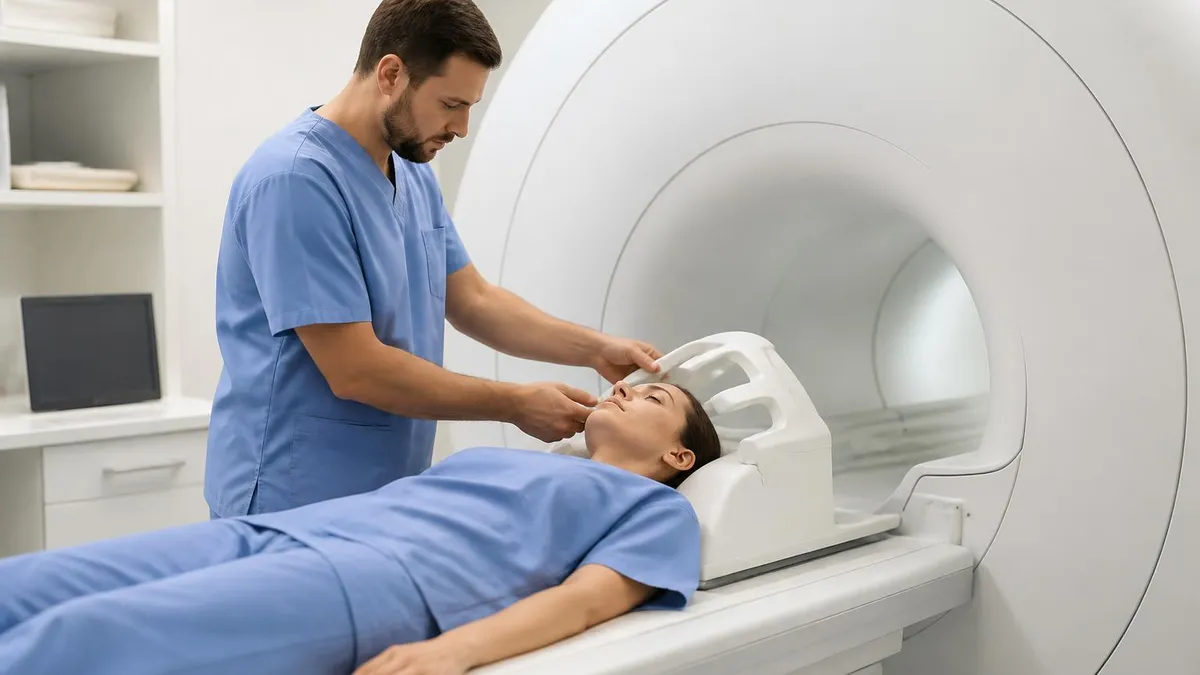
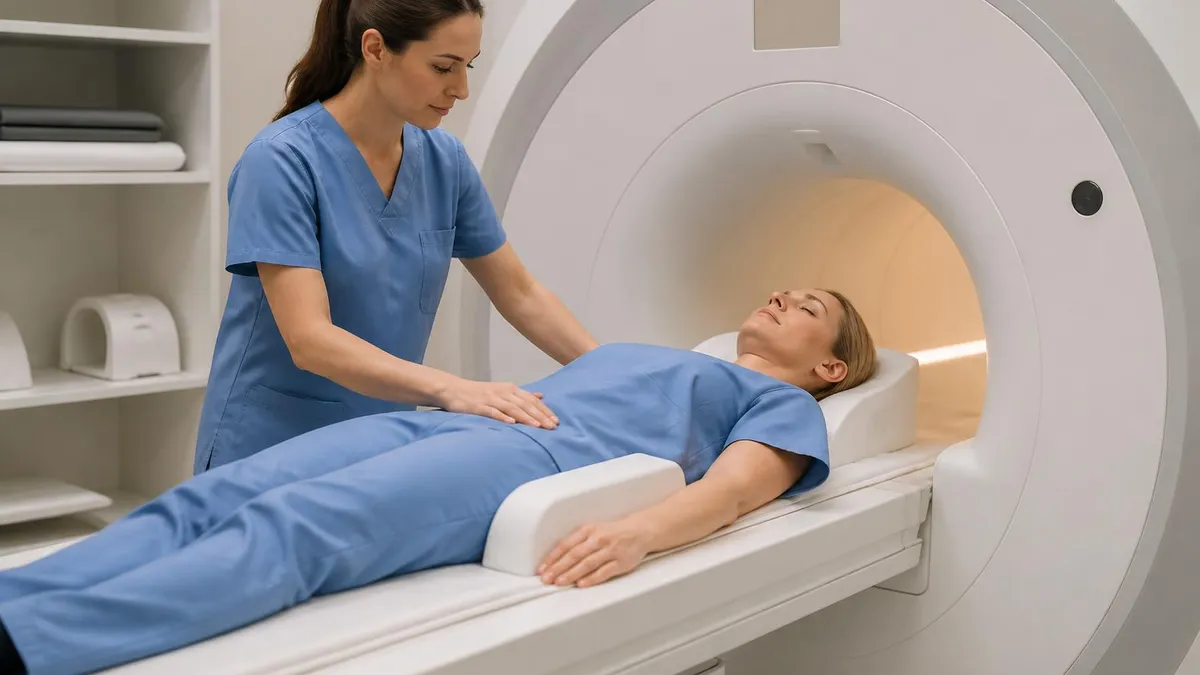
Once you have selected a location and booked the scan, a few practical steps make the day itself go smoothly. Arrive thirty minutes before the appointment to complete the safety screening form, register, and change into a gown. Wear loose clothing without metal zippers, snaps, or underwire if you prefer not to change. Remove all jewelry, hairpins, watches, and anything containing magnetic strips like credit cards and hotel keys before entering the scanner room. Leave valuables locked in the dressing room — the magnet does not care about gold, but technologists prefer not to be responsible for it.
Eat normally before most MRIs unless your scan involves abdominal or pelvic imaging with contrast, which may require a four-hour fast. Continue routine medications including blood pressure, diabetes, and thyroid drugs unless specifically told otherwise. If you take anxiolytic medication for claustrophobia, time the dose to peak about thirty minutes before scan start, and arrange a ride home — sedated patients cannot drive. Bring a list of all medications, supplements, and known allergies, particularly any prior reaction to gadolinium contrast.
The scan itself lasts twenty to sixty minutes depending on body part and number of sequences. Expect loud knocking and buzzing sounds from gradient coil switching — earplugs and headphones with music are standard. The table moves you in and out of the bore between sequences. Stay as still as possible during each sequence; motion is the leading cause of repeat scans. If you feel panicked, squeeze the call ball and the technologist will pause and talk to you within seconds.
After the scan, you can return to all normal activities immediately, including driving if you did not receive sedation. If you received gadolinium contrast, drink extra water for the rest of the day to help clear the dye through your kidneys. Most patients have no contrast side effects; rare reactions include nausea, headache, or itching at the injection site, which resolve within a few hours. Severe allergic reactions are very uncommon and treated on site.
Image release timing varies by facility. Reputable centers post images to a patient portal the same day or next morning and send the radiologist's report to the ordering physician within twenty-four to forty-eight hours. Critical findings — suspected stroke, large tumor, fracture — are phoned to the referring physician immediately. If you have not heard back within three business days, call the referring office rather than the imaging center. The report exists; it is sitting in a queue somewhere.
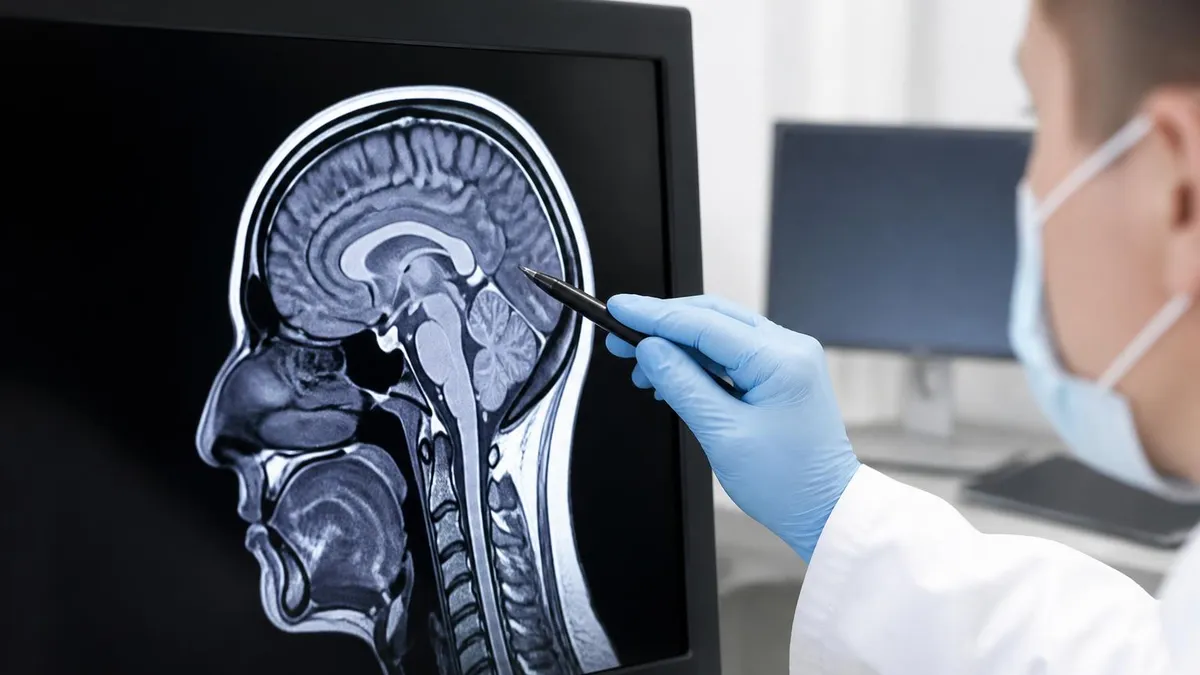
Always request a copy of your images, either on a CD, USB drive, or through the patient portal. Insurance authorizations often expire if you need a follow-up scan, and having your prior study available for direct comparison speeds up the next read and reduces the chance of an unnecessary repeat. Curated personal imaging records are increasingly important as patients move between health systems. A look at what normal MRI images look like can help you orient yourself when reviewing your own study.
Finally, if the report is unclear or you disagree with the interpretation, a second opinion read is inexpensive and easy to obtain. Most academic radiology departments offer formal second-read services for $50 to $200, performed by subspecialty radiologists. Send the imaging CD or a portal share link and the original report. Discordance between first and second reads happens often enough that for any major treatment decision, especially surgery or cancer care, a second opinion is reasonable and frequently changes management.
Sample MRI - Magnetic Resonance Imaging Practice Questions
Try these questions from our free MRI - Magnetic Resonance Imaging practice tests. The correct answer and an explanation follow each question.
Which type of MRI coil provides the best SNR for imaging a small, superficial structure?
- A. Small surface coil placed directly over the region of interest
- B. Large volume (birdcage) coil surrounding the patient
- C. Phased-array coil designed for the spine
- D. Solenoid body coil at isocenter
Answer: A. Small surface coil placed directly over the region of interest
A small surface coil placed close to the target anatomy maximizes signal reception from that area while minimizing noise from surrounding regions.
For pituitary gland MRI, which plane is considered the primary imaging plane?
- A. Axial
- B. Sagittal
- C. Coronal
- D. Oblique axial
Answer: C. Coronal
Coronal thin-slice images are the primary plane for pituitary imaging because they best demonstrate lateral extension, cavernous sinus invasion, and microadenomas.
This kind of magnetic shielding confines the fringe field by using metal—typically steel—in the scan room walls.
- A. Active
- B. Passive
Answer: B. Passive
Passive magnetic shielding involves lining the walls, floor, and ceiling of the MRI scan room with ferromagnetic materials, typically steel. This material absorbs and redirects the stray magnetic fields, known as fringe fields, produced by the main magnet. This effectively contains the magnetic field within the room, preventing interference with external devices or personnel.
Which coil type provides the highest signal-to-noise ratio (SNR) for imaging small superficial structures such as the wrist?
- A. Body coil
- B. Head coil
- C. Dedicated extremity or surface coil
- D. Phased-array spine coil
Answer: C. Dedicated extremity or surface coil
Dedicated extremity or surface coils placed close to the anatomy maximize SNR by minimizing the receive volume to the region of interest.
Take the full MRI - Magnetic Resonance Imaging practice test
MRI Questions and Answers
About the Author

Medical Laboratory Scientist & Clinical Certification Expert
Johns Hopkins UniversityDr. Sandra Kim holds a PhD in Clinical Laboratory Science from Johns Hopkins University and is certified as a Medical Technologist (MT) and Medical Laboratory Scientist (MLS) through ASCP. With 16 years of clinical laboratory experience spanning hematology, microbiology, and molecular diagnostics, she prepares candidates for ASCP board exams, MLT, MLS, and specialist certification tests.
Join the Discussion
Connect with other students preparing for this exam. Share tips, ask questions, and get advice from people who have been there.
View discussion (8 replies)