
Jersey Advanced MRI & Diagnostic Center Reviews: A Complete Patient Guide to Imaging Quality, Wait Times, and Service
Jersey Advanced MRI & Diagnostic Center reviews: 💯 patient ratings, wait times, equipment quality, pricing, and how to choose the right imaging facility.
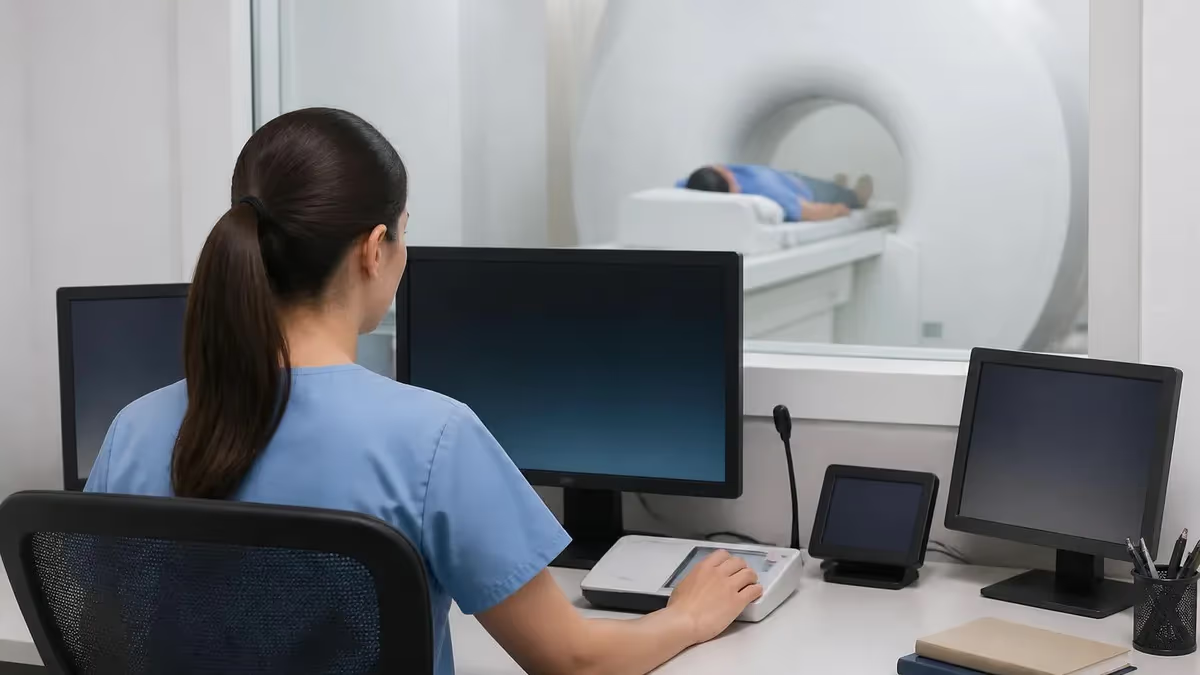
When patients search for jersey advanced mri & diagnostic center reviews, they are usually trying to answer three urgent questions at once: is the imaging quality good enough that my doctor will trust the report, will I be seen quickly without bouncing between schedulers, and will I be charged a fair price for the study my insurance is willing to cover? This guide pulls together the criteria experienced patients and referring physicians use to evaluate any independent imaging center, with a particular focus on facilities branded under the Jersey Advanced MRI & Diagnostic Center name across northern New Jersey.
Independent diagnostic imaging centers occupy a unique space in American healthcare. They are generally faster than hospital radiology departments, often 30 to 60 percent cheaper for cash-pay or high-deductible patients, and they tend to invest aggressively in newer magnets because imaging is their entire business model. That said, quality varies enormously from one outpatient location to another, even within the same brand, which is exactly why honest patient reviews matter so much when you are choosing where to spend several hundred dollars and an hour of your life inside a magnet.
The most useful reviews go beyond star ratings. They describe the receptionist's tone, whether the technologist explained the breath-holds, how long the scan actually took versus the appointment window, how quickly the radiologist's report reached the referring physician, and whether billing matched the pre-authorization estimate. Those granular details are what separate a chain of average centers from a facility patients recommend to friends. To understand why the actual scan experience matters so much, it helps to know a bit about the history of MRI and how outpatient imaging evolved.
Jersey Advanced MRI & Diagnostic Center markets itself on the same pillars as most boutique outpatient brands: shorter mri results wait times, high-field 1.5T and 3T scanners, on-site board-certified radiologists, accepted by major insurers including Medicare, and competitive self-pay pricing for patients without coverage. Whether any specific location delivers on those promises depends on the staff, the scanner generation, and the consistency of the radiologist panel, which is why aggregated reviews are far more reliable than a single anecdote in either direction.
Patients who consistently leave four and five star reviews tend to emphasize four themes: a scheduler who got them in within 48 hours, a tech who walked them through the noise and the contrast injection, a report turnaround of 24 to 48 hours back to the referring physician, and a billing department that honored quoted prices. Negative reviews almost always cluster around the opposite experiences, particularly surprise out-of-network bills and reports that took longer than promised to reach the ordering doctor.
This article walks through everything a patient or referring clinician should weigh before booking at Jersey Advanced MRI & Diagnostic Center or any comparable outpatient facility. We will cover scanner specifications, what to ask before scheduling, how to interpret review patterns, red flags that suggest you should choose a different center, and the often-misunderstood difference between technical fees, professional fees, and facility fees that drive most billing complaints. By the end, you will have a checklist you can use to evaluate any imaging center in any state with the same rigor that a primary care physician's referral coordinator uses.
One last note before we dive in: reviews are a snapshot in time. A center that struggled in 2022 may have replaced its scanner, hired new radiologists, and overhauled its scheduling system by 2026, and a once-stellar location can decline after an ownership change. Always weight recent reviews more heavily, look for patterns across at least 50 ratings rather than a handful of extremes, and call the facility directly to verify accreditation, equipment, and pricing before your appointment.
Outpatient MRI Centers by the Numbers
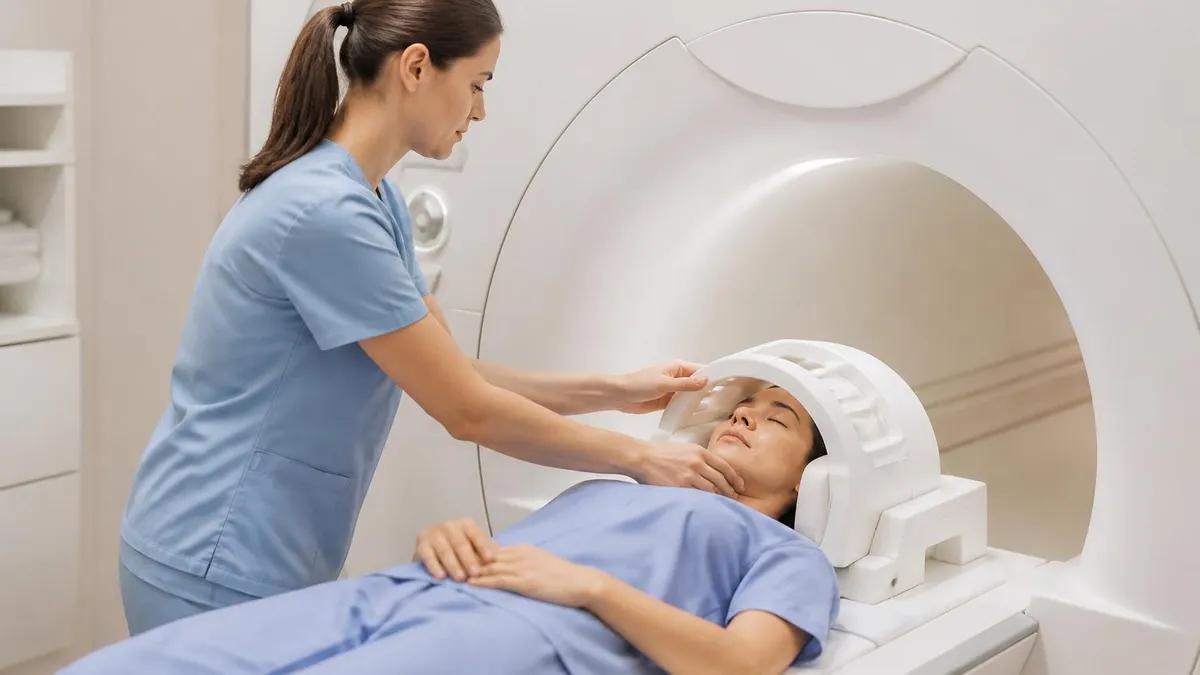
What Jersey Advanced MRI & Diagnostic Center Typically Offers
Most locations operate 1.5 Tesla scanners with select sites offering 3T units, suitable for neurological, musculoskeletal, abdominal, and breast MRI studies with diagnostic-grade image quality.
Wide-bore configurations accommodate patients up to roughly 450 pounds and reduce claustrophobia. Truly open MRI units exist at some locations for pediatric and anxious patients but trade off image resolution.
Multi-modality diagnostic centers typically offer CT, digital X-ray, ultrasound, and DEXA bone density alongside MRI, allowing physicians to order multiple studies at one location on the same day.
Board-certified radiologists either work onsite or via overnight teleradiology partnerships, with subspecialty reads in neuro, musculoskeletal, body, and breast imaging available at many locations.
Most outpatient centers accept Medicare, Medicaid, and major commercial plans including Aetna, Cigna, Horizon BCBS, and UnitedHealthcare, with cash discounts for uninsured patients booking in advance.
Reading patient reviews of any diagnostic imaging center requires the same skepticism you would apply to restaurant reviews, but with higher stakes. A single bad scan experience can color hundreds of words, while a routine smooth visit rarely motivates anyone to log in and leave a rating. As a result, online review distributions for medical facilities tend to be bimodal: lots of five-star ratings from happy patients prompted by the front desk, lots of one-star ratings from frustrated patients with billing or report-delay issues, and surprisingly few three-star middle ratings.
When you look at jersey advanced mri & diagnostic center reviews specifically, scroll past the headline star average and read the most recent twenty reviews carefully. Look for repeated themes. Three different reviewers mentioning the same friendly technologist by name is a strong positive signal. Three different reviewers mentioning surprise bills from an out-of-network radiology group is a serious warning sign that warrants a phone call before you book. If you have any concerns about an upcoming exam, a primer on mri with and without contrast cpt can help you ask the right questions.
Pay attention to the specifics reviewers describe about the actual scan. Did the technologist explain how long the study would take? Did they offer headphones with music? Were they responsive over the intercom when the patient pressed the panic button? Did they tell the patient when contrast was about to be injected? These small process details correlate strongly with overall scan quality because a technologist who cares enough to communicate is usually the same one who pays attention to positioning, coil selection, and sequence parameters.
Be cautious about reviews that focus entirely on cosmetic features of the waiting room or the parking lot. A beautiful lobby tells you nothing about whether your knee MRI will be diagnostic. Conversely, do not write off a center because the waiting room looks dated. Many of the best independent imaging centers in the country operate from unglamorous strip malls because every dollar goes into magnets and software upgrades rather than interior design.
Filter reviews by date when possible. A center that was a one-star nightmare in 2021 may have been acquired by a new operator, retrained its scheduling team, and replaced its 0.7T scanner with a 1.5T wide-bore in 2024. Reviews more than two years old often describe a fundamentally different facility. Conversely, a wave of negative reviews in the last six months even at a previously well-rated center suggests something has changed for the worse, perhaps a key radiologist departure or an ownership transition.
Cross-reference Google reviews against Yelp, Healthgrades, ZocDoc, and Facebook ratings. Sophisticated patients also check the American College of Radiology accreditation database, which lists which modalities at which addresses have passed peer-reviewed phantom testing and protocol audits. ACR accreditation does not guarantee a great experience, but its absence at a facility claiming high standards is a meaningful red flag worth asking about directly.
Finally, weight reviews from patients who explicitly mention referring physician feedback. A review that says my orthopedic surgeon told me the images were excellent quality is far more valuable than a five-star rating that only describes the parking. The whole point of an MRI is to produce a study a specialist can use to make decisions, so reviewers who report back on that downstream usefulness are giving you the most relevant data.
MRI Practice Test Questions
Prepare for the MRI - Magnetic Resonance Imaging exam with our free practice test modules. Each quiz covers key topics to help you pass on your first try.
MRI Knowledge
MRI Exam Questions covering Knowledge. Master MRI Test concepts for certification prep.
MRI Physics
Free MRI Practice Test featuring Physics. Improve your MRI Exam score with mock test prep.
MRI Anatomy and Pathology
MRI Test Prep for MRI Anatomy and Pathology. Practice MRI Quiz questions and boost your score.
MRI Anatomy and Positioning
MRI Questions and Answers on MRI Anatomy and Positioning. Free MRI practice for exam readiness.
MRI Contrast Agents
Free MRI Quiz on MRI Contrast Agents. MRI Exam prep questions with detailed explanations.
MRI Patient Care and Positioning
MRI Practice Questions for MRI Patient Care and Positioning. Build confidence for your MRI certification exam.
Evaluating MRI Equipment and Scan Quality at Imaging Centers
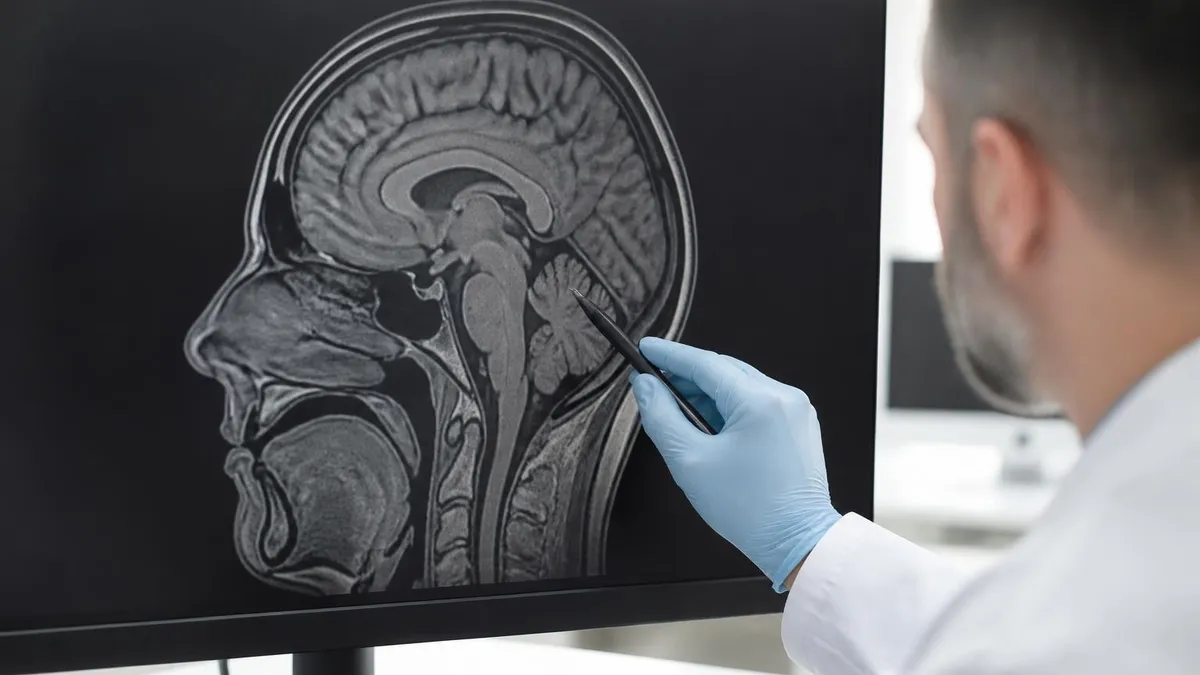
The dominant outpatient field strengths are 1.5 Tesla and 3 Tesla. A 1.5T magnet remains the workhorse of community imaging because it produces excellent diagnostic studies for nearly all musculoskeletal, abdominal, and pelvic indications while accommodating patients with a wider range of implants. Reviewers who praise image quality at Jersey Advanced and similar brands are usually describing studies done on modern 1.5T platforms with current software releases.
A 3T scanner doubles the field strength and is preferred for high-resolution brain, prostate, breast, and small joint imaging because the signal-to-noise ratio supports thinner slices. However, 3T is more sensitive to motion, metal, and susceptibility artifacts, so a poorly tuned 3T can produce worse images than a well-tuned 1.5T. When centers advertise 3T, ask whether the scanner is wide-bore and which body parts are routinely scanned on it.
Independent MRI Center vs Hospital Radiology: A Quick Comparison
- +Significantly lower cash and out-of-pocket pricing compared to hospital outpatient departments
- +Faster scheduling, often within 24 to 72 hours rather than one to three weeks
- +Shorter appointment durations because scheduling blocks are not shared with inpatients
- +More convenient locations with free parking and shorter check-in queues
- +Direct phone access to schedulers, technologists, and sometimes the reading radiologist
- +Newer scanner generations because imaging is the entire business
- +Patient-friendly hours including evenings and Saturdays at many locations
- −Limited handling of medically unstable or sedated patients without anesthesia support
- −Smaller subspecialty radiologist panels than large academic centers
- −Occasional surprise out-of-network billing when the radiology group differs from the facility
- −May not perform highly specialized studies like cardiac MRI or MR enterography
- −Less integrated with hospital electronic medical records
- −Cannot accept emergency or trauma referrals from physician offices
Pre-Appointment Checklist for Any Diagnostic Imaging Center
- ✓Verify the facility is ACR accredited for the specific modality you are scheduled for
- ✓Confirm the scanner field strength and bore size match what your physician ordered
- ✓Ask whether the facility is in-network for your insurance and request the CPT code in advance
- ✓Request a written estimate covering both facility and professional radiology fees
- ✓Ask how quickly the report will reach your referring physician after the scan
- ✓Bring a complete list of implants, surgeries, and any prior imaging on a CD or USB
- ✓Arrive 20 minutes early to complete the MRI safety screening form without rushing
- ✓Wear metal-free clothing or be prepared to change into a gown provided by the facility
- ✓Notify staff in advance if you suffer from claustrophobia so headphones or a blindfold can be ready
- ✓Confirm fasting requirements if your study involves contrast, sedation, or abdominal imaging
Ask Who Reads Your Scan, Not Just Who Takes It
The radiology group that interprets your study is often a separate business entity from the imaging center itself, and it may bill separately under a different tax ID. Before your appointment, ask the facility for the name of the reading radiology group and verify that group is also in-network with your insurance. This single question prevents the majority of surprise billing complaints in MRI center reviews.
Pricing transparency is the single most common driver of one-star reviews at independent imaging centers. The good news is that outpatient MRI is typically far cheaper than hospital MRI; the bad news is that the savings come with a more fragmented billing process that can confuse patients used to a single hospital invoice. Understanding the structure in advance prevents most of the disputes that show up in online review threads.
An MRI study generates two distinct charges. The technical fee covers the scanner, the technologist's time, the coils, the contrast media, and the facility overhead. The professional fee, also called the reading or interpretation fee, covers the radiologist's review of the images and the written report sent back to your ordering physician. At many independent centers, these two charges come from two different companies and arrive as two separate bills.
Cash-pay rates at outpatient centers like Jersey Advanced MRI typically run from about $400 for a non-contrast extremity study to $1,800 for a multi-region MRI with contrast. Hospital-based MRI of the same body part frequently costs $1,200 to $4,000 or more for the technical component alone. For patients with high deductibles, paying cash at an outpatient center often beats running the claim through insurance, and reputable centers will quote a single bundled price including the read.
For insured patients, the most important questions are whether the facility is in-network and whether the radiology group reading the scan is also in-network. A common pitfall is that the imaging center participates with your insurer but the radiology group does not, generating a balance bill weeks after the scan. The federal No Surprises Act protects against many such bills, but the rules around non-emergency outpatient imaging are narrower than around emergency care, so verification before booking is essential.
Medicare typically covers medically necessary MRI at outpatient facilities meeting Independent Diagnostic Testing Facility standards, with patient responsibility limited to the Part B deductible and 20 percent coinsurance unless a Medigap policy covers the balance. Medicaid coverage varies by state but generally includes outpatient MRI when ordered by a participating physician. Always ask the facility to verify benefits before the appointment to avoid mid-stream cancellations.
If you need a more comprehensive overview of how to evaluate any outpatient imaging facility on price and policy, our guide to MRI imaging centers covers the full vendor landscape, accreditation requirements, and how independent diagnostic testing facilities differ from hospital radiology departments in regulation and reimbursement.
Patients who write the most positive reviews almost always describe a financial counselor or front-desk staffer who walked them through their expected out-of-pocket cost before the scan was performed. Centers that bother to do this work upfront earn loyal patients and strong reputations. Centers that surprise patients with unexpected bills accumulate negative reviews quickly, regardless of how good their actual imaging is, because billing trust is foundational to the whole healthcare relationship.
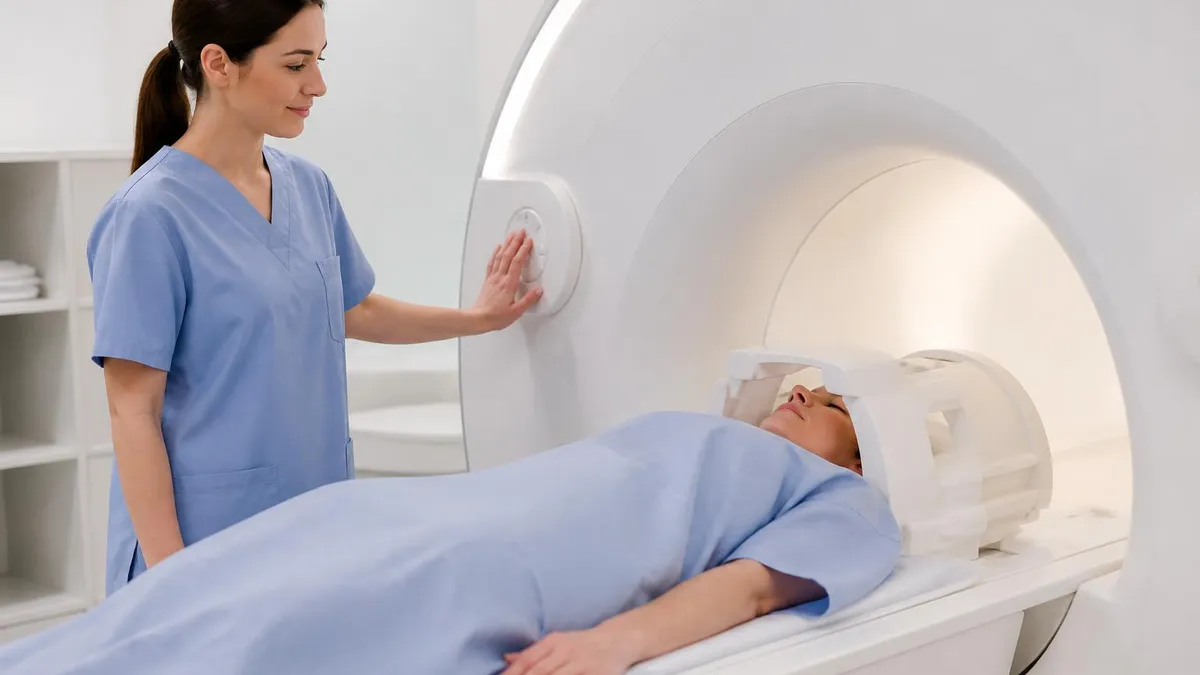
If you have a pacemaker, neurostimulator, cochlear implant, surgical clips, or any orthopedic hardware, bring the make, model, and serial number with you. Many newer cardiac devices are MR-conditional, but each has specific scanning rules. Failure to disclose an implant can cause device damage, severe burns, or even fatal arrhythmias. When in doubt, the technologist will pause the appointment and contact your cardiologist or surgeon.
How quickly and reliably the radiology report reaches your referring physician is one of the most important quality measures of any imaging center, yet it is rarely mentioned by name in patient reviews. Patients usually notice the result indirectly: their orthopedic surgeon called within 48 hours to schedule follow-up, or alternatively, they waited a week for results and had to chase the scheduler before anyone could find the report. The difference is operational discipline, and it varies dramatically between facilities.
The professional standard for routine outpatient MRI report turnaround is 24 to 48 hours from the time the scan is completed to the time the final signed report is delivered to the ordering physician. Urgent or stat reads should be delivered within hours. Centers using modern teleradiology platforms and electronic interfaces with referring practices typically meet or beat these benchmarks, while facilities still relying on fax-based delivery or overnight courier are often slower and more error-prone.
Patients should ask two specific questions before scheduling. First, what is the average report turnaround time for routine studies at this location? Second, how is the report transmitted to my doctor, by fax, by direct electronic interface, or through a portal the doctor's office must log into? Direct electronic interfaces are fastest and most reliable. Fax delivery still works but is more vulnerable to misrouting, particularly in larger physician groups with multiple locations.
Many reputable independent imaging centers, including Jersey Advanced MRI & Diagnostic mri center locations offer patients direct access to their own images and reports through a patient portal. This is genuinely useful because it allows you to share studies with second-opinion specialists without re-scanning, and it gives you a digital archive of your medical imaging history. If you understand mri medical abbreviation and how the modality fits into your overall diagnostic workup, you can use these portal images much more effectively during specialist visits.
Subspecialty radiology coverage is the next layer of quality. A general radiologist can interpret nearly any MRI competently, but subspecialty fellowship-trained radiologists in neuroradiology, musculoskeletal imaging, abdominal imaging, and breast imaging are demonstrably better at detecting subtle pathology in their domain. The best outpatient centers route studies to subspecialists when the indication calls for it, even when that requires teleradiology partnerships overnight or on weekends.
Reviewers who praise an imaging center for catching something my hospital missed are usually describing a subspecialty read or a particularly meticulous general radiologist. Conversely, the negative reviews that lead to malpractice claims almost always involve missed findings that a second reader caught later. Asking whether the facility has a peer review or double-read program for higher-risk studies, such as breast MRI or brain tumor follow-up, is a sign you are dealing with an unusually informed patient and a culture-of-quality center.
Finally, ask whether the facility supports image sharing through Ambra, PowerShare, or a similar cloud platform. Modern image sharing eliminates the old CD-and-courier model and lets specialists pull your study within minutes. This single technological detail accelerates downstream care dramatically and is becoming the new minimum standard at high-performing outpatient imaging centers across the country.
With all of that context in mind, here is how to approach booking a study at Jersey Advanced MRI & Diagnostic Center or any comparable outpatient facility in a way that maximizes your chances of a smooth experience and a diagnostic-grade result. Treat the process like buying a service you actually care about, not a default appointment your physician's office schedules without your input. A 10 minute phone call before booking saves hours of frustration on the back end.
Start by calling the facility directly rather than relying on the referring physician's scheduling staff to handle everything. Ask which location has the specific scanner generation appropriate for your study, confirm the field strength and bore size, and verify the in-network status of both the facility and the reading radiology group. Get the financial estimate in writing, ideally via email so you have documentation if billing later disputes the quoted amount.
Plan for the day itself. Eat a light meal unless you are fasting for contrast or abdominal imaging, drink water normally unless instructed otherwise, take your regular medications, and bring a list of all implants, surgeries within the last six weeks, and prior imaging on disc or USB. Wear comfortable metal-free clothing such as cotton sweatpants and a T-shirt without metallic prints or zippers, which lets you avoid changing into a gown if the facility allows it.
During the scan, communicate honestly with the technologist. If you feel claustrophobic, say so before going into the bore so they can position you feet-first when possible, give you a washcloth over your eyes, or provide music. If you need to move or feel unwell during the scan, press the panic button immediately rather than trying to tough it out, because a motion-corrupted study often has to be repeated entirely and you will spend more time in the magnet, not less.
After the scan, ask the technologist when you should expect the report to reach your referring physician and how to access your images yourself through the patient portal. Confirm that your contact information on file is correct so the facility can reach you if the radiologist has follow-up questions. Take a few minutes to fill out any patient satisfaction survey honestly, because those internal surveys influence staffing decisions and quality improvement at well-run centers.
If you have dangers of mri about a specific implant abdominal mri prep, consult resources like our guide on mri safety and compatibility, which walks through how MR-conditional cardiac devices interact with modern scanners. Bring printed documentation from the device manufacturer if possible, and have your cardiologist or surgeon's office available by phone in case the technologist needs to confirm scan parameters such as field strength limits or specific absorption rate thresholds.
Once your study is complete and the report has reached your physician, take a few minutes to leave an honest review. Whether your experience was excellent, average, or poor, the next patient choosing between imaging centers benefits enormously from your specific, dated, factual feedback. Mention the technologist, the bore size, the wait time, the billing experience, and how quickly the report arrived. Good reviews like that are exactly the kind of jersey advanced mri & diagnostic center reviews that genuinely help future patients make confident decisions.
MRI Questions and Answers
The History of MRI: From Discovery to Modern Medicine
MRI With and Without Contrast: How It Works, What to Expect
MRI Medical Abbreviation: What MRI Stands For and Why It Matters
MRI Imaging Centers: Complete Guide to Independent Outpatient MRI Facilities
St Jude Pacemaker MRI Compatibility List: A Complete Safety and Scanning Guide
About the Author

Medical Laboratory Scientist & Clinical Certification Expert
Johns Hopkins UniversityDr. Sandra Kim holds a PhD in Clinical Laboratory Science from Johns Hopkins University and is certified as a Medical Technologist (MT) and Medical Laboratory Scientist (MLS) through ASCP. With 16 years of clinical laboratory experience spanning hematology, microbiology, and molecular diagnostics, she prepares candidates for ASCP board exams, MLT, MLS, and specialist certification tests.
Join the Discussion
Connect with other students preparing for this exam. Share tips, ask questions, and get advice from people who have been there.
View discussion (8 replies)