
What Is LTO and What Does PDC LTO Mean? Complete Guide to the LTO Exam and Driver's License in the Philippines
What is LTO and what does PDC LTO mean? ✅ Learn LTO exam requirements, PDC process, and how to get your Philippine driver's license in 2026 September.

If you have been searching for answers to questions like what is LTO, what does LTO stand for, or what does LTO mean in the context of Philippine transportation, you have come to the right place. LTO stands for the Land Transportation Office, the Philippine government agency responsible for registering motor vehicles, licensing drivers, and enforcing traffic regulations nationwide. Understanding the PDC LTO process — which refers to the Practical Driving Course required before you can obtain a professional or non-professional driver's license — is essential for every aspiring driver in the Philippines.
The Land Transportation Office operates under the Department of Transportation (DOTr) and has been the backbone of Philippine road safety regulation for decades. Whether you are a first-time applicant or someone looking to renew or upgrade your license, the LTO governs every step of that journey. From submitting your application forms at an LTO branch to passing the written theoretical examination and completing the required practical driving course, every milestone is tracked and validated by the LTO system. Knowing what each phase requires can save you significant time, money, and frustration.
Many first-time applicants confuse the term PDC with other abbreviations in the LTO system. PDC stands for Practical Driving Course, a structured behind-the-wheel training program accredited by the LTO. Completing a PDC is mandatory for all applicants seeking a Student Permit or converting a Student Permit into a Non-Professional Driver's License (NPDL). The PDC ensures that drivers have basic vehicle-handling competence before they are granted the privilege of driving on public roads unsupervised, making it a cornerstone of road safety in the Philippines.
Understanding what an LTO is also means recognizing the breadth of services it provides. The LTO does not only issue driver's licenses — it also handles motor vehicle registration, motor vehicle inspection, apprehension of traffic violators, and the implementation of Republic Act No. 4136, also known as the Land Transportation and Traffic Code. This legislation defines everything from speed limits to vehicle roadworthiness standards. When you complete your lto pdc requirements and pass your exams, you are officially entering a system designed to protect both you and every other road user.
The LTO examination system is divided into multiple components that test both theoretical knowledge and practical skill. The written exam covers road signs, traffic rules, road safety principles, driver responsibilities, and penalties for violations. These topics align closely with the categories tested on LTO practice quizzes available through platforms like PracticeTestGeeks, which help applicants familiarize themselves with question formats and subject matter before sitting for the official test at an LTO branch.
One of the most common points of confusion for new applicants is the sequence of steps involved in obtaining a driver's license. The process begins with acquiring a Student Permit, which requires passing a written examination at an LTO office. After holding a Student Permit for a minimum period and completing a PDC with an accredited driving school, the applicant can apply for conversion to either a Non-Professional or Professional Driver's License. Each step involves fees, documentary requirements, and scheduling, all managed through the LTO system.
This comprehensive guide is designed to walk you through everything you need to know about the LTO, the PDC requirement, and how to prepare for your LTO exam effectively. Whether you are curious about what LTO means in a broader administrative sense, or you need a practical roadmap for earning your license in 2026, the sections below will provide clear, actionable information to guide your journey from complete beginner to licensed Philippine driver.
LTO and PDC by the Numbers

Step-by-Step LTO License Application Process
Gather Your Documents
Visit an LTO Office and Take the Written Exam
Receive Your Student Permit
Complete the Practical Driving Course (PDC)
Apply for License Conversion
Receive Your Driver's License
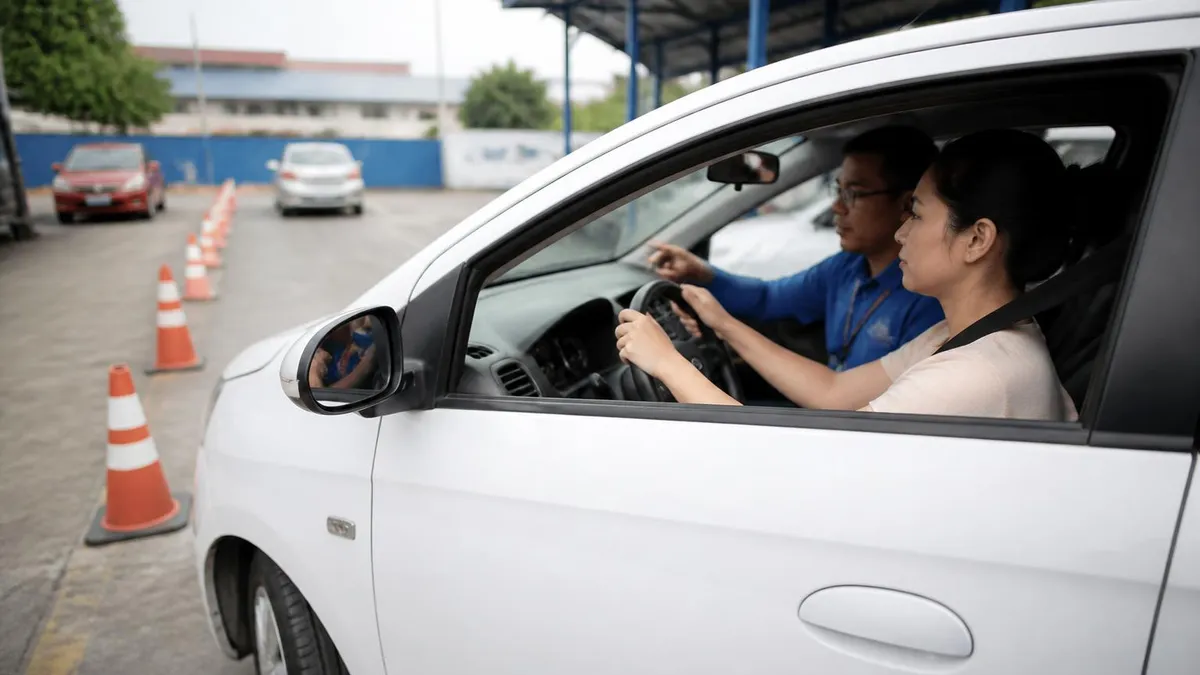
Understanding the full scope of what the LTO means in practice requires a closer look at the Practical Driving Course, commonly called the PDC. The PDC is not simply a formality — it is a structured educational program designed to produce competent, safety-conscious drivers. Accredited driving schools offering the PDC must follow LTO-prescribed curricula that cover vehicle familiarization, traffic rules application, defensive driving techniques, and emergency response procedures. The course is divided into theoretical classroom sessions and actual behind-the-wheel driving time supervised by certified instructors.
For the written component of the PDC, students learn how to read and respond to road signs, understand right-of-way rules, and identify potentially hazardous driving conditions. These classroom lessons reinforce and expand on the material covered during the LTO written exam. The practical component, meanwhile, teaches students how to perform basic driving maneuvers such as parking, reversing, lane changing, and navigating intersections. Instructors evaluate each student's ability to execute these maneuvers safely before issuing a Certificate of Completion.
The PDC requirement was formalized to address rising road accident statistics in the Philippines. Data from the Metropolitan Manila Development Authority (MMDA) and the LTO's own traffic enforcement records consistently showed that a large percentage of road accidents involved drivers who lacked proper training. By mandating a structured PDC before license issuance, the LTO aims to reduce accident rates and instill a culture of responsible driving from the very first time a person sits behind the wheel of a vehicle on a public road.
Choosing the right accredited driving school for your PDC is an important decision. Not all driving schools offer the same quality of instruction, so it pays to research schools in your area before enrolling. Look for schools that are officially listed on the LTO's roster of accredited institutions, have experienced and certified instructors, use well-maintained training vehicles, and have a strong track record of student success. You can verify a school's accreditation status by visiting the LTO's official website or inquiring at your local LTO district office.
The cost of the PDC varies by driving school and location. In Metro Manila, PDC packages typically range from ₱3,500 to ₱8,000 depending on the school's facilities and the number of driving hours included beyond the required minimum. Provincial driving schools may charge less, but quality can vary significantly. It is advisable to compare at least two or three schools before making a decision, paying attention to both price and the comprehensiveness of the curriculum they offer to ensure you receive genuine value for your investment.
After completing the PDC and receiving your Certificate of Completion, you must bring this certificate to the LTO when you apply for license conversion. The LTO verifies the authenticity of PDC certificates through coordination with accredited schools, so submitting a fraudulent certificate carries serious legal consequences, including disqualification and potential criminal liability. Always complete the PDC through a legitimate, LTO-accredited institution to protect your driving record and personal legal standing throughout the licensing process.
Many applicants wonder whether the PDC experience is sufficient preparation for driving independently on Philippine roads. While the PDC provides a solid foundation, ongoing practice and continued learning are equally important. Roads in the Philippines — particularly in urban areas like Metro Manila, Cebu, and Davao — can be complex and unpredictable. Supplementing your PDC training with additional practice sessions, studying defensive driving strategies, and staying updated on LTO regulations through resources like PracticeTestGeeks will help you become not just a licensed driver, but a genuinely skilled and responsible one who contributes positively to road safety.
LTO Exam Topics: What Does the Written Test Cover?
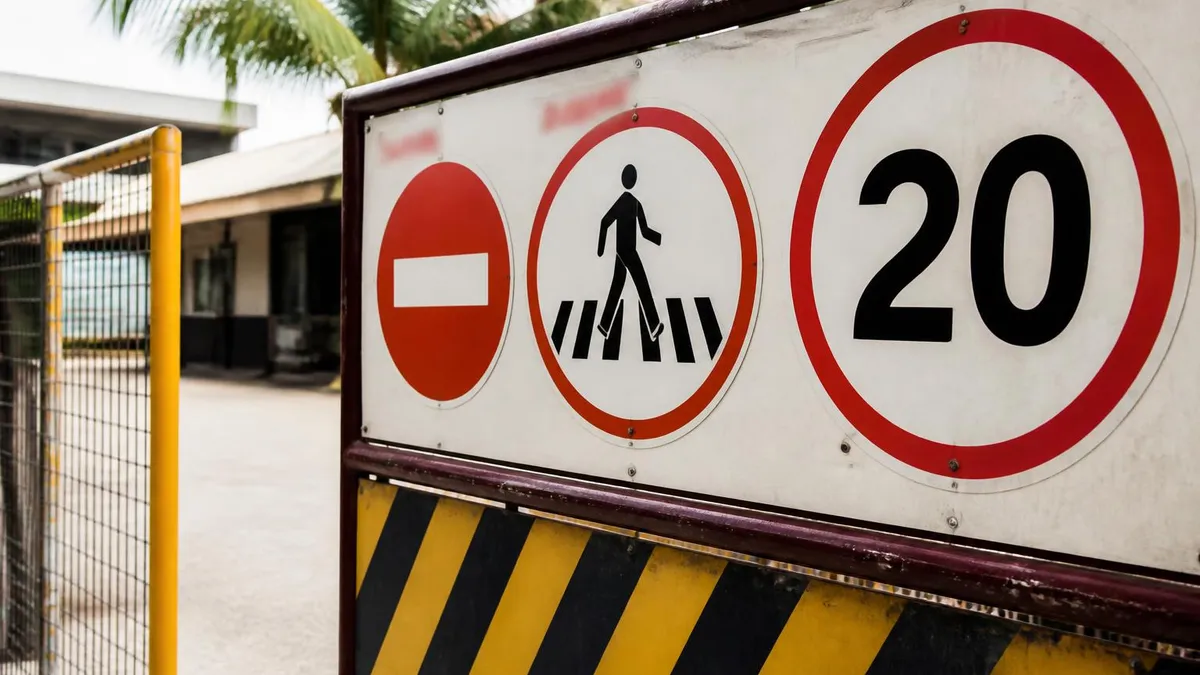
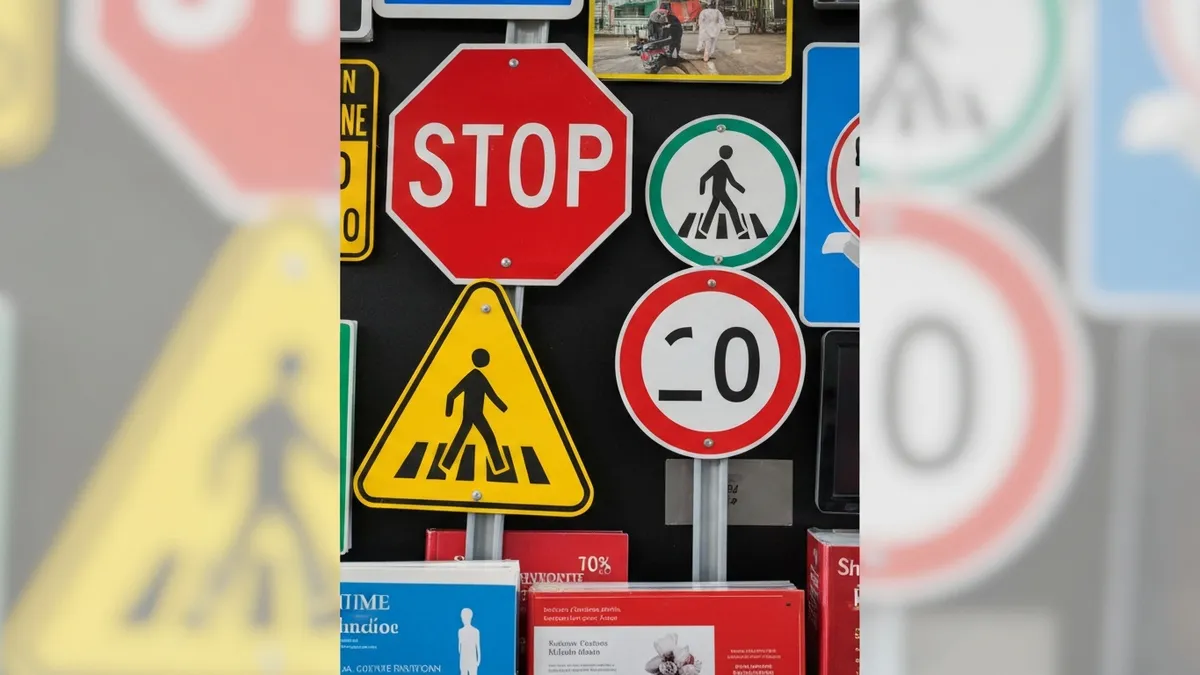
The LTO written exam dedicates a significant portion of its questions to road signs and pavement markings. Applicants must be able to identify regulatory signs such as stop signs and speed limit markers, warning signs that alert drivers to hazards ahead, and informational signs that provide guidance on routes and destinations. Understanding the color coding system — red for prohibition, yellow for caution, green for guidance — is essential for answering these questions correctly and for safe driving on actual roads.
Pavement markings are equally important and often tested through scenario-based questions. Yellow center lines, white lane dividers, crosswalk markings, and no-parking zones all carry specific meanings that drivers must respect. The LTO exam may present images or written descriptions of road scenarios and ask what the correct driver action should be based on the markings present. Practicing with image-based quiz questions on platforms like PracticeTestGeeks significantly improves visual recognition speed and accuracy under timed exam conditions.
Pros and Cons of Taking the LTO Exam Without Prior Preparation
- +Saves time if you already have strong existing knowledge of traffic rules
- +You may discover which specific topics need more study by identifying gaps during the test
- +Walking in with confidence can reduce test-day anxiety for some applicants
- +Avoids spending money on prep courses or materials if you pass on the first try
- +Helps you gauge the difficulty level of actual LTO exam questions firsthand
- +Some experienced drivers with informal road knowledge may perform adequately
- −High risk of failing since the exam covers specific Philippine regulations not all drivers know
- −Failing means repaying exam fees and scheduling a re-examination at the LTO office
- −Unfamiliarity with question formats can cause confusion and time pressure during the test
- −Gaps in knowledge about road signs can lead to low scores on the largest question category
- −Missing penalty amounts or violation classifications is common without dedicated study
- −Failed attempts delay your Student Permit issuance and push back your entire licensing timeline
LTO Exam Preparation Checklist: What to Do Before Test Day
- ✓Gather all required documents: valid government ID, accomplished ADL form, medical certificate, and TIN.
- ✓Visit an LTO-accredited medical clinic to obtain a valid medical examination certificate.
- ✓Study the official LTO reviewer covering road signs, traffic rules, and driver responsibilities.
- ✓Complete at least three full-length LTO practice exams using PracticeTestGeeks quizzes.
- ✓Review all pavement markings and color-coded road sign categories until you can identify them instantly.
- ✓Memorize traffic violation penalties under the Land Transportation and Traffic Code (RA 4136).
- ✓Study the Anti-Drunk and Drugged Driving Act (RA 10586) penalties and enforcement procedures.
- ✓Confirm the LTO branch schedule and arrive at least 30 minutes before your target appointment time.
- ✓Prepare the exact exam fee amount in cash, as many LTO offices do not accept card payments.
- ✓Review defensive driving principles and right-of-way rules for intersections the night before the exam.
75% Passing Score — Know Your Minimum Target
The LTO written exam consists of 60 questions and requires a minimum passing score of 75 percent, which means you must answer at least 45 questions correctly. Applicants who score below this threshold must retake the exam and pay the associated fees again. Targeting a score of 85 percent or higher during practice sessions provides a comfortable buffer and ensures that exam-day nerves do not push you below the required minimum.
Passing the LTO written exam is achievable for any applicant who dedicates sufficient time to structured preparation. The key to success lies not in memorizing thousands of random facts, but in developing a solid understanding of the core principles that underpin Philippine traffic law and road safety culture. When you understand why certain rules exist — for example, why speed limits are lower near schools or why right-of-way rules at intersections follow a specific hierarchy — remembering the specific rules becomes far more natural and intuitive than rote memorization alone.
One of the most effective preparation strategies is to take full-length practice exams under timed conditions. The actual LTO written exam is computerized and timed, so practicing on a computer or device with a timer active helps you build the mental stamina and pacing skills needed to complete all 60 questions without running out of time. PracticeTestGeeks offers free LTO practice quizzes across all major exam categories, allowing you to identify weak areas and focus your remaining study time where it will have the greatest impact on your final score.
Road signs deserve particular attention during exam preparation because they account for a disproportionately large number of questions on the LTO written exam. Philippine roads use a combination of regulatory, warning, and informational signs that follow international conventions with local modifications. Many applicants are surprised to discover they have been misinterpreting certain signs they have seen on roads their entire lives. Systematically going through each category of sign — from yield and no-entry markers to specific speed restrictions and construction zone warnings — with accompanying practice questions solidifies recognition and recall under exam pressure.
Traffic violation penalties are another area where many applicants lose points unnecessarily. The LTO written exam tests specific knowledge of fine amounts, license suspension durations, and the circumstances under which certain penalties apply. For example, the penalty for a first-offense seatbelt violation differs from a second offense, and the fines for using a mobile phone while driving have been updated under recent legislation. Keeping a reference sheet of current penalty schedules and reviewing it regularly in the week before your exam significantly reduces the chance of losing points on these question types.
Understanding the difference between regulatory and advisory road rules is also important for exam success. Regulatory rules — such as stopping at red lights, yielding to pedestrians in crosswalks, and maintaining minimum following distances — are legally mandatory and violations result in fines or penalties.
Advisory rules — such as suggested speed limits on certain road curves — are recommendations designed to enhance safety but do not carry the same mandatory legal weight. The LTO exam frequently tests whether applicants understand this distinction, particularly in scenario-based questions where the correct answer depends on identifying whether a rule is regulatory or advisory.
Time management during exam preparation is just as important as the content you study. Spreading your study sessions across multiple days rather than cramming everything the night before leads to significantly better retention. Research on effective learning consistently shows that spaced repetition — reviewing material at increasing intervals over time — produces more durable memory than a single intensive cramming session. Aim to study LTO exam material for 30 to 45 minutes per day across the two weeks leading up to your scheduled exam date, covering one or two topic areas per session before moving on to the next.
Finally, do not underestimate the value of discussing exam material with others who have recently passed the LTO written exam. Friends, family members, or online communities of LTO applicants can share insights about question types they encountered, topics that were emphasized more heavily than expected, and practical tips for navigating the LTO office on exam day. While the official LTO written exam is periodically updated, general patterns in question format and topic coverage tend to remain consistent, making peer insights a genuinely useful supplement to formal study materials.
Your LTO Student Permit is valid for only one year from the date of issuance. If you fail to complete your PDC and apply for license conversion before it expires, you will need to go through the entire application process again from the beginning — including retaking the written exam and paying all associated fees. Plan your PDC enrollment and license conversion timeline immediately after receiving your Student Permit to avoid this costly and time-consuming setback.
Once you have passed the LTO written exam and received your Student Permit, the journey to a full driver's license enters its most practical phase: completing the Practical Driving Course and converting your permit into a Non-Professional Driver's License. This phase requires careful coordination between you, your chosen driving school, and the LTO. Understanding the requirements and timeline for each step helps you avoid delays and ensures a smooth transition from student driver to fully licensed motorist in the Philippines.
Enrolling in a PDC should be done as soon as possible after receiving your Student Permit, given the one-year validity window. Contact multiple LTO-accredited driving schools in your area to compare availability, pricing, and schedules. Most driving schools offer both weekday and weekend session options to accommodate working applicants. When enrolling, bring your Student Permit and a valid ID, as the driving school must record your permit details and report your enrollment to the LTO as part of their accreditation obligations.
During the PDC, you will work through both classroom instruction and actual driving time with a certified instructor. Pay close attention to the classroom sessions even if you feel confident about your theoretical knowledge — driving schools are required to cover topics that directly correlate with the LTO's practical driving evaluation criteria. Topics like vehicle pre-departure inspection, smooth gear transitions, defensive driving gap management, and proper signaling before maneuvers are all areas where students are evaluated during the practical component of the PDC assessment.
Upon completing all PDC sessions and passing the driving school's internal evaluation, you will receive a Certificate of Completion. Keep this document safe — it is a critical piece of documentation for your license conversion application and cannot be easily replaced if lost. The certificate includes your name, Student Permit number, the name of the accredited driving school, the dates of your training, and the instructor's signature and the school's official seal, all of which the LTO verifies during license conversion processing.
Returning to the LTO for license conversion requires you to submit a complete set of documents. Typically required are your Student Permit, the PDC Certificate of Completion, a valid medical certificate, a completed application form, and payment for the license fee. Some LTO branches also conduct a brief practical driving test within the LTO compound as part of the conversion process, particularly for Non-Professional Driver's License applicants. Check with your specific LTO branch in advance to determine whether this additional step applies to your application.
After submitting all documents and fees, the LTO will process your license application. Processing times vary by branch, but most applicants receive their physical license card within a few weeks. In the interim, the LTO may issue a temporary operator's permit (TOP) that authorizes you to drive legally while your permanent license card is being printed and prepared. The TOP carries the same legal weight as a full license for the specified validity period, so you do not need to wait for the plastic card before driving on your own.
Your Non-Professional Driver's License is valid for five years from the date of issuance. The LTO will mail renewal reminders, but it is ultimately your responsibility to track your license expiry date and initiate the renewal process before your license lapses. Driving with an expired license is a traffic violation that carries penalties under LTO regulations. Planning ahead by scheduling your renewal several months before the expiry date avoids long queues and gives you time to address any documentation issues that might arise during the renewal process.
Building lasting road safety habits begins long before you receive your driver's license and continues well after. The LTO's licensing system is designed to filter out candidates who lack the knowledge and responsibility to drive safely, but the real measure of a good driver is behavior on the road after the license is granted. Committing to defensive driving principles, staying current with changes in traffic regulations, and maintaining your vehicle in roadworthy condition are practices that all licensed drivers should embrace as ongoing professional responsibilities, not just requirements to check off during the licensing process.
Defensive driving is one of the most valuable skills you can develop as a driver in the Philippines. Unlike aggressive driving, which prioritizes speed and personal convenience over safety, defensive driving anticipates the mistakes of other road users and positions you to respond safely before those mistakes escalate into accidents. Key defensive driving habits include maintaining a following distance of at least two seconds behind the vehicle ahead, continuously scanning the road for potential hazards at least 12 seconds ahead, and avoiding sudden lane changes or braking maneuvers that can surprise drivers behind you.
Vehicle maintenance is another dimension of responsible driving that the LTO addresses through its annual motor vehicle inspection system. All registered vehicles must pass an LTO-conducted inspection that checks brake performance, tire condition, lighting systems, emissions output, and overall structural integrity. Keeping your vehicle in good mechanical condition not only ensures it passes inspection but also significantly reduces the risk of mechanical failure on the road, which is a leading cause of accidents particularly on provincial highways where help may not be immediately available.
Staying informed about updates to LTO regulations is important for all licensed drivers, not just applicants. The LTO periodically revises traffic rules, updates penalty schedules, and implements new programs such as the LTMS (Land Transportation Management System) portal for online transactions. Following official LTO announcements through their verified social media channels and official website ensures you are always working with the most current information, whether you are renewing your license, registering a vehicle, or contesting a traffic apprehension notice.
The LTO also plays a role beyond individual drivers — it manages the broader ecosystem of commercial vehicle operators, public utility vehicle (PUV) franchises, and transport network vehicle service (TNVS) providers. If you eventually aspire to a Professional Driver's License that allows you to drive for hire, the LTO requirements become more stringent, including additional documentary submissions, a drug test, and certification from a recognized driving school. Understanding these expanded requirements early helps professional driving aspirants plan their career pathway more effectively.
For those interested in LTO exam preparation specifically, resources like PracticeTestGeeks offer a structured and efficient path to exam readiness. The platform's topic-organized quizzes allow you to address each exam category systematically, track your progress over multiple practice sessions, and build confidence by repeatedly achieving high scores before sitting for the real exam. Combining these digital resources with the official LTO reviewer booklet available at LTO offices and accredited driving schools creates a comprehensive preparation strategy that covers all possible angles of the written examination.
Remember that passing the LTO exam is the beginning of your driving education, not the end. The knowledge you demonstrate on the written exam and the skills you build during the PDC form the foundation of a lifetime of responsible driving. Every time you choose to follow traffic rules, yield when required, and drive defensively, you are making a direct contribution to the safety of Philippine roads. The LTO system exists to create that culture of responsibility at scale — and your individual commitment to safe driving practices is what makes that system work in practice.
LTO Questions and Answers

LTO License Renewal Guide Philippines 2026 — Requirements and Process
LTO Traffic Violations Philippines 2026 — Fines and Penalties Guide

LTO Plate Number Tracker: What Is LTO, What Does LTO Stand For, and How to Track Your Vehicle Registration in 2026

LTO Plate Registration: What Is LTO, What Does LTO Stand For, and How Vehicle Registration Works in 2026

TMC Exam Review: What Is LTO, What Does LTO Stand For, and How to Pass Your Driver's License Test
About the Author

Educational Psychologist & Academic Test Preparation Expert
Columbia University Teachers CollegeDr. Lisa Patel holds a Doctorate in Education from Columbia University Teachers College and has spent 17 years researching standardized test design and academic assessment. She has developed preparation programs for SAT, ACT, GRE, LSAT, UCAT, and numerous professional licensing exams, helping students of all backgrounds achieve their target scores.
Join the Discussion
Connect with other students preparing for this exam. Share tips, ask questions, and get advice from people who have been there.
View discussion (8 replies)