
LTO Traffic Violations Philippines 2026 September — Fines and Penalties Guide
🟢 Free LTO Traffic Violations Philippines 2026 September practice test with questions and answer explanations. Prepare for the 2026 September exam with instant scoring.
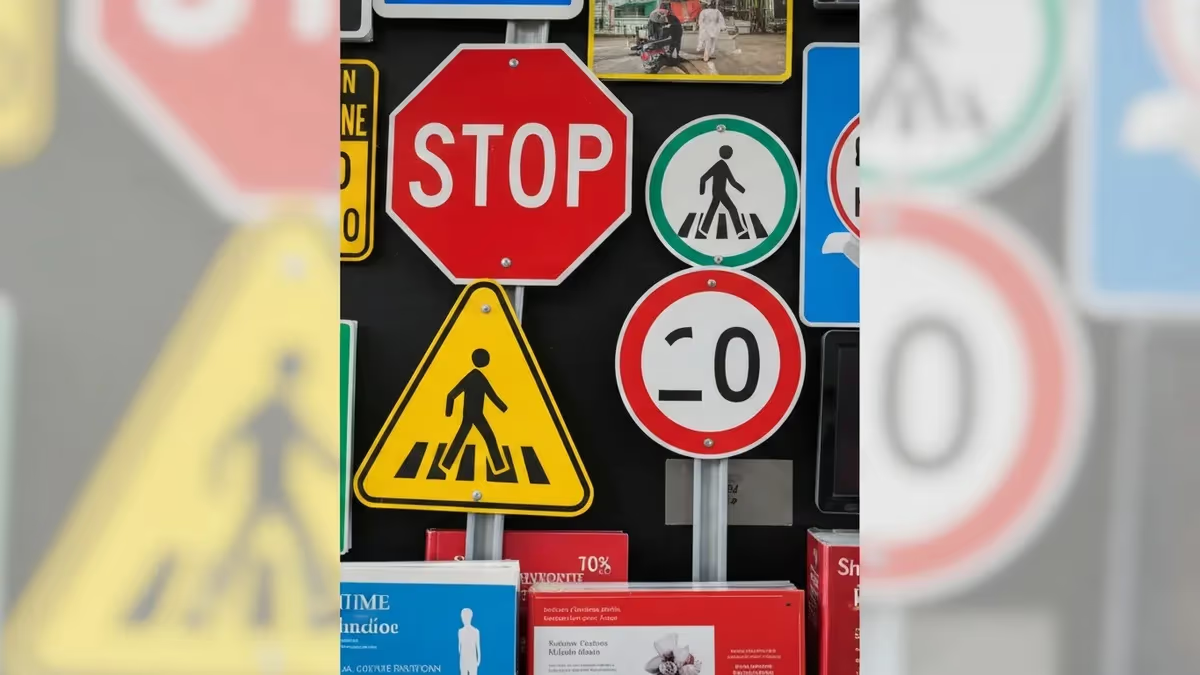
Philippine Traffic Law: RA 4136 vs MMDA Ordinances
Two overlapping legal frameworks govern traffic violations in the Philippines. Knowing which authority issued your citation determines where you pay and how you contest it.
Republic Act 4136 — Land Transportation and Traffic Code is the primary national traffic law, enacted in 1964 and still in force. RA 4136 defines the legal requirements for driver licensing, vehicle registration, allowable vehicle dimensions, speed limits, right-of-way rules, and the baseline penalties for violations committed anywhere in the country. The LTO enforces RA 4136 on national roads and at its district offices nationwide. Violations of RA 4136 are recorded against your license record and can result in suspension or revocation for repeat offenses.
MMDA (Metro Manila Development Authority) Ordinances apply specifically within the 17 cities and municipalities of Metro Manila. The MMDA issues Memorandum Circulars that set additional rules — coding (UVVRP), pedestrianization rules, no-contact apprehension cameras, and specific fines for Metro Manila roads. MMDA citations are paid at MMDA offices or online through their portal, separate from LTO.
Several other laws interact with traffic enforcement: RA 10586 (Anti-Drunk and Drugged Driving Act), RA 10913 (Anti-Distracted Driving Act), RA 8750 (Seat Belts Use Act), and RA 10054 (Motorcycle Helmet Act). Questions about these laws regularly appear on the LTO computer-based test, so study them carefully using the LTO exam reviewer practice tests before your exam date.
If you are still completing the requirements to get your license, review the full process in the LTO Philippines driver's license complete guide which covers every step from student permit to full non-professional or professional license.
Traffic Violation Fine Amounts in Philippine Pesos (PHP)
Fines vary depending on whether the violation falls under LTO/RA 4136 jurisdiction or MMDA ordinances, and whether it is a first, second, or subsequent offense. The amounts below reflect current schedules as of 2026.
Moving Violations — LTO (RA 4136 Base Fines)
- Speeding (exceeding posted limit): ₱1,200 first offense; ₱2,400 second offense; ₱3,600 + license suspension third offense. Under RA 4136, the national speed limit is 80 km/h on open highways and 60 km/h in residential/commercial zones unless otherwise posted.
- Reckless driving: ₱2,000 first offense; ₱3,000 second offense; ₱5,000 + license suspension/revocation for subsequent offenses.
- Running a red light / beating yellow light: ₱1,000–₱2,000 under MMDA; ₱2,000–₱5,000 if caught on MMDA no-contact apprehension cameras (NCACameras).
- Illegal overtaking: ₱1,000–₱2,000 depending on where the violation occurred and applicable ordinance.
- Failure to yield to pedestrians: ₱1,000 MMDA fine; higher penalties if injury results.
- Driving Under the Influence (DUI) — RA 10586: First offense: ₱20,000 fine + 3-month license suspension. Second offense: ₱80,000 + 2-year suspension. Third offense: ₱500,000 + permanent revocation + criminal charges.
- Distracted driving (mobile phone use) — RA 10913: First offense: ₱5,000. Second offense: ₱10,000. Third offense: ₱15,000 + 3-month license suspension.
- No seat belt — RA 8750: ₱1,000 per unbelted passenger (driver + all passengers).
- No motorcycle helmet — RA 10054: ₱1,500 first offense; ₱3,000 second offense; ₱5,000 + license suspension third offense. Non-standard helmets (not DOT/SNELL-approved) carry the same penalty.
Non-Moving Violations — MMDA
- Illegal parking / obstruction: ₱1,000–₱2,000; vehicle may be towed (₱1,500 towing fee + ₱500/day impounding).
- Double parking: ₱2,000 + towing.
- Parking on yellow curb / fire lane: ₱2,000 + towing.
- UVVRP (number coding) violation: ₱300 first offense; ₱500 second offense; ₱1,000 + vehicle impounding for third and subsequent offenses.
- No-contact apprehension (NCA) violations: ₱2,000–₱5,000 via mailed citation to registered vehicle owner.
Driver License Violations — LTO
- Driving without a license (no license): ₱3,000 first offense + vehicle impounding; ₱5,000 + 6-month impounding for subsequent offenses.
- Expired license: ₱3,000 (same penalty as driving without a license under LTO policy).
- Student permit without licensed companion: ₱3,000 fine.
- Driving beyond restriction code: ₱3,000 fine + possible license suspension (e.g., driving a motorcycle on a license restricted to cars only).
Vehicle Registration Violations — LTO
- Expired OR/CR (Certificate of Registration): ₱10,000 + vehicle impounding until regularized.
- No TPL (third-party liability) insurance: Vehicle cannot be registered; penalty for operating without is ₱10,000 + impounding.
- No OR/CR on person: ₱450 (failure to carry documents).
For a deeper review of the traffic laws tested on the LTO exam, including speed limits, road signs, and right-of-way rules, visit the LTO theoretical exam guide.
How the Apprehension Procedure Works
When an LTO or traffic enforcer flags you down for a violation, the procedure is standardized under LTO regulations:
- Pull over safely — the enforcer will signal you to stop. Park safely on the right shoulder or nearest safe area and switch on hazard lights.
- Present your documents — hand over your driver's license, OR, and CR when asked. The enforcer is required to show their ID and badge upon request.
- Receive the Traffic Violation Receipt (TVR) — the enforcer issues a TVR (also called a ticket). Your driver's license is confiscated and replaced by the TVR as your temporary driving authority for 72 hours.
- Do not pay on the spot — roadside payment is bribery and is illegal. The TVR directs you to an LTO office or MMDA office to settle the fine and retrieve your license.
- Redeem your license within 72 hours — pay the fine at the designated LTO district office or MMDA office. Failure to redeem within 72 hours adds a surcharge.
If you believe the apprehension was erroneous, you may contest it at the LTO district office or MMDA adjudication desk. Bring the TVR, your documents, and any evidence (dashcam footage, photos). Contesting does not waive the 72-hour redemption period — pay under protest if needed to retrieve your license.
Enforcer misconduct (demanding roadside payment, no badge, no TVR issuance) should be reported to the LTO Anti-Fixing Unit hotline: 1-342-LTO (586) or via the LTO online complaint portal.
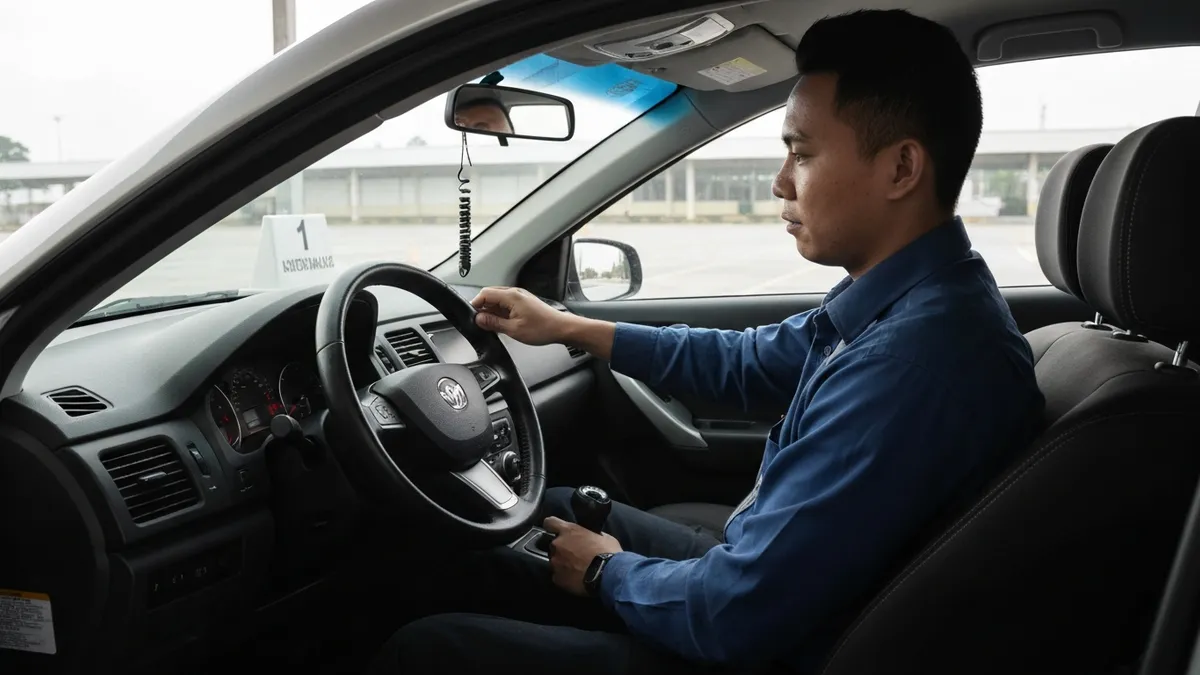
- ✓Valid driver's license (not expired, correct restriction code for your vehicle)
- ✓Vehicle Official Receipt and Certificate of Registration (OR/CR) on hand
- ✓Current LTO registration sticker displayed on windshield
- ✓Valid TPL (Third-Party Liability) insurance certificate
- ✓Seat belt worn by driver and all front-seat passengers (RA 8750)
- ✓Mobile phone kept away while driving — hands-free only (RA 10913)
- ✓Motorcycle helmet that meets DOT or SNELL safety standard (RA 10054)
- ✓No alcohol or prohibited substances before driving (RA 10586 blood alcohol limit: 0.05%)
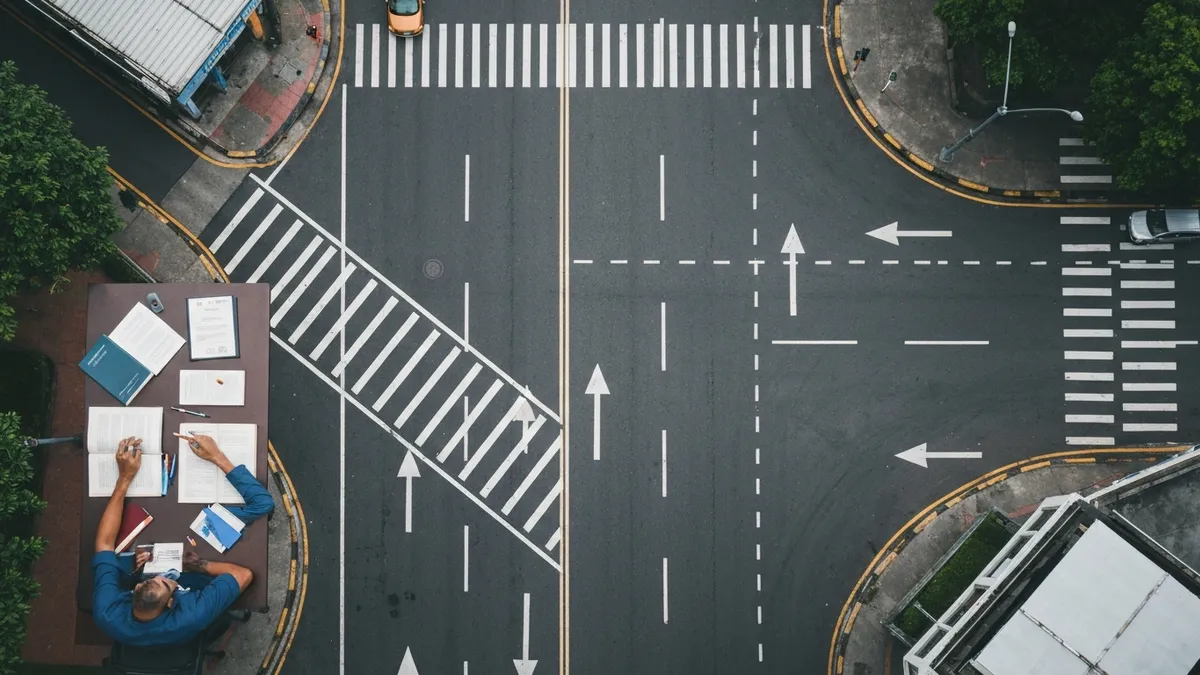
TVSC — Traffic Violation Spot Checking
The Traffic Violation Spot Checking (TVSC) system is the LTO's computerized program for monitoring driver violation records. It is the database that enforcers query to check whether a driver has outstanding TVRs, delinquent fines, or a suspended/revoked license before returning a confiscated license or approving a renewal.
Under the TVSC system:
- Every TVR issued is encoded into the TVSC database within 24–48 hours of issuance.
- A driver with 3 or more unsettled TVRs may have their license flagged for suspension review by the LTO district office.
- Outstanding violations appear during license renewal — you cannot renew an LTO license with unpaid fines.
- Drivers can check their own TVSC record via the LTO Online Verification System (LOVS) at lto.gov.ph using their license number.
The TVSC is separate from the MMDA's own violation database. A fine paid at the MMDA will not automatically clear from the LTO TVSC system if the same incident was encoded by both agencies — always verify clearance in both systems after paying.
To avoid issues during your license renewal, make sure all violations are settled at least one week before your renewal appointment. The LTO renewal process is covered in detail in the LTO license renewal guide.
Violations Tested on the LTO Written Exam
The LTO computer-based test (CBT) regularly includes 5–10 questions about traffic violations, fines, and penalties. Topics most commonly tested include:
- The speed limit on open highways under RA 4136 (80 km/h) and in residential zones (60 km/h)
- The blood alcohol concentration (BAC) limit for non-professional drivers under RA 10586 (0.05%)
- The penalty for driving without a license (₱3,000 first offense)
- What the driver must do when apprehended (pull over, present documents, accept TVR — do NOT pay roadside)
- Helmet requirements under RA 10054 (DOT or SNELL standard, both rider and passenger)
- Seat belt requirements under RA 8750 (all front-seat occupants)
- Distracted driving penalties under RA 10913
Before your exam, complete the LTO student permit guide for the full requirements checklist, and practice with the LTO exam questions with video answers to see real violations-and-penalties questions with explanations. You can also take a full simulation at the LTO practical test guide after passing the written exam.
- +Validates your knowledge and skills objectively
- +Increases job market competitiveness
- +Provides structured learning goals
- +Networking opportunities with other certified professionals
- −Study materials can be expensive
- −Exam anxiety can affect performance
- −Requires dedicated preparation time
- −Retake fees apply if you don't pass
About the Author

Educational Psychologist & Academic Test Preparation Expert
Columbia University Teachers CollegeDr. Lisa Patel holds a Doctorate in Education from Columbia University Teachers College and has spent 17 years researching standardized test design and academic assessment. She has developed preparation programs for SAT, ACT, GRE, LSAT, UCAT, and numerous professional licensing exams, helping students of all backgrounds achieve their target scores.
Join the Discussion
Connect with other students preparing for this exam. Share tips, ask questions, and get advice from people who have been there.
View discussion (8 replies)