
LTO Plate Registration: What Is LTO, What Does LTO Stand For, and How Vehicle Registration Works in 2026 September
What is LTO? Learn what LTO stands for, how plate registration works, fees, requirements & tips for 2026 September. ✅ Complete guide for Filipino drivers.
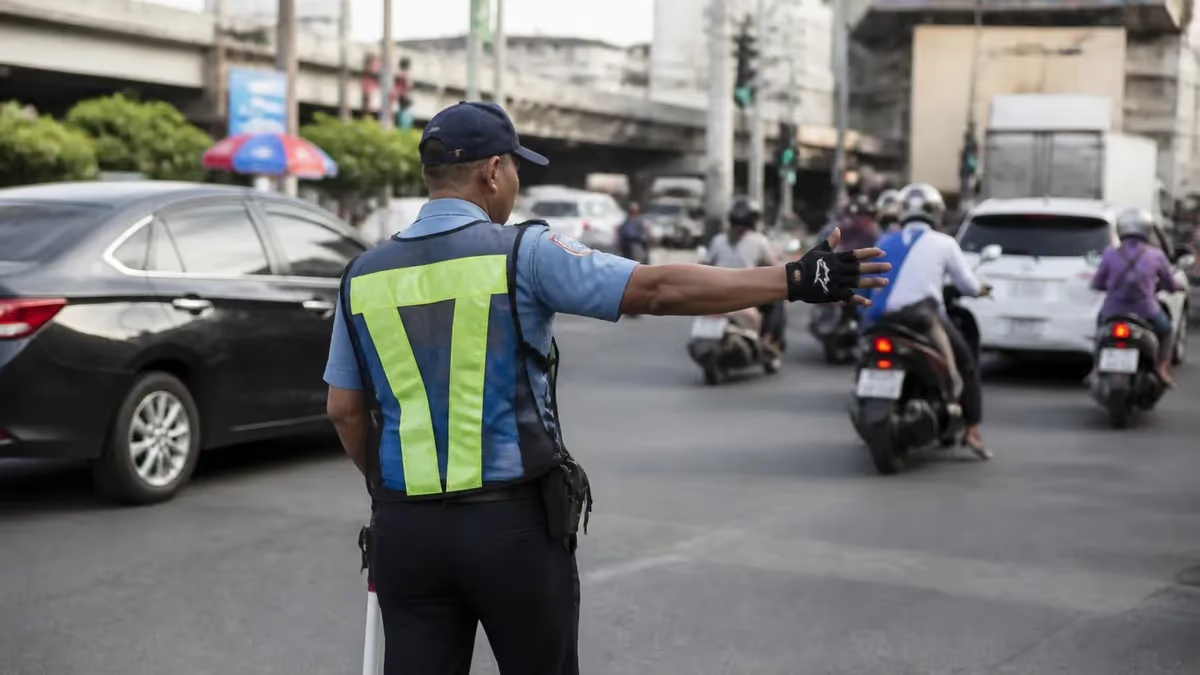
If you have ever wondered what is LTO and why it matters every time you drive on Philippine roads, you are not alone. The Land Transportation Office — commonly abbreviated as LTO — is the government agency responsible for regulating land transportation in the Philippines. One of its most critical functions is overseeing LTO plate registration, the process by which every motor vehicle receives an official license plate that legally identifies it on public roads. Without a valid plate and registration, driving is not only illegal but also exposes you to fines and penalties.
Understanding what LTO stands for goes beyond simply knowing the acronym. The LTO enforces road safety standards, manages driver licensing, and maintains records of all registered vehicles across the country. When you complete LTO plate registration, you are formally entering your vehicle into the national database, which authorities use to track ownership, verify insurance, and investigate traffic violations. This registration must be renewed annually, making it one of the most recurring interactions Filipino vehicle owners have with the government.
Many first-time vehicle owners confuse LTO plate registration with motor vehicle inspection or insurance. In reality, plate registration is a distinct process that involves verifying your vehicle's identity, confirming it meets roadworthiness standards, and issuing or revalidating the official plate assigned to your car, motorcycle, or truck. The plate number serves as your vehicle's permanent identifier — it does not change even when ownership transfers, unlike in some other countries.
The question of what does LTO mean also extends to its authority over driver licensing. You cannot legally operate a vehicle without both a valid driver's license issued by the LTO and a properly registered vehicle with current plates. These two systems work together: your license identifies you as a qualified operator, while your plate registration identifies the vehicle you are legally permitted to drive. Both must remain current to avoid penalties during traffic stops or checkpoints.
For new vehicle buyers, the plate registration process can feel overwhelming. Dealerships typically handle initial registration for brand-new units, but owners of secondhand vehicles must navigate the transfer and registration process themselves. If you need guidance on how to check plate number in lto, that resource walks you through verifying your registration status and ensuring your records are accurate before visiting an LTO office.
LTO plate registration fees, timelines, and requirements have evolved significantly over the past few years, particularly as the LTO modernized its systems with online portals and electronic payment options. Whether you are registering a brand-new vehicle, renewing an existing registration, or transferring ownership of a secondhand unit, knowing the current rules saves you time, money, and frustration. This guide covers everything you need to know about LTO plate registration in 2026 — from what the agency does to the exact steps and costs involved.
Beyond the practical mechanics, understanding the LTO's role helps you become a more informed and responsible driver. The agency's plate registration system is the backbone of vehicle accountability in the Philippines. When plates are current and records are accurate, law enforcement can quickly identify stolen vehicles, resolve accident claims, and enforce traffic laws more effectively. Staying compliant with LTO plate registration requirements is not just a legal obligation — it is a contribution to safer roads for everyone.
LTO Plate Registration by the Numbers
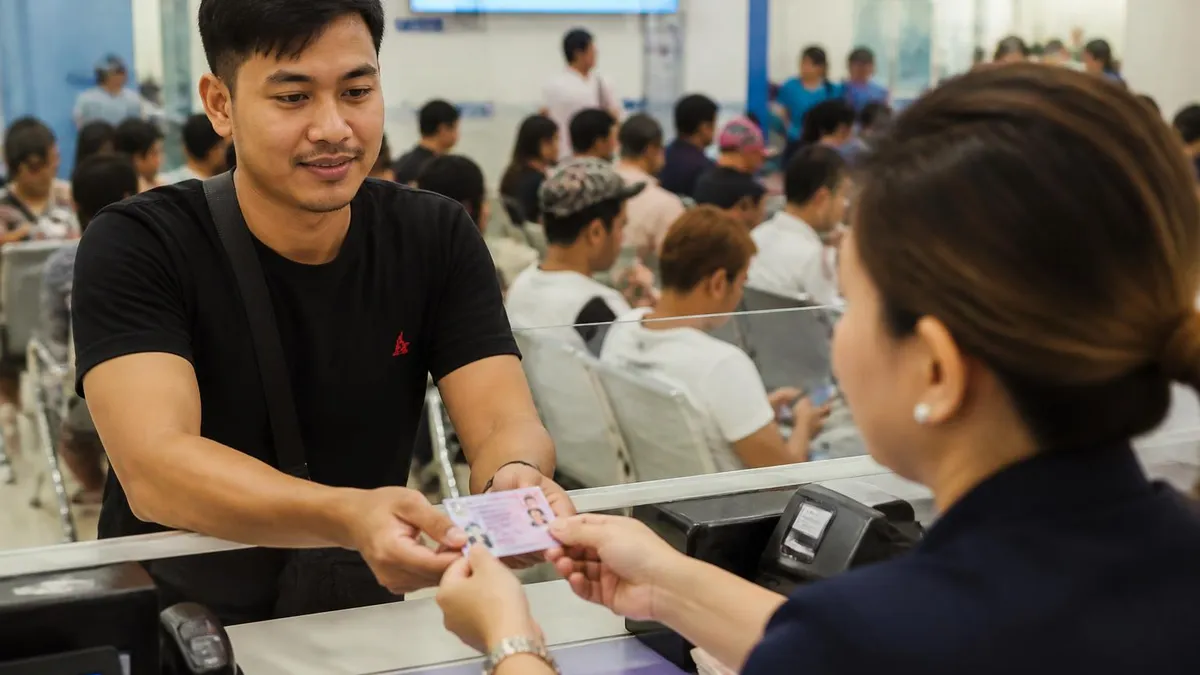
LTO Plate Registration: Step-by-Step Process
Gather Required Documents
Complete Emission and Safety Inspection
Secure Compulsory Third-Party Liability Insurance
Visit the LTO Office and Pay Fees
Receive Updated OR/CR and Sticker
The LTO plate registration renewal process follows a strict annual cycle tied to the last digit of your license plate number. The LTO staggers renewal deadlines throughout the year to prevent overcrowding at district offices. Plates ending in 1 renew in January, ending in 2 in February, and so on through October. Plates ending in 0 renew in October as well, while special plate categories may follow different schedules. Knowing your renewal month and preparing early is the single most effective way to avoid the long queues that pile up near each deadline.
One of the most common points of confusion for vehicle owners involves the difference between the Official Receipt (OR) and the Certificate of Registration (CR). The OR proves you paid your registration fees for the current period, while the CR is the permanent document that records your vehicle's specifications, engine number, chassis number, and your name as registered owner. Both documents must be kept inside the vehicle. Traffic enforcers routinely check for the OR/CR during stops, and presenting an expired OR is grounds for apprehension and fines.
For those who need to know how to check plate no in lto, the process is straightforward through the LTO's official online verification portal. You enter your plate number and the system returns the registration status, owner details (partially masked for privacy), and the validity period. This is especially useful when buying a secondhand vehicle — always verify the registration and confirm there are no outstanding violations or encumbrances before completing any purchase transaction.
Transferring ownership of a vehicle requires a separate set of steps beyond simple renewal. When you buy a used car or motorcycle, both buyer and seller must appear at the LTO district office — or the buyer can act with a Special Power of Attorney — to file a transfer of ownership. The vehicle's plate number remains the same after transfer, but the CR will reflect the new owner's name. Failure to transfer within the prescribed period results in penalties that compound over time, so processing the transfer promptly after every sale protects both parties legally.
Motorcycles follow the same basic registration framework as cars but with some key differences in fee structure and documentation. Two-wheeled vehicles are classified by engine displacement, and fees scale accordingly. Motorcycles with engines under 200cc generally pay lower fees than those with larger engines. Sidecar rigs and tricycles used for public transportation (pedicabs) fall under a different classification and may require additional permits from the local government unit in addition to standard LTO registration.
The LTO also manages specialized vehicle categories including trucks, buses, and public utility vehicles (PUVs). These commercial vehicles face more stringent inspection requirements, higher registration fees, and in many cases need to comply with the government's PUV Modernization Program standards. Operators of jeepneys, UV Express units, and modern PUVs must keep their LTO registrations current alongside their franchises from the Land Transportation Franchising and Regulatory Board (LTFRB), a separate agency that governs routes and fares.
Late renewal attracts a surcharge of 50% of the registration fee for each year or fraction thereof that the registration has lapsed. This penalty applies even if you were unaware of the deadline or were abroad during the renewal period. The surcharge can significantly inflate your total cost, particularly for vehicle owners who let their registration lapse for multiple years. Settling back registration fees and penalties is a prerequisite before the LTO will process any renewal, transfer, or replacement of plates or documents.
What Does LTO Stand For: Registration, Food, and Other Contexts Explained
In the Philippine context, LTO stands for Land Transportation Office, the national agency under the Department of Transportation (DOTr) that handles vehicle registration, driver licensing, and road safety enforcement. The LTO's mandate covers every category of land vehicle — from bicycles classified under certain ordinances to heavy commercial trucks — and its plate registration system is the primary mechanism for tracking vehicle ownership, insurance compliance, and roadworthiness across the country's more than 11 million registered motor vehicles.
When Filipinos ask what is an LTO, the answer goes beyond an acronym. The agency operates through a network of more than 180 district offices and extension offices nationwide, handling millions of transactions annually. Its functions include issuing and renewing driver's licenses, processing vehicle registrations and plate releases, administering the theoretical and practical driving exams, and coordinating with the Metropolitan Manila Development Authority (MMDA) and local traffic enforcers on road safety campaigns. Understanding the LTO's scope helps vehicle owners appreciate why compliance with registration requirements is both legally mandatory and socially responsible.
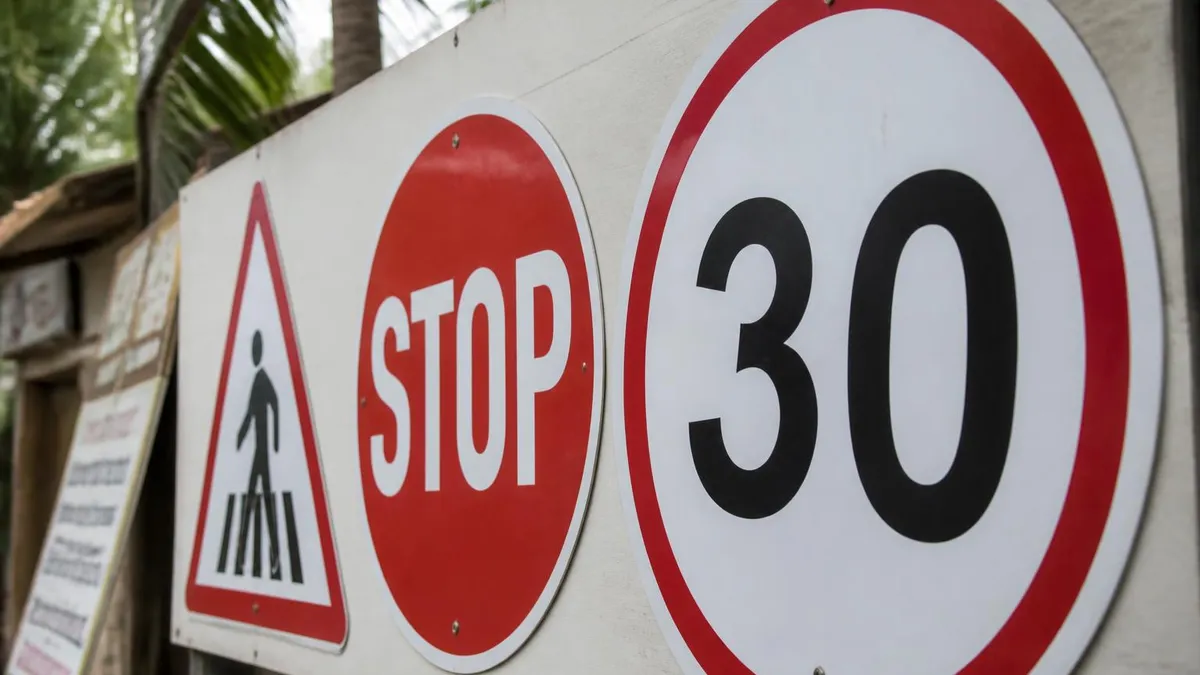
Renewing Early vs. Waiting Until the Last Minute: Pros and Cons
- +Shorter queues at LTO offices in the weeks before your renewal month deadline
- +More time to gather missing documents without the pressure of an impending deadline
- +Avoid surcharges and penalties that apply immediately after the expiration date
- +Greater scheduling flexibility — you can choose the least crowded day and time
- +Online appointment slots are more available earlier in the renewal month
- +Peace of mind knowing your registration is current before long road trips or inspections
- −Early renewal still resets your validity to the same annual expiration month, so you do not gain extra time
- −You may need to return to the emission testing center if your certificate expires before you complete registration
- −Insurance renewal timing must be coordinated with registration renewal, which can complicate early processing
- −LTO systems occasionally experience downtime, and early visitors may face the same technical delays as late renewers
- −Some LTO offices only process registrations within 60 days before expiration, limiting how early you can start
- −Personal schedules may make it genuinely difficult to carve out time during the prescribed renewal window
LTO Plate Registration Renewal Checklist
- ✓Confirm your registration renewal month based on your plate number's last digit.
- ✓Schedule an emission test appointment at an LTO-accredited testing center at least two weeks before your deadline.
- ✓Renew your Compulsory Third-Party Liability (CTPL) insurance policy before visiting the LTO office.
- ✓Locate your original Certificate of Registration (CR) — a replacement requires a separate affidavit process.
- ✓Prepare a photocopy of your current OR/CR, valid ID, and insurance policy.
- ✓Check the LTO official website or call your district office to confirm current fees before your visit.
- ✓Book an online appointment through the LTO's portal if your district office requires or offers scheduling.
- ✓Verify there are no outstanding traffic violation tickets linked to your plate number before renewal.
- ✓Bring exact change or a debit/credit card — some LTO cashiers have limited cash change available.
- ✓After receiving your updated OR/CR, immediately affix the new windshield sticker before driving away.
Your OR/CR Must Be Inside the Vehicle at All Times
Traffic enforcers have the authority to apprehend your vehicle if you cannot present a valid Official Receipt and Certificate of Registration on demand. Keep physical copies in your glove compartment and consider storing digital backups in a secure cloud folder. If your OR/CR is lost or stolen, file an affidavit of loss immediately and request replacement documents from your LTO district office before driving again.
License plate types in the Philippines communicate important information about a vehicle's classification and purpose. Private vehicles carry standard white plates with black text, while government-owned vehicles display green plates. Public utility vehicles such as jeepneys, buses, and UV Express units carry yellow plates that immediately identify them to traffic enforcers as franchise-holding commercial operators. Diplomatic vehicles use red or blue plates depending on their classification under the Vienna Convention. Understanding what each plate color signifies helps you interpret traffic situations and know which vehicles are subject to which regulations.
Motorcycle plates follow a similar color-coding system but are mounted at the rear in a horizontal format. The LTO introduced standardized motorcycle plates with seven-character alphanumeric combinations as part of its plate standardization program. Earlier plates used shorter formats that are being phased out as vehicles go through successive registration cycles. If your motorcycle still carries an old-format plate, it will be replaced with a standardized plate during your next renewal — there is no separate fee for this replacement when it occurs as part of regular registration processing.
Conduction stickers serve as temporary registration identifiers for brand-new vehicles that have not yet received their official LTO plates. A conduction sticker is a yellow label affixed to the windshield, displaying a temporary plate number. It is valid for a limited period — typically 60 to 90 days — during which the LTO processes and releases the permanent metal plate. Driving with an expired conduction sticker and no official plate is a violation, so follow up with your dealer if your plate has not arrived within the standard processing window.
The LTO's plate release backlog has been an ongoing challenge in recent years. Hundreds of thousands of new vehicle buyers have at times waited well beyond the standard timeframe for their official plates. The LTO periodically conducts plate release operations through dealerships and district offices to clear backlogs. If you are still waiting for a plate from a vehicle purchased more than six months ago, visit your LTO district office with your OR/CR and sales documents to inquire about the release status and — if necessary — file a request for priority processing.
Personalized or vanity plates are available through the LTO for private vehicles. These custom plates allow owners to choose a specific combination of letters and numbers, subject to availability and LTO guidelines on prohibited combinations. The fee for personalized plates is significantly higher than standard plates and must be renewed annually like regular registration. Personalized plates are non-transferable — they are permanently retired when the vehicle is deregistered, scrapped, or transferred to a new owner who does not wish to retain the custom combination.
Vehicles classified as antiques or classics follow a modified registration process under Republic Act 10648, the Philippine Lemon Law's antique vehicle provisions and related LTO circulars. Classic vehicles registered in this category display distinctive plates and are exempt from certain standard inspection requirements, though owners must still demonstrate roadworthiness through a separate evaluation process. The antique vehicle classification caps annual mileage and restricts use to hobby and parade purposes rather than daily commuting, which is why these vehicles' registration costs and requirements differ from standard private vehicles.
Electric vehicles (EVs) are one of the fastest-growing categories in the LTO's registration database, driven by the government's push for green transportation under Republic Act 11832 and related incentives. EVs registered with the LTO display green-bordered plates that distinguish them from conventional internal combustion engine vehicles. EV owners benefit from exemptions on certain fees, priority lanes in select locations, and streamlined registration procedures designed to encourage adoption. As the EV fleet expands, the LTO continues to update its registration framework to accommodate new vehicle types and charging infrastructure requirements.

Operating a vehicle with an expired registration is a traffic violation subject to immediate apprehension. Beyond the standard 50% surcharge on renewal fees, enforcers can impound your vehicle and require you to settle all outstanding fees plus impoundment charges before release. If your registration has lapsed for more than two years, the LTO may classify the vehicle as delinquent and require additional clearances before reinstating registration — a process that can take weeks and cost significantly more than timely renewal would have.
The relationship between LTO plate registration and the LTO driver's license exam is closer than most people realize. Before you can register a vehicle in your name as the primary operator, you must hold a valid LTO driver's license appropriate for the vehicle type. A non-professional license (for private vehicles) is distinct from a professional license (required for public utility vehicles and commercial trucks). The LTO exam tests your knowledge of the regulations that govern both driving behavior and vehicle ownership responsibilities, including the obligation to maintain current registration.
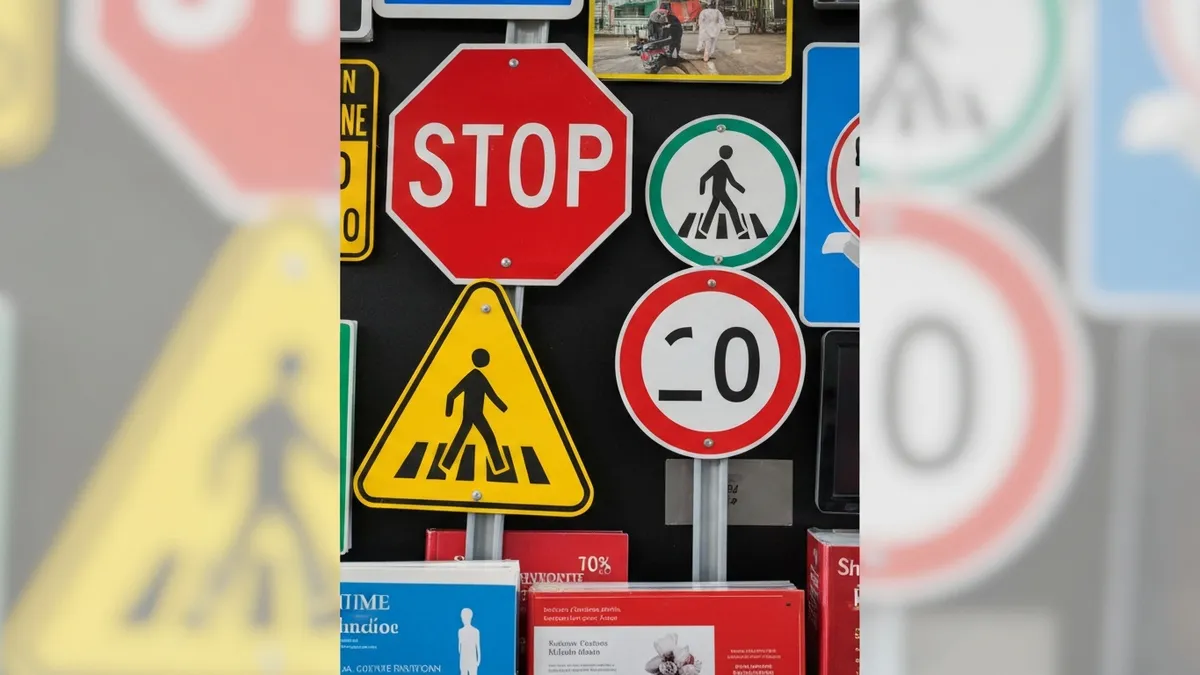
Preparing for the LTO exam means studying more than just road signs. The test includes questions about vehicle registration requirements, the consequences of driving with expired plates, the proper documents to carry, and the penalties for specific violations. Exam takers who understand the full scope of LTO regulations — not just the traffic rules — consistently perform better than those who focus narrowly on sign identification. If you want to look up your vehicle status, knowing how to check plate number lto is a practical skill that complements your broader understanding of how the LTO system works.
The LTO exam is administered at designated testing centers within LTO district offices and some accredited driving schools. You must present a valid government-issued ID, your filled-out application form, and pay the examination fee — typically around ₱100 to ₱200 depending on the license category. The exam is computer-based in most modern LTO offices, with results displayed immediately upon submission. Passing gives you the right to apply for a student permit, which you then use for supervised driving practice before the practical road test.
Driving schools accredited by the LTO provide a structured path to passing both the theoretical and practical components of the licensing process. Enrollment in a driving school is optional for most non-professional license applicants but mandatory for applicants below a certain age threshold and for professional license candidates. Accredited schools follow LTO-prescribed curricula that cover vehicle maintenance basics, defensive driving techniques, emergency procedures, and — critically — the registration and documentation obligations that every licensed driver must fulfill.
The LTO's computerized registration system, known as the Motor Vehicle Registration System (MVRS), has significantly improved record accuracy and reduced fraudulent transactions. Every registration transaction is logged with vehicle details, owner information, payment records, and inspection certificates. Law enforcement agencies can access MVRS data in real time during traffic stops, allowing enforcers to verify registration status, check for stolen vehicle flags, and confirm insurance coverage. This interconnected system means that driving with falsified registration documents carries severe criminal penalties beyond the standard traffic violation fines.
For vehicle owners in Metro Manila, the number coding scheme adds another layer of complexity to daily driving decisions. While number coding is enforced by the MMDA rather than the LTO, it is tied directly to your plate number's last digit. Vehicles caught violating coding restrictions face fines that are separate from LTO penalties but equally enforceable. Understanding which digit governs both your registration renewal month and your coding day helps you plan your schedule efficiently and avoid two separate sets of fines from two separate agencies.
The LTO has been expanding its online services to reduce the need for in-person visits. Through the LTO's official website and the Land Transportation Management System (LTMS) portal, vehicle owners can check registration status, verify plate availability, pay certain fees, and schedule appointments. Mobile apps authorized by the LTO provide additional convenience for checking records on the go. As digital services expand, staying informed about which transactions have moved online and which still require physical presence at a district office will help you navigate the registration process with minimal wasted time.
Practical preparation for LTO plate registration and renewal starts well before your renewal month arrives. Set a calendar reminder at least six weeks before your scheduled renewal deadline. Use that lead time to inspect your vehicle for any obvious issues that might cause it to fail the emission test — unusual exhaust smoke, misfiring engines, or dashboard warning lights are red flags that should be addressed by a mechanic before you bring the car in for testing. Failing an emission test and then returning for a retest adds days and costs to your timeline.
When visiting the LTO office, timing matters enormously. The first and last days of each month are consistently the most crowded because they coincide with deadline pressure for multiple plate number categories simultaneously. Mid-month visits, particularly on Tuesdays and Wednesdays, tend to move more quickly than Monday or Friday queues.
Arriving at the LTO office at opening time — typically 8:00 AM — gives you the best chance of being processed before midday queues build up. Bring water, snacks, and reading material for the wait, and make sure your phone is fully charged so you can complete any online verification steps while waiting.
Organizing your documents before you leave home saves significant time at the LTO window. Use a folder or envelope system: one section for originals and another for photocopies. The LTO typically requires one photocopy of each document, and on-site photocopy machines at LTO offices often have long lines and inconsistent availability. Making copies the night before and arranging them in the exact order the LTO processes them — ID, OR/CR, insurance, emission certificate, and any additional permits — streamlines the submission window and reduces the chance of being sent back to the queue for a missing document.
If your vehicle has outstanding traffic violation tickets, settle them before attempting registration renewal. The LTO's system is linked to traffic enforcement databases in most major cities, and unpaid violations can block your registration from being processed. Check for outstanding tickets through your local MMDA portal or by visiting the traffic violation clearance counter at your LTO district office. Settling all fines before your renewal visit eliminates this common source of last-minute delays and additional trips to the LTO.
Consider using an LTO-authorized fixer or liaison service only as a last resort and only for legitimate assistance such as document preparation or appointment booking. The LTO has cracked down on fixers who facilitate fraudulent transactions, and engaging with unauthorized intermediaries can expose you to legal risk if forged documents or falsified records are involved. If you need help navigating the process, accredited driving schools and legitimate vehicle assistance services offer document review and guidance within the bounds of the law.
For the LTO exam specifically, the most effective preparation combines reading the official Land Transportation and Traffic Code with taking multiple practice quizzes that mirror the actual test format. The exam draws questions from a large pool, so breadth of coverage matters more than memorizing specific questions.
Focus on the categories that carry the most exam weight: road signs and markings, traffic rules and right-of-way, penalties for common violations, and defensive driving principles. Spending 30 to 45 minutes per day on practice questions for one to two weeks before your exam date is generally sufficient to reach a comfortable passing score.
Finally, remember that both your vehicle registration and your driver's license must remain current simultaneously. Even if your vehicle's registration is valid, driving with an expired license is a separate violation — and vice versa. Mark both renewal dates clearly in your calendar and treat them as non-negotiable administrative priorities.
The combination of current registration and a valid license is your legal authorization to drive on Philippine roads, and maintaining both keeps you protected against fines, apprehensions, and the complications that arise from operating outside the law. Staying informed, preparing early, and using available online resources makes the entire LTO process far more manageable than most drivers expect.
LTO Questions and Answers

LTO License Renewal Guide Philippines 2026 — Requirements and Process
LTO Traffic Violations Philippines 2026 — Fines and Penalties Guide

LTO Plate Number Tracker: What Is LTO, What Does LTO Stand For, and How to Track Your Vehicle Registration in 2026
RDA Exam Review: What Is LTO, What Does LTO Stand For, and How to Pass Your Driver's License Test

LTO Dress Code and What Is LTO: Complete Guide to the Philippines Land Transportation Office
About the Author

Educational Psychologist & Academic Test Preparation Expert
Columbia University Teachers CollegeDr. Lisa Patel holds a Doctorate in Education from Columbia University Teachers College and has spent 17 years researching standardized test design and academic assessment. She has developed preparation programs for SAT, ACT, GRE, LSAT, UCAT, and numerous professional licensing exams, helping students of all backgrounds achieve their target scores.
Join the Discussion
Connect with other students preparing for this exam. Share tips, ask questions, and get advice from people who have been there.
View discussion (8 replies)