
LTO Dress Code and What Is LTO: Complete Guide to the Philippines Land Transportation Office
What is LTO? Learn the LTO dress code, exam requirements, and how to pass your driver's license test in the Philippines. ✅ Full 2026 October guide.
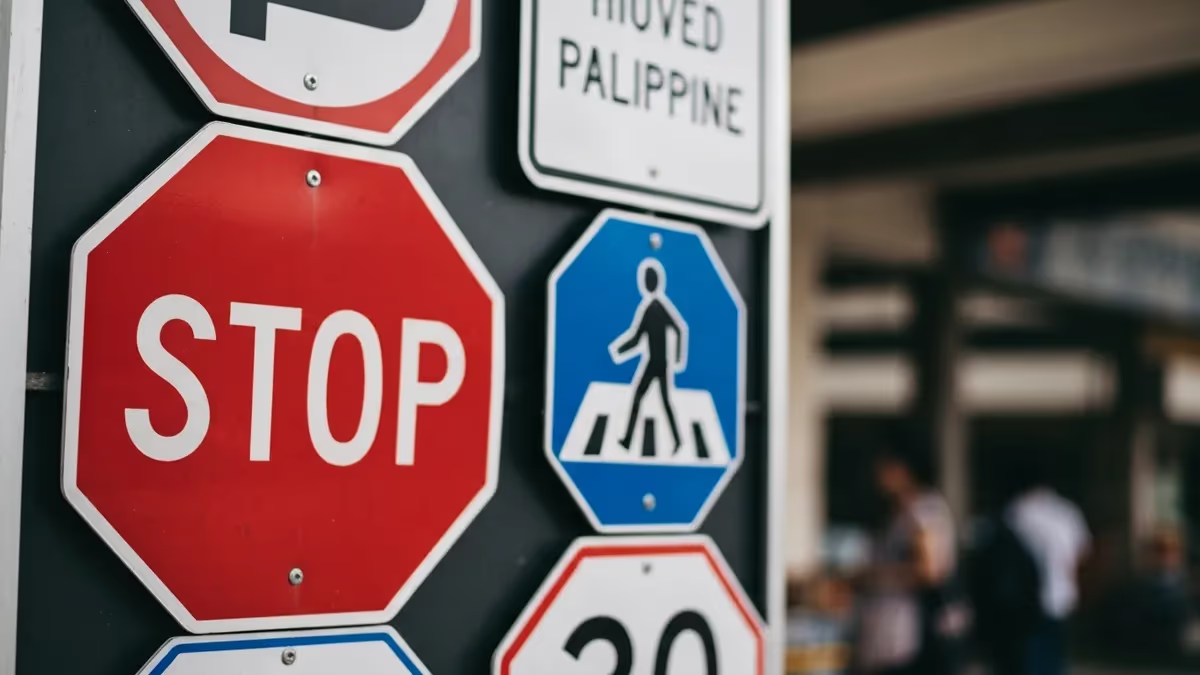
If you have ever wondered what is LTO and why their dress code matters on exam day, you are not alone. The Land Transportation Office — LTO for short — is the Philippine government agency responsible for registering motor vehicles, licensing drivers, and enforcing road safety regulations across the country. Every year, hundreds of thousands of Filipinos visit an LTO office to take their written driver's license exam, and many are turned away simply because they did not dress appropriately. Understanding the lto dress code before you arrive can save you an entire day's wait in line.
So what does LTO stand for? The acronym stands for Land Transportation Office, a bureau under the Department of Transportation (DOTr) of the Philippines. The LTO was established to ensure that every driver on Philippine roads has proven competency through both a written examination and a practical skills test. The agency also manages apprehension for traffic violations, issues official receipts for vehicle registration, and coordinates with local government units on transport policy. Its mandate touches nearly every aspect of road use in the country.
Many first-time applicants confuse the LTO with other transportation agencies. What does LTO mean in everyday Filipino life? It means the place you go to get your student permit, convert it to a non-professional or professional license, renew your existing license, or register a newly purchased vehicle. LTO district offices are found in every major city and municipality, while satellite offices operate in malls and government centers to reduce crowding at main branches. Knowing which office handles your specific transaction is as important as knowing the dress code.
The dress code enforced at LTO offices exists for practical and institutional reasons. The agency captures biometric data — including a front-facing photograph — during the licensing process. Examiners and photographers need to clearly see your face, neck, and shoulders without obstruction from hoods, large hat brims, or heavy scarves. Decent and modest clothing also reflects the formal nature of a government transaction and ensures all applicants are treated with equal dignity. Flip-flops, sleeveless shirts, and shorts are routinely flagged by LTO guards at the entrance.
Understanding what is an LTO transaction versus a private service is also crucial. Some fixers and third-party agents offer to process LTO transactions on your behalf, but the actual written exam and biometric capture must be completed in person by the applicant. No proxy is permitted. This means you will physically appear before LTO personnel, and your attire will be on record in your official government photo ID. That photo follows your license for up to five years, so dressing appropriately carries long-term consequences beyond just getting through the door.
The LTO written examination itself tests your knowledge of traffic laws, road signs, pavement markings, defensive driving principles, and driver responsibilities. These topics are codified in Republic Act 4136, the Land Transportation and Traffic Code, which has been amended multiple times over the decades. Modern examiners draw questions from an official item bank that covers both theoretical knowledge and practical situational judgment. Preparation through practice tests significantly improves first-attempt pass rates, and many applicants now use online quiz platforms to simulate real exam conditions before visiting the LTO office.
This comprehensive guide covers everything you need to know about the LTO: what it is, what LTO stands for in both transportation and food contexts (yes, LTO also appears on menus), the dress code requirements, exam preparation strategies, frequently asked questions, and related resources. Whether you are a first-time applicant or renewing after years away, reading this guide before your appointment will help you walk into any LTO office fully prepared and properly dressed.
LTO by the Numbers
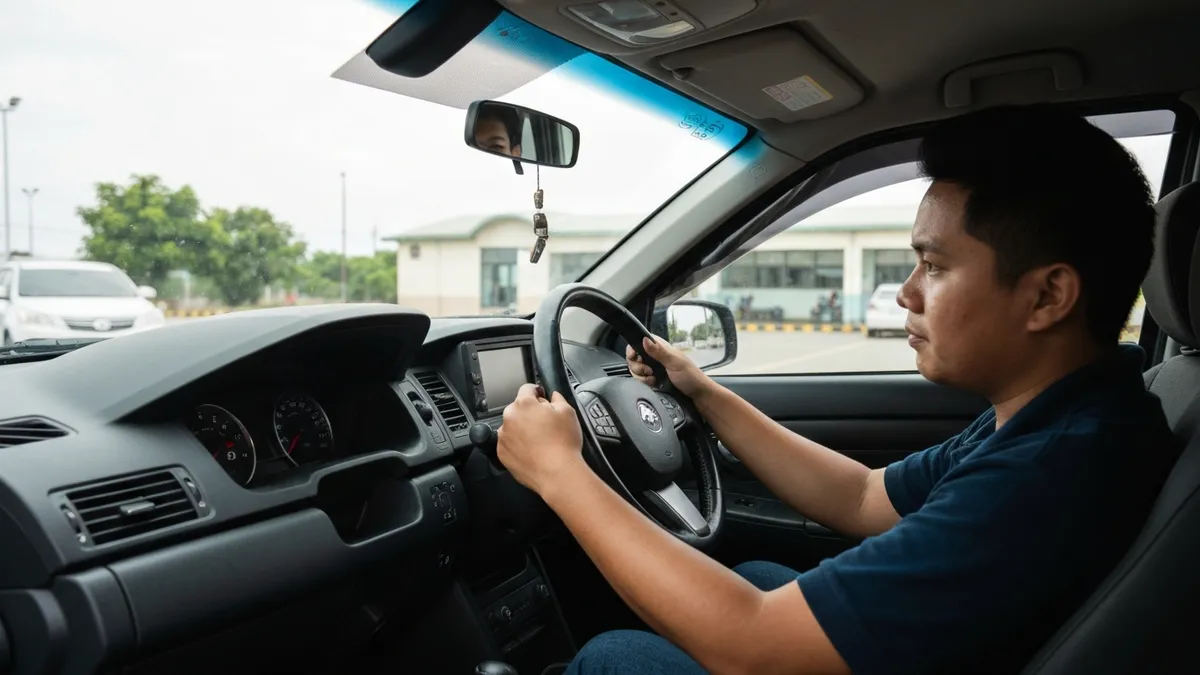
LTO Dress Code: What You Must Wear to Your Exam
Wear a collared shirt, polo, blouse, or any decent top with sleeves. Tank tops, sando shirts, and sleeveless garments are strictly prohibited. Your shoulders and upper arms must be covered. Plain or patterned fabrics are both acceptable as long as the garment is clean and presentable.
Slacks, jeans, chinos, skirts, or modest dresses are all permitted. Shorts — including bermuda shorts and cutoffs — are not allowed inside most LTO offices. Women may wear skirts or dresses provided they reach at least knee length. Formal or business-casual bottoms are always the safest choice.
Closed-toed shoes or clean rubber shoes are strongly recommended. Flip-flops, open-toed sandals, and slippers are frequently rejected at the entrance security check. Some LTO offices post signage at their doors explicitly banning tsinelas. Sneakers, leather shoes, loafers, and closed sandals with a heel strap are all acceptable.
Avoid hats, hoods, or large accessories that cover your face during photo capture. Religious headwear is permitted with an accompanying affidavit or certification. Remove sunglasses entirely before entering the biometrics station. Keep jewelry minimal so it does not obscure your face, neck, or the identifying features captured in your official ID photo.
If you bring a minor companion, they are also expected to meet basic decency standards, as some LTO offices apply dress code rules to everyone inside the building. Adult companions waiting in lobby areas are sometimes subject to similar requirements. Confirm the local office's rules before arriving with family members or friends.
The LTO dress code is not an arbitrary rule — it is a policy grounded in the formal nature of government transactions and the technical requirements of biometric data capture. When the LTO officer photographs you for your driver's license, that image becomes part of your permanent government record. Improper attire, particularly sleeveless tops or clothing with revealing necklines, can interfere with consistent biometric standards. Additionally, the formal dress requirement signals respect for public institutions and ensures a dignified experience for all applicants regardless of background.
Specific LTO offices may apply slightly different interpretations of the dress code depending on their regional director's guidance and local culture. In general, the minimum standard across all offices includes: covered shoulders, covered knees, and closed or secured footwear. Metro Manila offices, particularly the main LTO district offices in East Avenue (Quezon City), Pasay, and Mandaluyong, tend to be strictest. Provincial offices in Visayas and Mindanao may be somewhat more lenient in practice, but it is always safest to dress conservatively regardless of location.
First-time applicants securing a Student Permit face the same dress code requirements as those sitting for the Non-Professional or Professional Driver's License examination. There is no reduced standard for students. In fact, the photo taken for a Student Permit may be reused as reference during the full license examination process, so the stakes are identical. Arrive dressed as you would for a job interview — that mental model will reliably keep you within policy for virtually any LTO transaction.
Many applicants ask whether they can change clothes inside the LTO premises if they are turned away at the entrance. The answer is generally no: there are no changing facilities provided, and guards typically will not allow re-entry for the same transaction after a dress code refusal on the same day. You would need to return on a different day with your appointment still valid, or schedule a new appointment entirely. This makes pre-planning your outfit the evening before your exam absolutely critical — one small oversight can cost you days of waiting.
For those renewing their license rather than applying for the first time, the dress code applies with equal force. The renewal process also involves a new photograph and updated biometrics, so the same rules about sleeves, decent clothing, and closed footwear apply. If your renewal involves a medical exam at an accredited clinic before visiting the LTO, dress for the medical clinic and the LTO office simultaneously — conservative attire serves both contexts well without any wardrobe changes needed between stops.
The consequences of non-compliance are purely practical rather than punitive in the legal sense. LTO guards are empowered to deny entry, but no fine is issued for wearing flip-flops. However, the opportunity cost is substantial: a lost day of work, transportation expenses, and potentially a rescheduled appointment slot in a system that can have week-long queues at busy offices. Treating the dress code seriously is simply a matter of protecting your own time and ensuring your exam day runs without unnecessary obstacles.
One frequently overlooked aspect of the LTO dress code involves the color of your clothing for the photo. While no official policy mandates a specific color, very light backgrounds — particularly white shirts — can sometimes blend with the standard white or light-blue backdrop used at LTO photo stations, producing a less distinct ID photo. Dark solid colors like navy blue, forest green, or maroon tend to produce the clearest, most professional-looking license photographs. This is not a requirement but a practical tip worth considering when choosing your exam day outfit.
What Does LTO Stand For in Different Contexts
In the Philippines, LTO stands for Land Transportation Office, the national agency under the Department of Transportation tasked with licensing drivers and registering motor vehicles. Every public road user — from tricycle operators to bus drivers — interacts with the LTO at some point. The agency issues Student Permits, Non-Professional Driver's Licenses, Professional Driver's Licenses, and Conductor's Licenses, each with different requirements and validity periods.
The LTO also maintains a central database of all registered vehicles and licensed drivers in the country, which law enforcement agencies use during traffic stops and accident investigations. Understanding what the LTO does helps applicants approach their transactions with appropriate preparation and respect for the process. When people ask what does LTO mean in a Philippine context, the answer is almost always the government licensing authority most Filipinos deal with at least once every five years.
LTO Exam Preparation: Formal Study vs. Informal Learning
- +Structured practice tests simulate real LTO exam conditions and build question familiarity
- +Online quiz platforms allow you to study at your own pace from any device
- +Reviewing RA 4136 gives you a complete and authoritative source of testable material
- +Practice exams reveal weak topic areas so you can focus study time efficiently
- +Timed mock exams train you to complete 60 questions within the allotted period
- +Studying with official materials reduces anxiety and boosts first-attempt pass rates significantly
- −Memorizing answers without understanding context leads to failure on rephrased questions
- −Outdated practice materials may include traffic codes that have since been amended
- −Over-reliance on one study method leaves knowledge gaps in topics not well covered
- −Cramming the night before is less effective than consistent study spread over several days
- −Free online materials vary widely in accuracy and may contain errors or outdated information
- −Skipping the defensive driving and road signs sections often causes otherwise prepared applicants to fail
LTO Exam Day Checklist: Everything You Need
- ✓Wear a collared or sleeved shirt — no tank tops, sando shirts, or sleeveless garments.
- ✓Put on long pants, slacks, or a knee-length skirt or dress — no shorts of any style.
- ✓Wear closed-toed shoes or clean rubber shoes — no flip-flops, slippers, or tsinelas.
- ✓Remove hats, caps, and hoods before entering the LTO biometrics and photo area.
- ✓Bring your original NSO/PSA birth certificate or valid government-issued ID for identity verification.
- ✓Carry your official medical certificate from an LTO-accredited clinic dated within 30 days.
- ✓Bring the original and photocopy of your Student Permit if converting to a full license.
- ✓Arrive at least 30 minutes before your scheduled appointment to allow time for queue management.
- ✓Bring sufficient cash for exam fees, license fees, and any applicable documentary stamp tax.
- ✓Review at least 60 practice exam questions on road signs, traffic rules, and driver duties the night before.
- ✓Keep your phone charged and accessible in case the LTO officer needs to verify your online appointment.
- ✓Confirm your LTO office location the day before — some transactions are office-specific and cannot be done elsewhere.
Dress Code Refusals Cannot Be Appealed On the Spot
If an LTO guard turns you away for a dress code violation, there is no supervisor override or on-site appeal process available to you. The only remedy is to return on another day fully compliant. Lay out your exam outfit the night before — collared shirt, long pants or knee-length skirt, and closed shoes — so you are never caught unprepared.
Passing the LTO written examination on the first attempt requires more than just knowing the answers to common questions — it requires understanding the reasoning behind Philippine traffic law so you can apply that reasoning to questions you have never seen before. Republic Act 4136, the Land Transportation and Traffic Code, is the foundational document for everything tested on the LTO exam. Reading the actual law, even a summary version, gives you context that pure memorization cannot provide. Examiners intentionally include scenario-based questions that test judgment, not just rote recall.
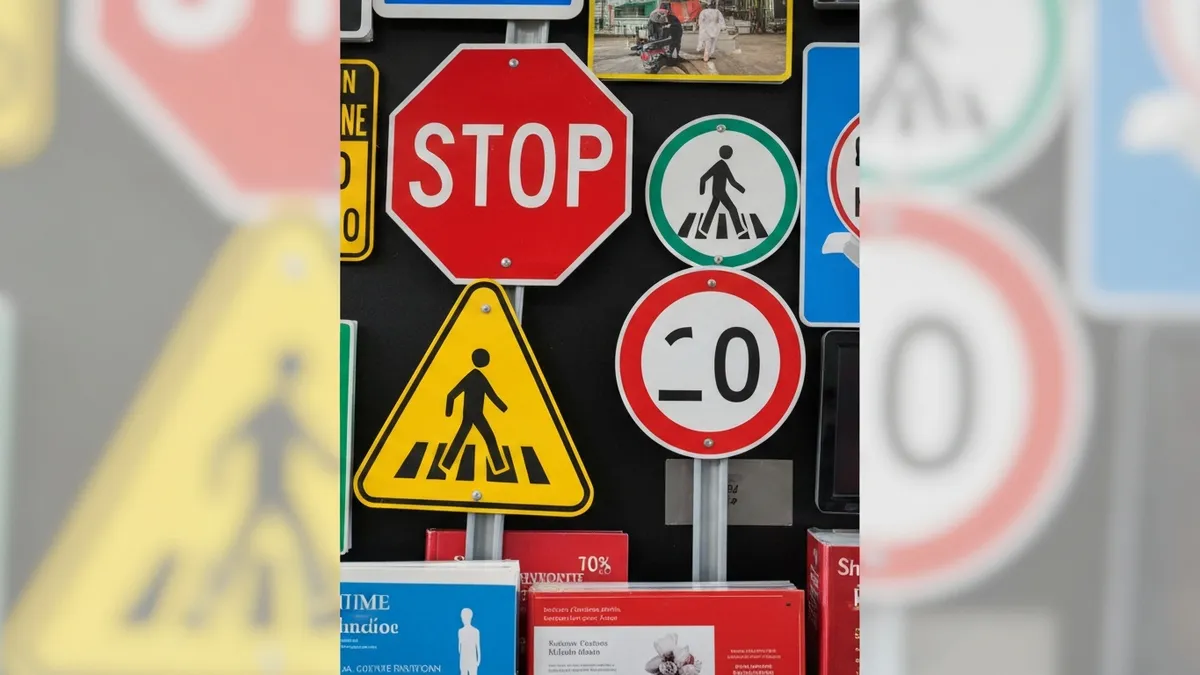
Road signs represent one of the highest-value areas of the LTO exam. The Philippines uses a combination of international standard signs and locally specific markers, and the exam draws heavily from both categories. Regulatory signs — those that impose legal obligations like speed limits, no-entry zones, and turn prohibitions — carry the most weight in the exam because violations of these signs are the most legally consequential on the road.
Warning signs and informational signs appear less frequently but are still tested. Spending at least 30 minutes drilling road sign recognition using flashcard-style practice is one of the best returns on study time available.
Defensive driving is another pillar of the LTO written exam that many applicants underestimate. Questions in this category test whether you understand following distance, hazard identification, night driving protocols, adverse weather adjustments, and how to respond to sudden mechanical failures. These are not purely theoretical — they are based on accident statistics and real-world driving scenarios documented by road safety researchers. Applicants who study defensive driving concepts from the Land Transportation Office's own published materials tend to score significantly higher on these sections than those who rely on third-party summaries alone.
Traffic violations and their corresponding penalties are also prominently featured on the LTO exam. You will need to know which violations fall under the Anti-Distracted Driving Act (RA 10913), what the penalties are for driving under the influence under RA 10586, and how the point system for license suspension and revocation works. Memorizing penalty amounts is useful, but understanding the graduated structure of violations — minor, serious, and grave — helps you answer questions about scenarios you have not seen before, because the pattern of penalty escalation follows logical rules.
The LTO exam is administered on a computer terminal at most modern offices, though some provincial sites still use paper answer sheets. For computer-based exams, you will typically have 30 to 40 minutes to answer 60 questions. The passing score is 70 percent, meaning you must answer at least 42 questions correctly. Questions are drawn randomly from a bank, so no two examinees see the exact same set. This randomization is precisely why understanding concepts beats memorizing specific questions — the question you memorized may not appear, but a paraphrase of the same concept almost certainly will.
Applicants who fail the LTO written exam may retake it after a mandatory waiting period, which varies by office but is typically one day to one week. There is an additional examination fee for each retake. Repeated failures may trigger a requirement to attend a remedial driving seminar before the exam is administered again. For this reason, preparing thoroughly before your first attempt is far more cost-effective than planning to simply retake the exam if you fail. First-attempt success saves you money, time, and the stress of rescheduling in a system known for long queues.
One strategy that experienced test-takers recommend is completing at least five full 60-question practice exams in timed conditions before your actual exam date. This approach accomplishes several goals simultaneously: it builds familiarity with the question style and difficulty level, it identifies your weakest topic areas so you can target last-minute review, it trains you to manage your time within the allotted window, and it reduces exam anxiety by making the test environment feel familiar rather than novel.
Research in educational psychology consistently shows that retrieval practice — actively recalling information under test conditions — produces stronger long-term retention than passive re-reading of notes or textbooks.
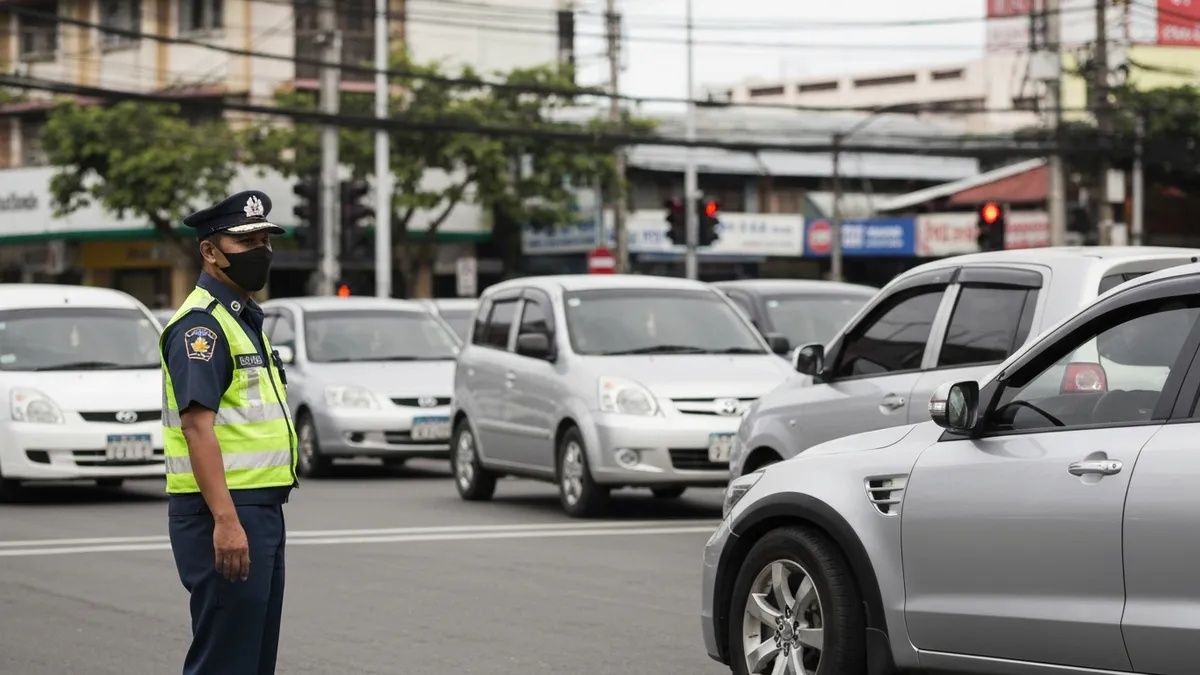
LTO security guards are authorized to deny entry to applicants who do not meet the dress code, and there is no appeal process on the day of your appointment. Wearing flip-flops, shorts, or sleeveless shirts will result in immediate refusal. You will need to return on another day, potentially losing your appointment slot. Always prepare your outfit the night before your LTO transaction.
License renewal at the LTO follows a similar process to initial application but with some important differences in documentation requirements. A valid government-issued ID, your expiring license, a recent medical certificate from an accredited clinic, and the appropriate renewal fee are the core requirements. The LTO has also implemented an online appointment system for renewals at many district offices, which can significantly reduce your waiting time if you book well in advance. Walk-in renewals are still accepted at some locations but may involve longer queues, particularly on Mondays and Fridays.
The LTO renewal process also triggers an updated photograph and biometric capture, which means the same dress code that applied when you got your license applies again at renewal. This is worth emphasizing because many long-time drivers forget that renewal is not purely administrative — it involves a full biometric update. Showing up in a sleeveless shirt or flip-flops to a renewal appointment carries the same consequence as showing up that way for your first exam: you will be turned away and asked to return another day with appropriate attire.
Understanding the full scope of what is an LTO transaction helps you prepare documentation checklists accurately. The LTO processes dozens of distinct transaction types: new Student Permit, Student Permit to Non-Professional License conversion, Professional License acquisition, license renewal, license restriction code changes, duplicate license issuance, driver's license card replacement, motor vehicle registration, motor vehicle renewal, transfer of ownership, and more.
Each transaction has its own documentary requirements, fee schedule, and processing timeline. The LTO website and official social media channels publish updated requirement lists, though third-party guides like this one can serve as a helpful orientation before you consult the official source.
The fees associated with LTO transactions are set by official regulation and cannot be negotiated or reduced at the counter. As of the most recent published fee schedule, a new Non-Professional Driver's License costs approximately PHP 585 for a five-year card, while a Professional Driver's License costs slightly more due to additional testing requirements.
Renewal fees are similar. There are also documentary stamp taxes, computer fees, and medical examination fees charged by accredited clinics that are separate from the LTO fees themselves. Bringing extra cash beyond your calculated total is always prudent, as fee schedules occasionally change and the LTO does not accept credit or debit cards at all offices.
Fixer activity around LTO offices is a persistent issue that applicants should be aware of. Fixers — informal agents who claim to speed up processing for a fee — operate in the areas immediately outside many LTO offices and sometimes inside the premises itself. Engaging a fixer is not only unnecessary for standard transactions but also potentially illegal and financially risky.
The LTO has repeatedly warned the public that fixers cannot actually shortcut the biometric capture, written exam, or official verification steps, and many applicants who paid fixers have reported being defrauded without any service delivered. All standard LTO transactions can be completed through official channels without any third-party assistance.
One of the most common questions about LTO relates to the difference between a Non-Professional and a Professional Driver's License. A Non-Professional license (Restriction Codes 1, 2, and 3) allows you to drive vehicles for personal use, including motorcycles under 400cc, light vehicles up to 4,500 kg GVW, and vehicles with manual transmission.
A Professional Driver's License (Restriction Codes 4 and 5) is required for anyone who drives as part of their employment — taxi drivers, bus drivers, delivery vehicle operators, and similar roles. The Professional license exam includes additional questions about cargo handling, passenger safety, and commercial vehicle regulations. Knowing which license you need before you queue prevents wasted trips and incorrectly prepared documentation.
For those preparing to visit the LTO for the first time, the sequence of events on exam day typically follows this order: security check at the entrance (where the dress code is enforced), document verification at the receiving window, payment of applicable fees at the cashier, queuing for the written examination, completing the computer-based or paper-based test, waiting for results, proceeding to biometrics if you passed, and finally receiving your license card or official receipt if the card is not available for same-day release.
Knowing this sequence in advance eliminates confusion and helps you estimate how much time to budget for the entire appointment.
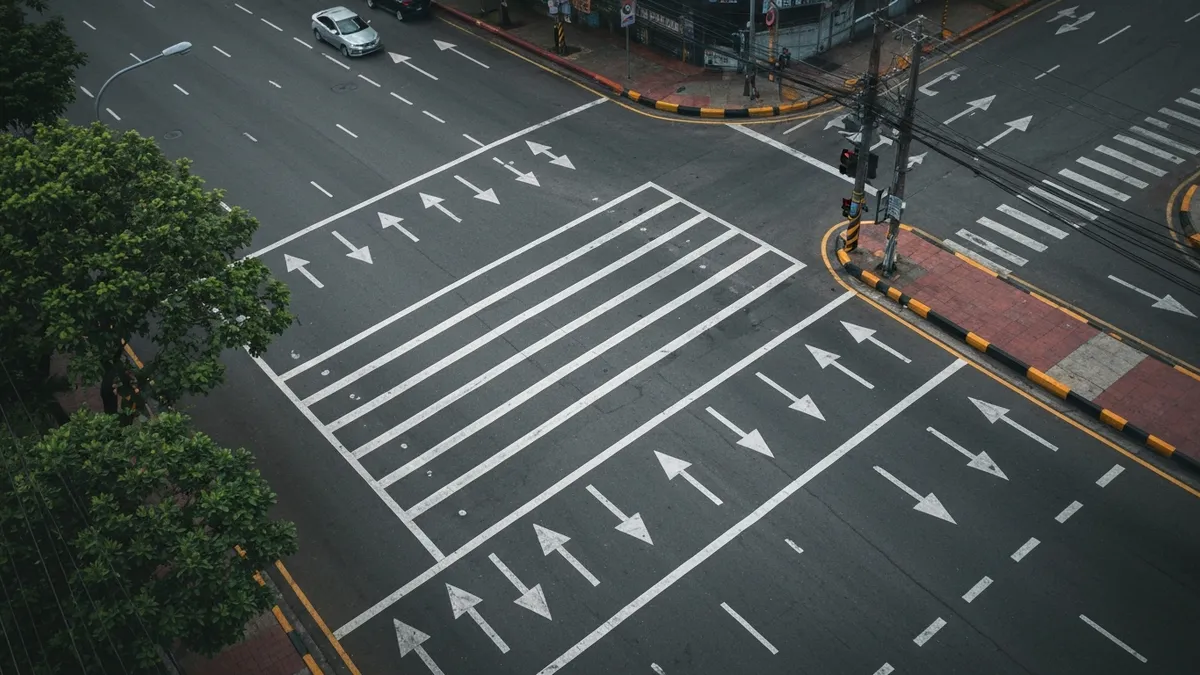
Practical preparation for the LTO exam extends well beyond simply reading study materials. One of the most effective techniques is to drive — or ride as a passenger — on Philippine roads with active attention to the signs, markings, and traffic flow patterns you observe. Real-world exposure helps your brain connect abstract exam questions to concrete visual memories. When the exam asks about the proper response to a flashing yellow signal at an intersection, having actually navigated that situation makes the correct answer immediately intuitive rather than requiring effortful recall of a memorized rule.
Timing your practice sessions to mirror actual exam conditions is equally valuable. If the LTO exam gives you 30 minutes for 60 questions, practice sets should also be completed in 30 minutes with no pauses, phone checks, or reference materials. This trains your pace — roughly 30 seconds per question — and reveals which question types slow you down. Questions involving numerical data, such as specific speed limits on different road types or penalty amounts for specific violations, tend to take longer to answer confidently and are worth extra drilling during your preparation period.
The mental state you bring into the examination room affects performance significantly. Applicants who arrive anxious and sleep-deprived perform measurably worse than those who arrive rested and confident, even with identical preparation. Aim to complete your active studying at least 24 hours before your exam, then allow yourself a rest period. Light review of road signs the morning of the exam is acceptable, but avoid cramming new material on exam day itself — it raises anxiety without meaningfully improving scores. Eat a proper meal, hydrate well, and arrive with enough time to settle in calmly before your slot begins.
After passing the written examination, some applicants are surprised to find that the practical driving test — also called the actual driving test — is required for certain license types and has its own separate dress code and preparation requirements. The practical test takes place in an LTO driving area or designated test route and evaluates your ability to perform specific maneuvers: parallel parking, turning within a limited space, emergency stopping, and maintaining proper lane discipline.
Examiners score each maneuver using a standardized rubric, and failing even one critical maneuver can result in an overall test failure. Wearing comfortable, practical footwear is especially important for the driving test — closed shoes with thin soles that allow you to feel the pedals are ideal.
The LTO has been undergoing a modernization program in recent years, with online appointment booking, electronic payment pilots, and digitized license card production all part of the transformation. License cards are now produced centrally rather than at individual offices, which means there is often a delay of several weeks between passing your exam and receiving the physical card.
During this waiting period, you are issued an Official Receipt (OR) that serves as a temporary driving document. Keep this OR in your vehicle at all times until your physical card arrives, and never drive without it — traffic enforcers recognize the OR as valid proof of licensure during the transition period.
Parents enrolling teenage children in the Student Permit process should note that minors under 18 require written parental consent as part of the documentary requirements. The Student Permit allows supervised practice driving but does not authorize solo driving on public roads. Holders of a Student Permit must always be accompanied by a licensed adult driver sitting in the front passenger seat. Violations of this rule carry penalties for both the student and the supervising adult, so understanding the restrictions that come with a Student Permit is essential before any on-road practice begins.
Ultimately, the combination of proper preparation, correct documentation, appropriate dress, and a calm mindset gives any applicant the best possible chance of completing their LTO transaction successfully on the first attempt. The Philippine driver's license examination is not designed to trick applicants — it tests whether you understand the rules that make roads safe for everyone. Approach your preparation as civic education rather than just an obstacle to overcome, and you will find that the knowledge you gain serves you every time you sit behind the wheel, not just on exam day.
LTO Questions and Answers

LTO License Renewal Guide Philippines 2026 — Requirements and Process
LTO Traffic Violations Philippines 2026 — Fines and Penalties Guide

LTO Plate Number Tracker: What Is LTO, What Does LTO Stand For, and How to Track Your Vehicle Registration in 2026

FE Exam Review Course: What Is LTO and How to Pass Your Driver's License Exam in 2026

VA Exam Review: Complete LTO Driver's License Exam Guide for 2026
About the Author

Educational Psychologist & Academic Test Preparation Expert
Columbia University Teachers CollegeDr. Lisa Patel holds a Doctorate in Education from Columbia University Teachers College and has spent 17 years researching standardized test design and academic assessment. She has developed preparation programs for SAT, ACT, GRE, LSAT, UCAT, and numerous professional licensing exams, helping students of all backgrounds achieve their target scores.
Join the Discussion
Connect with other students preparing for this exam. Share tips, ask questions, and get advice from people who have been there.
View discussion (8 replies)