
What Is LTO? The LTO Official Website, Exam, and Everything You Need to Know
What is LTO? Learn what LTO stands for, how to use the official website, and ace the LTO exam. Full guide with practice tests. ✅
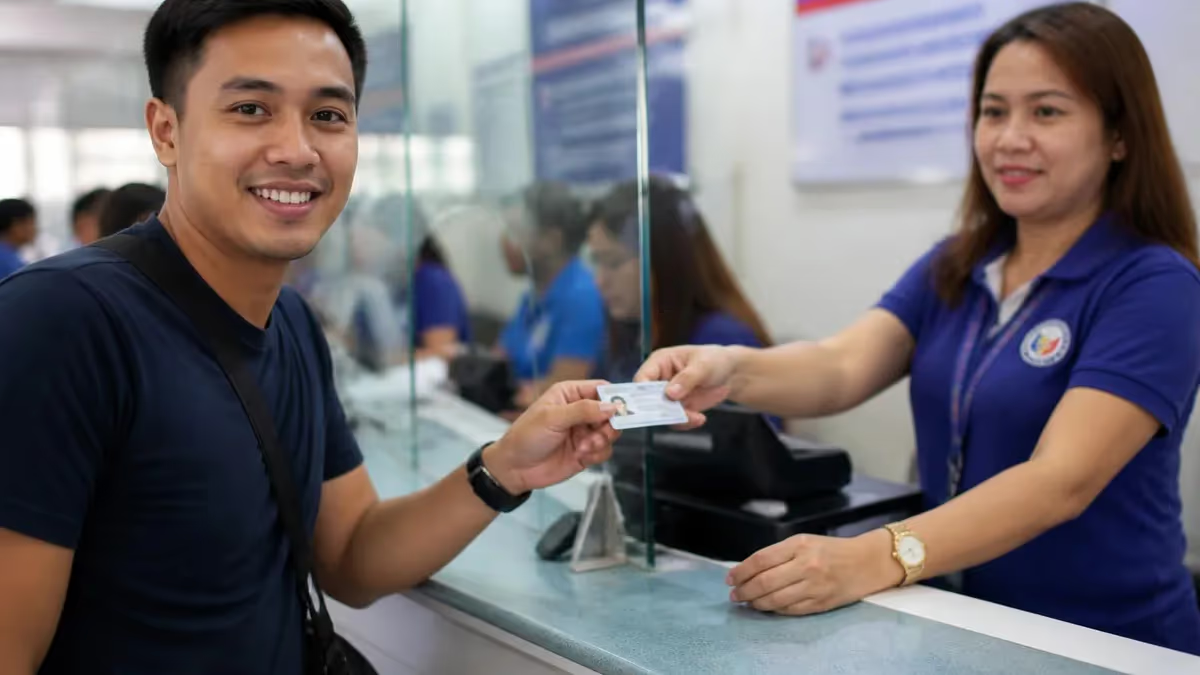
If you have ever searched for the lto official website and wondered exactly what this agency does, you are not alone. LTO stands for the Land Transportation Office, the Philippine government agency responsible for registering motor vehicles, licensing drivers, and enforcing road safety regulations across the country. Whether you are a first-time driver preparing for the LTO exam, a vehicle owner tracking your registration, or simply someone who wants to understand the agency, this guide breaks down everything you need to know about LTO in clear, practical terms.
The question "what is LTO" comes up thousands of times every month from Filipinos at every stage of the licensing process. The Land Transportation Office was established under the Department of Transportation (DOTr) and operates dozens of district offices nationwide. Its core mandate is to keep Philippine roads safe by ensuring that only qualified drivers receive licenses and that all vehicles on public roads meet safety and emissions standards set by the government.
Understanding what LTO stands for goes beyond the acronym itself. The agency administers the Theoretical Driving Course (TDC), issues student permits, professional and non-professional driver's licenses, and processes motor vehicle registrations including plate releases. It also collects fees for traffic violations and implements penalty schemes outlined in the Land Transportation and Traffic Code. Knowing how LTO works is the first step toward a smooth licensing experience.
Many applicants also encounter the phrase "what is an LTO" when researching requirements for their first driver's license application. In everyday usage, Filipinos often refer to a local LTO office as "the LTO," meaning the specific district office nearest them. There are more than 300 LTO offices and extensions across the Philippines, serving millions of transactions each year. Online services through the official portal have reduced the need for in-person visits, although certain transactions still require a physical appearance.
The LTO exam is one of the most important steps in the licensing journey. Before receiving a driver's license, applicants must pass a written examination that tests knowledge of traffic laws, road signs, pavement markings, defensive driving techniques, and the rights and responsibilities of drivers. The exam is computer-based at most district offices and consists of multiple-choice questions drawn from the official LTO reviewer. Preparation is essential, and using quality practice materials dramatically improves your pass rate on the first attempt.
Aside from licensing, LTO also plays a critical role in vehicle registration renewal, which is required annually for all motor vehicles. The agency has rolled out online renewal portals, authorized payment channels, and satellite offices to reduce congestion at main offices. Vehicle owners must present a valid insurance certificate (CTPL), an up-to-date emission test certificate, and proof of payment of all applicable fees. Missing any requirement can delay the registration process significantly.
This guide covers the full scope of what LTO is, what it does, how its official digital services work, and how you can best prepare for the LTO exam. Whether you are a student driver, a seasoned motorist renewing your license, or a vehicle owner navigating registration requirements, the information here will save you time and help you avoid costly mistakes at the district office.
LTO by the Numbers
What LTO Stands For: Core Functions of the Land Transportation Office
LTO issues student permits, non-professional licenses (for private vehicles), and professional licenses (for commercial drivers). Each requires passing the written exam, a practical driving test, and medical clearance from an accredited clinic.
All motor vehicles in the Philippines must be registered annually with LTO. Registration involves submitting proof of insurance (CTPL), an emission test certificate, and payment of registration fees based on vehicle type and engine displacement.
LTO enforces traffic laws, impounds vehicles with expired registrations, and imposes fines for violations such as overspeeding, illegal modifications, and driving without a valid license. It coordinates with the MMDA and local traffic authorities.
The theoretical driving exam is administered at LTO offices. It is computer-based at larger offices and covers road signs, traffic rules, defensive driving, and driver responsibilities. Applicants must score at least 75% to pass and proceed to the practical test.
The LTO official digital portal allows motorists to check vehicle registration status, verify license validity, pay renewal fees online, and book appointments at district offices — reducing the need for long in-person queues.
Understanding what the LTO official website offers can save you hours of waiting in line at district offices. The Land Transportation Office maintains an official online portal where motorists and license applicants can access a growing suite of digital services. These services include vehicle registration renewal, license verification, appointment scheduling, and status tracking for plates and documents. Using the online system correctly is now considered the most efficient way to handle most LTO transactions, especially in Metro Manila where foot traffic at offices can be overwhelming.
When you visit the LTO portal, the first thing you will notice is the My LTO Portal, which serves as the central hub for registered users. Creating an account links your license number and registered vehicles to a personal dashboard. From there, you can initiate renewal applications, upload required documents like CTPL insurance certificates and emission test results, and receive email or SMS notifications when your documents are ready for pickup. This system significantly reduces the paperwork burden compared to the fully manual process of five years ago.
Appointment booking through the official site is one of the most valuable features for applicants preparing for the LTO exam. By scheduling a specific date and time slot at your preferred district office, you avoid the walk-in crowd and are processed in a dedicated lane. Many applicants report that an online appointment cuts their total office visit time from four to six hours down to one to two hours. The system is available 24 hours a day and appointments can typically be booked one to two weeks in advance, depending on office availability.
Vehicle plate tracking is another popular feature on the portal. After purchasing a new vehicle or completing registration, the plate manufacturing and release process can take several months. The online tracker allows owners to input their plate number request details and receive real-time status updates — whether the plate is still in fabrication, in transit to the district office, or ready for pickup. This prevents unnecessary trips to the office to ask about plate status.
License renewal can also be initiated online for drivers whose licenses are expiring. The portal walks you through the checklist of requirements, which includes a medical certificate from an LTO-accredited clinic, payment of renewal fees (which vary by license type and number of years), and in some cases a drug test result. Once documents are verified online, you visit the office only to capture your biometrics and photo, which dramatically streamlines what used to be a full-day ordeal.
For those wondering what LTO means in the context of violations and penalties, the portal also includes a violation inquiry tool. By entering your license number or plate number, you can check for any recorded traffic violations, outstanding fines, or holds on your registration or license renewal. Clearing these violations is a prerequisite for any renewal transaction, and discovering them early online allows you to settle them before your renewal deadline arrives.
It is important to note that the LTO online portal is distinct from third-party websites and apps that may imitate official LTO branding. Always verify that you are on the authenticated government domain and never submit payment information through unofficial channels. The official site uses secure HTTPS connections and will never ask for your full credit card number via email or SMS. Staying on verified government platforms protects you from phishing scams that target LTO applicants, particularly during registration renewal season.
What Does LTO Stand For? Breaking Down the LTO Exam Topics
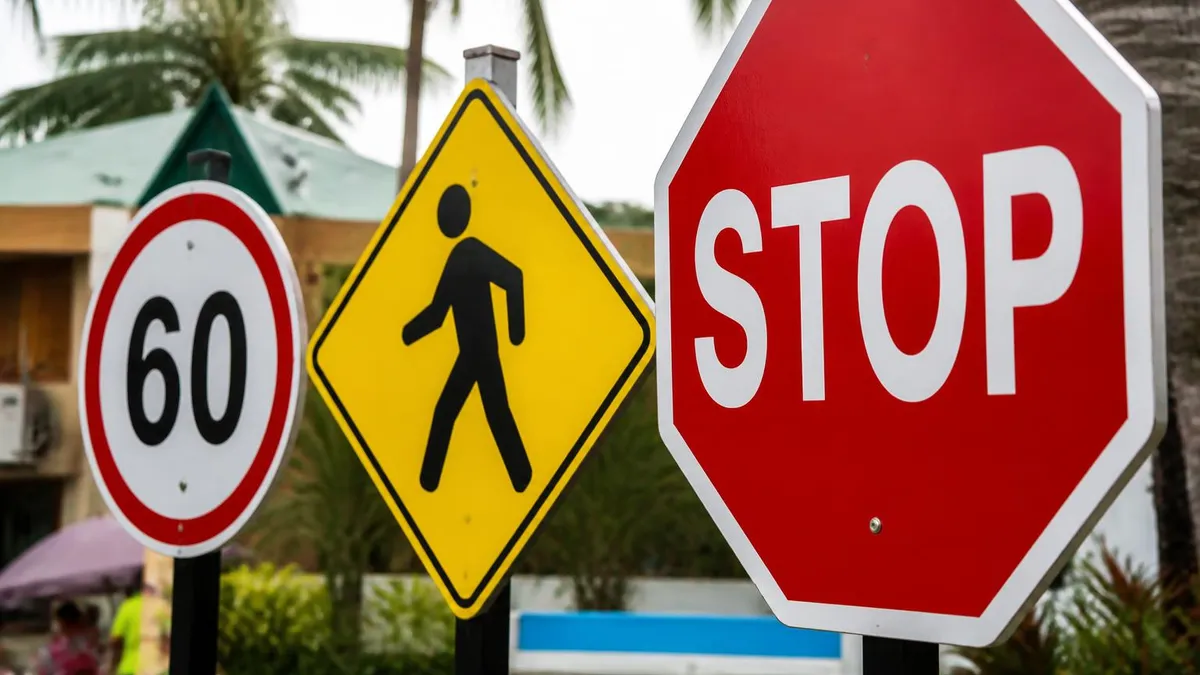
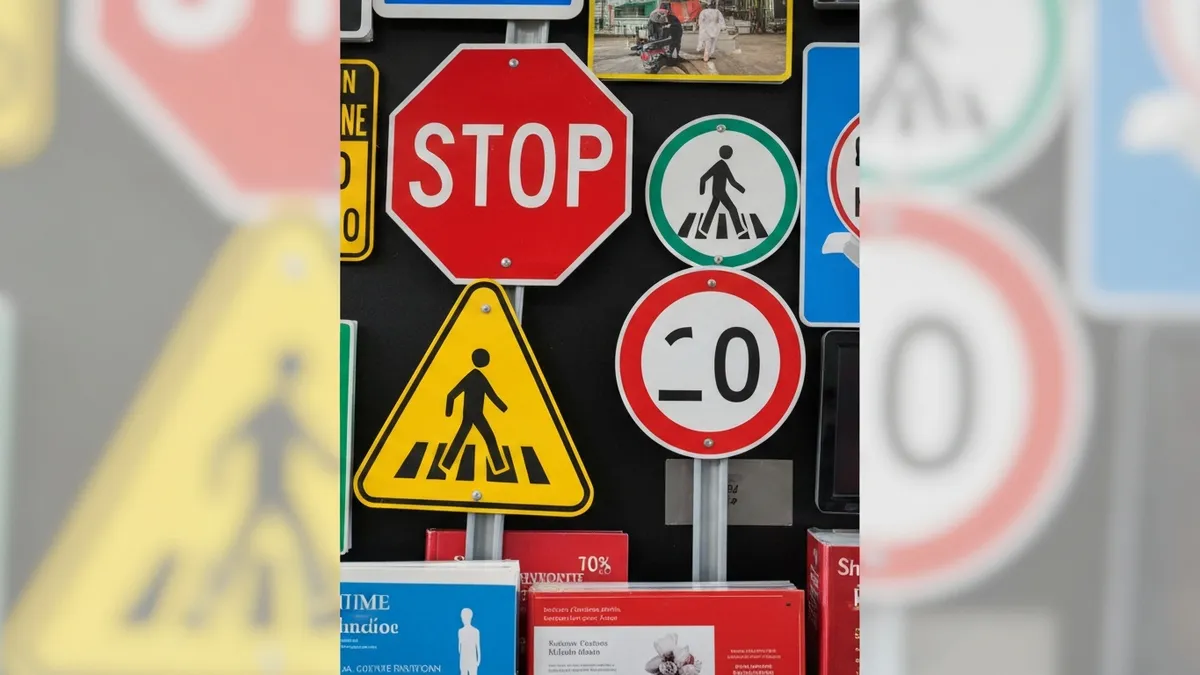
Road signs and pavement markings make up a significant portion of the LTO written exam. Applicants must identify regulatory signs (stop, no entry, speed limit), warning signs (curves, intersections, school zones), and informational signs (hospital, fuel, parking). Philippine road signs follow international conventions with some local modifications, and knowing the color coding — red for prohibitions, yellow for warnings, blue for services — is essential for answering exam questions quickly and accurately.
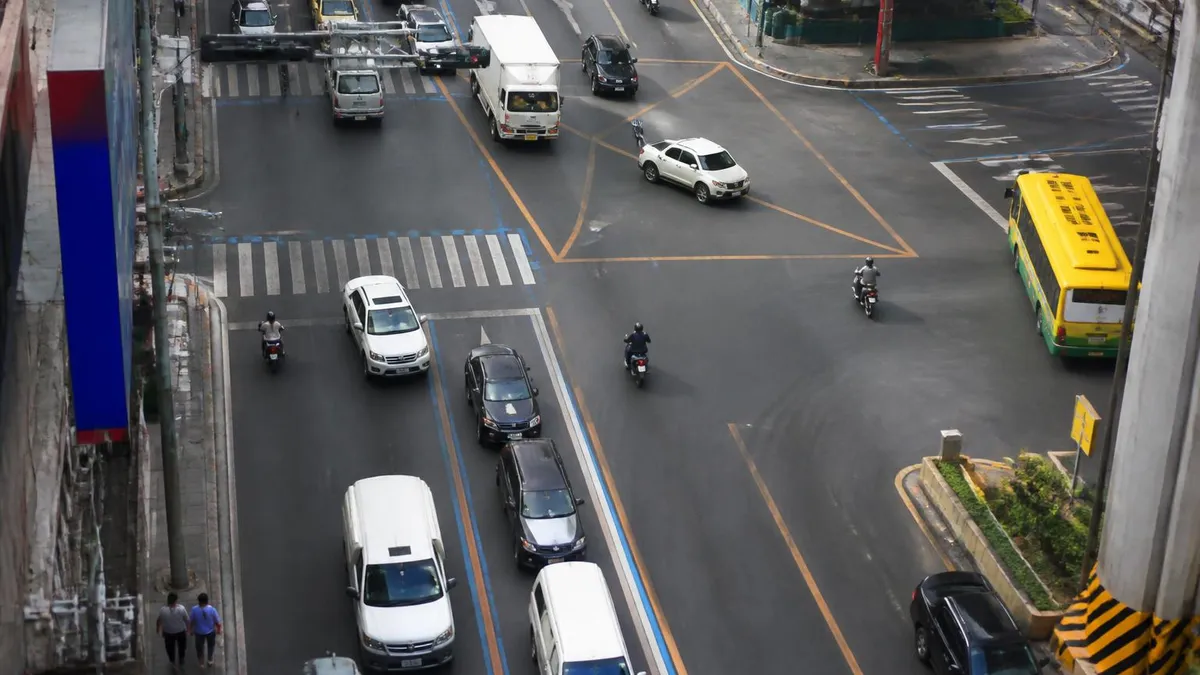
Pavement markings tested on the LTO exam include solid yellow center lines (no overtaking), broken white lines (lane changes permitted), pedestrian crossings, and box intersections. The exam will present scenarios where you must identify the correct action based on the marking visible. Practicing with actual sign diagrams, not just text descriptions, is critical. Flashcard-style review tools and online simulators that show sign images alongside multiple-choice answers are the most effective study method for this topic area.
LTO Online Services vs. Walk-In Office Visits: Key Differences
- +Book appointments online to skip the walk-in queue and reduce total visit time by up to 75%
- +Pay registration renewal fees through authorized online payment channels at any hour
- +Track vehicle plate release and license document status without visiting the office
- +Receive SMS and email notifications when documents are ready for pickup
- +Check outstanding violations and fines before they delay your renewal transaction
- +Upload supporting documents digitally, reducing risk of lost paperwork at the counter
- −Biometric capture, photo, and certain exams still require a mandatory in-person visit
- −System outages during peak renewal seasons (March–April) can disrupt appointment booking
- −Not all LTO district offices and extensions support the full range of online transactions
- −Online portal requires a working email address and smartphone, creating a digital access gap
- −Third-party phishing sites mimicking the LTO portal pose a real fraud risk for applicants
- −Technical issues with uploaded documents can delay processing without clear error messages
Pros and Cons at a Glance
| Pros | Cons |
|---|---|
| Pay registration renewal fees through authorized online payment channels at any hour | Biometric capture, photo, and certain exams still require a mandatory in-person visit |
| Track vehicle plate release and license document status without visiting the office | System outages during peak renewal seasons (March–April) can disrupt appointment booking |
| Receive SMS and email notifications when documents are ready for pickup | Not all LTO district offices and extensions support the full range of online transactions |
| Check outstanding violations and fines before they delay your renewal transaction | Online portal requires a working email address and smartphone, creating a digital access gap |
| Upload supporting documents digitally, reducing risk of lost paperwork at the counter | Third-party phishing sites mimicking the LTO portal pose a real fraud risk for applicants |
LTO Exam Preparation Checklist: Everything to Do Before Test Day
- ✓Complete the Theoretical Driving Course (TDC) at an LTO-accredited driving school before scheduling your exam appointment.
- ✓Book your exam appointment through the official LTO portal at least one week before your preferred test date.
- ✓Obtain a medical certificate from an LTO-accredited clinic, ensuring it is dated within 30 days of your exam appointment.
- ✓Prepare valid government-issued identification such as a passport, PSA birth certificate, or PhilSys national ID.
- ✓Study all road sign categories — regulatory, warning, and informational — using image-based flashcards or the official LTO reviewer.
- ✓Practice at least 200 multiple-choice exam questions covering traffic laws, road signs, and defensive driving scenarios.
- ✓Review the Land Transportation and Traffic Code (RA 4136) penalties section, focusing on speed limits and right-of-way rules.
- ✓Get a full night's sleep before your exam and arrive at the LTO office at least 30 minutes before your scheduled appointment slot.
- ✓Bring printed copies of your appointment confirmation, TDC completion certificate, and medical certificate to the office.
- ✓After passing the written exam, prepare for the practical driving test by practicing basic maneuvers in a safe, controlled environment.
75% Is the Minimum — But Aim for 90%
The LTO written exam requires a score of at least 30 out of 40 questions (75%) to pass. However, experienced test-takers recommend aiming for 90% or higher during practice to build a safety margin. Exam anxiety and unfamiliar phrasing can cost you 2–3 questions even on content you know well, so over-preparing is always the safer strategy.
The Land Transportation Office provides a wide range of services beyond just the initial driver's license exam. For many Filipino motorists, the most frequent interaction with LTO is the annual vehicle registration renewal process. Every motor vehicle registered in the Philippines must undergo renewal within a specific window based on the last digit of the plate number, which determines the renewal month. Missing this window results in penalty fees that increase the longer the registration remains expired, and driving an unregistered vehicle is a citable offense that can result in impoundment.
LTO also manages the Motor Vehicle Inspection System (MVIS), which screens vehicles for road worthiness. Heavy trucks, buses, and public utility vehicles must pass MVIS inspections before registration is approved. Private vehicles are primarily assessed through accredited emission testing centers, where a valid Certificate of Emission Compliance (CEC) must be secured before the LTO will process the registration renewal. Vehicles that fail emission standards must undergo repairs and retesting before they can be legally driven on public roads.
For new vehicle owners, the process of securing a Certificate of Registration (CR) and Official Receipt (OR) from LTO is the first critical step after purchase. The dealer typically handles initial registration, but the owner must ensure that the CR/OR documents are accurate and stored safely, as they are required for every subsequent renewal and for any sale or transfer of ownership. Lost CR/OR documents require a formal affidavit of loss and a replacement fee before LTO will issue duplicates.
Motorcycle riders form a large segment of LTO license holders in the Philippines, and the agency has specific regulations for this group. A Motorcycle Competency Evaluation Course (MCEC) is now required for applicants seeking a motorcycle endorsement on their driver's license. The MCEC tests basic handling skills, emergency braking, and slow-speed control. Combined with the written exam covering motorcycle-specific traffic rules, this requirement has reduced motorcycle-related road fatalities, which historically account for a disproportionate share of road crash deaths in the country.
LTO also oversees the Comprehensive Dangerous Drugs Act compliance for drivers, particularly commercial drivers. Professional license holders driving public utility vehicles, trucks, and delivery vehicles are subject to mandatory drug testing as part of the license renewal process. Non-professional drivers may also be required to submit drug test results depending on the requirements at their specific LTO district office. All drug testing must be conducted at DOH-accredited drug testing facilities, and results are valid for a set period specified in current LTO memorandum circulars.
The agency regularly issues memorandum circulars updating fees, adding new requirements, and changing procedures. Checking the official LTO communications before initiating any transaction is strongly recommended, as requirements can shift from one quarter to the next. Community groups and LTO-focused online forums can be helpful for staying updated on procedural changes, but always verify announcements against official LTO sources before acting on advice from unofficial channels.
For applicants who fail the LTO written exam on their first attempt, the agency allows retakes after a waiting period. The number of retakes allowed within a given application window and the required waiting time between attempts are specified in current LTO guidelines. Using this waiting period productively — reviewing incorrect answers, working through additional practice tests, and focusing on weak topic areas — dramatically improves outcomes on the second attempt. Many second-time exam takers report passing with higher scores than they expected after targeted review.
Fixers who offer to fast-track LTO transactions for a fee are illegal under Philippine law and expose you to fraud, overcharging, and invalid documents. All LTO transactions must be completed through official channels — the LTO portal, authorized payment centers, or LTO district offices. If you are approached by someone offering shortcuts, report them to the LTO Anti-Fixing Campaign hotline or the nearest LTO district director.
Preparing for the LTO exam requires more than just memorizing a list of rules. The most effective study approach combines conceptual understanding of why traffic laws exist with practical application through scenario-based practice questions. Drivers who understand the purpose behind regulations — such as why the two-second rule exists or why solid yellow lines prohibit overtaking — can answer exam questions correctly even when the wording is unfamiliar, because they can reason through the correct answer from first principles rather than relying solely on rote memorization.
One of the most common mistakes first-time LTO exam takers make is relying on outdated reviewer materials. The LTO updates its question bank periodically, and practice materials from several years ago may contain obsolete fee structures, outdated speed limit information, or penalties that have since been revised by new memorandum circulars. Always use study materials that have been updated within the past 12 to 18 months and cross-reference key facts with official LTO announcements to ensure accuracy on test day.
Time management during the exam is another factor that separates confident passers from anxious ones. The LTO written exam is administered on a computer at most district offices, and applicants typically have a set time limit to complete all 40 questions. Moving through questions at a steady pace — spending no more than 60 to 90 seconds per question — ensures you reach the end of the exam without rushing. If a question stumps you, mark it mentally and move on, returning to it after you have answered every question you know confidently.
Road sign recognition is one of the easiest areas to master with targeted practice and one of the most damaging areas to neglect. A significant portion of LTO exam failures can be traced to poor road sign identification, particularly for less common signs such as those indicating school zones, hospital areas, and specific prohibitions. Creating a visual flashcard set covering all sign categories and drilling through them daily for one to two weeks before your exam will build the instant-recognition skill that makes sign questions on the exam feel effortless rather than stressful.
Defensive driving questions on the LTO exam often present multi-step scenarios where you must identify the single safest action among several plausible options. For these questions, apply the principle of minimizing risk: the correct answer is almost always the one that creates the most buffer time and space between your vehicle and potential hazards. When in doubt, the option that involves slowing down, increasing following distance, or yielding right-of-way is usually correct, since LTO exam content is built around promoting conservative, safety-first driving habits.
Practice tests taken under realistic conditions are the gold standard of LTO exam preparation. Set a timer for the actual exam duration, sit at a desk without distractions, and work through a full 40-question set without pausing to look up answers. Score yourself honestly afterward and review every question you missed, including those you got right by guessing. This honest self-assessment identifies your actual weak spots rather than your perceived weak spots, allowing you to direct your final days of study toward the highest-impact review areas.
The morning of your LTO exam, eat a proper meal, arrive at the office early enough to complete administrative processing before your scheduled time slot, and bring all required documents in a folder to avoid last-minute scrambling. Exam anxiety is normal, but it peaks when you feel disorganized or rushed. A calm, prepared mindset going into the computer-based test significantly improves performance. Remember that the exam is designed to assess basic road safety knowledge, not to trick you — straightforward, safety-focused answers are correct the vast majority of the time.
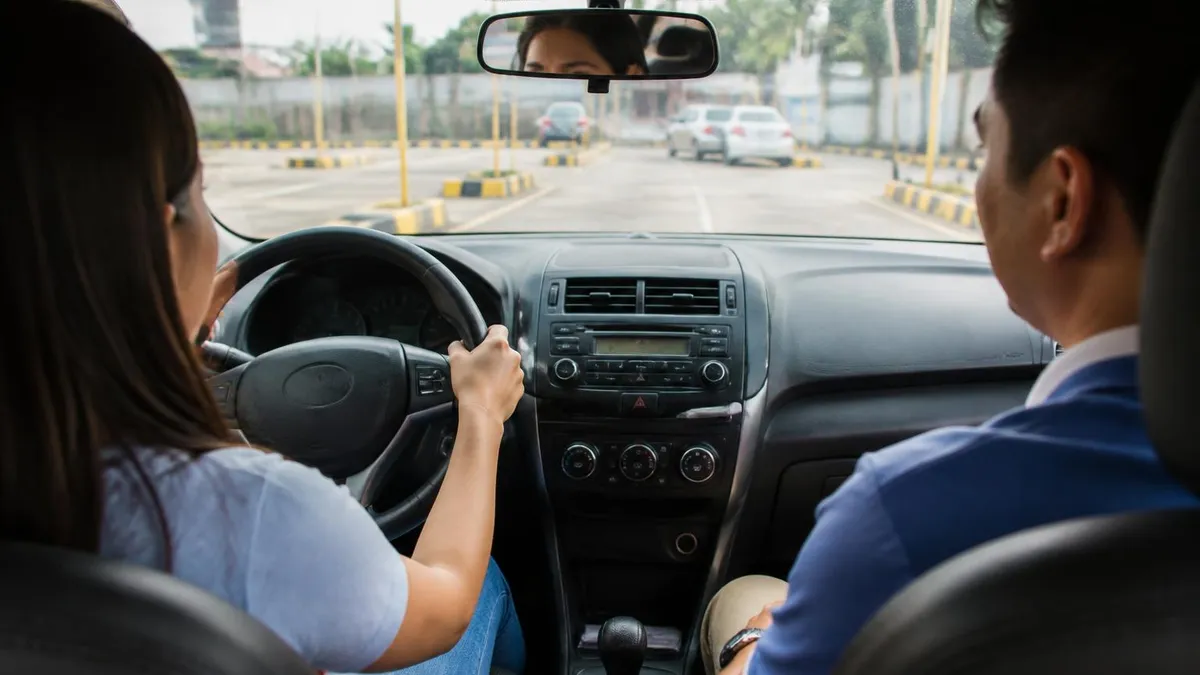
Beyond the written exam, many LTO applicants underestimate the importance of the practical driving test that follows. Once you pass the theoretical component, you must demonstrate actual vehicle control skills at the LTO's designated testing area or an approved driving school facility. The practical test typically involves basic exercises: forward and reverse parking, figure-eight maneuvers, emergency braking, and navigating through cones or marked lanes. Failing the practical test is more common than many applicants expect, and poor clutch control, inconsistent braking, and failure to check mirrors are the most frequently cited reasons for failure.
Applicants who completed a comprehensive course at an LTO-accredited driving school before their exam typically perform significantly better on both the written and practical tests than those who attempt to self-study and self-practice. Accredited schools provide structured behind-the-wheel hours in controlled environments before exposing students to real traffic conditions. Instructors at these schools are also familiar with the specific maneuvers assessed on the LTO practical test and can coach students on the exact technique the examiner expects to see, which differs subtly from how a skill might be executed in everyday driving.
After passing both components, the final step is the issuance of your student permit (for first-time applicants), which you must hold for a minimum period before applying for a non-professional driver's license. During the student permit phase, you are legally required to be accompanied by a licensed driver at all times when operating a vehicle on public roads. This phase is meant to provide supervised real-world driving experience that bridges the gap between controlled test conditions and the unpredictability of actual traffic environments.
Renewing a driver's license in the Philippines follows a cycle based on the license holder's birth month, and LTO now enforces a medical examination requirement at renewal. The medical exam includes vision testing, and applicants with corrective lenses must have their restriction code updated on the license to reflect the requirement to drive with eyewear. Failing to update this restriction is a traffic violation in itself. The medical exam also screens for conditions that could impair driving ability, and LTO examiners have the authority to require additional specialist clearances if a condition flagged during the exam warrants closer review.
For professional drivers — those operating trucks, buses, taxis, ride-hailing vehicles, or other commercial transport — the licensing requirements are more stringent. Professional licenses require a drug test, a more detailed medical exam, and in some cases additional practical assessments beyond what non-professional applicants undergo. The renewal cycle for professional licenses differs as well, and violations accumulated on a professional license carry heavier penalties than those on a non-professional one, reflecting the higher duty of care that commercial drivers bear toward their passengers and the general public.
Understanding the full scope of what LTO does — from issuing student permits to enforcing penalties against reckless drivers — helps you appreciate why exam preparation matters. The LTO exam is not merely a bureaucratic hurdle; it is the agency's primary tool for ensuring that every licensed driver on Philippine roads has a baseline understanding of traffic laws and safe driving practices. Treating exam preparation seriously is ultimately an investment in your own safety and the safety of everyone sharing the road with you.
Whether you are just beginning your licensing journey or preparing to renew after years behind the wheel, the resources available through PracticeTestGeeks.com can help you approach every LTO requirement with confidence. From free practice tests covering road signs and traffic violations to detailed guides on renewal procedures and exam formats, the platform is designed to give every Filipino driver the preparation advantage they deserve. Start with a free practice quiz today and discover exactly where your knowledge stands before you sit down at the LTO exam terminal.
Sample LTO - Exam Reviewer Practice Questions
Try these questions from our free LTO - Exam Reviewer practice tests. The correct answer and an explanation follow each question.
What does the 'Official Receipt and Certificate of Registration' (OR/CR) of a vehicle prove?
- A. That the driver has a valid license
- B. That the vehicle is legally registered and the owner has paid registration fees
- C. That the vehicle has passed emissions testing only
- D. That the vehicle is covered by comprehensive insurance
Answer: B. That the vehicle is legally registered and the owner has paid registration fees
The OR/CR proves that the vehicle's registration is current, fees have been paid, and the vehicle is legally authorized to use public roads.
A driver must report an accident to the DMV when property damage exceeds:
- A. $500
- B. $750
- C. $1,000
- D. $2,500
Answer: B. $750
In many U.S. states, accidents involving property damage over $750 must be reported to the DMV within a specified timeframe.
Which action should you take FIRST when your vehicle begins to skid?
- A. Apply the brakes firmly
- B. Steer into the direction of the skid
- C. Accelerate to regain traction
- D. Shift to a higher gear
Answer: B. Steer into the direction of the skid
Steering into the skid (the direction the rear is sliding) helps realign the vehicle and restore traction.
A solid yellow line on your side of the road's center means:
- A. You may not cross the yellow line to pass
- B. You may pass when oncoming traffic is clear
- C. The road narrows ahead
- D. A divided highway begins
Answer: A. You may not cross the yellow line to pass
A solid yellow line on your side prohibits you from crossing it to pass another vehicle.
LTO Questions and Answers

LTO License Renewal Guide Philippines 2026 — Requirements and Process
LTO Traffic Violations Philippines 2026 — Fines and Penalties Guide

LTO Plate Number Tracker: What Is LTO, What Does LTO Stand For, and How to Track Your Vehicle Registration in 2026

LTO Dress Code and What Is LTO: Complete Guide to the Philippines Land Transportation Office

LTO License Restriction Codes Philippines — Complete Guide 2026
About the Author

Educational Psychologist & Academic Test Preparation Expert
Columbia University Teachers CollegeDr. Lisa Patel holds a Doctorate in Education from Columbia University Teachers College and has spent 17 years researching standardized test design and academic assessment. She has developed preparation programs for SAT, ACT, GRE, LSAT, UCAT, and numerous professional licensing exams, helping students of all backgrounds achieve their target scores.
Join the Discussion
Connect with other students preparing for this exam. Share tips, ask questions, and get advice from people who have been there.
View discussion (8 replies)