
LPN Training Online: Complete 2026 October Guide to Programs, Requirements & NCLEX-PN Prep
📝 Complete guide to LPN training online: accredited programs, admission requirements, costs, NCLEX-PN prep, and career outcomes for 2026 October.
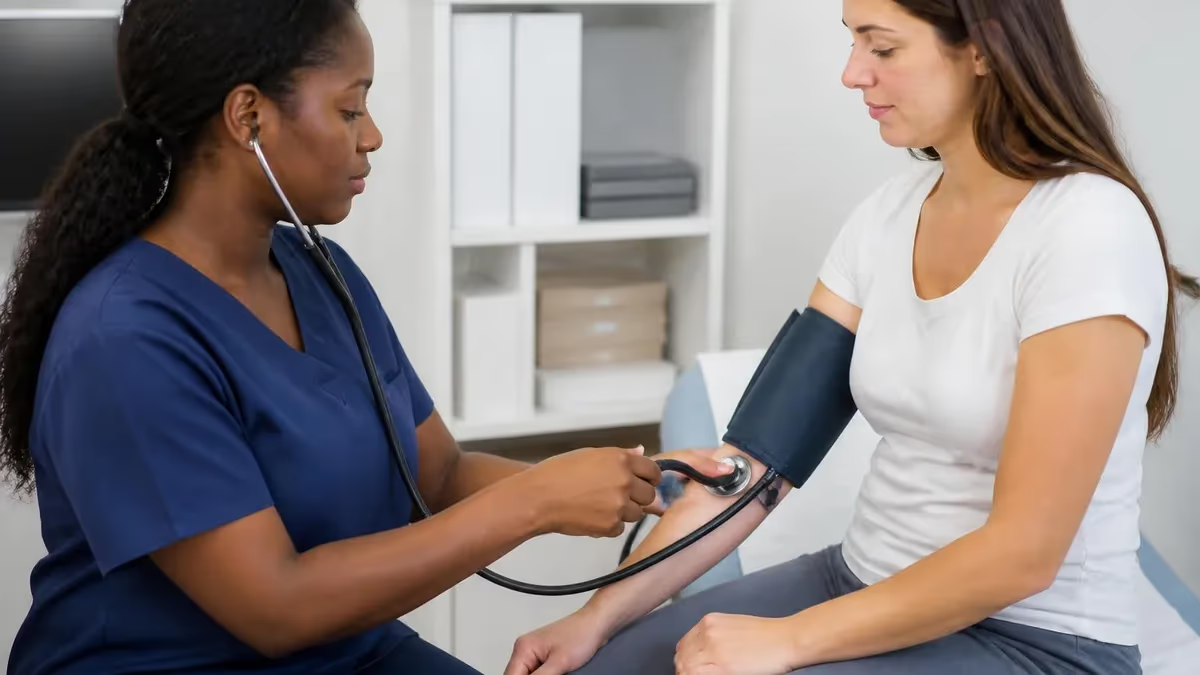
LPN training online has become one of the most accessible pathways into nursing for career changers, working adults, and students who cannot commit to a traditional campus schedule. Accredited hybrid and fully online LPN programs let you complete foundational coursework — anatomy, pharmacology, nursing fundamentals, and more — from home, while reserving in-person clinical hours for hands-on patient care practice. Programs typically run 12 to 18 months, making them significantly faster than a two- or four-year degree, and tuition ranges from about $8,000 at community colleges to $22,000 at private institutions, depending on program length and state.
The demand for Licensed Practical Nurses remains strong across the United States. The Bureau of Labor Statistics projects roughly 57,500 new LPN positions through 2033, driven by an aging population, expanded Medicare and Medicaid coverage, and growing numbers of long-term care facilities. Median annual wages sit around $59,730 nationally, with top earners in specialty settings like correctional health, home health, and skilled nursing facilities clearing $70,000 or more. That combination of short training time, predictable job growth, and solid pay makes LPN one of the most efficient healthcare credentials available.
Understanding how online training actually works is essential before you enroll. Most programs follow a hybrid model: lecture content, dosage calculation modules, nursing theory, and virtual simulations are delivered through a learning management system you access on your own schedule, while clinical rotations at approved local healthcare facilities — typically 200 to 400 hours — must be completed in person. A small number of bridge-style programs are nearly fully online for students who already hold a healthcare credential like CNA or EMT, but pure online clinical hours are not accepted by most state boards of nursing.
Accreditation is the single most important quality marker to verify before paying any tuition deposit. Programs approved by the Accreditation Commission for Education in Nursing (ACEN) or the National League for Nursing Commission for Nursing Education Accreditation (NLN CNEA) meet the national standards state boards rely on when evaluating NCLEX-PN eligibility. Enrolling in an unaccredited program can disqualify you from licensure regardless of your grades, so always confirm your target program's approval status with both the accrediting body and your state's board of nursing before applying.
Choosing the right program involves more than comparing tuition prices. You'll want to evaluate the student-to-faculty ratio in clinical simulations, the availability of virtual lab software (programs like vSim for Nursing offer scenario-based practice that mimics real patient encounters), NCLEX-PN first-attempt pass rates — which the best programs publish openly — and the geographic coverage of clinical placement partners. Students in rural areas or states with limited healthcare infrastructure sometimes struggle to secure placements, so asking the admissions team for a concrete list of affiliated clinical sites in your zip code is a smart first step.
If you're ready to explore specific program options in detail, the comprehensive resource on lpn training online compares accredited options, state-by-state requirements, and application timelines in one place. That guide is particularly useful for comparing hybrid versus asynchronous formats and for understanding which states have reciprocity agreements that let you transfer an LPN license earned in one state to another without retesting.
This article walks through everything you need to know: program structure, admission requirements, costs, curriculum breakdown, the NCLEX-PN exam, and the practical strategies that separate students who pass on the first attempt from those who have to retake it. Whether you're just starting your research or finalizing your application, the information below will help you make a confident, well-informed decision about your nursing education.
LPN Training Online by the Numbers
How to Enroll in an LPN Training Program Online
Verify State Board Requirements
Meet Admission Prerequisites
Submit Applications & Financial Aid
Complete Online Coursework
Complete Clinical Rotations
Apply for NCLEX-PN & Licensure
The curriculum inside an accredited LPN training program covers the same foundational nursing competencies whether you study online, in person, or in a hybrid format. Coursework is typically organized around the NCLEX-PN test plan categories — basic care and comfort, pharmacological therapies, physiological adaptation, coordinated care, health promotion and maintenance, and psychosocial integrity — which means what you learn in class directly prepares you for licensure.
Understanding this alignment from day one helps you study more strategically, because you're always studying for two purposes at once: the next exam in your course and the NCLEX-PN at the end of your program.
Anatomy and physiology is almost universally the first major academic hurdle in LPN programs. Expect to memorize the structures and functions of all 11 body systems, with special emphasis on the cardiovascular, respiratory, renal, and endocrine systems, since these underpin the most frequently tested pathophysiology content on the NCLEX-PN. Online programs typically deliver A&P through recorded lectures, labeled diagram exercises, and virtual cadaver tools like Visible Body or Complete Anatomy, which let you rotate 3D models and layer tissues — a surprisingly effective substitute for the physical lab experience once you develop a study rhythm with them.
Pharmacology is the course that trips up the highest percentage of LPN students, whether online or on campus. You'll be expected to know mechanisms of action, therapeutic uses, adverse effects, contraindications, and nursing implications for hundreds of drug classes — including cardiac glycosides, ACE inhibitors, beta-blockers, anticoagulants, antibiotics, corticosteroids, and psychiatric medications.
The most effective approach is to learn by drug class rather than memorizing individual drugs, and to always pair pharmacological facts with the clinical nursing assessments they require. For instance, knowing that digoxin causes bradycardia is only half the knowledge — understanding that you hold the dose if the apical pulse is below 60 is what makes you a safe nurse.
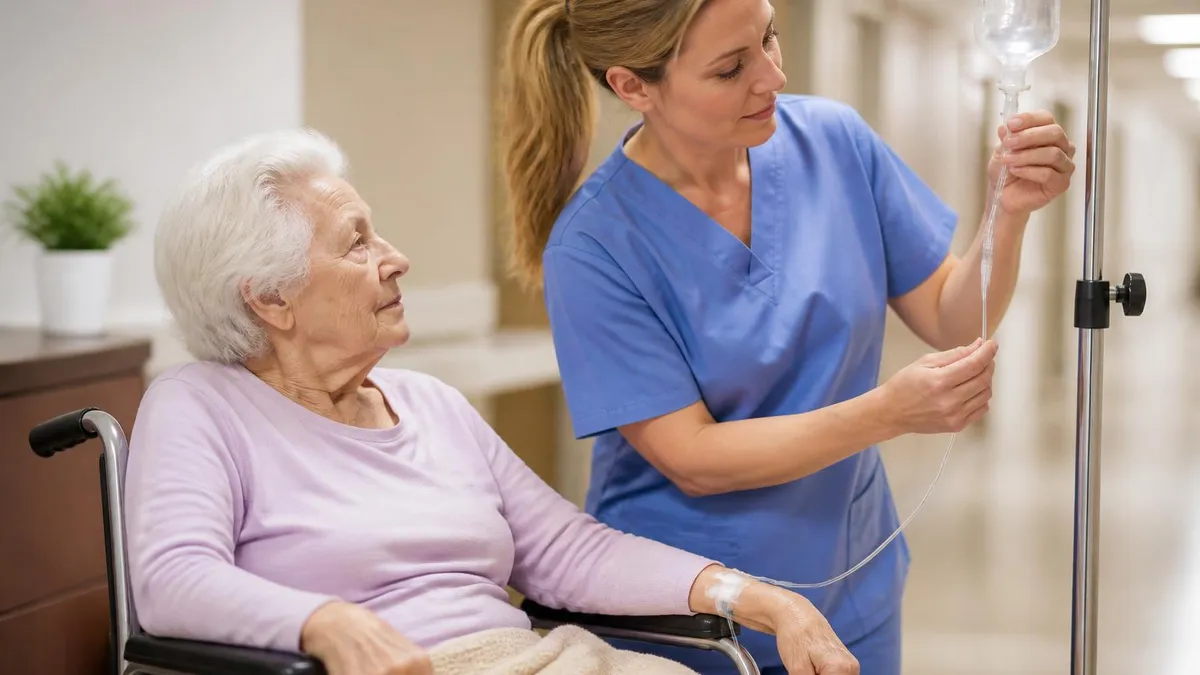
Nursing fundamentals is the hands-on laboratory component that online students sometimes underestimate. This course covers sterile technique, IV therapy basics, wound care, catheter insertion, nasogastric tube management, medication administration by all routes, and vital sign assessment. Online programs use virtual simulation software, skills checklists, and video demonstrations to build procedural competency before clinical placements begin. Many programs also require students to purchase a skills kit — blood pressure cuff, stethoscope, simulation IV arm — to practice techniques at home before demonstrating competency in person at a campus skills lab or clinical site check-off.
Medical-surgical nursing, often the longest and most intense course in the curriculum, integrates pathophysiology, pharmacology, and clinical assessment into patient care scenarios organized by body system. You'll work through case studies covering diabetes management, post-operative care, cardiac arrhythmia monitoring, respiratory failure, and neurological assessment, among dozens of other conditions. Online programs deliver this content through Socratic discussion boards, NCLEX-style question sets tied to each body system, and simulation scenarios that require you to prioritize competing patient needs — which directly mirrors the clinical judgment questions now central to the Next Generation NCLEX format introduced in 2023.
Maternal-newborn and pediatric nursing are typically delivered as shorter elective or integrated modules in LPN programs rather than full-semester standalone courses, reflecting the LPN's primary employment settings — long-term care, medical-surgical units, and home health — rather than labor and delivery or NICU. However, NCLEX-PN does test OB and pediatric content, so expect at least four to six weeks of dedicated coursework covering prenatal care, labor stages, newborn assessment, childhood development milestones, and common pediatric conditions like asthma, otitis media, and failure to thrive.
Mental health nursing, sometimes called psychiatric-mental health nursing, addresses therapeutic communication, mental status assessment, common psychiatric diagnoses (depression, anxiety, schizophrenia, bipolar disorder, substance use disorders), and the legal and ethical dimensions of psychiatric care including involuntary commitment and patient rights.
Online delivery works particularly well for this content area since it relies heavily on case-based discussion and written reflection rather than physical skills. Students often find mental health nursing one of the more engaging subjects in the curriculum because it shifts focus from procedures to the therapeutic relationship, which is a refreshing counterpoint to the technical intensity of pharmacology and med-surg.
LPN Practice Test Questions
Prepare for the LPN - Certified Practical Nurse exam with our free practice test modules. Each quiz covers key topics to help you pass on your first try.
LPN - Certified Practical Nurse Basic Care...
LPN Exam Questions covering - Certified Practical Nurse Basic Care and Comfort. Master LPN Test concepts for certification prep.
LPN - Certified Practical Nurse Coordinate...
Free LPN Practice Test featuring - Certified Practical Nurse Coordinated Care. Improve your LPN Exam score with mock test prep.
LPN - Certified Practical Nurse Health Pro...
LPN Mock Exam on - Certified Practical Nurse Health Promotion and Maintenance. LPN Study Guide questions to pass on your first try.
LPN - Certified Practical Nurse Pharmacolo...
LPN Test Prep for - Certified Practical Nurse Pharmacological Therapies. Practice LPN Quiz questions and boost your score.
LPN - Certified Practical Nurse Physiologi...
LPN Questions and Answers on - Certified Practical Nurse Physiological Adaptation. Free LPN practice for exam readiness.
LPN - Certified Practical Nurse Psychosoci...
LPN Mock Test covering - Certified Practical Nurse Psychosocial Integrity. Online LPN Test practice with instant feedback.
LPN - Certified Practical Nurse Reduction ...
Free LPN Quiz on - Certified Practical Nurse Reduction of Risk Potential. LPN Exam prep questions with detailed explanations.
LPN - Certified Practical Nurse Safety and...
LPN Practice Questions for - Certified Practical Nurse Safety and Infection Control. Build confidence for your LPN certification exam.
LPN Ethical, Legal & Professional Standards
LPN Test Online for Ethical, Legal & Professional Standards. Free practice with instant results and feedback.
LPN Health Evaluation & Monitoring
LPN Study Material on Health Evaluation & Monitoring. Prepare effectively with real exam-style questions.
Online LPN Program Formats Compared
Hybrid LPN programs deliver all lecture content, quizzes, and written coursework online while requiring students to attend scheduled on-campus skills labs and clinical rotations in person. This format suits students who want schedule flexibility for theory coursework but recognize the irreplaceable value of supervised, hands-on practice. Most hybrid programs schedule skills lab days monthly or bi-weekly, making them manageable for working adults with weekday job commitments.
The main advantage of hybrid over fully campus-based programs is time efficiency — you eliminate daily commute hours and can replay lectures as many times as needed to reinforce difficult concepts. The limitation is that you still must live within reasonable driving distance of the program's campus or an affiliated clinical site. When evaluating hybrid programs, ask specifically whether skills lab attendance is synchronous (fixed dates) or competency-based (you schedule when you're ready), as the latter offers considerably more flexibility.

Pros and Cons of Online LPN Training
- +Flexible scheduling allows working adults to study around jobs, childcare, and other commitments
- +Lower total cost compared to campus-based programs, especially when commuting expenses are eliminated
- +Self-paced lecture replay lets you rewatch difficult pharmacology or pathophysiology content as many times as needed
- +Access to accredited programs outside your immediate geographic area, expanding program choices
- +Virtual simulation tools provide safe, repeatable practice for clinical reasoning before live patient care
- +Asynchronous discussion boards build diverse peer perspectives from students across different healthcare backgrounds
- −Clinical rotations still require in-person attendance at approved facilities, limiting true location independence
- −Self-discipline requirements are significantly higher than in structured classroom environments
- −Limited real-time instructor access can slow feedback on complex clinical questions
- −Technology failures — internet outages, software glitches — can disrupt exam sessions and assignment deadlines
- −Some employers still perceive online credentials with skepticism, though accreditation largely mitigates this concern
- −Building study-group relationships and peer support networks is harder without shared physical classroom time
Pros and Cons at a Glance
| Pros | Cons |
|---|---|
| Flexible scheduling allows working adults to study around jobs, childcare, and other commitments | Clinical rotations still require in-person attendance at approved facilities, limiting true location independence |
| Lower total cost compared to campus-based programs, especially when commuting expenses are eliminated | Self-discipline requirements are significantly higher than in structured classroom environments |
| Self-paced lecture replay lets you rewatch difficult pharmacology or pathophysiology content as many times as needed | Limited real-time instructor access can slow feedback on complex clinical questions |
| Access to accredited programs outside your immediate geographic area, expanding program choices | Technology failures — internet outages, software glitches — can disrupt exam sessions and assignment deadlines |
| Virtual simulation tools provide safe, repeatable practice for clinical reasoning before live patient care | Some employers still perceive online credentials with skepticism, though accreditation largely mitigates this concern |
| Asynchronous discussion boards build diverse peer perspectives from students across different healthcare backgrounds | Building study-group relationships and peer support networks is harder without shared physical classroom time |
LPN Online Program Enrollment Checklist
- ✓Verify the program is approved by your state's board of nursing before applying.
- ✓Confirm ACEN or NLN CNEA accreditation status directly on the accrediting body's website.
- ✓Request the program's NCLEX-PN first-attempt pass rate for the last three cohort years.
- ✓Complete the FAFSA by your program's priority deadline to maximize grant eligibility.
- ✓Obtain a high school diploma, GED, or official college transcripts as required by admissions.
- ✓Schedule and pass the TEAS or HESI A2 entrance exam at the minimum required score.
- ✓Gather required immunization records: hepatitis B series, MMR, varicella, Tdap, and annual flu shot.
- ✓Complete a state and federal criminal background check and submit results to the program.
- ✓Obtain CPR certification (BLS for Healthcare Providers level) before the first clinical rotation.
- ✓Confirm that clinical placement partners operate within your commutable geographic area.
Accreditation Is Non-Negotiable
Graduating from a non-accredited LPN program can bar you from taking the NCLEX-PN entirely, regardless of your academic performance. Always verify approval status with both your state's board of nursing and the national accrediting body (ACEN or NLN CNEA) before submitting any application or tuition payment. This five-minute verification step can save you tens of thousands of dollars and years of your career.
Preparing for the NCLEX-PN is the final and most critical phase of your LPN training journey. The exam was significantly redesigned in 2023 with the introduction of Next Generation NCLEX (NGN), which moved away from simple multiple-choice questions toward clinical judgment measurement — a framework built around recognizing cues, analyzing findings, prioritizing hypotheses, generating solutions, taking action, and evaluating outcomes. Understanding this six-step clinical judgment model is not optional preparation strategy; it's the conceptual lens through which every NGN question is written, and aligning your study approach to it will give you a measurable advantage on exam day.
The NCLEX-PN is administered using Computerized Adaptive Testing (CAT), which means the difficulty of each question adjusts based on your performance. The exam presents a minimum of 85 questions and a maximum of 150, with most candidates completing it in 85 to 100 questions. The exam runs up to five hours including optional breaks.
You receive your result within two business days through the Quick Results service (for a $7.95 fee) or within six business days via your state board's license verification website. Passing is determined by whether your demonstrated competency level meets or exceeds the minimum standard across all tested content areas — not by a raw score percentage.
Building a structured study plan is essential for online LPN students who are also managing jobs and family responsibilities. The most effective approach is a 60- to 90-day dedicated review period following program completion, not concurrent with final semester coursework.
Divide your study time across three phases: content review (the first 30 days), focused NCLEX-style question practice (days 31 through 60), and full-length timed simulated exams (the final two weeks). Use a commercially available review resource — ATI, Kaplan, or UWorld are the three most widely used and validated — rather than relying solely on your program's textbooks, which are organized by course sequence rather than NCLEX content weighting.
Question rationales are where real NCLEX-PN learning happens, and this is true regardless of whether you answered a question correctly or incorrectly. When you review a rationale, identify why the correct answer is right and why each of the wrong answers is specifically wrong — not just that they're wrong.
This habit of negative elimination builds the test-taking metacognition that distinguishes high scorers. For NGN case study questions, which involve a six-item set built around a single evolving patient scenario, practice completing the entire set before reviewing any rationale, since the items are interdependent and reviewing mid-set distorts the learning value.
Pharmacology deserves proportionally more study time than any other single content area, accounting for an estimated 14 to 20 percent of NCLEX-PN questions. Create a running pharmacology reference sheet organized by drug class, covering mechanism, key therapeutic uses, priority adverse effects, and the nursing assessment or intervention each adverse effect requires.
Update this sheet weekly throughout your review period, and use active recall — covering one column and reciting the others from memory — rather than passive re-reading. Mnemonics work well for drug classes with long lists of side effects, such as ACE inhibitors (cough, angioedema, hyperkalemia, hypotension) and aminoglycosides (nephrotoxicity, ototoxicity).
Prioritization questions — which patient do you see first, which action do you take first — are among the most frequently missed question types on the NCLEX-PN, and they directly test clinical judgment under pressure.
The standard frameworks your program teaches (Maslow's Hierarchy, ABC — airway-breathing-circulation, Nursing Process) remain valid and useful, but NGN questions add a layer of complexity by presenting realistic clinical data that requires you to distinguish between expected and unexpected findings, then act on the unexpected. Regular practice with NGN case studies from UWorld or the official NCSBN practice exam is the single best preparation strategy for this question type.
Test anxiety is a real and measurable barrier for many candidates, and online LPN students may be especially vulnerable because they've spent months studying in quiet home environments that feel nothing like a Pearson VUE testing center. Simulate exam conditions deliberately during your final two weeks of preparation: wear your headphones, sit in a chair at a desk (not a couch), set a timer for five hours, and complete full-length practice exams without pausing.
Visit the Pearson VUE website to review the check-in process, acceptable ID requirements, and prohibited item policies so there are no surprises on exam day. Arriving overprepared for the logistics of the test center frees cognitive bandwidth for the actual clinical reasoning the exam demands.
Your Authorization to Test (ATT) from Pearson VUE expires 90 days after issuance — if you do not schedule and sit for the exam before the ATT expires, you must reapply and repay the $200 registration fee. Many state boards also have windows within which you must apply for licensure after program graduation. Check your state board's specific deadlines the week you graduate so you don't lose your application fees or delay your career start.
The cost of LPN training online varies considerably depending on the type of institution, program length, and your state of residence. Community colleges remain the most affordable option, with total tuition costs typically ranging from $8,000 to $14,000 for the full program.
Private career colleges and for-profit vocational schools charge more — often $16,000 to $22,000 — and while they sometimes offer more flexible enrollment windows and accelerated timelines, their NCLEX-PN pass rates and employer recognition deserve extra scrutiny before you commit. University-based LPN programs are relatively rare but tend to offer the strongest academic support services and transfer pathways into RN programs.
Federal financial aid is available for most accredited LPN programs at Title IV-eligible institutions, covering the majority of community college and many private school options. The maximum Pell Grant award for the 2025–2026 award year is $7,395, which covers a significant portion of community college LPN tuition outright for students who qualify.
Subsidized and unsubsidized Direct Loans are also available, with annual borrowing limits of $5,500 to $7,500 for undergraduate students depending on dependency status. Many students cover the remainder through workforce development grants administered by their state's workforce investment board — a resource that is chronically underutilized because it requires applying through a local American Job Center rather than through the school itself.
Beyond tuition, budget for ancillary program costs that add up quickly: TEAS or HESI entrance exam fees ($70 to $115), textbooks and digital resources ($400 to $800), a nursing skills kit ($150 to $300), clinical uniforms and shoes ($100 to $200), immunization costs if records are incomplete ($50 to $250), background check fees ($30 to $80), CPR certification ($50 to $70), and the NCLEX-PN registration fee ($200). Total out-of-pocket expenses beyond tuition commonly reach $1,200 to $2,000, so factor this into your financial planning even if tuition is fully covered by grants.
Career outcomes after completing online LPN training are broadly positive, with new graduates finding employment in an average of four to eight weeks after passing the NCLEX-PN. Long-term care and skilled nursing facilities are the largest employers of LPNs nationally, hiring approximately 38 percent of the workforce.
Home health and hospice agencies, physician offices, correctional health services, and outpatient clinics round out the major employment settings. Entry-level salaries for new LPNs range from approximately $47,000 in lower-wage states like Alabama and Mississippi to $68,000 or more in California, Hawaii, Alaska, and Massachusetts, where cost of living and union contracts push compensation higher.
One of the most financially significant decisions an LPN can make after earning initial licensure is whether and when to pursue an LPN-to-RN bridge program. RNs earn a median annual wage of approximately $86,000 nationally — roughly $26,000 more per year than LPNs — and bridge programs designed specifically for working LPNs allow the credential upgrade in 18 to 24 months of additional online and in-person study. Many employers offer tuition reimbursement for RN bridge programs as a retention incentive, effectively reducing your out-of-pocket cost to near zero in exchange for a two- to three-year employment commitment post-graduation.
Travel nursing is another high-earning pathway available to experienced LPNs, though it requires at least one to two years of stable employment in a specialty area before agencies will consider your application. Travel LPN contracts typically pay $25 to $40 per hour in base wages plus tax-free housing stipends and travel reimbursements, with total weekly compensation packages frequently reaching $1,500 to $2,200 for 13-week assignments.
While travel LPN opportunities are less numerous than travel RN contracts, demand is strongest in skilled nursing facilities, correctional health, and home health — which happen to be the settings where most LPNs build their early careers.
For students who want a detailed side-by-side comparison of tuition costs, curriculum structures, and NCLEX pass rates across the top-rated accredited programs, the full breakdown on lpn training online provides current program data verified against each school's official disclosures and state board approval lists. That resource is updated quarterly, making it the most reliable starting point for students currently in the decision-making phase of their LPN education journey.
Once you've completed your LPN program and passed the NCLEX-PN, the practical realities of your first nursing job will test your competencies in ways that classroom and simulation experiences only approximate. The transition from student to licensed nurse is a documented period of vulnerability — studies in nursing education literature consistently show that new LPNs report the highest levels of role anxiety and error concern in the first 90 days of employment. Knowing this in advance allows you to approach your orientation period strategically rather than reactively, which makes a meaningful difference in both your confidence and your clinical performance.
Seek out a structured preceptorship during your first position if the employer offers one. A preceptorship pairs you with an experienced LPN or RN for a defined period — typically four to eight weeks — during which you work side by side, gradually assuming full patient loads under diminishing supervision.
Research consistently shows that nurses who complete formal preceptorships during their first job have lower turnover rates, fewer medication errors in the first year, and higher self-reported job satisfaction at the 12-month mark. When interviewing for your first LPN position, directly ask whether a structured preceptorship is available and how long it runs — the quality of the answer tells you a great deal about how seriously the facility takes nursing education.
Continuing education is required for LPN license renewal in every U.S. state, with most states requiring between 20 and 30 contact hours per two-year renewal cycle. The good news is that virtually all CE requirements can be fulfilled online through accredited providers, and many employers pay for CE courses as part of their benefits package.
Beyond mandatory renewal hours, voluntary certification in specialty areas — IV therapy certification, wound care certification, gerontological nursing certification — signals advanced competency to employers and typically correlates with a pay increase of $1 to $3 per hour, which adds up to $2,000 to $6,000 annually over a career.
Documentation is among the most consequential daily tasks an LPN performs, and it's an area where new nurses frequently underestimate the stakes. Electronic health records (EHR) are standard across virtually all healthcare settings in 2026, with Epic, Cerner, and PointClickCare dominating the long-term care and hospital markets. Most employers provide facility-specific EHR training during orientation, but familiarizing yourself with general EHR navigation principles before your first day reduces the cognitive load of learning clinical workflow simultaneously with documentation software. Several free online courses on EHR fundamentals are available through community college continuing education catalogs and platforms like Coursera.
Professional networking starts the moment you begin your LPN program, not after graduation. Your clinical rotation supervisors, fellow students, and even faculty members are future professional references and potential sources of job leads. The National Association for Practical Nurse Education and Service (NAPNES) and the National Federation of Licensed Practical Nurses (NFLPN) are the two primary professional organizations for LPNs, and both offer student membership tiers at reduced rates. Active participation — attending webinars, joining state chapter meetings, engaging with professional social media groups — keeps you connected to policy developments that affect your scope of practice and compensation.
Scope of practice is a critically important concept for every LPN, particularly for those who train online and may never have the benefit of experienced peers clarifying informal workplace norms. LPN scope of practice is defined by each state's nurse practice act and varies meaningfully: in some states, LPNs can initiate IV lines independently; in others, IV insertion requires additional certification or is outside LPN scope entirely.
In some facilities and states, LPNs function as charge nurses with supervisory responsibilities over CNAs and patient care technicians; in others, charge nurse roles are restricted to RNs. Always read your state's nurse practice act before starting a new position, and never perform a procedure you have not been trained to perform and are not authorized to perform under your current license.
The long-term career trajectory for nurses who begin as LPNs is increasingly well-documented and encouraging. Studies of nursing workforce data from state boards show that approximately 30 percent of LPNs pursue additional education within five years of initial licensure, with the majority completing RN bridge programs rather than traditional ADN or BSN degrees.
The LPN credential, far from being a terminal credential, functions for many nurses as a funded runway into higher nursing roles — working as an LPN while employers and scholarships pay for the RN program is one of the most financially efficient paths to professional nursing available in the current healthcare workforce landscape.
Sample Certified Practical Nurse Practice Questions
Try these questions from our free Certified Practical Nurse practice tests. The correct answer and an explanation follow each question.
An LPN is caring for a client who is scheduled for a colonoscopy. The client's preparation includes a polyethylene glycol solution. The LPN should monitor the client for which potential complication related to this bowel prep?
- A. Hypertension and fluid overload.
- B. Electrolyte imbalances and dehydration.
- C. Hyperglycemia and increased urine output.
- D. Constipation and abdominal cramping.
Answer: B. Electrolyte imbalances and dehydration.
Polyethylene glycol solutions are osmotic laxatives that cause a large volume of liquid stool to clean the colon. This can lead to significant fluid and electrolyte losses, putting the client at risk for dehydration, hyponatremia, and hypokalemia. The LPN's role includes monitoring for signs of these imbalances, such as weakness, confusion, or cardiac dysrhythmias.
A client is scheduled for a colonoscopy and asks why they need to complete a bowel prep. What is the best response by the LPN?
- A. It reduces the risk of bleeding during the procedure
- B. It helps the physician see the bowel lining clearly and reduces infection risk
- C. It prevents constipation after the procedure
- D. It lowers your blood pressure so you tolerate sedation better
Answer: B. It helps the physician see the bowel lining clearly and reduces infection risk
Bowel prep clears stool from the colon to allow clear visualization and reduces the risk of contamination if bowel perforation occurs.
A client with a chronic respiratory condition has developed respiratory acidosis. Which physiological adaptation will the body use to compensate for this acid-base imbalance over several days?
- A. The lungs will increase the rate and depth of respirations.
- B. The kidneys will retain hydrogen ions and excrete bicarbonate.
- C. Cellular buffers will immediately and fully correct the pH.
- D. The kidneys will excrete hydrogen ions and conserve bicarbonate.
Answer: D. The kidneys will excrete hydrogen ions and conserve bicarbonate.
In chronic respiratory acidosis, the primary problem is CO2 retention by the lungs. The kidneys compensate over 3-5 days by increasing the excretion of acid (hydrogen ions) and reabsorbing/conserving bicarbonate (a base) to help restore the body's pH to a more normal range.
A client receiving a continuous IV heparin infusion develops petechiae, nosebleed, and oozing from the venipuncture site. The LPN should:
- A. Apply direct pressure to bleeding sites and continue monitoring
- B. Immediately stop the heparin infusion and notify the charge nurse
- C. Administer vitamin K as the reversal agent for heparin
- D. Document the findings and notify the provider at morning rounds
Answer: B. Immediately stop the heparin infusion and notify the charge nurse
Signs of bleeding complications from heparin therapy require immediate discontinuation of the infusion and urgent notification, not continuation while applying pressure.
LPN Questions and Answers
LPN Program Online: Complete 2026 Guide to Accredited Online LPN Programs

LPN Practice Test PDF (Free Printable 2026)
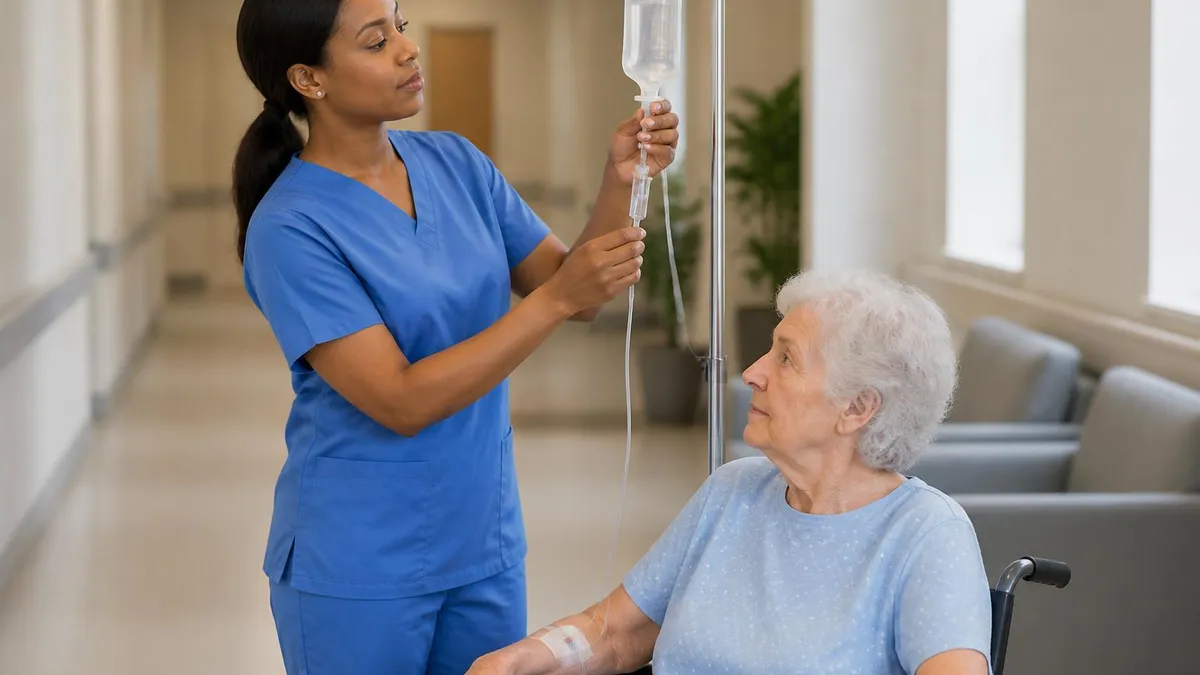
LPN to RN Bridge Programs Online: Complete 2026 Guide
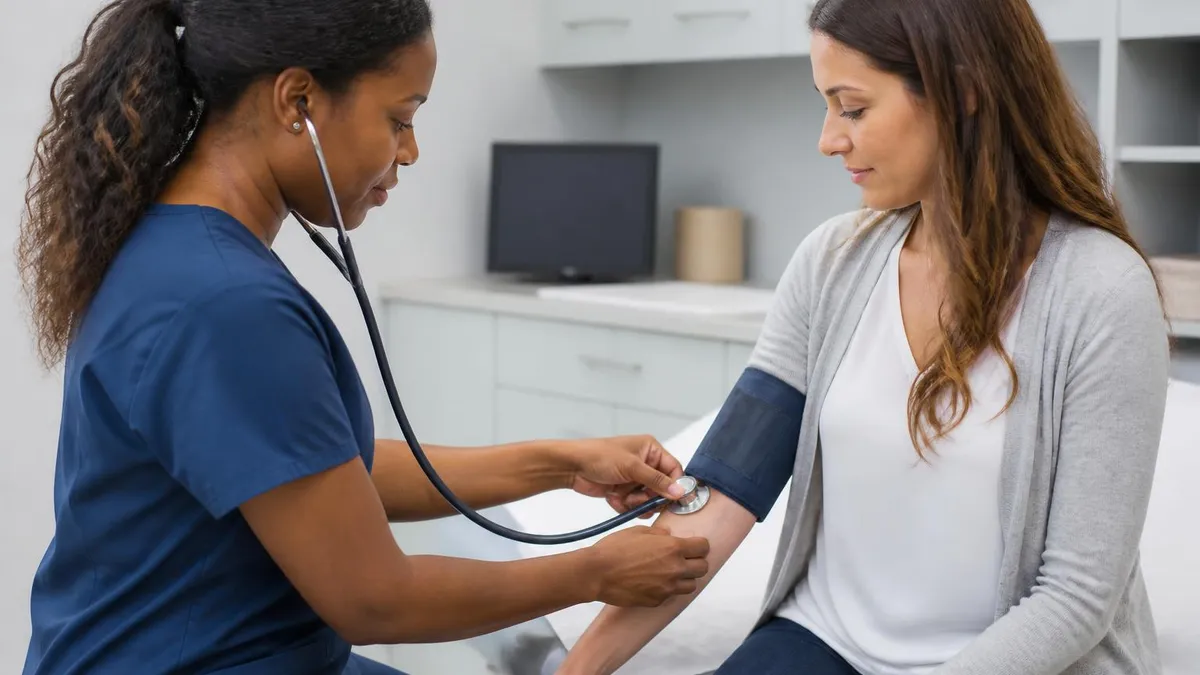
Travel LPN: Complete 2026 Guide to Becoming a Travel Licensed Practical Nurse
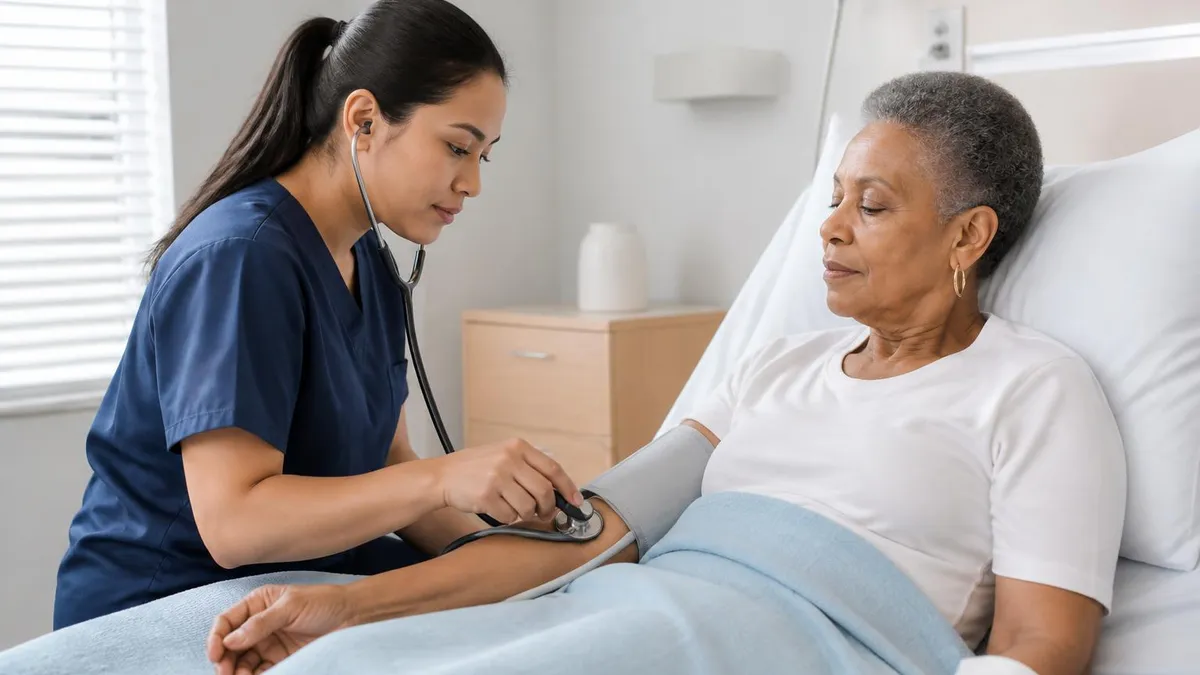
LPN Salary by Location: Charlotte, NC and Beyond (2026 Guide)
About the Author

Registered Nurse & Healthcare Educator
Johns Hopkins University School of NursingDr. Sarah Mitchell is a board-certified registered nurse with over 15 years of clinical and academic experience. She completed her PhD in Nursing Science at Johns Hopkins University and has taught NCLEX preparation and clinical skills courses for nursing students across the United States. Her research focuses on evidence-based exam preparation strategies for healthcare certification candidates.
Join the Discussion
Connect with other students preparing for this exam. Share tips, ask questions, and get advice from people who have been there.
View discussion (7 replies)