
LPN Training Courses: Your Complete 2026 October Guide to Programs, Requirements, and Career Success
Discover top LPN training courses for 2026 October. Compare program types, 🟢 costs, clinical requirements, and NCLEX-PN prep strategies to start your nursing career.
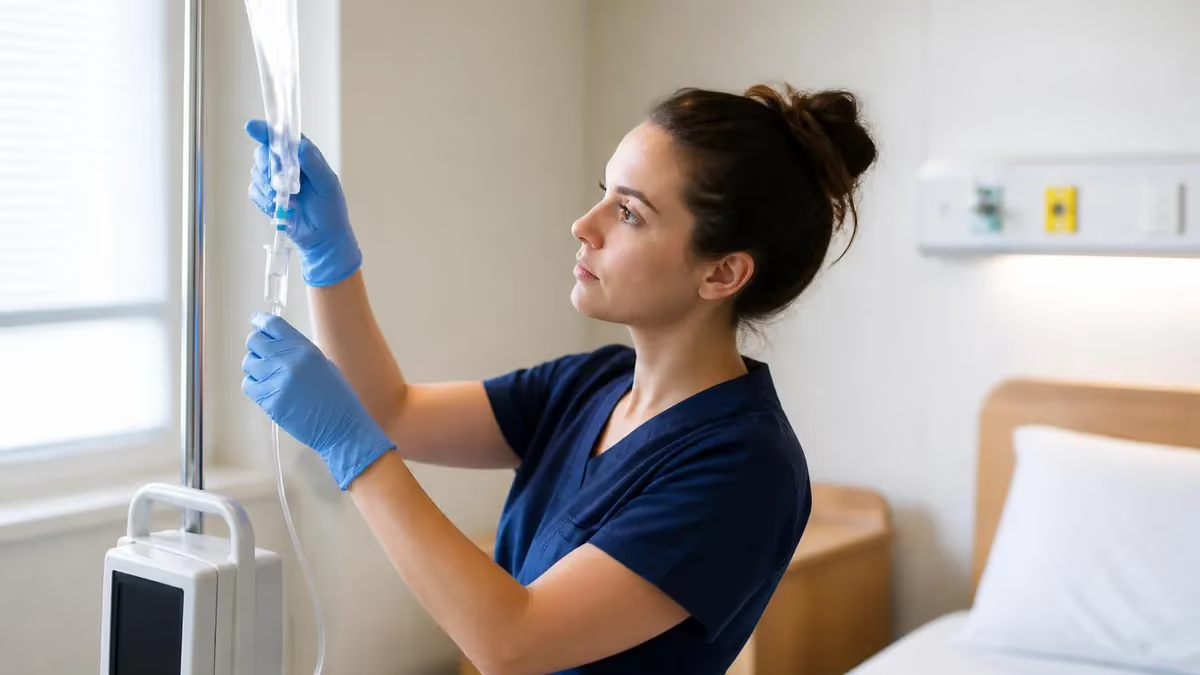
Pursuing a career in practical nursing starts with choosing the right LPN training courses that align with your educational goals, budget, and personal schedule. These programs equip aspiring nurses with the clinical skills and theoretical knowledge needed to work in hospitals, nursing homes, rehabilitation centers, and home health agencies throughout the United States. With healthcare demand rising steadily and the Bureau of Labor Statistics projecting strong growth for licensed practical nurses through 2032, now is an excellent time to explore your training options and begin building a rewarding nursing career that offers stability and purpose.
LPN training courses typically span twelve to eighteen months, making them one of the fastest pathways into the nursing profession. Unlike registered nurse programs that require two to four years of study, LPN programs focus on foundational nursing competencies that prepare graduates for immediate patient care responsibilities. Students learn vital signs monitoring, medication administration, wound care, patient assessment techniques, and documentation procedures that form the backbone of daily nursing practice. This accelerated timeline appeals to career changers and individuals seeking rapid entry into the healthcare workforce.
The curriculum in most LPN training courses combines classroom instruction with supervised clinical rotations at healthcare facilities. Didactic coursework covers anatomy and physiology, pharmacology, nutrition science, medical-surgical nursing, pediatric nursing, and mental health nursing. Clinical hours allow students to apply their classroom learning in real patient care settings under the guidance of experienced nursing instructors. Most state boards of nursing require a minimum number of clinical hours before graduates become eligible to sit for the NCLEX-PN licensure examination that grants legal authority to practice.
Accreditation plays a critical role when evaluating LPN training courses across different institutions. Programs accredited by the Accreditation Commission for Education in Nursing or approved by the respective state board of nursing ensure that the curriculum meets nationally recognized standards for nursing education. Graduates of accredited programs are eligible to take the NCLEX-PN examination in all fifty states, while graduates of non-accredited programs may face restrictions on licensure reciprocity. Always verify a program's accreditation status before submitting an application or paying any tuition deposits.
Financial considerations often influence which LPN training courses students ultimately select for their education. Tuition at community colleges typically ranges from four thousand to ten thousand dollars, while vocational schools and private institutions may charge between fifteen thousand and twenty-five thousand dollars for the same credential. Federal financial aid including Pell Grants and subsidized student loans is available to students enrolled in accredited programs. Many employers also offer tuition reimbursement programs for employees pursuing nursing credentials, further reducing out-of-pocket expenses for prospective students exploring their options.
Admission requirements for LPN training courses vary by institution but generally include a high school diploma or GED, a passing score on an entrance exam such as the TEAS or HESI, a clean criminal background check, and current immunization records. Some programs also require prerequisite coursework in biology or introductory algebra. Competitive programs may consider applicants' grade point averages, prior healthcare experience, and letters of recommendation from supervisors or educators. Understanding these requirements early gives you adequate time to strengthen your application before posted deadlines arrive.
Choosing between online, hybrid, and traditional classroom formats is another important decision when exploring LPN training courses. While the theoretical coursework component of many programs is now available through online platforms, clinical rotations must always be completed in person at approved healthcare facilities. Hybrid programs offer the flexibility of completing lectures and assignments remotely while scheduling clinical hours at nearby partner sites. This blended format has become increasingly popular among working adults and parents who need scheduling flexibility without sacrificing the quality of their hands-on clinical training experiences.
LPN Training by the Numbers
Steps to Complete Your LPN Training
Research Accredited Programs
Complete Admission Prerequisites
Begin Classroom Coursework
Complete Clinical Rotations
Graduate and Apply for Licensure
Pass the NCLEX-PN Examination
LPN training courses come in several distinct formats, each designed to accommodate different student populations and individual learning preferences. Traditional campus-based programs remain the most common option, offering structured classroom schedules with clinical rotations arranged at affiliated hospitals and nursing facilities. These programs typically meet four to five days per week and follow a semester-based academic calendar throughout the year. Students benefit from face-to-face interaction with instructors, peer study groups, and direct access to campus resources including simulation laboratories, tutoring centers, and academic advising offices.
Accelerated LPN programs compress the standard curriculum into a shorter timeframe, sometimes completing all requirements within nine to twelve months of intensive study. These rigorous programs demand a significant time commitment, often requiring full-time attendance including evening and weekend sessions throughout the duration. Accelerated formats suit students who can dedicate themselves entirely to their studies without competing work or major family obligations. The trade-off for this faster completion is a demanding academic pace that requires strong time management skills and consistent study habits to maintain passing grades throughout each module.
Bridge programs represent another important category within LPN training courses, specifically designed for certified nursing assistants and medical assistants who want to advance their credentials. CNA-to-LPN bridge programs recognize prior healthcare training and clinical experience by awarding advanced standing or course credit for competencies already demonstrated. This pathway can reduce overall program length by several months, allowing experienced healthcare workers to build on their existing knowledge base rather than starting from scratch. Bridge programs typically require proof of current certification and a minimum number of documented patient care hours before admission.
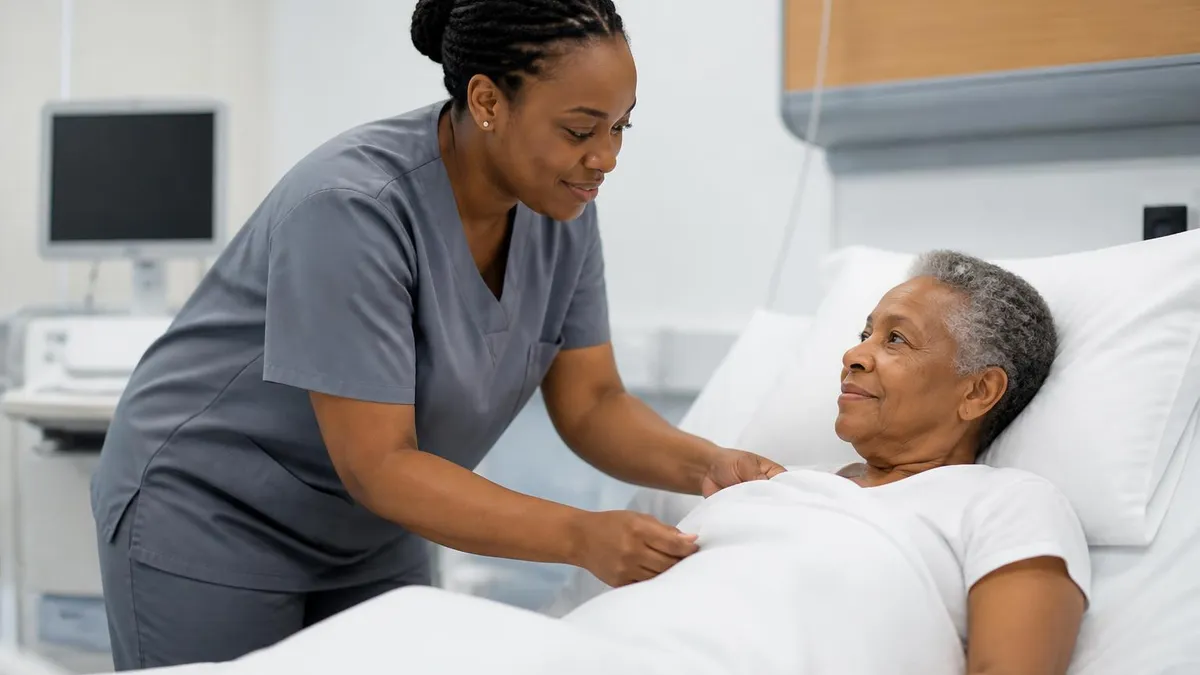
The clinical component of LPN training courses deserves special attention because it directly prepares students for real-world nursing practice in active healthcare environments. Most programs require between four hundred and seven hundred clinical hours completed at hospitals, skilled nursing facilities, outpatient clinics, and community health centers. During clinical rotations, students practice administering medications, inserting catheters, performing sterile dressing changes, monitoring intravenous infusions, and documenting patient assessments in electronic health records. These supervised experiences build the confidence and competence new graduates need to transition successfully into professional nursing roles.
Pharmacology is one of the most challenging subjects within LPN training courses and receives significant emphasis across most nursing curricula. Students must learn drug classifications, mechanisms of action, therapeutic effects, adverse reactions, dosage calculations, and nursing implications for hundreds of commonly prescribed medications. Mastery of pharmacology directly impacts patient safety and represents a major focus area on the NCLEX-PN examination. Many programs dedicate an entire semester to pharmacology coursework and integrate medication administration practice into every subsequent clinical rotation to reinforce learning and build competency.
Simulation technology has transformed how LPN training courses deliver hands-on nursing education to students. Modern nursing labs feature high-fidelity mannequins that simulate realistic patient scenarios including cardiac arrest, respiratory distress, severe allergic reactions, and postoperative complications requiring immediate intervention. Students practice critical thinking and clinical decision-making in a controlled environment where mistakes become learning opportunities rather than patient safety events. Simulation exercises often require students to demonstrate competency in specific nursing skills before they are cleared to perform those same procedures on actual patients.
Mental health and psychosocial nursing content within LPN training courses prepares students to care for patients experiencing depression, anxiety, substance use disorders, cognitive impairment, and other behavioral health conditions. As the healthcare system increasingly integrates mental health screening into primary care settings, LPN graduates must understand therapeutic communication techniques, de-escalation strategies, crisis intervention protocols, and the psychosocial impact of chronic illness on patients and families. This content area also appears prominently on the NCLEX-PN examination, making thorough understanding essential for both clinical practice and licensure success.
LPN Practice Test Questions
Prepare for the LPN - Certified Practical Nurse exam with our free practice test modules. Each quiz covers key topics to help you pass on your first try.
LPN - Certified Practical Nurse Basic Care...
LPN Exam Questions covering - Certified Practical Nurse Basic Care and Comfort. Master LPN Test concepts for certification prep.
LPN - Certified Practical Nurse Coordinate...
Free LPN Practice Test featuring - Certified Practical Nurse Coordinated Care. Improve your LPN Exam score with mock test prep.
LPN - Certified Practical Nurse Health Pro...
LPN Mock Exam on - Certified Practical Nurse Health Promotion and Maintenance. LPN Study Guide questions to pass on your first try.
LPN - Certified Practical Nurse Pharmacolo...
LPN Test Prep for - Certified Practical Nurse Pharmacological Therapies. Practice LPN Quiz questions and boost your score.
LPN - Certified Practical Nurse Physiologi...
LPN Questions and Answers on - Certified Practical Nurse Physiological Adaptation. Free LPN practice for exam readiness.
LPN - Certified Practical Nurse Psychosoci...
LPN Mock Test covering - Certified Practical Nurse Psychosocial Integrity. Online LPN Test practice with instant feedback.
LPN - Certified Practical Nurse Reduction ...
Free LPN Quiz on - Certified Practical Nurse Reduction of Risk Potential. LPN Exam prep questions with detailed explanations.
LPN - Certified Practical Nurse Safety and...
LPN Practice Questions for - Certified Practical Nurse Safety and Infection Control. Build confidence for your LPN certification exam.
LPN Ethical, Legal & Professional Standards
LPN Test Online for Ethical, Legal & Professional Standards. Free practice with instant results and feedback.
LPN Health Evaluation & Monitoring
LPN Study Material on Health Evaluation & Monitoring. Prepare effectively with real exam-style questions.
LPN Training Course Formats Compared
Online LPN training courses deliver didactic content through virtual learning platforms, allowing students to complete lectures, assignments, quizzes, and discussion forums from any location with internet access. These programs appeal to working professionals and parents who need maximum scheduling flexibility to balance educational commitments with existing personal and professional responsibilities. Course materials are typically available around the clock, enabling students to study during early mornings, late evenings, or weekends based on their individual preferences and energy levels throughout each week of the program.
Despite the convenience of online delivery, all LPN programs require in-person clinical rotations at approved healthcare facilities regardless of the instructional format chosen. Online programs partner with hospitals, nursing homes, and clinics near each student's location to arrange clinical placements that satisfy state board requirements. Students should verify clinical site availability in their geographic area before enrolling in any online LPN program to ensure they can complete required hours without excessive travel. Some online programs charge additional clinical placement fees that increase the total cost of attendance beyond posted tuition rates.
Advantages and Disadvantages of LPN Training
- +Shorter program duration of twelve to eighteen months compared to RN programs requiring two to four years
- +Lower tuition costs ranging from five to twenty thousand dollars with financial aid available
- +Strong job market with consistent demand across hospitals, nursing homes, and clinics nationwide
- +Serves as a stepping stone to RN and BSN degrees through bridge programs
- +Hands-on clinical training prepares graduates for immediate patient care upon licensure
- +Multiple program formats available including online, hybrid, and traditional campus options
- −More limited scope of practice compared to registered nurses in most states
- −Lower median salary than RNs, with approximately twenty thousand dollar annual difference
- −Clinical rotation schedules can conflict with existing work and family commitments
- −Intensive coursework pace may be challenging for students without strong study habits
- −Some employers are shifting hiring preferences toward BSN-prepared registered nurses
- −Continuing education requirements for license renewal vary by state and add ongoing costs
Pros and Cons at a Glance
| Pros | Cons |
|---|---|
| Shorter program duration of twelve to eighteen months compared to RN programs requiring two to four years | More limited scope of practice compared to registered nurses in most states |
| Lower tuition costs ranging from five to twenty thousand dollars with financial aid available | Lower median salary than RNs, with approximately twenty thousand dollar annual difference |
| Strong job market with consistent demand across hospitals, nursing homes, and clinics nationwide | Clinical rotation schedules can conflict with existing work and family commitments |
| Serves as a stepping stone to RN and BSN degrees through bridge programs | Intensive coursework pace may be challenging for students without strong study habits |
| Hands-on clinical training prepares graduates for immediate patient care upon licensure | Some employers are shifting hiring preferences toward BSN-prepared registered nurses |
| Multiple program formats available including online, hybrid, and traditional campus options | Continuing education requirements for license renewal vary by state and add ongoing costs |
LPN Training Course Enrollment Checklist
- ✓Verify the program holds current accreditation from ACEN or state board approval.
- ✓Request the program's most recent NCLEX-PN first-time pass rate data.
- ✓Confirm total tuition costs including lab fees, clinical fees, and uniform expenses.
- ✓Check whether the program accepts federal financial aid and scholarship applications.
- ✓Review admission prerequisites including entrance exam scores and prerequisite coursework.
- ✓Confirm clinical site locations and verify transportation feasibility from your residence.
- ✓Ask about program completion rates and average time to graduation for enrolled students.
- ✓Verify that graduates are eligible for NCLEX-PN examination in your state.
- ✓Inquire about student support services including tutoring, advising, and NCLEX preparation.
- ✓Review the program schedule to ensure compatibility with your work and family obligations.
Accreditation Is Non-Negotiable
Before committing to any LPN training course, verify its accreditation status through the Accreditation Commission for Education in Nursing or your state board of nursing. Graduating from a non-accredited program may disqualify you from taking the NCLEX-PN examination, rendering your investment of time and money worthless. Programs with ACEN accreditation consistently report higher pass rates and better employment outcomes for their graduates.
Clinical rotations represent the cornerstone of LPN training courses because they bridge the gap between theoretical knowledge and practical patient care delivery. During these supervised experiences, students work alongside registered nurses, licensed practical nurses, and other healthcare professionals in active patient care environments across multiple settings. Each rotation typically focuses on a specific nursing specialty such as medical-surgical nursing, pediatrics, obstetrics, or geriatrics, giving students broad exposure to diverse patient populations and clinical conditions. The skills developed during clinical rotations directly determine a graduate's readiness for independent nursing practice upon licensure.
Most state boards of nursing mandate specific minimum clinical hour requirements that LPN training courses must satisfy for continued program approval. These requirements typically range from four hundred to seven hundred fifty hours of supervised clinical practice, depending on the individual state's regulations and standards. Programs that fall short of these minimums risk losing their approval status, which would prevent graduates from sitting for the NCLEX-PN examination in that jurisdiction. Before enrolling, prospective students should verify that their chosen program meets or exceeds their state's clinical hour requirements to avoid potential complications with licensure applications.
The types of clinical sites available to students in LPN training courses significantly influence the overall quality of their educational experience. Programs affiliated with large hospital systems often provide access to specialized units including intensive care, emergency departments, operating rooms, and labor and delivery suites where students observe complex care. Students placed at skilled nursing facilities gain extensive experience in wound care, rehabilitation nursing, and chronic disease management. Community health center placements expose students to public health nursing concepts, preventive care strategies, and serving medically underserved populations across both urban and rural settings.
Skills competency checkoffs are a standard component of LPN training courses and must be passed before students advance to direct patient care during clinical rotations. These practical examinations require students to demonstrate proficiency in specific nursing procedures including sterile gloving, urinary catheter insertion, nasogastric tube placement, blood glucose monitoring, intramuscular injection administration, and basic life support techniques. Each skill is evaluated against a standardized rubric that measures accuracy, safety, patient communication, and proper documentation practices. Students who do not pass competency checkoffs on their first attempt typically receive remediation and additional supervised practice opportunities.
Documentation skills taught in LPN training courses have evolved dramatically as healthcare facilities nationwide transition to electronic health record systems. Students must learn to navigate EHR platforms, enter patient data accurately, document nursing interventions using approved clinical terminology, and retrieve information efficiently during active patient care situations. Many programs integrate EHR simulation software into their curriculum so students practice digital charting in a controlled environment before encountering real systems during clinical rotations. Proficiency with electronic documentation is now considered an essential core competency for all LPN graduates entering the contemporary healthcare workforce.
Patient safety protocols receive intensive emphasis throughout LPN training courses because medication errors and procedural mistakes represent significant risks in every healthcare setting. Students learn the rights of medication administration, infection control practices including standard precautions and transmission-based precautions, fall prevention strategies, pressure injury prevention measures, and proper patient identification procedures using two unique identifiers. These safety concepts are woven into every course and clinical rotation, reinforcing the understanding that vigilant attention to established safety protocols protects patients and reduces liability for healthcare organizations and individual practitioners alike.
Interprofessional collaboration is increasingly incorporated into LPN training courses to prepare students for the team-based nature of modern healthcare delivery across all care settings. Students participate in collaborative exercises with students from other healthcare disciplines including respiratory therapy, physical therapy, pharmacy, and social work programs at partnering institutions. These interprofessional education experiences develop essential communication skills, mutual respect among disciplines, and understanding of each team member's scope of practice and unique contributions. Employers consistently rank teamwork and effective communication among the most valuable attributes they seek when hiring new LPN graduates for clinical positions.

LPN training course requirements and licensure regulations vary significantly between states. Some states mandate specific prerequisite courses, minimum clinical hours, or additional certifications beyond NCLEX-PN passage. Contact your state board of nursing directly to confirm all requirements before investing time and money in any program. Transferring an LPN license between states may require additional documentation, fees, or examinations depending on each state's nurse licensure compact participation status.
Completing LPN training courses is only the first step toward becoming a licensed practical nurse in the United States. Graduates must then pass the NCLEX-PN examination administered by the National Council of State Boards of Nursing before they can practice professionally in any clinical setting. This computerized adaptive test evaluates whether candidates possess the minimum competency required for safe entry-level nursing practice across all care environments. The examination draws questions from four major content areas: safe and effective care environment, health promotion and maintenance, psychosocial integrity, and physiological integrity, which encompasses the largest portion of test questions.
NCLEX-PN preparation should begin well before graduation from LPN training courses to maximize first-attempt success rates. Many successful candidates start reviewing content and practicing examination-style questions during their final semester of school while material remains fresh. Commercial review courses offered by companies like Kaplan, Hurst, and ATI provide structured study plans, realistic practice examinations, and performance analytics that help identify specific knowledge gaps. Free resources including practice test websites, nursing flashcard applications, and video tutorial channels supplement paid review courses and provide additional question exposure for comprehensive preparation.
The national NCLEX-PN pass rate for first-time candidates educated in the United States typically ranges between eighty-three and eighty-eight percent, though individual program pass rates vary significantly from school to school. When evaluating LPN training courses, prospective students should request the program's most recent NCLEX-PN pass rate data and compare it against the national average as a quality benchmark. Programs with consistently high pass rates above ninety percent often feature comprehensive test preparation support, mandatory remediation for academically at-risk students, and careful curriculum alignment with the current NCLEX-PN test plan published by the National Council of State Boards.
Career opportunities for graduates of LPN training courses span virtually every healthcare setting across the United States. The largest employers of licensed practical nurses include skilled nursing facilities, general medical hospitals, physician offices, home health agencies, and government healthcare facilities including Veterans Affairs medical centers. LPN salaries vary by geographic region, employer type, and experience level, with the national median annual wage reaching approximately fifty-nine thousand dollars according to recent Bureau of Labor Statistics occupational data. Metropolitan areas and states with higher costs of living generally offer above-average compensation packages to attract and retain qualified nursing professionals.
Many graduates of LPN training courses choose to continue their education by pursuing LPN-to-RN bridge programs that lead to an associate degree in nursing and expanded practice authority. These bridge programs recognize the extensive clinical experience and academic coursework that LPNs have already completed, allowing them to earn their registered nurse credential in twelve to eighteen additional months. Some ambitious practitioners continue beyond the RN level to complete bachelor's and master's degrees in nursing, opening pathways to specialized clinical roles, nursing leadership positions, and advanced practice registered nurse certifications that significantly increase earning potential.
Specialization opportunities available to graduates of LPN training courses include wound care certification, intravenous therapy certification, gerontological nursing certification, and long-term care nursing certification through professional organizations. These specialty credentials demonstrate advanced competency in specific clinical areas and often qualify LPNs for higher compensation rates and leadership responsibilities within their employing organizations. Professional organizations such as the National Association for Practical Nurse Education and Service and the National Federation of Licensed Practical Nurses offer valuable networking opportunities, continuing education resources, and legislative advocacy efforts supporting the LPN profession nationwide.
The return on investment for LPN training courses compares favorably against many other career training programs available in the healthcare sector today. With total program costs typically ranging from five thousand to twenty thousand dollars and completion times under eighteen months, graduates can enter a profession with a median salary approaching sixty thousand dollars and strong long-term job security. Unlike many career training programs that lead to uncertain employment prospects in competitive markets, LPN graduates in most geographic regions face a favorable job market with multiple employment offers available upon successfully passing the NCLEX-PN licensure examination.
Success in LPN training courses requires more than raw academic ability or memorization skills. Students who thrive in nursing programs combine disciplined study habits with effective time management, strong interpersonal skills, and genuine compassion for patients facing health challenges. Developing these attributes before and during your program dramatically increases your chances of graduating on time and passing the NCLEX-PN examination on your first attempt without delays. The following practical strategies have helped thousands of LPN students navigate the challenges of nursing education and emerge as confident, competent healthcare professionals ready for clinical practice.
Creating a dedicated study environment is essential for mastering the demanding content covered in LPN training courses throughout each semester. Designate a quiet, well-lit space in your home specifically for studying, free from television, social media notifications, and other common distractions. Organize your materials by course and keep a detailed calendar of assignment deadlines, examination dates, and clinical rotation schedules visible at all times. Many successful students use the Pomodoro technique, studying in focused twenty-five-minute intervals followed by five-minute breaks, to maintain concentration and avoid cognitive burnout during intensive study sessions.
Forming study groups with classmates enrolled in the same LPN training courses provides significant academic and emotional benefits throughout the program. Collaborative studying allows group members to teach concepts to one another, which reinforces personal understanding and reveals hidden knowledge gaps that individual study might miss. Study partners can quiz each other using flashcards, work through complex practice questions together, and share effective study strategies that have worked well for them. Beyond academics, study groups create a support network of peers who understand the unique stresses of nursing school and offer genuine encouragement during challenging weeks.
Clinical preparation before each rotation day directly impacts your performance evaluation in LPN training courses and your overall grade. Review the assigned patient conditions, relevant medications, and applicable nursing interventions the evening before each clinical day to arrive prepared and confident. Prepare a clinical worksheet or care plan template that organizes essential patient information for quick reference during your shift in the clinical setting. Arrive early to review your patient's chart, check recent laboratory results, and formulate thoughtful questions for your clinical instructor that demonstrate engagement and critical thinking skills.
Managing stress and preventing burnout throughout LPN training courses requires intentional and consistent self-care practices. Nursing programs are inherently demanding, and students who neglect their physical and mental health often struggle academically as exhaustion accumulates over months. Prioritize adequate sleep of seven to eight hours nightly, regular physical activity, balanced nutrition, and meaningful social connections outside of your academic environment. Many programs offer counseling services and wellness resources specifically designed for nursing students experiencing academic stress or clinical anxiety. Recognizing early signs of burnout and seeking support proactively prevents minor difficulties from escalating into serious crises.
Building professional relationships during LPN training courses creates lasting career benefits that extend well beyond your graduation ceremony. Treat every clinical instructor, staff nurse, and preceptor as a potential professional reference or future colleague who may influence your career trajectory significantly. Demonstrate reliability, initiative, and respect in every clinical setting you enter throughout your rotations. Many graduates receive their first job offers directly from facilities where they completed clinical rotations, hired specifically because staff members observed their work ethic and clinical aptitude firsthand during training. Networking within your program's alumni community also provides ongoing access to job leads and mentorship.
Financial planning throughout the duration of LPN training courses helps students avoid the economic pressures that frequently contribute to program attrition and withdrawal. Create a realistic monthly budget that accounts for tuition payments, textbook costs, uniform purchases, clinical supply fees, transportation expenses, and potentially reduced income from decreased work hours. Apply for every scholarship and grant opportunity available through your institution, professional nursing organizations, and community foundations well before posted deadlines. Many students are surprised to discover that substantial scholarship funds go unclaimed each academic year simply because too few qualified applicants submit completed applications by the required deadline dates.
Sample Certified Practical Nurse Practice Questions
Try these questions from our free Certified Practical Nurse practice tests. The correct answer and an explanation follow each question.
An LPN is caring for an elderly client who is confused and has been trying to get out of bed without assistance. After attempting alternative measures without success, the provider orders soft wrist restraints. Which of the following actions is a critical safety measure for the nurse to implement?
- A. Secure the restraint ties to the side rails of the bed.
- B. Ensure the restraints are applied tightly to prevent any movement.
- C. Check the client's circulation and skin integrity every 4 hours.
- D. Use a quick-release knot to secure the restraints to the bed frame.
Answer: D. Use a quick-release knot to secure the restraints to the bed frame.
When using restraints, it is crucial to secure them to a part of the bed frame that moves with the client to avoid injury. A quick-release knot must be used to allow for rapid removal in an emergency. Restraints should never be tied to side rails. Circulation and skin checks should be performed much more frequently, typically every 1-2 hours, and the restraint should be snug but not tight.
A patient reports crushing chest pain radiating to the left arm. What is the LPN's FIRST action?
- A. Administer nitroglycerin
- B. Obtain a 12-lead ECG
- C. Notify the charge nurse or physician immediately
- D. Draw cardiac enzyme labs
Answer: C. Notify the charge nurse or physician immediately
The LPN must immediately notify the charge nurse or physician of suspected myocardial infarction symptoms before initiating other interventions.
A patient is taking lisinopril and develops a persistent dry cough. The LPN should recognize this as which type of reaction?
- A. Allergic reaction requiring epinephrine
- B. Common adverse effect of ACE inhibitors
- C. Sign of pulmonary edema
- D. Toxic drug reaction requiring dialysis
Answer: B. Common adverse effect of ACE inhibitors
A persistent dry cough is a well-known adverse effect of ACE inhibitors caused by bradykinin accumulation.
A wound that has not progressed through the normal healing stages after 4 weeks is classified as a(n):
- A. Acute wound
- B. Chronic wound
- C. Dehisced wound
- D. Contaminated wound
Answer: B. Chronic wound
A chronic wound is defined by failure to heal within an expected timeframe, generally more than 4 weeks without meaningful progress.
LPN Questions and Answers
CNA to LPN Programs: Complete 2026 Bridge Pathway Guide

LPN Practice Test PDF (Free Printable 2026)
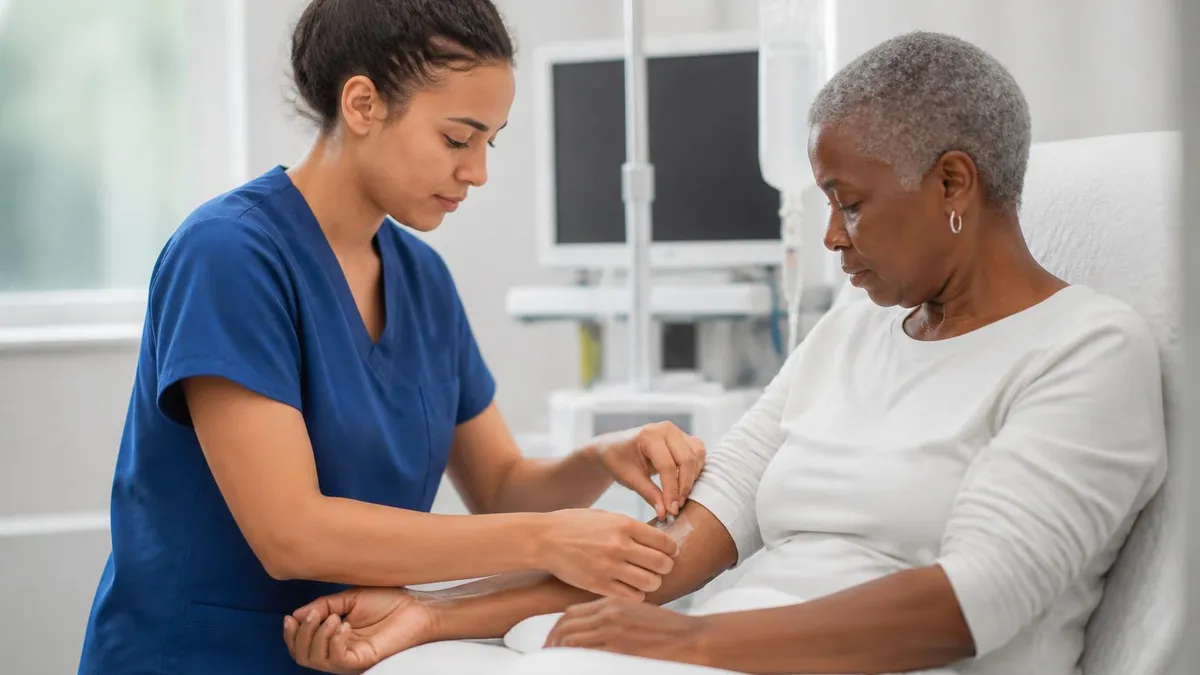
LPN Programs Near Me 2026: Find Accredited Schools & Costs
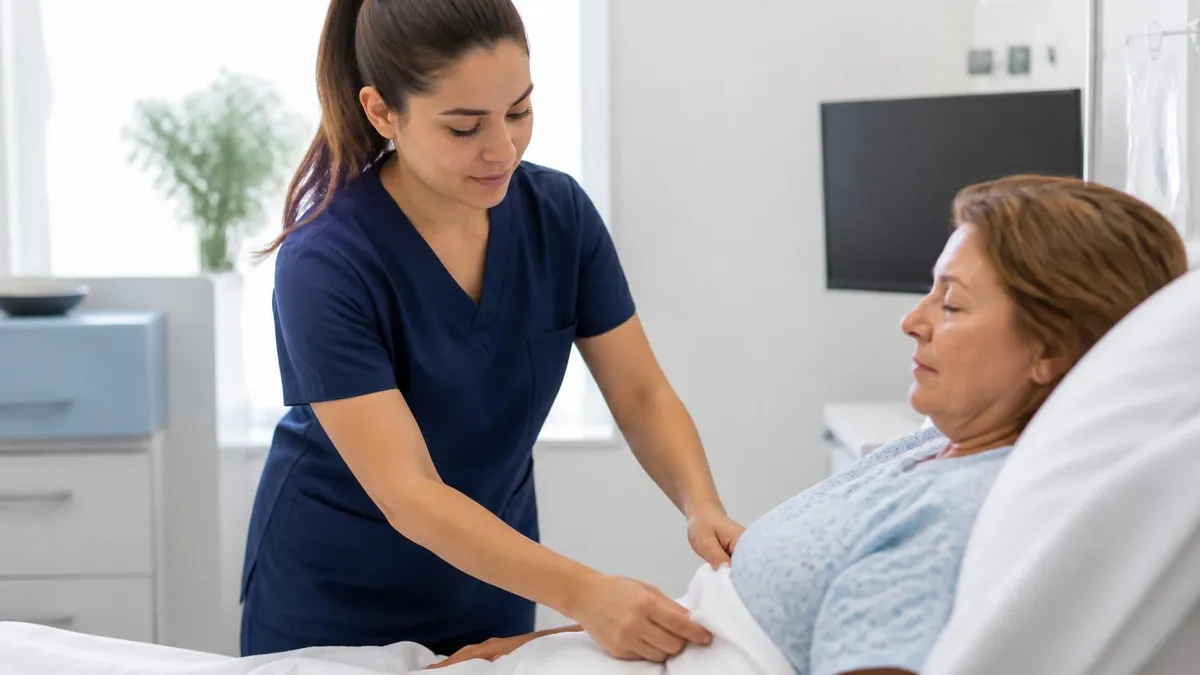
Macomb LPN Program: Complete 2026 Guide to Specific LPN Programs, Admission Requirements, Cost & Career Outcomes
LPN Nursing Care & Clinical Skills Practice Test
About the Author

Registered Nurse & Healthcare Educator
Johns Hopkins University School of NursingDr. Sarah Mitchell is a board-certified registered nurse with over 15 years of clinical and academic experience. She completed her PhD in Nursing Science at Johns Hopkins University and has taught NCLEX preparation and clinical skills courses for nursing students across the United States. Her research focuses on evidence-based exam preparation strategies for healthcare certification candidates.
Join the Discussion
Connect with other students preparing for this exam. Share tips, ask questions, and get advice from people who have been there.
View discussion (7 replies)