
LPN Training: Complete 2026 October Guide to Becoming a Licensed Practical Nurse
LPN training guide: program length, cost, curriculum, clinical hours, NCLEX-PN exam, and how to become a Licensed Practical Nurse in 12-18 months. 📝
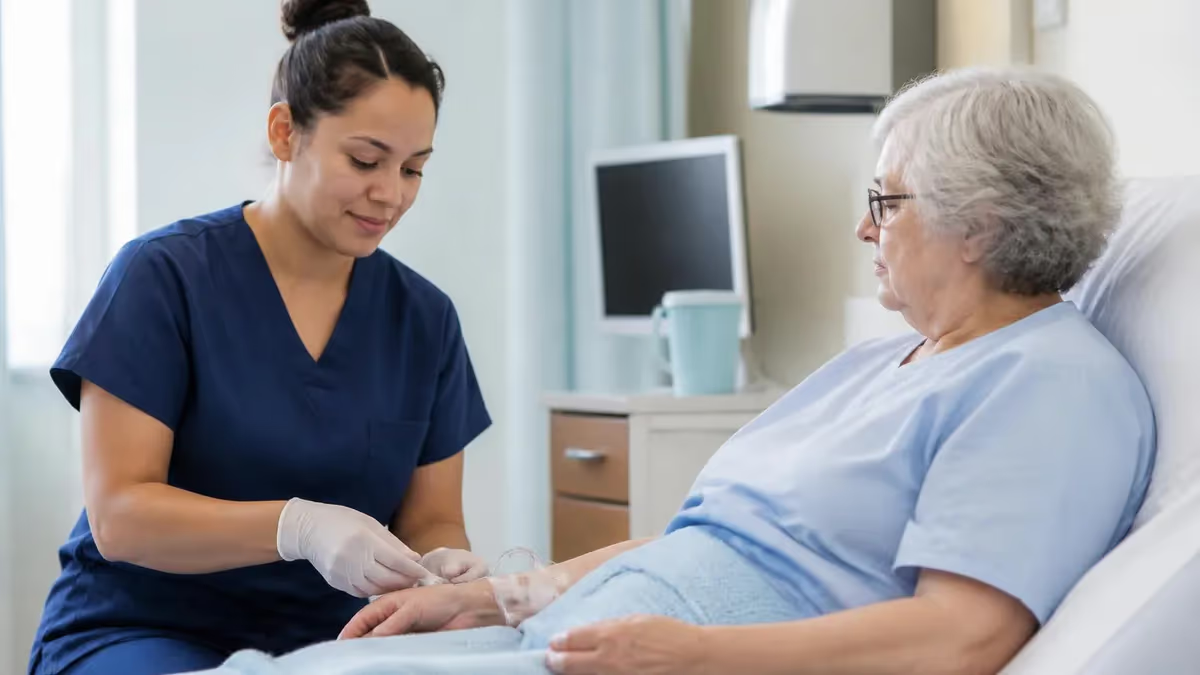
LPN training is the fastest legitimate pathway into professional nursing in the United States, transforming a high school graduate into a licensed bedside clinician in roughly 12 to 18 months. Licensed Practical Nurse programs combine classroom instruction in anatomy, pharmacology, and nursing theory with hundreds of supervised clinical hours in hospitals, long-term care facilities, and outpatient clinics. Graduates earn a diploma or certificate, sit for the NCLEX-PN national licensing exam, and step directly into roles paying a median wage above $59,000 according to the Bureau of Labor Statistics.
Demand for Licensed Practical Nurses remains strong because the U.S. population over 65 is projected to exceed 80 million by 2040, fueling growth in skilled nursing facilities, home health agencies, and assisted living communities. The BLS projects approximately 54,400 LPN job openings annually through 2033, with rural and suburban markets posting the most aggressive hiring bonuses. Many employers now offer tuition reimbursement, sign-on bonuses ranging from $2,500 to $15,000, and bridge programs that fund your RN education while you work.
Practical nurse training programs are offered through community colleges, vocational-technical schools, hospital-based diploma programs, and a growing list of accredited online hybrid options. Tuition ranges widely, from under $5,000 at public technical colleges to more than $30,000 at private career institutes. Choosing the right program depends on accreditation status, NCLEX-PN first-time pass rate, clinical site quality, scheduling flexibility, and proximity to the hospitals or facilities where you eventually want to work.
Before enrolling, prospective students must usually pass an entrance assessment such as the TEAS or HESI A2, submit immunization records, complete a criminal background check, and demonstrate CPR certification through the American Heart Association. Most programs also require a minimum GPA of 2.5, completion of high school algebra and biology, and a personal interview. These prerequisites exist because state boards of nursing hold every accredited program accountable for graduation rates and licensure success.
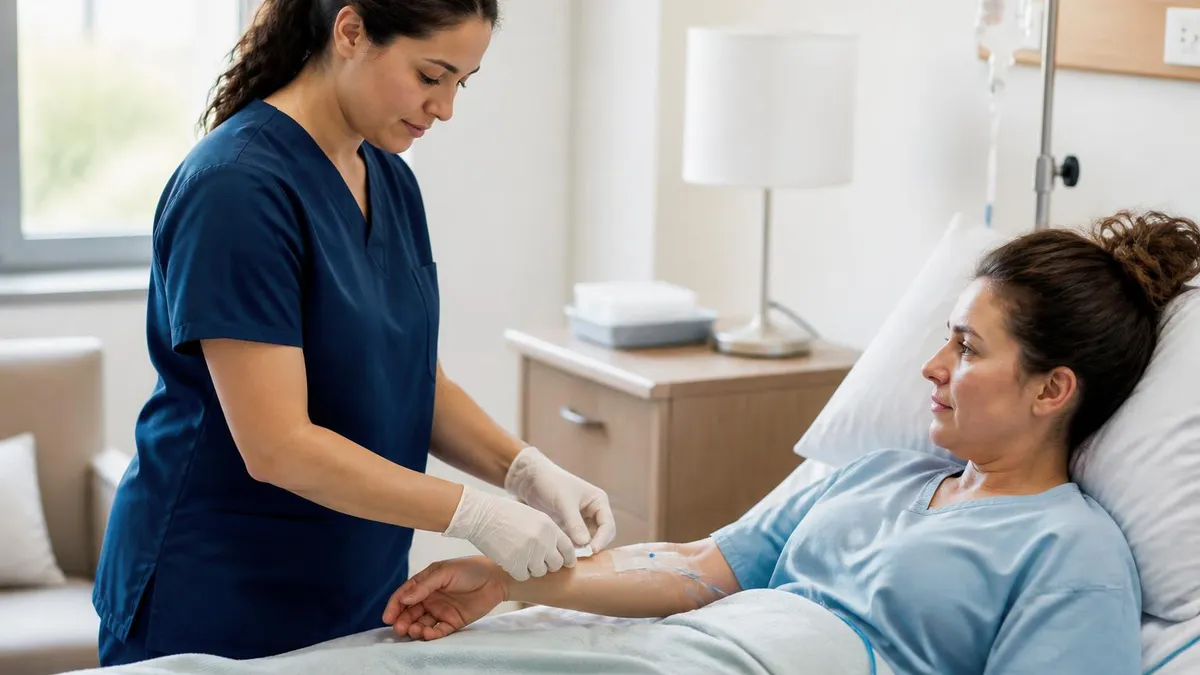
The LPN scope of practice is narrower than that of a registered nurse, but it is far from limited. Practical nurses administer most medications, insert urinary catheters, perform sterile dressing changes, conduct head-to-toe assessments, monitor IV fluids, document care in electronic health records, and supervise certified nursing assistants. In many states, LPNs with IV certification also start peripheral IVs, push select medications, and manage central line dressings under RN delegation.
This complete guide walks you through every stage of LPN training, from choosing an accredited program and budgeting realistic costs to passing the NCLEX-PN on your first attempt and negotiating your first nursing job offer. Whether you are a recent high school graduate, a career changer leaving retail or food service, or a CNA ready for the next rung on the clinical ladder, the roadmap below will help you make informed, confident decisions about your nursing future.
By the time you finish reading, you will understand the typical week-by-week curriculum, the difference between LPN and LVN credentials, the realistic salary range by state, the top employers, and the bridge pathways that allow practical nurses to become RNs in as little as 12 additional months. You will also have access to free practice questions covering every NCLEX-PN content domain so you can begin testing your knowledge today.
LPN Training by the Numbers
LPN Program Admission Requirements
High school diploma or GED with minimum 2.5 GPA. Most programs require completed coursework in algebra, biology, and English with grades of C or better. Some competitive programs also require chemistry.
Passing scores on the TEAS (Test of Essential Academic Skills) or HESI A2 entrance exam. Typical proficient scores range from 58-65% depending on the institution and competitiveness of the cohort.
Criminal background check, drug screening, and complete immunization records including MMR, hepatitis B, varicella, Tdap, and annual flu vaccination. COVID-19 vaccination is required by many clinical sites.
American Heart Association BLS (Basic Life Support) CPR certification must be current before clinical rotations begin. Some programs also require completion of a Certified Nursing Assistant course as a prerequisite.
Many programs require an in-person or virtual interview to assess communication skills, motivation, and understanding of the nursing role. Bring questions about clinical sites, pass rates, and graduate placement.
The LPN curriculum is intensive and front-loaded, blending didactic theory with hands-on simulation and live clinical rotations from the very first semester. Most accredited programs require between 1,400 and 1,800 total contact hours across three or four academic terms. Students log roughly 700 hours of classroom instruction, 200 hours of skills laboratory practice, and 500 to 800 hours of supervised clinical rotation in real healthcare settings.
Foundational coursework begins with anatomy and physiology, fundamentals of nursing, medical terminology, growth and development across the lifespan, and basic pharmacology. Students learn to take vital signs, perform sterile technique, calculate medication dosages, document care using electronic health records, and communicate professionally with patients, families, and the interdisciplinary care team. Skills labs use high-fidelity manikins capable of simulating cardiac arrests, seizures, and obstetric emergencies.
Middle-term courses dive into medical-surgical nursing, maternal-newborn nursing, pediatrics, mental health nursing, and gerontological care. Pharmacology deepens to cover hundreds of medications by drug class, including anticoagulants, antihypertensives, insulins, opioids, and psychotropics. Students learn the rights of medication administration, identify high-alert drugs, and practice safe injection technique for subcutaneous, intramuscular, and intradermal routes during supervised laboratory check-offs.
Clinical rotations expose students to a wide range of patient populations. A typical schedule rotates through medical-surgical floors, skilled nursing facilities, rehabilitation centers, pediatric clinics, postpartum units, and behavioral health settings. Each rotation lasts four to eight weeks, with eight-hour or twelve-hour shifts under the direct supervision of a clinical instructor and the facility's licensed nursing staff. Performance is evaluated using standardized competency rubrics.
By the final term, students complete a capstone preceptorship in which they shadow a working LPN, gradually assuming a full patient assignment under one-on-one mentorship. This transition-to-practice experience is widely regarded as the most valuable component of training, as it builds the time management, prioritization, and delegation skills new graduates need on day one of paid employment. Many preceptorships convert directly into job offers.
Throughout the program, students take standardized assessments such as ATI, HESI, or Kaplan exams that mirror the NCLEX-PN test plan. These benchmarks are predictive: students who consistently score above the 75th percentile on practice exams pass the NCLEX-PN on their first attempt at significantly higher rates. Programs use these scores to identify struggling students early and provide targeted remediation before licensure attempts.
Successful completion of LPN training also includes a comprehensive predictor exam in the final semester. Students who meet the program's benchmark score receive their authorization to test (ATT) letter from the state board of nursing, allowing them to register for the NCLEX-PN through Pearson VUE. The entire process from graduation to scheduled licensure exam typically takes two to six weeks, depending on state board processing speeds.
LPN Practice Test Questions
Prepare for the LPN - Certified Practical Nurse exam with our free practice test modules. Each quiz covers key topics to help you pass on your first try.
LPN - Certified Practical Nurse Basic Care...
LPN Exam Questions covering - Certified Practical Nurse Basic Care and Comfort. Master LPN Test concepts for certification prep.
LPN - Certified Practical Nurse Coordinate...
Free LPN Practice Test featuring - Certified Practical Nurse Coordinated Care. Improve your LPN Exam score with mock test prep.
LPN - Certified Practical Nurse Health Pro...
LPN Mock Exam on - Certified Practical Nurse Health Promotion and Maintenance. LPN Study Guide questions to pass on your first try.
LPN - Certified Practical Nurse Pharmacolo...
LPN Test Prep for - Certified Practical Nurse Pharmacological Therapies. Practice LPN Quiz questions and boost your score.
LPN - Certified Practical Nurse Physiologi...
LPN Questions and Answers on - Certified Practical Nurse Physiological Adaptation. Free LPN practice for exam readiness.
LPN - Certified Practical Nurse Psychosoci...
LPN Mock Test covering - Certified Practical Nurse Psychosocial Integrity. Online LPN Test practice with instant feedback.
LPN - Certified Practical Nurse Reduction ...
Free LPN Quiz on - Certified Practical Nurse Reduction of Risk Potential. LPN Exam prep questions with detailed explanations.
LPN - Certified Practical Nurse Safety and...
LPN Practice Questions for - Certified Practical Nurse Safety and Infection Control. Build confidence for your LPN certification exam.
LPN Ethical, Legal & Professional Standards
LPN Test Online for Ethical, Legal & Professional Standards. Free practice with instant results and feedback.
LPN Health Evaluation & Monitoring
LPN Study Material on Health Evaluation & Monitoring. Prepare effectively with real exam-style questions.
LPN Training Program Formats
Community college LPN programs are the most popular and affordable option in the United States. Tuition typically ranges from $4,000 to $15,000 for in-district residents, and federal financial aid through Pell grants and Stafford loans is fully available. Programs award a certificate or diploma after 12 to 14 months of full-time study and consistently report NCLEX-PN pass rates above 85% at well-established institutions.
Community college programs often share faculty and clinical sites with associate degree RN tracks, giving graduates a built-in bridge pathway. Many students complete their LPN, begin working, then return for an LPN-to-RN bridge that requires only 12 to 18 additional months. The classroom-heavy structure, predictable daytime schedule, and lower tuition make this format ideal for traditional students and recent high school graduates.
Is LPN Training Right for You? Pros vs Cons
- +Fast entry into nursing in 12-18 months versus 2-4 years for RN
- +Median salary of $59,730 with bonuses common in skilled nursing
- +Strong job demand with 54,400 annual openings projected through 2033
- +Direct bridge pathways to RN, BSN, and beyond
- +Hands-on patient care from week one of clinicals
- +Affordable tuition under $15,000 at public community colleges
- +Diverse practice settings: hospitals, nursing homes, clinics, home health
- −Narrower scope of practice than registered nurses in most states
- −Pay ceiling is lower than RN or NP roles long-term
- −Some hospitals are phasing out LPNs in favor of all-RN staffing
- −Intensive program leaves little room for outside employment
- −Clinical schedules include nights, weekends, and holidays
- −Emotionally and physically demanding bedside work
- −NCLEX-PN must be retaken if failed three times in some states
Pros and Cons at a Glance
| Pros | Cons |
|---|---|
| Direct bridge pathways to RN, BSN, and beyond | Narrower scope of practice than registered nurses in most states |
| Hands-on patient care from week one of clinicals | Pay ceiling is lower than RN or NP roles long-term |
| Diverse practice settings: hospitals, nursing homes, clinics, home health | Some hospitals are phasing out LPNs in favor of all-RN staffing |
LPN Training Enrollment Checklist
- ✓Verify the program holds active state board of nursing approval and ACEN or other national accreditation
- ✓Confirm the program's most recent NCLEX-PN first-time pass rate is at or above 80%
- ✓Request a list of clinical affiliate facilities and the rotation schedule
- ✓Complete TEAS or HESI A2 entrance exam with a competitive score
- ✓Submit official high school or college transcripts showing required prerequisites
- ✓Obtain a complete physical exam and submit titers proving immunity to required diseases
- ✓Pass a background check through the program's designated vendor
- ✓Complete a 10-panel drug screen within 30 days of enrollment
- ✓Earn American Heart Association BLS Provider CPR certification
- ✓Purchase required uniforms, stethoscope, and digital textbook bundle
- ✓Apply for FAFSA and any state or institutional scholarships available
- ✓Attend program orientation and sign the student handbook acknowledgment
Pass rate is the single most important program metric
When comparing LPN programs, weigh NCLEX-PN first-time pass rate more heavily than tuition, location, or marketing materials. A program with a 90% pass rate at $20,000 is a better investment than a 60% pass rate program at $8,000 — failing the licensure exam delays your earning power by months and may require expensive retake courses.
The total cost of LPN training varies dramatically based on program type, state of residence, and personal living situation. Public community colleges remain the most affordable, with in-district tuition ranging from $4,000 to $15,000 for the entire program. Vocational-technical schools and private career colleges charge $15,000 to $35,000, while a small number of hospital-sponsored programs are essentially free in exchange for post-graduation work commitments.
Beyond tuition, students should budget for ancillary costs that add up quickly. Textbooks and digital learning platforms typically run $800 to $1,500, scrubs and clinical shoes cost $200 to $400, a quality stethoscope and blood pressure cuff add another $150, and standardized assessment fees through ATI or HESI can total $500 to $900 across the program. The NCLEX-PN exam itself costs $200, plus a state licensure fee that ranges from $75 to $200.
Financial aid options are strong for accredited LPN programs. The Free Application for Federal Student Aid (FAFSA) unlocks Pell Grants of up to $7,395 annually for qualifying students, plus subsidized and unsubsidized Stafford loans. Many states also offer nursing-specific grants, such as the Texas Rural Nurse Loan Repayment Program or California's Vocational Nurse Education Fund, which forgive loans in exchange for service in underserved areas after graduation.
Employer-sponsored tuition programs are increasingly common. Major health systems like HCA, Ascension, and Encompass Health, along with national long-term care chains such as Genesis HealthCare and Brookdale Senior Living, offer to pay 50% to 100% of LPN tuition in exchange for one to two years of post-graduation employment. CNAs already working at these facilities receive priority enrollment and continued paychecks during school.
Salary outlook for newly licensed LPNs is strong and improving. The Bureau of Labor Statistics reports a national median wage of $59,730, with the top 10% earning above $77,000. Geographic variation is substantial: California, Washington, Massachusetts, and Alaska pay LPNs above $70,000 on average, while southern states like Mississippi and Arkansas average closer to $48,000. Cost of living should be factored into any salary comparison.
Specialty practice settings often pay premium wages. Correctional nursing, occupational health, dialysis, and IV-certified roles can add $5,000 to $15,000 over base salary. Home health visits paid per-visit rather than hourly frequently yield effective wages above $40 per hour for experienced practical nurses with their own vehicles. Travel LPN assignments, while less common than travel RN positions, can pay $1,500 to $2,200 per week including housing stipends.
Long-term financial planning should include the LPN-to-RN bridge pathway. Working LPNs who complete an associate degree in nursing add roughly $20,000 to their annual earnings, and progression to a BSN unlocks supervisory, case management, and informatics roles paying $90,000 or more. Many employers reimburse bridge tuition, effectively turning LPN training into a fully-funded ladder toward registered nursing.

Some online and for-profit schools advertise LPN training without state board of nursing approval. Graduates of unapproved programs cannot sit for the NCLEX-PN exam and cannot become licensed practical nurses. Always verify your prospective program on your state board's official website before paying any tuition or fees.
The NCLEX-PN is the standardized national licensure examination administered by the National Council of State Boards of Nursing. Every LPN candidate in the United States must pass this exam to practice legally. The test uses computerized adaptive testing technology, meaning the difficulty of each question adjusts to your performance. Candidates answer between 85 and 150 questions in a maximum of five hours, with the test ending when the algorithm can determine pass or fail with 95% confidence.
NCLEX-PN content is organized into four major Client Needs categories: Safe and Effective Care Environment, Health Promotion and Maintenance, Psychosocial Integrity, and Physiological Integrity. Each category is weighted differently, with Physiological Integrity carrying the largest share at roughly 36 to 52% of total questions. Question formats include traditional multiple-choice, multiple-response, drag-and-drop ordering, hot spots, exhibit-based, and the newer next-generation case studies introduced in 2023.
Preparation for the NCLEX-PN should begin during the final semester of LPN training, not after graduation. Most successful candidates dedicate four to six weeks of focused study after graduation, completing 2,000 to 3,000 practice questions across all content domains. Live or virtual review courses from Kaplan, Hurst, Mark Klimek, and UWorld are popular, but free resources like ReMar virtual trainer and PTG practice tests are equally effective when used consistently with rigorous question rationale review.
Application logistics are state-specific but follow a predictable pattern. Graduates apply for licensure by examination through their chosen state board of nursing, paying a fee of $75 to $200. After the board verifies eligibility, candidates register with Pearson VUE and pay the $200 NCLEX-PN testing fee. An Authorization to Test (ATT) letter arrives by email within two to four weeks, providing a 90-day window to schedule the exam at any Pearson VUE testing center nationwide.
Job search strategies for new graduate LPNs should begin during the final clinical rotation. Networking with preceptors, charge nurses, and unit managers frequently produces job offers before licensure is even complete. Hospitals typically offer the most structured new-graduate orientation programs, while long-term care facilities provide faster autonomy and broader scope. Home health agencies and physician offices generally prefer candidates with at least six months of facility experience.
Interview preparation should emphasize concrete clinical examples from preceptorship and rotations. Employers ask behavioral questions about delegation, medication errors, patient family conflict, and time management. Strong candidates use the STAR method (Situation, Task, Action, Result) to structure two-minute answers. Bringing a portfolio with skills checklists, immunization records, BLS card, and clinical evaluations demonstrates organization and professionalism.
Continuing education and career advancement are lifelong commitments for licensed practical nurses. Most states require 20 to 30 contact hours every two years to renew licensure, with specific mandatory topics like pain management, opioid prescribing awareness, or human trafficking recognition. Beyond required CE, voluntary certifications in IV therapy, gerontology, wound care, and pharmacology dramatically expand scope and earning potential throughout an LPN career.
Practical study tips from graduates who passed the NCLEX-PN on their first attempt consistently emphasize daily, structured practice over marathon cramming sessions. Aim for 75 to 100 questions per day, alongside 30 to 45 minutes of rationale review for both correct and incorrect answers. Focus less on memorization of facts and more on the underlying nursing process: assessment, diagnosis, planning, implementation, evaluation. The exam tests clinical judgment, not trivia.
Build a weekly schedule that mirrors the actual exam day routine. Start practice sessions at the same morning hour you plan to test, sit at a desk with no phone or food access, and complete blocks of 75 questions in one sitting to build cognitive endurance. Strong test-takers report that mental stamina, not knowledge, is the limiting factor in the final hour of a 150-question adaptive exam.
Tackle weak content areas first, not last. Many candidates avoid uncomfortable topics like pediatric dosing, fetal heart monitoring, or psychiatric medications until the final week of prep, where panic erodes retention. Spending two extra hours on your weakest Client Needs category in week one of NCLEX prep pays off more than ten extra hours in week six. Use diagnostic exams to identify these gaps objectively.
Read every question stem twice and identify the call of the question before looking at options. NCLEX-PN questions often test priority-setting, so ask yourself which intervention addresses the most life-threatening problem first. Maslow's hierarchy, the ABCs (airway, breathing, circulation), and the nursing process all serve as reliable decision frameworks when two answers seem equally correct.
Treat clinical preceptorship as paid NCLEX-PN prep. Every medication you administer, every assessment you document, and every patient hand-off you give reinforces the same critical thinking the exam measures. Ask your preceptor to verbalize their clinical reasoning, especially when intervening on deteriorating patients. This narrated thought process is the exact skill the test plan is designed to evaluate.
On exam day, arrive 30 minutes early, bring two forms of identification, and skip caffeine if you are not a regular consumer. The Pearson VUE testing environment is intentionally austere: no personal items, no breaks longer than ten minutes, and constant proctor observation. Mental rehearsal of the routine reduces anxiety and preserves cognitive resources for the questions themselves. Most candidates feel certain they failed when they actually passed.
After passing the NCLEX-PN, your state board issues your license within 48 hours and your name appears on the public nurse registry. Update your resume, LinkedIn profile, and any pending job applications with your new credentials. Sign your offer paperwork, complete employer onboarding, and remember that your first 90 days as a licensed LPN are the steepest learning curve of your career. Lean on your preceptor, ask every question, and document everything.
Sample Certified Practical Nurse Practice Questions
Try these questions from our free Certified Practical Nurse practice tests. The correct answer and an explanation follow each question.
A licensed practical nurse (LPN) is preparing to enter the room of a client diagnosed with pulmonary tuberculosis. Which combination of personal protective equipment (PPE) is essential for the nurse to don before providing care?
- A. Surgical mask and gloves
- B. Gown, gloves, and face shield
- C. N95 respirator and gloves
- D. Gown and surgical mask
Answer: C. N95 respirator and gloves
Pulmonary tuberculosis requires airborne precautions. The essential PPE for airborne precautions includes a fit-tested N95 respirator to prevent inhalation of small airborne particles. Gloves are also necessary as part of standard precautions when contact with bodily fluids is possible.
A nurse is caring for a client with preeclampsia who is receiving magnesium sulfate. Which assessment finding requires the nurse to hold the medication and notify the provider?
- A. Urine output of 35 mL/hr
- B. Respiratory rate of 10 breaths/min
- C. Mild headache rated 3/10
- D. Deep tendon reflexes rated 2+
Answer: B. Respiratory rate of 10 breaths/min
A respiratory rate below 12 breaths/min indicates magnesium toxicity, which can cause respiratory depression and arrest.
A client in the third trimester reports right upper quadrant pain, headache, and visual disturbances. The nurse measures a BP of 158/106 mmHg. Which condition does the nurse suspect?
- A. HELLP syndrome
- B. Gestational hypertension
- C. Hyperemesis gravidarum
- D. Cholestasis of pregnancy
Answer: A. HELLP syndrome
HELLP syndrome (Hemolysis, Elevated Liver enzymes, Low Platelets) presents with RUQ pain, headache, visual changes, and severe hypertension.
The nurse is preparing to administer an intramuscular injection. To prevent a needlestick injury after the injection, what is the most important action for the nurse to take?
- A. Recap the needle using the two-handed method.
- B. Activate the needle's safety device immediately after use.
- C. Place the used syringe on the bedside table before disposal.
- D. Ask the client to hold pressure on the injection site while the nurse disposes of the needle.
Answer: B. Activate the needle's safety device immediately after use.
To prevent needlestick injuries, the safety device on the needle should be activated immediately after administering the injection. Used needles should never be recapped and should be disposed of promptly in a designated sharps container.
LPN Questions and Answers

About the Author

Registered Nurse & Healthcare Educator
Johns Hopkins University School of NursingDr. Sarah Mitchell is a board-certified registered nurse with over 15 years of clinical and academic experience. She completed her PhD in Nursing Science at Johns Hopkins University and has taught NCLEX preparation and clinical skills courses for nursing students across the United States. Her research focuses on evidence-based exam preparation strategies for healthcare certification candidates.
Join the Discussion
Connect with other students preparing for this exam. Share tips, ask questions, and get advice from people who have been there.
View discussion (7 replies)