
Online LPN to RN Nursing Programs: Complete 2026 September Guide
Explore online LPN to RN nursing programs, admission requirements, ✏️ costs, timelines, and top schools to advance your nursing career in 2026 September.

Online LPN to RN nursing programs have transformed the career advancement landscape for licensed practical nurses across the United States, making it easier than ever to earn a registered nurse credential without stepping away from full-time employment. These bridge programs recognize the clinical knowledge and hands-on patient care experience LPNs already possess, allowing students to build on existing skills rather than repeat entry-level coursework.
With healthcare employers nationwide competing for experienced RNs, completing one of these programs can mean a significant salary increase, broader scope of practice, and greater job security in a profession that continues to grow faster than average.
The demand for registered nurses is not slowing down. The U.S. Bureau of Labor Statistics projects roughly 177,400 new RN positions will open annually through 2032, driven by an aging population, expanded insurance coverage under the Affordable Care Act, and ongoing retirements among Baby Boomer nurses. LPNs who transition to RN status are particularly valuable to hospitals, outpatient clinics, and long-term care facilities because they arrive with real-world clinical competency. Employers often sponsor tuition reimbursement or sign-on bonuses specifically to recruit LPNs willing to complete their education and upgrade their licensure.
Understanding how lpn to rn nursing programs are structured is the first step toward making a smart educational investment. Programs vary considerably in length, cost, and delivery format. Some are fully online with proctored remote exams, while others blend asynchronous coursework with mandatory in-person clinical rotations at approved healthcare facilities near the student's home. Knowing exactly what a program requires before you enroll prevents costly surprises and helps you match a program's schedule to your existing work obligations and family responsibilities.
Admission requirements for LPN-to-RN bridge programs typically include an active, unencumbered LPN license, a minimum cumulative GPA — usually 2.5 or higher on prior college coursework — and a set number of documented clinical hours as a practicing LPN. Many programs ask for one to two years of recent bedside experience, particularly in acute care settings. Additional requirements may include current CPR certification, completed prerequisite courses in anatomy, physiology, microbiology, and statistics, and satisfactory background checks. Programs at community colleges are often significantly less expensive than those offered by private universities, though both can lead to NCLEX-RN eligibility.
The NCLEX-RN examination is the national licensing exam all aspiring RNs must pass to practice. Because bridge students carry strong practical nursing foundations, many perform well on the NCLEX-RN when they supplement coursework with consistent test preparation. Practice questions covering pharmacology, coordinated care, physiological adaptation, and psychosocial integrity help bridge the gap between classroom theory and examination performance. Starting a structured review early in the program rather than cramming at the end significantly improves first-attempt pass rates.
Financial considerations matter enormously when choosing a program. Annual tuition for associate degree LPN-to-RN programs at public community colleges typically ranges from $5,000 to $15,000, while BSN completion programs at private or online universities can exceed $30,000. Federal student aid, including Pell Grants and subsidized loans, is available for accredited programs.
Several states also offer workforce development grants specifically for healthcare workers upgrading their credentials. Employer tuition reimbursement is another underutilized resource — surveys show that more than 60 percent of hospital systems offer some form of education benefit to nursing staff, yet fewer than 20 percent of eligible employees take full advantage of it.
Accreditation is non-negotiable when evaluating any LPN-to-RN bridge program. Programs accredited by the Accreditation Commission for Education in Nursing (ACEN) or the Commission on Collegiate Nursing Education (CCNE) meet rigorous standards for curriculum quality, faculty credentials, and student outcomes. Graduating from an accredited program ensures your degree will be recognized by employers, accepted for graduate school admission, and eligible for federal financial aid. Always verify accreditation status directly on the ACEN or CCNE website rather than relying solely on claims made in program marketing materials.
LPN to RN Programs by the Numbers

LPN to RN Program Types and Pathways
The associate degree in nursing is the fastest route to RN licensure for most LPNs. Programs run 12 to 18 months at community colleges and focus on nursing theory, pharmacology, and supervised clinical rotations leading to NCLEX-RN eligibility.
Bachelor of science in nursing programs provide a more comprehensive education covering leadership, public health, and evidence-based practice. These 2–3 year programs are favored by hospital systems pursuing Magnet recognition and offer better long-term advancement.
Hybrid programs deliver didactic coursework asynchronously online while requiring students to complete clinical hours at approved partner sites near their home. This format suits working nurses who need scheduling flexibility but still meet hands-on training mandates.
Accelerated bridge tracks compress coursework into intensive semesters, sometimes allowing full completion in under 12 months. These programs demand significant weekly study hours and work best for LPNs who can reduce clinical employment during the academic term.
Some LPNs earn ADN licensure first, then immediately enter an RN-to-BSN completion program. This two-phase approach spreads cost and workload over time while progressively building credentials recognized by top employers and graduate programs.
Admission requirements for LPN-to-RN programs are more rigorous than many applicants expect, and understanding each requirement well in advance gives you enough time to satisfy conditions that can take months to complete. Most programs require an active, unrestricted LPN license issued by a state board of nursing. If your license has any disciplinary notations, contact the nursing program's admissions office before applying, because some schools conduct case-by-case evaluations while others implement blanket exclusions for certain violation types. Keeping your license clean and in good standing is the single most important prerequisite.
Academic prerequisites form the second major hurdle. Virtually every accredited bridge program requires completion of college-level anatomy and physiology — typically two semesters covering body systems, cellular biology, and organ function. Microbiology and statistics are also standard requirements at the majority of programs nationwide. If you completed these courses more than five to seven years ago, some schools require you to retake them to ensure your scientific foundation is current. Before retaking any course, ask the admissions coordinator for the policy in writing to avoid unnecessary expense.
Clinical experience requirements vary by institution, but a common benchmark is one full year of documented LPN practice within the past three years. Some programs specify acute care experience — meaning hospital, surgical center, or emergency department work — over long-term care hours. If your LPN experience is entirely in a skilled nursing facility, you may need to spend several months gaining hospital-based hours before your application will be competitive. Contact the human resources department at local hospitals and ask about per-diem LPN positions, which can provide the acute care exposure some programs require.
Letters of recommendation from nurse supervisors, unit managers, or physician colleagues carry real weight in competitive programs. Choose recommenders who can speak specifically to your clinical judgment, communication skills, and professional reliability rather than simply confirming your employment dates. Provide recommenders with your program application deadlines at least four to six weeks in advance. Many accredited programs have rolling admissions but cap cohort sizes at 20 to 40 students, so applying early in the application window meaningfully improves your chances of acceptance.
Personal statements or essays are required by most BSN-pathway bridge programs and many ADN programs. A strong personal statement explains why you chose nursing, what specific experiences as an LPN shaped your decision to pursue RN credentials, and what you plan to do with the expanded scope of practice you will gain. Admissions committees read hundreds of essays and respond to authentic, specific narratives. Avoid generic phrases like 'I want to help people' and replace them with concrete clinical moments — a patient interaction, a diagnostic challenge, or a care coordination problem you helped solve.
Background checks and drug screening are standard requirements for clinical placement in hospital and healthcare system partner sites. A felony conviction related to fraud, abuse, or substance use may disqualify you from certain clinical sites or from state board licensure regardless of program completion. Research your state's board of nursing eligibility policies before investing time and money in a program if you have a prior criminal record. Many states offer declaratory order processes that allow prospective students to petition for advance determination of eligibility before enrolling.
Health documentation requirements include proof of current immunizations — hepatitis B series, MMR, varicella, annual influenza, and Tdap — as well as a recent negative tuberculosis screening. Basic life support (BLS) certification through the American Heart Association is mandatory at nearly all programs. Some clinical sites require ACLS certification before advanced practicum placements. Gathering and organizing this documentation into a single digital portfolio simplifies the enrollment process and prevents delays on the first day of clinical assignments.
LPN Practice Test Questions
Prepare for the LPN - Certified Practical Nurse exam with our free practice test modules. Each quiz covers key topics to help you pass on your first try.
LPN - Certified Practical Nurse Basic Care...
LPN Exam Questions covering - Certified Practical Nurse Basic Care and Comfort. Master LPN Test concepts for certification prep.
LPN - Certified Practical Nurse Coordinate...
Free LPN Practice Test featuring - Certified Practical Nurse Coordinated Care. Improve your LPN Exam score with mock test prep.
LPN - Certified Practical Nurse Health Pro...
LPN Mock Exam on - Certified Practical Nurse Health Promotion and Maintenance. LPN Study Guide questions to pass on your first try.
LPN - Certified Practical Nurse Pharmacolo...
LPN Test Prep for - Certified Practical Nurse Pharmacological Therapies. Practice LPN Quiz questions and boost your score.
LPN - Certified Practical Nurse Physiologi...
LPN Questions and Answers on - Certified Practical Nurse Physiological Adaptation. Free LPN practice for exam readiness.
LPN - Certified Practical Nurse Psychosoci...
LPN Mock Test covering - Certified Practical Nurse Psychosocial Integrity. Online LPN Test practice with instant feedback.
LPN - Certified Practical Nurse Reduction ...
Free LPN Quiz on - Certified Practical Nurse Reduction of Risk Potential. LPN Exam prep questions with detailed explanations.
LPN - Certified Practical Nurse Safety and...
LPN Practice Questions for - Certified Practical Nurse Safety and Infection Control. Build confidence for your LPN certification exam.
LPN Ethical, Legal & Professional Standards
LPN Test Online for Ethical, Legal & Professional Standards. Free practice with instant results and feedback.
LPN Health Evaluation & Monitoring
LPN Study Material on Health Evaluation & Monitoring. Prepare effectively with real exam-style questions.
Online LPN to RN Nursing Programs: What to Expect
Fully online LPN-to-RN bridge programs deliver lecture content, reading assignments, case studies, and exams through learning management systems like Canvas, Blackboard, or Brightspace. Students typically log in at their own convenience within weekly deadlines, completing recorded video lectures, interactive modules, and written discussions. Proctored exams are taken remotely using webcam-based software that monitors the testing environment to ensure academic integrity and meet accreditation standards.
Online coursework in bridge programs covers advanced pharmacology, pathophysiology, health assessment, nursing leadership, evidence-based practice, and community health nursing. Discussion boards simulate the peer-learning environment of a traditional classroom by requiring students to respond critically to classmates' posts. Most programs assign 15 to 20 hours of weekly study time for full-time students, though part-time options spreading courses across additional semesters are increasingly common and allow nurses to maintain full-time employment throughout the program.

Online LPN to RN Bridge Programs: Pros and Cons
- +Work full-time as an LPN while completing coursework on a flexible schedule
- +Lower cost compared to traditional on-campus programs, especially at community colleges
- +Credits granted for prior LPN education and clinical experience accelerate completion
- +Access to accredited programs across the country regardless of geographic location
- +Asynchronous lectures allow studying during off-hours, nights, or weekends
- +Demonstrated RN credential opens hospital, leadership, and specialty nursing career paths
- −In-person clinical rotations are still required and must be arranged near your home
- −Self-discipline and strong time management are essential without a structured classroom schedule
- −Technology requirements — reliable high-speed internet, webcam — add upfront costs
- −Some employers and graduate programs prefer on-campus BSN over fully online degrees
- −Clinical site placement can be difficult in rural areas with few healthcare partner facilities
- −Balancing full-time work, family, and rigorous coursework causes burnout for some students
LPN to RN Bridge Program Enrollment Checklist
- ✓Verify your LPN license is active, unrestricted, and in good standing with your state board of nursing.
- ✓Request official transcripts from all prior colleges and confirm prerequisite courses are complete and current.
- ✓Gather at least two to three years of documented LPN clinical experience, emphasizing acute care hours.
- ✓Obtain current BLS certification through the American Heart Association before the application deadline.
- ✓Complete all required immunizations and compile health documentation into a single organized digital portfolio.
- ✓Research and confirm ACEN or CCNE accreditation status of every program you plan to apply to.
- ✓Submit the Free Application for Federal Student Aid (FAFSA) to determine grant and loan eligibility.
- ✓Ask your employer's HR department about tuition reimbursement benefits and application procedures.
- ✓Request letters of recommendation from supervisors or physicians at least six weeks before each deadline.
- ✓Draft and revise your personal statement with specific clinical examples and clear career goals.
Earning your RN increases your salary by an average of $22,000 per year
According to Bureau of Labor Statistics 2024 data, licensed practical nurses earn a median annual wage of approximately $59,730, while registered nurses earn $81,220. Over a 20-year nursing career, that difference compounds to more than $400,000 in additional lifetime earnings — making even a $30,000 investment in a BSN bridge program a highly favorable return on investment for most working LPNs.
The cost of LPN-to-RN bridge programs varies widely depending on school type, program length, and whether you pursue an ADN or BSN credential. Community college ADN programs are consistently the most affordable option, with total tuition ranging from $5,000 to $15,000 at public institutions. State residents pay substantially lower rates than out-of-state students, so enrolling at an in-state community college — even if the program has a waitlist — often saves tens of thousands of dollars compared to private online universities that charge out-of-state rates regardless of residence.
Private and university-based BSN bridge programs command significantly higher tuition. Online BSN programs from regionally accredited private universities typically charge $15,000 to $50,000 in total program costs. Some well-known healthcare-focused universities price programs on a per-credit-hour basis, ranging from $350 to $1,200 per credit. An average BSN bridge program requires 60 to 90 credits beyond LPN coursework, so per-credit costs multiply rapidly. Always request a full breakdown of tuition, fees, technology charges, clinical placement fees, and required textbooks before committing to any program.
Federal financial aid is accessible for students enrolled in accredited programs. Completing the FAFSA each academic year determines your eligibility for Pell Grants, which do not require repayment and currently max out at $7,395 per year for the 2024–25 award year. Subsidized and unsubsidized Stafford Loans allow bridge students to borrow up to $12,500 annually as independent students. For LPNs who qualify as independent for financial aid purposes — typically those over 24, married, or with dependents — grant and loan limits are higher than for traditional-age dependent students.
Scholarship resources specifically for working nurses are more plentiful than most LPNs realize. The American Association of Colleges of Nursing (AACN), the National Student Nurses Association (NSNA), and state nurses associations all offer annual scholarship competitions. Many hospitals and health systems fund nursing education scholarships internally for employees pursuing RN credentials. State workforce development agencies sometimes administer HRSA-funded nursing workforce programs that provide grants to healthcare workers in underserved rural or urban communities. Searching the HRSA scholarship database, your state nursing association, and your employer's HR portal simultaneously maximizes your chances of securing non-repayable aid.
Employer tuition reimbursement is one of the most underutilized financial tools available to working LPNs. The majority of large hospital systems and nursing home chains offer employees between $2,500 and $10,000 per year in education benefits. Some employers have expanded programs offering full tuition coverage in exchange for post-graduation service commitments of one to three years. If your current employer does not offer tuition benefits, consider applying for a per-diem or part-time position at a hospital that does, specifically to access the education benefit while completing your bridge program elsewhere.
Payment plans and income share agreements (ISAs) have become more common at private online nursing schools. ISAs allow students to pay nothing upfront and instead commit a percentage of post-graduation income — typically 8 to 12 percent — for a defined period after securing RN employment. While ISAs eliminate immediate financial barriers, they can cost more than traditional loans for high earners. Run the numbers carefully using your anticipated RN salary before signing an ISA, and have a contract reviewed by a financial advisor familiar with education financing if possible.
Tax deductions and credits are worth calculating alongside other financial strategies. The Lifetime Learning Credit allows eligible students to claim up to $2,000 per year as a federal tax credit on education expenses, including tuition and required fees. The student loan interest deduction reduces taxable income by up to $2,500 for eligible borrowers. In some cases, employer tuition reimbursement received above $5,250 per year is taxable income — something to account for in your annual tax planning if your employer provides generous benefits.

Not all nursing programs that market themselves as 'accredited' hold ACEN or CCNE accreditation — the two standards recognized by the U.S. Department of Education for nursing education. Enrolling in a non-ACEN/CCNE-accredited program may disqualify you from federal financial aid, graduate school admission, and certain employer tuition reimbursement plans. Always confirm accreditation status directly at acenursing.org or ccneaccreditation.org before submitting an application or deposit.
Career outcomes for LPNs who complete bridge programs and earn RN licensure are consistently strong across all regions of the United States. The transition from LPN to RN expands your legal scope of practice in ways that dramatically broaden employment options. RNs can independently assess patients, develop nursing diagnoses, initiate care plans, administer a wider range of medications including intravenous therapies, and supervise LPNs and nursing assistants. This expanded authority opens doors to acute care hospital units, intensive care settings, operating rooms, labor and delivery, emergency departments, and outpatient specialty clinics that rarely hire LPNs for direct care roles.
Specialty nursing certifications become available after completing RN licensure, and many of them carry substantial salary premiums. The Certified Critical Care Registered Nurse (CCRN) credential, the Oncology Certified Nurse (OCN), and the Certified Emergency Nurse (CEN) each require post-licensure RN experience but are attainable within two to three years of graduation. Nationally, certified RNs earn an average of eight to fifteen percent more than non-certified counterparts in the same specialty, according to survey data from the American Nurses Credentialing Center. For a nurse earning $81,000 annually, that premium translates to $6,480 to $12,150 in additional income per year.
Leadership and management career paths open considerably after earning an RN credential. Charge nurse, nurse supervisor, and unit manager roles are typically restricted to RNs and represent the first rung of a nursing leadership ladder that can ultimately reach director of nursing, chief nursing officer, and executive-level positions. Many LPNs who transition to RN discover that their years of practical nursing experience give them a substantial advantage in leadership roles compared to newer graduates, because they already understand workflow dynamics, interdisciplinary communication, and frontline staff challenges from direct personal experience.
Graduate education becomes accessible after completing an RN bridge program. A master of science in nursing (MSN) can lead to advanced practice registered nurse (APRN) roles including nurse practitioner, certified nurse midwife, clinical nurse specialist, and certified registered nurse anesthetist.
NP salaries range from $110,000 to over $200,000 annually depending on specialty and geography, and CRNAs — the highest-paid advanced practice nurses — earn a median of $214,000 per year. The pathway from LPN to CRNA requires 10 or more years of education and experience, but the financial rewards make it one of the most compelling long-term career trajectories in all of healthcare.
Travel nursing is another high-earning opportunity that becomes available at the RN level. Travel RN contracts typically pay $2,000 to $4,000 or more per week including tax-free housing stipends, health insurance, and completion bonuses. New travel RNs generally need one to two years of recent acute care RN experience before agencies will place them in travel contracts, but that experience period passes quickly when nurses are motivated and working consistently in hospital environments. For LPNs who already have significant clinical experience, the adjustment period is often shorter than for new graduates without prior patient care backgrounds.
Geographic salary variation is significant and worth researching before choosing where to work post-graduation. California RNs earn the highest median wages in the country — over $124,000 annually — driven by state mandatory nurse-to-patient ratio laws and strong union representation. Hawaii, Oregon, Washington, and Alaska also consistently rank among the highest-paying states. Meanwhile, South Dakota, Alabama, and Mississippi report the lowest median RN wages, typically in the $60,000 to $68,000 range. If relocation is feasible, comparing cost-of-living-adjusted RN salaries across states can materially improve your long-term financial outcomes.
Job stability is one of nursing's most compelling features, and the RN credential delivers more of it than any other nursing designation. The COVID-19 pandemic demonstrated unambiguously that RN positions are nearly recession-proof — hospitals actively hired and retained RNs throughout economic downturns while other industries shed millions of jobs.
Healthcare organizations continue to expand outpatient, telehealth, and community-based services, creating new RN roles that did not exist a decade ago. LPNs who invest in bridge education now position themselves for a career with decades of stability, advancement, and earning potential in one of the most essential professions in the American economy.
Succeeding in an LPN-to-RN bridge program requires more than meeting admission requirements — it demands a deliberate, sustained approach to studying, time management, and clinical skill development from the first day of enrollment. Students who treat bridge coursework with the same professional discipline they bring to patient care consistently outperform those who assume their LPN experience alone will carry them through. The academic demands of bridge programs are real, and the NCLEX-RN has a higher passing standard than the NCLEX-PN, so preparation must match that elevated bar.
Building a weekly study schedule at the start of each semester and protecting that time from competing obligations is one of the highest-impact habits bridge students can develop. Block out specific hours for lecture review, reading, practice questions, and clinical simulation activities. Treat these blocks as clinical shifts — non-negotiable, scheduled in advance, and attended regardless of how tired you feel after work. Research on nursing student success consistently identifies consistent daily study over long periods as more predictive of NCLEX-RN passage than intensive last-minute cramming, regardless of overall intelligence or clinical experience level.
Forming study groups with fellow bridge students — even virtually — accelerates understanding of complex concepts and reduces the isolation that online learning can create. Group members can divide content areas for initial deep review, then teach each other, which is one of the most effective learning strategies in educational psychology. When one student explains pharmacological mechanisms or delegation principles to peers, all participants deepen their retention and uncover gaps in understanding that solo reading would miss. Use video conferencing platforms to run weekly virtual study sessions and divide content equitably so everyone contributes.
Leveraging your LPN clinical experience actively during bridge coursework sets you apart from peers who lack patient care backgrounds. When pharmacology lectures cover drug classes you regularly administer, connect the academic content to specific patient cases you have managed. When pathophysiology presents disease processes, visualize the patients in your care who exhibited those signs and symptoms.
This experiential anchor dramatically improves retention of abstract content by grounding it in memories that are already emotionally and professionally significant. Instructors also respond positively to students who bring clinical examples to discussions, and that engagement often translates to stronger recommendation letters and networking connections.
NCLEX-RN preparation tools should complement your bridge program curriculum from the beginning, not replace it at the end. Reputable question banks including UWorld, Kaplan, and ATI offer thousands of NCLEX-style practice questions with detailed rationales for every answer choice.
The value of these tools lies not in the number of questions completed but in the quality of your post-question review — reading every rationale carefully, understanding why correct answers are correct and why distractors are wrong, and identifying personal knowledge patterns that need additional study. Tracking your performance by content category over time reveals trends more useful than any single practice score.
Clinical rotations deserve the same intentional preparation as academic coursework. Before each clinical day, review the pathophysiology, standard medications, and nursing priorities for the patient population assigned to your unit. Arrive with prepared assessment frameworks and specific learning objectives you want to achieve each shift. Proactively communicating your learning goals to your preceptor at the start of every rotation signals professionalism, maximizes the educational value of each clinical hour, and builds the kind of mentoring relationship that sometimes leads directly to post-graduation job offers at your rotation site.
Managing stress and preventing burnout is not optional when working full-time and studying simultaneously. Establish non-negotiable recovery habits — adequate sleep, regular physical activity, and meaningful time away from nursing content at least one full day per week. Research on healthcare worker cognitive performance shows that sustained sleep deprivation below seven hours per night significantly impairs clinical reasoning and memory consolidation, both of which are tested directly on the NCLEX-RN. Students who protect their recovery time consistently report better academic performance and higher well-being throughout their bridge program than those who sacrifice sleep and personal time for additional study hours.
LPN Questions and Answers
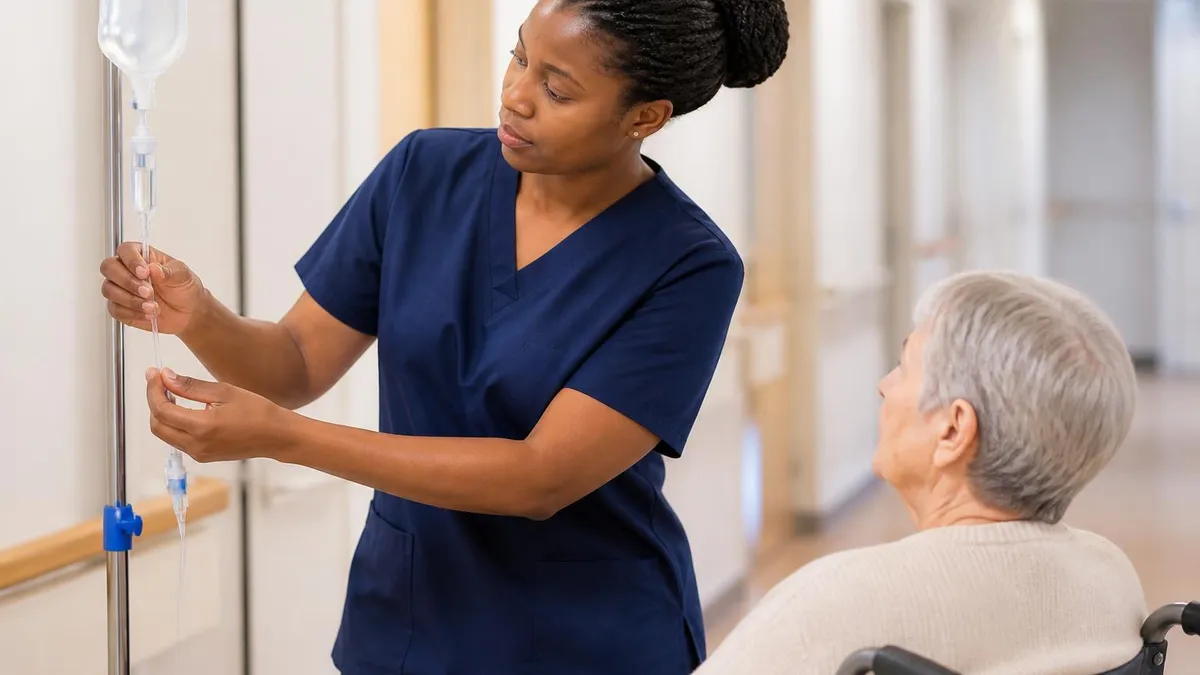
LPN Program Online: Complete 2026 Guide to Accredited Online LPN Programs

LPN Practice Test PDF (Free Printable 2026)
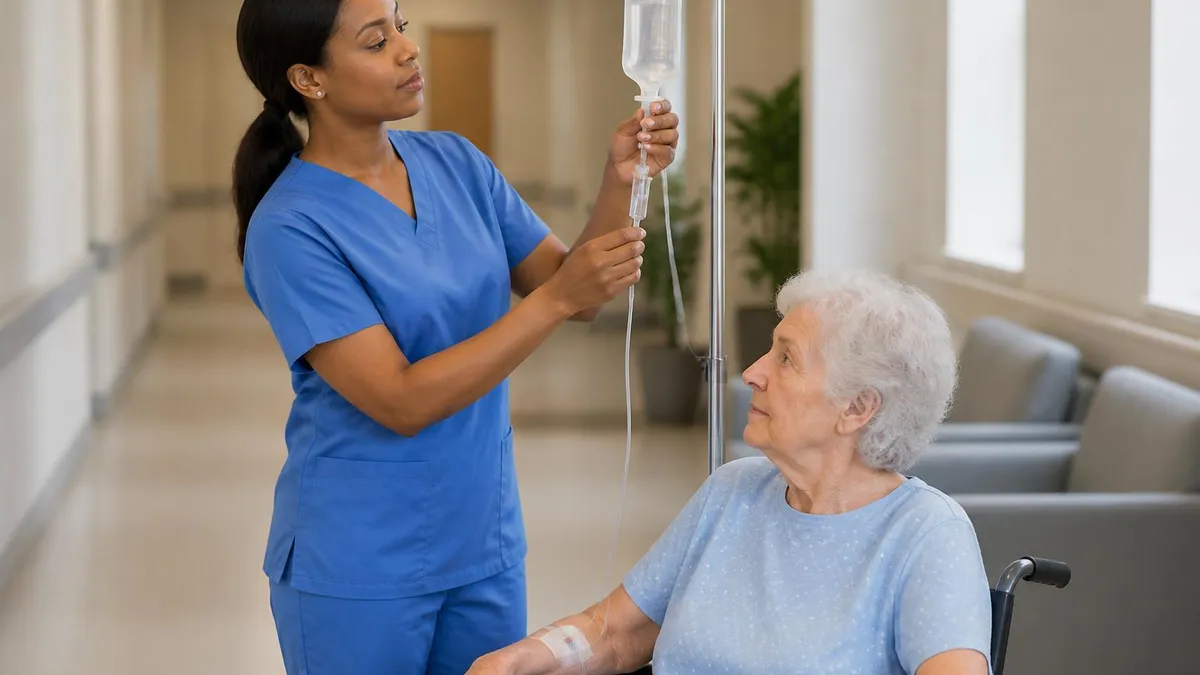
LPN to RN Bridge Programs Online: Complete 2026 Guide
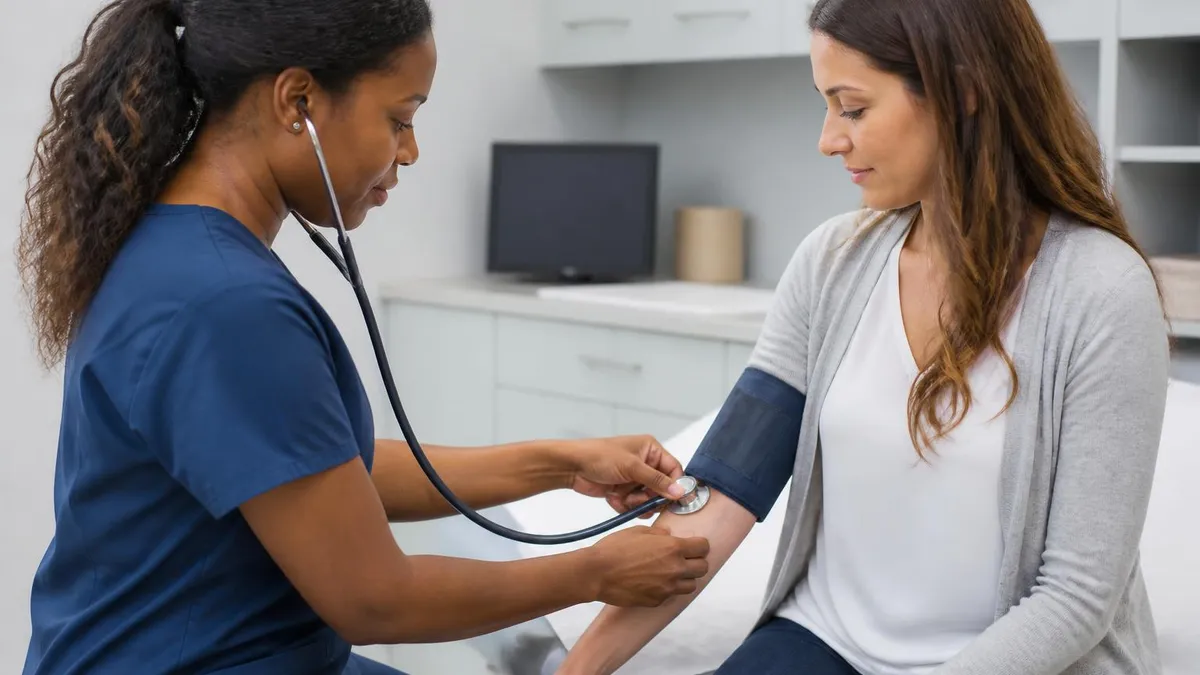
Travel LPN: Complete 2026 Guide to Becoming a Travel Licensed Practical Nurse
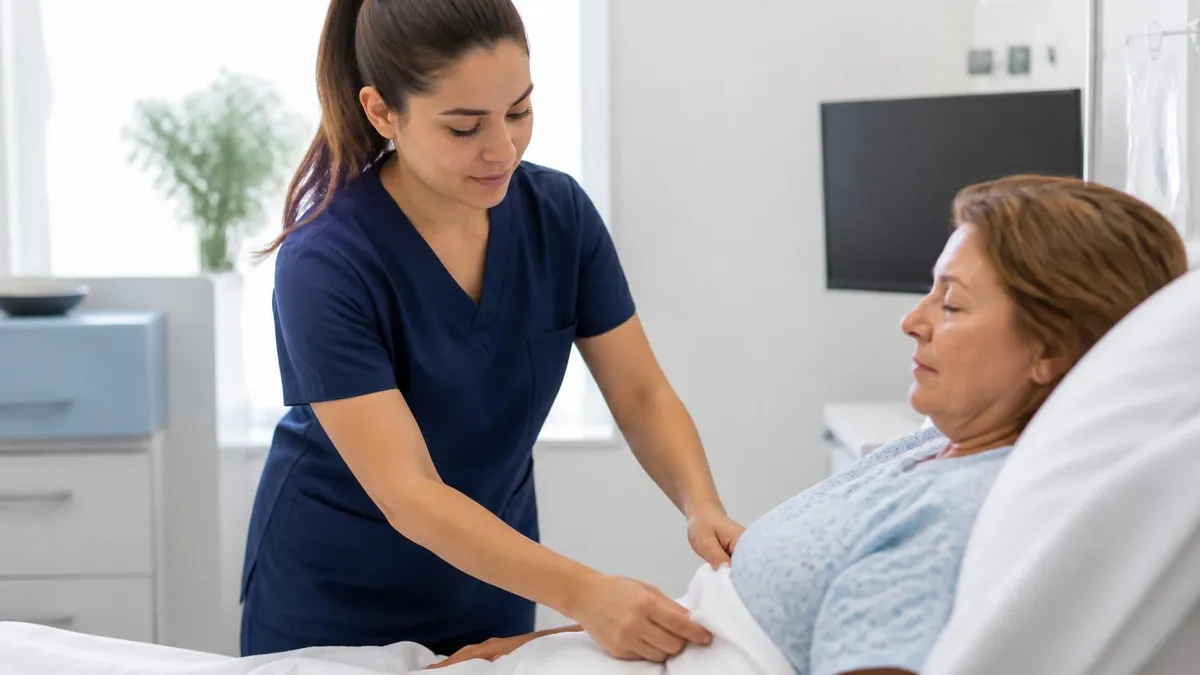
Macomb LPN Program: Complete 2026 Guide to Specific LPN Programs, Admission Requirements, Cost & Career Outcomes
About the Author

Registered Nurse & Healthcare Educator
Johns Hopkins University School of NursingDr. Sarah Mitchell is a board-certified registered nurse with over 15 years of clinical and academic experience. She completed her PhD in Nursing Science at Johns Hopkins University and has taught NCLEX preparation and clinical skills courses for nursing students across the United States. Her research focuses on evidence-based exam preparation strategies for healthcare certification candidates.
Join the Discussion
Connect with other students preparing for this exam. Share tips, ask questions, and get advice from people who have been there.
View discussion (7 replies)