
LPN to BSN Program: Complete Guide to Advancing Your Nursing Career
LPN to BSN program guide: requirements, top schools, costs & timeline. Everything you need to advance your nursing career. 🎓
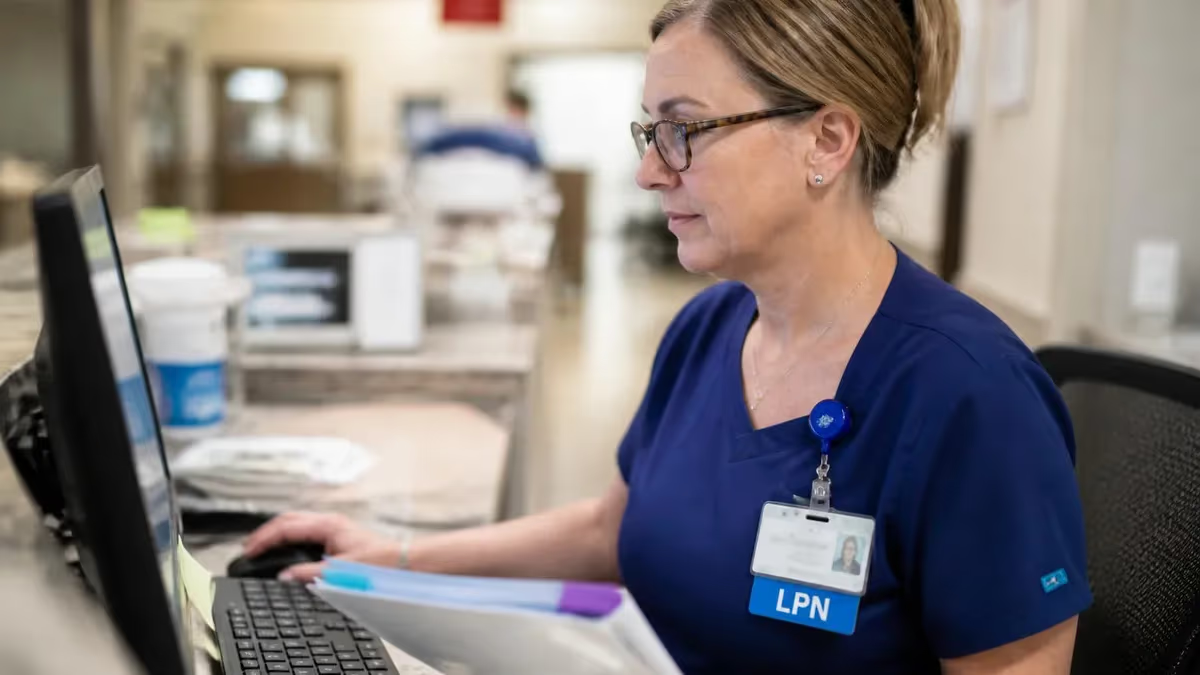
An lpn to bsn program is one of the most strategic career moves a Licensed Practical Nurse can make in today's competitive healthcare landscape. These bridge programs recognize your existing clinical experience and licensure, allowing you to earn a Bachelor of Science in Nursing without starting from scratch. Most accredited LPN-to-BSN pathways take between 24 and 36 months of full-time study — or longer if pursued part-time — and culminate in eligibility to sit for the NCLEX-RN examination, opening doors that remain firmly closed to LPNs across many hospital and specialty settings.
The demand for BSN-prepared nurses has never been stronger. The American Association of Colleges of Nursing reports that more than 60 percent of hospitals now require or strongly prefer BSN-level nurses for staff positions, a figure that climbs to over 80 percent among Magnet-designated institutions. For LPNs currently working in long-term care, home health, or physician offices, transitioning to a BSN represents not just a credential upgrade but a fundamental shift in scope of practice, earning potential, and career longevity across dozens of specialties.
Understanding how LPN-to-BSN programs differ from traditional RN bridge tracks is essential before you enroll. Unlike LPN-to-RN associate degree programs, which take approximately 12 to 18 months and award an ADN, a BSN pathway adds additional coursework in community health, nursing research, leadership, and evidence-based practice. These extra credits are precisely what healthcare employers value most when making promotion decisions, determining charge nurse eligibility, or selecting candidates for graduate school admission later in a nurse's career.
Financing a BSN program is a common concern among working LPNs, particularly those supporting families or carrying existing student loan debt from their practical nursing education. The good news is that numerous funding pathways exist specifically for LPN bridge students. Many healthcare systems offer tuition reimbursement programs that cover 80 to 100 percent of approved course costs in exchange for a two- to three-year work commitment post-graduation. Additionally, the HRSA Nurse Corps Scholarship Program and various state workforce grants target nurses in underserved communities who are willing to continue practicing locally after earning their degree.
Choosing between online, hybrid, and campus-based LPN-to-BSN programs significantly affects your experience, pacing options, and clinical placement logistics. Online programs from institutions like Western Governors University, Indiana State University, and Chamberlain College of Nursing offer self-paced or cohort-based tracks that working nurses can complete around existing shift schedules. However, all BSN programs — regardless of delivery format — require hands-on clinical hours, typically ranging from 150 to 300 practicum hours completed at approved healthcare facilities in your region or state.
Accreditation is non-negotiable when selecting your LPN-to-BSN program. Only programs holding regional academic accreditation plus nursing-specific accreditation from either the Commission on Collegiate Nursing Education (CCNE) or the Accreditation Commission for Education in Nursing (ACEN) will be recognized by most state boards of nursing and employer tuition reimbursement programs. Enrolling in an unaccredited or nationally-accredited-only program may save money upfront but can create serious complications when seeking licensure endorsement across states or applying for graduate programs.
This comprehensive guide walks you through every dimension of LPN-to-BSN programs: admission requirements, curriculum structure, costs, timeline, top program options across the country, and the strategies that help working nurses succeed academically while maintaining their clinical careers. Whether you are in your first year as an LPN or have decades of practical nursing experience, the information here will help you make a confident, well-informed decision about your next educational step.
LPN to BSN Program by the Numbers
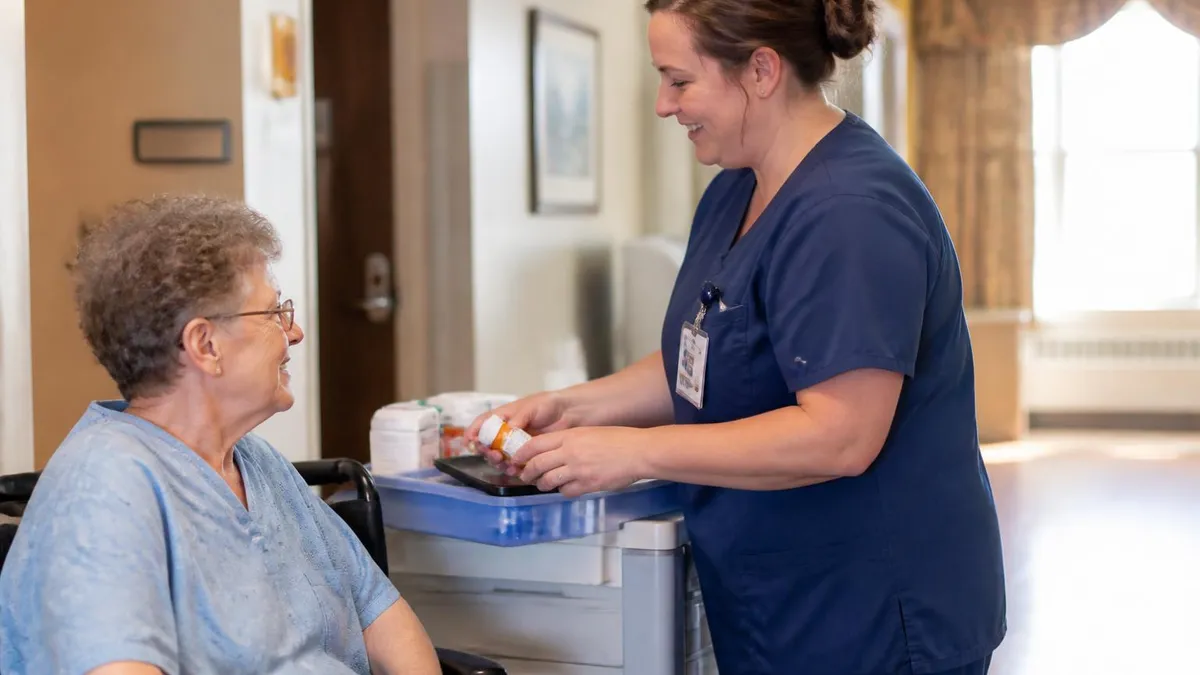
LPN-to-BSN Program Types: Which Path Fits You?
Designed for working nurses, these fully online tracks let you progress at your own speed. Institutions like WGU offer competency-based models where prior clinical knowledge can accelerate completion, sometimes in as little as 18 to 24 months.
Students progress through a structured semester schedule alongside classmates. These programs offer more peer interaction and structured deadlines, helping nurses who benefit from accountability while still maintaining full-time employment flexibility.
Combine online coursework with periodic on-campus intensives, simulation labs, or clinical rotations. Hybrid formats suit nurses who want face-to-face faculty access and hands-on skill labs while retaining the scheduling benefits of remote learning.
Traditional classroom-based BSN tracks offered by community colleges and universities. These are ideal for LPNs who prefer in-person instruction, have easy access to a campus, and value the structured college experience with direct faculty mentorship.
Some health systems partner with universities to offer LPN-to-BSN education on-site, often with tuition covered in exchange for a service commitment. These programs simplify clinical placement and ensure training aligns with employer expectations.
The curriculum of a well-designed LPN-to-BSN program builds strategically on the foundation of practical nursing knowledge you already possess. Rather than repeating introductory anatomy, pharmacology, or basic clinical skills in full, most bridge curricula assess your existing competencies through challenge exams or portfolio evaluation and then focus your study time on the advanced topics that distinguish baccalaureate nursing from practical nursing: evidence-based practice, nursing research methods, population health, nursing leadership, and professional ethics at the systems level.
Core nursing science courses typically occupy the first portion of the program and include pathophysiology at the RN level, advanced health assessment across the lifespan, and pharmacology with a greater emphasis on clinical reasoning than most LPN programs provide. You will also complete medical-surgical nursing courses that require you to apply complex critical thinking frameworks — SBAR communication, priority-setting models, and delegation principles — to multi-patient scenarios with higher acuity than LPNs typically manage independently in clinical practice.
Community and public health nursing is often the course that surprises LPN bridge students most because it shifts the unit of care from the individual patient to entire populations, families, and communities. You will study epidemiology fundamentals, health disparities across demographic groups, social determinants of health, and how nurses function as advocates within public health infrastructure. This perspective becomes invaluable if you eventually work in school nursing, public health departments, occupational health, or community health clinics.
Nursing research and evidence-based practice courses teach you to critically appraise published studies, understand statistical concepts like confidence intervals and p-values at a basic level, and translate research findings into bedside care changes. While you will not be expected to design clinical trials, you will need to demonstrate the ability to identify credible evidence, evaluate its applicability to a specific patient population, and communicate recommended practice changes to an interdisciplinary team — a skill set that directly supports quality improvement roles.
Leadership and management coursework covers nursing administration concepts including staffing models, budget awareness, regulatory compliance, and conflict resolution among healthcare teams. Many LPN-to-BSN programs now integrate simulation scenarios in which students practice charge nurse decision-making, respond to unexpected clinical deterioration in simulated patients, or navigate difficult conversations with physicians and family members. These experiences develop the interprofessional collaboration competencies that hospital employers cite most often when describing the value of BSN-prepared nurses over associate-degree graduates.
Elective and specialty concentration courses vary widely by institution. Some programs offer concentrations in areas like pediatric nursing, gerontological nursing, psychiatric-mental health nursing, or informatics. If you have a clear career direction — for example, transitioning from long-term care LPN work into pediatric acute care — choosing a program with relevant elective offerings can accelerate your competency development and make you a more competitive candidate for specialty positions immediately after passing the NCLEX-RN.
Clinical practicum requirements are distributed across multiple courses rather than concentrated at the end of the program. You may complete obstetric rotations, pediatric rotations, community health field experiences, and leadership preceptorships at different healthcare sites throughout the curriculum. Most programs require students to secure their own clinical placement sites, though faculty advisors and clinical coordinators often maintain relationships with regional hospitals, clinics, and community organizations that help this process for enrolled students.
LPN-to-BSN Admission Requirements, Deadlines & Transfer Credits
Most LPN-to-BSN programs require applicants to hold a current, unencumbered LPN license in their state, a high school diploma or GED, and a minimum GPA of 2.5 to 3.0 from previous college coursework. Many schools also require completion of prerequisite courses in anatomy and physiology, microbiology, statistics, English composition, and general psychology before admission to the upper-division nursing major. Some programs require at least one year of active LPN work experience, while others accept new graduates.
Additional requirements commonly include professional reference letters from supervisors or nursing faculty, a personal statement describing your motivation for pursuing the BSN, and documentation of current CPR certification at the BLS Healthcare Provider level. Background check and drug screening authorization is typically required prior to clinical placement, not at initial application. International LPNs or those with foreign educational credentials must also arrange for credential evaluation through an approved service such as CGFNS or World Education Services before their application can be assessed.
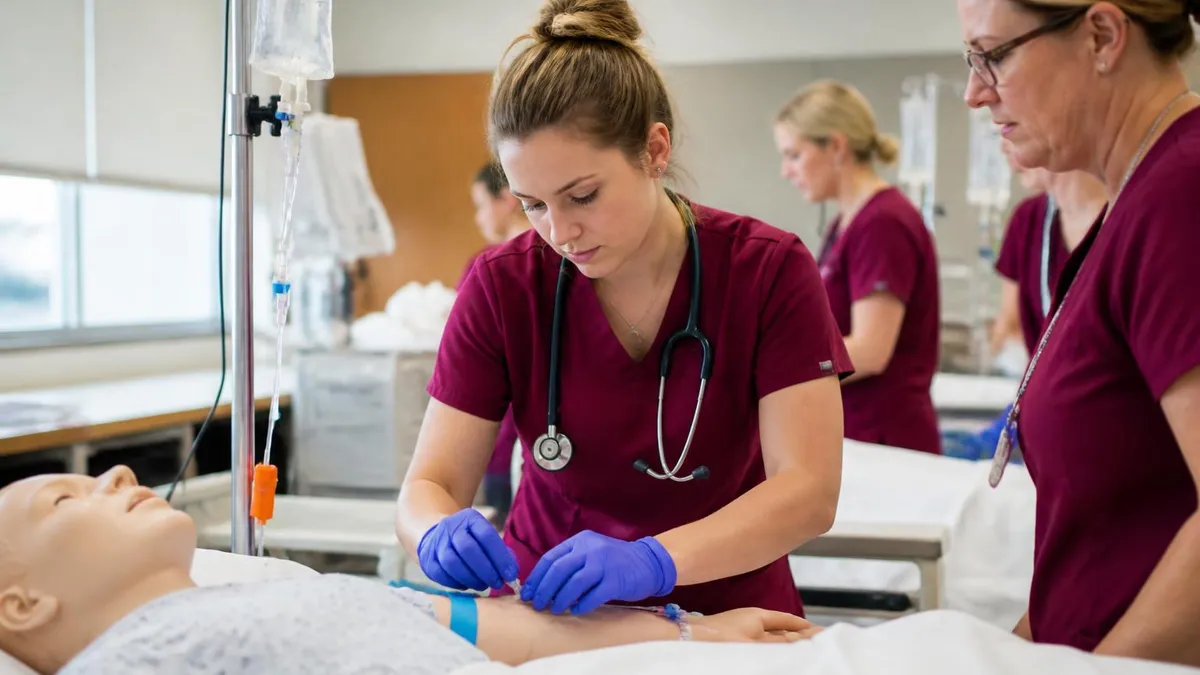
LPN-to-BSN Program: Advantages and Challenges
- +Earn $15,000–$25,000 more annually as a BSN-prepared RN compared to continued LPN practice
- +Gain access to hospital staff nurse positions closed to LPNs in Magnet and teaching facilities
- +Qualify for specialty certifications and advanced clinical roles requiring RN licensure as a baseline
- +Position yourself for graduate school admission to NP, CRNA, CNM, or DNP programs
- +Build leadership and research competencies valued in charge nurse and supervisory roles
- +Bridge programs credit your existing LPN experience, reducing total time and cost versus a traditional BSN
- −Program completion typically takes 2–3 years even with LPN credit transfers and advanced standing
- −Tuition costs range from $12,000 to $35,000+, a significant investment for working nurses with existing debt
- −Balancing full-time clinical work with rigorous coursework causes burnout for many students
- −Clinical placement requirements can conflict with current work schedules, requiring shift changes
- −Some employers reduce LPN hours or reclassify positions during the transition period before RN graduation
- −Not all LPN coursework transfers; some students must retake prerequisite courses at additional cost
Pros and Cons at a Glance
| Pros | Cons |
|---|---|
| Gain access to hospital staff nurse positions closed to LPNs in Magnet and teaching facilities | Balancing full-time clinical work with rigorous coursework causes burnout for many students |
| Qualify for specialty certifications and advanced clinical roles requiring RN licensure as a baseline | Clinical placement requirements can conflict with current work schedules, requiring shift changes |
| Position yourself for graduate school admission to NP, CRNA, CNM, or DNP programs | Some employers reduce LPN hours or reclassify positions during the transition period before RN graduation |
| Build leadership and research competencies valued in charge nurse and supervisory roles | Not all LPN coursework transfers; some students must retake prerequisite courses at additional cost |
LPN-to-BSN Application Checklist: Steps Before You Enroll
- ✓Verify your LPN license is current, unrestricted, and in good standing with your state board of nursing.
- ✓Request official transcripts from your LPN program and any prior college coursework you have completed.
- ✓Identify three to five CCNE- or ACEN-accredited LPN-to-BSN programs that match your format preference and geographic needs.
- ✓Contact each program's admissions office to confirm exactly which credits transfer and how many advanced standing credits you will receive.
- ✓Complete any missing prerequisite courses such as statistics, microbiology, or anatomy and physiology before applying.
- ✓Secure two to three professional reference letters from nursing supervisors, instructors, or healthcare colleagues.
- ✓Write a compelling personal statement describing your clinical background, career goals, and reasons for pursuing the BSN specifically.
- ✓Research tuition reimbursement eligibility through your current employer's HR department before accepting or declining any offer.
- ✓Apply for FAFSA financial aid, relevant state nursing workforce grants, and any institution-specific scholarships for LPN bridge students.
- ✓Schedule a pre-enrollment advising appointment to confirm your official degree plan, total remaining credits, and projected graduation date.
Advanced Standing Credits Can Cut Your BSN Timeline by 12+ Months
Many LPN-to-BSN programs award 15–30 credits for your prior nursing education and licensure. At 12–15 credits per semester, that credit block alone can eliminate an entire academic year from your degree plan — reducing both your total tuition investment and your time away from full earning potential as an RN. Always negotiate your credit evaluation before committing to any program.
Understanding the true cost of an LPN-to-BSN program requires looking beyond the advertised per-credit-hour tuition rate to account for fees, textbooks, technology requirements, clinical uniform and supply costs, background check fees, and NCLEX examination registration. When all costs are tallied, students at public in-state universities typically spend between $12,000 and $20,000 for the remaining BSN credits, while private or for-profit institutions can range from $22,000 to $45,000 or more. Online programs from large regional universities often fall in the $15,000 to $28,000 range for the bridge component after advanced standing credits are applied.
Employer tuition reimbursement represents the most financially impactful funding source for most working LPNs. Long-term care chains, hospital systems, and home health agencies often offer $3,000 to $10,000 per year in tuition assistance for employees pursuing approved nursing degrees. Some organizations — particularly those facing persistent nursing shortages — go further, covering 100 percent of tuition in exchange for a two- to three-year service agreement after graduation. If your current employer offers this benefit, the calculation is simple: a BSN that costs $20,000 out of pocket becomes effectively free with two years of post-graduation commitment.
Federal student aid through FAFSA remains available to LPN students pursuing BSN degrees, including subsidized and unsubsidized Stafford loans and Pell Grants for those who qualify based on income. The Nurse Corps Scholarship Program from the Health Resources and Services Administration covers full tuition, fees, and a monthly stipend for nurses who agree to work at a Critical Shortage Facility for two years after graduation. State-level programs vary considerably: Texas, California, New York, and Florida each operate nursing scholarship or loan forgiveness programs targeting RN workforce development, some of which are specifically available to LPN bridge students.
The timeline for completing an LPN-to-BSN degree depends heavily on how many credits transfer, how many you take per semester, and whether you are enrolled full-time or part-time. Full-time students who receive 30 advanced standing credits and need to complete 60 to 70 additional credits can typically graduate in six to eight semesters — approximately 24 to 36 months. Part-time students taking two to three courses per semester while working full-time often require 36 to 54 months to complete the same coursework, putting graduation 3 to 4.5 years from initial enrollment.
Several accelerated LPN-to-BSN pathways are specifically designed to compress the timeline further. Competency-based education programs like Western Governors University allow students to progress as quickly as they can demonstrate mastery, meaning that LPNs with strong clinical backgrounds can sometimes complete the entire bridge in 15 to 18 months at a fixed flat-rate tuition that makes faster completion financially rewarding. Summer enrollment, winter session courses, and year-round schedules at semester-based programs can also accelerate completion by 6 to 12 months compared to traditional September-to-May academic calendars.
Planning your finances carefully before enrollment protects you from the mid-program financial stress that causes many bridge students to delay graduation or withdraw entirely. Build a detailed monthly budget that accounts for tuition payment due dates, potential reductions in work hours during clinical rotations, textbook costs each semester, and any childcare or transportation costs associated with attending clinical sites. Many students find that maintaining at least a small emergency fund specifically designated for education costs prevents the minor financial disruptions — an unexpected car repair, a brief illness — from cascading into academic consequences.
Return on investment calculations consistently favor the LPN-to-BSN investment for nurses who commit to completion. The Bureau of Labor Statistics reports median annual wages for registered nurses at approximately $81,000 nationally, compared to approximately $59,000 for LPNs and LVNs — a difference of roughly $22,000 per year. Over a 20-year career, that differential compounds to more than $440,000 in additional lifetime earnings before accounting for the RN's access to higher-paying specialties, overtime premium rates, and the significantly broader scope of travel nursing contracts, which regularly pay $2,000 to $4,000 per week for BSN-prepared RNs in high-demand specialties.
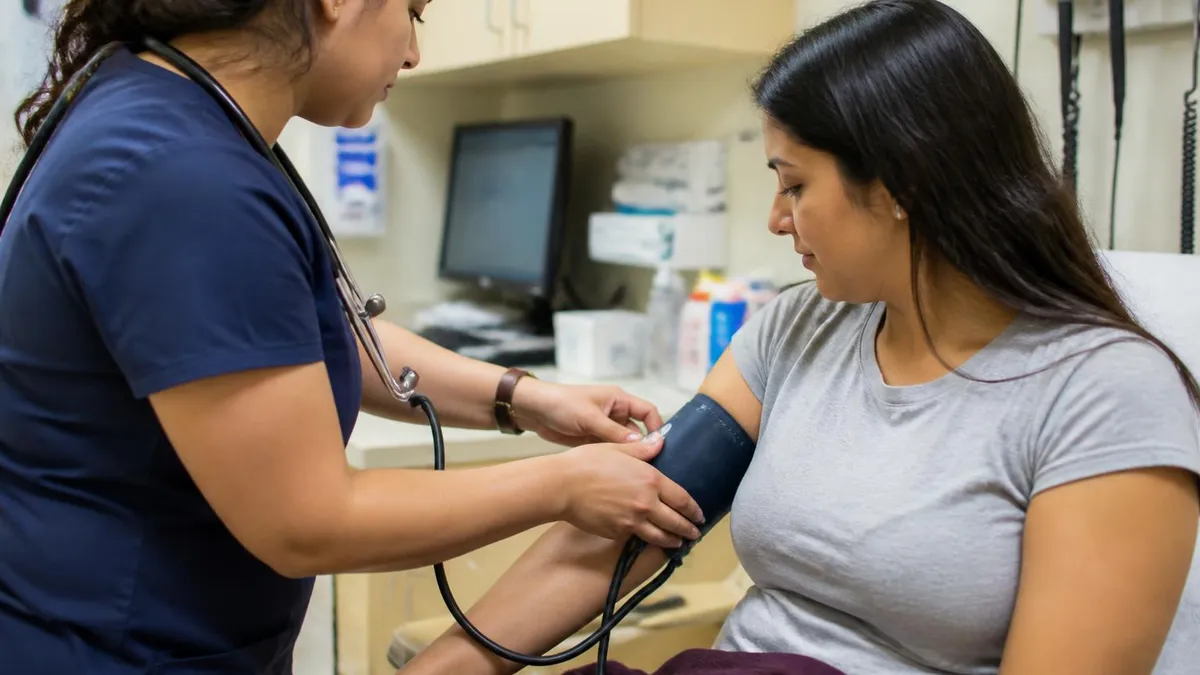
Not all state boards of nursing automatically approve graduates of every LPN-to-BSN program for NCLEX-RN eligibility. Before paying any enrollment deposit, confirm in writing with your state board that the specific program you are entering is approved for licensure in the state where you plan to practice. This step takes 10 minutes and can prevent years of costly complications.
Career outcomes for LPN-to-BSN graduates consistently exceed those available to LPNs and even associate-degree RNs in competitive hiring markets. With a BSN in hand, you become eligible for staff nurse positions at Magnet-designated hospitals — institutions recognized by the American Nurses Credentialing Center for nursing excellence — which typically offer 10 to 20 percent higher base salaries and significantly better benefits packages than non-Magnet facilities. Beyond compensation, Magnet hospitals invest heavily in continuing education, specialty certification reimbursement, and internal advancement pathways, making them ideal career launch points for newly graduated BSN nurses.
Specialty nursing offers the most dramatic salary and career satisfaction improvements for BSN graduates transitioning out of LPN roles. Critical care nurses with BSN degrees and ICU experience commonly earn $85,000 to $110,000 annually in major metropolitan areas, while nurse case managers, infection control specialists, and informatics nurses — roles that require RN licensure and strongly prefer BSN preparation — earn comparable salaries in less physically demanding environments. The Emergency Nurses Association, AACN, and Oncology Nursing Society all offer specialty certifications that require active RN licensure as a prerequisite, certifications that effectively serve as career accelerators in competitive job markets.
Travel nursing is another high-earning pathway that opens fully to BSN-prepared RNs. Travel contracts — typically 13 weeks in duration — for BSN nurses in understaffed markets like California, New York, Massachusetts, and Pacific Northwest states regularly pay $2,500 to $4,000 per week in total compensation including housing stipends, significantly more than any LPN position in any state. Most travel agencies require at least 12 months of RN experience before accepting applications, so LPN-to-BSN graduates who transition directly into a staff RN role and complete one year of bedside experience become eligible for this high-income pathway relatively quickly after graduation.
Graduate school admission for Nurse Practitioner, Clinical Nurse Specialist, Certified Registered Nurse Anesthetist, and Doctor of Nursing Practice programs universally requires the BSN as an entry credential. If your long-term goal is advanced practice licensure — an NP, CRNA, or CNM license — the LPN-to-BSN is not merely a career enhancement but an essential prerequisite that no professional certification or years of experience can replace. CRNA programs, which regularly produce graduates earning $160,000 to $200,000+ annually, require BSN graduation, RN licensure, and typically one to two years of critical care experience before competitive application is realistic.
Leadership and administrative roles in nursing — charge nurse, assistant nurse manager, clinical educator, quality improvement coordinator — are increasingly reserved for BSN-prepared nurses at forward-thinking healthcare organizations. The Institute of Medicine's landmark Future of Nursing report, reaffirmed and updated in subsequent years, specifically recommended that 80 percent of the nursing workforce hold a BSN by 2020, a target that accelerated hiring preferences across the industry even as it has not yet been fully achieved. LPNs who earn their BSN demonstrate to employers a commitment to professional development that directly supports advancement into these supervisory and educational roles.
Community health, school nursing, and public health roles represent a distinct set of career opportunities that specifically value the population-health and community-focused curriculum content unique to the BSN degree. School nurse positions in most states require RN licensure and strongly prefer or require BSN preparation. Public health departments, community health centers, and nonprofit health organizations hire BSN-prepared nurses into health educator, outreach coordinator, and case management roles that combine clinical skills with community engagement in ways that many nurses find deeply fulfilling as long-term career choices.
Informatics and technology-focused nursing careers are among the fastest-growing opportunities for BSN graduates with an interest in healthcare data, electronic health records, and digital health systems. Clinical informatics nurses typically earn $85,000 to $105,000 annually and work directly with software vendors, hospital IT departments, and clinical leadership teams to optimize EHR workflows, train clinical staff on new systems, and analyze clinical data for quality improvement purposes. These roles are almost exclusively accessible to RNs, and many employers specifically seek candidates with BSN preparation because the nursing research and evidence-based practice skills taught in BSN programs translate directly into informatics work.
Succeeding academically in an LPN-to-BSN program while working clinically requires a set of time management and study strategies that differ meaningfully from what worked during your practical nursing education. The workload is substantially heavier, the theoretical and research components are unfamiliar to most LPN backgrounds, and the expectation of independent scholarly work — reading peer-reviewed literature, writing APA-formatted papers, synthesizing evidence across multiple sources — represents an entirely new skill set for nurses who completed diploma or certificate LPN programs without significant writing requirements.
Building a consistent weekly study schedule is the single most important habit for LPN bridge students who are simultaneously working. Rather than studying only when free time materializes — which, for working nurses with families, is rarely — commit to specific, protected study blocks on your calendar the same way you would commit to a work shift.
A minimum of 10 to 15 hours per week of focused academic work is typically required to succeed in full-time LPN-to-BSN coursework. Part-time students taking two courses should plan for at least 6 to 8 hours per week, distributed across multiple days rather than compressed into a single long session.
Nursing research and evidence-based practice courses are often the most academically challenging component for LPN bridge students because they require engagement with concepts — statistical analysis, research methodology, literature review — that have no direct equivalent in practical nursing training.
Rather than trying to become a statistics expert, focus on developing competency in the specific skills your program tests: using your library's database to search PubMed or CINAHL, evaluating the level of evidence hierarchy, applying the PICO framework to clinical questions, and accurately citing sources in APA 7th edition format. Most university libraries offer free research consultation services specifically for nursing students that can dramatically accelerate your comfort with these skills.
Forming or joining a study group with fellow LPN bridge students provides both academic and emotional support that significantly improves completion rates. Because most bridge programs have a cohort of students with similar professional backgrounds, study groups naturally focus on the application of theoretical concepts to real clinical scenarios — a learning approach that plays directly to the strengths of experienced LPNs. Virtual study groups via video conference work just as well as in-person meetings for online program students, and many programs maintain dedicated online forums or messaging platforms specifically for peer collaboration among bridge students.
Using your clinical experience actively during coursework accelerates both learning and grade performance. When an evidence-based practice assignment asks you to identify a clinical problem and propose a research-supported intervention, draw from actual situations you have encountered as an LPN — pressure injury prevention in long-term care, medication reconciliation errors during transitions of care, or pain assessment challenges in non-verbal patients. Instructors consistently respond positively to papers and presentations grounded in real clinical experience because they demonstrate not just academic ability but the professional judgment that BSN programs are designed to develop.
NCLEX-RN preparation should begin well before your graduation date, not in the months immediately following your last final exam. Because LPN-to-BSN students come from a practical nursing background, the greatest NCLEX preparation gaps typically lie not in clinical knowledge — which is often extensive — but in test-taking strategy for the specific question formats NCLEX-RN uses: alternate format questions, select-all-that-apply, ordering, and case study clusters. Integrating NCLEX-RN question practice into your study routine from your first semester normalizes the question format and builds the priority-setting and critical thinking habits that predict NCLEX success before you are under examination pressure.
Time management during clinical rotations — the periods that most frequently cause academic performance to slip — requires explicit communication with both your academic advisor and your clinical employer. Many LPN bridge students find that their employer reduces their hours during intensive clinical semesters, either voluntarily or through negotiated arrangements, and that this temporary income reduction is offset by the value of strong clinical performance during rotations that directly influence your clinical references and your professional network at new facilities.
Treating your clinical placement sites as extended job interviews, arriving early, demonstrating initiative, and asking thoughtful questions of your preceptors, significantly improves both your clinical learning and your post-graduation employment prospects.
LPN Questions and Answers

LPN Requirements 2026: Complete Guide to Becoming a Licensed Practical Nurse

LPN IV Certification: Complete 2026 Guide to Training, Requirements & Cost

LPN Programs in Florida: Complete 2026 Guide to Accredited Schools, Costs, Requirements & Licensure

LPN Salary Wisconsin 2026: Average Pay, Top Cities, and How to Earn More

LPN Duties: Complete Guide to Daily Responsibilities and Scope of Practice
About the Author

Registered Nurse & Healthcare Educator
Johns Hopkins University School of NursingDr. Sarah Mitchell is a board-certified registered nurse with over 15 years of clinical and academic experience. She completed her PhD in Nursing Science at Johns Hopkins University and has taught NCLEX preparation and clinical skills courses for nursing students across the United States. Her research focuses on evidence-based exam preparation strategies for healthcare certification candidates.
Join the Discussion
Connect with other students preparing for this exam. Share tips, ask questions, and get advice from people who have been there.
View discussion (7 replies)