
LPN Schools in NJ 2026 September: Top Programs, Requirements, Cost & How to Apply
Compare the best LPN schools in NJ for 2026 September: admission requirements, tuition costs, program length, NCLEX-PN pass rates, and how to apply. 🗨️
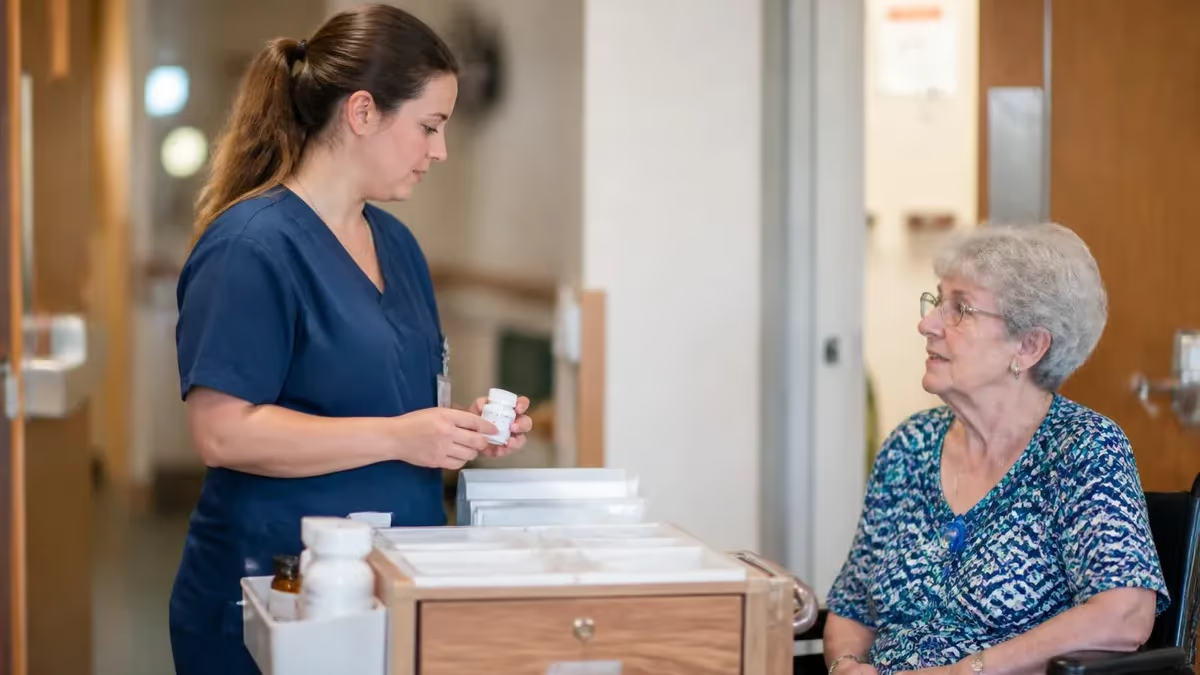
If you are exploring lpn schools in nj, you are stepping into one of the most accessible and rewarding entry points in healthcare. New Jersey is home to dozens of approved practical nursing programs spread across vocational schools, county colleges, and private career institutes, each preparing graduates to sit for the NCLEX-PN and launch a stable nursing career. Demand for licensed practical nurses in the Garden State remains strong, fueled by an aging population, expanding long-term care facilities, and hospitals that rely on LPNs to deliver hands-on bedside care every single day.
This guide walks you through everything that matters before you enroll: how programs are structured, what admission requirements you must meet, realistic tuition figures, program length, and the licensing steps that follow graduation. Whether you are a recent high school graduate, a career changer leaving retail or food service, or a certified medical assistant looking to climb the clinical ladder, New Jersey offers a clear and affordable pathway into licensed practical nursing that can be completed in roughly twelve to eighteen months.
The Garden State currently has more than forty approved practical nursing programs accredited or approved by the New Jersey Board of Nursing. These range from highly affordable county vocational-technical school programs that cost a few thousand dollars to private institutions charging fifteen thousand or more. Choosing the right fit means weighing cost against schedule flexibility, location, NCLEX-PN pass rates, and whether the school offers day, evening, or hybrid formats that work around your existing job and family commitments.
Before you commit, it helps to understand exactly what licensed practical nurses do. LPNs measure vital signs, administer medications, change dressings, insert catheters, monitor patients for changes in condition, and report directly to registered nurses and physicians. In New Jersey, LPNs work in nursing homes, rehabilitation centers, doctors' offices, home health agencies, and hospital units. The role is physically demanding but deeply meaningful, and it serves as a proven springboard toward an RN credential for those who want to advance further.
Cost is often the deciding factor, and New Jersey provides options at every price point. County and vocational programs frequently charge between eight thousand and fourteen thousand dollars for the entire course, including books, uniforms, and lab fees. Financial aid, federal Pell Grants, workforce development grants, and employer tuition reimbursement can dramatically reduce out-of-pocket expense. Many students graduate with little or no debt, which is rare in healthcare education and one reason the LPN route remains so popular among practical, budget-conscious learners.
Geography matters too. Programs cluster around population centers like Newark, Jersey City, Paterson, Edison, Trenton, and Camden, but you will also find quality options in suburban and rural counties. Proximity affects your daily commute and your clinical placement sites, since most schools partner with nearby hospitals and nursing homes for the required hands-on rotations. If you already know where you want to work after graduation, choosing a school in that region can make networking and job placement noticeably easier once you are licensed.
By the end of this article you will know how to evaluate accreditation, compare real tuition numbers, meet entry requirements, prepare for the TEAS or HESI entrance exam, and map out the timeline from application to your first LPN paycheck. We have also linked free NCLEX-PN style practice questions throughout so you can start testing your knowledge today and build the confidence you will need to pass the licensing exam on your first attempt.
LPN Schools in NJ by the Numbers
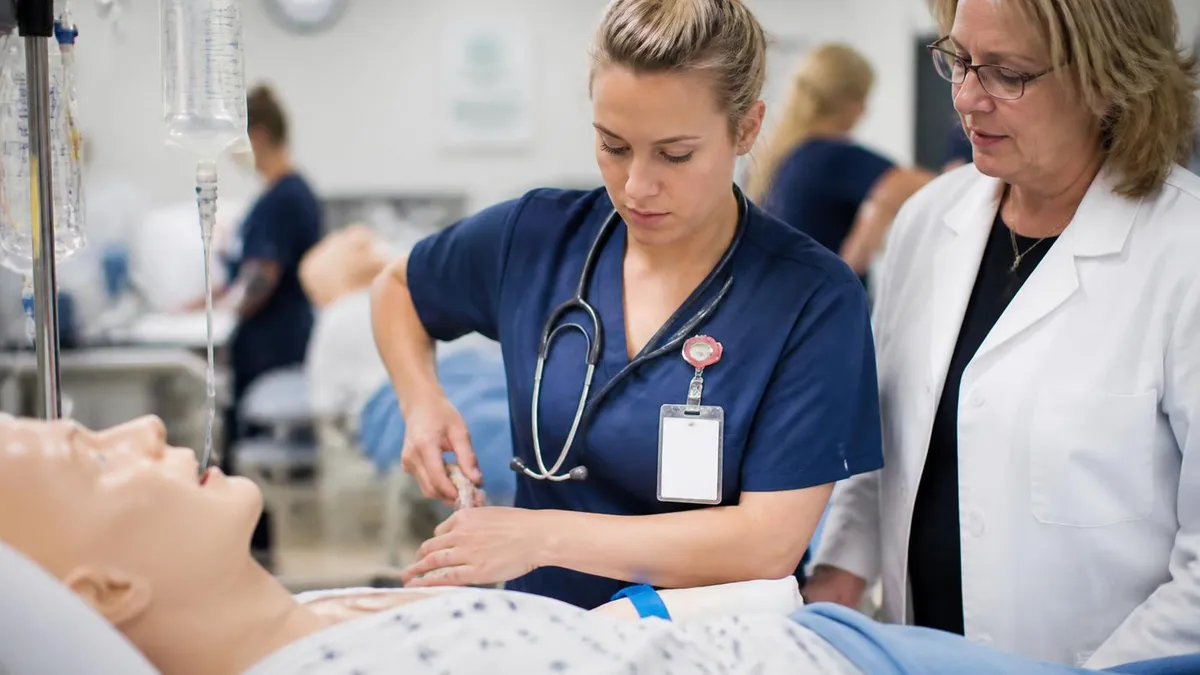
How NJ LPN Programs Are Structured
Lectures covering anatomy, physiology, pharmacology, nursing fundamentals, and disease processes. This foundation prepares you for both clinical practice and the knowledge-based portions of the NCLEX-PN licensing examination.
Hands-on practice on simulation manikins for injections, catheter insertion, wound care, and vital signs. You must demonstrate competency in the lab before performing skills on real patients during rotations.
Supervised hours in hospitals and nursing homes across med-surg, pediatrics, maternity, geriatrics, and mental health. New Jersey requires a minimum clinical-hour threshold to qualify for licensure.
Dedicated review of test-taking strategy, prioritization, and practice questions in the final weeks. Strong programs build exam readiness throughout rather than cramming it all into the last term.
Admission to LPN schools in NJ follows a fairly consistent pattern, though specific cutoffs vary from one institution to the next. Nearly every program requires a high school diploma or GED, a minimum age of eighteen by graduation, and proof of immunizations including hepatitis B, MMR, varicella, and an annual flu shot. You will also need a recent physical exam, a negative TB test, CPR certification at the healthcare provider level, and a clear criminal background check, since clinical sites legally cannot place students with certain convictions.
Most competitive programs require a pre-admission entrance exam, typically the TEAS (Test of Essential Academic Skills) or the HESI A2. These assessments measure your reading comprehension, math, science, and English language usage. Schools often set a minimum composite score, commonly around fifty-eight to sixty-five percent, and applicants with higher scores move to the front of the waitlist. Preparing seriously for this exam is one of the highest-return steps you can take, because a strong score can be the difference between starting this fall or waiting another full year.
Academically, you should be comfortable with basic algebra, fractions, and dosage calculation math, because medication administration depends on accurate arithmetic. Some schools require prerequisite coursework such as anatomy and physiology, medical terminology, or basic nutrition before you formally enter the nursing sequence. Reviewing these subjects ahead of time, even informally through free online resources, will ease the transition once classes begin and reduce the risk of falling behind during the demanding first semester of clinical theory.
The application process itself usually involves submitting transcripts, entrance exam scores, an application fee ranging from twenty-five to one hundred dollars, and sometimes a personal essay or interview. Deadlines matter enormously. Popular county programs fill quickly and may maintain waitlists six to twelve months long, so applying early and to more than one school is a smart strategy. Keep digital and paper copies of every document, and follow up directly with admissions offices to confirm your file is complete and under review.
Once admitted, you will complete roughly twelve to eighteen months of combined classroom instruction, skills lab practice, and supervised clinical rotations. New Jersey requires a minimum number of clinical hours, and you will rotate through medical-surgical units, pediatrics, maternity, geriatrics, and mental health settings. Attendance policies are strict; missing clinical days can delay graduation. The pace is intense, but the structure is designed to produce competent, exam-ready graduates who can step confidently into the workforce immediately after passing the NCLEX-PN.
After graduation, the final hurdle is licensure. You must apply to the New Jersey Board of Nursing, register with Pearson VUE, pay the testing fees, and pass the NCLEX-PN. Many graduates also research lpn schools in nj alongside job openings so they can line up employment before their license even arrives. Hospitals, nursing homes, and clinics frequently recruit directly from local programs, and some offer signing bonuses or tuition repayment to new LPNs willing to commit to a year or two of service.
Choosing among accredited programs also means looking closely at NCLEX-PN pass rates, which the Board publishes annually. A school with a consistent pass rate above eighty-five percent signals strong instruction and effective exam preparation. Ask each program directly for its most recent first-time pass rate, graduate employment rate, and student-to-instructor ratio in clinical settings. These numbers reveal far more about the real quality of an education than glossy brochures or aggressive marketing claims ever will.
LPN Programs in NJ: Format Options Compared
Full-time day programs are the fastest route through LPN schools in NJ, typically finishing in about twelve months. Classes run weekday mornings and afternoons, with clinical rotations scheduled at partner hospitals and nursing homes. This format suits students who can dedicate themselves entirely to school without competing work hours, and it gets you into the workforce and earning a salary the soonest.
The trade-off is intensity. The accelerated pace leaves little room for outside employment, so most full-time students rely on savings, financial aid, or family support. Attendance expectations are strict, and the workload is heavy from week one. If you can arrange your life around it, however, this is the most efficient path to your New Jersey LPN license and your first paycheck.
Is Attending an LPN School in NJ Worth It?
- +Short program length means you can be licensed and earning in about a year
- +Lower tuition than RN or four-year nursing degrees, often with little debt
- +New Jersey LPN salaries rank among the highest in the United States
- +Strong, recession-resistant demand across hospitals, clinics, and long-term care
- +Clear LPN-to-RN bridge pathways for future career advancement
- +Abundant financial aid, employer reimbursement, and workforce grants available
- −Accelerated programs are intense and leave little time for outside work
- −Popular county programs often have long waitlists requiring early application
- −Strict attendance policies mean missed clinical days can delay graduation
- −Physically and emotionally demanding work in fast-paced care settings
- −You must still pass the NCLEX-PN before you can legally practice
- −Scope of practice is narrower than an RN, capping certain duties and pay
Pre-Enrollment Checklist for LPN Schools in NJ
- ✓Confirm the program is approved by the New Jersey Board of Nursing
- ✓Verify the most recent first-time NCLEX-PN pass rate
- ✓Obtain your high school diploma or GED transcript
- ✓Register and prepare for the TEAS or HESI A2 entrance exam
- ✓Complete required immunizations and a recent physical exam
- ✓Get a negative TB test result on file
- ✓Earn healthcare-provider-level CPR certification
- ✓Complete a criminal background check and drug screening
- ✓File the FAFSA early to secure grants and financial aid
- ✓Apply to more than one program to beat long waitlists
- ✓Compare total cost including books, uniforms, and exam fees
- ✓Confirm clinical placement sites near your preferred work area
Always verify Board of Nursing approval first
An LPN program must be approved by the New Jersey Board of Nursing for its graduates to sit for the NCLEX-PN. No matter how affordable or convenient a school appears, enrolling in an unapproved program leaves you unable to obtain a license. Check approval status directly on the Board's official website before paying any deposit or signing an enrollment agreement.
Understanding the true cost of LPN schools in NJ requires looking beyond the headline tuition figure. County vocational-technical programs remain the most affordable, often totaling eight thousand to fourteen thousand dollars for the complete program. Community and county colleges land in a similar range, while private career colleges can charge twenty thousand to thirty-five thousand dollars. Always ask whether the quoted price includes books, uniforms, lab kits, background checks, drug screening, immunizations, the NCLEX-PN exam fee, and the state licensing application, because these extras can add one to three thousand dollars.
Financial aid makes nursing education achievable for almost anyone. Federal Pell Grants can provide several thousand dollars per year for eligible students who file the FAFSA. New Jersey workforce development programs, including grants administered through One-Stop Career Centers, sometimes cover tuition entirely for unemployed or underemployed residents entering high-demand fields like practical nursing. Scholarships from hospitals, nursing associations, and community foundations further reduce the burden. Filing the FAFSA early, even before you are formally admitted, ensures you do not miss limited grant funding that runs out each cycle.
Many employers in New Jersey offer tuition assistance or full reimbursement to current employees who pursue an LPN credential. If you already work as a nurse aide, medical assistant, or in any healthcare support role, ask your human resources department about education benefits before paying out of pocket. Some long-term care chains and hospital systems will even sponsor your entire program in exchange for a work commitment after licensure. This earn-while-you-learn model removes the financial barrier that stops many qualified candidates from ever applying.
The return on investment for an LPN education is genuinely impressive. New Jersey LPNs earn among the highest wages in the nation, with median annual salaries frequently exceeding sixty thousand dollars and experienced nurses in specialized settings earning considerably more. When you compare a roughly twelve-month program costing around ten thousand dollars against a starting salary in the high fifties or low sixties, the payback period is remarkably short, often under a year of full-time work once licensed and employed.
Beyond salary, the LPN credential carries durable career value. The skills transfer across nearly every healthcare setting, from acute hospitals to outpatient clinics, and demand has remained steady through economic downturns. New Jersey's aging population and the growth of home health and long-term care guarantee ongoing need for practical nurses. Job security at this level is far stronger than in many fields requiring four-year degrees, which is why so many practical-minded students choose this route deliberately rather than as a fallback.
The LPN license also functions as a stepping stone. Many New Jersey colleges offer LPN-to-RN bridge programs that grant advanced standing, letting you earn an associate degree in nursing in as little as one additional year. Working as an LPN while completing RN coursework lets you earn income, gain clinical experience, and often qualify for employer tuition support simultaneously. This laddered approach has helped thousands of New Jersey nurses move from entry-level practical nursing into registered nursing and eventually into specialized or supervisory roles.
When budgeting, build in living expenses and reduced work hours during the most intensive clinical months. Some students maintain part-time jobs throughout the program, while others save aggressively beforehand so they can study full-time. Be realistic about your obligations, and talk to current students about how they balanced finances, family, and coursework. A clear financial plan reduces stress and significantly improves your odds of finishing the program on schedule and passing the licensing exam without the distraction of money worries.
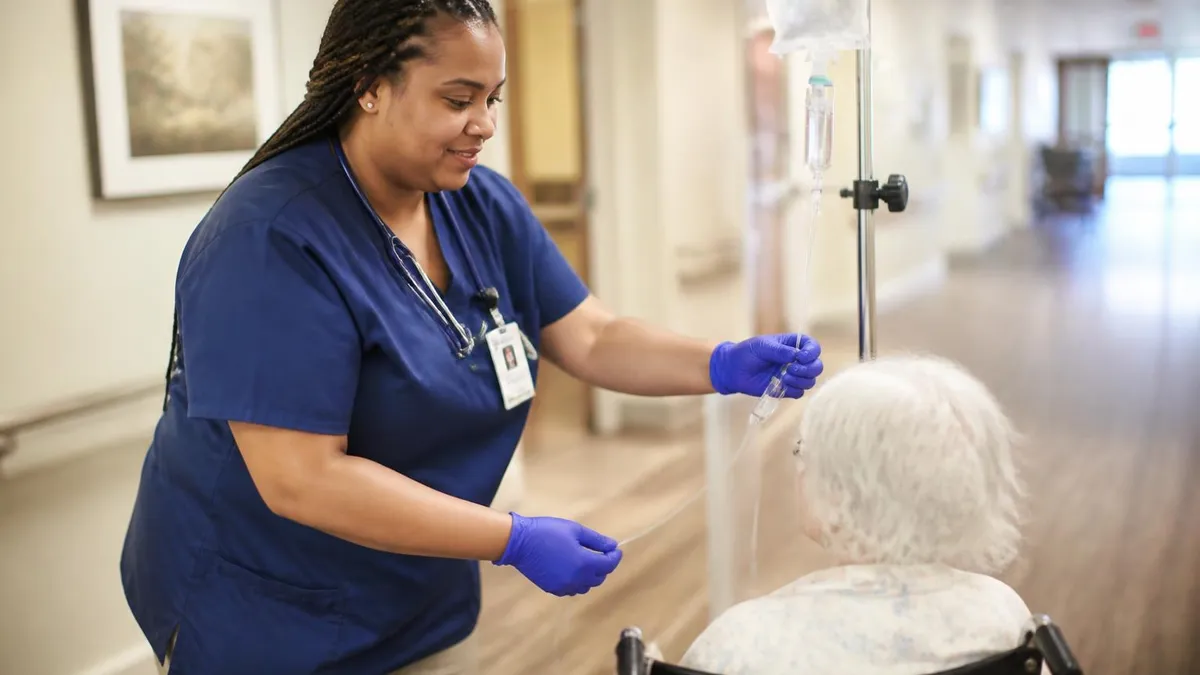
The most affordable county and vocational LPN programs in New Jersey often carry waitlists of six to twelve months. Submitting your application early and applying to multiple schools at once is the single most effective way to avoid losing a full year. Confirm every deadline in writing and follow up with admissions to ensure your file is complete.
Choosing the right program among the many LPN schools in NJ comes down to matching a school's strengths to your personal circumstances. Start by confirming the program is approved by the New Jersey Board of Nursing, because only approved programs qualify you to sit for the NCLEX-PN. Approval is non-negotiable; an unapproved program, no matter how cheap or convenient, leaves you unable to obtain a license. Verify approval status directly on the Board's website rather than trusting a school's marketing materials alone.
Next, examine schedule formats carefully. Some New Jersey programs run full-time during weekday hours, finishing in about twelve months, while others offer evening, weekend, or part-time tracks that stretch the timeline to eighteen or twenty-four months but accommodate working adults. Hybrid programs deliver theory online and reserve in-person time for skills labs and clinicals. Be honest about your availability, because mismatched schedules are a leading cause of dropout. The fastest program on paper is useless if you cannot realistically attend every required session.
Location and clinical placements deserve close attention. Programs partner with specific hospitals and nursing homes for rotations, and those relationships often become job pipelines. If you hope to work at a particular facility after graduation, a school that already places students there gives you a meaningful advantage. Consider commute time honestly, especially for early-morning clinical shifts, and factor parking, public transit, and gas costs into your overall budget when comparing two otherwise similar programs in different towns.
Pass rates and outcomes tell the real story of educational quality. Request each program's most recent first-time NCLEX-PN pass rate, completion rate, and job-placement statistics. A program graduating most of its students and sending them into jobs within months is doing something right. Be wary of schools that dodge these questions or quote outdated figures. The New Jersey Board publishes annual pass-rate data, so you can independently verify any claim a recruiter makes during an enrollment conversation.
Talk to current students and recent graduates whenever possible. They will tell you candidly about instructor quality, how supportive the faculty is, whether the schedule is manageable, and how well the program prepared them for the licensing exam. Online reviews help, but a direct conversation reveals far more. Ask specifically about the hardest parts of the program, what they wish they had known before enrolling, and whether they would choose the same school again knowing what they know now.
Accreditation beyond state approval can matter for your future plans. If you intend to bridge to an RN program later, regional accreditation and certain national nursing accreditations make transferring credits smoother. Ask each school whether its credits transfer to the LPN-to-RN programs you might pursue. Spending a few minutes confirming this now can save you from repeating coursework and losing money down the road when you decide to advance your nursing career to the registered level.
Finally, trust your instincts during campus visits. Tour the skills labs, meet the faculty, and observe whether equipment is modern and the environment is professional. A program that invests in current simulation manikins, well-stocked labs, and engaged instructors signals a serious commitment to student success. Combine that gut feeling with the hard data on cost, pass rates, and outcomes, and you will be equipped to choose a program that genuinely sets you up to thrive as a New Jersey licensed practical nurse.
Once you are enrolled, succeeding in an LPN program and passing the NCLEX-PN takes deliberate strategy, not just hard work. Begin by mastering time management. Practical nursing programs compress enormous content into a short window, so build a weekly study schedule that protects dedicated review time for each subject. Treat school like a full-time job even if it technically is not, and resist the temptation to cram. Spaced repetition over weeks cements knowledge far better than frantic all-nighters before every exam, especially for pharmacology and dosage calculations.
Focus heavily on dosage calculation and pharmacology early, because these topics trip up more students than any other. Practice converting units, calculating drip rates, and computing safe dosages until the math becomes automatic. Many programs require a perfect or near-perfect score on a medication math test before allowing you to administer drugs in clinicals. Keep a small notebook of common conversions and high-alert medications, and review it during commutes or breaks so the information stays fresh and accessible under pressure.
Make the most of clinical rotations by treating every shift as a learning opportunity. Volunteer for procedures, ask questions, and observe how experienced nurses prioritize their patients. The skills you practice on real patients under supervision build the clinical judgment that the NCLEX-PN tests through scenario questions. Keep a running log of skills you have performed and concepts that confused you, then research those gaps the same evening so they do not snowball into bigger weaknesses by the end of the term.
Form a study group with classmates who are serious and reliable. Explaining a concept to someone else is one of the fastest ways to discover whether you truly understand it. Quiz each other on disease processes, nursing interventions, and lab values. A good group keeps you accountable during the long middle stretch of the program when motivation naturally dips. Just be selective; one disorganized member can derail an entire session, so prioritize quality and focus over simply gathering a large crowd.
For the NCLEX-PN itself, practice questions are your single most powerful tool. The exam tests application and prioritization, not memorization, so working through hundreds of realistic questions trains you to think the way the test expects. Review the rationale for every answer, including the ones you got right, to reinforce the underlying reasoning. Aim to answer thousands of practice items before your exam date, tracking your performance by category so you can target your weakest areas with focused, efficient review sessions.
In the final weeks before the NCLEX-PN, simulate test conditions. Take timed practice exams without notes, in a quiet room, to build stamina and reduce anxiety. Identify your weakest content areas and dedicate proportionally more review time to them rather than re-studying what you already know well. Get adequate sleep, eat properly, and avoid heavy cramming the night before. Walking into the testing center rested and confident matters more than squeezing in a few last facts that you are unlikely to retain anyway.
After you pass, your career truly begins. Update your resume, gather references from clinical instructors and preceptors, and apply broadly to hospitals, nursing homes, and clinics in your region. Many New Jersey employers hire new graduates eagerly, and your first LPN position builds the experience that opens doors to specialization, higher pay, and eventually an RN bridge program if you choose to advance. The discipline and study habits you built in school will serve you for your entire nursing career, so protect and refine them.
LPN Questions and Answers
LPN Jobs Near Me 2026: How to Find Licensed Practical Nurse Jobs
MA to LPN Bridge Program: Complete 2026 Guide to Transition from Medical Assistant to Licensed Practical Nurse
LPN Requirements 2026: Complete Guide to Becoming a Licensed Practical Nurse
What Does LPN Stand For? Meaning, Role & Career Guide
NCLEX LPN Exam Guide 2026: Pass Rates, Format, Study Plan & Practice Questions
About the Author

Registered Nurse & Healthcare Educator
Johns Hopkins University School of NursingDr. Sarah Mitchell is a board-certified registered nurse with over 15 years of clinical and academic experience. She completed her PhD in Nursing Science at Johns Hopkins University and has taught NCLEX preparation and clinical skills courses for nursing students across the United States. Her research focuses on evidence-based exam preparation strategies for healthcare certification candidates.
Join the Discussion
Connect with other students preparing for this exam. Share tips, ask questions, and get advice from people who have been there.
View discussion (7 replies)