
LPN Schooling: Complete 2026 September Training Guide, Requirements & How to Get Licensed
Complete guide to LPN schooling: 🏆 program types, admission requirements, costs, NCLEX-PN prep, and licensing steps for aspiring practical nurses in 2026 September.
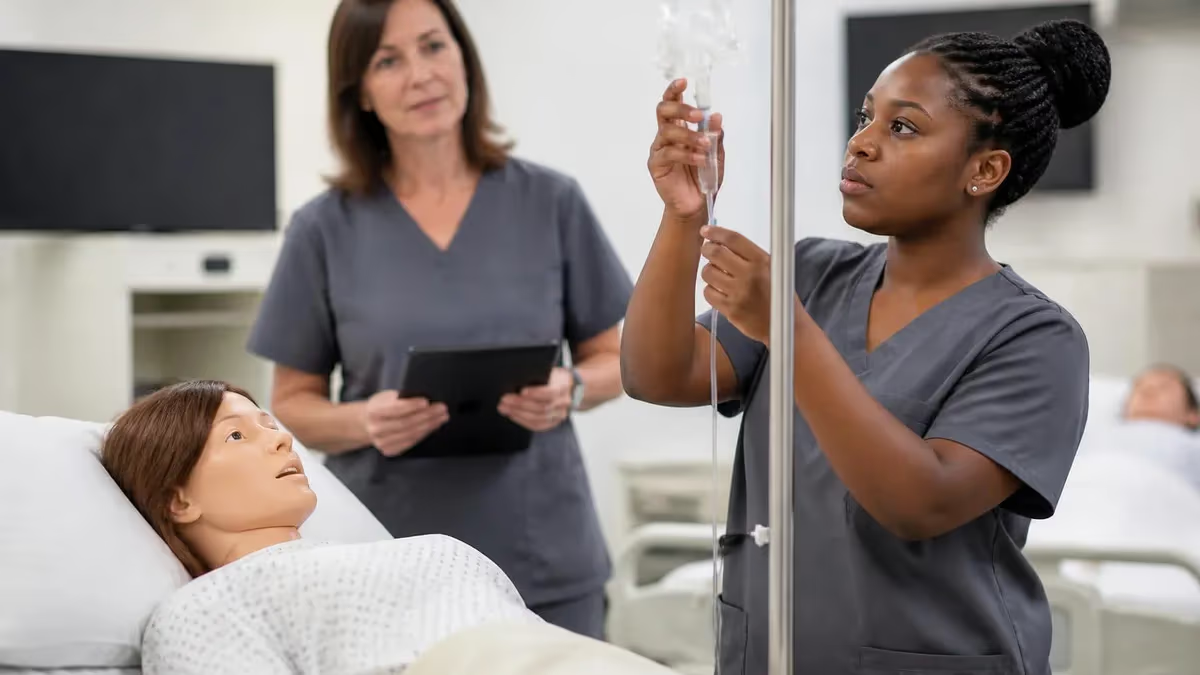
LPN schooling is the structured educational pathway that prepares aspiring nurses to provide direct patient care under the supervision of registered nurses and physicians. Licensed Practical Nurse programs typically span 12 to 18 months and blend classroom instruction with hands-on clinical training, covering everything from anatomy and physiology to medication administration and patient assessment. If you are considering a career in healthcare, understanding what LPN schooling involves — from program types to admission prerequisites — is the essential first step toward earning your license.
The demand for LPNs across the United States continues to grow as an aging population increases the need for skilled bedside care in hospitals, long-term care facilities, home health agencies, and outpatient clinics. According to the Bureau of Labor Statistics, LPN employment is projected to grow by roughly 5 percent through 2032, adding tens of thousands of new positions nationwide. This sustained demand makes LPN training one of the most reliable entry points into a stable, rewarding healthcare career without the time and cost commitment of a four-year nursing degree.
Most LPN programs are offered through community colleges, vocational schools, and technical institutes, though the rise of hybrid and online formats has made access far more flexible. Many students choose lpn schooling options that combine asynchronous coursework with local clinical placements, allowing working adults to train without leaving their current jobs entirely. Accreditation through bodies such as the Accreditation Commission for Education in Nursing (ACEN) or the National League for Nursing Commission for Nursing Education Accreditation (CNEA) is non-negotiable when selecting a program, because only graduates of accredited schools can sit for the NCLEX-PN licensure exam.
Admission to LPN programs is competitive at many schools. Most programs require applicants to hold a high school diploma or GED, demonstrate proficiency in basic math and reading through entrance exams like the TEAS or HESI, and complete prerequisite coursework in biology or chemistry. Some programs also require current CPR certification and documentation of immunizations such as hepatitis B, MMR, and varicella before the first clinical rotation begins. Understanding these gates early helps prospective students plan timelines realistically and avoid last-minute delays.
Financially, LPN programs are among the more affordable healthcare training options available. Total program costs range from approximately $5,000 at community colleges to $25,000 or more at private vocational schools. Federal financial aid, including Pell Grants, stafford loans, and workforce development grants available through state agencies, can offset a significant portion of those costs for eligible students. Employer tuition reimbursement programs — particularly common at large hospital systems and long-term care chains — are another funding avenue worth exploring before enrolling.
Once coursework and clinical hours are complete, graduates must pass the NCLEX-PN, a computer-adaptive exam administered by Pearson VUE on behalf of state nursing boards. The exam tests clinical judgment across all major content areas of practical nursing, including safety, infection control, health promotion, pharmacology, and physiological adaptation. Pass rates hover around 85 percent for first-time domestic test takers, but targeted preparation using practice questions and review courses significantly improves individual outcomes. Consistent study habits established during LPN schooling carry directly into exam success.
This guide walks you through every phase of LPN training — from choosing the right program type and meeting admission requirements to navigating clinical rotations, managing program costs, preparing for the NCLEX-PN, and obtaining your state license. Whether you are just starting your research or already comparing specific schools, the information here will help you move forward with confidence toward a fulfilling career as a Licensed Practical Nurse.
LPN Schooling by the Numbers
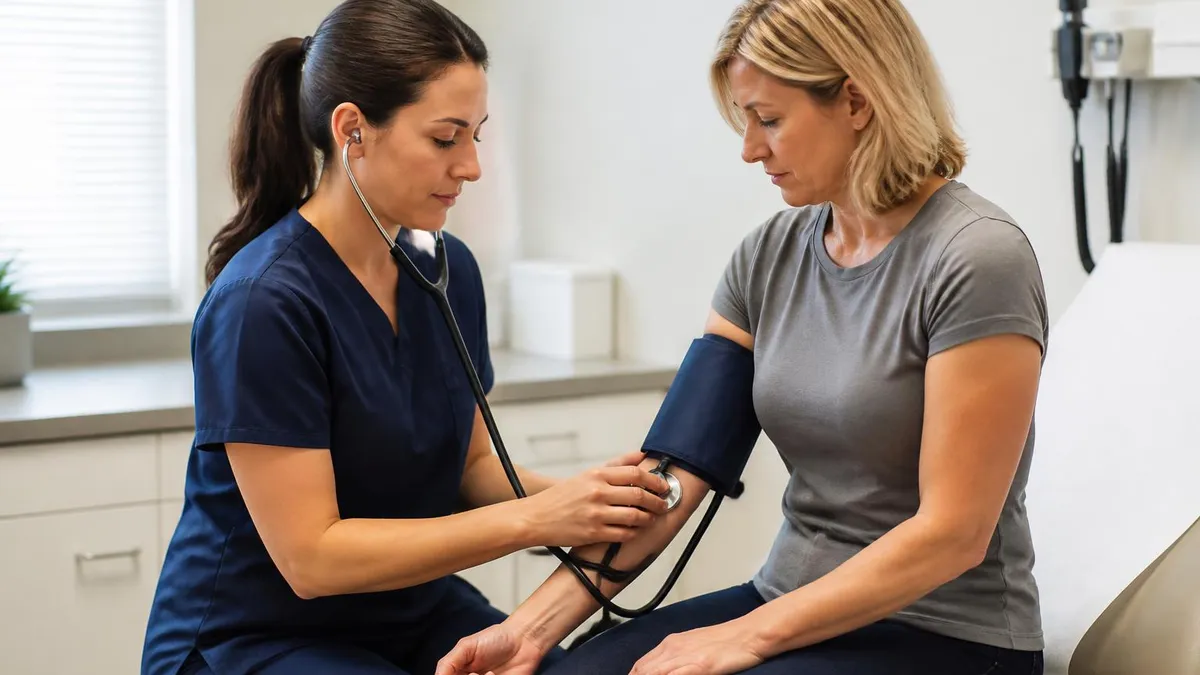
How to Complete LPN Schooling Step by Step
Research & Choose an Accredited Program
Meet Admission Prerequisites
Complete Classroom & Lab Coursework
Finish Clinical Rotation Hours
Graduate & Apply for NCLEX-PN Authorization
Pass NCLEX-PN & Obtain State License
Understanding the admission requirements for LPN programs is critical because missing even one prerequisite can delay your start date by an entire semester. Most accredited programs in the United States share a core set of requirements: a high school diploma or equivalent, a passing score on a standardized nursing entrance exam, completed prerequisite sciences, updated immunization records, a background check, and current Basic Life Support (BLS) certification. Each program weights these factors differently, so reviewing the specific admissions rubric for every school you apply to is time well spent.
The nursing entrance exam — most commonly the TEAS (Test of Essential Academic Skills) or the HESI A2 — measures your foundational knowledge in reading comprehension, mathematics, science, and English language usage. Programs typically require a composite score of 60 to 70 percent or higher, though competitive programs at community colleges may set cutoffs closer to 75 or 80 percent because demand exceeds available seats. Preparing for the entrance exam with practice tests and targeted review in your weakest subject areas can make a measurable difference in your score and, ultimately, your acceptance chances.
Science prerequisites vary by program, but most expect at least one semester of biology with a lab component. Many community college LPN programs also require a medical terminology course, which can often be completed online before enrollment. Some four-year institution nursing pathways and accelerated LPN tracks additionally require chemistry and statistics. Completing these prerequisites at a community college before applying is a cost-effective strategy since those credits transfer and reduce the overall cost of your nursing education substantially.
Background check requirements have become more stringent in recent years. Most state nursing boards and clinical sites require a criminal history screening through a national database. Certain felony convictions or specific misdemeanor offenses related to abuse, fraud, or drug use may disqualify applicants from receiving a nursing license, regardless of whether they complete the program. If you have any prior legal history, consulting directly with your state nursing board before investing in a program is a prudent step that can prevent wasted time and money.
Health documentation requirements protect both students and patients during clinical rotations. Standard requirements include proof of hepatitis B vaccination series completion or a titer demonstrating immunity, MMR and varicella immunity, a current negative TB test or chest X-ray, and an annual influenza vaccine at many facilities. Some clinical sites — especially pediatric and oncology units — have additional immunization or health screening requirements. Getting these completed early in the semester before clinicals begin prevents schedule disruptions that could delay graduation.
Financial aid eligibility is tied closely to program accreditation status, which is another reason why choosing an accredited school is non-negotiable. FAFSA completion opens access to federal Pell Grants — which do not require repayment — as well as subsidized and unsubsidized Stafford Loans. State workforce development programs, such as the Workforce Innovation and Opportunity Act (WIOA) grants administered through American Job Centers, specifically fund LPN training for eligible workers. Many hospitals and nursing home chains also offer tuition reimbursement contracts that pay for your program in exchange for a one- to two-year employment commitment after graduation.
Transfer and advanced placement policies are worth understanding if you have prior college credits or healthcare work experience as a Certified Nursing Assistant (CNA) or Medical Assistant (MA). Some LPN programs grant course waivers or advanced placement credit for documented CNA experience, which can shorten your program length by one semester. Former nursing students who did not complete an RN program sometimes qualify for direct admission into the second semester of an LPN program based on validated prior learning, saving both time and tuition dollars while accelerating the path to licensure.
LPN Practice Test Questions
Prepare for the LPN - Certified Practical Nurse exam with our free practice test modules. Each quiz covers key topics to help you pass on your first try.
LPN - Certified Practical Nurse Basic Care...
LPN Exam Questions covering - Certified Practical Nurse Basic Care and Comfort. Master LPN Test concepts for certification prep.
LPN - Certified Practical Nurse Coordinate...
Free LPN Practice Test featuring - Certified Practical Nurse Coordinated Care. Improve your LPN Exam score with mock test prep.
LPN - Certified Practical Nurse Health Pro...
LPN Mock Exam on - Certified Practical Nurse Health Promotion and Maintenance. LPN Study Guide questions to pass on your first try.
LPN - Certified Practical Nurse Pharmacolo...
LPN Test Prep for - Certified Practical Nurse Pharmacological Therapies. Practice LPN Quiz questions and boost your score.
LPN - Certified Practical Nurse Physiologi...
LPN Questions and Answers on - Certified Practical Nurse Physiological Adaptation. Free LPN practice for exam readiness.
LPN - Certified Practical Nurse Psychosoci...
LPN Mock Test covering - Certified Practical Nurse Psychosocial Integrity. Online LPN Test practice with instant feedback.
LPN - Certified Practical Nurse Reduction ...
Free LPN Quiz on - Certified Practical Nurse Reduction of Risk Potential. LPN Exam prep questions with detailed explanations.
LPN - Certified Practical Nurse Safety and...
LPN Practice Questions for - Certified Practical Nurse Safety and Infection Control. Build confidence for your LPN certification exam.
LPN Ethical, Legal & Professional Standards
LPN Test Online for Ethical, Legal & Professional Standards. Free practice with instant results and feedback.
LPN Health Evaluation & Monitoring
LPN Study Material on Health Evaluation & Monitoring. Prepare effectively with real exam-style questions.
LPN Curriculum: What You Learn in Nursing School
LPN theory courses form the intellectual backbone of the program. Students study nursing fundamentals, anatomy and physiology, microbiology, nutrition, pharmacology, and mental health nursing in structured lecture formats. Most programs also integrate medical-surgical nursing concepts covering common adult health conditions such as diabetes, cardiac disease, respiratory disorders, and wound management. Theory courses typically require passing scores of at least 75 to 80 percent to progress and make up roughly 40 to 50 percent of total program hours.
Pharmacology deserves special attention because medication errors are one of the leading causes of patient harm in clinical settings. LPN students learn drug classifications, routes of administration, dosage calculations, common side effects, and contraindications. Many programs dedicate an entire standalone course to pharmacology and require students to demonstrate math competency through dosage calculation exams before entering clinical rotations. Building strong pharmacology knowledge during school directly improves performance on the NCLEX-PN, which dedicates roughly 12 to 18 percent of questions to pharmacological therapies.
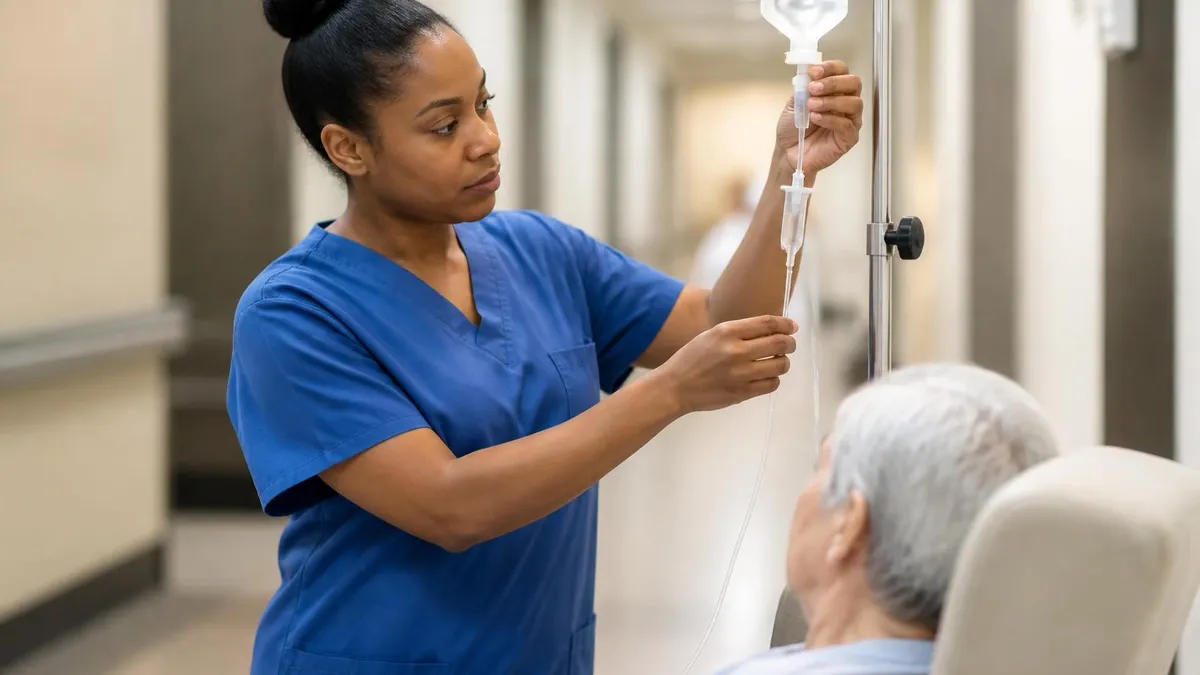
Is LPN Schooling Worth It? Pros and Cons
- +Shorter training time than RN programs — most LPN programs complete in 12 to 18 months
- +Lower tuition cost compared to associate or bachelor's degree nursing programs
- +Strong and consistent job demand across hospitals, nursing homes, clinics, and home health
- +Clear career ladder — LPN credentials provide a bridge into RN or BSN programs later
- +Flexible program formats including evening, weekend, and hybrid online options for working adults
- +Hands-on clinical training gives real patient care experience before entering the workforce
- −Scope of practice is more limited than RN — LPNs cannot independently initiate care plans in most states
- −Some hospital systems prefer or exclusively hire RNs, limiting acute care job options in certain markets
- −Starting salaries are lower than RN wages, averaging $20 to $25 per hour versus $35 or more for RNs
- −Physically and emotionally demanding work with high patient-to-nurse ratios in long-term care settings
- −Admission is competitive and entrance exam cutoffs are rising at many community colleges
- −Continuing education and license renewal requirements add ongoing costs and time commitments
LPN Schooling Licensing & Graduation Checklist
- ✓Confirm your program holds active ACEN or CNEA accreditation before enrolling.
- ✓Complete all prerequisite science and math coursework with passing grades.
- ✓Pass the nursing entrance exam (TEAS or HESI A2) at or above the program's cutoff score.
- ✓Submit proof of all required immunizations and health clearances before the first clinical rotation.
- ✓Maintain a minimum course grade of 75 to 80 percent in all nursing theory courses.
- ✓Log and document all required clinical hours across approved rotation sites.
- ✓Complete a dosage calculation competency exam and achieve the required passing score.
- ✓Apply for your state nursing board licensure prior to or immediately following graduation.
- ✓Submit to a criminal background check and fingerprinting as required by your state board.
- ✓Register for the NCLEX-PN through Pearson VUE once you receive your Authorization to Test.
Your Clinical Preceptor is Your Most Valuable Resource
Studies on nursing student outcomes consistently show that the quality of preceptor relationships — not just classroom grades — predicts first-year job performance and retention. Introduce yourself professionally, ask for feedback after every shift, and follow up on any clinical skill you felt uncertain about. Students who actively engage with preceptors are 40 percent more likely to receive employment referrals from their clinical sites before graduation.
The cost of LPN schooling varies significantly depending on the type of institution you attend, whether you study in-person or through a hybrid format, and the state you live in. Community colleges typically offer the most affordable LPN programs, with total tuition costs ranging from $5,000 to $12,000 for in-state residents. Private vocational and technical schools charge considerably more — often between $15,000 and $30,000 — though they sometimes offer more flexible scheduling, smaller class sizes, and faster enrollment timelines that appeal to students who cannot wait for the next community college cohort to begin.
Beyond base tuition, students should budget for fees that add up quickly. Nursing program fees often include skills lab usage, simulation center access, background check processing, drug screening, liability insurance, uniform and equipment costs (stethoscope, blood pressure cuff, clinical shoes), and NCLEX-PN examination registration, which costs $200 per attempt. Textbooks and digital learning platforms add another $300 to $800 depending on whether you purchase new, used, or rental copies. Transportation and parking costs for clinical rotations at off-campus sites are also real budget considerations that many students underestimate when comparing program prices.
Federal financial aid through the Free Application for Federal Student Aid (FAFSA) is available to students enrolled in accredited LPN programs at eligible institutions. Students who demonstrate financial need can qualify for Pell Grants of up to $7,395 per academic year (2024-2025 award year), which do not need to be repaid. Federal student loans — both subsidized and unsubsidized Stafford Loans — fill remaining gaps, though borrowing should be approached carefully given that LPN starting salaries average $45,000 to $52,000 annually in most states, meaning loan-to-income ratios matter.
State-based funding programs offer another significant funding avenue that many prospective LPN students overlook. Workforce Innovation and Opportunity Act (WIOA) grants are distributed through local American Job Centers and specifically fund training for healthcare occupations listed on state demand occupation lists — which almost universally include LPN. Nurse Education Incentive Programs, available in states like Texas, Florida, and New York, provide additional scholarships and stipends to nursing students who commit to working in underserved areas or short-staffed facilities after graduation.
Employer tuition reimbursement and workforce development partnerships between healthcare employers and nursing schools represent one of the most underutilized funding strategies available. Large healthcare systems like HCA Healthcare, Kindred at Home, and Genesis HealthCare actively recruit CNA and medical assistant employees into employer-sponsored LPN programs, paying tuition directly in exchange for post-graduation employment agreements that typically last one to two years. These earn-while-you-learn models allow students to maintain income during training and graduate debt-free, making them particularly attractive for career changers with family financial obligations.
Scholarship databases specifically targeting nursing students include the HRSA Nursing Workforce Diversity grants, the American Association of Colleges of Nursing (AACN) scholarship programs, and state nurses association scholarships available through organizations like the California Association for Licensed Vocational Nurses (CALVN) or the Texas Licensed Vocational Nurses Association (TLVNA). Many local hospital foundations and community organizations also award one-time scholarships ranging from $500 to $5,000 to local nursing students, and these awards are frequently less competitive than national scholarship programs because fewer applicants are aware of them.
Return on investment for LPN schooling is generally favorable when considering the ratio of program cost to starting salary and career progression potential. A student who spends $10,000 at a community college and secures an LPN position at $24 per hour working full time earns roughly $50,000 in the first year — a payback period of less than six months in gross income terms. For students who subsequently pursue an LPN-to-RN bridge program, the LPN credential and clinical experience also reduce the time and cost of RN completion, making the investment compound over the trajectory of the nursing career.

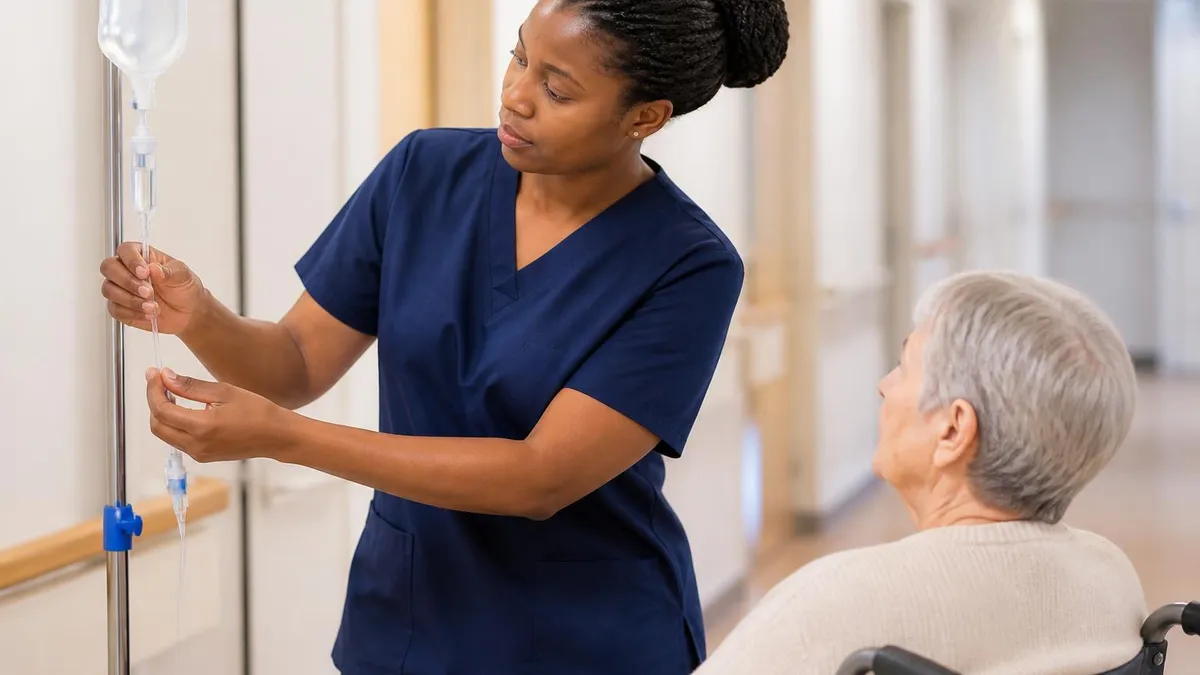
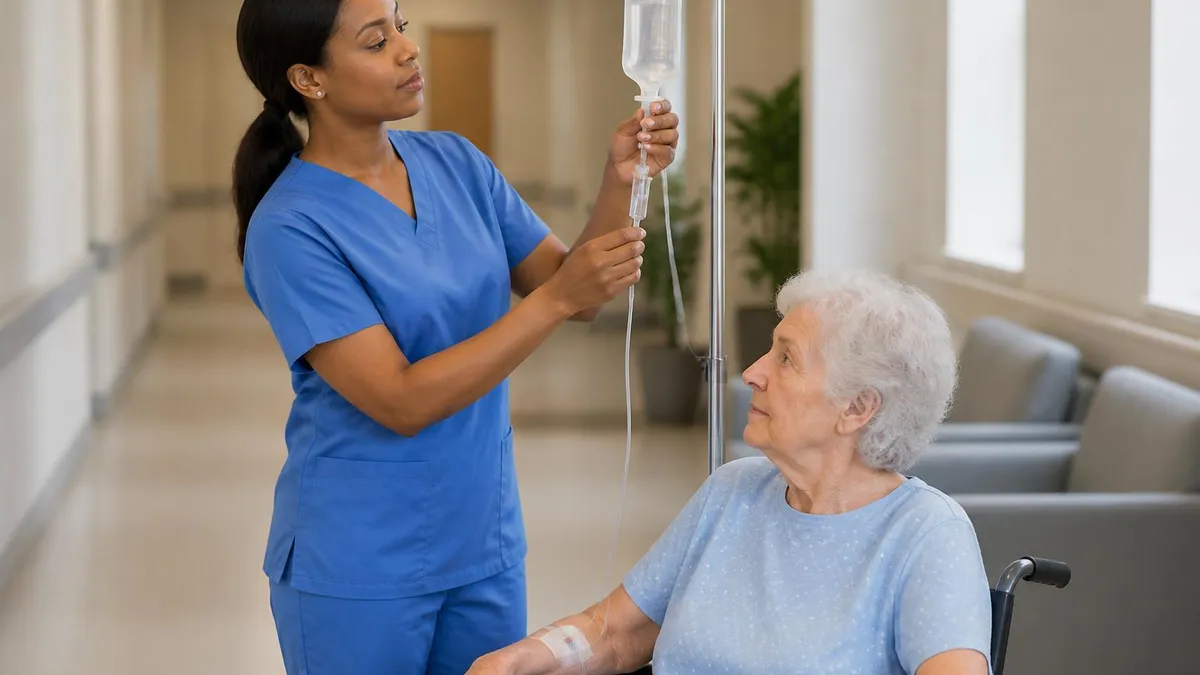
LPN and LVN scope of practice varies by state. In some states, LPNs can perform IV therapy independently; in others, they cannot. Before selecting a program, confirm what tasks licensed practical nurses are permitted to perform in the state where you plan to work, since scope limitations directly affect job opportunities, specialty placements, and earning potential after graduation. Your state nursing board website is the authoritative source for current scope of practice regulations.
Career outcomes for LPN graduates are consistently strong across a wide range of healthcare settings, and understanding the employment landscape before you enroll helps you target your clinical rotations and networking toward the specialty areas where you most want to work.
The Bureau of Labor Statistics reports a median annual wage of approximately $58,080 for LPNs and LVNs as of 2024, with the top 10 percent earning more than $75,000 annually depending on specialty, geographic location, and shift differential pay. States with the highest average LPN wages include California, Massachusetts, Connecticut, Alaska, and Washington, often reflecting higher costs of living alongside strong union representation in healthcare.
The largest employer of LPNs remains the skilled nursing and long-term care sector, which accounts for approximately 37 percent of all LPN jobs. These facilities rely heavily on LPNs for medication administration, wound care, care plan documentation, and coordination with therapy and social services staff. While long-term care LPN positions are plentiful and relatively easy to obtain as a new graduate, they also come with high patient loads — sometimes 25 to 40 residents per LPN on evening and night shifts — which makes time management and organizational skills essential competencies to develop during LPN schooling.
Home health and hospice agencies represent one of the fastest-growing employment sectors for LPNs, driven by patient preference for aging in place and insurer cost pressures favoring community-based care over institutional settings. Home health LPNs make scheduled visits to patients' homes to perform wound care, administer medications, monitor vital signs, and educate patients and families on self-care. These roles offer significant autonomy, variety in daily work, and in many markets offer per-visit pay structures that can result in higher effective hourly earnings than facility-based positions.
Hospital employment for LPNs has shifted in recent decades as magnet hospital designations increasingly require all-RN nursing staffs on acute care units. However, LPNs remain widely employed in hospital-based long-term acute care units, observation units, procedural areas, and outpatient departments. Emergency departments, surgical day programs, and specialty clinics at major health systems frequently hire experienced LPNs for patient intake, vital sign assessment, patient education, and procedure support roles that do not require independent RN clinical judgment but benefit from seasoned practical nursing skills.
Physician offices, federally qualified health centers, and specialty clinics — including oncology, dermatology, orthopedics, and ophthalmology practices — are major and often overlooked LPN employers. These settings typically offer regular daytime hours with no weekend or holiday rotations, making them attractive for LPNs prioritizing work-life balance. Compensation in physician office settings may be slightly lower than in hospitals or home health, but the consistency of schedule, lower physical intensity, and professional relationships built with a stable patient panel make these positions highly sought after among experienced LPNs.
Career advancement is a realistic and well-mapped option for LPN graduates who decide they want to expand their scope of practice or move into leadership roles. LPN-to-RN bridge programs — available at community colleges, four-year universities, and increasingly online — credit LPN clinical experience and coursework toward the associate degree in nursing (ADN) or bachelor of science in nursing (BSN), reducing completion time to as little as 12 to 18 months for motivated students. Many employers offer tuition assistance for bridge programs as part of retention strategies, recognizing that supporting LPN advancement reduces turnover and builds institutional loyalty.
Specialty certifications also open higher-paying doors for practicing LPNs. The National Association for Practical Nurse Education and Service (NAPNES) and the National Federation of Licensed Practical Nurses (NFLPN) both offer specialty certification programs in areas such as pharmacology, IV therapy, geriatrics, and long-term care. Holding one or more specialty certifications demonstrates advanced competency to employers, supports higher starting wage negotiations, and is often required for charge nurse or lead LPN roles in long-term care facilities. Building a plan for specialty certification early in your LPN career accelerates both professional recognition and earning potential.
Preparing effectively for the NCLEX-PN is the final and arguably most consequential phase of LPN schooling. The exam uses a computer-adaptive testing format that adjusts question difficulty based on your performance, ranging from a minimum of 85 questions to a maximum of 150. The exam covers eight major client needs categories: basic care and comfort, coordinated care, health promotion and maintenance, pharmacological therapies, physiological adaptation, psychosocial integrity, reduction of risk potential, and safety and infection control. Most candidates complete the exam in one to three hours, though the full five-hour window is available.
Building a structured NCLEX-PN study plan eight to twelve weeks before your exam date is the single most evidence-supported preparation strategy available. Rather than re-reading textbooks passively, high-performing candidates focus on practicing application-level questions that mirror the clinical judgment scenarios on the actual exam. Aim for 75 to 100 practice questions per study session, reviewing rationales for both correct and incorrect answers. Understanding why a wrong answer is wrong is often more instructive than reinforcing why the correct answer is right, because it exposes the reasoning gaps that the NCLEX-PN is specifically designed to probe.
Content-area weakness identification through targeted practice testing allows you to allocate study time efficiently. If your practice scores in pharmacological therapies consistently fall below 65 percent while you are scoring 80 percent or higher in basic care and comfort, redirecting three to four additional study sessions toward pharmacology in the weeks before the exam will produce a greater score improvement than investing equal time across all categories. Most NCLEX-PN preparation platforms generate performance analytics that identify your weakest content domains automatically, making this kind of data-driven study planning straightforward even for students who are not naturally analytical test-takers.
Test-taking strategy knowledge matters alongside content knowledge on the NCLEX-PN. The exam frequently presents alternative-format questions including select-all-that-apply (SATA), ordered response, fill-in-the-blank dosage calculation, hot spot, and exhibit-based items. Many students find SATA questions particularly challenging because they require evaluating each answer option independently rather than choosing the single best answer. Practicing at least 20 to 30 SATA questions per week throughout your preparation period builds familiarity and reduces the anxiety these question formats often trigger on exam day.
Rest, nutrition, and logistical preparation in the 48 hours before the exam day are as important as any last-minute content review. Pearson VUE testing centers enforce strict security protocols: no electronic devices, no notes, no food or beverages beyond a sealed water bottle in some centers. Arriving at the test center 30 minutes early, bringing the exact required identification documents (typically a government-issued photo ID that matches your ATT registration name exactly), and wearing comfortable layered clothing to accommodate varying room temperatures are small but meaningful factors that prevent unnecessary stress before the exam begins.
After passing the NCLEX-PN, most states post preliminary pass or fail results through the Pearson VUE Quick Results service within 48 business hours for a fee of $7.95. Official results are transmitted to your state nursing board within two to six weeks, after which your license number is publicly verifiable on the board's online nurse registry. Many new graduates begin orientation at their first LPN position before official results arrive, working under a temporary practice permit or graduate nurse designation that many states issue upon proof of exam completion pending official license confirmation.
Maintaining your LPN license requires meeting continuing education requirements set by your state nursing board, which typically mandate 20 to 30 contact hours per renewal period of one to two years. Many employers offer free or subsidized continuing education through in-service training programs, online platforms, and professional nursing association memberships. Staying current with continuing education not only keeps your license active but also signals professional engagement to supervisors, supports advancement conversations, and builds the knowledge base that makes daily patient care safer and more effective throughout the span of your practical nursing career.
LPN Questions and Answers
LPN Program Online: Complete 2026 Guide to Accredited Online LPN Programs

LPN Practice Test PDF (Free Printable 2026)
LPN to RN Bridge Programs Online: Complete 2026 Guide
Travel LPN: Complete 2026 Guide to Becoming a Travel Licensed Practical Nurse
Macomb LPN Program: Complete 2026 Guide to Specific LPN Programs, Admission Requirements, Cost & Career Outcomes
About the Author

Registered Nurse & Healthcare Educator
Johns Hopkins University School of NursingDr. Sarah Mitchell is a board-certified registered nurse with over 15 years of clinical and academic experience. She completed her PhD in Nursing Science at Johns Hopkins University and has taught NCLEX preparation and clinical skills courses for nursing students across the United States. Her research focuses on evidence-based exam preparation strategies for healthcare certification candidates.
Join the Discussion
Connect with other students preparing for this exam. Share tips, ask questions, and get advice from people who have been there.
View discussion (7 replies)