
LPN Responsibilities: A Complete Guide to What Licensed Practical Nurses Do
Discover all LPN responsibilities in 2026 September — daily duties, clinical tasks, work settings, and how to prepare for your NCLEX-PN exam. 🎓
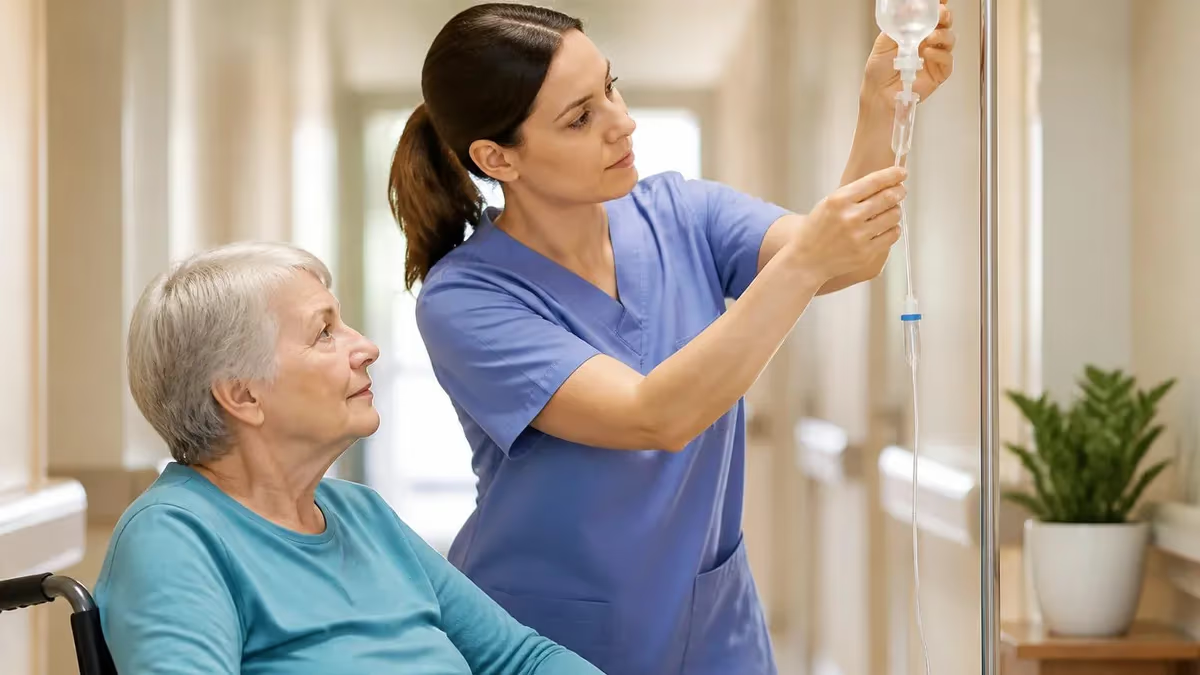
Understanding lpn responsibilities is the first step toward building a rewarding career in practical nursing. Licensed Practical Nurses serve as the backbone of direct patient care across hospitals, long-term care facilities, clinics, and home health settings throughout the United States. Every day, LPNs perform dozens of hands-on tasks — from taking vital signs and administering medications to educating patients and communicating findings to supervising RNs and physicians. Knowing these duties in detail helps aspiring nurses set realistic expectations before enrollment.
The scope of LPN practice is defined by each state's Nurse Practice Act, which means the exact duties you perform may vary depending on where you work and earn your license. In most states, LPNs can administer oral, subcutaneous, intramuscular, and intravenous medications under appropriate supervision, though IV therapy rules differ significantly by jurisdiction. Understanding your state's specific regulations is just as important as mastering clinical skills, and new graduates should review their state board of nursing guidelines carefully before assuming any clinical responsibility.
LPNs typically complete a 12- to 18-month certificate or diploma program at a community college or vocational school before sitting for the NCLEX-PN licensing examination. This focused training covers anatomy, physiology, pharmacology, nutrition, mental health nursing, pediatric nursing, and maternal-newborn nursing. The condensed format means LPN programs move at a brisk pace, but graduates emerge with the practical skills needed to function effectively in most entry-level nursing roles across nearly every healthcare setting imaginable.
The daily routine of an LPN is both structured and dynamic. A typical shift begins with receiving a handoff report from the outgoing nurse, reviewing patient charts, and prioritizing care based on acuity. Throughout the shift, LPNs collect specimens, change wound dressings, perform catheter care, monitor IV infusions, and document all observations meticulously. Time management is critical — an experienced LPN can balance caring for six to eight patients simultaneously while maintaining the thoroughness each individual requires for safe, effective care.
Communication is one of the most underappreciated LPN responsibilities. LPNs serve as a crucial link between patients and the broader care team. They are often the first to notice subtle changes in a patient's condition — a slightly elevated temperature, increased pain, or new confusion — and must communicate those findings promptly and clearly to supervising nurses and providers. Effective verbal and written communication not only improves patient outcomes but also reflects the professionalism that employers consistently rank as a top hiring criterion for LPN candidates.
Patient education is another core responsibility that many nursing students overlook until they reach clinical rotations. LPNs teach patients how to manage chronic conditions, take medications correctly, perform wound care at home, and recognize warning signs that require medical attention. This educational role demands patience, clear language, cultural sensitivity, and an ability to assess patient understanding. Research consistently shows that patients who receive thorough discharge education are significantly less likely to be readmitted within 30 days, making LPN teaching skills a measurable driver of healthcare quality.
Whether you are exploring a nursing career for the first time or preparing to sit for the NCLEX-PN, a thorough knowledge of LPN responsibilities will strengthen both your exam performance and your clinical readiness. This guide breaks down every major duty category, the work environments where LPNs thrive, the advantages and challenges of the role, and actionable strategies to accelerate your path from student to licensed professional. Read every section carefully — the knowledge here directly maps to what appears on the NCLEX-PN.
LPN Responsibilities by the Numbers
Core Clinical Duties of an LPN
LPNs measure and document blood pressure, temperature, pulse, respirations, and oxygen saturation at regular intervals. They identify abnormal trends and immediately report critical values to supervising RNs or physicians to prevent patient deterioration.
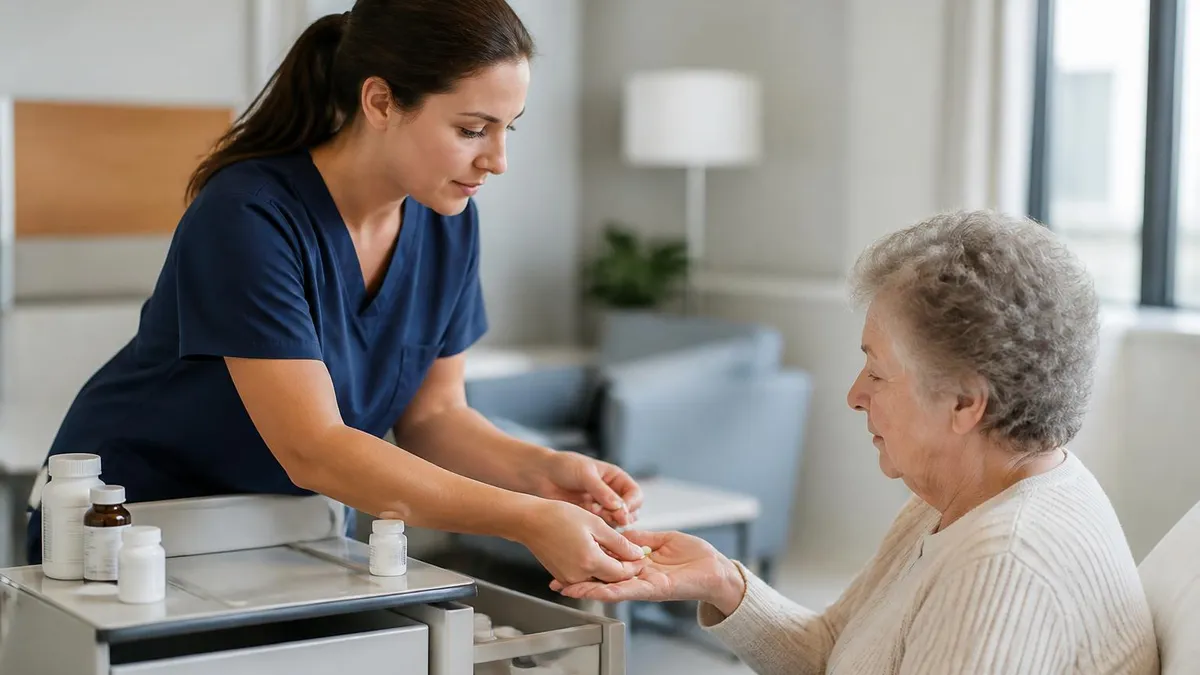
LPNs administer oral, topical, subcutaneous, intramuscular, and (where permitted) intravenous medications, verifying the five rights before every dose. They monitor for adverse reactions and educate patients on each medication's purpose and side effects.
Performing sterile and clean dressing changes, irrigating wounds, applying compression bandages, and documenting wound dimensions and drainage are everyday LPN tasks requiring precision, infection-control knowledge, and clear documentation practices.
LPNs explain diagnoses, post-procedure care, medication schedules, and lifestyle modifications in plain language. Effective teaching reduces hospital readmissions and empowers patients to manage their own health between clinical visits.
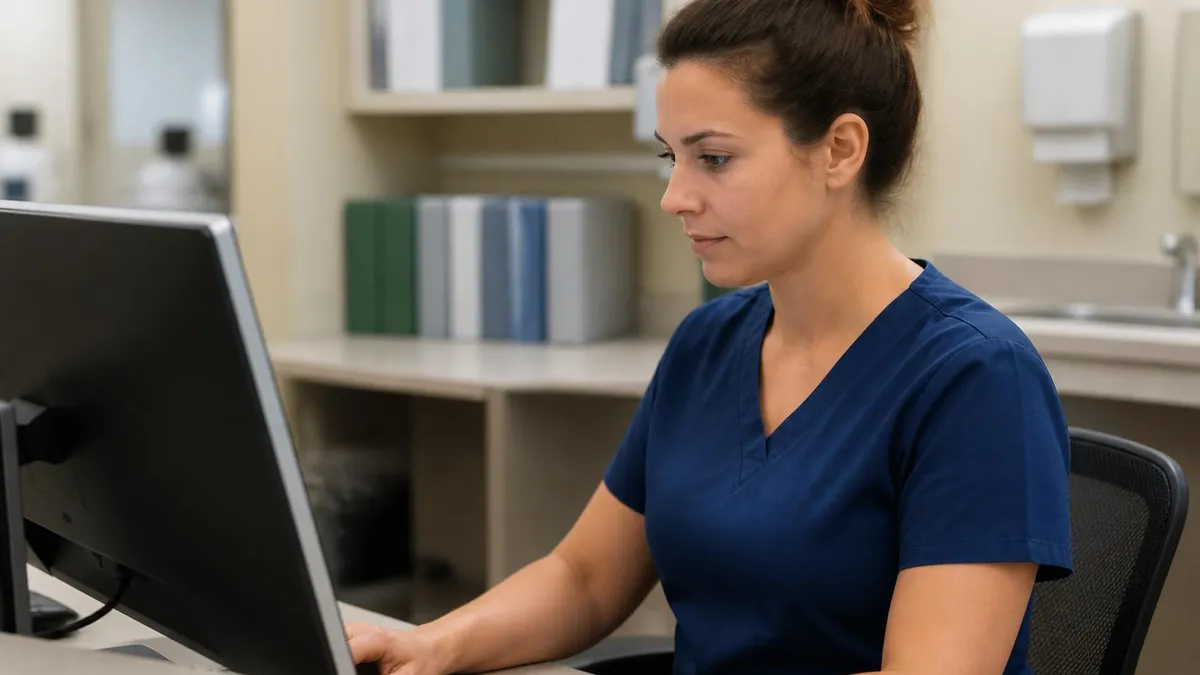
Accurate, timely charting in electronic health record systems is a non-negotiable LPN responsibility. Nurses document assessments, interventions, patient responses, and communications with the care team to ensure continuity and legal accountability.
LPNs work in an extraordinarily wide range of healthcare environments, and the responsibilities they carry vary meaningfully depending on the setting. In skilled nursing facilities and long-term care homes — which employ the largest share of LPNs nationally — nurses may serve as charge nurses overseeing a wing of 20 to 30 residents, managing medication carts, directing certified nursing assistants, and communicating with families about care plan updates. This supervisory dimension of LPN work is often a surprise to new graduates expecting only bedside tasks.
Hospital-based LPNs typically work on medical-surgical, rehabilitation, or long-term acute care floors under closer RN supervision. Their duties mirror those in other settings — vital signs, medications, wound care, catheter management, specimen collection — but the patient population tends to be more acutely ill, and the pace is faster. Many hospitals have shifted LPN roles toward more technical support functions such as IV monitoring, phlebotomy, and EKG performance rather than independent care planning, so candidates should review the specific job description before accepting a hospital position.
Home health is one of the fastest-growing employment sectors for LPNs and arguably demands the broadest independent skill set. A home health LPN visits multiple patients per day in private residences, performing the same clinical tasks as a facility nurse but without immediate backup from colleagues. Strong assessment skills, excellent judgment, thorough documentation, and effective patient education are all amplified in importance when the LPN is the sole healthcare provider in the room. Many experienced LPNs find home health deeply satisfying because of the one-on-one relationship it fosters with patients and families.
Physician offices and outpatient clinics represent another major employment sector for LPNs. In these settings, LPNs often perform patient intake assessments, record medical histories, prepare patients for examinations, administer injections and immunizations, assist with minor procedures, process laboratory samples, and communicate test results under physician direction. The outpatient pace is generally more predictable than hospital or long-term care shifts, making clinic positions appealing to LPNs seeking regular daytime hours and lower acuity stress levels.
Correctional health and school health nursing are two niche but meaningful LPN employment areas. Correctional LPNs manage chronic disease care, triage urgent complaints, administer medications under strict security protocols, and navigate complex ethical boundaries unique to incarcerated populations. School nurses — some of whom are LPNs depending on state regulations — manage student health records, respond to injuries and acute illness, administer daily medications, perform vision and hearing screenings, and coordinate with families and teachers on individualized health plans.
Rehabilitation centers, psychiatric facilities, and dialysis clinics each present LPNs with specialized responsibilities that build on the foundational competencies learned in school. Rehabilitation LPNs work closely with physical and occupational therapists to support patients recovering from strokes, orthopedic surgeries, or traumatic injuries. Psychiatric LPNs must master therapeutic communication, behavioral de-escalation, and close observation of patients at risk of self-harm or elopement. Dialysis LPNs manage vascular access, monitor patients through three- to four-hour treatment sessions, and recognize and respond to treatment-related complications like hypotension and muscle cramps.
No matter which setting an LPN chooses, the foundational responsibilities remain consistent: assess, plan within scope, implement care, evaluate patient response, and document everything. The variety of available work environments is one of the most compelling aspects of the LPN credential, giving nurses the flexibility to explore multiple specialties throughout a career without returning to school for an entirely new degree. Many LPNs use this flexibility strategically, gaining experience in two or three settings before deciding whether to pursue an LPN-to-RN bridge program.
LPN Practice Test Questions
Prepare for the LPN - Certified Practical Nurse exam with our free practice test modules. Each quiz covers key topics to help you pass on your first try.
LPN - Certified Practical Nurse Basic Care...
LPN Exam Questions covering - Certified Practical Nurse Basic Care and Comfort. Master LPN Test concepts for certification prep.
LPN - Certified Practical Nurse Coordinate...
Free LPN Practice Test featuring - Certified Practical Nurse Coordinated Care. Improve your LPN Exam score with mock test prep.
LPN - Certified Practical Nurse Health Pro...
LPN Mock Exam on - Certified Practical Nurse Health Promotion and Maintenance. LPN Study Guide questions to pass on your first try.
LPN - Certified Practical Nurse Pharmacolo...
LPN Test Prep for - Certified Practical Nurse Pharmacological Therapies. Practice LPN Quiz questions and boost your score.
LPN - Certified Practical Nurse Physiologi...
LPN Questions and Answers on - Certified Practical Nurse Physiological Adaptation. Free LPN practice for exam readiness.
LPN - Certified Practical Nurse Psychosoci...
LPN Mock Test covering - Certified Practical Nurse Psychosocial Integrity. Online LPN Test practice with instant feedback.
LPN - Certified Practical Nurse Reduction ...
Free LPN Quiz on - Certified Practical Nurse Reduction of Risk Potential. LPN Exam prep questions with detailed explanations.
LPN - Certified Practical Nurse Safety and...
LPN Practice Questions for - Certified Practical Nurse Safety and Infection Control. Build confidence for your LPN certification exam.
LPN Ethical, Legal & Professional Standards
LPN Test Online for Ethical, Legal & Professional Standards. Free practice with instant results and feedback.
LPN Health Evaluation & Monitoring
LPN Study Material on Health Evaluation & Monitoring. Prepare effectively with real exam-style questions.
LPN Medication, Documentation, and Patient Care Responsibilities
Medication administration is one of the most regulated and consequential LPN responsibilities. Before giving any drug, an LPN must verify the five rights: right patient, right drug, right dose, right route, and right time. Most facilities add two additional rights — right documentation and right reason — making it a seven-rights protocol. LPNs must understand pharmacokinetics, drug interactions, high-alert medications such as insulin and anticoagulants, and how to use a drug reference guide efficiently during a busy shift.
State law governs whether LPNs can administer IV push medications, start peripheral IVs, or access central venous catheters. Approximately 30 states permit LPNs to perform IV therapy after completing an approved IV certification course, while others restrict them to monitoring existing infusions only. LPNs who work in states with broader IV privileges should complete their certification early in their careers, as this skill significantly expands employment options and earning potential across hospital, home health, and infusion clinic settings.
Advantages and Challenges of an LPN Career
- +Faster entry into nursing than the RN pathway — programs take 12–18 months versus 2–4 years
- +Strong job security with 5% projected growth driven by aging Baby Boomer population
- +Wide variety of work settings — hospitals, clinics, long-term care, home health, schools
- +Clear career ladder to RN through LPN-to-RN bridge and LPN-to-BSN programs
- +Hands-on, meaningful work with direct patient contact every shift
- +Opportunities for specialization in dialysis, IV therapy, wound care, and corrections
- −Scope of practice limitations compared to RNs — cannot independently initiate care plans or perform comprehensive assessments in most states
- −IV therapy restrictions in some states require additional certification after graduation
- −Lower salary ceiling than RN — median gap of approximately $20,000–$25,000 annually
- −Physical demands including prolonged standing, lifting, and repositioning patients
- −Emotional toll of working with critically ill, dying, or cognitively impaired patients daily
- −Mandatory overtime and holiday/weekend rotations are common in facility-based roles
LPN Daily Responsibilities Checklist
- ✓Receive and document a thorough shift handoff report from the outgoing nurse.
- ✓Review all assigned patient charts, current orders, and pending laboratory results.
- ✓Perform focused assessments and record baseline vital signs for each assigned patient.
- ✓Administer scheduled and PRN medications following the seven-rights protocol.
- ✓Perform wound assessments and complete dressing changes using sterile or clean technique as ordered.
- ✓Monitor IV infusions, check catheter patency, and document intake and output accurately.
- ✓Collect ordered laboratory specimens, label correctly, and arrange timely transport.
- ✓Communicate abnormal assessment findings and critical values to the supervising RN immediately.
- ✓Educate patients and families on medications, procedures, and discharge instructions in plain language.
- ✓Document all assessments, interventions, and patient responses in the EHR before end of shift.
Delegation and Supervision Are High-Yield NCLEX Topics
The NCLEX-PN consistently tests candidates on the LPN's role in delegation — specifically, which tasks can be safely assigned to a CNA and which must remain with the nurse. Remember: LPNs delegate tasks, not nursing judgment. Stable, predictable tasks with established outcomes (feeding, repositioning, ADL assistance) are appropriate for CNAs, while assessment, teaching, and medication administration must stay with the LPN.
The clinical competencies required of an LPN span a wide spectrum, from basic comfort care to technically demanding procedures. Among the most important foundational skills is proper hand hygiene and infection control. Healthcare-associated infections affect nearly 2 million patients annually in the United States, and LPNs play a front-line role in preventing their spread. Understanding standard precautions, transmission-based precautions (contact, droplet, airborne), and proper personal protective equipment use is not optional — it is a patient safety imperative that every LPN must practice without exception on every shift.
Catheter care is a daily LPN responsibility in most inpatient and long-term care environments. Urinary catheter-associated infections (CAUTIs) are one of the most preventable healthcare-associated infections, and proper insertion technique, routine perineal hygiene, and timely removal advocacy are all within the LPN's scope. LPNs who champion catheter removal discussions with the care team directly reduce patient morbidity, length of stay, and facility costs — making this a high-impact clinical competency with measurable quality improvement implications far beyond basic nursing technique.
Nasogastric tube management is another advanced skill that appears frequently in LPN practice. LPNs verify NG tube placement using pH testing and radiographic confirmation before initiating any feeding or medication delivery. They monitor residual volumes, assess for signs of aspiration, and maintain proper tube positioning throughout the shift. In rehabilitation and long-term care settings, tube feeding management may occupy a significant portion of the LPN's medication pass, requiring familiarity with enteral formulas, flow rates, and feeding pump operation for multiple patients simultaneously.
Respiratory care skills are increasingly important for LPNs as more patients with chronic obstructive pulmonary disease, asthma, and post-COVID complications enter all care settings. LPNs administer nebulized bronchodilator treatments, assist with incentive spirometry, position patients for optimal lung expansion, apply oxygen therapy via nasal cannula or simple mask, and monitor oxygen saturation trends throughout their shifts. Recognizing the early signs of respiratory distress — accessory muscle use, nasal flaring, paradoxical breathing, or oxygen saturation drops below 92% — and escalating appropriately can be the difference between preventing and precipitating a respiratory code.
Mental health and psychosocial care represent dimensions of LPN responsibility that receive less attention in textbooks but enormous importance in practice. Every patient encounter carries a psychosocial component: the anxiety of a new diagnosis, the grief of declining functional status, the frustration of chronic pain, or the confusion of cognitive impairment. LPNs use therapeutic communication techniques — active listening, open-ended questions, reflection, and silence — to build trust, reduce distress, and gather clinically meaningful information that would be missed through task-focused interactions alone. Patients who feel heard by their nurses are demonstrably more adherent to treatment plans.
Nutritional assessment and support are often overlooked LPN competencies that directly impact patient recovery. LPNs document dietary intake, monitor weight trends, screen for dysphagia, assist with feeding for patients with functional limitations, and report nutritional concerns to the registered dietitian. Malnutrition affects an estimated 30 to 50 percent of hospitalized patients and is associated with impaired wound healing, increased infection risk, longer hospital stays, and higher mortality. An LPN who consistently flags inadequate oral intake contributes meaningfully to catching and correcting malnutrition before it causes serious harm.
Cultural competence is a professional responsibility that the LPN curriculum increasingly emphasizes and that the NCLEX-PN explicitly tests. Providing culturally sensitive care means respecting dietary restrictions related to religion or tradition, using professional interpreter services rather than family members for clinical discussions, understanding culturally influenced pain expression, and avoiding assumptions about health beliefs based on ethnicity or background. LPNs who develop genuine cultural humility — a lifelong commitment to learning about and respecting diverse perspectives — consistently deliver higher quality care to the increasingly diverse patient populations they serve across the United States.
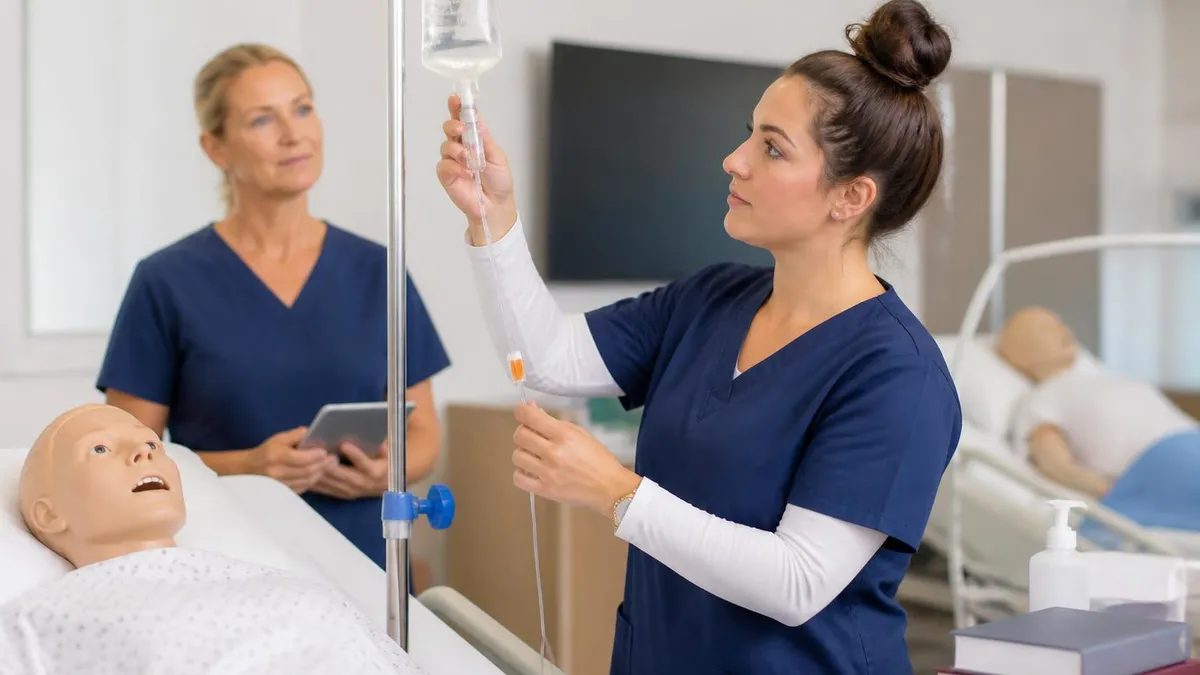
LPN scope of practice varies significantly by state. Tasks legal in one state — such as initiating IV lines, pronouncing death, or administering certain medications without direct supervision — may be prohibited in another. Before accepting a job offer or assuming any clinical responsibility, review your state board of nursing's Nurse Practice Act and the facility's specific LPN job description to avoid practicing outside your legal scope, which can result in license suspension or revocation.
Preparing effectively for the NCLEX-PN requires a clear understanding of how the exam maps to real LPN responsibilities. The NCLEX-PN uses a framework called the Client Needs categories, which directly reflect the daily duties of practicing LPNs. Safe and Effective Care Environment — which includes both Coordinated Care and Safety and Infection Control — accounts for 26 to 38 percent of the exam. This category tests delegation, priority setting, infection control practices, error prevention, and the legal and ethical dimensions of nursing practice that shape every clinical encounter.
Health Promotion and Maintenance questions (6–12% of the exam) assess LPN knowledge of growth and development across the lifespan, immunization schedules, screening recommendations, risk factor identification, and lifestyle counseling. These questions often appear deceptively straightforward but require candidates to apply knowledge accurately across all age groups — from newborn screening to geriatric fall risk assessment. Students who review developmental milestones and preventive care guidelines systematically tend to outperform those who focus exclusively on acute care content.
Psychosocial Integrity (9–15% of the exam) addresses the mental health, coping, and therapeutic communication responsibilities that LPNs carry. Questions in this category test therapeutic communication techniques, mental health disorder recognition, crisis intervention principles, chemical dependency nursing care, grief and loss, and end-of-life care. Because these questions require nuanced, context-sensitive reasoning rather than memorized facts, they are consistently identified by test-takers as among the most challenging on the NCLEX-PN.
Physiological Integrity — which encompasses Basic Care and Comfort, Pharmacological Therapies, Reduction of Risk Potential, and Physiological Adaptation — makes up the largest portion of the exam at approximately 47 to 55 percent. This category directly mirrors the hands-on clinical responsibilities that LPNs perform on every shift. Mastery of pharmacology, fluid and electrolyte balance, laboratory value interpretation, disease pathophysiology, and nursing interventions for common medical-surgical conditions is essential for both passing the exam and practicing safely as a licensed nurse.
Practice questions are the single most effective study tool for NCLEX-PN preparation, and the research on this is unambiguous. Candidates who complete 2,500 or more practice questions before exam day pass at significantly higher rates than those who rely primarily on textbook reading and lecture review. The reason is conceptual: NCLEX questions test application and analysis, not simple recall. Practicing with high-quality, NCLEX-style questions trains the critical thinking pattern required to select the best answer among four plausible options — a skill that develops only through repetition and careful review of rationales, not passive reading.
Time management during NCLEX-PN preparation is just as important as the content itself. Most successful candidates dedicate 4 to 6 weeks of structured daily study — typically two to three hours per day — following a systematic content review and daily practice question routine. Identifying weak areas early through diagnostic practice tests allows candidates to allocate study time where it will have the greatest impact on their score. Waiting until one week before the exam to start studying is one of the most common and preventable predictors of first-attempt failure.
Beyond content knowledge, physical and emotional readiness matter on exam day. Sleep, nutrition, and stress management in the days leading up to the NCLEX-PN measurably affect cognitive performance. Test anxiety is a real phenomenon that causes well-prepared candidates to second-guess correct answers, misread questions, or freeze on unfamiliar item formats. Developing a consistent pre-exam routine, practicing deep breathing techniques, and entering the testing center with a confident, question-by-question mindset — rather than catastrophizing about overall outcomes — can make the difference between a first-attempt pass and a retest delay of 45 to 90 days.
Building a long-term nursing career on an LPN foundation requires intentional planning from the earliest stages of your education. Many LPNs enter the workforce with a specific advancement goal already in mind — most commonly, completing an LPN-to-RN bridge program within three to five years of initial licensure. Bridge programs recognize the LPN's existing education and clinical experience, allowing students to complete the RN credential in 12 to 24 months rather than starting from scratch. Some programs, like LPN-to-BSN pathways, go even further and position graduates for management, education, and advanced practice roles.
Specialty certifications are another powerful tool for LPN career advancement. The National Association for Practical Nurse Education and Service (NAPNES) offers credentials in pharmacology and long-term care nursing. The Wound, Ostomy and Continence Nursing Certification Board (WOCNCB) offers wound care certifications accessible to LPNs with appropriate experience. IV therapy certifications are offered by the Infusion Nurses Society. Each of these credentials demonstrates specialized expertise to employers, typically translates to a salary premium of $2 to $5 per hour, and strengthens any future nursing school application significantly.
Networking and professional membership accelerate LPN career development in ways that individual study alone cannot replicate. Joining state LPN associations, attending nursing conferences, and connecting with nurse mentors in your target specialty opens doors to job opportunities, clinical preceptors, and insider knowledge about the best employers and work environments in your region. Many experienced nurses who achieved significant career advancement attribute a large portion of their success not to technical skill alone but to the professional relationships they cultivated intentionally during their early years in practice.
Geographic flexibility can dramatically expand an LPN's earning potential and career options. Travel LPN positions — which place nurses in healthcare facilities experiencing staffing shortages, typically for 13-week contract assignments — pay significantly above standard rates, often with housing stipends, travel reimbursement, and completion bonuses. Some travel LPNs earn the equivalent of $70,000 to $85,000 annually when total compensation is calculated. This option is best pursued after one to two years of stable clinical experience in a home setting, when the LPN has the confidence and competence to adapt quickly to new facilities and patient populations.
Leadership skills develop naturally as LPNs accumulate experience, and many find themselves in charge nurse roles within their first few years of practice. Charge nurses are responsible for overseeing a patient care unit during a shift, assigning patients to staff, managing emergencies, serving as the first point of escalation for nursing concerns, and communicating with the oncoming shift about unit status and pending issues. These responsibilities extend well beyond clinical care into operational management — and they are excellent preparation for nurses who aspire to unit manager, director of nursing, or other administrative roles.
Reflective practice — the habit of thoughtfully reviewing your clinical decisions, outcomes, and interactions at the end of each shift — is what separates nurses who grow continuously from those who merely accumulate years of experience.
Keeping a brief clinical journal, seeking feedback from supervising RNs and physicians, participating in case reviews and quality improvement initiatives, and attending continuing education programs are all forms of reflective practice that compound over time into exceptional clinical judgment. The most respected LPNs in any facility are not those who have simply worked the longest, but those who have learned the most from every patient encounter.
The foundation of every successful LPN career is a genuine commitment to patient-centered care — the philosophy that the patient's needs, preferences, values, and goals are the central organizing principle of every clinical decision.
LPNs who internalize this commitment at the start of their careers develop the compassionate instincts, ethical grounding, and professional identity that sustain them through the inevitable challenges of nursing — staff shortages, difficult patients, emotional exhaustion, and systemic pressures. Patient-centered LPNs are also the nurses whose patients remember them years later, whose colleagues trust them completely, and whose employers consistently recognize as the standard others should aspire to meet.
LPN Questions and Answers
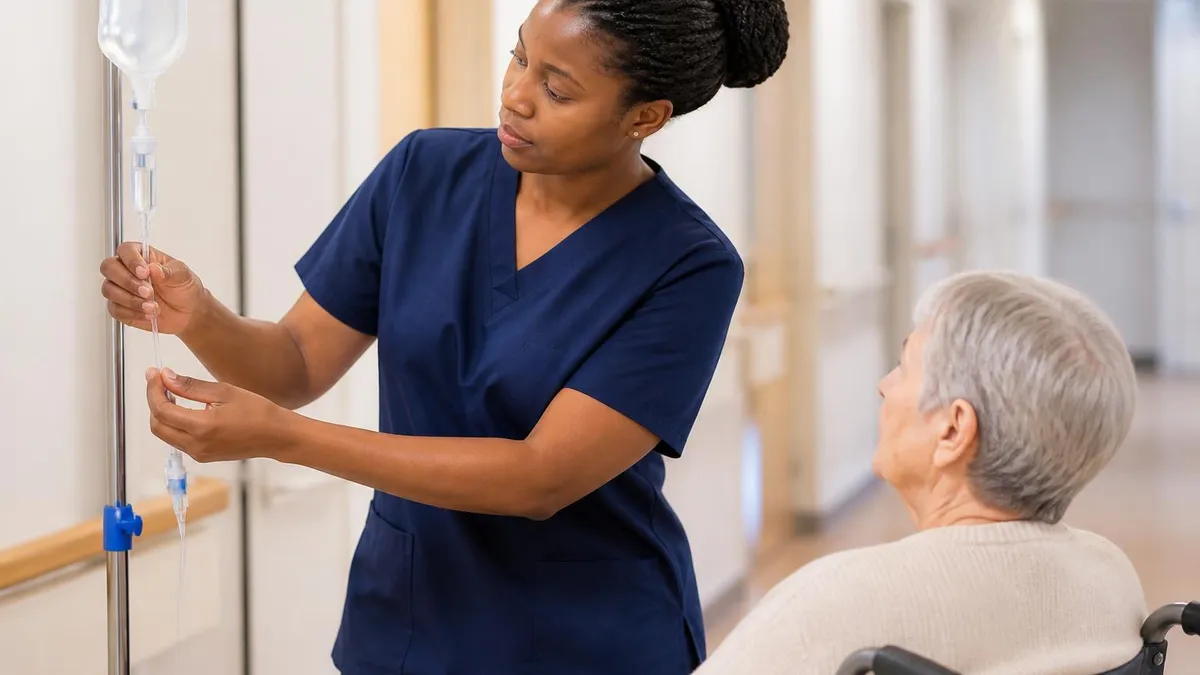
LPN Program Online: Complete 2026 Guide to Accredited Online LPN Programs

LPN Practice Test PDF (Free Printable 2026)
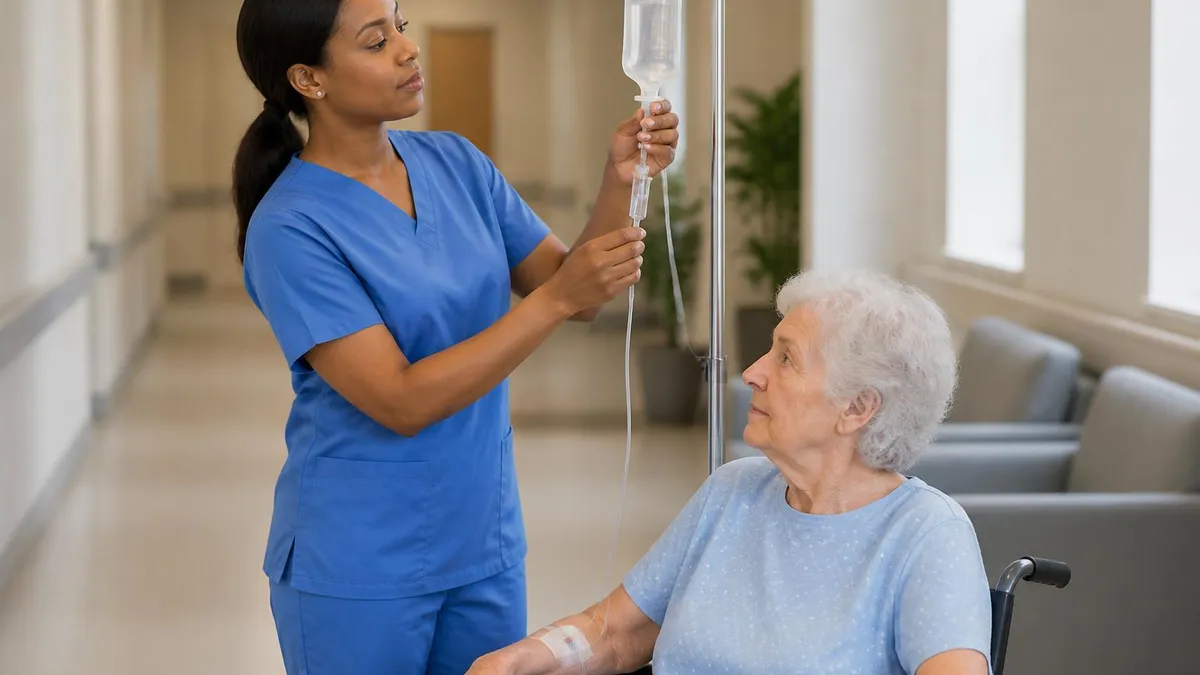
LPN to RN Bridge Programs Online: Complete 2026 Guide
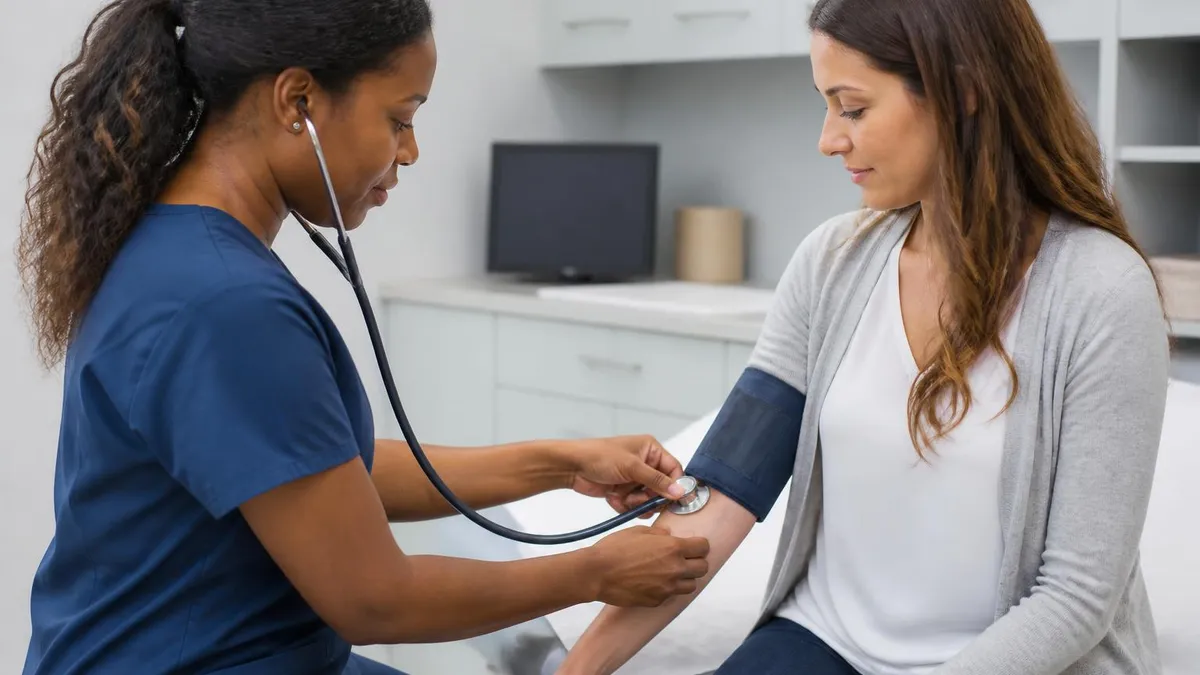
Travel LPN: Complete 2026 Guide to Becoming a Travel Licensed Practical Nurse
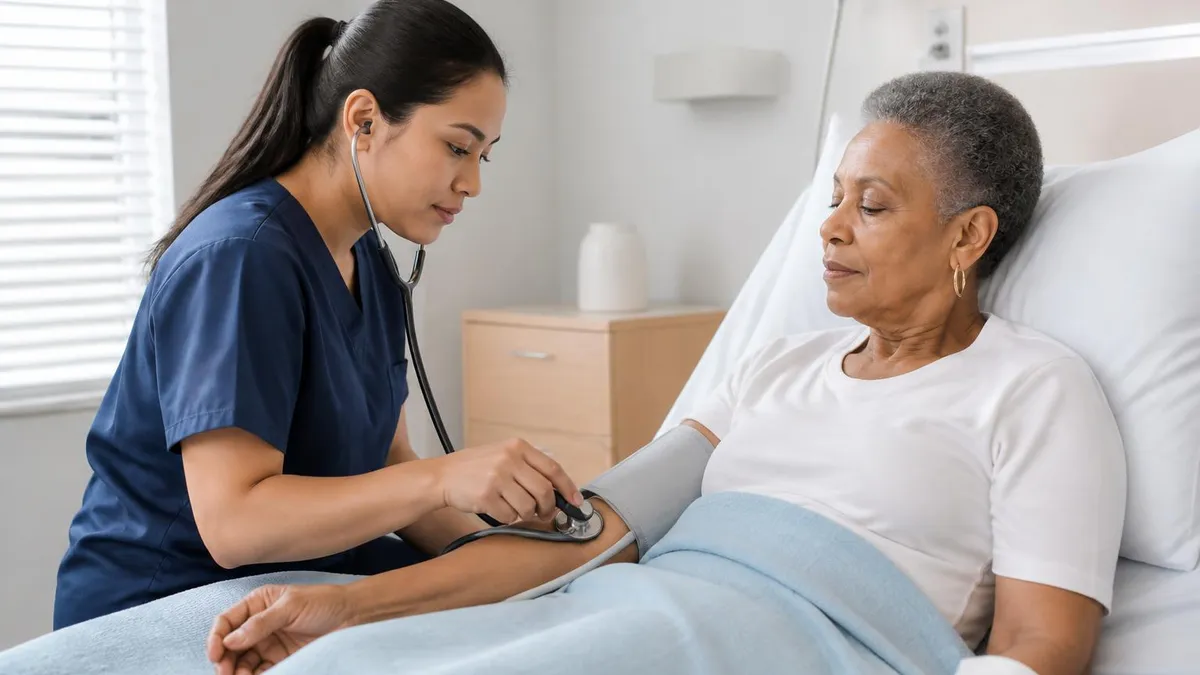
LPN Salary by Location: Charlotte, NC and Beyond (2026 Guide)
About the Author

Registered Nurse & Healthcare Educator
Johns Hopkins University School of NursingDr. Sarah Mitchell is a board-certified registered nurse with over 15 years of clinical and academic experience. She completed her PhD in Nursing Science at Johns Hopkins University and has taught NCLEX preparation and clinical skills courses for nursing students across the United States. Her research focuses on evidence-based exam preparation strategies for healthcare certification candidates.
Join the Discussion
Connect with other students preparing for this exam. Share tips, ask questions, and get advice from people who have been there.
View discussion (7 replies)