
LPN Hospital Jobs: Complete 2026 September Guide to Working as an LPN in a Hospital Setting
Explore LPN hospital jobs in 2026 September: 🟢 duties, salary ranges, hiring tips, and how to stand out in competitive hospital settings.

LPN hospital jobs remain some of the most in-demand positions in American healthcare, drawing thousands of licensed practical nurses into fast-paced clinical environments every year. Hospitals rely on LPNs to deliver hands-on bedside care, monitor patient vital signs, administer medications under RN supervision, and serve as a consistent, compassionate presence for patients navigating stressful medical situations. With the U.S. Bureau of Labor Statistics projecting continued growth in nursing occupations through 2032, now is an excellent time to understand what hospital work truly looks like for an LPN.
Working in a hospital is fundamentally different from working in a long-term care facility, physician's office, or home health setting. The pace is faster, the patient acuity is often higher, and the interdisciplinary teamwork requirements are more intense. LPNs in hospitals must be comfortable collaborating with registered nurses, physicians, respiratory therapists, pharmacists, and social workers — all while keeping their own assigned patient load organized and safe. Communication skills, clinical precision, and emotional resilience are non-negotiable in this environment.
Hospital LPN roles vary widely by department and institution. Medical-surgical units are the most common placement, but LPNs also work in oncology, rehabilitation, pediatrics, labor and delivery support roles, and outpatient hospital clinics. Each department has its own rhythm, patient population, and skill demands. Understanding which unit aligns with your strengths and career goals will help you target your job search strategically and perform better during interviews with nurse managers.
Compensation for LPNs in hospital settings tends to run slightly higher than non-hospital LPN roles because hospitals typically offer shift differentials for evenings, nights, weekends, and holidays. An LPN working a full-time night shift in a large urban hospital might earn $6–$10 more per hour than a day-shift clinic LPN — a meaningful difference over the course of a year. Benefits packages at hospitals, including health insurance, tuition reimbursement, and retirement plans, also tend to be more comprehensive than those offered by smaller outpatient providers.
The NCLEX-PN examination is the gateway credential every LPN must hold before applying to any hospital position. Your exam scores and the quality of your clinical rotations during your practical nursing program will both influence how competitive you look on paper. Many hospitals also value certifications such as Basic Life Support (BLS), intravenous therapy certification, or wound care credentials when reviewing LPN candidates. Having these on your resume before you apply can shorten your time-to-hire considerably and demonstrate proactive professional development.
State practice acts play a critical role in shaping what LPNs can and cannot do in hospital settings. In some states, LPNs are authorized to perform IV medication administration, insert urinary catheters, or manage tracheostomy care with additional training. In others, scope of practice is more restrictive, meaning RN supervision is required for a wider range of tasks. Before accepting any hospital position, research your state's Nurse Practice Act carefully so you understand your legal scope and can ask informed questions during the onboarding process.
This guide covers everything you need to know about pursuing hospital employment as an LPN — from the types of units that commonly hire LPNs, to salary expectations by region, to practical strategies for landing your first hospital role or transitioning from a long-term care background. Whether you are a new graduate or an experienced LPN looking to make a career move, the information ahead will help you approach your job search with clarity and confidence.
LPN Hospital Jobs by the Numbers
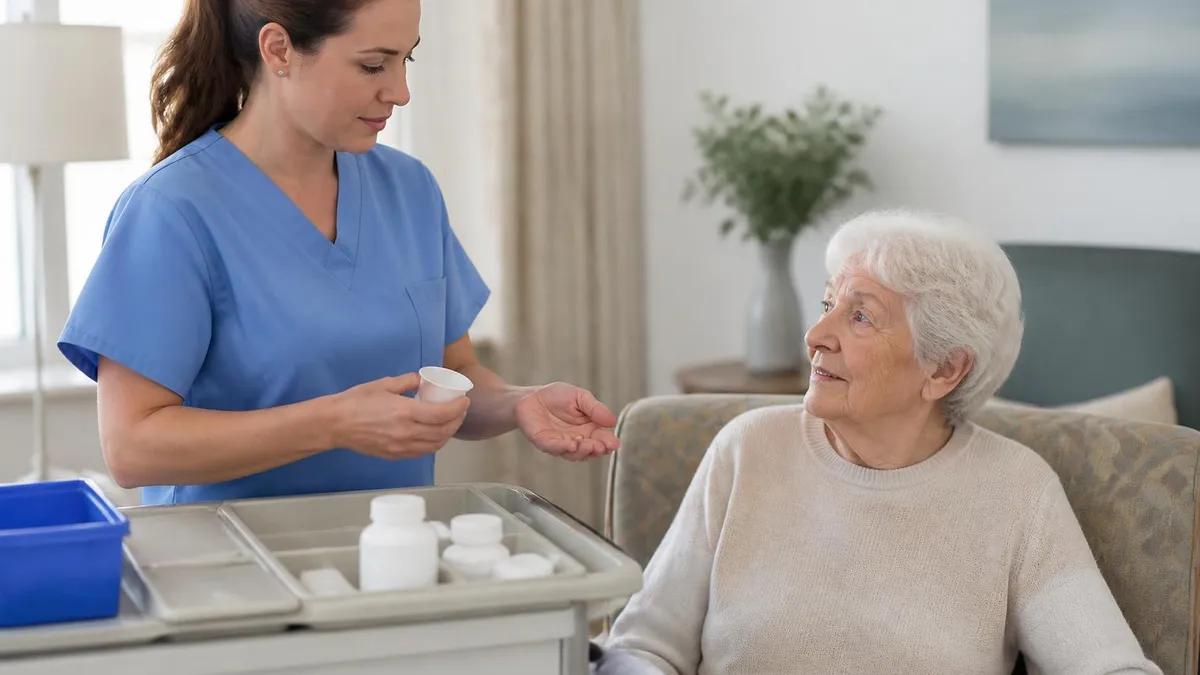
Types of Hospital Units That Hire LPNs
The most common LPN placement in hospitals. Med-surg floors handle a broad range of adult patients recovering from surgery or managing chronic conditions. LPNs provide wound care, medication administration, vital sign monitoring, and post-operative support alongside RN team members.
Inpatient rehab departments serve patients recovering from strokes, orthopedic surgeries, and traumatic injuries. LPNs assist with mobility exercises, medication schedules, and activities of daily living while coordinating closely with physical and occupational therapists on patient progress.
Cancer units require LPNs skilled in symptom management, chemotherapy side-effect monitoring, and compassionate end-of-life support. LPNs here work under careful RN and physician oversight, tracking lab values, managing pain protocols, and providing emotionally supportive bedside care.
Many large hospital systems operate specialty outpatient clinics for cardiology, orthopedics, and wound care. LPNs in these settings conduct patient intake assessments, perform EKGs, change dressings, and educate patients on discharge instructions in a less acute but still clinically rich environment.
LTAC units within hospital systems serve medically complex patients requiring extended stays. LPNs manage tracheostomy care, ventilator support tasks within scope, feeding tube maintenance, and wound care over weeks or months, building deep patient relationships uncommon on short-stay units.
Hospital LPN salary figures vary significantly depending on geographic location, type of facility, shift assignment, and years of experience. According to Bureau of Labor Statistics data from 2024, the national median annual wage for licensed practical and licensed vocational nurses across all settings is approximately $57,790, but hospital-based LPNs frequently earn more due to shift differentials and robust benefits packages. In high cost-of-living states like California, Massachusetts, and Washington, experienced hospital LPNs regularly earn $70,000 or more annually when overtime is factored in.
Entry-level LPNs accepting their first hospital position typically start between $22 and $28 per hour depending on state and facility size. Teaching hospitals and large urban medical centers tend to offer the highest base wages because they compete aggressively for clinical talent. Community hospitals in rural areas may offer slightly lower base pay but often compensate with sign-on bonuses ranging from $2,500 to $10,000 for nurses willing to commit to a multi-year employment contract. Always evaluate the full compensation package, not just the hourly rate, when comparing offers.
Shift differentials represent one of the most financially impactful elements of hospital LPN compensation. Most hospitals pay an additional $2–$4 per hour for evening shifts (typically 3pm–11pm), $4–$8 per hour for overnight shifts (11pm–7am), and $3–$6 per hour for weekend assignments. An LPN working four twelve-hour weekend night shifts per week could effectively earn $8–$14 more per hour than a weekday day-shift colleague with identical base pay. Over a full year, that differential can add $15,000 or more to total compensation.
Benefits packages at hospitals are another significant source of total compensation value. Most hospital systems offer employer-subsidized health, dental, and vision insurance; retirement plans with employer matching contributions; paid time off accrual; and tuition reimbursement programs worth $2,000–$10,000 annually. The tuition reimbursement benefit is particularly valuable for LPNs who plan to pursue an LPN-to-RN bridge program, as it can dramatically reduce or eliminate out-of-pocket education costs while you continue working full-time or part-time in your current hospital role.
Geographic variation in LPN hospital wages is substantial. The five highest-paying states for LPNs overall are California ($70,400 median), Massachusetts ($65,120), Alaska ($64,880), Nevada ($62,110), and New Jersey ($61,980). However, cost of living adjustments matter — an LPN earning $58,000 in rural Tennessee may have a higher effective purchasing power than one earning $68,000 in the San Francisco Bay Area. Using tools like the MIT Living Wage Calculator alongside state wage data gives you a clearer picture of real-world financial outcomes by location.
Hospital LPNs who invest in specialty certifications often see measurable salary bumps. Intravenous therapy certification, wound ostomy and continence nursing certification, and gerontological nursing credentials are among the credentials most valued by hospital hiring managers. Some facilities offer pay grades that automatically increase base hourly rates by $1–$3 per hour upon verification of relevant certifications. These investments — typically costing $200–$800 and requiring 20–40 hours of study — can pay for themselves within a single month of employment at the higher wage tier.
Overtime availability is another financial factor that hospital LPNs should understand before accepting a position. Hospitals operate twenty-four hours a day, seven days a week, and census fluctuations frequently create opportunities for voluntary overtime shifts. Many hospital LPNs supplement their scheduled income with two to four extra shifts per month, easily adding $500–$1,500 to their monthly take-home pay. Mandatory overtime policies also exist at some facilities, so asking about the facility's overtime culture during your interview will help you anticipate workload and set realistic financial expectations.
LPN Practice Test Questions
Prepare for the LPN - Certified Practical Nurse exam with our free practice test modules. Each quiz covers key topics to help you pass on your first try.
LPN - Certified Practical Nurse Basic Care...
LPN Exam Questions covering - Certified Practical Nurse Basic Care and Comfort. Master LPN Test concepts for certification prep.
LPN - Certified Practical Nurse Coordinate...
Free LPN Practice Test featuring - Certified Practical Nurse Coordinated Care. Improve your LPN Exam score with mock test prep.
LPN - Certified Practical Nurse Health Pro...
LPN Mock Exam on - Certified Practical Nurse Health Promotion and Maintenance. LPN Study Guide questions to pass on your first try.
LPN - Certified Practical Nurse Pharmacolo...
LPN Test Prep for - Certified Practical Nurse Pharmacological Therapies. Practice LPN Quiz questions and boost your score.
LPN - Certified Practical Nurse Physiologi...
LPN Questions and Answers on - Certified Practical Nurse Physiological Adaptation. Free LPN practice for exam readiness.
LPN - Certified Practical Nurse Psychosoci...
LPN Mock Test covering - Certified Practical Nurse Psychosocial Integrity. Online LPN Test practice with instant feedback.
LPN - Certified Practical Nurse Reduction ...
Free LPN Quiz on - Certified Practical Nurse Reduction of Risk Potential. LPN Exam prep questions with detailed explanations.
LPN - Certified Practical Nurse Safety and...
LPN Practice Questions for - Certified Practical Nurse Safety and Infection Control. Build confidence for your LPN certification exam.
LPN Ethical, Legal & Professional Standards
LPN Test Online for Ethical, Legal & Professional Standards. Free practice with instant results and feedback.
LPN Health Evaluation & Monitoring
LPN Study Material on Health Evaluation & Monitoring. Prepare effectively with real exam-style questions.
LPN Hospital Duties: What You Do on Each Shift
Day shift LPNs in hospital settings typically receive a detailed handoff report from the outgoing night nurse, then begin their shift by assessing each assigned patient, checking vital signs, reviewing the medication administration record, and confirming that all ordered labs and diagnostic tests have been collected. The morning period is the busiest window for physician rounds, family visits, and patient education, requiring excellent time management and communication skills.
Afternoon hours on the day shift are often dedicated to wound care, discharge planning coordination with case managers, and documentation review. LPNs facilitate patient transport to imaging or physical therapy, assist with meal intake and hygiene, and prepare patients who are being discharged by reviewing home-care instructions. Day shift LPNs regularly interact with the highest volume of ancillary staff — pharmacists, social workers, therapy teams — making interpersonal collaboration central to the role.
Pros and Cons of LPN Hospital Jobs
- +Higher base wages and shift differentials compared to most non-hospital LPN settings
- +Access to comprehensive benefits including health insurance and tuition reimbursement
- +Exposure to high-acuity patients builds clinical skills rapidly
- +Opportunities to work across multiple departments and specialty units
- +Strong interdisciplinary teamwork environment improves professional development
- +Many hospitals offer clear pathways for LPN-to-RN advancement with financial support
- −Higher patient acuity creates more physical and emotional demands per shift
- −Hospital bureaucracy and documentation requirements can be time-consuming
- −Mandatory overtime and understaffing are common challenges at many facilities
- −Night and weekend shifts are often required, especially for new hires with low seniority
- −Scope of practice limitations mean LPNs cannot perform all desired clinical tasks
- −Competitive hiring markets in some metro areas make entry-level hospital roles hard to land
How to Get Hired at a Hospital as an LPN
- ✓Earn your LPN license by passing the NCLEX-PN with a score that reflects strong clinical readiness.
- ✓Obtain and maintain current BLS (Basic Life Support) certification before applying to any hospital position.
- ✓Complete IV therapy certification if your state permits LPN IV administration — it dramatically increases your marketability.
- ✓Tailor your resume to highlight any hospital-based clinical rotation hours from your LPN program.
- ✓Research the hospital's specific units, mission, and patient population before your interview.
- ✓Prepare clinical scenario answers using the STAR method (Situation, Task, Action, Result) for behavioral interview questions.
- ✓Apply to both direct LPN openings and float pool positions, which often have faster hiring timelines.
- ✓Connect with nurse recruiters at target hospitals via LinkedIn and career fairs before positions open.
- ✓Follow up with a thank-you email within 24 hours of every interview, referencing specific conversation points.
- ✓Request informational interviews with current hospital LPNs to understand unit culture and expectations before accepting an offer.
New Graduate LPNs: Target Medical-Surgical Units First
Medical-surgical floors hire more LPNs than any other hospital department and provide the broadest possible clinical foundation. Spending 12–24 months on a med-surg unit builds the assessment skills, time management habits, and interdisciplinary communication experience that make LPNs competitive for specialty units — and for LPN-to-RN bridge programs — later in their careers.
Succeeding as an LPN in a hospital setting requires a specific combination of technical competencies and interpersonal capabilities that go well beyond what classroom instruction alone can develop. Clinical assessment is the bedrock skill — the ability to recognize a subtle change in a patient's respiratory pattern, skin color, level of consciousness, or pain behavior before vital signs formally deteriorate can be the difference between a managed deterioration and a code blue. Hospital LPNs are often the first to notice these changes, and their observations directly inform the RN's and physician's decision-making.
Time management under pressure is a skill that separates good hospital LPNs from exceptional ones. A typical medical-surgical LPN may be responsible for eight to twelve patients per shift depending on staffing ratios, each with their own medication schedule, wound care protocol, and documentation requirements. Prioritizing tasks systematically — distinguishing between what is urgent and time-sensitive versus what can be safely deferred — is something experienced LPNs develop over months and years of practice, but new graduates can accelerate this learning by shadowing experienced nurses during orientation and actively asking why certain tasks are sequenced the way they are.
Communication skills are equally important. Hospital LPNs communicate upward to RNs and physicians, laterally to other LPNs and ancillary staff, and downward to patient care technicians and nursing assistants. Each of these communication channels has its own norms and expectations. SBAR (Situation, Background, Assessment, Recommendation) is the structured communication framework used in most hospital settings when escalating concerns to a physician or rapid response team, and LPNs who internalize this framework speak the language that busy clinicians need to hear quickly.
Emotional intelligence and compassionate presence are skills that patients notice immediately and that hospital administrators now actively measure through patient satisfaction surveys. LPNs who take thirty seconds to make genuine eye contact, explain what they are about to do before doing it, and ask patients whether they have any questions before leaving the room consistently generate higher patient satisfaction scores — scores that affect hospital reimbursement rates under value-based care models. Treating emotional attentiveness as a clinical skill, not a personality bonus, is a mindset shift that helps LPNs thrive in hospital environments.
Electronic health record (EHR) proficiency is a non-negotiable technical skill in modern hospitals. The majority of large hospital systems use Epic, Cerner, or Meditech as their EHR platform. LPNs who arrive at a new position already familiar with these systems — either from clinical rotations or prior employment — reduce their onboarding time significantly and make a stronger impression during their first 90 days. If your LPN program did not provide hands-on EHR training, seek out free or low-cost online tutorials before beginning your job search.
Critical thinking and clinical judgment are the skills that hospital nurse managers evaluate most carefully when deciding whether to retain or promote an LPN. These are not passive traits — they are developed through deliberate reflection on clinical experiences, reading case studies, seeking feedback from preceptors, and staying current with evidence-based practice guidelines. Subscribing to nursing journals, attending hospital-sponsored continuing education events, and participating in unit-level quality improvement projects are all practical ways hospital LPNs demonstrate and sharpen these capabilities over time.
Cultural competency and patient-centered communication round out the skill set that modern hospital LPNs need. American hospitals serve increasingly diverse patient populations with varied health literacy levels, language barriers, religious considerations, and cultural beliefs about illness and treatment. LPNs who approach each patient interaction with genuine curiosity about the individual's background and preferences — and who advocate for interpreter services, culturally appropriate meal accommodations, or family-centered care modifications when needed — deliver higher quality care and build stronger therapeutic relationships throughout the patient's hospital stay.
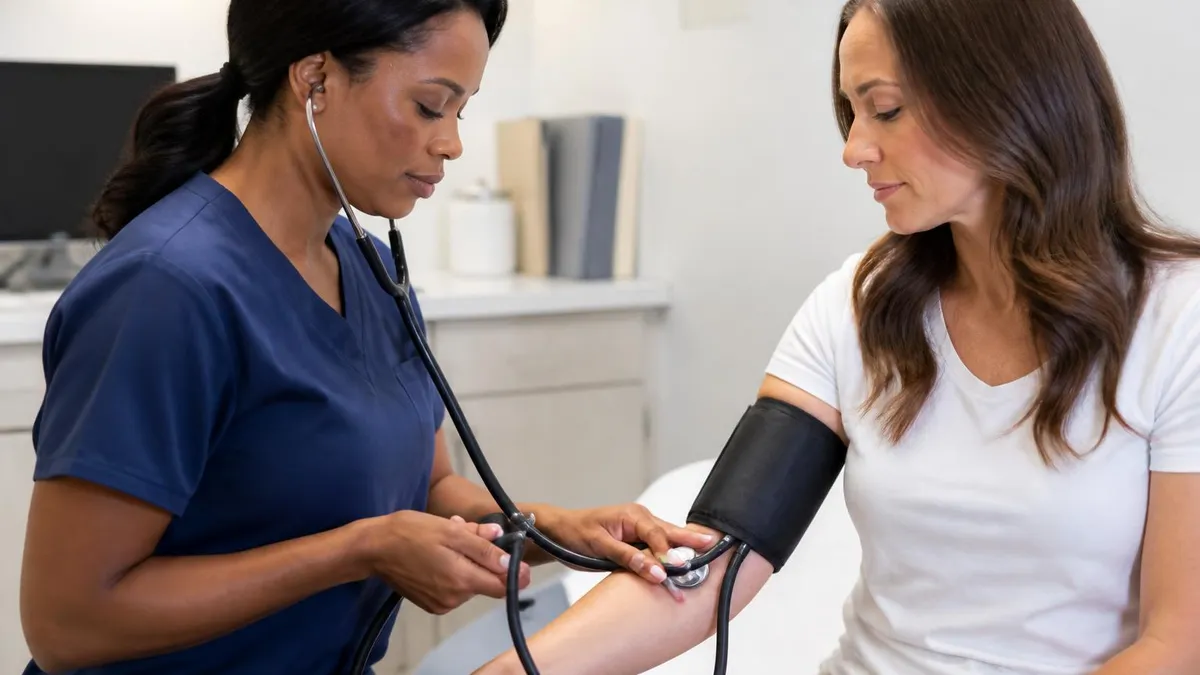
LPN scope of practice in hospital settings varies significantly by state. Some states prohibit LPNs from administering IV push medications or performing initial patient assessments independently, while others permit a broader range of tasks with documented competency. Always review your state's Nurse Practice Act and ask your prospective employer specifically what tasks LPNs are authorized to perform at that facility before signing an employment contract.
For many LPNs, a hospital position is not a career endpoint but a launching pad for advancement. The hospital environment provides unmatched exposure to complex patient care, interdisciplinary collaboration, and clinical skill-building — all of which create a strong foundation for the next step in a nursing career.
One of the most common advancement pathways is enrolling in an LPN-to-RN bridge program while continuing to work in a hospital role, often with employer tuition assistance covering a significant portion of program costs. Registered nurses earn substantially higher wages and carry a broader scope of practice, making this transition one of the highest-return educational investments available in the nursing profession today.
Hospital LPNs who demonstrate leadership potential often move into charge nurse roles or shift supervisor positions, particularly on units where LPN staffing is significant. While hospitals increasingly require RN credentials for formal leadership titles, LPNs with five or more years of hospital experience regularly serve as informal mentors for new graduates, precept orientees, and lead their section during short-staffed shifts. This informal leadership experience is valuable currency when applying to RN programs or seeking lateral transfers to higher-acuity units.
Specialty certification is another advancement pathway that hospital LPNs can pursue without changing employers or returning to school for a degree. Organizations like the National Association for Practical Nurse Education and Service (NAPNES) and the American Association of Medical Assistants offer credentials relevant to LPN practice. Wound care, IV therapy, and long-term care certifications are among the most accessible and employer-valued credentials, and hospitals with structured career ladder programs may reward these achievements with automatic pay grade increases and preferred shift assignments.
Transitioning from a medical-surgical background to a specialty unit is another form of hospital career advancement. LPNs who build strong foundations on general floors and then seek cross-training in oncology, rehabilitation, or outpatient surgery settings expand both their clinical competency and their earning potential. Many hospitals have formal cross-training programs that allow LPNs to float between units, earning the float pool premium pay rate while diversifying their skill set in preparation for future specialty positions or RN program clinical rotations.
Travel LPN assignments within hospital settings represent an increasingly popular career advancement strategy. Staffing agencies place LPNs on 13-week contracts at hospitals experiencing short-term census surges, opening new units, or covering staff shortages during peak illness seasons. Travel assignments typically pay significantly above local market rates — often $35–$55 per hour plus housing stipends and travel reimbursement — while exposing LPNs to different hospital systems, electronic health records, and patient populations. The experience gained from multiple travel assignments is highly valued by nurse managers reviewing applications for permanent specialty positions.
Professional networking through hospital-based nursing organizations accelerates career advancement for LPNs willing to invest time beyond their clinical shifts. Many hospital systems have professional practice councils, nursing shared governance committees, and employee resource groups that welcome LPN participation. Joining these bodies connects LPNs with decision-makers, exposes them to system-level quality improvement initiatives, and builds the professional reputation that leads to preferential consideration when leadership or specialty positions open internally.
Continuing education remains the most fundamental investment any hospital LPN can make in long-term career advancement. Most states require 20–30 continuing education hours for license renewal every two years, but high-performing LPNs often complete significantly more. Topics like sepsis recognition, fall prevention, pressure injury staging, pain management, and culturally competent care are perennially relevant to hospital practice and consistently available through free or low-cost online platforms. Staying current with evidence-based guidelines not only protects patient safety but also makes LPNs more credible clinical contributors during interdisciplinary rounds and care conferences.
Preparing effectively for NCLEX-PN is the single most important thing an LPN candidate can do to qualify for competitive hospital positions, and the preparation strategies that work best mirror the kind of thinking hospitals actually require from their nursing staff. Rather than memorizing isolated facts, successful NCLEX-PN candidates focus on applying clinical knowledge to patient scenarios — identifying the priority action, recognizing safety threats, and understanding the rationale behind nursing interventions. This same scenario-based thinking is exactly what hospital nurse managers assess during behavioral interviews.
Practice testing is the most evidence-supported preparation method for any high-stakes professional examination. Repeatedly working through NCLEX-PN-style questions under timed conditions trains your brain to process clinical information quickly and accurately, identify distractor answers that sound plausible but contain subtle errors, and prioritize among multiple correct-seeming options using frameworks like Maslow's hierarchy of needs and the nursing process. Students who complete 2,000 or more practice questions before their exam date consistently outperform those who rely primarily on content review alone.
Weak content areas deserve disproportionate study time. After completing a set of practice questions, review every incorrect answer carefully — not just to understand the right answer, but to understand exactly why your chosen answer was wrong. Pattern recognition in your mistakes is how you identify systemic knowledge gaps. Common high-yield areas for NCLEX-PN include pharmacological therapies, infection control, safety and risk reduction, physiological adaptation, and psychosocial integrity — all domains that also directly apply to daily hospital nursing practice.
Study groups and peer learning accelerate NCLEX-PN preparation when structured around active recall rather than passive review. Working through case studies aloud with classmates, quizzing each other on medication classifications and their nursing implications, and taking turns explaining rationales for priority-setting decisions all strengthen long-term retention far more than rereading textbook chapters. Many successful NCLEX-PN candidates credit collaborative study with classmates as the single most effective preparation strategy beyond solo practice testing.
Physical and mental health during exam preparation should not be treated as optional. The NCLEX-PN is a computerized adaptive test that can run up to five hours for candidates who need additional questions to establish competency. Cognitive fatigue management — including adequate sleep, regular physical activity, and strategic breaks during intensive study weeks — directly affects the quality of your reasoning under exam-day pressure. Building self-care into your study schedule is not indulgent; it is a performance optimization strategy that experienced test-takers consistently endorse.
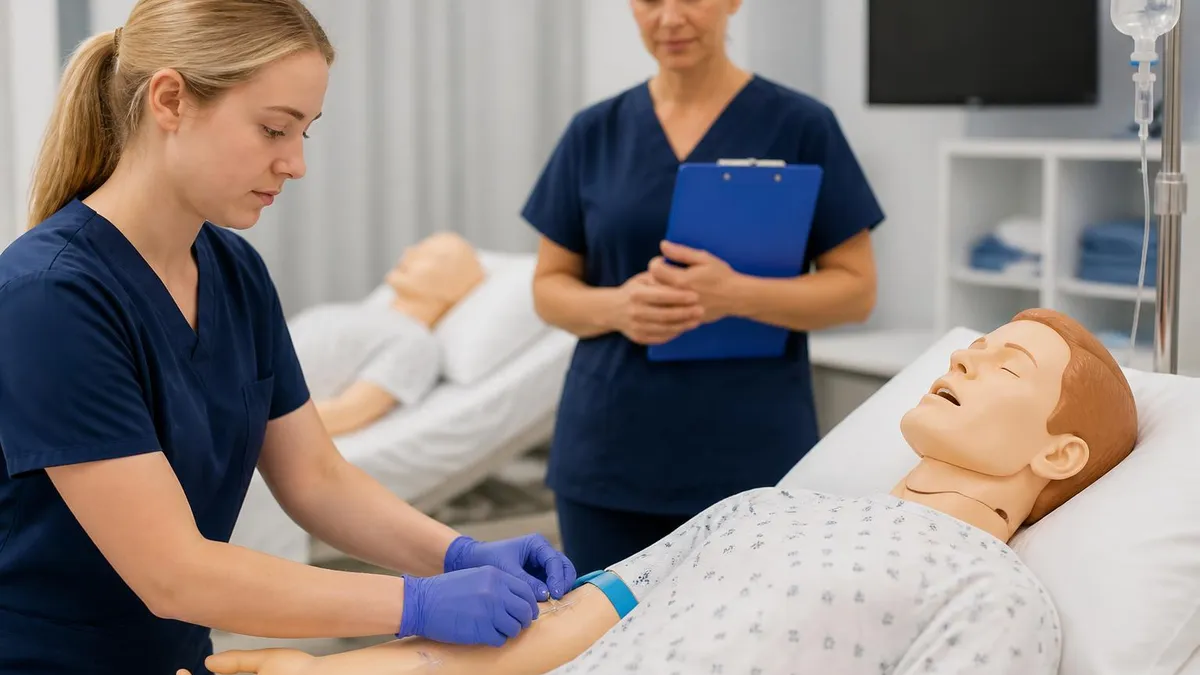
Simulation labs and high-fidelity mannequin exercises, where available, provide a uniquely effective form of NCLEX-PN and hospital-readiness preparation that combines cognitive and psychomotor skill practice simultaneously. If your LPN program offered simulation lab access, consider requesting additional practice hours before graduation.
Some community colleges and nursing schools offer simulation lab access to alumni or non-enrolled students at low cost, providing an invaluable opportunity to practice clinical scenarios — such as recognizing a deteriorating patient, initiating a rapid response, or managing a medication error — in a safe, supervised environment before encountering these situations for the first time on a real hospital unit.
After passing the NCLEX-PN and securing your first hospital position, the orientation period is your most important professional investment. Most hospital LPN orientation programs run four to twelve weeks depending on unit complexity, and the relationships you build with your preceptor and charge nurses during this window will shape your clinical habits for years.
Ask questions constantly, never assume what you don't know, seek feedback proactively at the end of every shift, and document your early learning milestones in a personal journal — the insights you capture during orientation will serve as a reference when you later become a mentor to new graduates yourself.
LPN Questions and Answers
LPN Program Online: Complete 2026 Guide to Accredited Online LPN Programs

LPN Practice Test PDF (Free Printable 2026)
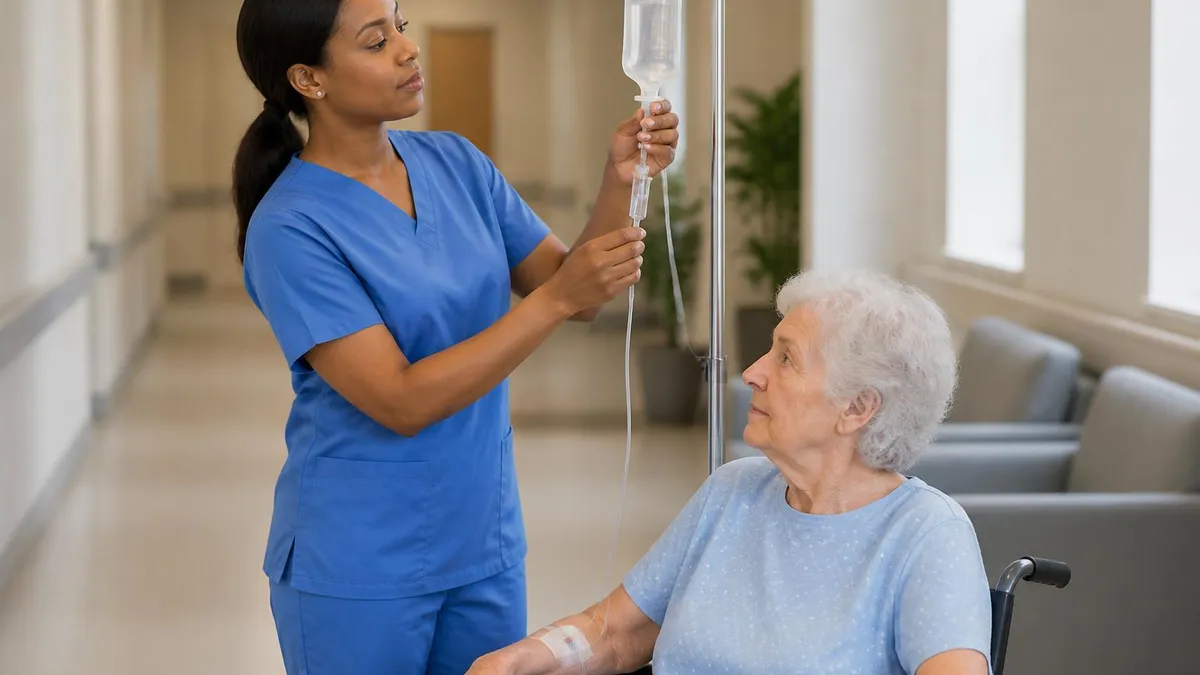
LPN to RN Bridge Programs Online: Complete 2026 Guide
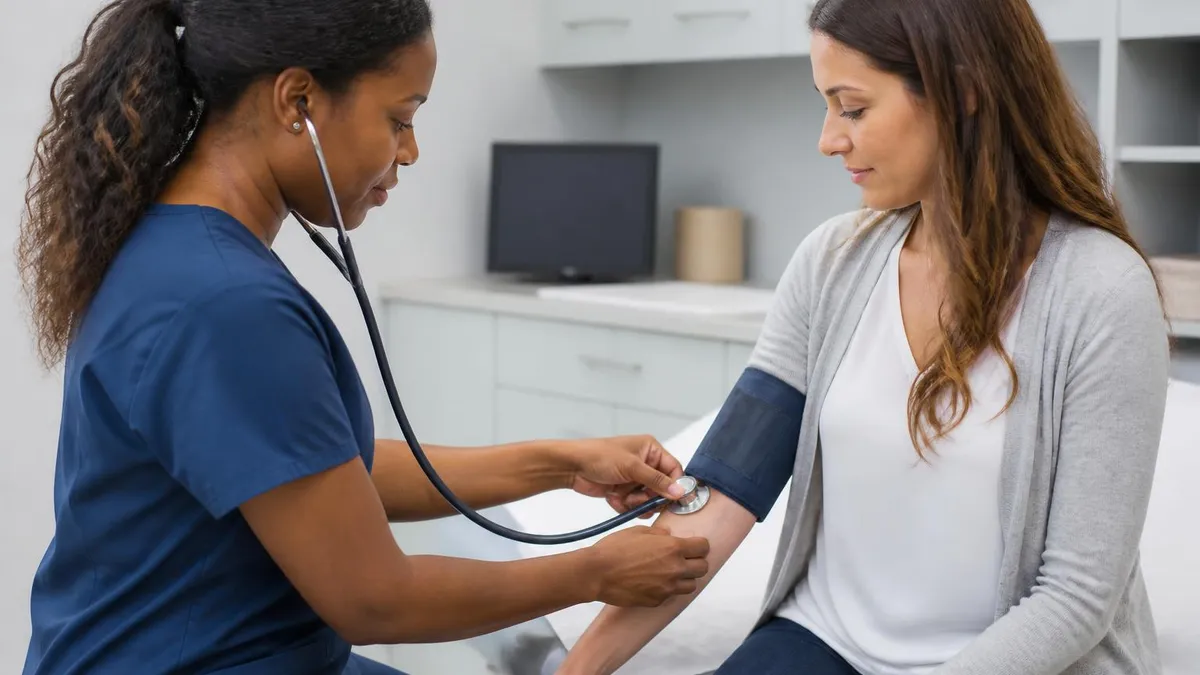
Travel LPN: Complete 2026 Guide to Becoming a Travel Licensed Practical Nurse
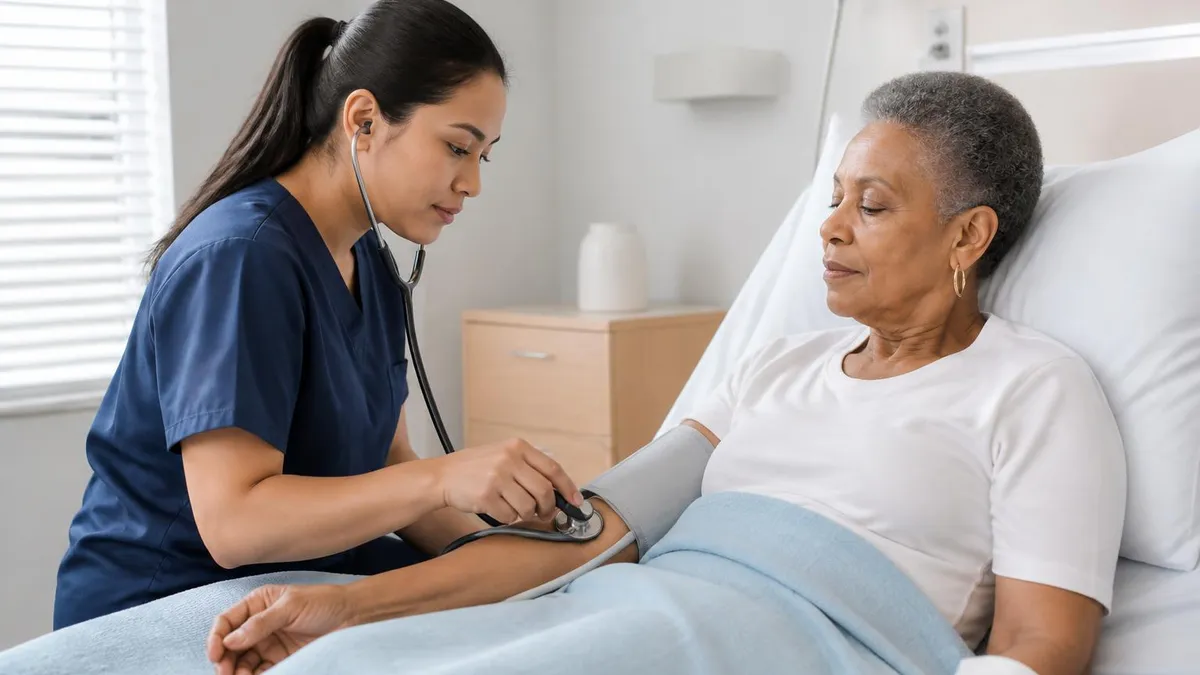
LPN Salary by Location: Charlotte, NC and Beyond (2026 Guide)
About the Author

Registered Nurse & Healthcare Educator
Johns Hopkins University School of NursingDr. Sarah Mitchell is a board-certified registered nurse with over 15 years of clinical and academic experience. She completed her PhD in Nursing Science at Johns Hopkins University and has taught NCLEX preparation and clinical skills courses for nursing students across the United States. Her research focuses on evidence-based exam preparation strategies for healthcare certification candidates.
Join the Discussion
Connect with other students preparing for this exam. Share tips, ask questions, and get advice from people who have been there.
View discussion (7 replies)