

IV Practice Test
Updated October 2026Facts verified Oct 25, 2026 against Infusion Nurses Certification Corporation
IV: upcoming dates and official changes
- Nov 11, 2026 – Jan 10, 2027: For the March CRNI® exam, early-bird registration closes November 10 and regular registration runs November 11 to January 10.[1]
- The CRNI® exam has 140 items, of which 120 are scored and 20 are pretest items.[1]
- The CRNI® minimum passing score is set by the Angoff criterion-referenced method and may vary slightly by exam form.[1]
- Previously unsuccessful CRNI® candidates automatically get a $50 discount on the exam fee.[1]
- Candidates who fail the CRNI® exam may reapply for the next administration and may test an unlimited number of times while they remain eligible.[1]
- The CRNI® credential is valid for three years, effective April 1 for March passers and October 1 for September passers.[1]
- The CRNI® exam is administered by computer at a PSI Assessment Center.[1]
- CRNI® applicants need a current, active, unrestricted RN license and at least 1,600 hours of infusion therapy experience as an RN within the past two years.[1]
- CRNI® candidates receive a pass/fail score report from the testing supervisor right after finishing the exam.[1]
- For the March CRNI® exam, early-bird registration closes November 10 and regular registration runs November 11 to January 10.[1]
Numbers in brackets link to the official sources listed under Sources & last verified. Dates that have passed are removed automatically.
IV Exam at a Glance
| Item | Detail | Source · Verified |
|---|---|---|
| Number of questions | 140 items (120 scored + 20 pretest)[1] | Infusion Nurses Certification Corporation · Oct 25, 2026 |
| Passing score | Criterion-referenced (Angoff); no fixed published number[1] | Infusion Nurses Certification Corporation · Oct 25, 2026 |
| Retake fee | $50 discount on application fee[1] | Infusion Nurses Certification Corporation · Oct 25, 2026 |
| Retake policy | Reapply for next administration; unlimited attempts while eligible[1] | Infusion Nurses Certification Corporation · Oct 25, 2026 |
| Validity | 3 years (from April 1 or October 1)[1] | Infusion Nurses Certification Corporation · Oct 25, 2026 |
| Delivery | Computer-based at PSI Assessment Centers[1] | Infusion Nurses Certification Corporation · Oct 25, 2026 |
| Eligibility | Active unrestricted RN license + 1,600 infusion hours in past 2 years[1] | Infusion Nurses Certification Corporation · Oct 25, 2026 |
| Score release | Pass/fail score report at the test center right after the exam[1] | Infusion Nurses Certification Corporation · Oct 25, 2026 |
| Registration deadline | Early bird by Nov 10; regular Nov 11 – Jan 10 (March exam)[1] | Infusion Nurses Certification Corporation · Oct 25, 2026 |
| Testing window | March and September each year[2] | Infusion Nurses Certification Corporation · Oct 25, 2026 |
What changed for IV in 2026
- Oct 25, 2026: Registration deadline changed to Early bird by Nov 10; regular Nov 11 – Jan 10 (March exam) (previously Early bird by Nov 10, 2026; regular Nov 11, 2026 – Jan 10, 2027 (March 2027 exam)).[1]
- Oct 25, 2026: Number of questions changed to 140 items (120 scored + 20 pretest) (previously 140 multiple-choice items (120 scored + 20 pretest)).[1]
- Oct 25, 2026: Passing score changed to Criterion-referenced (Angoff); no fixed published number (previously Criterion-referenced cut score (Angoff method); may vary slightly by exam form).[1]
- Oct 25, 2026: Retake fee changed to $50 discount on application fee (previously $50 off the regular application fee).[1]
- Oct 25, 2026: Retake policy changed to Reapply for next administration; unlimited attempts while eligible (previously Reapply for the next administration; unlimited attempts while eligible).[1]
- Oct 25, 2026: Testing window changed to March and September each year (previously March and September each year (next: March 2027)).[2]
- Oct 25, 2026: Delivery changed to Computer-based at PSI Assessment Centers (previously Computer-based at PSI test centers (US, Canada, international)).[1]
- Oct 25, 2026: Eligibility changed to Active unrestricted RN license + 1,600 infusion hours in past 2 years (previously Active unrestricted RN license + 1,600 infusion-therapy hours as an RN in the past 2 years).[1]

Intravenous (IV) therapy is a crucial aspect of healthcare, providing a direct route to deliver fluids, medications, and nutrients into a patient’s bloodstream. This process allows for rapid and controlled administration, making it essential in settings such as emergency care, surgery, and chronic treatment management. For healthcare professionals, obtaining IV therapy certification not only enhances their expertise but also opens up specialized career opportunities in various medical settings. This guide offers an in-depth look into IV therapy certification, including the different types of IV therapy, the certification process, equipment essentials, and the career paths available to certified professionals. Whether you are a registered nurse, licensed practical nurse, or another healthcare worker, becoming IV (Intravenous Therapy Certified) is an invaluable credential that underscores your commitment to patient safety and quality care. Practice with the free Intravenous Therapy Certified practice test on PracticeTestGeeks (9 questions with answer explanations).
Free Intravenous Therapy Certified Study Tools
Interactive Intravenous Therapy Certified resources on PracticeTestGeeks, free to start:
- Intravenous Therapy Certified flashcards — review key terms and concepts card by card
- Intravenous Therapy Certified study guide — topic-by-topic overview of what the exam covers
- Intravenous Therapy Certified cheat sheet — one-page printable summary for last-minute review
According to Infusion Nurses Certification Corporation, “The 2.5-hour, computer based CRNI® exam consists of 140 items. Candidates are scored on 120 items.”[1]
IV Practice Test Questions
Prepare for the IV - Intravenous Therapy Certified exam with our free practice test modules. Each quiz covers key topics to help you pass on your first try.
IV Fluid & Electrolyte Balance
IV Exam Questions covering Fluid & Electrolyte Balance. Master IV Test concepts for certification prep.
IV Patient Assessment & Monitoring
Free IV Practice Test featuring Patient Assessment & Monitoring. Improve your IV Exam score with mock test prep.
IV Venous Access Devices
IV Mock Exam on Venous Access Devices. IV Study Guide questions to pass on your first try.
IV Complications & Adverse Events
IV Test Prep for IV Complications & Adverse Events. Practice IV Quiz questions and boost your score.
IV Equipment & Infusion Technology
IV Questions and Answers on IV Equipment & Infusion Technology. Free IV practice for exam readiness.
IV Infection Control & Sterile Technique
IV Mock Test covering IV Infection Control & Sterile Technique. Online IV Test practice with instant feedback.
IV Nutrition & Blood Products
Free IV Quiz on IV Nutrition & Blood Products. IV Exam prep questions with detailed explanations.
IV Site Care & Maintenance
IV Practice Questions for IV Site Care & Maintenance. Build confidence for your IV certification exam.
Worked examples: how to reason through IV questions
These are practice questions written for this site, not questions from the real exam. Each explanation shows why the right answer is right and why the others are wrong.
Example 1
Question: Which type of infusion pump delivers medication at precise low rates (e.g., 0.1 mL/hour) and is most appropriate for neonatal or critical care medication delivery?
- Volumetric pump
- Syringe pump
- Elastomeric pump
- Gravity drip set
Answer: B. Syringe pump
Explanation:
A syringe pump is correct because a motor drives the plunger in very small, steady steps, so it can deliver a rate like 0.1 mL/hour accurately. That suits neonatal and critical care medication delivery.
A volumetric pump is built for larger volumes and is not the usual choice for very small, precise rates. An elastomeric pump relies on balloon pressure, so its rate is fixed and less adjustable. A gravity drip set depends on drop counting and the height of the bag, which is the least precise option.
Rule to remember: the smaller the volume and the higher the risk to the patient, the more you want a controlled, motor-driven device rather than a passive one.
Example 2
Question: Which IV access device is most commonly recommended for pediatric oncology patients requiring long-term IV therapy?
- Peripheral short catheter
- Midline catheter
- Implanted port (Port-a-Cath)
- Scalp vein needle
Answer: C. Implanted port (Port-a-Cath)
Explanation:
An implanted port is correct. It sits under the skin and is accessed only when needed, which lowers infection risk and protects veins across repeated treatment cycles.
A peripheral short catheter is meant for short-term use and would need replacing again and again, which wears out the veins. A midline catheter is suited to a limited period, not long-term therapy. A scalp vein needle is a short-term device for brief access and is not designed to stay in place for ongoing treatment.
Rule to remember: match the device to the expected duration and the type of therapy. Long courses of repeated treatment point toward a central, long-term device.
Example 3
Question: When calculating IV fluid requirements using the Holliday-Segar method for a 25 kg pediatric patient, what is the correct daily fluid maintenance rate?
- 1000 mL/day
- 1500 mL/day
- 1600 mL/day
- 2500 mL/day
Answer: C. 1600 mL/day
Explanation:
1600 mL/day is correct. The Holliday-Segar method is tiered: a high rate per kilogram for the first band of body weight, a lower rate for the next band, and the lowest rate for whatever weight remains. You add the tiers together.
1000 mL/day counts only the first band and ignores the rest of the child's weight. 1500 mL/day adds the second band but leaves out the remaining weight. 2500 mL/day applies the highest per-kilogram rate to the whole body weight, which overshoots badly.
Rule to remember: do not apply a single rate to the whole weight. Split the weight into bands, calculate each, add them, and check that your answer is sensible for the child's size.
How to use these practice tests
Start with the official handbook from the Infusion Nurses Certification Corporation. Read the eligibility, format and registration sections so you know the dates and rules that apply to your administration, then use the exam content outline in the handbook to list your weaker areas.
Next, work through our practice sets by topic rather than in random order. Begin with a set you feel fairly sure about to get used to the question style, then move to the areas where you hesitate. Good starting points are IV Venous Access Devices, IV Infection Control & Sterile Technique and IV Medication Administration & Management.
After each set, read the explanation for every question you missed and for the ones you guessed. Write down the rule behind the answer in your own words. Return to those notes before you retake the same set.
Because the real passing score is not published as a fixed number, do not treat a score on our sets as a prediction. Use them to find gaps. In the final days, mix topics with the Start Practice Test page, practise sitting through a full timed session at a computer, and recheck your test center details.
Key Takeaways
Free Intravenous Therapy Practice Test Online
- IV Therapy Certification provides healthcare professionals with specialized training in intravenous therapy.
- Types of IV Therapy include peripheral, central, and infusion methods tailored for specific medical needs.
- Career Opportunities in IV therapy are diverse, with demand in hospitals, clinics, and home healthcare settings.
- IV Therapy Equipment encompasses a variety of tools, from catheters to infusion pumps, that are essential for safe administration.
Understanding the Different Types of Intravenous Therapy
IV therapy involves various techniques tailored to patient needs. Understanding the types of IV therapy is fundamental for those looking to become IV therapy certified.
Peripheral IV Therapy: The most common form, where an IV line is inserted into a vein close to the skin's surface. This method is often used for short-term treatments such as fluid replacement and medication administration.
Central IV Therapy: Involves placing a catheter in a central vein, such as the superior vena cava, to deliver medication or fluids over an extended period. It is ideal for patients requiring long-term treatments, including chemotherapy or antibiotics.
Infusion Therapy: A broader term that encompasses the administration of medication, nutrients, or fluids directly into the bloodstream, typically for patients who cannot receive oral medications.
These different types of IV therapy allow healthcare providers to select the best method based on the patient’s medical needs, duration of treatment, and other factors.

The Purpose of Intravenous Therapy
The primary purpose of IV therapy is to deliver medications, fluids, and nutrients quickly and efficiently. It offers numerous advantages for patients who require immediate therapeutic effects or are unable to take oral medications.
Rapid Delivery: IV therapy is a fast way to administer medications, making it invaluable in emergency scenarios.
Controlled Dosage: Allows precise dosage control, particularly important for critical medications such as antibiotics or chemotherapy drugs.
Fluid and Nutrient Supplementation: Often used to provide essential fluids and nutrients to patients suffering from dehydration, nutrient deficiencies, or malnutrition.
Understanding the purpose of IV therapy not only highlights its importance but also the responsibilities of healthcare providers certified in this field.
Intravenous Therapy Certification: Pathway to Expertise
Obtaining an IV (Intravenous Therapy Certified) certification is a valuable asset for healthcare professionals seeking to specialize in IV administration. This certification enhances career opportunities and builds competencies that promote patient safety and care.
Eligibility and Training Requirements: Certification generally requires a healthcare background, typically for registered nurses (RNs), licensed practical nurses (LPNs), or medical assistants. Training programs cover theoretical knowledge, hands-on practice, and supervised clinical hours.
Certification Process: The certification exam typically includes questions on anatomy, pharmacology, infection control, and IV administration techniques. Training providers often offer preparatory materials and mock exams to aid candidates.
Continuing Education: To maintain certification, many states and organizations require certified professionals to complete continuing education credits periodically.
By becoming certified, healthcare professionals not only expand their skill set but also meet the growing demand for skilled IV specialists in various healthcare settings.
Career Opportunities in Intravenous Therapy
IV (Intravenous Therapy Certified) are in demand across various healthcare environments, including hospitals, outpatient clinics, and home healthcare services. This specialization opens doors to a range of career paths:
Hospital Settings: IV-certified nurses often work in hospitals, particularly in emergency rooms, surgical units, and oncology departments where IV therapy is routinely required.
Home Healthcare: With the rise of in-home medical treatments, IV-certified professionals can work with patients requiring at-home infusion therapy for chronic conditions or post-surgical recovery.
Infusion Centers: Specialized centers focus on administering intravenous medications, offering certified professionals dedicated environments to apply their expertise.
These diverse career paths illustrate the value of IV certification in helping professionals broaden their job prospects and specialize in high-demand areas within healthcare.
Essential Equipment for Intravenous Therapy
Safe and effective IV administration depends on the proper use of specialized equipment. Certification programs provide thorough training on how to use and maintain the necessary tools and devices.
Catheters and Cannulas: The primary tools used to access veins for IV administration. Selecting the appropriate size and type is essential for patient safety.
Infusion Pumps: Used to control the flow rate of fluids or medications, ensuring precise administration according to the prescribed dosage and duration.
IV Fluids and Medications: Various solutions, including saline and dextrose, are used depending on the patient’s needs, and special care is required in mixing and handling.
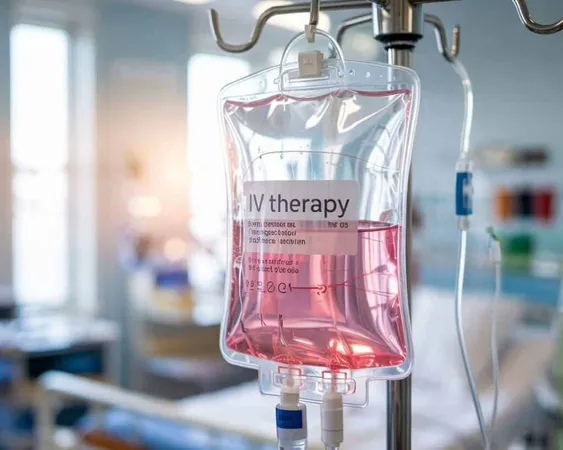
Understanding and managing IV equipment properly is essential for those pursuing IV certification, as it directly impacts patient safety and the effectiveness of treatments.
Conclusion
Becoming IV (Intravenous Therapy Certified) is a valuable step for healthcare professionals aiming to specialize in the field of intravenous administration. With the demand for IV therapy continuing to grow, this certification offers not only a path to career advancement but also an opportunity to enhance patient care through safe and effective IV administration. From understanding the different types of IV therapy to mastering the use of essential equipment, certified professionals play an important role in the healthcare system.
For those considering this certification, the journey toward IV expertise opens up numerous opportunities in various healthcare settings, contributing to better patient outcomes and a rewarding career in healthcare.
- +Validates your knowledge and skills objectively
- +Increases job market competitiveness
- +Provides structured learning goals
- +Networking opportunities with other certified professionals
- −Study materials can be expensive
- −Exam anxiety can affect performance
- −Requires dedicated preparation time
- −Retake fees apply if you don't pass
Pros and Cons at a Glance
| Pros | Cons |
|---|---|
| Validates your knowledge and skills objectively | Study materials can be expensive |
| Increases job market competitiveness | Exam anxiety can affect performance |
| Provides structured learning goals | Requires dedicated preparation time |
| Networking opportunities with other certified professionals | Retake fees apply if you don't pass |
Sample Intravenous Therapy Certified Practice Questions
Try these questions from our free Intravenous Therapy Certified practice tests. The correct answer and an explanation follow each question.
How can excessive fluid intake through intravenous therapy impact the body?
- A. It leads to dehydration.
- B. It can cause fluid overload
- C. It can cause a decrease in electrolytes.
- D. It has no effect on the body.
Answer: B. It can cause fluid overload
Excessive fluid intake through intravenous therapy can significantly impact the body by causing fluid overload, also known as hypervolemia. This condition occurs when the body retains too much fluid, leading to symptoms like swelling (edema), shortness of breath due to fluid in the lungs, and increased blood pressure. Fluid overload can strain the heart and kidneys, potentially leading to serious complications if not managed promptly.
A patient's urine output drops below 30 mL/hour during IV fluid therapy. This finding primarily suggests:
- A. Adequate hydration
- B. Renal insufficiency or inadequate fluid replacement
- C. Overhydration
- D. Normal variation
Answer: B. Renal insufficiency or inadequate fluid replacement
Urine output below 30 mL/hour indicates inadequate perfusion, possible hypovolemia, or renal compromise requiring immediate evaluation.
Which assessment is essential before administering IV calcium gluconate?
- A. Checking the patient's BUN and creatinine
- B. Verifying cardiac rhythm and heart rate
- C. Assessing blood glucose level
- D. Measuring urinary specific gravity
Answer: B. Verifying cardiac rhythm and heart rate
Rapid IV calcium can cause bradycardia and cardiac arrest; cardiac rhythm monitoring is essential before and during administration.
A patient suddenly develops chest pain, dyspnea, hypotension, and a 'mill-wheel' heart murmur during IV therapy. Which complication should the nurse suspect?
- A. Pulmonary embolism
- B. Air embolism
- C. Speed shock
- D. Fluid overload
Answer: B. Air embolism
Air embolism presents with sudden chest pain, dyspnea, hypotension, and the pathognomonic 'mill-wheel' murmur caused by air in the right heart.
(IV) Intravenous Therapy Certified Questions and Answers
Sources & last verified
- Infusion Nurses Certification Corporation — number of questions, passing score, retake fee, retake policy (official source). “The 2.5-hour, computer based CRNI® exam consists of 140 items. Candidates are scored on 120 items.” Verified Oct 25, 2026.
- Infusion Nurses Certification Corporation — testing window (official source). “Administrations are in March and September.” Verified Oct 25, 2026 · source checked Oct 22, 2026.
How we verify: editorial & fact-checking policy. Report an error: contact us.
How this page was made: written with AI tools and published by Nathan Beja, founder of Practice Test Geeks, who is responsible for its content. Exam facts are checked against the official sources listed below. Not reviewed by a subject-matter expert. Editorial policy
Sources & references
Exam facts on this page (fees, format, dates, passing scores) are checked against these official sources; the date is our last check. Editorial policy
- ins1.org — Test delivery, eligibility, exam format, passing score, registration deadline, retake fee, retake policy, score release, score validity, test dates · verified Oct 2026