
HVAC UV Light Systems: The Complete Guide to UV Air Purifier HVAC Installation, Benefits, and Indoor Air Quality
📝 UV air purifier HVAC systems kill mold, bacteria, and viruses inside your ductwork. Learn installation, costs, bulb types, and ROI in this complete guide.
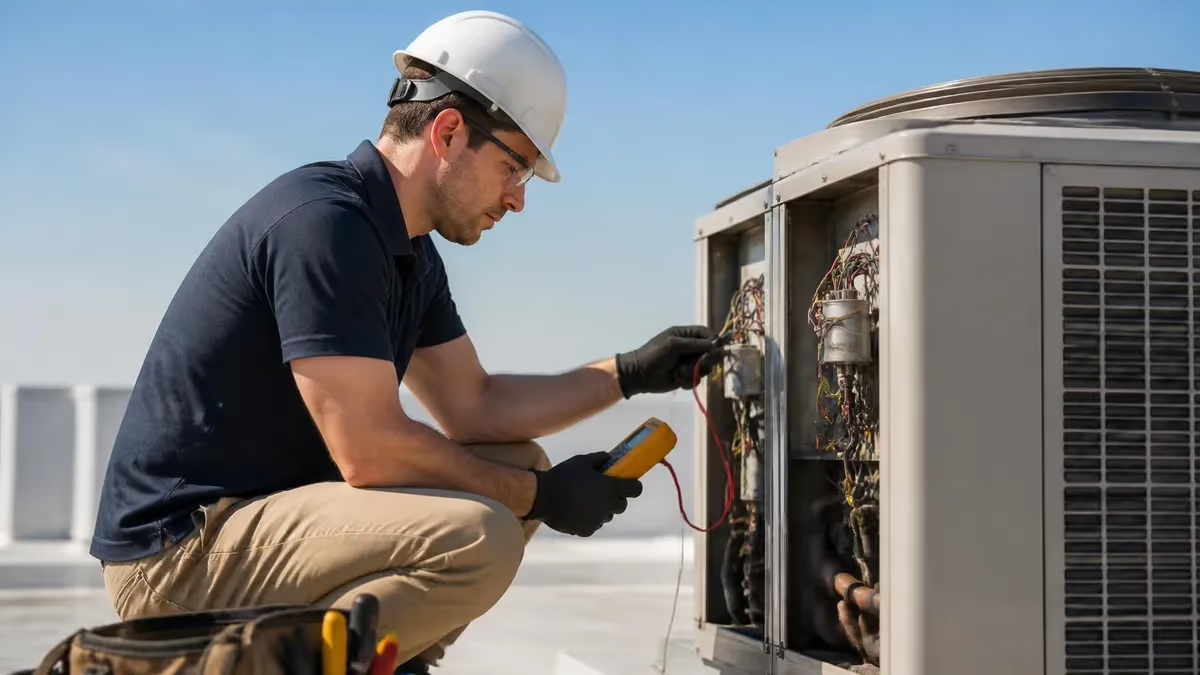
A uv air purifier hvac system uses ultraviolet-C light installed inside your ductwork or near the evaporator coil to neutralize airborne pathogens, mold spores, bacteria, and viruses as conditioned air circulates through the home. Unlike portable room purifiers that only treat a single space, a whole-house UV light works on every cubic foot of air your blower moves, which in a typical 2,000-square-foot home is roughly 80,000 to 100,000 cubic feet per hour during active runtime cycles. Practice with the free HVAC practice test on PracticeTestGeeks (35 questions with answer explanations).
Homeowners have shown rapid adoption of UV light systems since 2020, with industry surveys reporting that 38% of new HVAC installations in single-family homes now include some form of UV-C germicidal irradiation accessory. The technology itself has existed since the 1930s in hospital and food-processing applications, but residential miniaturization, lower lamp costs, and growing awareness of indoor air quality have pushed UV into mainstream homeowner conversations.
UV-C light operates at a wavelength of 253.7 nanometers, which is the specific frequency that damages the DNA and RNA of microorganisms, preventing them from reproducing. When a mold spore, bacterium, or virus particle passes within range of a properly sized UV bulb, the radiation breaks molecular bonds within seconds. The pathogen is effectively sterilized even if not killed outright, which means it cannot colonize coils, drain pans, or downstream living spaces.
There are two main installation locations for a residential UV-C system: coil sterilization lights, which mount inside the air handler and shine continuously on the evaporator coil to prevent biofilm growth, and air sterilization lights, which mount in the supply duct and treat moving air during blower operation. Many premium installations combine both approaches with dual-lamp systems that handle coil hygiene and airstream disinfection simultaneously for maximum coverage.
Cost ranges vary widely depending on lamp wattage, installation complexity, and labor rates in your region. A basic single-bulb coil sterilizer installed by a licensed HVAC technician typically runs between $400 and $800, while a high-output dual-lamp whole-house system with timer controls and replacement bulb included can climb to $1,500 or more. Annual operating costs are minimal, usually $15 to $30 in electricity plus one $80 bulb replacement every 12 months.
Before committing to any UV upgrade, it pays to think holistically about your overall HVAC strategy, including airflow, filtration, and humidity control. A UV lamp can only treat air that actually reaches it, so understanding your duct layout and static pressure matters. Reading our guide to HVAC duct calculator sizing fundamentals will help you evaluate whether your existing system can support the additional accessory without creating airflow problems.
This guide breaks down everything a homeowner, building manager, or aspiring HVAC hvac terms to know about UV light systems: how hvac pressure switch where they fit best, what they cost, how to install them safely, common myths versus verified science, and how to maintain them year after year for reliable indoor air quality improvements.
Free HVAC Study Tools
Interactive HVAC resources on PracticeTestGeeks, free to start:
- HVAC EPA 608 Refrigerant Certification — 35 questions with instant scoring and answer explanations
- HVAC flashcards — review key terms and concepts card by card
- HVAC study guide — topic-by-topic overview of what the exam covers
- HVAC cheat sheet — one-page printable summary for last-minute review
UV Air Purifier HVAC by the Numbers
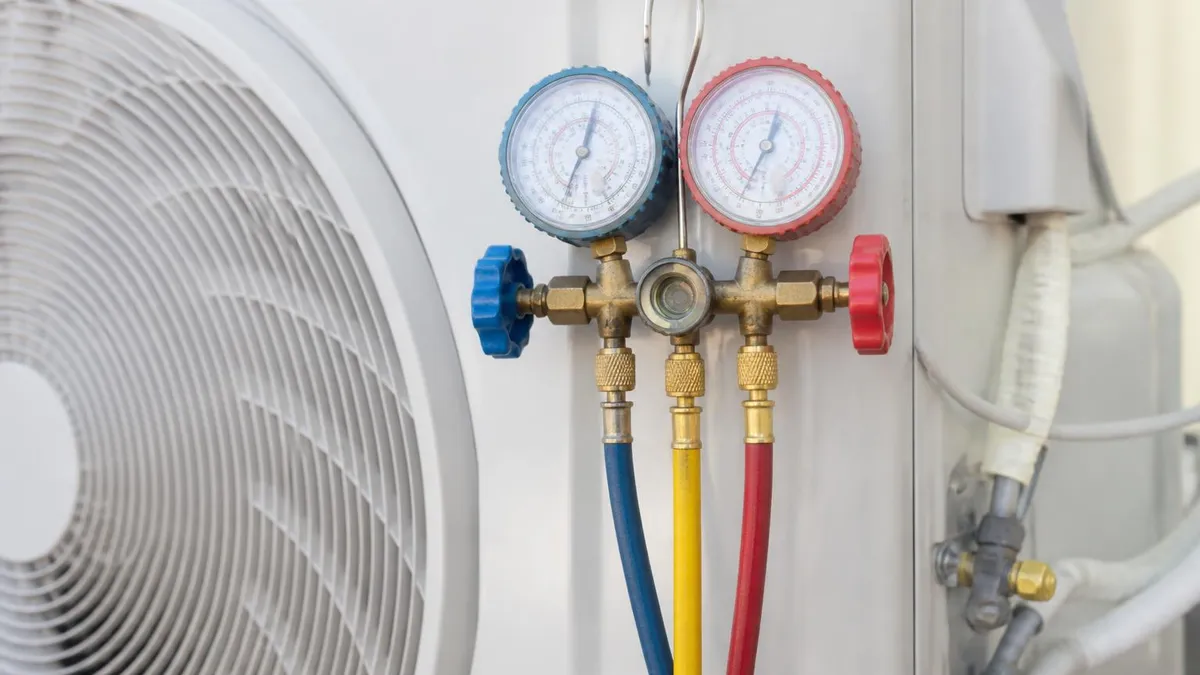
How UV-C Light Kills Pathogens in Your HVAC System
UV-C photons at 253.7nm penetrate cell walls of bacteria, viruses, and mold spores, breaking thymine bonds in their DNA or RNA so the organism cannot replicate or cause infection downstream.
A continuously-burning lamp positioned 12 to 24 inches from the evaporator coil prevents biofilm, slime, and mold colonies from forming on wet aluminum fins, preserving heat-transfer efficiency over time.
Higher-output lamps mounted in the return or supply duct treat moving air during blower cycles, delivering a calculated UV dose to particles passing within the lamp's effective irradiation zone.
Stagnant condensate water in the drain pan is a breeding ground for bacteria and algae. UV light suppresses biological growth here, reducing clog risk and the musty odors homeowners often complain about.
Most coil-sterilizer lamps run 24/7 regardless of blower status, while air-sterilizer models often interlock with the fan signal so they only energize when air is actively moving through the duct system.
Choosing where to install a UV-C lamp inside your forced-air system is the single most important decision you will make, because location dictates what the lamp can realistically treat. Coil sterilization lights are positioned directly above or to the side of the evaporator coil inside the air handler cabinet. They run continuously, bathe the wet coil surface in ultraviolet energy, and prevent the dark, damp environment that mold and bacteria love. This is the most common entry-level installation and delivers measurable hygiene benefits with very modest investment.
Air sterilization lights, by contrast, mount in the supply or return duct and rely on a calculated UV dose to disinfect moving air during blower operation. Effectiveness depends on lamp wattage, air velocity, and dwell time within the irradiation zone. A single low-wattage bulb in a high-velocity duct may only achieve a 30% to 50% single-pass kill rate, but because air recirculates through the system dozens of times per day, cumulative reduction climbs much higher over a 24-hour period in a sealed home.
The third configuration is the dual-lamp system, where one bulb sits at the coil and a second bulb treats the airstream. This approach delivers comprehensive coverage and is increasingly specified for homeowners with respiratory conditions, immune-compromised family members, or persistent indoor allergen problems. Expect to pay a 60% to 80% premium over a single-lamp install, but the dual approach addresses both the standing biology on wet surfaces and the airborne pathogens moving through the ducts.
Some manufacturers now sell self-contained UV air purification cabinets that mount in the return air path and combine UV-C lamps with HEPA filtration, activated carbon, and ionization. These all-in-one units can cost $2,000 to $4,000 installed but eliminate the need to retrofit individual components inside the air handler. They work especially well in tight mechanical rooms where opening the existing equipment for lamp installation is difficult or where the air handler is older and may not warrant in-cabinet modifications.
Compatibility is the next consideration. UV-C light degrades certain plastics, rubber seals, wire insulation, and flexible duct liners over time if directly exposed. A competent installer will shield exposed flex duct, replace any unrated wire with high-temperature jacketed cable, and verify that drain pan materials can withstand prolonged irradiation. Skipping these checks can lead to crumbling insulation or leaks within two to three years, which is why DIY installation is generally not recommended despite the appealing product pricing online.
Sizing matters as well. A 16-watt bulb is sufficient for a small two-ton system serving 1,200 to 1,500 square feet, while a 24-watt or dual 18-watt configuration is more appropriate for three- to five-ton systems. Oversizing rarely causes problems aside from cost, but undersizing produces underwhelming results and disappoints homeowners who expected dramatic air quality improvements. Match lamp output to system capacity using the manufacturer's sizing chart for accurate specification. Pairing UV with quality HVAC duct supplies ensures the treated air reaches every room.
Finally, consider integration with existing accessories. UV lamps generally pair well with media filters rated MERV 11 or higher, which trap larger particles upstream so UV can focus on microbial threats. They also complement humidifiers, ERVs, and ionization systems, although you should always verify with your installer that combined accessories do not exceed the air handler's static pressure tolerance or void manufacturer warranties on existing equipment.
HVAC Practice Test Questions
Prepare for the HVAC - Heating Ventilation and Air Conditioning exam with our free practice test modules. Each quiz covers key topics to help you pass on your first try.
HVAC Air Conditioning
HVAC Exam Questions covering Air Conditioning. Master HVAC Test concepts for certification prep.
HVAC Code Compliance
Free HVAC Practice Test featuring Code Compliance. Improve your HVAC Exam score with mock test prep.
HVAC Electrical Controls
HVAC Test Prep for Electrical Controls. Practice HVAC Quiz questions and boost your score.
HVAC Energy Efficiency
HVAC Questions and Answers on Energy Efficiency. Free HVAC practice for exam readiness.
HVAC Heating Systems
HVAC Mock Test covering Heating Systems. Online HVAC Test practice with instant feedback.
HVAC Load Calculations
Free HVAC Quiz on HVAC Load Calculations. HVAC Exam prep questions with detailed explanations.
HVAC Tools and Equipment
HVAC Practice Questions for HVAC Tools and Equipment. Build confidence for your HVAC certification exam.
HVAC Refrigeration
HVAC Test Online for Refrigeration. Free practice with instant results and feedback.
HVAC Safety Practices
HVAC Study Material on Safety Practices. Prepare effectively with real exam-style questions.
HVAC System Design
Free HVAC Test covering System Design. Practice and track your HVAC exam readiness.
HVAC Thermodynamics
HVAC Exam Questions covering Thermodynamics. Master HVAC Test concepts for certification prep.
Coil vs Air Sterilization: UV Air Purifier HVAC Options
Coil sterilization lamps mount inside the air handler cabinet, typically 12 to 24 inches from the evaporator coil, and run continuously regardless of blower operation. Their primary job is preventing biofilm, mold, and slime from colonizing the wet aluminum fins where condensation forms. This translates to measurable heat-transfer efficiency preservation, lower drain-pan odors, and longer coil service life. Installation is straightforward in most modern systems.
Costs run between $400 and $700 installed for a single low-wattage bulb. Bulb replacement is annual, around $70 to $100 per lamp. Effectiveness on airstream pathogens is limited because air passes the lamp too quickly for meaningful dose accumulation, but the coil hygiene benefits alone justify the investment for most homeowners worried about musty odors and microbial growth in damp summer conditions.
Pros and Cons of UV Light Systems
- +Kills 99.9% of microorganisms on treated coil surfaces within 24 hours
- +Reduces musty odors from drain pans and damp evaporator coils
- +Operates silently with no moving parts or homeowner intervention required
- +Low annual operating cost of $15 to $30 in electricity
- +Preserves coil heat-transfer efficiency by preventing biofilm buildup
- +Helps homeowners with allergies, asthma, and respiratory sensitivities
- +Compatible with most existing HVAC systems and accessories
- −Upfront installation costs from $400 to $2,000 depending on configuration
- −UV-C can degrade exposed plastics, rubber seals, and wire insulation
- −Direct eye or skin exposure causes serious burns and must be avoided
- −Annual bulb replacement required even if lamp still appears to glow
- −Air sterilizers have limited single-pass kill rates at typical duct velocities
- −Does not replace particulate filtration for dust, dander, or smoke
- −Some cheap units produce trace ozone which can irritate lungs
Pros and Cons at a Glance
| Pros | Cons |
|---|---|
| Reduces musty odors from drain pans and damp evaporator coils | UV-C can degrade exposed plastics, rubber seals, and wire insulation |
| Operates silently with no moving parts or homeowner intervention required | Direct eye or skin exposure causes serious burns and must be avoided |
| Preserves coil heat-transfer efficiency by preventing biofilm buildup | Annual bulb replacement required even if lamp still appears to glow |
| Helps homeowners with allergies, asthma, and respiratory sensitivities | Air sterilizers have limited single-pass kill rates at typical duct velocities |
| Compatible with most existing HVAC systems and accessories | Does not replace particulate filtration for dust, dander, or smoke |
Pre-Installation Checklist for UV Air Purifier HVAC
- ✓Confirm air handler cabinet has space for the lamp ballast and bulb assembly
- ✓Measure distance from intended lamp location to evaporator coil for proper irradiation coverage
- ✓Verify 120V or 24V power availability near the planned mounting position
- ✓Inspect existing wire insulation, drain pan, and flex duct for UV-vulnerable materials
- ✓Choose lamp wattage matched to system tonnage using the manufacturer's sizing chart
- ✓Schedule installation during a routine maintenance visit to minimize labor overhead
- ✓Order a spare replacement bulb to keep on hand for the annual change-out
- ✓Confirm installer will provide UV-safety eye protection during commissioning
- ✓Add the bulb replacement date to your home maintenance calendar
- ✓Review manufacturer warranty terms for both the lamp and your existing HVAC equipment
Annual Bulb Replacement Is Non-Negotiable
Even when a UV-C bulb still appears to glow blue, its germicidal output drops by 30% to 50% after 9,000 hours of operation, which is roughly one calendar year of continuous use. Replace bulbs annually on schedule, not by visual inspection, to maintain rated pathogen-kill performance.
The financial case for a UV air purifier HVAC upgrade hinges on three factors: upfront install cost, ongoing energy and bulb expense, and the value you place on indoor air quality benefits that are real but hard to quantify in dollar terms. A typical single-lamp coil sterilizer costs $400 to $800 installed in 2026 dollars, while a dual-lamp whole-house system can climb to $1,500 or more. Many HVAC contractors bundle UV installs with annual tune-ups to reduce labor charges.
Operating costs are surprisingly modest. A 24-watt UV-C bulb running continuously consumes about 210 kilowatt-hours per year, which translates to $25 to $35 annually at the U.S. average residential rate of 16 cents per kilowatt-hour. Add roughly $80 for an annual replacement bulb and you arrive at total ownership cost of $105 to $115 per year after the initial install. Compare this to recurring duct cleaning fees of $400 to $600 every few years and the math becomes attractive.
There is also a documented energy-efficiency benefit from clean evaporator coils. Industry studies from ASHRAE and the U.S. Department of Energy suggest that biofilm and microbial fouling can reduce coil heat-transfer efficiency by 7% to 15% over a multi-year period. A UV lamp that keeps the coil clean preserves rated SEER performance, which on a typical 36,000-BTU air conditioner could save $60 to $120 per cooling season in avoided electricity waste, partially offsetting the lamp's own operating cost.
Indoor air quality value is harder to monetize but absolutely real. Households with members suffering from asthma, allergies, COPD, or immune deficiencies often report subjective improvements within weeks of UV installation, particularly reduced morning congestion, fewer sinus infections, and elimination of musty odors. While UV alone is not a cure for any medical condition, it removes one environmental trigger that compounds other respiratory stressors in homes with persistent dampness or coil contamination.
Return on investment timelines vary by household. A homeowner who pays $1,200 for a dual-lamp install and saves $100 per year in avoided duct cleaning and improved efficiency hits payback at year twelve, which exceeds the typical lamp lifespan of one year and the air handler lifespan of fifteen. The honest framing is that UV is an indoor air quality upgrade with modest energy side benefits, not a primary energy-saving retrofit.
Resale value is another consideration. Real estate listings increasingly mention indoor air quality features, and a documented UV-C system with maintenance records can be a differentiator in markets where buyers are health-conscious. While appraisers rarely assign specific dollar value to UV accessories, listing agents report faster sales and stronger buyer confidence when air quality upgrades are visible during showings.
For the most accurate financial picture, get bids from at least two licensed contractors and ask each to provide a written breakdown of equipment costs, labor hours, electrical work, and warranty terms. Local rates vary widely, and the difference between a $600 and an $1,100 install often comes down to labor markup rather than equipment quality, so comparison shopping pays off significantly on this category of accessory.
UV-C radiation causes severe corneal burns and skin damage within seconds of unprotected exposure. Always de-energize the lamp at the breaker and wear UV-rated safety glasses before opening any access panel where a UV bulb is installed, even if you believe the lamp is off.
Maintenance for a UV-C HVAC system is straightforward but must not be ignored. The single most important task is annual bulb replacement, ideally scheduled at the same time as your spring HVAC tune-up. UV-C output degrades steadily over the bulb's operating life, and by hour 9,000 the lamp may still emit visible blue light while producing only half its rated germicidal energy. Visual inspection alone is unreliable, so calendar-based replacement is the industry standard.
Cleaning the bulb sleeve is another often-overlooked step. Dust, condensation residue, and fiber buildup can coat the quartz sleeve protecting the lamp, blocking UV transmission and reducing effectiveness even on a brand-new bulb. During replacement or at six-month intervals, gently wipe the cool, de-energized sleeve with a soft microfiber cloth and isopropyl alcohol. Avoid harsh solvents that can etch the quartz surface and permanently reduce light output.
Inspect surrounding components annually for UV damage. Look for embrittlement, discoloration, or cracking on nearby wire insulation, drain pan plastics, flex duct liners, and gasket materials. Any compromised components should be replaced with UV-rated alternatives. Catching this early prevents leaks, electrical faults, or duct collapses that could otherwise show up years later and be misdiagnosed as unrelated HVAC failures.
Safety protocols cannot be overstated. Before opening any cabinet containing a UV-C lamp, turn off power at the dedicated breaker or unplug the unit, then verify with a meter that no voltage is present. Wear UV-rated safety glasses, long sleeves, and gloves. Some technicians use a polycarbonate face shield as additional protection. Never assume that a lamp is off simply because the cabinet is open, because some installations have interlock failures that allow the lamp to remain energized.
Documentation matters for warranty and resale purposes. Keep a log noting installation date, bulb model number, replacement dates, any inspections performed, and the technician's name and license number. This record demonstrates responsible ownership to future buyers and is invaluable if a warranty claim arises. Many modern UV systems include a small label on the access panel for jotting dates, which is a worthwhile habit even on older units without that feature.
If you ever sell the home or change HVAC equipment, communicate the presence of UV lamps clearly to the next owner or service technician. Inadvertently opening an energized UV cabinet during routine service is a documented cause of technician eye injuries, and a simple labeled warning at the air handler can prevent serious harm. Consider hiring qualified HVAC contractors who carry liability coverage for UV-hvac system service frequency and have experience with accessory commissioning.
Finally, periodically reassess whether the UV system still meets your needs. Households change, family members move in and out, and indoor air quality priorities shift. A UV system installed five years ago for a child with severe allergies may still be running long after that family member moved out. Reviewing accessory utility at each major HVAC service visit ensures you are not paying for capacity you no longer need or, conversely, that you upgrade if circumstances warrant a more comprehensive solution.
Practical tips from veteran HVAC technicians can save homeowners both money and frustration during a UV light installation. First, time the install to coincide with a planned coil cleaning or air handler service visit. Labor charges drop significantly when the cabinet is already open and hvac components and materialss are accessible, often saving $150 to $250 versus a standalone UV install. Ask your contractor for a bundled quote when scheduling your spring tune-up, because most reputable HVAC companies offer accessory discounts when combined with routine maintenance work.
Second, do not be seduced by ultra-cheap UV kits sold online. Genuine germicidal UV-C bulbs with documented 253.7nm output cost more to manufacture than imitation bulbs that emit broader UV spectrums or insufficient intensity. Reputable brands include Honeywell, RGF, Fresh-Aire UV, Lennox PureAir, and Sanuvox, all of which publish independent test data and back their products with multi-year warranties. Cheap knock-offs may produce ozone, fail prematurely, or simply not work despite glowing visibly when energized.
Third, ask your installer about ozone-generating versus pure germicidal designs. True UV-C lamps at 253.7nm produce negligible ozone, while broad-spectrum or photocatalytic oxidation hybrids can generate measurable ozone levels. While trace ozone has some biocidal effect, it is also a respiratory irritant flagged by the EPA at sustained exposures above 0.05 parts per million. Most homeowners are better off with pure UV-C systems and avoiding any ozone-producing accessory unless specifically recommended by a doctor or industrial hygienist.
Fourth, consider integrating UV with smart-home monitoring. Some newer systems include lamp-hour counters, end-of-life alerts, and Wi-Fi connectivity that send replacement reminders to your phone. While this adds $50 to $150 to the install cost, it eliminates the most common cause of UV system underperformance, which is missed annual bulb replacement. For households that already use smart thermostats, the integration is seamless and worthwhile for long-term reliability.
Fifth, recognize the limits of UV as a single solution. UV-C is highly effective on biological contaminants but does nothing for dust, pollen, pet dander, smoke, or volatile organic compounds. A complete indoor air quality strategy pairs UV with a MERV 13 or higher pleated filter, controlled humidity between 40% and 50%, and adequate fresh air ventilation. Skipping any leg of this triangle leaves homeowners disappointed when UV alone fails to address symptoms caused by particulates or chemical off-gassing.
Sixth, document everything for insurance and warranty protection. Take photos of the installed lamp, save receipts for both labor and equipment, and file the warranty card or register online within the manufacturer's required window, typically 30 to 90 days. If a fire, leak, or premature failure ever occurs, this documentation streamlines warranty claims and insurance investigations significantly, reducing the friction of recovering replacement costs.
Finally, educate every household member about UV safety. Children, teens curious about the glowing blue light, and contractors performing unrelated work should all understand that the cabinet must remain closed during operation. A simple printed warning placard on the air handler and a brief conversation during installation prevent accidental exposures. UV-C eye burns are painful, often delayed in symptom onset by six to twelve hours, and entirely preventable with basic awareness.
Sample HVAC Practice Questions
Try these questions from our free HVAC practice tests. The correct answer and an explanation follow each question.
How does an energy recovery ventilator (ERV) improve indoor air quality while reducing energy consumption?
- A. By filtering outdoor air before it enters
- B. By transferring heat and moisture between outgoing and incoming air streams, conditioning fresh air with minimal energy
- C. By recirculating indoor air more efficiently than traditional systems
- D. By generating its own energy through heat recovery to power UV purification
Answer: B. By transferring heat and moisture between outgoing and incoming air streams, conditioning fresh air with minimal energy
An ERV uses a heat exchange core to transfer both heat and moisture between outgoing stale air and incoming fresh air, pre-conditioning incoming outdoor air while exhausting indoor pollutants.
Which ASHRAE standard provides minimum ventilation rates for acceptable indoor air quality in commercial buildings?
- A. ASHRAE 90.1
- B. ASHRAE 62.1
- C. ASHRAE 55
- D. ASHRAE 15
Answer: B. ASHRAE 62.1
ASHRAE Standard 62.1 establishes minimum outdoor air ventilation rates and IAQ requirements for commercial and institutional buildings.
A VRF system outdoor unit operates but one of the indoor zones does not cool. What is the most likely cause specific to VRF systems?
- A. Failed compressor
- B. Faulty electronic expansion valve (EEV) at the non-cooling indoor unit
- C. Refrigerant undercharge in outdoor unit
- D. Faulty reversing valve
Answer: B. Faulty electronic expansion valve (EEV) at the non-cooling indoor unit
In VRF systems, each indoor unit has its own EEV that modulates refrigerant flow; a failed EEV at a single zone prevents refrigerant from entering that unit while others continue to operate normally.
What is 'formaldehyde' and why is it a significant indoor air quality concern in new construction?
- A. A combustion byproduct from gas appliances only
- B. A VOC off-gassed from composite wood products, insulation, and adhesives, classified as a known human carcinogen
- C. A refrigerant chemical used in older air conditioning systems
- D. A biological contaminant from mold growth in new buildings
Answer: B. A VOC off-gassed from composite wood products, insulation, and adhesives, classified as a known human carcinogen
Formaldehyde (HCHO) is a VOC off-gassed from pressed wood products (MDF, particleboard), insulation, adhesives, and finishes—classified as a Group 1 carcinogen by IARC.
HVAC Questions and Answers
HVAC Duct Supplies: The Complete Buyer's Guide to Ductwork Components, Sizing, and Installation Materials
HVAC Duct Calculator: The Complete Guide to Sizing Ductwork for Airflow, Static Pressure, and System Efficiency
Certified HVAC Contractors: How to Find, Vet, and Hire the Right Professional for Your Home or Business
HVAC Repair Philadelphia: The Complete Homeowner's Guide to Finding, Hiring, and Working With Local Heating and Cooling Pros
Best HVAC Repair in Bandon, OR: Local Services Near Me Guide
How this page was made: written with AI tools. We have not yet matched this exam's facts to an official source, so confirm fees, dates and rules with the exam body. Not reviewed by a subject-matter expert. Editorial policy