
HVAC Sequence of Operation: Complete Guide to How Heating and Cooling Systems Run
Learn hvac sequence of operation step by step — how heating, cooling & controls cycle through startup, runtime & shutdown. ✅ Real examples inside.
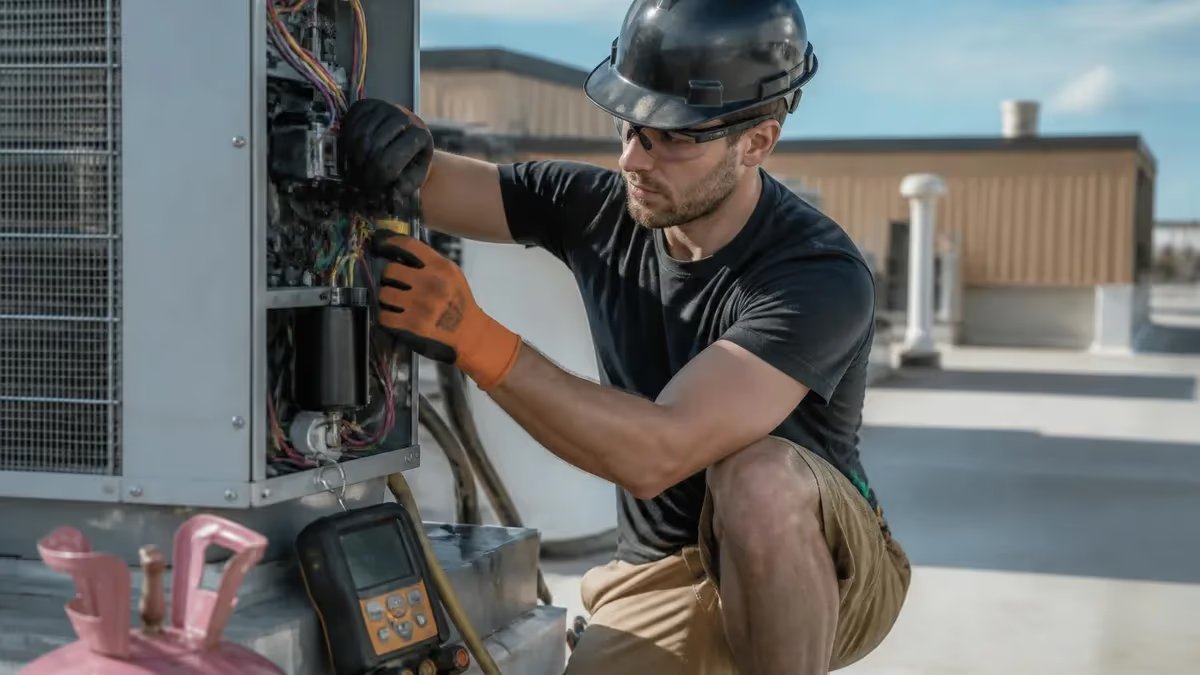
The hvac sequence of operation is the precise, step-by-step logic that tells a heating and cooling system exactly what to do, when to do it, and in what order. Every component — from the thermostat to the compressor to the exhaust fan — follows a scripted routine that engineers and technicians write before a system is ever commissioned. Without a clearly defined sequence, equipment can short-cycle, fail to reach setpoint, or damage itself by energizing components in the wrong order. Understanding this sequence is foundational for anyone working in commercial or residential HVAC.
At its core, the sequence of operation documents every mode a system can enter: heating, cooling, economizer, unoccupied setback, emergency, and more. Each mode has its own sub-sequence describing which devices energize first, what interlocks must be satisfied before the next stage starts, and what happens when the system shuts down. Technicians use this document during commissioning to verify that the building automation system (BAS) or programmable logic controller (PLC) is behaving exactly as designed. It is also the first document a service tech reaches for when troubleshooting an unexpected fault.
Residential systems follow a simpler version of the same logic. A single-stage gas furnace, for example, goes through a predictable chain: the thermostat calls for heat, the inducer motor starts, a pressure switch confirms draft, the igniter glows, gas valve opens, flame sensor confirms ignition, and the supply fan starts after a short delay. If any step fails — say the pressure switch never closes — the system locks out and displays a fault code. That structured chain is the sequence of operation in action, even if homeowners never see the written document.
Commercial systems are dramatically more complex. A rooftop unit (RTU) serving a large office might cycle through economizer pre-cooling, activate staged compressors based on zone demand, modulate variable-frequency drives (VFDs) on supply and return fans, and coordinate with a demand-controlled ventilation system that monitors CO₂ levels. All of this happens automatically, driven by the sequence of operation that was programmed into the BAS during construction. Errors in that programming — or deviations from the written sequence — are a leading cause of energy waste and comfort complaints in commercial buildings.
For students preparing for HVAC certification exams, sequences of operation appear frequently in both written and practical portions of assessments. Questions may ask you to identify which component energizes first during a cooling call, what interlock prevents a compressor from starting without adequate airflow, or how a system transitions from occupied to unoccupied mode. Knowing how to read and trace a sequence logically is just as important as memorizing component functions. You can deepen your understanding of how hvac sequence of operation applies to fan coil units specifically by reviewing the dedicated guide on FCU systems.
The written sequence of operation is typically produced by the mechanical engineer of record during the design phase and is included in the project specifications. During construction, controls contractors use it as a programming guide. After installation, commissioning agents verify it step by step against actual system behavior, logging any deviations as deficiencies that must be corrected before the building is accepted. In existing buildings, this document should be updated whenever the controls logic is changed — though in practice, many facilities lack current documentation, which is why experienced technicians learn to trace and reconstruct sequences from scratch.
This guide walks through the key phases of a typical HVAC sequence of operation, explains the logic behind common interlocks and safety shutdowns, and gives you the vocabulary and mental framework to analyze any system — residential or commercial — with confidence. Whether you are studying for your EPA 608 exam, preparing for a state HVAC license test, or simply trying to troubleshoot a system that is not behaving as expected, mastering the sequence of operation is one of the highest-leverage skills you can develop in the trade.
HVAC Sequence of Operation by the Numbers
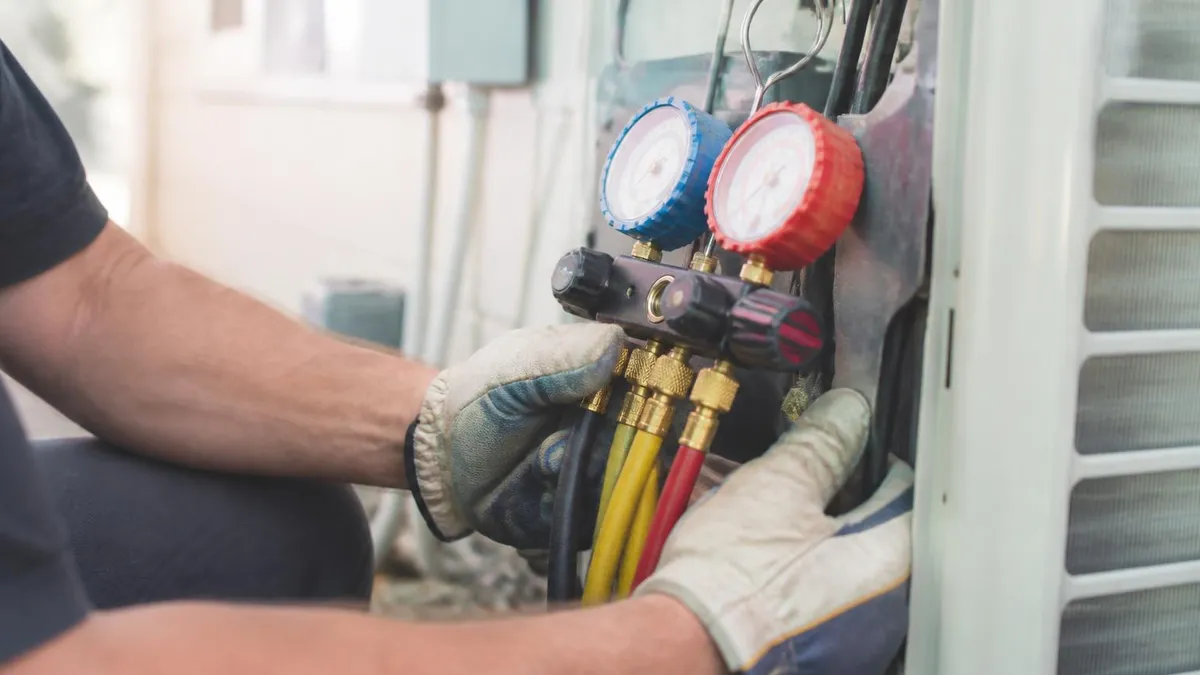
Core Phases of an HVAC Sequence of Operation
Demand Signal Initiated
Pre-Start Interlocks Verified
Fan Startup and Airflow Proving
Heating or Cooling Source Energizes
Runtime Monitoring and Modulation
Shutdown and Post-Purge
Understanding how the heating sequence differs from the cooling sequence is essential for anyone diagnosing system problems or studying for HVAC certification. The two sequences share the same basic architecture — demand signal, interlock verification, fan startup, source energization, runtime monitoring, shutdown — but the specific interlocks, timing parameters, and safety cutouts are entirely different for each mode. Mixing up heating and cooling logic is a common error that leads to misdiagnosed faults and wasted service calls.
In a gas furnace heating sequence, the inducer motor always starts before anything else. This powered combustion blower creates the negative pressure that pulls combustion gases through the heat exchanger and out the flue. A pressure switch wired in series with the gas valve confirms that the inducer is actually moving air before allowing gas to flow.
If the pressure switch fails to close — due to a blocked flue, failed inducer, or cracked switch diaphragm — the system locks out on a pressure switch fault. Technicians who do not understand the sequence may replace the pressure switch unnecessarily when the real problem is a restricted condensate drain blocking the flue outlet.
For electric heat sequences, the logic is simpler because there is no combustion to manage. The supply fan starts, airflow is proven, and then the electric heating elements (typically two or three stages) energize in sequence with a brief delay between each stage. The primary safety device is a high-limit thermostat that cuts power to all heating elements if supply air temperature exceeds a preset threshold — usually 130–140°F. A secondary backup limit is often wired to the heating elements as a manual-reset device, requiring a technician to physically reset it after a high-temperature event.
Cooling sequences introduce compressor protection logic that has no equivalent in heating. Before a compressor can start, the controls must verify that the outdoor ambient temperature is above the low-ambient lockout setpoint (typically 55°F for standard equipment), that the compressor crankcase heater has been energized for the required pre-heat time (often 4–24 hours after a power outage), and that the anti-short-cycle timer has expired since the last compressor shutdown. These protections exist because starting a compressor under adverse conditions can cause liquid slugging, bearing damage, or motor burnout — failures that cost thousands of dollars to repair.
Chilled-water systems used in large commercial buildings replace the direct-expansion compressor sequence with a valve-and-pump sequence. When a cooling call arrives, the air handling unit (AHU) controller opens the chilled-water valve to the cooling coil and waits for supply air temperature to drop. The chiller plant itself runs on its own sequence, staging chiller modules based on total building load rather than the demand of any single AHU. This separation of air-side and water-side sequences is a critical concept for commercial HVAC technicians and shows up frequently on journeyman and master HVAC license exams.
Economizer sequences add another layer of complexity by introducing a third source of cooling — outdoor air — that can be used instead of or in addition to mechanical cooling when conditions allow. The sequence compares outdoor air temperature and sometimes enthalpy (humidity) to the return air condition. If outdoor air is suitable, the economizer damper opens and the compressor or chilled-water valve remains closed, saving significant energy. The transition from economizer cooling to mechanical cooling — and back — must be handled smoothly by the controls to avoid temperature swings and excessive equipment cycling.
Heat pump systems are unique because they must reverse refrigerant flow direction to switch between heating and cooling modes. The reversing valve — energized in cooling mode on most equipment, de-energized in heating mode — changes which coil acts as the evaporator and which acts as the condenser.
The sequence of operation for a heat pump includes a specific procedure for energizing the reversing valve before or during compressor startup to prevent high-pressure trip events. Defrost sequences, which temporarily reverse a heat pump to heating mode during cold weather to melt ice from the outdoor coil, are another critical sub-sequence that technicians must understand thoroughly to diagnose defrost failures correctly.
HVAC Controls, Interlocks, and Safety Devices
An interlock is an electrical or pneumatic circuit that prevents a piece of equipment from operating unless a prerequisite condition is met. In HVAC systems, interlocks exist to protect equipment and building occupants. Common examples include airflow proving switches that prevent electric heat from energizing without confirmed airflow, high-pressure cutouts that stop compressors when refrigerant pressure spikes above safe limits, and freeze stats that close outside air dampers when discharge temperatures drop dangerously low. Each interlock is wired in series so that any single open contact halts the sequence at that stage until the fault is resolved.
Interlocks are documented in both the sequence of operation narrative and in the electrical wiring diagrams. Technicians must trace both documents simultaneously when diagnosing a system that is stuck at a particular step. A BAS fault code such as "airflow not proven" points directly to the interlock that is blocking the sequence. Checking the associated switch, its wiring, and the mechanical condition that triggers it — differential pressure across the filter, for example — narrows the cause quickly. Understanding that the sequence is linear and that each step gates the next is the key mental model for efficient diagnosis.
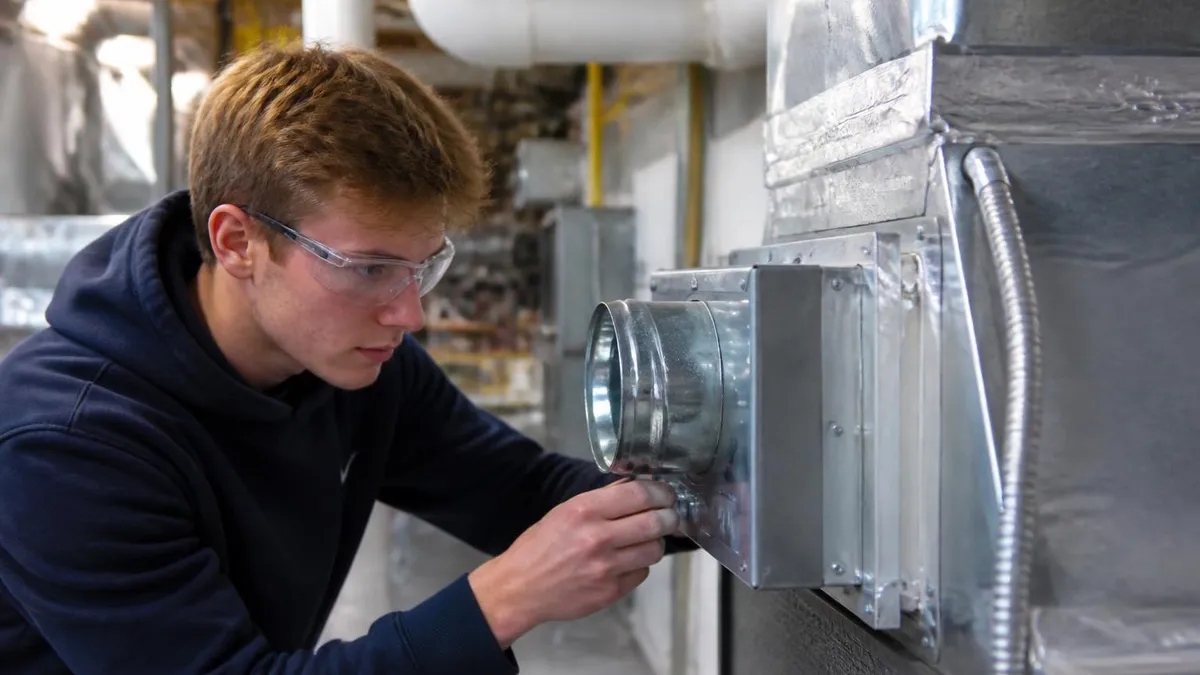
Documented Sequence of Operation: Advantages and Challenges
- +Enables fast, systematic troubleshooting by giving technicians a clear map of expected system behavior at each step
- +Prevents equipment damage by documenting required interlock conditions that must be verified before energizing compressors, heat strips, or burners
- +Serves as the authoritative programming guide for controls contractors, reducing BAS configuration errors during construction
- +Provides a legal record of design intent, useful in warranty disputes or performance litigation after project completion
- +Supports energy optimization by defining economizer switchover conditions, setback schedules, and demand-limiting strategies
- +Helps new technicians get up to speed on an unfamiliar building quickly without needing to reverse-engineer the controls logic from scratch
- −Sequence documents become outdated quickly when controls modifications are made without updating the written specification
- −Complex commercial sequences can run to dozens of pages, making it difficult to locate the specific sub-sequence relevant to a given fault
- −Poorly written sequences use ambiguous language that different technicians interpret differently, leading to inconsistent programming
- −Residential technicians rarely receive written sequences, relying instead on manufacturer wiring diagrams and firmware logic they cannot inspect directly
- −Commissioning a sequence thoroughly requires specialized test equipment and time that is often compressed or eliminated on tight construction schedules
- −Sequence logic errors embedded in BAS code can persist for years because they produce comfort complaints rather than hard faults that trigger urgent service calls
Pros and Cons at a Glance
| Pros | Cons |
|---|---|
| Enables fast, systematic troubleshooting by giving technicians a clear map of expected system behavior at each step | Sequence documents become outdated quickly when controls modifications are made without updating the written specification |
| Prevents equipment damage by documenting required interlock conditions that must be verified before energizing compressors, heat strips, or burners | Complex commercial sequences can run to dozens of pages, making it difficult to locate the specific sub-sequence relevant to a given fault |
| Serves as the authoritative programming guide for controls contractors, reducing BAS configuration errors during construction | Poorly written sequences use ambiguous language that different technicians interpret differently, leading to inconsistent programming |
| Provides a legal record of design intent, useful in warranty disputes or performance litigation after project completion | Residential technicians rarely receive written sequences, relying instead on manufacturer wiring diagrams and firmware logic they cannot inspect directly |
| Supports energy optimization by defining economizer switchover conditions, setback schedules, and demand-limiting strategies | Commissioning a sequence thoroughly requires specialized test equipment and time that is often compressed or eliminated on tight construction schedules |
| Helps new technicians get up to speed on an unfamiliar building quickly without needing to reverse-engineer the controls logic from scratch | Sequence logic errors embedded in BAS code can persist for years because they produce comfort complaints rather than hard faults that trigger urgent service calls |
HVAC Sequence of Operation Commissioning Checklist
- ✓Obtain the written sequence of operation from the mechanical engineer or project specifications before beginning commissioning
- ✓Verify that all interlock wiring matches the sequence document by tracing each circuit with a multimeter before energizing equipment
- ✓Confirm that airflow proving switches are calibrated to the correct differential pressure setpoint for the installed fan and ductwork
- ✓Test each safety shutdown device independently by simulating the fault condition and confirming that the sequence terminates and logs correctly
- ✓Verify startup timing delays — inducer pre-purge, igniter warmup, compressor anti-short-cycle — match the values specified in the sequence document
- ✓Confirm that each operating mode (heating, cooling, economizer, unoccupied, emergency) can be manually initiated from the BAS and behaves as documented
- ✓Check that all fault codes generated during commissioning are logged with accurate timestamps in the BAS historian for future reference
- ✓Verify that the economizer switchover logic responds correctly to both temperature-based and enthalpy-based enable conditions
- ✓Test the unoccupied setback mode by confirming that setpoints shift, outdoor air dampers close, and fan speed reduces as documented in the sequence
- ✓Document any deviations between the tested sequence and the written specification as formal deficiency items requiring correction before building acceptance
The Sequence Is the Diagnostic Map
When a system is not working, most technicians start by checking the component they suspect — the compressor, the valve, the sensor. The smarter approach is to start at the sequence and ask: which step did the system complete, and which step did it fail at? That narrows the cause to a single interlock or device, cutting diagnostic time by 50% or more on complex commercial systems.
Commercial HVAC systems present sequences of operation that are orders of magnitude more complex than residential equipment. A large air handling unit (AHU) serving a multi-tenant office building might coordinate with a central chiller plant, a cooling tower, a boiler, a heat recovery wheel, a variable-air-volume (VAV) distribution system, dozens of zone-level VAV boxes, and a demand-controlled ventilation system — all operating simultaneously and all following their own sub-sequences that must mesh together without conflict. Understanding how these sub-sequences interact is the hallmark of an experienced commercial HVAC technician or controls engineer.
The chiller plant sequence is typically the most complex in any large commercial building. A plant with multiple chiller modules, primary and secondary pumping loops, cooling tower cells, and condenser water treatment systems requires a carefully orchestrated startup sequence that can take 10–15 minutes from the first call for cooling to full plant capacity being available at the AHUs.
The sequence must manage condenser water temperature (typically targeted at 85°F entering the chiller), chilled water supply temperature (commonly 44–46°F), and pump sequencing to ensure adequate flow through all active chiller modules while keeping energy consumption at a minimum through variable speed drives on pumps and tower fans.
VAV systems introduce a layer of complexity at the zone level that does not exist in simpler constant-volume systems. Each VAV box has its own controller running a local sequence: when the zone thermostat calls for cooling, the box damper opens to increase airflow; when the zone reaches setpoint, the damper modulates to a minimum position set by the ventilation code requirements; when the zone calls for heating, a downstream reheat coil (hot water or electric) activates.
The central AHU must respond to the aggregate demand of all VAV boxes by adjusting supply fan speed and static pressure setpoint, creating a nested sequence where zone-level and system-level logic must be carefully coordinated.
Demand-controlled ventilation (DCV) sequences are increasingly common as energy codes tighten. A DCV system uses CO₂ sensors in high-occupancy spaces — conference rooms, auditoriums, gymnasiums — to modulate outdoor air intake based on actual occupancy rather than design-maximum assumptions.
The sequence opens the outdoor air damper further when CO₂ rises above a setpoint (typically 1,000–1,100 ppm) and allows it to return to minimum position when occupancy drops. This sequence interacts directly with the economizer and the cooling sequence because more outdoor air means more cooling load on warm days and more heating load on cold days, requiring the system to respond dynamically.
Emergency sequences are a critical but often overlooked part of the complete sequence of operation document. Smoke control sequences, for example, may require certain AHUs to switch into pressurization or exhaust mode when a fire alarm activates, overriding all normal comfort control functions.
Freeze protection sequences must activate immediately when a freeze stat detects dangerously low temperatures, closing outdoor air dampers and opening heating valves even during unoccupied hours. These emergency modes must be tested during commissioning and documented with the same rigor as normal operating sequences, because failures in emergency sequences can have life-safety consequences rather than just comfort or energy consequences.
Energy recovery systems — heat wheels, plate heat exchangers, and run-around coil systems — each introduce their own sub-sequences for managing defrost, bypass dampers, and transfer fluid temperature. A heat wheel sequence, for example, must detect when outdoor air conditions make energy recovery counterproductive (on mild spring days when the wheel would transfer unwanted heat rather than recovering energy) and command the wheel to stop rotating.
It must also manage defrost cycles in cold climates to prevent frost buildup on the wheel matrix from blocking airflow. These details are spelled out in the sequence of operation and are precisely the kind of nuanced logic that separates a well-commissioned system from one that wastes energy year after year.
For technicians working on large commercial systems, the ability to read and interpret a complex sequence of operation document is as important as mechanical skills. Many community college HVAC programs and apprenticeship training centers now include dedicated modules on reading sequences and tracing BAS logic.
Certification bodies — including ASHRAE, NATE, and state licensing boards — increasingly test this knowledge because the industry recognizes that poorly understood sequences lead to the 30% energy waste that DOE studies consistently find in commercial buildings. Mastering commercial sequences is one of the clearest paths to advancing from journeyman to lead technician or controls specialist.
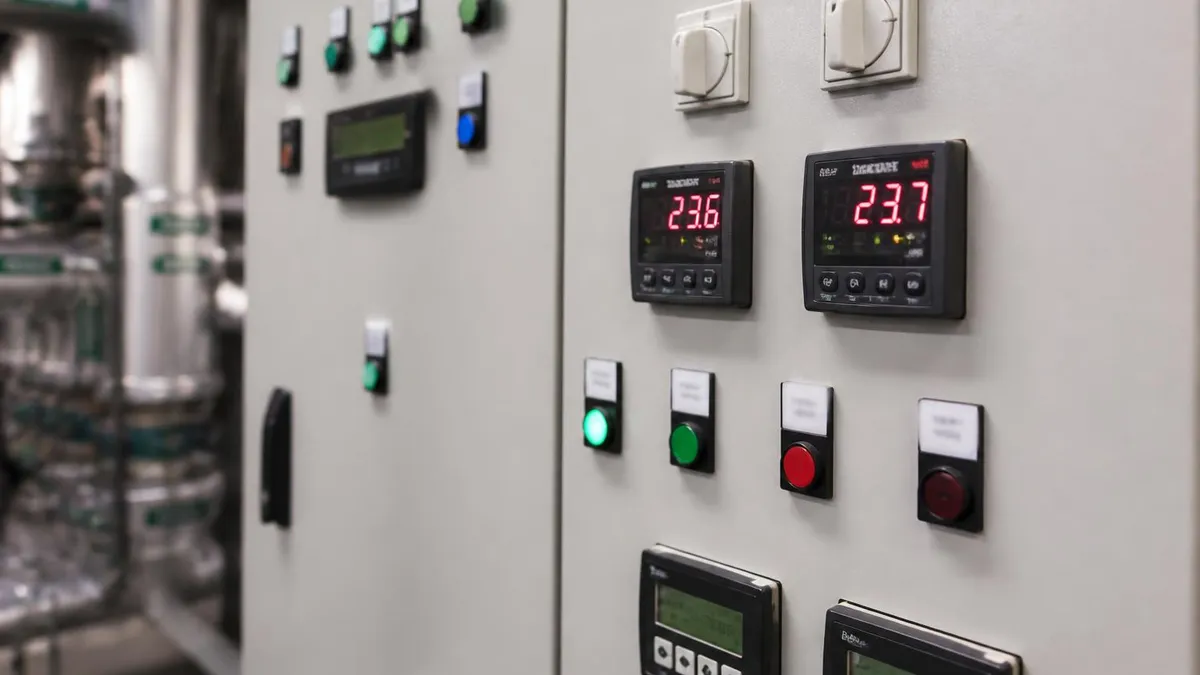
Many building owners do not realize that every controls modification — changing a setpoint range, adding a new zone, reprogramming a BAS — should be accompanied by an update to the written sequence of operation. Buildings operating on outdated sequences create dangerous gaps: technicians troubleshoot against a document that no longer reflects reality, leading to misdiagnosed faults, missed safety checks, and energy waste that compounds over years of operation.
Preparing for HVAC certification exams requires a solid understanding of sequence of operation concepts, and the good news is that the underlying logic is consistent across equipment types and manufacturers. Whether you are studying for EPA 608, a NATE specialty certification, or a state journeyman or master license exam, you will encounter questions that require you to trace through a sequence, identify the correct order of operations, or diagnose which interlock is preventing a system from advancing to the next step.
Building a mental model of the sequence framework — demand, interlocks, fan startup, source energization, monitoring, shutdown — gives you a template you can apply to any equipment type on the exam.
One of the most effective study strategies is to work through real-world sequence scenarios rather than simply memorizing lists of components. For example: a gas furnace starts, the inducer runs, but the system never advances to ignition. What component is most likely the problem?
Applying the sequence framework, you know the pressure switch must be failing to close, because that is the interlock between inducer operation and ignition. From there, you can reason about the possible causes: blocked flue, failed switch, cracked diaphragm, or wiring fault. That kind of sequence-based reasoning is exactly what exam questions test, and it transfers directly to field troubleshooting.
Heat pump sequences receive heavy attention on exams because they are more complex than either straight cooling or straight heating sequences. Know the role of the reversing valve, understand why defrost cycles are necessary and how they work, and be clear on how auxiliary heat strips activate during defrost to maintain comfort while the outdoor coil is being melted.
Also understand low-ambient lockout: most heat pumps cannot operate in heating mode below about 0–10°F (depending on the model), at which point auxiliary or emergency heat must carry the full load. These threshold conditions and the logic that governs them appear regularly on both written and practical exam portions.
Control wiring is inseparable from sequence knowledge on exams. You must be able to read a basic ladder diagram and trace current flow through the circuit to determine whether a given contact position would allow or block the sequence from advancing. Understanding the difference between a normally open (NO) and normally closed (NC) contact, and knowing which safety devices use each type, is a recurring exam topic.
For example, a high-pressure cutout is wired as a normally closed contact in series with the compressor contactor coil — when pressure rises too high, the switch opens, breaking the circuit and de-energizing the contactor. Draw this circuit on paper until you can reproduce it from memory.
Practical exam components at many state licensing boards require candidates to demonstrate that they can set up and verify a sequence of operation on actual equipment. This typically involves connecting a thermostat to a furnace or condensing unit, starting the system, and explaining each step as it happens.
Judges look for candidates who can narrate the sequence in real time — "the inducer just started, now we are waiting for the pressure switch to close, now the igniter is glowing" — rather than simply pressing the power button and waiting to see if the system runs. Practicing this narration out loud while watching a system cycle is one of the best ways to prepare for the practical component.
Study resources for sequence of operation concepts include manufacturer installation manuals, which typically include detailed step-by-step sequences for each product line; ASHRAE Guideline 36, which defines high-performance sequences of operation for commercial HVAC systems; and online simulation tools that let you trace through sequences interactively. Practice tests focused on controls and thermostats — like those available on PracticeTestGeeks — help you identify which parts of the sequence logic you have mastered and which need more work before exam day. Combining conceptual study with hands-on equipment practice produces the best outcomes on both written and practical components.
Finally, remember that understanding the sequence of operation is not just an exam skill — it is a career skill that will compound in value throughout your working life in the HVAC trade. Technicians who can read, write, and troubleshoot sequences earn more, advance faster, and are far more valuable to employers than those who rely solely on parts-swapping and trial-and-error diagnosis. Invest the time now to truly understand the logic behind every sequence step, and you will find that both exam questions and real-world service calls become significantly more approachable and manageable.
Practical tips for mastering the HVAC sequence of operation begin with building a personal reference library. Every time you work on a new piece of equipment, request the sequence of operation from the engineer, the BAS contractor, or the manufacturer's technical support line. Keep digital copies organized by equipment type and project. Over time, you will notice patterns — the same interlock logic appearing in rooftop units from different manufacturers, the same startup delay values showing up in different furnace models — and these patterns will accelerate your understanding of new equipment you encounter on the job.
When reviewing a sequence document, read it in two passes. On the first pass, read straight through to get the overall structure: how many operating modes are there, what are the major transitions between modes, and where are the safety shutdowns?
On the second pass, focus on the details of each step: exact timing values, specific setpoints, which contacts are NO and which are NC, and what fault code the system generates if a given interlock fails to close. This two-pass approach prevents you from getting lost in details before you understand the overall structure, which is the most common mistake technicians make when reading unfamiliar sequences.
Simulation and self-testing are among the most powerful study tools available. Many HVAC training programs use sequence simulators that let you manually open and close contacts to see how the system responds at each step.
If you do not have access to a simulator, you can build your own using a basic ladder diagram and a set of colored markers — trace current flow in one color, open faults in another, and walk through the sequence step by step. This physical engagement with the logic strengthens retention far more than passive reading, and it directly mimics the mental process you will use when diagnosing real faults in the field.
Networking with experienced controls technicians is another underutilized resource. BAS programmers and controls specialists often have deep knowledge of sequence logic that goes far beyond what is covered in standard HVAC training programs.
Asking a controls tech to walk you through the sequence they programmed for a specific system — and asking why they made particular design choices — provides context that you simply cannot get from reading a document. Many of these professionals are willing to share knowledge with motivated apprentices, especially when they see genuine curiosity about the controls layer rather than just the mechanical side of the trade.
When studying for exams, pay particular attention to the transition conditions between modes. Exam questions often focus on the edge cases: what happens when the system is in economizer mode and outdoor temperature rises above the economizer enable setpoint? What happens when a heat pump is in defrost mode and the demand for heat is so high that auxiliary strips cannot maintain setpoint?
These transition scenarios test whether you understand the sequence at a deep level or just know the steady-state operation of each mode in isolation. Practice talking through these scenarios out loud, as if explaining them to a fellow student or a building owner.
Time management during practical exams is critical. Candidates who narrate the sequence clearly and confidently tend to score higher even if they make minor errors along the way, because they demonstrate to the examiner that they understand the logic. Candidates who work silently and make a mistake tend to lose more points because the examiner cannot tell whether the error was a momentary slip or a fundamental misunderstanding. Before your exam, practice narrating sequences aloud in a timed setting so that the verbal explanation feels natural and automatic on exam day.
Finally, embrace the reality that sequence knowledge is never fully complete. The HVAC industry continues to introduce new equipment — variable refrigerant flow systems, integrated heat pump water heaters, AI-driven predictive controls — each with its own unique sequence logic that technicians must learn on the job.
The foundational framework you build by studying traditional sequences will serve you well as new technologies emerge, because the underlying principles — demand signals, interlocks, staged energization, safety shutdowns — remain consistent even as the specific implementations evolve. Commit to continuous learning and you will remain among the most capable and employable technicians in the field for the duration of your career.
HVAC Questions and Answers
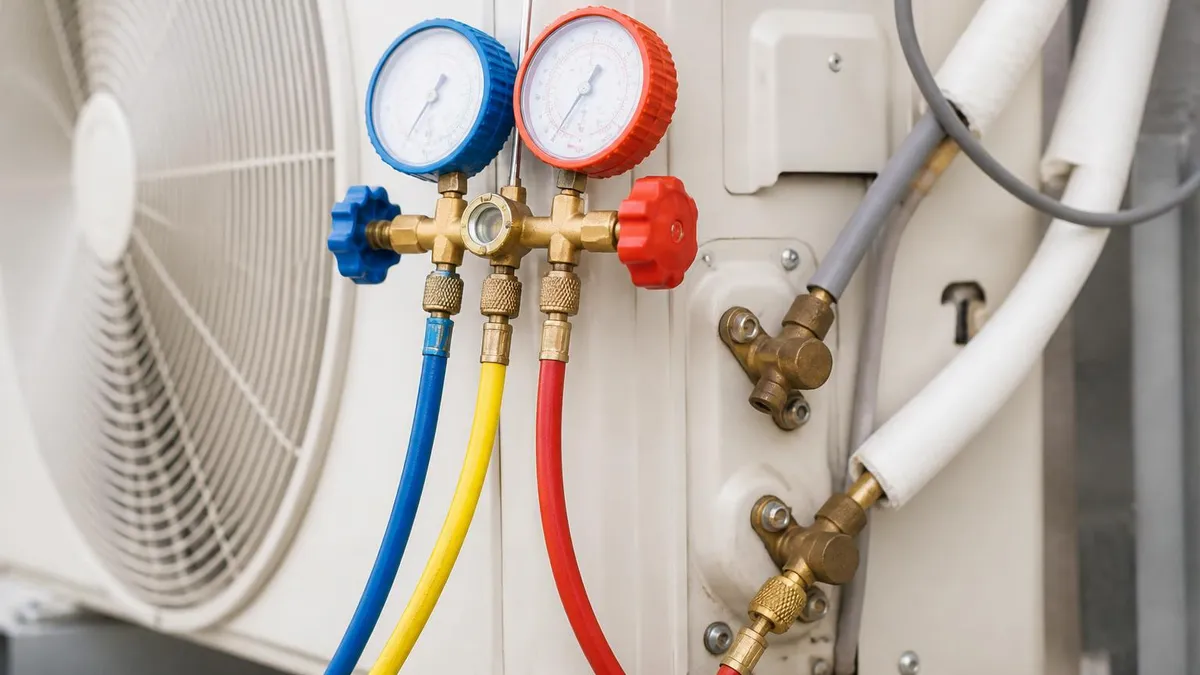
FCU HVAC: The Complete Guide to Fan Coil Units, How They Work, Where They Excel, and How to Choose the Right System
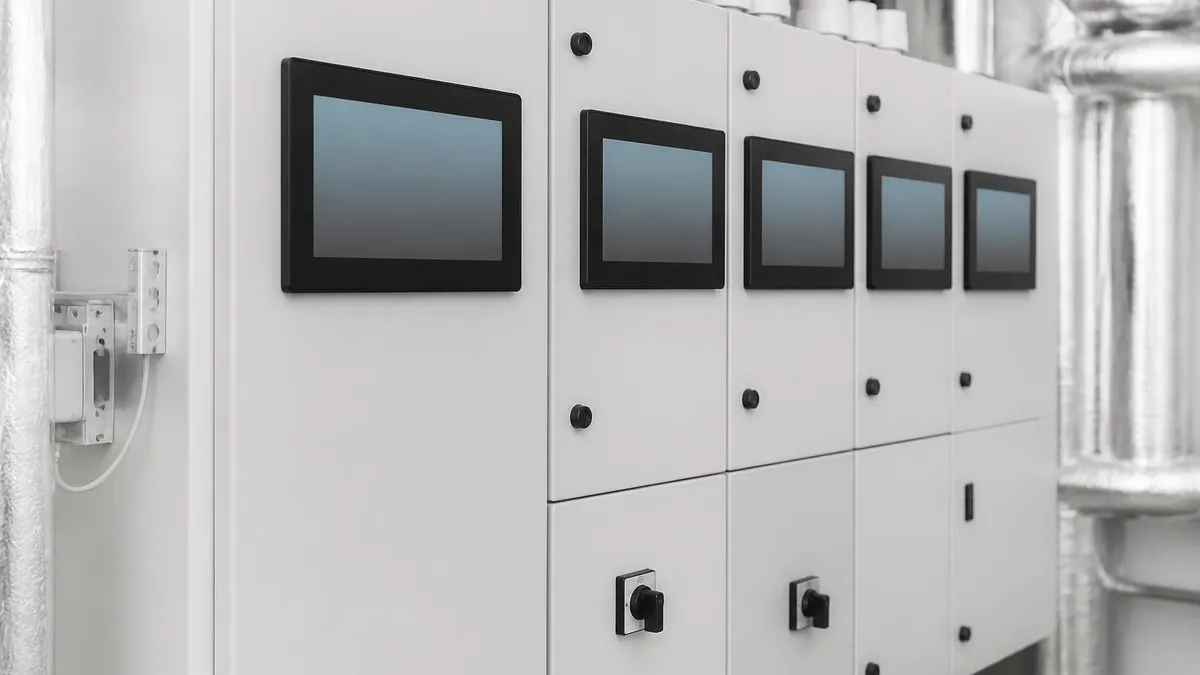
Finance a New HVAC System: 2026 Loans, 0% APR, and Rebates
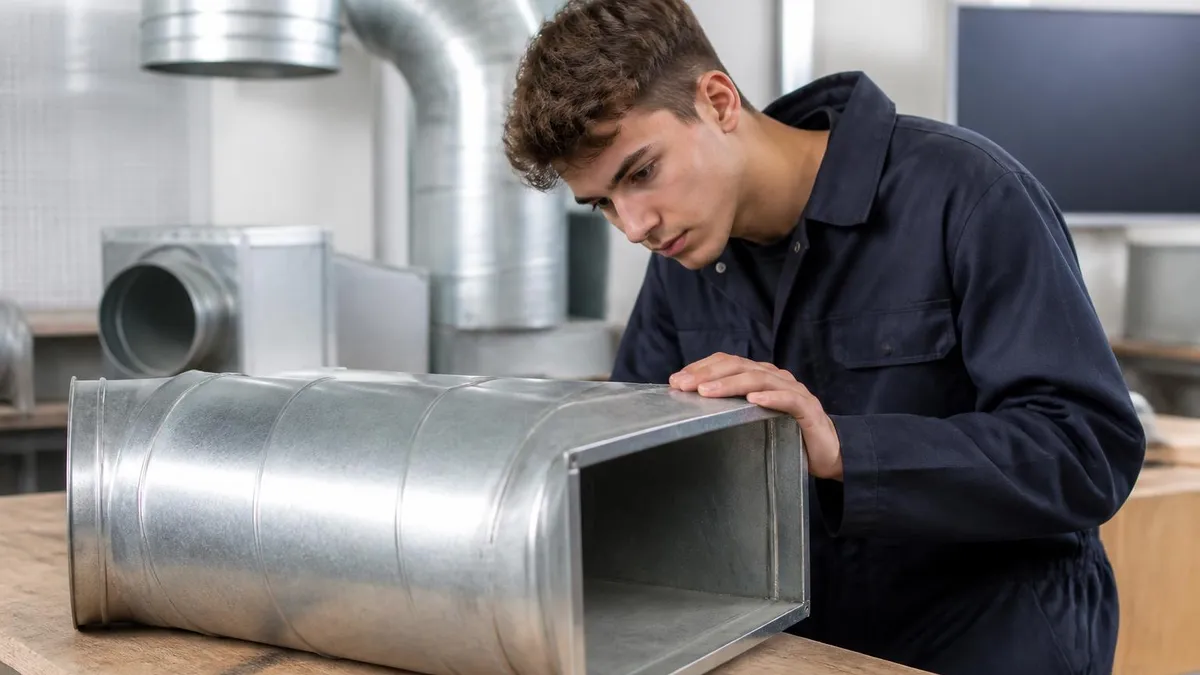
HVAC Duct Repair: Common Issues, Costs, and DIY vs Professional
HVAC School -- Programs, Costs, and Career Paths in 2026
HVAC Advertising: The Complete Playbook for Generating Leads, Booking Calls, and Growing Your Heating and Cooling Business
About the Author

NATE Certified HVAC Technician & Licensing Exam Trainer
Universal Technical InstituteMike Johnson is a NATE-certified HVAC technician and EPA 608 universal-certified refrigerant handler with a Bachelor of Science in HVAC/R Technology. He has 19 years of commercial and residential HVAC installation and service experience and specializes in preparing technicians for NATE certification, EPA 608, A2L refrigerant safety, and state HVAC contractor licensing examinations.