
Ultraviolet Light HVAC Systems: How UV Lights Work, Benefits, Costs, and Installation Guide
Ultraviolet light HVAC systems kill mold, bacteria & viruses. Learn how UV lights work, costs, types & installation tips. 💡
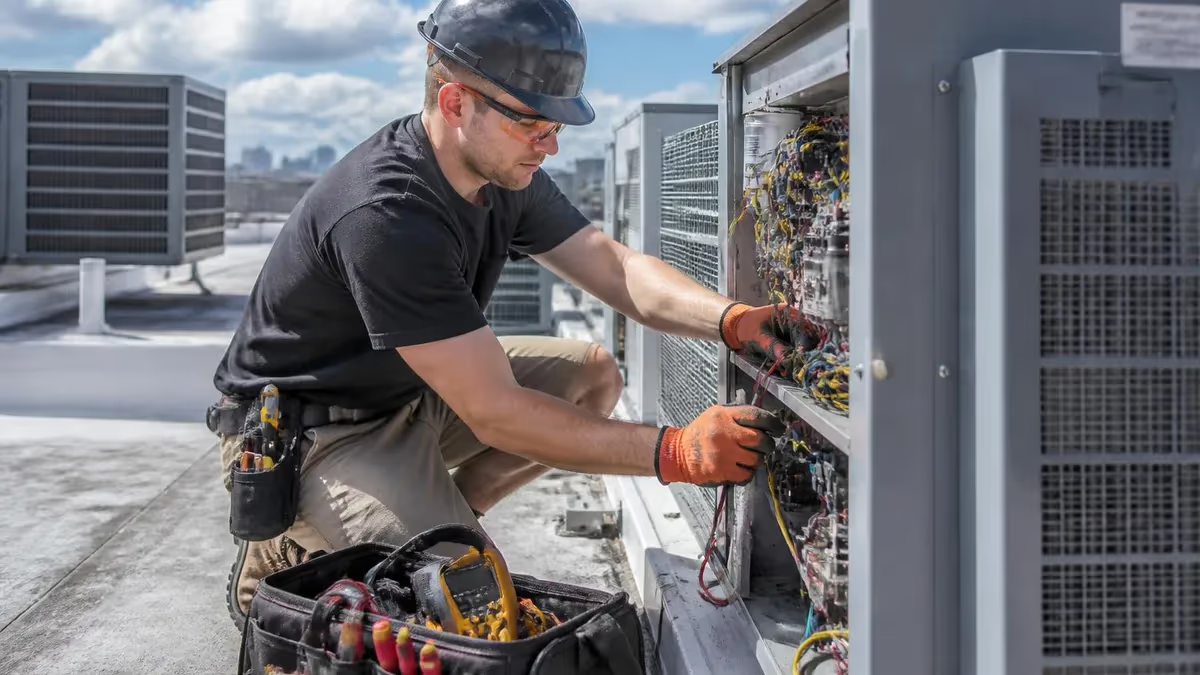
Ultraviolet light HVAC systems have emerged as one of the most effective tools homeowners and building managers can deploy to improve indoor air quality and protect heating and cooling equipment from biological contamination. These systems use germicidal UV-C radiation — the same type of ultraviolet energy that hospitals rely on to disinfect surgical suites — to neutralize airborne pathogens, destroy mold colonies growing on evaporator coils, and reduce volatile organic compounds circulating through ductwork. Understanding how they work and whether they are right for your home is the first step toward cleaner, healthier air.
The core principle behind UV lights in HVAC applications is photolysis, the process by which short-wavelength ultraviolet energy breaks apart the DNA and RNA of microorganisms. When bacteria, mold spores, or viruses pass through the UV-C radiation zone inside your air handler or ductwork, the photons disrupt the organisms' genetic material so thoroughly that they can no longer reproduce or cause infection. This does not simply filter contaminants out of the air — it actively destroys them at the molecular level, which is a fundamentally different approach from mechanical filtration.
There are two primary installation configurations for uv light hvac systems: coil-sterilization units that mount near the evaporator coil and run continuously, and air-sterilization units that mount inside the return air duct and cycle on and off with the blower. Coil units prevent the buildup of biofilm — the slimy layer of mold and bacteria that reduces heat transfer efficiency and creates musty odors. Air-sterilization units, sometimes called in-duct UV systems, target pathogens as they travel through the duct system on their way to living spaces.
The demand for UV HVAC technology accelerated dramatically after the COVID-19 pandemic drew public attention to the role that ventilation and air treatment play in controlling the spread of respiratory illnesses. Research from institutions including the American Society of Heating, Refrigerating and Air-Conditioning Engineers (ASHRAE) confirmed that properly designed UV-C systems in air handling units can achieve 99.9% inactivation of many common airborne pathogens within a single pass, provided lamp intensity, airflow velocity, and exposure time are properly engineered.
From a cost perspective, UV light systems for residential HVAC range from about $100 for a basic single-lamp coil unit to more than $800 for a dual-lamp in-duct air-sterilization system. Professional installation typically adds $150 to $300 to the total. Annual maintenance costs are modest — UV-C lamps lose roughly 15% of their germicidal output per year and should be replaced every 12 to 24 months at a cost of $20 to $80 per lamp. When weighed against potential health benefits and reduced coil cleaning costs, most homeowners find the investment reasonable.
It is important to distinguish UV-C germicidal lamps from UV-A and UV-B radiation. Only UV-C wavelengths in the 200 to 280 nanometer range are germicidal. Consumer products marketed as ultraviolet purifiers that use UV-A bulbs (like many "sanitizing wands") have virtually no effect on airborne microorganisms. Reputable HVAC UV systems specify lamp wavelengths, and certified products meeting UL standards or ASHRAE Guideline 33 provide reliable performance data that allow contractors and engineers to size systems correctly.
This article walks through everything you need to know about UV light HVAC technology: how the different system types compare, what installation involves, which contaminants UV lights address most effectively, the realistic limitations of the technology, and how to evaluate whether a UV system makes sense for your specific home or building. Armed with accurate, detailed information, you will be equipped to have a productive conversation with your HVAC contractor and make a confident purchasing decision.
UV Light HVAC Systems by the Numbers
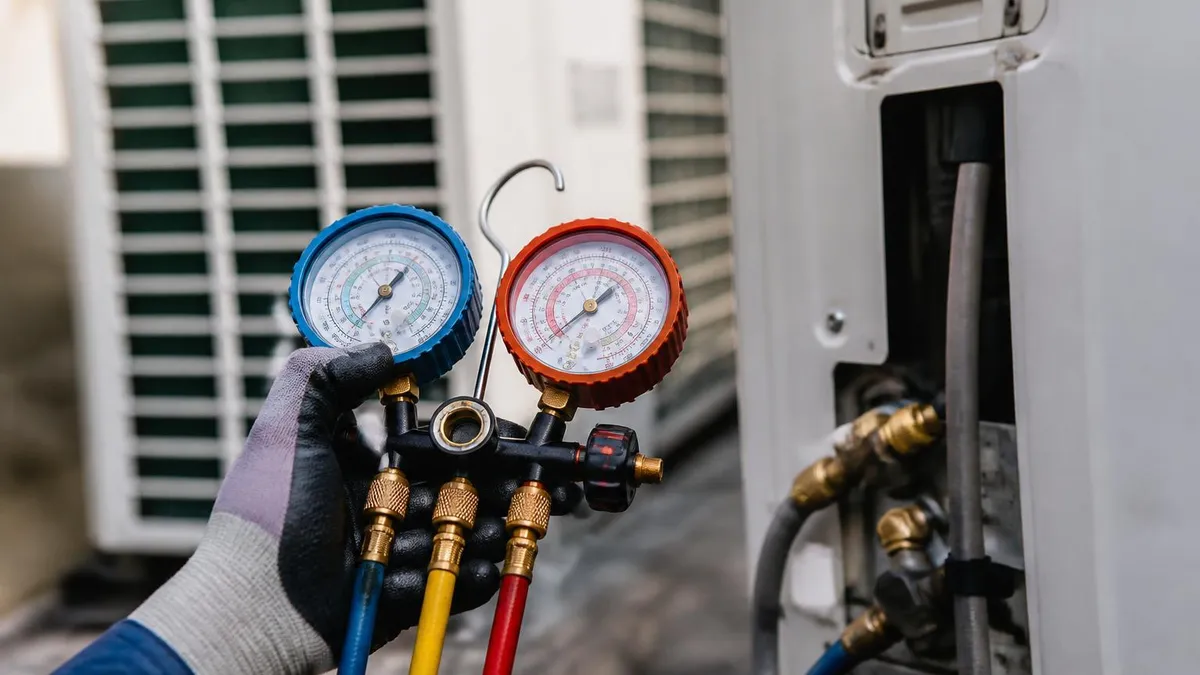
Types of UV Light Systems for HVAC
Mounted directly above or below the evaporator coil inside the air handler, these single-lamp units run continuously to prevent mold and biofilm from forming on the coil surface. They are the most common residential UV upgrade, typically priced between $100 and $350 installed.
Installed inside the return air duct, these units treat air in motion. They cycle on and off with the blower fan and use one or two high-output lamps to inactivate airborne bacteria, mold spores, and viruses before conditioned air reaches living spaces. Cost ranges from $300 to $800.
Premium systems combine a coil-sterilization lamp with one or more in-duct air-treatment lamps, addressing both surface contamination and airborne pathogens simultaneously. These systems offer the most comprehensive protection and are common in commercial buildings and allergy-sensitive households.
Portable or duct-mounted units that incorporate UV-C lamps alongside HEPA or activated carbon filters. These are not traditional HVAC UV systems but are often paired with central systems to handle areas with high contamination risk, such as bathrooms or basements.
Understanding exactly which contaminants ultraviolet light HVAC systems target — and which ones they do not — is essential for setting realistic expectations. UV-C germicidal lamps are extraordinarily effective against a specific class of biological threats: living microorganisms that rely on intact DNA or RNA to survive and reproduce.
The list of organisms susceptible to UV-C irradiation includes mold species such as Aspergillus, Cladosporium, and Stachybotrys (black mold), common bacteria like Staphylococcus aureus and Legionella pneumophila, and respiratory viruses including influenza, rhinovirus, and coronaviruses. Destruction rates depend on UV dose — the product of lamp intensity and exposure time — but properly specified systems routinely achieve two-to-four log reductions, meaning they eliminate 99% to 99.99% of target organisms.
Mold growth on evaporator coils is the problem most homeowners notice first, because it manifests as a musty, mildew-like odor whenever the air conditioning runs. Evaporator coils operate in a perpetually moist environment — condensation forms on the cold coil surface and drips into a drain pan — that is ideal for mold colonization.
A coil-mounted UV-C lamp shining continuously on the coil surface prevents biofilm from establishing itself. Studies funded by the Air Conditioning, Heating, and Refrigeration Institute (AHRI) found that UV coil systems restored heat transfer efficiency by 14% to 35% in systems where coil fouling had developed, directly reducing energy consumption and extending equipment life.
Bacteria that accumulate in drain pans and on duct surfaces are another high-value target. Legionella, the bacterium responsible for Legionnaires' disease, thrives in stagnant warm water — exactly the conditions found in poorly maintained HVAC drain pans. Commercial buildings with cooling towers and large air handlers face a higher Legionella risk, but residential condensate pans can harbor harmful bacteria as well. Positioning a UV lamp with line-of-sight exposure to the drain pan area reduces bacterial loading substantially and is often recommended in buildings with immunocompromised occupants.
Viruses are smaller and often more UV-resistant than bacteria, but they are not invincible. Research published in the journal PLOS ONE demonstrated that SARS-CoV-2 — the virus responsible for COVID-19 — requires a UV-C dose of approximately 1.7 to 16 millijoules per square centimeter for 99.9% inactivation depending on the surface or air matrix. Modern in-duct UV systems designed to ASHRAE Guideline 33 specifications can deliver adequate doses at typical residential airflow velocities of 300 to 500 feet per minute. However, the dose must be verified by the manufacturer's photometric calculations, not assumed from lamp wattage alone.
What UV-C lights cannot do is equally important to understand. They have no meaningful effect on dust, pet dander, pollen, or other particulate matter, because these are non-living particles that do not have DNA to destroy.
They also do not remove volatile organic compounds (VOCs) like formaldehyde, benzene, or cleaning product vapors — though some advanced systems pair UV-C lamps with titanium dioxide (TiO2) coated surfaces to trigger photocatalytic oxidation, which does break down some VOCs. For comprehensive indoor air quality improvement, UV systems should be combined with high-efficiency filtration, ideally MERV-13 or higher, to capture particulates that UV cannot address.
Allergens represent a nuanced case. UV-C light can kill mold spores and neutralize their ability to colonize new surfaces, which reduces the overall fungal burden in the air stream. However, dead mold fragments can still trigger allergic responses in sensitive individuals because the proteins responsible for allergenicity remain intact even after UV destruction. Therefore, people with severe mold allergies may need both a UV system to prevent new growth and high-efficiency filtration to capture existing spore fragments and other allergen particles.
Carbon monoxide, radon, and other chemical or radioactive indoor air hazards are completely outside the scope of UV-C germicidal technology. These require dedicated detectors and mitigation systems. Homeowners investing in UV HVAC upgrades should view them as one layer of a multi-strategy indoor air quality approach rather than a single comprehensive solution. Used in that context — alongside proper ventilation, adequate filtration, and routine maintenance — UV light systems deliver measurable, sustained improvements in the biological quality of indoor air.
UV Light HVAC Installation: What to Expect
Installing a coil-sterilization UV lamp typically takes a certified HVAC technician one to two hours. The technician accesses the air handler cabinet, identifies the correct mounting location to maximize coil surface exposure, drills a small hole for the lamp fixture, and routes the power cord to a 120-volt outlet or directly to the air handler's control board. Proper positioning ensures the lamp's UV-C output covers the entire coil face without shadowing from refrigerant lines or cabinet structure.
After mounting, the technician verifies that the lamp is securely seated and that no UV-C radiation can escape from the air handler cabinet into occupied spaces — UV-C exposure is harmful to eyes and skin. Many quality units include an indicator light on the outside of the cabinet to confirm the lamp is operational without requiring cabinet access. The technician will also confirm that the drain pan has clear line-of-sight exposure to the lamp if biological contamination there is a concern.
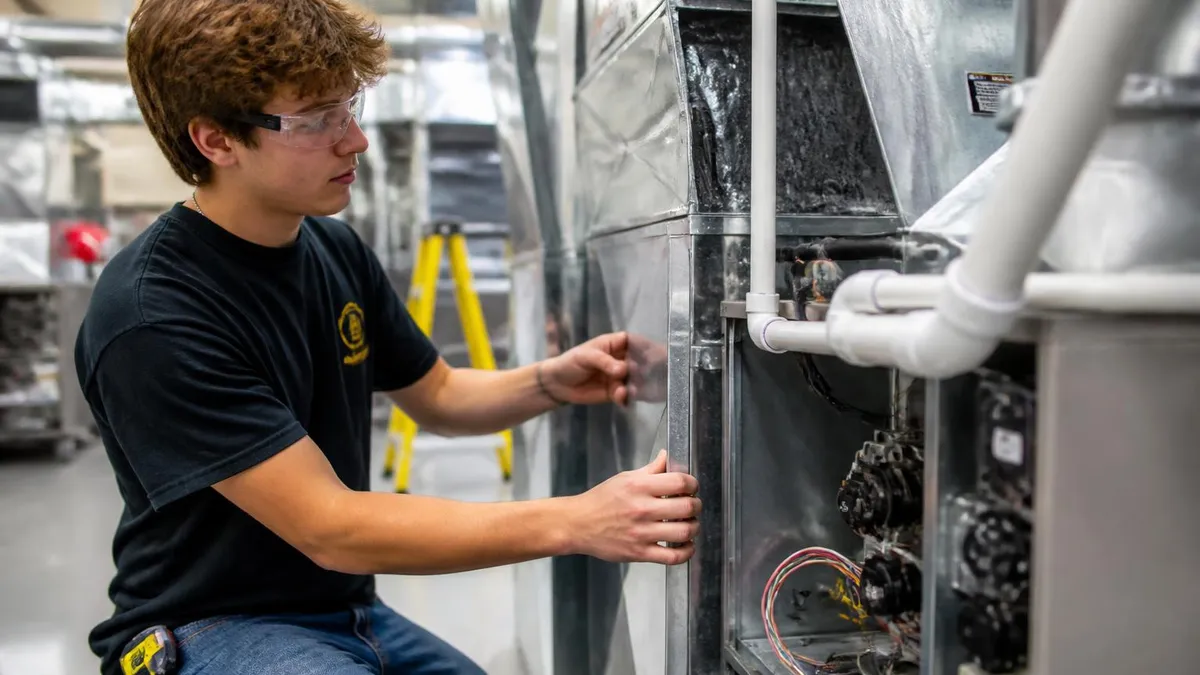
UV Light HVAC Systems: Pros and Cons
- +Destroys up to 99.9% of mold, bacteria, and viruses in the air stream
- +Prevents biofilm and mold buildup on evaporator coils, improving heat transfer efficiency
- +Reduces musty odors caused by microbial growth inside the air handler
- +Low ongoing energy consumption — most residential lamps draw only 15 to 35 watts
- +Works continuously without producing ozone (with low-ozone UV-C lamps)
- +Backed by extensive scientific research and used in hospitals and healthcare facilities worldwide
- −Does not remove dust, pollen, pet dander, or other non-living particulate matter
- −Lamp output degrades over time and must be replaced every 12 to 24 months
- −Improper installation or lamp placement can result in poor germicidal performance
- −UV-C radiation is hazardous to eyes and skin — lamp access during operation must be restricted
- −Some lower-quality products emit ozone as a byproduct, which is an irritant at elevated concentrations
- −Initial cost and installation fees may be $300 to $1,100, which is significant for budget-conscious homeowners
UV Light HVAC System Maintenance Checklist
- ✓Replace UV-C lamps every 12 months, or every 24 months if the manufacturer's output data supports extended intervals.
- ✓Inspect lamp housing and quartz sleeve for dust accumulation, which blocks UV-C output, and clean gently with isopropyl alcohol.
- ✓Verify the indicator light on the air handler cabinet confirms the lamp is energized before closing up the unit.
- ✓Check electrical connections at the lamp socket and control board terminals for signs of corrosion or loose wiring annually.
- ✓Confirm the coil-mounted lamp has unobstructed line-of-sight to the entire coil face after any refrigerant service or coil cleaning.
- ✓Inspect the drain pan for standing water or biological growth every six months, as UV coverage of the pan may need repositioning.
- ✓Test in-duct lamps by temporarily placing a UV detection card or meter through the access port — output should match manufacturer specs.
- ✓Ensure cabinet panels are properly sealed after any lamp service so UV-C radiation cannot escape into occupied spaces.
- ✓Document lamp replacement dates and accumulated operating hours in your HVAC maintenance log for warranty tracking.
- ✓Schedule a professional system inspection every two to three years to verify lamp placement and dose calculations remain optimal as duct geometry or system components change.
A clean coil can save 14–35% on cooling costs
Research from AHRI found that mold and biofilm fouling on evaporator coils reduces heat transfer efficiency by up to 35%, forcing the compressor to run longer to achieve the same cooling effect. A continuously operating coil UV lamp prevents this fouling from developing, which means the energy savings alone can offset the system's cost within two to four cooling seasons — before counting any health or odor benefits.
The cost picture for UV light HVAC systems is more nuanced than the sticker price suggests, because the true value equation includes energy savings, avoided maintenance expenses, equipment longevity, and health outcomes that are difficult to assign a dollar figure to. Let's work through the numbers methodically so you can make an informed comparison for your specific situation. A basic single-lamp coil-sterilization unit from a reputable manufacturer like Fresh-Aire UV, RGF Environmental, or Apco costs between $80 and $200 for the hardware itself, with professional installation adding $100 to $200. Total first-year cost: approximately $180 to $400.
Annual operating costs are quite low. Most residential UV-C lamps consume 15 to 35 watts of electricity continuously. Running a 25-watt lamp 8,760 hours per year at the US average residential electricity rate of approximately $0.16 per kilowatt-hour costs about $35 per year — less than the cost of a single air filter change. Lamp replacement is the larger recurring expense: replacement bulbs for quality units cost $20 to $80 each, and most systems require replacement every 12 to 24 months. Total annual operating and maintenance cost: roughly $50 to $120.
Against those costs, consider the avoided expenses. Professional evaporator coil cleaning — which becomes necessary every three to five years without a UV lamp — typically costs $100 to $400 depending on system size and accessibility. Many contractors report that coils protected by continuous UV lamps show no meaningful biological fouling even after five or more years of operation, effectively eliminating this maintenance line item. If coil cleaning would otherwise occur every three years at an average cost of $200, the UV system saves approximately $67 per year in avoided coil cleaning alone.
The energy efficiency benefit compounds this savings. As noted in the highlight above, fouled coils reduce system efficiency measurably. For a typical 3-ton residential air conditioning system consuming 3,500 watts of electricity during operation, a 15% efficiency penalty translates to approximately 525 extra watts of consumption whenever the compressor runs. In a climate with 1,000 cooling hours per year, that inefficiency costs roughly $84 annually at current electricity rates. Preventing coil fouling through UV irradiation captures much or all of this savings, particularly in humid climates where mold growth is rapid.
Health-related cost avoidance is harder to quantify but potentially the most significant factor. Mold exposure is associated with respiratory symptoms, asthma exacerbations, and allergic reactions that generate physician visits, prescription costs, and lost productivity. The American Lung Association estimates that Americans spend over $30 billion annually on asthma-related healthcare costs, with indoor mold exposure as a documented contributing factor. If a UV system reduces a family member's mold-triggered asthma exacerbations even modestly, the medical cost avoidance can far exceed the system's total lifecycle cost.
For commercial buildings, the ROI calculation shifts further toward the positive. A 10,000-square-foot office building with a large air handling unit might invest $1,500 to $3,000 in a commercial UV system. The potential energy savings from maintaining clean coils at scale, reduced frequency of professional duct and coil cleaning, and improved occupant health outcomes — including reduced sick days and improved productivity — make commercial UV systems among the most cost-effective indoor air quality investments available to building managers today.
Finally, consider the value of odor elimination. Musty HVAC odors caused by microbial growth in air handlers are a common complaint that often leads homeowners to pursue expensive duct cleaning services or even HVAC replacement. UV coil systems address the root cause of these odors rather than masking them. Contractors frequently report that customers who install coil UV systems specifically to address musty odors are among the most satisfied UV customers, because the result — fresh, neutral-smelling conditioned air — is immediately and unmistakably noticeable from the first cooling season after installation.
UV-C radiation at 254 nanometers is invisible to the naked eye but causes rapid photokeratitis (arc eye) and skin burns with even brief direct exposure. Always de-energize your HVAC system and confirm the UV lamp has been off for at least 30 seconds before opening the air handler cabinet for any maintenance. Wear UV-blocking safety glasses rated for UV-C wavelengths if any inspection requires working near an energized lamp, and never allow children near an open air handler cabinet.
Choosing the right UV light system for your HVAC setup requires evaluating several factors: your home's climate, the age and type of your air handling equipment, your primary indoor air quality concerns, and your budget. The process is not one-size-fits-all, and the best choice for a humid Southern home dealing with persistent mold odors will differ from the right choice for a dry-climate household primarily concerned about airborne virus transmission. Starting with a clear understanding of your specific goals allows you to select a system that delivers measurable results rather than simply purchasing the most expensive option available.
Climate is one of the most important selection variables. In high-humidity climates like Florida, the Gulf Coast, and the Southeast, evaporator coil mold growth is aggressive and nearly universal without active intervention. Homeowners in these regions should prioritize coil-sterilization UV systems above all else, because coil fouling is their most impactful contamination problem and the one UV technology addresses most definitively. A single-lamp coil unit is often sufficient, though adding an in-duct component provides additional protection in homes with documented allergy or respiratory concerns.
In drier climates such as the Southwest, coil mold is less prevalent, but duct contamination from dust, occasional mold events following rare humidity spikes, and airborne pathogen concerns are still valid reasons to consider UV systems. In-duct air-sterilization lamps may be a higher-value investment in these regions than coil units, particularly for households with elderly or immunocompromised members who benefit most from reduced microbial load in circulated air. Your local HVAC contractor should be able to advise on the predominant contamination challenges in your regional climate based on their service experience.
System age and configuration influence which UV products will physically fit and perform correctly in your air handler. Older systems with smaller air handler cabinets may not accommodate certain lamp sizes or mounting configurations. Systems with horizontal evaporator coils require different lamp positioning than vertical-coil configurations. Before purchasing a UV system, share your air handler model and configuration with the contractor or manufacturer to confirm compatibility, and request photometric calculations demonstrating that the proposed lamp placement will achieve adequate UV dose at your system's rated airflow.
Lamp quality varies significantly across the market, and selecting a reputable manufacturer matters enormously. Low-cost UV lamps from unknown suppliers often use lower-quality quartz glass that blocks UV-C wavelengths, or lamp chemistries that degrade rapidly from the initial output rating. Look for products that specify lamp wavelength (peak at 253.7 nm for optimal germicidal efficacy), publish lumen maintenance curves showing output over the lamp's rated life, carry UL or CSA certification for electrical safety, and have been tested by independent laboratories to ANSI/ASHRAE Guideline 33 or equivalent standards.
Ozone generation is a critical quality differentiator. Standard low-pressure mercury UV-C lamps produce a small amount of ozone as a byproduct of UV-C irradiation when oxygen molecules in the air absorb very short wavelength UV below 200 nm. At elevated concentrations, ozone is a respiratory irritant. Reputable manufacturers use "ozone-free" or "low-ozone" lamp chemistries that filter out sub-200 nm wavelengths, ensuring the system disinfects air without producing harmful ozone byproducts. Always confirm ozone-free lamp construction before purchasing any UV HVAC product for residential use.
Warranty terms and local contractor support round out the selection criteria. A UV system that breaks down with no local technician capable of servicing it is a poor investment. Most quality manufacturers offer two-year warranties on lamp fixtures and one-year warranties on lamp output, which should be sufficient to identify any manufacturing defects.
Confirm that your HVAC contractor is authorized to install and service your chosen brand, so warranty claims can be processed without shipping the unit to a distant service center. With these factors assessed, you will be well-positioned to select a UV system that delivers lasting, verifiable value for your specific home and health needs.
Even after installing a high-quality UV light system, there are practical steps homeowners and facility managers can take to maximize germicidal performance and ensure the system continues delivering its rated benefits year after year. The most impactful habit is consistent lamp replacement on schedule. Because UV-C output degrades gradually and invisibly, it is tempting to delay lamp changes until some observable problem (like the return of musty odors) signals reduced performance. By that point, the lamp may be operating at 50% or less of its original germicidal intensity. Setting a calendar reminder for annual lamp replacement eliminates this guesswork entirely.
Keeping the quartz sleeve or lamp housing clean is nearly as important as timely lamp replacement. Even a thin film of dust or oil on the quartz sleeve surrounding the UV-C lamp can absorb a significant portion of UV-C output before it ever reaches the air stream or coil surface.
Cleaning the sleeve gently with a lint-free cloth moistened with isopropyl alcohol at each lamp replacement (while the system is de-energized) takes under five minutes and preserves full lamp performance. Never handle quartz sleeves with bare hands — skin oils create hot spots that stress the quartz and accelerate lamp failure.
Pairing your UV system with appropriate filtration multiplies its effectiveness significantly. UV-C lamps inactivate microorganisms but leave their physical remains in the air stream — dead mold spores and bacterial fragments that can still provoke allergic responses in sensitive individuals. A high-efficiency filter rated MERV-13 or higher captures these inactivated particles along with dust, pollen, and pet dander that UV cannot address. The combination of UV biological inactivation and mechanical particle capture addresses the broadest possible range of indoor air quality threats without requiring expensive whole-home filtration upgrades.
Sealing duct leaks in your system helps UV in-duct lamps perform more consistently by ensuring that all return air passes through the UV treatment zone rather than bypassing it through duct gaps. Leaky ducts allow untreated air to enter the distribution system past the UV lamp location, diluting the germicidal effect and potentially re-introducing contamination into supply air. HVAC duct repair is a worthwhile complementary investment that improves both UV system effectiveness and overall energy efficiency simultaneously, with benefits extending to every aspect of your HVAC system's performance.
Maintaining proper humidity control throughout your home is perhaps the single most effective way to reduce the biological contamination burden that your UV system must address. Mold requires relative humidity above 60% to colonize surfaces actively.
If your home consistently runs above that threshold due to inadequate air conditioning sizing, duct leaks, or high outdoor humidity infiltration, the UV system will be working against a continuous and aggressive mold source. Targeting indoor relative humidity of 40% to 50% — achievable through proper AC operation, a whole-home dehumidifier, or both — dramatically reduces the mold growth pressure your UV system must manage.
For households with documented mold problems in the ductwork rather than just on the coil, it is important to understand that UV lamps cannot remediate existing heavy mold growth inside ducts. Established mold colonies deep within duct cavities are shielded from UV-C radiation by their physical structure and by the duct walls themselves. Significant duct mold contamination requires professional duct cleaning and potentially duct replacement before UV lamps are installed, at which point the UV system prevents recurrence rather than treating existing contamination. Your contractor should assess duct condition before recommending a UV-only approach.
Finally, review your UV system's performance data annually. Some premium systems include integrated UV intensity sensors that transmit real-time lamp output data to a connected app or building management system. Even without these features, noting whether any musty odors have returned, whether coil inspections show any new biological growth, and whether family members with respiratory sensitivities report changes in symptom frequency gives you practical feedback on system performance. Combining objective monitoring with subjective quality-of-life observation allows you to optimize your UV system investment and catch performance issues before they result in significant indoor air quality degradation.
HVAC Questions and Answers
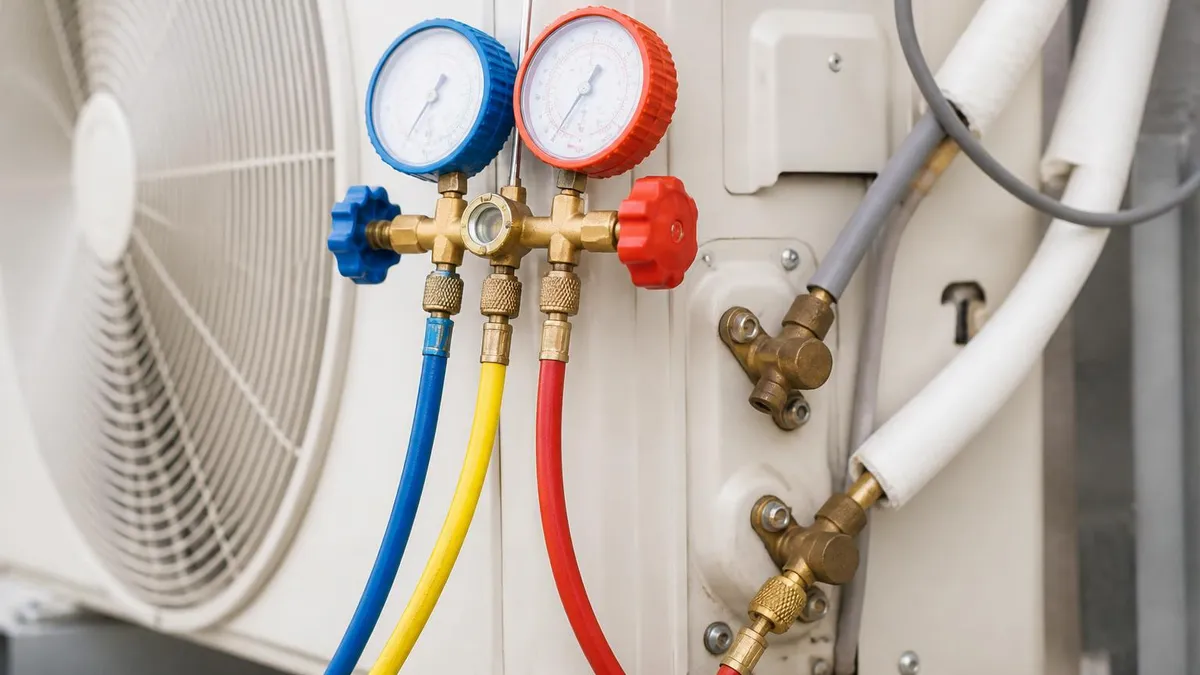
FCU HVAC: The Complete Guide to Fan Coil Units, How They Work, Where They Excel, and How to Choose the Right System
Finance a New HVAC System: 2026 Loans, 0% APR, and Rebates
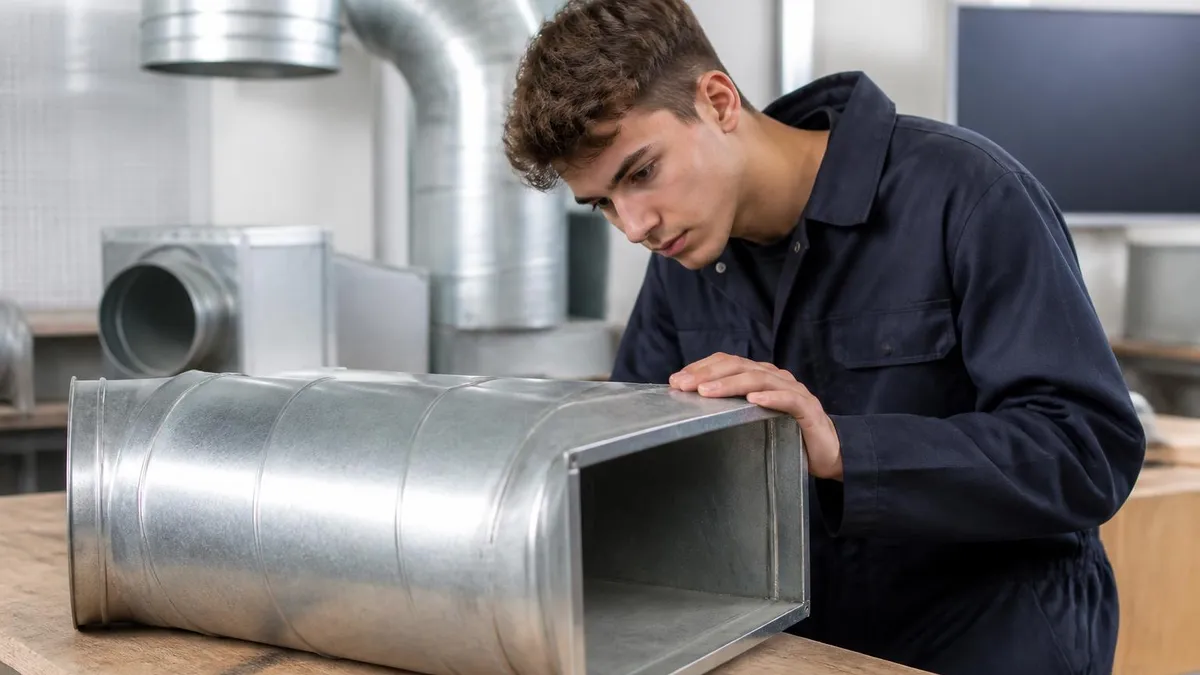
HVAC Duct Repair: Common Issues, Costs, and DIY vs Professional
HVAC School -- Programs, Costs, and Career Paths in 2026
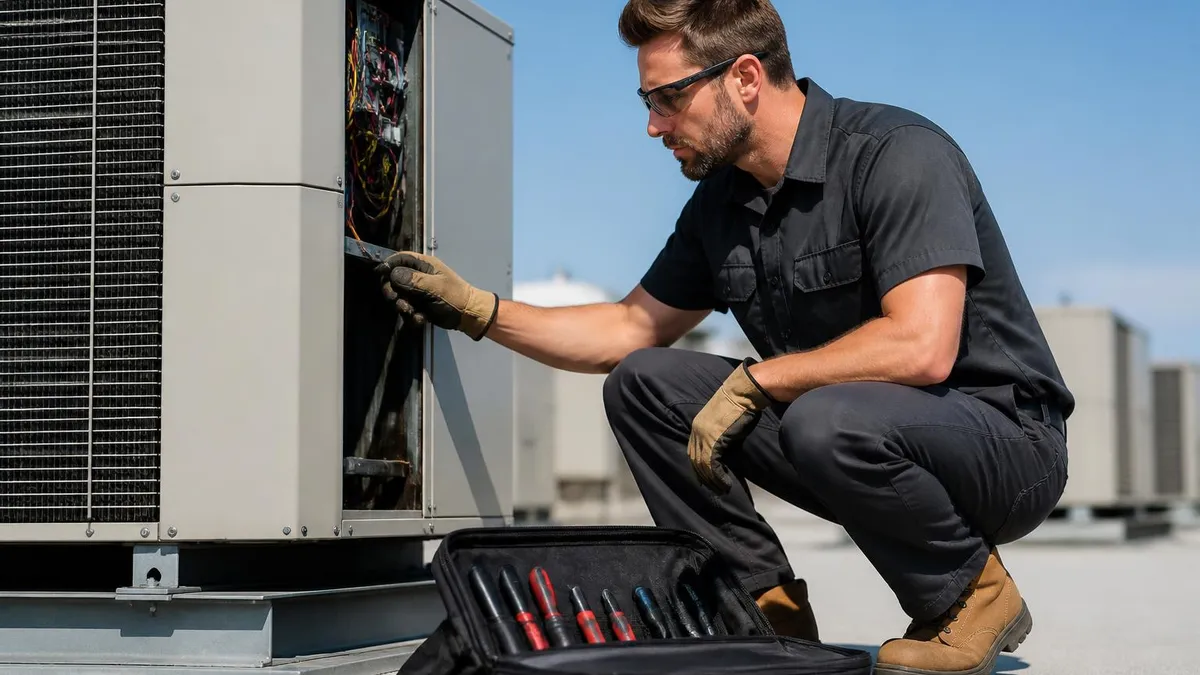
HVAC Advertising: The Complete Playbook for Generating Leads, Booking Calls, and Growing Your Heating and Cooling Business
About the Author

NATE Certified HVAC Technician & Licensing Exam Trainer
Universal Technical InstituteMike Johnson is a NATE-certified HVAC technician and EPA 608 universal-certified refrigerant handler with a Bachelor of Science in HVAC/R Technology. He has 19 years of commercial and residential HVAC installation and service experience and specializes in preparing technicians for NATE certification, EPA 608, A2L refrigerant safety, and state HVAC contractor licensing examinations.