
HVAC Salary California: Complete 2026 September Guide to Wages, Career Paths, and Earning Potential in the Golden State
HVAC salary California guide: 🎯 real wages by city, experience level, certification bonuses, and how to maximize your earnings as a technician in 2026 September.
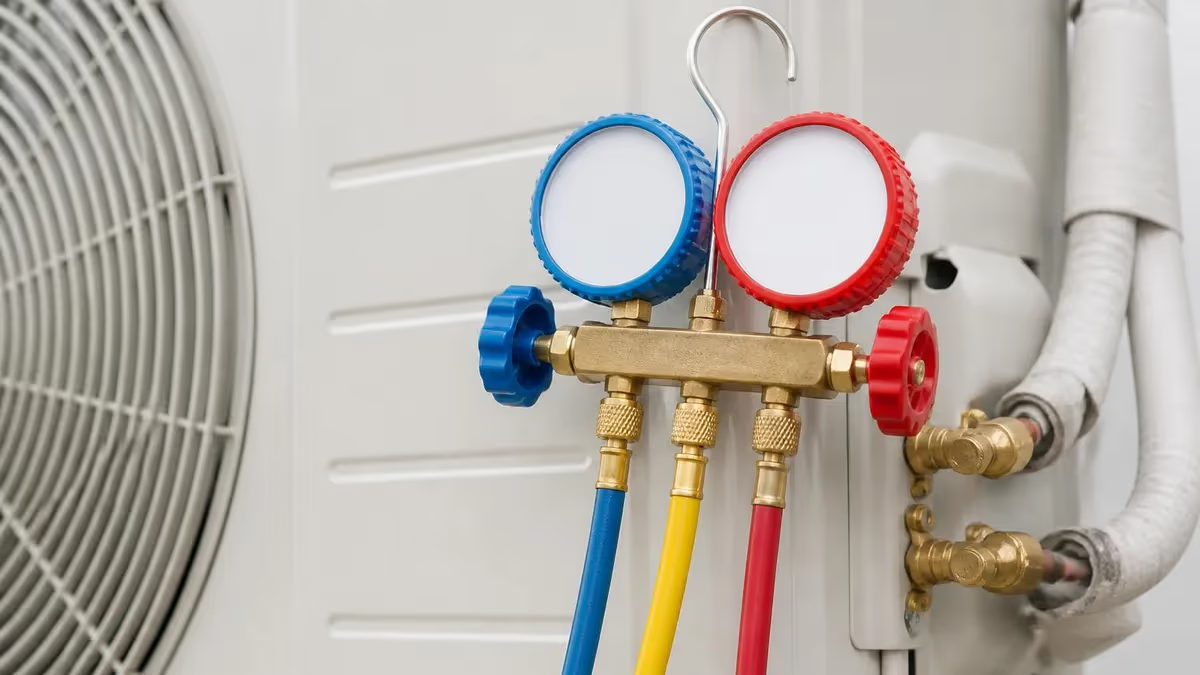
The hvac salary california market is one of the strongest in the United States, with technicians regularly earning well above the national median thanks to high housing costs, year-round demand, and aggressive state energy efficiency mandates. California employs more than 35,000 heating, ventilation, air conditioning, and refrigeration mechanics according to the Bureau of Labor Statistics, and that number continues to grow as Title 24 building standards, heat pump electrification incentives, and an aging workforce drive companies to compete hard for skilled labor. If you are weighing this career, the financial picture is genuinely compelling.
Statewide, the average HVAC technician in California earns between $62,000 and $78,000 annually, with senior service technicians, commercial specialists, and licensed contractors regularly clearing six figures. Hourly wages typically range from $28 to $52 depending on experience, certifications, and metro area. These numbers reflect base pay before overtime, commission on equipment sales, spiffs, on-call bonuses, vehicle allowances, and employer-paid health and retirement benefits that can add another 25 to 35 percent in total compensation value.
The earning curve in this trade is steep but predictable. A first-year apprentice in Los Angeles or the Bay Area might start at $22 to $28 per hour, but within five years that same worker — once journey-level and EPA 608 certified — can be earning $45 to $55 per hour. Add a C-20 contractor's license, a NATE certification, and a few years of commercial chiller experience, and the ceiling effectively disappears. Many independent operators clear $200,000 in profit before taxes.
Geography matters enormously in California. A technician working in San Francisco, San Jose, or Oakland will typically out-earn a peer in Fresno or Bakersfield by $15,000 to $25,000 per year, but those coastal cities also carry housing costs that consume the difference and more. Inland markets like Sacramento, Riverside, and San Diego offer some of the best ratios of pay to cost of living, which is why those regions have become magnets for technicians relocating from other states.
Beyond the base numbers, California offers structural advantages most states cannot match. Strong union representation through UA Local 250, 342, 393, 447, and others provides defined benefit pensions, fully paid family healthcare, and standardized wage scales tied to prevailing wage projects. Non-union shops compete by offering higher hourly rates, profit sharing, take-home trucks, fuel cards, and tool allowances. Either path can produce a lifelong middle-class to upper-middle-class income with no student debt.
This guide breaks down exactly what HVAC professionals earn across California in 2026 — by city, by experience level, by specialty, and by certification. We will walk through the path from apprentice to master technician, the credentials that move the needle most on pay, the highest-paying employers and sectors, and the realistic timeline to reach top-tier earnings. Whether you are considering trade school, already in an apprenticeship, or thinking about jumping shops, the numbers below will give you a clear-eyed view.
If you want to test your readiness for the certifications that unlock the biggest salary bumps, you can try free HVAC practice questions covering the core knowledge areas California employers and licensing boards expect from working technicians. Strong fundamentals translate directly into faster raises, better job offers, and the confidence to negotiate from a position of strength.
HVAC Salary California by the Numbers
California HVAC Pay by Experience Level
Entry-level apprentices in California earn $22 to $30 per hour, roughly $46,000 to $62,000 annually. Union apprentices follow a structured wage scale tied to school completion milestones, while non-union shops often pay slightly less upfront but offer faster advancement.
Once you finish your apprenticeship and earn EPA 608 Universal certification, expect $32 to $44 per hour, or $66,000 to $91,000 yearly. This is when commission, overtime, and on-call premiums start adding meaningful income on top of base wage.
Experienced technicians with NATE credentials and a strong call-back-free track record earn $44 to $55 per hour, or $91,000 to $114,000 plus benefits. Lead techs often supervise apprentices and earn an additional supervisor differential of $2 to $5 per hour.
Holding a California C-20 HVAC contractor's license lets you bid jobs directly. Solo operators typically clear $120,000 to $200,000 in profit, while contractors running a crew of three to five technicians can net $300,000 to $500,000 in good years.
Chiller, VRF, and building automation specialists working on hospitals, data centers, and commercial high-rises command the highest wages. Top performers earn $60 to $80 per hour or salaries north of $130,000, often with company vehicles and full benefit packages.
California is enormous, and HVAC salaries shift dramatically depending on which metro area you work in. The coastal Bay Area is consistently the top-paying region: San Jose, San Francisco, and Oakland routinely show median HVAC wages above $85,000, with senior service technicians at union shops or large mechanical contractors earning $110,000 to $135,000 base. That premium reflects both the housing cost crisis and the dense concentration of tech campuses, biotech labs, and high-rise commercial buildings that need precision hvac fort collins.
Los Angeles County is the largest HVAC market in the state by raw employment, with roughly 12,000 technicians working everywhere from Beverly Hills mansions to film studios in Burbank. Median LA wages sit around $74,000 to $82,000, with substantial overtime available during the summer heat wave season. Residential service techs working on commission can crack $130,000 in busy years, particularly those who can sell heat pump conversions tied to LADWP and SCE rebate programs.
San Diego offers one of the best balances in the state. Median wages run $68,000 to $76,000, slightly below LA, but the cost of living is more manageable and the year-round mild climate means steady work without the brutal summer rushes. Military installations, biotech, and hospitality drive consistent commercial demand, and the proximity to the border opens up additional opportunities for technicians who speak Spanish.
The Inland Empire — Riverside and San Bernardino counties — has become a wage bright spot due to massive warehouse construction tied to ports and e-commerce distribution. Industrial refrigeration and large-tonnage rooftop unit specialists in this region routinely earn $90,000 to $115,000, and many companies offer relocation bonuses to attract qualified candidates from outside California.
Sacramento and the broader Central Valley pay somewhat less in raw dollars — median around $62,000 to $70,000 — but homes are roughly half the price of the Bay Area. Many techs from Stockton, Modesto, and Fresno report a higher real standard of living than their coastal counterparts. State government and university work in Sacramento adds a strong base of prevailing-wage projects with excellent benefits and pension contributions.
Smaller markets like Bakersfield, Redding, and the desert communities around Palm Springs each have their own dynamics. Palm Springs and the Coachella Valley pay surprisingly well — $34 to $46 per hour for residential service — because the brutal desert summers create constant emergency callouts and high-end second-home owners are willing to pay premium rates for fast response. If you are open to a similar trade, our breakdown of hvac repair portland offers a useful out-of-state comparison.
One important note: prevailing wage projects funded by state or local government in California must pay state-mandated rates that are often 30 to 50 percent above private market wages. A journey HVAC tech on a prevailing wage school district project in Los Angeles might earn $68 per hour straight time plus fringe benefits worth another $25 per hour. Knowing how to find and qualify for prevailing wage work is one of the most underrated skills in this trade.
HVAC Practice Test Questions
Prepare for the HVAC - Heating Ventilation and Air Conditioning exam with our free practice test modules. Each quiz covers key topics to help you pass on your first try.
HVAC Air Conditioning
HVAC Exam Questions covering Air Conditioning. Master HVAC Test concepts for certification prep.
HVAC Code Compliance
Free HVAC Practice Test featuring Code Compliance. Improve your HVAC Exam score with mock test prep.
HVAC Electrical Controls
HVAC Test Prep for Electrical Controls. Practice HVAC Quiz questions and boost your score.
HVAC Energy Efficiency
HVAC Questions and Answers on Energy Efficiency. Free HVAC practice for exam readiness.
HVAC Heating Systems
HVAC Mock Test covering Heating Systems. Online HVAC Test practice with instant feedback.
HVAC Load Calculations
Free HVAC Quiz on HVAC Load Calculations. HVAC Exam prep questions with detailed explanations.
HVAC Tools and Equipment
HVAC Practice Questions for HVAC Tools and Equipment. Build confidence for your HVAC certification exam.
HVAC Refrigeration
HVAC Test Online for Refrigeration. Free practice with instant results and feedback.
HVAC Safety Practices
HVAC Study Material on Safety Practices. Prepare effectively with real exam-style questions.
HVAC System Design
Free HVAC Test covering System Design. Practice and track your HVAC exam readiness.
HVAC Thermodynamics
HVAC Exam Questions covering Thermodynamics. Master HVAC Test concepts for certification prep.
Certifications That Boost Your HVAC Salary California
EPA 608 Universal certification is the baseline credential every working California HVAC technician must hold. It is federally required to purchase, handle, or recover refrigerants, which means without it you literally cannot perform service calls. Most apprentices earn it within their first six months, and shops that hire uncertified workers typically pay them $4 to $7 per hour less until they pass.
The Universal level — which covers Type I, II, and III equipment — is what California employers expect on day one. Failing to maintain certification or violating handling rules can result in EPA fines up to $44,000 per incident, so employers verify cards aggressively. Studying the recovery, recycling, and leak detection regulations carefully on your first attempt saves time and money.
Is an HVAC Career in California Worth It?
- +Strong wages well above national HVAC average — median $72K versus $51K nationally
- +No college debt required — apprenticeships pay you to learn from day one
- +Excellent union pension and healthcare benefits available across the state
- +High year-round demand insulated from most economic downturns
- +Clear path to self-employment through C-20 license with six-figure potential
- +State energy mandates drive constant work in heat pump conversions and retrofits
- −High cost of living in coastal cities eats into nominal wage advantage
- −Physically demanding work — attic, crawlspace, and rooftop conditions year-round
- −Strict state regulations require continuous education and recertification
- −On-call rotations during summer heat waves can be brutal in inland markets
- −Insurance, vehicle, and tool costs are significantly higher than in other states
- −Permit and inspection bureaucracy can slow down jobs and frustrate cash flow
Action Steps to Maximize Your HVAC Salary California
- ✓Enroll in an accredited apprenticeship program through UA Local or a community college within your first six months in the trade.
- ✓Earn your EPA 608 Universal certification before your first performance review to qualify for journey-level pay scales.
- ✓Pursue NATE Core plus at least one specialty exam within 24 months to unlock employer-paid premiums.
- ✓Document every service call, repair, and install with photos and notes to build a verifiable experience portfolio.
- ✓Negotiate annual reviews using BLS California wage data and prevailing wage rates as benchmarks.
- ✓Add a Type II Universal Refrigerant Recovery sub-specialty if you want to work on supermarket or industrial systems.
- ✓Volunteer for commercial chiller, VRF, or building automation training whenever your employer offers it.
- ✓Track your billable hours, callback rate, and average ticket size — high performers earn 30 percent more.
- ✓After four years of journey work, file your C-20 contractor's license application with CSLB to unlock the next earnings tier.
- ✓Build a personal LinkedIn profile and join local ACCA or RSES chapters to access higher-paying opportunities.
Specialize in commercial chillers or building automation
California has fewer than 4,000 technicians qualified to service large-tonnage centrifugal chillers and integrated building automation systems, yet demand from hospitals, data centers, and Class A commercial real estate is exploding. Specialists in this niche routinely earn $65 to $85 per hour with full benefits and take-home vehicles — often double the wage of residential service techs with the same years of experience.
Specialty matters as much as geography when it comes to maximizing your hvac salary california potential. Residential service is the most common path and offers steady, predictable income with commission opportunities, but it sits at the lower end of the pay scale once you account for the physical wear of constant attic and crawlspace work. Most residential service techs in California peak around $90,000 to $100,000 in total compensation unless they move into sales or management.
Light commercial work — restaurants, small offices, retail — generally pays 10 to 20 percent more than residential and exposes you to rooftop package units, walk-in coolers, and three-phase electrical systems that build credentials for bigger jobs. Many techs use light commercial as a stepping stone before moving into the highest-paying sectors. The variety of equipment also keeps the work interesting and accelerates skill development in ways residential work cannot match.
Heavy commercial and industrial HVAC is where the real money lives. Hospitals, semiconductor fabs, pharmaceutical plants, data centers, and government facilities pay top-of-market rates because downtime is catastrophically expensive. A data center HVAC tech in Santa Clara or Vallejo can earn $110,000 to $145,000 base plus on-call premiums, retention bonuses, and equity in some cases. The trade-off is rigorous background checks, on-call requirements, and the need to be fluent with building automation platforms like Niagara, Metasys, and ALC.
Industrial refrigeration is its own world. Cold storage warehouses, food processing plants, ice rinks, and breweries all require ammonia or CO2 refrigeration expertise. RETA certification (Refrigerating Engineers and Technicians Association) opens these doors, and qualified operators earn $45 to $70 per hour with substantial overtime. California has hundreds of facilities needing this work, and the pool of qualified techs is small enough that employers actively poach from competitors.
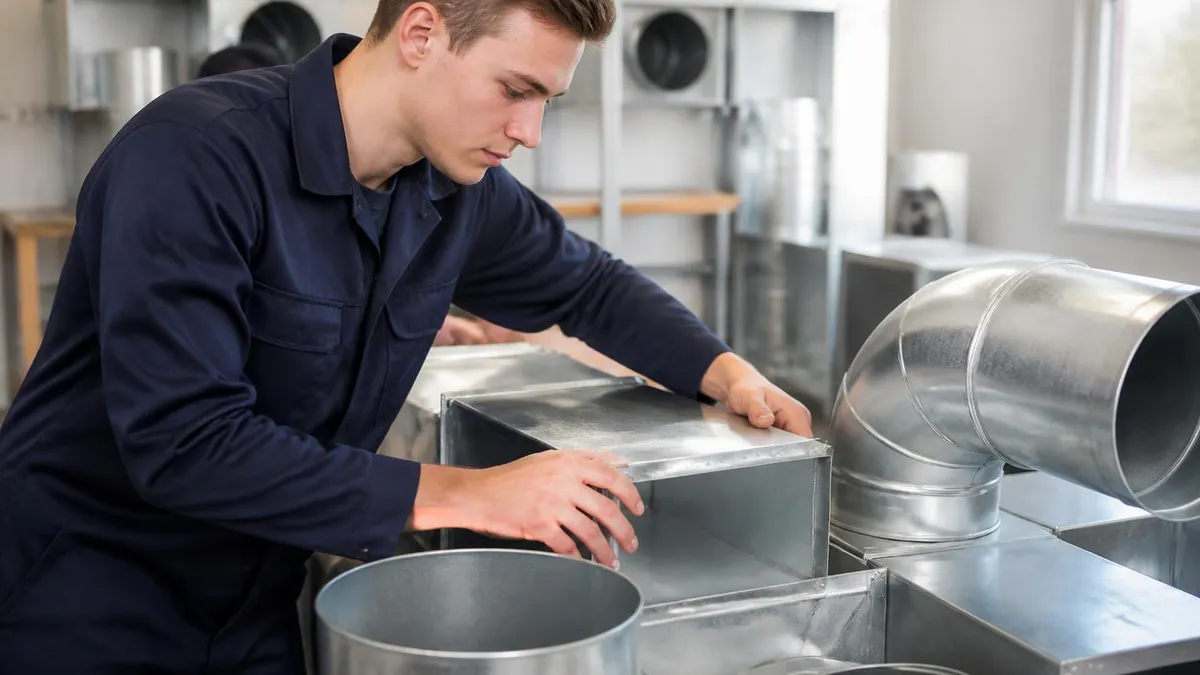
Sheet metal and ductwork specialists often earn surprisingly well, particularly those who join SMART Local 104 or 105. Journey sheet metal workers on commercial projects in San Francisco can earn $80 to $95 per hour in total package value including pension and healthcare contributions. The work is more physical than service tech work, but the union benefits and prevailing wage opportunities are difficult to beat anywhere in the country.
Building performance and HERS rating is a fast-growing specialty driven by Title 24. HERS raters perform third-party verification on new construction and retrofits, earning $75 to $150 per inspection. A motivated rater performing six to eight inspections per day can clear $200,000 annually as an independent contractor. The certification requires roughly 80 hours of training and a field exam, and demand is strong in every major California metro.
If you want to see how HVAC career paths play out in other markets, our overview of complete HVAC systems and the specialties that service them provides useful context for thinking about long-term career direction. The specialty you choose at the journey level largely determines your earnings ceiling for the next two decades.

California HVAC contractors and many large employers require documented continuing education to maintain employment and certifications. Falling behind on CEUs for NATE, RETA, or your C-20 license can result in suspension of your credentials and immediate loss of premium pay. Budget 20 to 40 hours per year for ongoing training — most employers reimburse approved courses.
Base salary is only part of the hvac salary california story. Total compensation for working technicians in this state regularly adds 25 to 40 percent on top of stated hourly wages once you account for overtime, benefits, and perks. Understanding how to read a full offer letter — and what to negotiate — separates technicians who plateau early from those who consistently outearn their peers by $20,000 or more annually.
Overtime in California is governed by some of the strongest worker protection laws in the country. Anything over eight hours in a day pays time-and-a-half, anything over 12 hours pays double time, and the seventh consecutive day of work pays double time after eight hours. During summer heat wave weeks, residential service technicians can legitimately add $1,500 to $3,000 in overtime to a single week's paycheck. Many techs report 200 to 400 hours of overtime per year, adding $15,000 to $35,000 to base earnings.
On-call compensation varies widely by employer. Top shops pay $150 to $300 per week just to carry the phone, plus a minimum of two billable hours per dispatched call regardless of actual time spent. Less competitive shops offer only a small flat stipend and rely on commission to make up the difference. Always ask specifically how on-call works before accepting a position — it can swing annual earnings by $10,000 either direction.
Commission and spiffs are universal in California residential service. Equipment sales typically pay technicians 5 to 12 percent of the system price, meaning a single heat pump conversion can generate $800 to $2,400 in commission on top of regular wages. Manufacturers like Carrier, Lennox, and Trane also offer direct spiffs of $50 to $400 per unit installed, paid quarterly via debit card. Top selling techs in California earn $30,000 to $60,000 annually from commission alone.
Health insurance and retirement benefits are where union shops dominate. UA mechanical locals provide fully paid family healthcare worth $25,000 to $32,000 per year in market terms, defined-benefit pensions that pay $4,000 to $6,000 per month at retirement after 30 years of service, and supplemental annuities. Non-union shops typically offer subsidized health plans worth $8,000 to $15,000 and 401(k) matches of 3 to 6 percent. The lifetime difference can exceed $1 million.
Vehicle, fuel, tool, and uniform benefits are easy to overlook but add real value. A take-home service truck with fuel card eliminates the need for a personal vehicle, saving $8,000 to $12,000 per year. Tool allowances of $1,500 to $3,000 annually, paid uniforms, and company-provided phones add another $4,000 to $6,000 in real value. Always tally the full package, not just the hourly rate. For a deeper look at the equipment you will work with daily, see our complete guide to hvac parts and supply.
Finally, don't ignore non-cash benefits like flexible scheduling, four-day workweeks, paid certification training, and tuition reimbursement. These are increasingly common at competitive California employers trying to retain talent in a tight labor market. Many shops will pay for your NATE, C-20 prep, or even your associate's degree as part of a multi-year retention agreement. Negotiating for these benefits is often easier than negotiating an extra dollar per hour.
If you are serious about maximizing your hvac salary california earning potential, the next 12 to 24 months matter more than any other window in your career. Use this period to lock in the certifications, specialties, and relationships that will compound for decades. Focus on doing fewer things exceptionally well rather than chasing every new credential — depth beats breadth in this trade, and the highest earners are almost always recognized specialists rather than generalists.
Start by getting brutally honest about your current trajectory. Pull your last two W-2s, add overtime and commission separately, and calculate your true hourly rate including benefits. Compare that number to BLS California data for your experience level and metro area. If you are below the median, you have a strong case for a raise or a move. If you are at the median, you need a clear plan to break into the top quartile within three years.
Build relationships with the people who hand out the best jobs. In California HVAC, that means service managers at top residential shops, project managers at mechanical contractors, business agents at UA and SMART locals, and operations leaders at facility-heavy employers like Kaiser, Sutter, UC, and the major tech campuses. Show up to ACCA chapter meetings, attend the AHR Expo when it comes to Las Vegas, and stay visible at supply houses. Most premium opportunities never get posted publicly.
Treat continuing education as a non-negotiable line item in your annual plan. Even when employers cover the cost, you have to invest the time. Schedule 4 to 8 hours per week for technical reading, manufacturer training videos, code updates, and exam prep during slower months. Technicians who learn variable refrigerant flow systems before their peers, master inverter heat pump diagnostics early, or get ahead of California's accelerating refrigerant phase-down will write their own paycheck for years.
Track your numbers obsessively. Every callback, every comeback, every customer complaint, and every five-star review affects your earning potential, even when employers don't talk about it openly. Top-performing technicians keep a personal log of completed jobs, sold options, and customer feedback. When raise time comes, walking into the conversation with documented metrics — not vague claims — is what produces the biggest bumps.
Consider the long game seriously. If self-employment appeals to you, start saving aggressively for the $25,000 surety bond, liability insurance, vehicle, and tools you will need to launch as a C-20 contractor. Many California techs who go independent earn three times what they made as employees within two years, but the first year is brutal and undercapitalized startups fail constantly. If you want help vetting your future competitors, our guide to how California homeowners find and hire HVAC contractors is required reading.
Finally, prioritize physical longevity. The single biggest threat to your lifetime earnings in this trade is injury — back, shoulder, knee, and heat-related conditions end careers far more often than market downturns. Invest in proper lifting technique, use mechanical aids whenever possible, hydrate aggressively in summer, and maintain your conditioning outside of work. A 25-year career at $90,000 average pays vastly more than a 12-year career at $110,000 cut short by surgery.
HVAC Questions and Answers
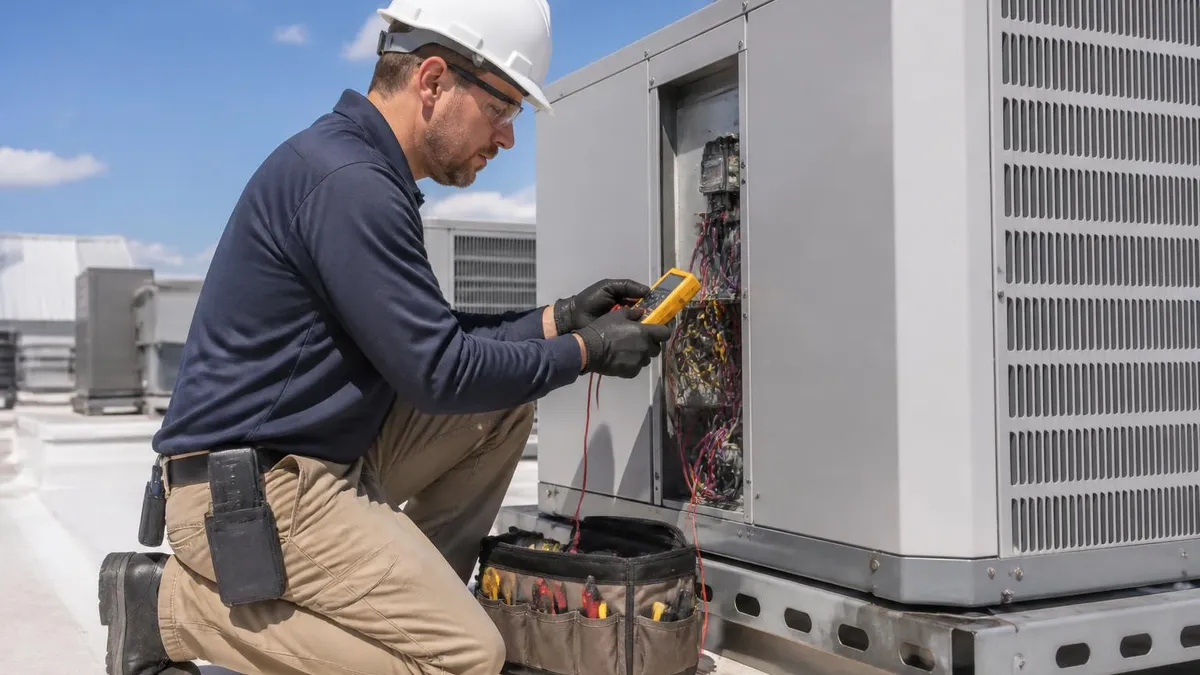
HVAC Repair Portland: The Complete 2026 Homeowner's Guide to Furnace, AC, and Heat Pump Service in the Rose City
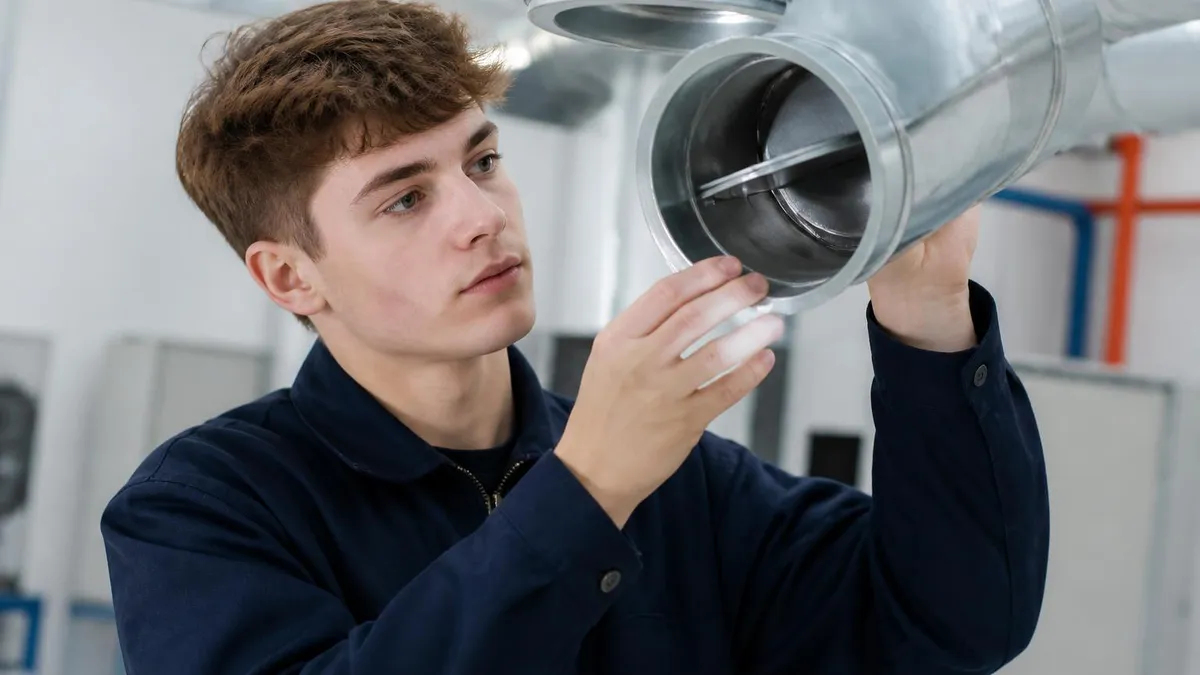
HVAC Tune Up Service: The Complete Guide to Professional HVAC Maintenance and Why It Pays for Itself
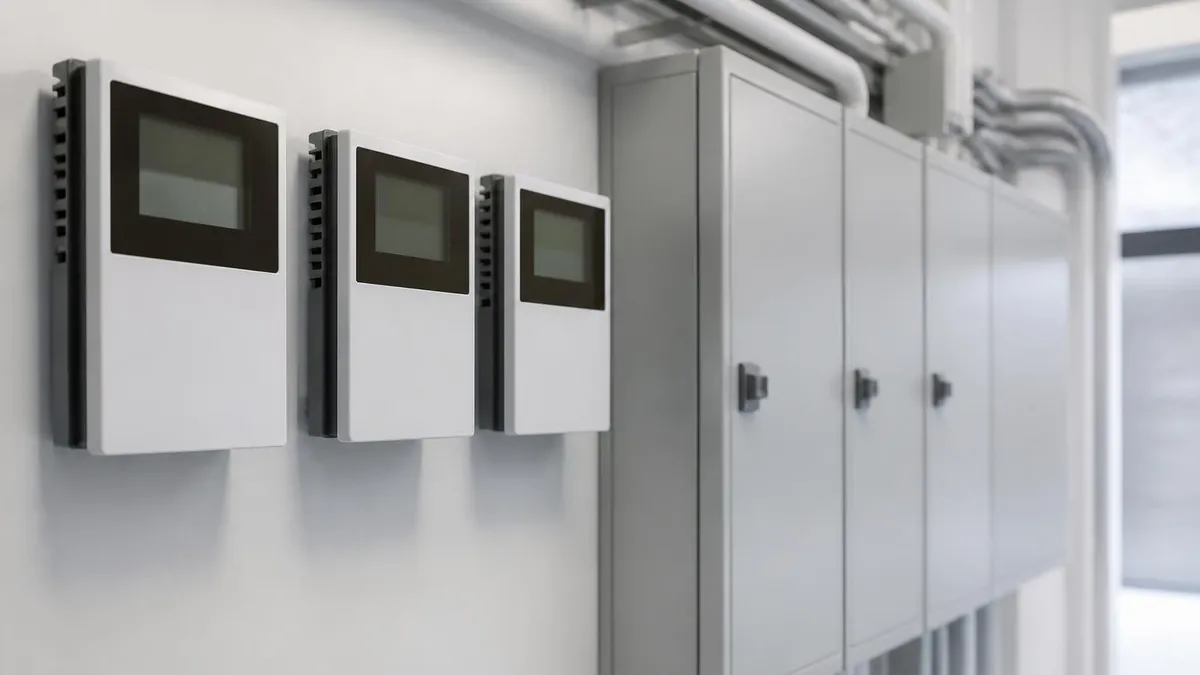
HVAC Solutions: The Complete Guide to Heating, Cooling, and Indoor Air Quality Systems for Homes and Buildings
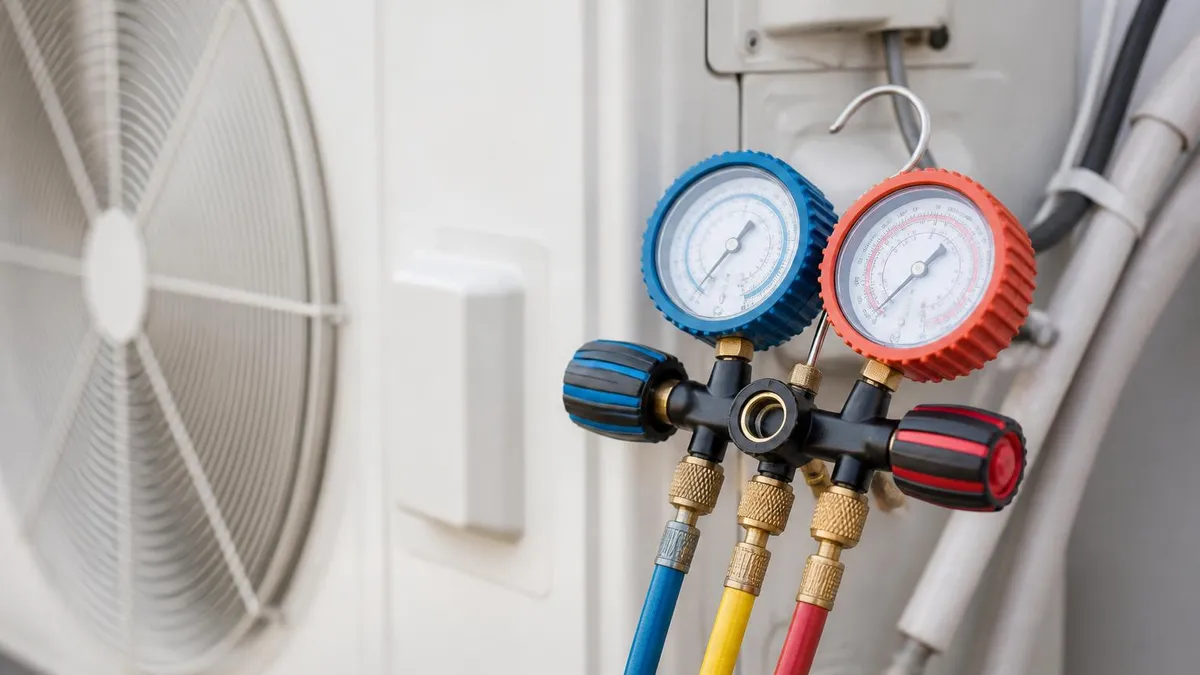
Certified HVAC Contractors: How to Find, Vet, and Hire the Right Professional for Your Home or Business
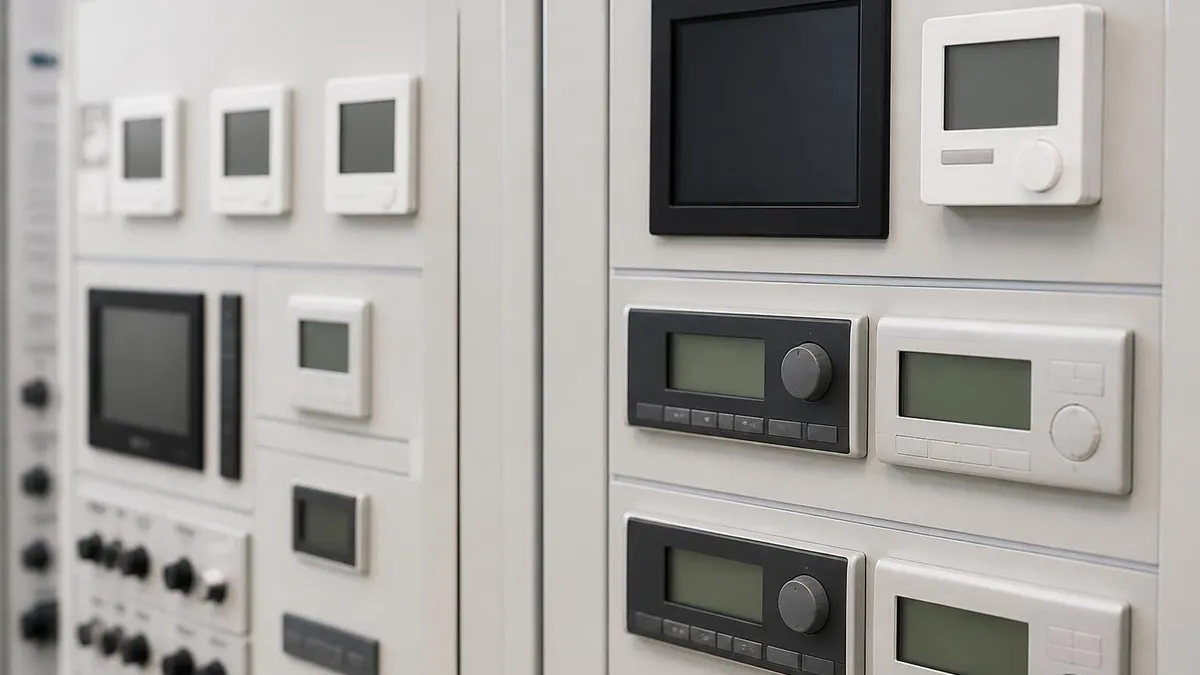
HVAC Parts and Supply: The Complete Guide to Sourcing, Identifying, and Buying Heating and Cooling Components in 2026
About the Author

NATE Certified HVAC Technician & Licensing Exam Trainer
Universal Technical InstituteMike Johnson is a NATE-certified HVAC technician and EPA 608 universal-certified refrigerant handler with a Bachelor of Science in HVAC/R Technology. He has 19 years of commercial and residential HVAC installation and service experience and specializes in preparing technicians for NATE certification, EPA 608, A2L refrigerant safety, and state HVAC contractor licensing examinations.