
How to Get HHA Certification in NY: Complete Step-by-Step Guide 2026 October
Learn how to get a HHA certificate in NY step by step. Training requirements, costs, exam tips & practice tests. 🎯 Start your home health aide career today.
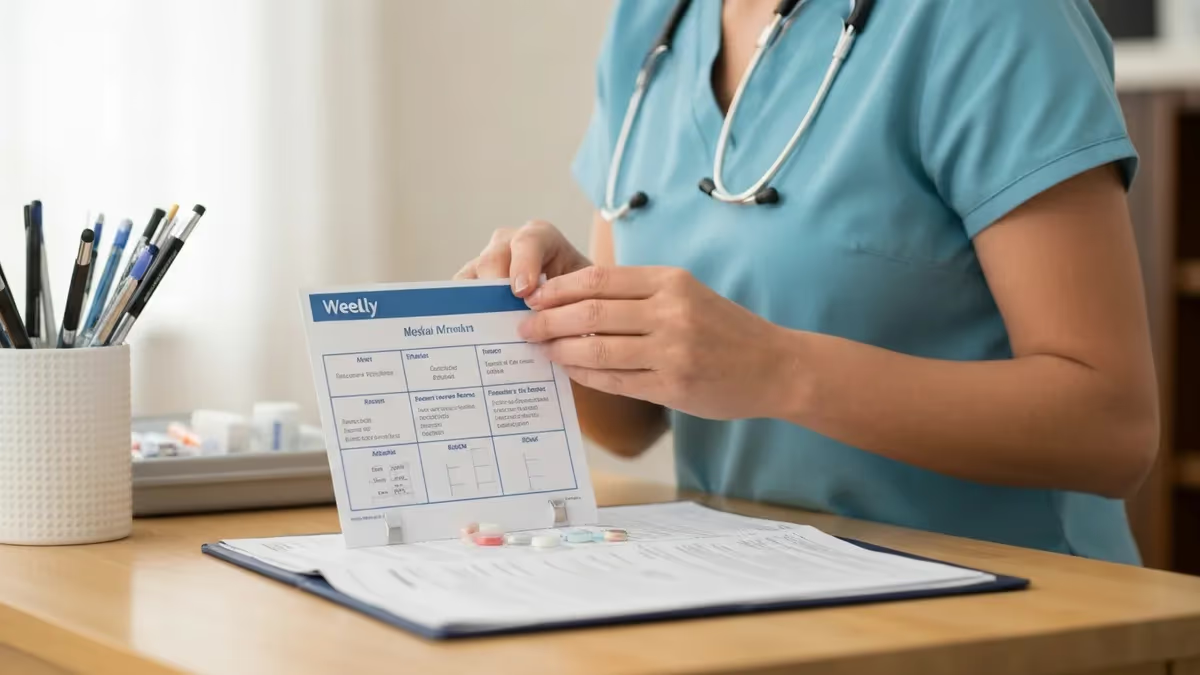
Learning how to get a HHA certificate in NY is the first step toward a stable, meaningful career caring for people in their homes. New York State has specific requirements that differ from other states, including mandatory classroom hours, supervised clinical training, and a competency evaluation — and navigating all of it can feel overwhelming if you are starting from scratch. This guide walks you through every stage of the process, from choosing an approved training program to sitting for your final skills evaluation, so you can move forward with confidence.
The HHA credential is regulated by the New York State Department of Health, which sets minimum training standards that every program must meet. As of 2026, candidates must complete at least 75 hours of combined instruction and supervised practical work — a benchmark that mirrors federal Medicare and Medicaid requirements. Most approved programs in New York City, Buffalo, Albany, and other metro areas actually exceed this minimum, offering 100 or more hours of training to make graduates more competitive on the job market. Understanding what each program covers helps you compare your options wisely before you enroll.
Home health aide training in New York covers a broad curriculum that includes personal care skills, infection control, vital signs measurement, nutrition assistance, and communication techniques. You will also study safety protocols, patient rights, and how to handle emergencies in a home setting. These subjects are not just tested on paper — you must demonstrate them hands-on before an evaluator, which is why selecting a program with strong clinical placement support is so important. Programs affiliated with hospitals or licensed home care agencies often provide the most structured practical experience.
One of the most common questions new candidates have is whether they can complete any part of the process online. New York State does allow the theory portion of HHA training to be delivered via distance learning, but the clinical skills component must be completed in person at an approved site. This hybrid approach means you can study anatomy, client rights, and safety procedures on your own schedule while still logging the required hands-on hours in a real care setting. If you are considering this path, explore hha certification online options that combine self-paced modules with in-person lab sessions.
After finishing your training, you must pass a competency evaluation administered by your program or an approved third-party evaluator. The evaluation has both a written component covering HHA knowledge and a skills demonstration component in which you perform specific care tasks in front of an evaluator. Failing one section does not automatically disqualify you — New York allows candidates to retake individual sections, reducing the pressure of the final assessment. Still, thorough preparation matters enormously, and candidates who use practice tests consistently outperform those who rely on classroom review alone.
Once you pass the competency evaluation, your employer registers you in the New York State HHA registry maintained by the Department of Health. This registry is the official record that allows licensed home care services agencies (LHCSAs) and certified home health agencies (CHHAs) to verify your credentials before hiring you. Employers check the registry before every new placement, so keeping your listing current — including any continuing education updates — is essential throughout your career. The registry also protects consumers by flagging any substantiated findings of abuse or neglect, which underscores the professional responsibility that comes with the credential.
The demand for home health aides across New York is growing rapidly. The Bureau of Labor Statistics projects double-digit job growth in home care through 2032, and New York's aging population means local demand is particularly strong. Whether you plan to work in New York City's five boroughs, suburban Long Island, or upstate communities, earning your HHA certification positions you to enter one of the most stable sectors in healthcare — one where your daily work directly improves someone's quality of life.
HHA Certification in NY — By the Numbers
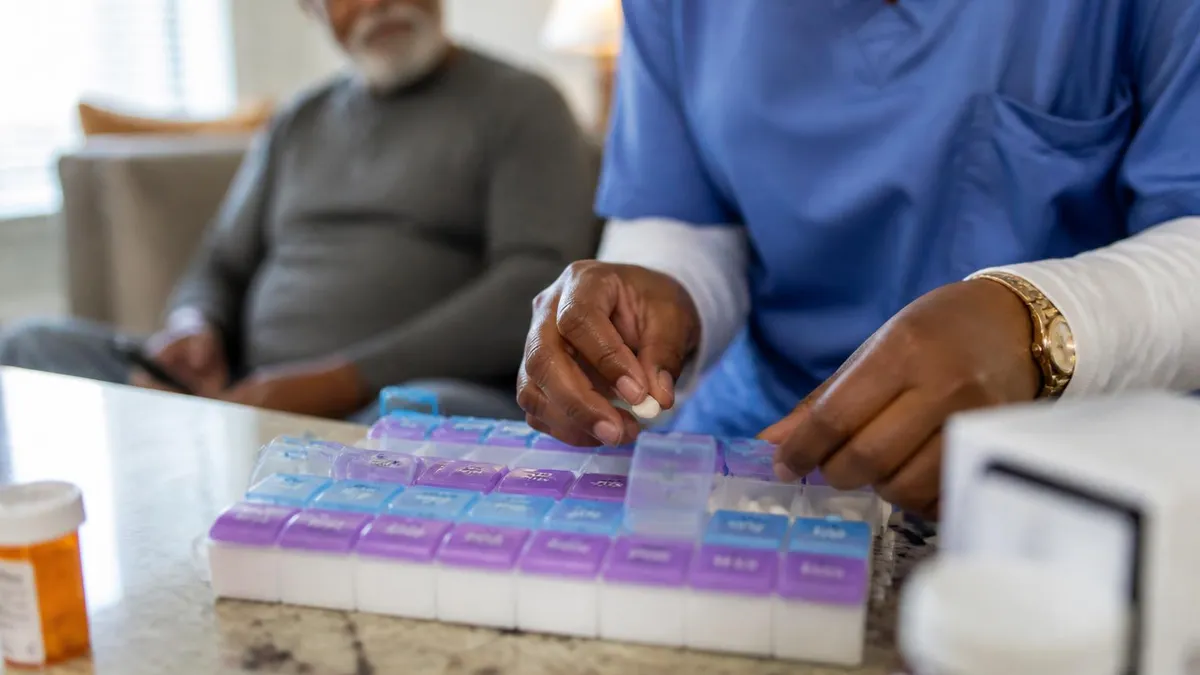
Step-by-Step: How to Get Your HHA Certification in NY
Meet Basic Eligibility Requirements
Choose a NY DOH-Approved Training Program
Complete Required Training Hours
Pass the Competency Evaluation
Get Listed on the NY HHA Registry
Apply for HHA Positions and Start Working
Understanding each stage of the HHA certification process in New York helps you avoid costly delays and ensures you do not waste time in a program that does not meet state standards. The first real decision point is choosing between an employer-sponsored program and an independent school or community college program.
Employer-sponsored programs, often offered through large home care agencies in New York City and other metro areas, are frequently free — the agency covers tuition in exchange for your agreement to work for them for a specified period, typically six to twelve months after graduation. This is an excellent option if you are confident you want to work in home care long-term.
Independent programs at vocational schools and community colleges give you more flexibility because you are not tied to a specific employer after certification. You pay tuition — which typically ranges from $400 to $1,500 in New York — but you can apply to any LHCSA or CHHA once you pass your competency evaluation. Some students prefer this path because it lets them interview at multiple agencies and negotiate a better starting wage. Financial aid, scholarships through workforce development agencies, and state-funded programs through the New York State Department of Labor can offset or eliminate tuition costs for eligible candidates.
The competency evaluation is the most critical milestone in your HHA certification journey, and your preparation strategy matters. The written component tests your knowledge of HHA theory — things like infection control principles, the chain of infection, legal and ethical responsibilities, and nutrition basics. Many candidates underestimate this section, assuming the hands-on skills are harder. In reality, both sections trip up unprepared candidates equally. Building a consistent study habit in the two weeks before your evaluation date is far more effective than a last-minute cram session.
For the skills demonstration component, you will typically be asked to perform three to five randomly selected tasks. Common tasks include proper handwashing technique, donning and doffing personal protective equipment, assisting a client with a transfer from bed to wheelchair, measuring and recording vital signs, and providing range-of-motion exercises. Practice each skill until it becomes muscle memory. Many programs offer open lab time where you can rehearse with mannequins and equipment — take full advantage of those sessions. Peer practice with classmates is also highly effective because your peers will notice errors that you cannot see yourself.
If you want to explore what home health aide certification online free options exist in New York, be aware that the state's online learning rules are specific. The theory portion of an approved program can be delivered asynchronously online, but you must still attend a physical clinical site for your hands-on hours. Some programs offer evening and weekend clinical shifts to accommodate candidates who work during the day. If you have a busy schedule, look for programs that explicitly advertise flexible clinical scheduling so that time constraints do not force you to rush through important skills training.
After your competency evaluation, there is sometimes a waiting period of one to three weeks before your registry listing is active. During this time, you can begin applying to employers and attending interviews — just be transparent that your registry listing is pending. Most agencies are accustomed to this timeline and will provisionally offer you a position contingent on registry confirmation. Having your training certificate, evaluation result letter, and any other documents ready speeds up the onboarding process significantly once your registry status is confirmed.
Staying current after initial certification requires ongoing attention. New York does not mandate formal continuing education hours for HHAs in the same way that nurses must renew a license, but your employer is required to provide in-service training — a minimum of twelve hours annually under state regulations. These sessions cover updated care protocols, infection control refreshers, and any regulatory changes affecting home care. Participating actively in in-service training is one of the simplest ways to demonstrate professionalism to your supervisor and position yourself for promotion to higher-level roles such as personal care aide supervisor or patient care coordinator.
Home Health Aide Training Program Options in New York
Employer-sponsored home health aide training programs are run directly by licensed home care agencies and are typically offered at no cost to the student. These programs cover all required NYS DOH curriculum hours, provide clinical placement within the agency's existing client network, and often guarantee a job offer upon successful completion. The main condition is a post-graduation work commitment, usually six to twelve months, during which you agree to remain with the sponsoring agency.
This model is especially common in New York City, where large agencies like Visiting Nurse Service of New York and RiverSpring Health run continuous intake cohorts throughout the year. Class sizes are manageable — typically 15 to 25 students — and instructors are active healthcare professionals. If you want to enter the workforce quickly without taking on debt, an employer-sponsored program is often the fastest and most financially accessible route to earning your certified home health care aide credential.

Is Becoming an HHA in NY the Right Career Move?
- +High and growing job demand — NY has 89,000+ HHA positions with projected double-digit growth through 2032
- +Employer-sponsored programs make certification accessible with zero upfront tuition cost
- +Flexible scheduling options including evenings, weekends, and hybrid online-plus-lab formats
- +Meaningful, relationship-based work that directly improves a client's daily quality of life
- +Clear career ladder leading to CNA, LPN, RN, and healthcare administration roles
- +Registry-based credential recognized statewide, allowing you to work with any licensed agency
- −Physical demands are high — lifting, transferring, and prolonged standing can cause injury without proper technique
- −Hourly wages average $17–$19 in NY, which is modest relative to the skill and responsibility involved
- −Employer-sponsored programs come with work commitment contracts that limit early job mobility
- −Irregular client schedules can make it difficult to maintain consistent weekly hours and income
- −Emotional demands of working with seriously ill or elderly clients can cause compassion fatigue over time
- −Clinical hours must be completed in person, which creates scheduling challenges for candidates with fixed daytime obligations
Pros and Cons at a Glance
| Pros | Cons |
|---|---|
| Employer-sponsored programs make certification accessible with zero upfront tuition cost | Physical demands are high — lifting, transferring, and prolonged standing can cause injury without proper technique |
| Flexible scheduling options including evenings, weekends, and hybrid online-plus-lab formats | Employer-sponsored programs come with work commitment contracts that limit early job mobility |
| Meaningful, relationship-based work that directly improves a client's daily quality of life | Irregular client schedules can make it difficult to maintain consistent weekly hours and income |
| Clear career ladder leading to CNA, LPN, RN, and healthcare administration roles | Emotional demands of working with seriously ill or elderly clients can cause compassion fatigue over time |
| Registry-based credential recognized statewide, allowing you to work with any licensed agency | Clinical hours must be completed in person, which creates scheduling challenges for candidates with fixed daytime obligations |
HHA Certification Preparation Checklist for New York
- ✓Confirm your chosen program appears on the NY DOH approved HHA training provider list before enrolling.
- ✓Gather required documents before your first class: photo ID, proof of education, TB test results, and immunization records.
- ✓Attend every classroom and clinical session — absences above the program threshold require you to repeat the missed hours.
- ✓Take detailed notes on infection control, vital signs ranges, and client rights — these topics appear frequently on the written evaluation.
- ✓Use the program's open lab sessions to rehearse skills like handwashing, transfers, and range-of-motion exercises until they feel automatic.
- ✓Complete at least two full-length HHA practice tests in the week before your competency evaluation date.
- ✓Review your program's skills evaluation task list and practice each item individually with a timer.
- ✓Prepare your professional documents — resume, reference list, and training certificate — before your competency evaluation so you can apply immediately after passing.
- ✓Confirm your name and information appear correctly on the NY HHA registry within two weeks of completing your evaluation.
- ✓Ask your employer about the annual in-service training schedule and complete all 12 required hours each year to maintain good standing.
Your NY HHA Registry Listing Is What Employers Check — Not Just Your Certificate
Many new HHAs assume that their training certificate is all they need to start working. In New York, employers are legally required to verify your listing on the state HHA registry before placing you with a client. If your registry entry is missing, incomplete, or delayed due to a paperwork error, you cannot legally work — even if you passed your competency evaluation. Follow up with your training program within one week of passing to confirm your submission was filed correctly, and check the online registry yourself to verify your listing is active before accepting a job offer.
Understanding the real costs associated with HHA certification in New York helps you plan your finances and avoid surprises mid-program. The largest variable cost is tuition, which ranges from zero for employer-sponsored programs to approximately $1,500 for independent vocational schools in New York City. However, tuition is only part of the picture. Most programs also require students to purchase a uniform or scrubs, a stethoscope, a blood pressure cuff, and a clinical supply kit — expenses that can add another $100 to $300 depending on the program's requirements. Factor these supply costs into your budget from the start.
Background check fees are another cost that many candidates overlook. New York requires a Criminal History Record Check (CHRC) for all home care workers, and the fee is typically $40 to $80 depending on the agency processing the check. Some programs include this in their tuition, but others bill it separately.
The TB test required before clinical placement is another out-of-pocket cost if you do not have health insurance — expect to pay between $25 and $75 at an urgent care clinic or health department office. Students with Medicaid or Medicaid Managed Care coverage can often get these tests at no cost.
For candidates who cannot afford tuition at a private school, several public funding options exist. The New York State Department of Labor's Workforce Development Institute provides grants to eligible training providers, which can be passed on to students in the form of reduced or waived tuition. Workforce1 Career Centers in New York City connect job seekers with subsidized training programs specifically for in-demand occupations including home health aide. The Adult Education and Literacy program through CUNY is another avenue for candidates who need to strengthen basic skills before starting a formal HHA program.
Some candidates ask whether it is worth paying more for a longer or more comprehensive program. The evidence strongly suggests yes — candidates who complete 100-hour programs rather than the 75-hour minimum report feeling significantly more prepared for both their competency evaluation and their first weeks on the job. The additional hours typically go toward extra clinical practice, dementia and Alzheimer's care modules, and more in-depth communication skills training. Employers also notice: many LHCSAs in New York actively prefer candidates from 100-hour programs when making hiring decisions, and some agencies use program reputation as a proxy for candidate quality.
Once you are working, wages in New York are among the highest in the country for home health aides. The New York City minimum wage law and state home care wage mandates have pushed base pay for HHAs upward significantly. As of 2026, home care workers in the New York City metro area earn a minimum of $19.10 per hour under the Consumer Directed Personal Assistance Program (CDPAP) and related regulations.
Aides with specialized skills — dementia care, pediatric care, or fluency in a second language — often negotiate higher rates. Some agencies also offer shift differentials for overnight, weekend, and holiday coverage.
The financial picture improves further when you factor in employer benefits. Many large home care agencies in New York offer health insurance, paid sick leave (required by New York State law for most workers), and retirement savings programs to full-time HHAs. Some also offer tuition reimbursement for employees who want to advance their education toward CNA or nursing credentials. These benefits represent significant additional compensation that is easy to overlook when comparing hourly wages between employers. Always ask about the full benefits package during your job interview, not just the starting pay rate.
For a comprehensive look at what the credential opens up for you beyond the entry-level role, reviewing a home health aide certificate career comparison can give you useful context about compensation trajectories and specialty pathways across different metropolitan markets. While the Philadelphia market differs from New York, the career progression pathways for certified aides are similar: specialty certification in dementia care, pediatric home health, or ventilator-dependent care can increase your earning potential by 15 to 25 percent above standard HHA rates within two to three years of initial certification.

Not every school or online platform that advertises HHA training in New York is approved by the NY Department of Health. Completing a non-approved program means your training hours will not be recognized, your competency evaluation will not be valid, and you will not qualify for registry listing — leaving you unable to work legally as an HHA. Before paying any tuition or fees, search your program by name on the official NYS DOH provider registry at health.ny.gov and confirm it appears as currently approved. If in doubt, call the DOH directly.
Passing the competency evaluation is the gateway to your career, and the way you prepare in the final two weeks before your test date matters more than any other single factor. Candidates who take a structured, multi-modal approach — combining content review, practice questions, and hands-on skills rehearsal — consistently outperform those who rely on a single study method. The written component of the evaluation draws heavily from the theory covered in your classroom sessions, but it also tests your ability to apply knowledge to realistic scenarios involving client care decisions, safety responses, and professional ethics.
Practice tests are one of the highest-impact preparation tools available to HHA candidates. They serve two functions simultaneously: they familiarize you with the question format and vocabulary used in the real evaluation, and they reveal specific knowledge gaps while there is still time to address them.
Aim to complete at least two full-length practice tests in timed conditions before your evaluation date. Review every question you got wrong — not just to learn the right answer, but to understand the reasoning behind it. This deeper understanding is what allows you to handle novel scenarios on the actual evaluation that you have never seen before.
For the skills demonstration component, systematic practice is essential. Most programs provide a list of skills that may be selected for evaluation, typically 15 to 25 possible tasks from which the evaluator selects three to five on the day.
Common high-frequency skills include proper hand hygiene using soap and water (not just sanitizer), application and removal of disposable gloves, repositioning a client in bed, assisting with ambulation using a gait belt, and measuring urinary output. Do not skip practice on skills that seem simple — evaluators have failed candidates on handwashing technique because they did not cover the thumb or the wrist adequately.
Time management during the skills evaluation is a factor that surprises many candidates. Each task has an implied time expectation, and rushing can lead to skipped steps while moving too slowly can signal a lack of competence. Practice each skill at a pace that is deliberate but efficient — aim for smooth, confident movements rather than rushed or hesitant ones. Narrating your actions aloud as you perform them (a technique borrowed from NCLEX preparation) can help evaluators follow your reasoning and demonstrates that you understand why each step matters, not just how to execute it mechanically.
The communication component of the evaluation is equally important and often underweighted in candidate preparation. Many evaluation tasks require you to explain your actions to the client, ask permission before touching them, maintain dignity throughout the procedure, and respond appropriately if the client expresses pain or discomfort. These interpersonal elements are scored alongside technical accuracy. If you forget to introduce yourself, explain the procedure before starting, or respond to a simulated client complaint, you may lose points even if your technique is perfect. Treat every skills scenario as a complete client interaction, not just a technical task to complete.
Reviewing the HHA knowledge areas targeted in video-based evaluation formats can also sharpen your preparation. Understanding how to get hha certification in ny through video-based Q&A resources exposes you to the kinds of scenario-based questions that appear in both the written and verbal portions of the competency evaluation. These resources present realistic client care situations and ask you to identify the correct action, which builds the applied reasoning skills evaluators are specifically looking for beyond rote memorization of facts.
Finally, take care of yourself in the days before your evaluation. Fatigue is one of the most underappreciated factors in test performance — candidates who are well-rested perform meaningfully better on both the written and skills components than those who studied until midnight the night before.
Use the final evening before your evaluation for a light review only: skim your notes, rehearse two or three skills once each, and get to bed at a reasonable hour. Arrive at the evaluation site with all required documents, wear comfortable clothing suitable for physical movement, and remind yourself that your weeks of preparation have already done the hard work.
Once you are certified and working as an HHA in New York, the decisions you make in your first year set the trajectory for your entire career in home care. The most successful aides treat their first placement not just as a job but as an extended professional apprenticeship — an opportunity to refine skills, build references, and identify the specialty areas that interest them most. Whether you gravitate toward elder care, pediatric cases, post-surgical recovery clients, or patients with complex chronic conditions, your early work experience will tell you where your strengths and interests align.
Building a strong professional reputation in home care is largely driven by reliability, communication, and clinical competence. Clients and their families notice when an aide arrives on time, communicates changes in the client's condition promptly to the supervising nurse, and maintains a calm and respectful manner even under stressful circumstances. These qualities are hard to teach in a classroom but easy to develop through intentional daily practice. Supervisors at most LHCSAs track attendance, client satisfaction feedback, and incident reports — aides who perform well on these metrics are typically the first considered for preferred schedules, overtime, and supervisory opportunities.
Many HHAs in New York use their initial certification as a springboard into further healthcare education. The state has several bridge programs that allow working HHAs to advance to Certified Nursing Assistant (CNA) status — a credential that opens up hospital, nursing home, and rehabilitation facility positions. Some hospitals have even more aggressive career ladder programs that take motivated HHAs all the way through LPN training with tuition support. If advancing in healthcare is your goal, ask your employer during onboarding whether they offer tuition assistance or partnerships with local community colleges for CNA or nursing programs.
Specialty certifications available to New York HHAs include dementia care specialist credentials from organizations like the Alzheimer's Association, CPR and First Aid certification from the American Red Cross or American Heart Association, and specialty training in pediatric home health through approved programs. These additional credentials are not required to maintain your HHA registry listing, but they make you significantly more marketable and often qualify you for higher pay rates at agencies that serve specialized client populations. Some counties in New York also offer workforce training grants that cover the cost of specialty certifications for currently employed home care workers.
Networking within the home care community is another underutilized tool for career advancement. Professional organizations including the Home Care Association of New York State (HCA-NYS) offer membership, educational resources, and annual conferences that connect aides, nurses, and agency administrators across the state. Attending even one professional event per year exposes you to broader industry trends, regulatory updates, and potential employers you may not encounter through routine job searching. Building relationships with supervisors, nurses, and fellow aides at your current agency creates a professional network that generates referrals and opportunities over time.
For candidates who want to understand the full scope of what the home health aide role entails before or after certification, including specialty roles and geographic salary differences, exploring dedicated career guides can fill in the gaps that training programs do not always cover. Resources that explain the specific daily responsibilities, documentation requirements, and professional boundaries of the HHA role complement what you learned in your training program and help you enter client homes with greater confidence and competence.
Home health aide work in New York is more than a stepping stone — for many people, it becomes a long-term calling. The combination of meaningful daily interaction with clients, competitive pay by national standards, and genuine career advancement opportunities makes it one of the most sustainable entry-level healthcare careers available.
Whether you are entering the field fresh out of high school, pivoting from a different industry, or returning to work after a gap, your HHA certification in New York is a credential that the market values and that clients genuinely need. Start your preparation today, and you could be a certified, registry-listed home health aide within six weeks.
Sample HHA Practice Questions
Try these questions from our free HHA practice tests. The correct answer and an explanation follow each question.
When a patient uses a standard walker for ambulation, how far ahead should the walker be advanced with each step?
- A. As far as the patient can comfortably reach
- B. About one arm's length, keeping it within a small step
- C. Until it touches the wall or next obstacle
- D. Only a few inches beyond the patient's toes
Answer: B. About one arm's length, keeping it within a small step
Advancing the walker one small step ahead keeps the patient's center of gravity stable and reduces fall risk.
What is the FIRST step when doffing (removing) contaminated PPE?
- A. Remove the mask
- B. Remove the gown
- C. Remove gloves
- D. Remove goggles
Answer: C. Remove gloves
Gloves are removed first because they are the most contaminated item and removing them prevents contaminating other surfaces.
When giving a complete bed bath, in what order should body areas be washed?
- A. Feet first, then face, then genitals
- B. Face first, then body, then genitals last
- C. Genitals first to remove the dirtiest area, then face
- D. Back first, then face, then extremities
Answer: B. Face first, then body, then genitals last
Washing from cleanest to least clean—face first and genitals last—minimizes spread of microorganisms.
A home health aide is observed skipping a step in a safety procedure during a competency evaluation. The evaluator should:
- A. Pass the aide if the overall quality of care looks good
- B. Record the step as failed; safety-critical steps are non-negotiable and must be remediated before patient care resumes
- C. Give the aide one more chance immediately in the same session
- D. Note it as a minor issue and proceed without documentation
Answer: B. Record the step as failed; safety-critical steps are non-negotiable and must be remediated before patient care resumes
Safety-critical competency items require full completion. Partial performance on safety steps constitutes a competency failure requiring documented remediation and re-evaluation before clinical practice.
HHA Questions and Answers



About the Author

Registered Nurse & Healthcare Educator
Johns Hopkins University School of NursingDr. Sarah Mitchell is a board-certified registered nurse with over 15 years of clinical and academic experience. She completed her PhD in Nursing Science at Johns Hopkins University and has taught NCLEX preparation and clinical skills courses for nursing students across the United States. Her research focuses on evidence-based exam preparation strategies for healthcare certification candidates.
Join the Discussion
Connect with other students preparing for this exam. Share tips, ask questions, and get advice from people who have been there.
View discussion (8 replies)