
HHA vs PCA: Differences in Duties, Training, Pay, and Career Path 2026 October
Compare HHA pca roles side by side: duties, hha certification, training, pay, and hha exchange login basics to choose the right home care career path. ✅
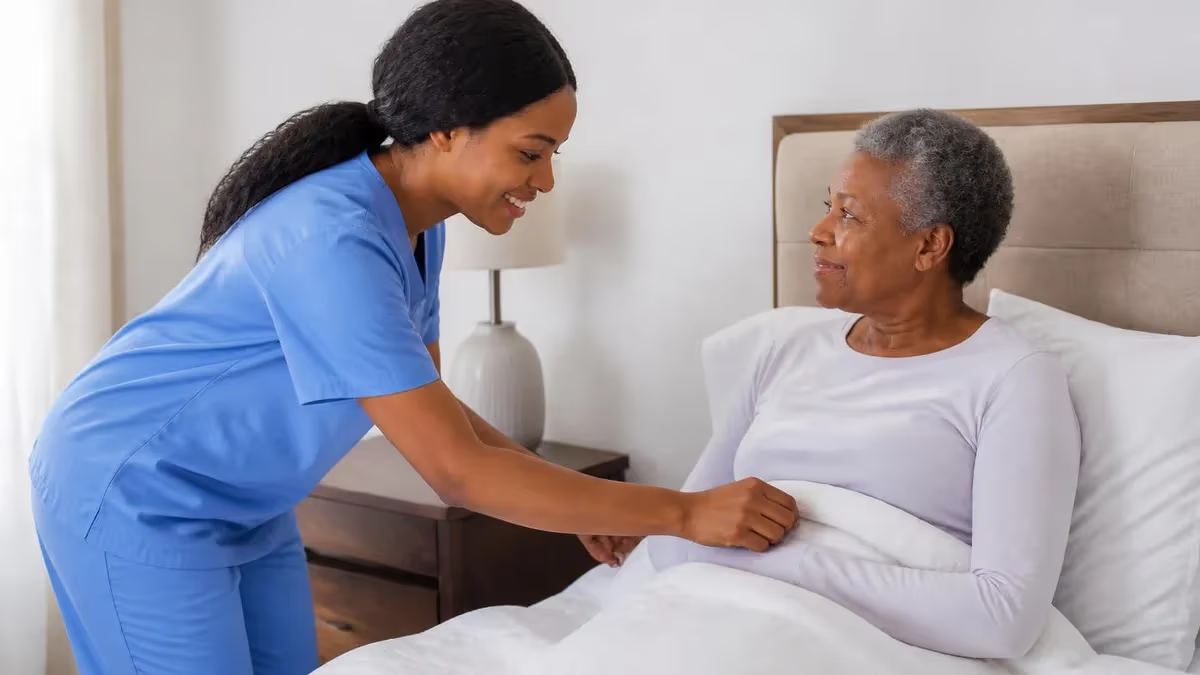
If you are weighing the differences between an HHA pca career, you are asking one of the most practical questions in home care today. A home health aide (HHA) and a personal care aide (PCA) both support people in their homes, yet the two roles differ in training, scope, supervision, and pay. Understanding those differences early helps you pick a path that fits your goals, your state's rules, and the kind of clients you want to serve every day.
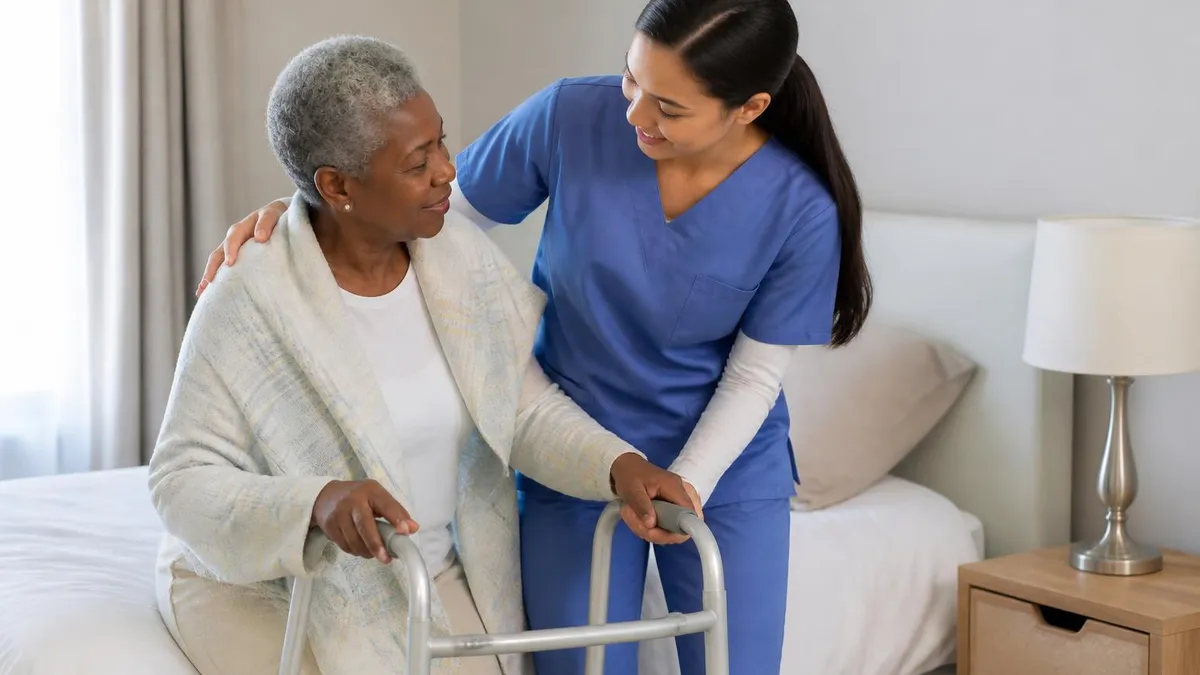
The term HHA is one of the most searched phrases in the caregiving field, and for good reason. A home health aide works under nursing supervision and can perform certain health-related tasks, such as helping with prescribed exercises, taking vital signs, and assisting with medication reminders. Many agencies also expect aides to log their visits through systems like HHA Exchange, an electronic visit verification (EVV) platform widely used to confirm services and process payroll accurately.
A personal care aide, by contrast, focuses mostly on non-medical help: bathing, dressing, grooming, light housekeeping, meal preparation, and companionship. PCAs are essential for clients who can live independently but need a steady hand with daily routines. Because the PCA role is non-clinical, the training requirements are usually lighter, which is why many people start as a PCA and later upgrade to an HHA once they want more responsibility and higher earning potential.
Both jobs sit inside the fast-growing home care economy, and demand is climbing as the population ages. Families increasingly prefer aging in place over facility care, which means agencies are hiring aggressively for both titles. If you want a deeper look at the day-to-day expectations before you commit, the home health aide job description breaks down responsibilities, typical shifts, and the soft skills that separate good aides from great ones.
Certification is one of the clearest dividing lines. Becoming a certified home health care aide typically requires completing a state-approved training program and passing a competency evaluation. PCA requirements vary widely by state, and some states have no formal certification at all. That gap matters because it affects which clients you can serve, whether Medicare-funded agencies can hire you, and how much you can reasonably ask to be paid per hour.
This guide compares HHA and PCA roles across every dimension that affects your decision: scope of practice, training hours, certification, supervision, pay, scheduling, and long-term advancement. We will also explain how tools like HHA Exchange fit into your workday, what the hha exchange login process looks like for new hires, and how to choose the program that gets you working fastest. By the end, you will know exactly which title matches your situation.
Whether you are switching careers, re-entering the workforce, or planning a long-term move into nursing, the HHA versus PCA decision shapes your first few years in healthcare. Read on for a clear, side-by-side breakdown, plus practice questions you can use to build confidence before any competency test or job interview that may come your way.
HHA vs PCA by the Numbers

HHA vs PCA: Core Differences
HHAs can perform limited health tasks under nurse supervision, such as vitals and prescribed exercises. PCAs focus on non-medical daily living help like bathing, dressing, and meals without clinical duties.
HHAs must meet federal and state minimums, often 75 hours or more with supervised practice. PCA training is usually shorter and, in some states, has no required certification at all.
HHAs typically report to a registered nurse through a home health agency. PCAs may work for agencies, registries, or directly for families with lighter clinical oversight.
HHAs can serve Medicare-funded home health patients. PCAs are often funded through Medicaid waivers or private pay, serving clients who need daily support but not skilled care.
The training and certification paths for HHAs and PCAs diverge sharply, and this is where most newcomers feel confused. Home health aide training is more structured because federal rules tie it to Medicare-funded services. Under those rules, an aide must complete at least 75 hours of instruction, including a minimum of 16 hours of supervised hands-on practical training. Many states stack additional hours on top of that baseline, so it pays to confirm your local requirements before enrolling anywhere.
A solid home health aide training program covers infection control, safe transfers, body mechanics, basic nutrition, vital signs, emergency response, and client rights. You will also learn documentation, including how to record visits inside EVV systems your future employer uses. Look for a home health aide training program that includes a competency evaluation, because passing that evaluation is what allows you to call yourself a certified home health care aide and qualify for the broadest range of jobs.
PCA training is far more variable. Some states require a short course of 40 hours or fewer, while others impose no formal certification requirement at all and let agencies train new hires on the job. That flexibility makes the PCA role a fast entry point, but it can limit you later. Without HHA certification, you generally cannot work for agencies billing Medicare for skilled home health visits, which narrows your client pool and your earning ceiling over time.
Earning a home health aide certification usually involves three steps: complete an approved program, pass a written competency test, and demonstrate skills in a hands-on evaluation. The written portion checks your knowledge of safety, communication, and basic care. The skills portion asks you to perform tasks like handwashing, measuring a pulse, or transferring a client safely. Practicing sample questions ahead of time dramatically improves your first-attempt pass rate and reduces test-day anxiety.
Cost is another difference worth planning for. Many home health agencies offer free or reimbursed HHA training in exchange for a work commitment, which is one of the best deals in healthcare. Community colleges, vocational schools, and the Red Cross also run programs, typically ranging from a few hundred dollars to around a thousand. PCA training, when required, is usually cheaper and shorter, reflecting the narrower scope of the role and its non-clinical focus.
Renewal and continuing education also differ by title and state. HHAs often must complete a set number of in-service training hours each year to stay current, and agencies track this to satisfy surveyors. Some states require periodic competency re-evaluation. PCAs may have lighter renewal rules, though agencies frequently set their own standards for ongoing training in safety, client handling, and documentation to protect both workers and clients.
If your long-term goal is nursing, the HHA route gives you a stronger foundation. The clinical exposure, supervised practice, and documentation habits transfer directly into CNA, LPN, or RN programs. Many aides use the role as a paid stepping stone, building patient-care confidence while they finish prerequisites. Choosing the path with more structured training now can shorten your climb up the healthcare ladder later on.
HHA Practice Test Questions
Prepare for the HHA - Home Health Aide exam with our free practice test modules. Each quiz covers key topics to help you pass on your first try.
HHA Basic Care and Comfort
HHA Exam Questions covering Basic Care and Comfort. Master HHA Test concepts for certification prep.
HHA Basic Care and Comfort Questions and A...
Free HHA Practice Test featuring Basic Care and Comfort Questions and Answers. Improve your HHA Exam score with mock test prep.
HHA Communication and Interpersonal Skills
HHA Mock Exam on Communication and Interpersonal Skills. HHA Study Guide questions to pass on your first try.
HHA Communication and Interpersonal Skills...
HHA Test Prep for Communication and Interpersonal Skills Questions and Answers. Practice HHA Quiz questions and boost your score.
HHA Infection Control and Safety
HHA Questions and Answers on Infection Control and Safety. Free HHA practice for exam readiness.
HHA Infection Control and Safety Questions...
HHA Mock Test covering Infection Control and Safety Questions and Answers. Online HHA Test practice with instant feedback.
HHA Mental and Emotional Support
Free HHA Quiz on Mental and Emotional Support. HHA Exam prep questions with detailed explanations.
HHA Mental and Emotional Support Questions...
HHA Practice Questions for Mental and Emotional Support Questions and Answers. Build confidence for your HHA certification exam.
HHA Mobility and Transfer Techniques
HHA Test Online for Mobility and Transfer Techniques. Free practice with instant results and feedback.
HHA Mobility and Transfer Techniques Quest...
HHA Study Material on Mobility and Transfer Techniques Questions and Answers. Prepare effectively with real exam-style questions.
HHA Nutrition and Hydration
Free HHA Test covering Nutrition and Hydration. Practice and track your HHA exam readiness.
HHA Nutrition and Hydration Questions and ...
HHA Exam Questions covering Nutrition and Hydration Questions and Answers. Master HHA Test concepts for certification prep.
HHA Observation and Reporting
Free HHA Practice Test featuring Observation and Reporting. Improve your HHA Exam score with mock test prep.
HHA Observation and Reporting Questions an...
HHA Mock Exam on Observation and Reporting Questions and Answers. HHA Study Guide questions to pass on your first try.
HHA Patient Rights and Ethics
HHA Test Prep for Patient Rights and Ethics. Practice HHA Quiz questions and boost your score.
HHA Patient Rights and Ethics Questions an...
HHA Questions and Answers on Patient Rights and Ethics Questions and Answers. Free HHA practice for exam readiness.
HHA Personal Care and Hygiene
HHA Mock Test covering Personal Care and Hygiene. Online HHA Test practice with instant feedback.
HHA Personal Care and Hygiene Questions an...
Free HHA Quiz on Personal Care and Hygiene Questions and Answers. HHA Exam prep questions with detailed explanations.
HHA Home Health Aide Certification Practic...
HHA Practice Questions for Home Health Aide Certification Practice Test. Build confidence for your HHA certification exam.
HHA Home Health Aide Certification Practic...
HHA Test Online for Home Health Aide Certification Practice Test #1. Free practice with instant results and feedback.
HHA Home Health Aide Certification Practic...
HHA Study Material on Home Health Aide Certification Practice Test #2. Prepare effectively with real exam-style questions.
HHA Home Health Aide Certification Practic...
Free HHA Test covering Home Health Aide Certification Practice Test #3. Practice and track your HHA exam readiness.
HHA Home Health Aide Certification Practic...
HHA Exam Questions covering Home Health Aide Certification Practice Test #4. Master HHA Test concepts for certification prep.
HHA HOME HEALTH AIDE COMPETENCY TEST
Free HHA Practice Test featuring HOME HEALTH AIDE COMPETENCY TEST. Improve your HHA Exam score with mock test prep.
HHA HOME HEALTH AIDE COMPETENCY TEST #1
HHA Mock Exam on HOME HEALTH AIDE COMPETENCY TEST #1. HHA Study Guide questions to pass on your first try.
HHA Home Health Aide Competency Test
HHA Test Prep for Home Health Aide Competency Test. Practice HHA Quiz questions and boost your score.
HHA Home Health Aide Competency Test #2
HHA Questions and Answers on Home Health Aide Competency Test #2. Free HHA practice for exam readiness.
HHA Certification and Training Explained
A home health aide handles a blend of personal and health-related tasks under nurse supervision. Typical duties include checking vital signs, assisting with prescribed range-of-motion exercises, reminding clients to take medication, monitoring for changes in condition, and reporting concerns to the supervising nurse promptly and accurately.
Beyond clinical support, HHAs help with bathing, grooming, and mobility while documenting every visit in an EVV system. This documentation protects the client, the agency, and the aide. Strong observation and clear communication separate aides who advance quickly from those who simply complete shifts without building trust.
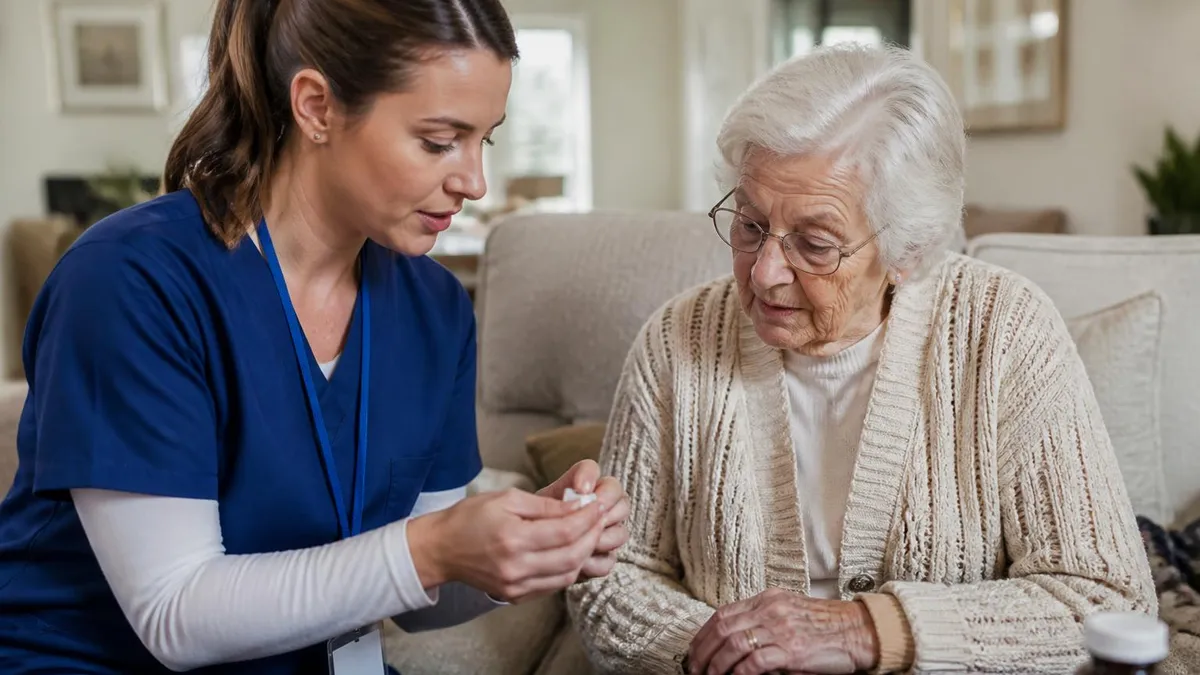
HHA vs PCA: Which Role Fits You?
- +HHA offers a higher earning ceiling and broader job options
- +HHA certification transfers toward CNA and nursing careers
- +HHAs can serve Medicare-funded clients, expanding work availability
- +PCA roles often require less training and start faster
- +PCA work is non-clinical, ideal if you prefer companionship over medical tasks
- +Both roles offer flexible scheduling and strong, recession-resistant demand
- −HHA training demands more hours and a competency evaluation
- −PCA certification rules vary and may limit future job options
- −Both roles can be physically demanding with frequent transfers
- −Pay starts modest, though it rises with experience and certification
- −PCAs generally cannot bill Medicare-funded skilled home health visits
- −Travel between client homes can add unpaid time to your day
Pros and Cons at a Glance
| Pros | Cons |
|---|---|
| HHA offers a higher earning ceiling and broader job options | HHA training demands more hours and a competency evaluation |
| HHA certification transfers toward CNA and nursing careers | PCA certification rules vary and may limit future job options |
| HHAs can serve Medicare-funded clients, expanding work availability | Both roles can be physically demanding with frequent transfers |
| PCA roles often require less training and start faster | Pay starts modest, though it rises with experience and certification |
| PCA work is non-clinical, ideal if you prefer companionship over medical tasks | PCAs generally cannot bill Medicare-funded skilled home health visits |
| Both roles offer flexible scheduling and strong, recession-resistant demand | Travel between client homes can add unpaid time to your day |
HHA Certification Action Checklist
- ✓Confirm your state's HHA and PCA training-hour requirements.
- ✓Compare free agency-sponsored programs against paid school options.
- ✓Verify the program includes a competency evaluation for certification.
- ✓Gather required documents: ID, immunization records, and TB test results.
- ✓Complete the minimum supervised hands-on practical training hours.
- ✓Practice handwashing, vitals, and safe transfers before the skills test.
- ✓Study sample questions covering safety and communication topics.
- ✓Pass the written competency exam on your first attempt.
- ✓Set up your hha exchange login during agency onboarding.
- ✓Schedule annual in-service hours to keep your certification current.
Start as a PCA, upgrade to an HHA
If you want to begin working fast, many people start as a PCA and then complete home health aide training within their first year. This lets you earn income immediately while building toward HHA certification, higher pay, and Medicare-funded client work without taking a break from the field.
Pay, demand, and growth are decisive factors when choosing between HHA and PCA work, and the data strongly favors anyone entering home care right now. Home health and personal care aides represent one of the largest occupations in the United States, with more than three million workers, and federal projections estimate roughly 21 percent job growth through 2032. That is several times faster than the average across all jobs, driven by an aging population and a clear national preference for aging at home.
Hourly pay for both roles is similar at entry level, often landing in the range of fourteen to nineteen dollars per hour depending on your state, city, and employer. However, certified home health aides tend to command the higher end of that range because their training lets agencies bill for skilled services. Over time, the gap widens: experienced HHAs who pick up specialized clients, overnight shifts, or supervisory tasks frequently out-earn PCAs in comparable markets.
Geography matters enormously. States like Massachusetts, Washington, New York, and California pay noticeably more than national averages, partly due to higher living costs and strong Medicaid funding for home care. Rural areas may pay less per hour but offer steadier hours and longer client relationships. Before choosing a role, research local listings and ask agencies about shift differentials, mileage reimbursement, and paid travel time between clients.
Benefits are improving across the industry as agencies compete for reliable workers. Many now offer health insurance, paid time off, retirement contributions, referral bonuses, and free continuing education. Some even reimburse the full cost of HHA training in exchange for a modest work commitment. These perks can be worth thousands of dollars annually, so weigh the total compensation package rather than focusing on the headline hourly rate alone.
Job security in this field is exceptional. Home care demand is largely recession-resistant because clients need help regardless of economic cycles, and the work cannot be outsourced or automated. Reliable aides who show up, communicate well, and document accurately rarely struggle to find work. If you want to explore openings in your area, the dedicated HHA jobs guide walks through where to search, how to apply, and what employers prioritize.
Advancement opportunities reward those who keep learning. An HHA can move into a CNA role, then pursue LPN or RN licensure, often while continuing to work part-time in home care. Others step into care coordination, scheduling, training, or supervisory positions inside an agency. PCAs can follow the same ladder by first completing HHA certification, which unlocks the clinical foundation employers want in higher-level roles.
Finally, consider lifestyle fit alongside money. Home care offers flexible scheduling that suits parents, students, and second-career workers, but it also demands physical stamina and emotional resilience. Some weeks you may juggle several short visits across town; others you may spend long, steady hours with a single client. Matching your energy and preferences to the role keeps you in the field longer and happier.
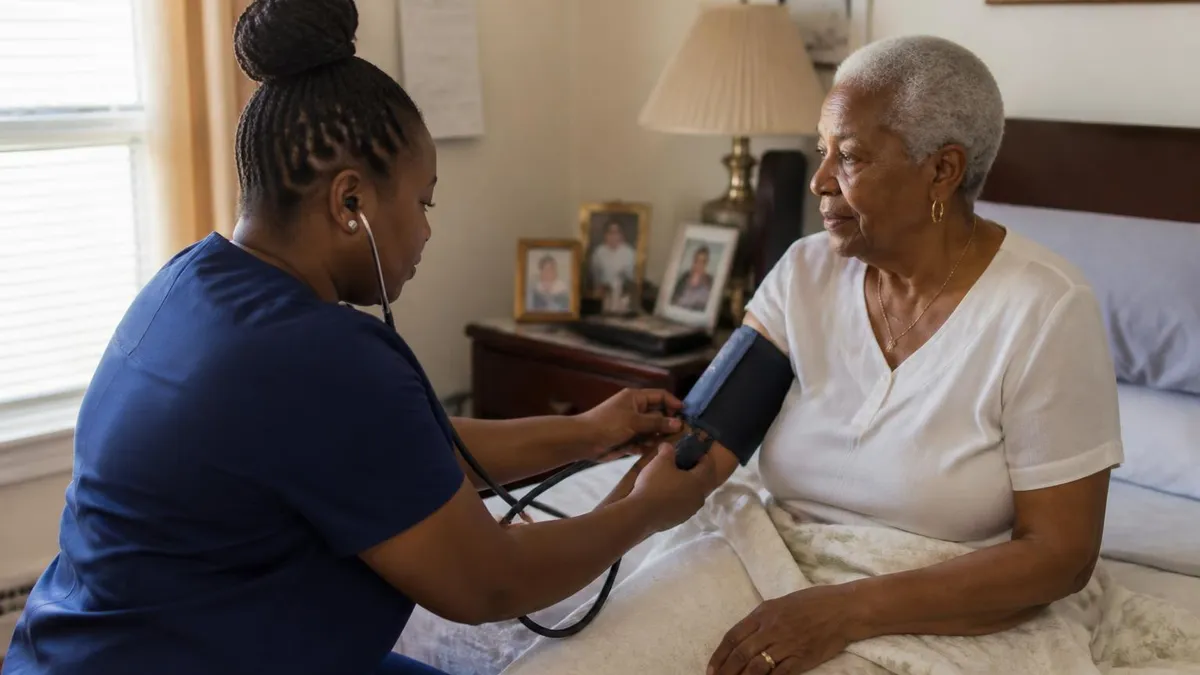
HHA and PCA requirements vary significantly by state, and using out-of-date information can cost you weeks. Always confirm current training hours, certification rules, and renewal deadlines with your state health department or Medicaid program before enrolling in any program or accepting a job offer.
Choosing the right path between HHA and PCA comes down to honest self-assessment plus a clear view of your goals. Start by asking what kind of work energizes you. If you enjoy companionship, household routines, and steady one-on-one relationships, the PCA role may feel like a natural fit. If you are drawn to health monitoring, vitals, and clinical responsibility under a nurse's guidance, the HHA path will likely satisfy you more and open more doors.
Next, consider your timeline. PCA roles often let you start within days or weeks because training is shorter or, in some states, handled on the job. HHA certification takes longer but pays off with higher wages and access to Medicare-funded clients. If you need income immediately, begin as a PCA and layer on HHA training afterward; if you can invest a few extra weeks now, going straight to HHA saves you a transition later.
Think carefully about your long-term ambitions. Aides who dream of becoming a nurse, working in hospitals, or moving into care coordination benefit from the clinical foundation that HHA training provides. The documentation habits, supervised practice, and exposure to health tasks all transfer directly into advanced programs. If home care is your destination rather than a stepping stone, either role can offer a stable, meaningful, long-lasting career.
Evaluate the employers near you, not just the job titles. Agencies differ enormously in pay, scheduling flexibility, training support, and culture. Read reviews, ask current aides about their experience, and request specifics about travel reimbursement and guaranteed hours. A great agency in either role beats a mediocre one, so weigh the employer as heavily as the HHA versus PCA decision itself when you compare offers.
Do not overlook the tools you will use daily. Comfort with EVV platforms like HHA Exchange makes your workday smoother and protects your paycheck. Spend onboarding time mastering the hha exchange login, clock-in process, and care-note documentation. Aides who document accurately avoid pay disputes and build trust with supervisors, which leads to better assignments and faster advancement opportunities down the road.
Finally, prepare for the realities of the job. Both roles can be physically and emotionally demanding, so build habits that protect your body and your well-being. Learn proper body mechanics, set boundaries, and lean on agency support when clients face decline or crisis. If you want a granular view of typical responsibilities, the hha sights resource details the everyday tasks both aides perform across different client situations.
In the end, there is no universally correct answer; there is only the answer that fits you. Both HHA and PCA roles deliver job security, human connection, and a genuine chance to improve lives. Match the training commitment, scope, and pay to your circumstances, and you will start your home care career on solid footing with room to grow for years to come.
Practical preparation is what turns a hesitant applicant into a confident, certified aide, so build a study and readiness plan before your test or first shift. Begin with the fundamentals every program tests: infection control, handwashing, safe transfers, vital signs, body mechanics, and client rights. These topics appear on competency exams and come up constantly on the job, so mastering them early pays dividends in both settings and reduces the chance of costly mistakes during real care.
Use practice questions strategically rather than randomly. Work through one topic at a time, review every answer explanation, and note the questions you miss so you can revisit them. Timed quizzes simulate test pressure and help you pace yourself, while untimed sets let you slow down and absorb reasoning. Repeating sets until you score consistently above eighty percent is a reliable signal that you are ready for the real competency evaluation.
Rehearse the hands-on skills out loud and with your hands, not just in your head. Practice measuring a pulse, recording it, washing your hands for the full recommended time, and transferring a client using correct posture. If possible, have a friend role-play a client so you can practice clear communication, explaining each step before you perform it. Evaluators reward candidates who narrate their actions and respect the client's dignity throughout.
Prepare your documents and logistics ahead of time so nothing derails you. Keep your ID, immunization records, TB test results, and certification paperwork organized in one folder. Confirm the exam location, arrive early, and bring everything the program requires. For your first job, set up your hha exchange login before day one if your agency allows it, so clocking in and documenting visits feels familiar rather than stressful.
Build soft skills deliberately, because they matter as much as clinical knowledge. Patience, active listening, empathy, and reliability define the best aides. Practice explaining tasks simply, responding calmly to frustration, and reporting changes clearly to a supervisor. These habits protect clients, reduce conflicts, and earn you the trust that leads to steady assignments, positive reviews, and faster advancement within any home care agency you join.
Take care of your own health so you can sustain the work long term. Stretch before shifts, lift with your legs, stay hydrated, and use mechanical aids whenever they are available. Burnout and injury are the top reasons aides leave the field, so set boundaries, ask for help with heavy transfers, and use your agency's support resources. A healthy aide delivers better care and enjoys a longer, more rewarding career.
When you feel ready, schedule your competency evaluation with confidence and treat it as the first milestone, not the finish line. If you want extra question practice and walkthroughs, the hha training near me resource offers guided answers that reinforce the reasoning behind each correct choice. Consistent, focused preparation is the surest way to pass on your first attempt and step into your new role prepared.
Sample HHA Practice Questions
Try these questions from our free HHA practice tests. The correct answer and an explanation follow each question.
The "return demonstration" method in competency training means:
- A. The trainer watches a video of the aide performing a skill
- B. The aide performs the skill in front of the evaluator after instruction, demonstrating actual proficiency rather than just knowledge
- C. The aide takes a written test about the skill
- D. The evaluator performs the skill twice for the aide to observe
Answer: B. The aide performs the skill in front of the evaluator after instruction, demonstrating actual proficiency rather than just knowledge
Return demonstration is the gold standard for skill competency assessment — it evaluates actual performance ability in a controlled setting, not merely theoretical knowledge.
At the end of a home health competency training program, a trainee who fails the performance skill evaluation:
- A. Is automatically certified after completing the written portion
- B. Must complete additional training and remediation, then pass a re-evaluation before providing care independently
- C. May work with patients under minimal supervision while awaiting results
- D. Is permanently banned from working in home health
Answer: B. Must complete additional training and remediation, then pass a re-evaluation before providing care independently
Competency evaluation failure requires documented remediation and successful re-evaluation. Patient safety standards do not permit aides to practice independently until all competencies are satisfactorily demonstrated.
When a patient is being transferred from bed to wheelchair, the wheelchair should be placed:
- A. Directly in front of the bed, wheels unlocked
- B. At a 45-degree angle to the bed on the patient's stronger side, wheels locked
- C. At the foot of the bed facing away
- D. At a 90-degree angle on the weaker side
Answer: B. At a 45-degree angle to the bed on the patient's stronger side, wheels locked
Placing the wheelchair at 45° on the patient's stronger side minimizes pivot distance, allows the patient to bear weight on the stronger leg, and locking the wheels prevents movement during the transfer.
When providing nail care for a patient with diabetes, the aide should:
- A. Trim nails short and rounded with nail clippers independently
- B. Soak feet and trim toenails straight across only if permitted by the care plan; refer nail care to a nurse or podiatrist if there are any complications
- C. File down corns and calluses
- D. Use scissors to cut nails into a curved shape
Answer: B. Soak feet and trim toenails straight across only if permitted by the care plan; refer nail care to a nurse or podiatrist if there are any complications
Diabetic patients have reduced circulation and sensation in their feet; even minor cuts can lead to serious infections or ulcers. Toenail care in diabetes typically requires a licensed provider.
HHA Questions and Answers


About the Author

Registered Nurse & Healthcare Educator
Johns Hopkins University School of NursingDr. Sarah Mitchell is a board-certified registered nurse with over 15 years of clinical and academic experience. She completed her PhD in Nursing Science at Johns Hopkins University and has taught NCLEX preparation and clinical skills courses for nursing students across the United States. Her research focuses on evidence-based exam preparation strategies for healthcare certification candidates.
Join the Discussion
Connect with other students preparing for this exam. Share tips, ask questions, and get advice from people who have been there.
View discussion (8 replies)