
HHA Training in Brooklyn NY — Complete Guide to Home Health Aide Certification in NYC
Complete guide to HHA training in Brooklyn NY. Learn requirements, costs, program options, and how to get your home health aide certification in NYC. 🆕
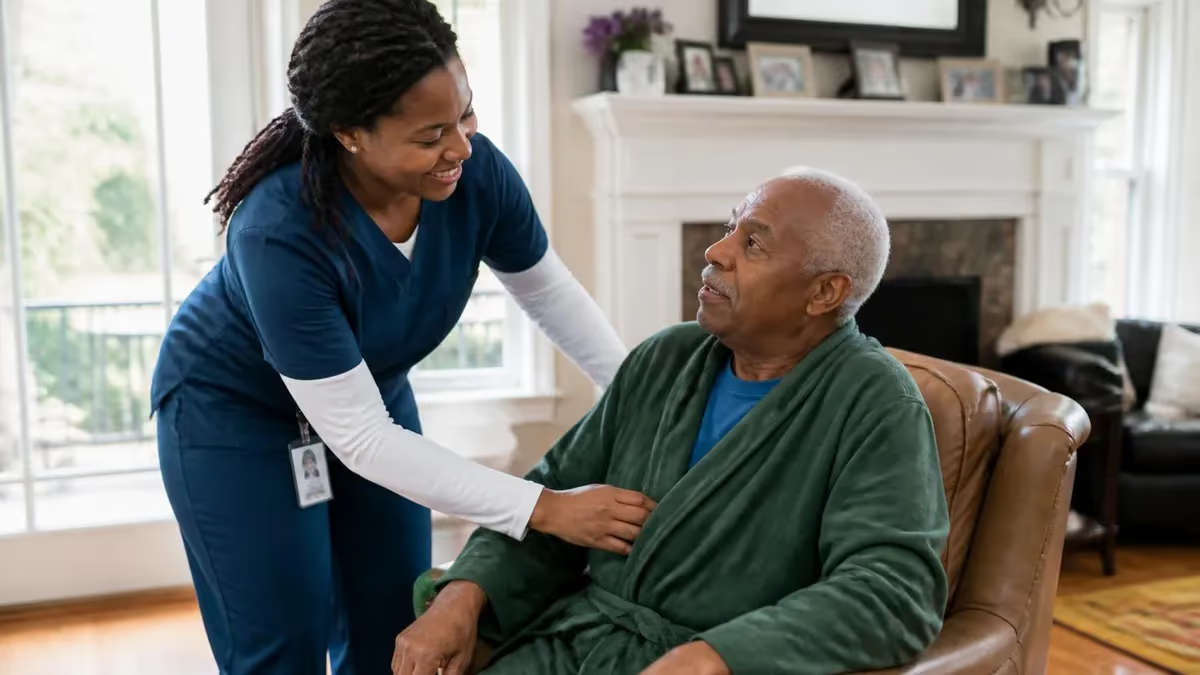
If you are searching for HHA training in Brooklyn NY, you have landed in the right place. Brooklyn is one of the most active markets for home health aide employment in the entire country, with hundreds of certified training programs operating across the borough's diverse neighborhoods.
Whether you are starting fresh, switching careers, or looking to upgrade existing skills, understanding the full landscape of HHA training in Brooklyn NY is the critical first step toward earning your certification and entering this rewarding, high-demand field. The borough's growing elderly population and strong Medicaid reimbursement rates make this an especially strong market for newly certified aides.
The term HHA refers specifically to Home Health Aide, a state-regulated healthcare role that provides personal care and basic health monitoring to patients in their homes. New York State sets strict standards for what constitutes a valid home health aide training program, including minimum classroom and clinical hours, instructor qualifications, and competency evaluation requirements. Programs that do not meet these standards cannot legally place graduates in positions that bill Medicaid or Medicare, so choosing an approved program from the start is absolutely essential to your career trajectory and earning potential over the long term.
Many students are surprised to discover the range of options available for HHA training across Brooklyn's five main districts. Programs operate through vocational schools, nonprofit community organizations, hospital-affiliated training centers, and directly through home care agencies that train workers they intend to hire. Each model has different tuition structures, schedule formats, and post-graduation employment outcomes. Some programs offer evening and weekend cohorts designed specifically for working adults who cannot attend full-time daytime instruction, making certification accessible to a much wider range of candidates across varying life circumstances and existing work obligations.
New York State requires a minimum of 75 hours of training for HHA certification, divided between classroom instruction and supervised clinical practice. However, many Brooklyn programs voluntarily exceed this minimum, offering 100 to 120 hours of training because more comprehensive preparation leads to better patient outcomes, lower job turnover, and stronger performance on state competency evaluations. When comparing programs, always ask specifically about total training hours, clinical site quality, and the program's average competency exam pass rate, as these metrics reveal far more about program quality than tuition cost or marketing materials alone.
The HHA Exchange platform plays an important role in the industry ecosystem that surrounds home health aide employment and scheduling in New York. HHA Exchange is a workforce management software system used by many New York home care agencies to schedule visits, track compliance documentation, and manage aide credentials.
When agencies say they use HHA Exchange or that you need your HHA Exchange login credentials, they are referring to this scheduling and communication platform rather than a certification body. Understanding this distinction helps candidates avoid confusion during the job search process after completing their training and passing the state competency evaluation.
Brooklyn's healthcare workforce demand continues to grow year over year, driven by an aging baby boomer population, expanded Medicaid managed care enrollment, and a strong cultural preference among many communities for home-based rather than institutional care. The New York State Department of Health projects continued strong demand for certified home health aides through 2030 and beyond. This structural demand creates unusually strong job placement rates for Brooklyn program graduates, with many agencies actively recruiting from training program graduation ceremonies and offering signing bonuses, flexible scheduling, and benefits packages to attract certified workers into their roster of available caregivers.
This guide covers everything you need to know about HHA training in Brooklyn: state requirements, approved program types, cost structures, scheduling options, what the competency evaluation actually tests, and how to use tools like HHA Exchange once you are employed. We also include practice resources to help you prepare for the knowledge portions of your competency evaluation, because arriving well-prepared dramatically increases your probability of passing on the first attempt and beginning your career without delays caused by retesting scheduling backlogs at approved evaluation sites.
HHA Training in NYC by the Numbers
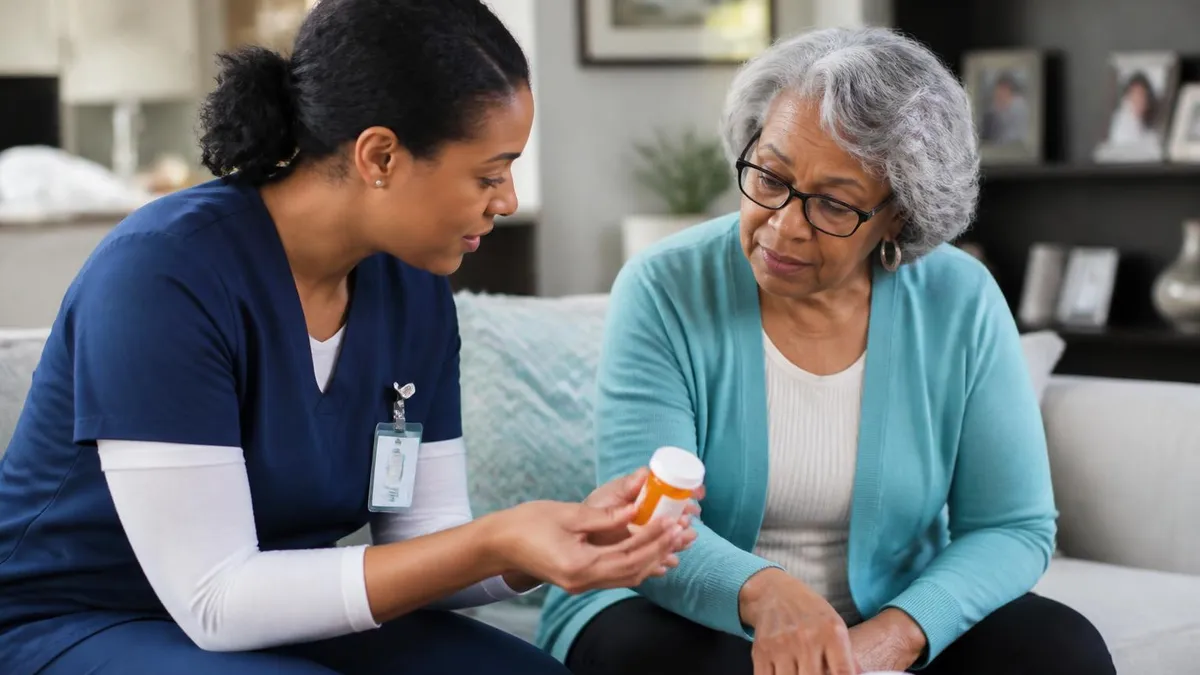
Steps to HHA Certification in New York State
Meet Eligibility Requirements
Choose an Approved Training Program
Complete 75+ Hours of Instruction
Pass the NY State Competency Evaluation
Clear the CHRC Background Check
Register with HHA Exchange and Begin Employment
Brooklyn is home to a remarkably diverse collection of HHA training providers, each serving different segments of the workforce with tailored scheduling and support services. The borough's major program types include agency-sponsored training, vocational school programs, hospital-affiliated courses, and community college continuing education offerings. Agency-sponsored programs are often the most cost-effective option because the sponsoring home care agency subsidizes training costs in exchange for a commitment to work with them for a defined period — typically six to twelve months — after certification is earned and the competency evaluation is successfully passed.
Vocational schools operating in Brooklyn offer structured HHA training programs with defined cohort start dates, consistent instructor availability, and often stronger clinical placement networks than smaller agency-run programs. These schools typically charge between $500 and $1,500 for the complete program, which includes classroom instruction, textbooks, skills lab fees, and assistance scheduling the state competency evaluation. Many vocational schools also offer bilingual instruction in Spanish, Haitian Creole, Chinese, and Russian to serve Brooklyn's multilingual communities, significantly reducing language barriers that might otherwise affect learning outcomes and competency evaluation performance for non-native English speakers.
For those concerned about the cost of training, several pathways exist to access free hha training near me through Brooklyn-based programs. New York State's Medicaid Global Cap waiver funding has historically supported free training for eligible candidates, and many workforce development nonprofits operate subsidized programs for income-qualifying individuals.
Additionally, some larger home care agencies — particularly those operating under CDPAP (Consumer Directed Personal Assistance Program) or LHCSA (Licensed Home Care Services Agency) licenses — absorb the full cost of training for candidates who agree to join their workforce immediately upon certification, making the barrier to entry extremely low for motivated candidates willing to commit to post-training employment.
The scheduling formats available in Brooklyn span a wide range to accommodate diverse personal situations. Full-time daytime programs compress the required training into two to four weeks of intensive daily sessions, making them ideal for candidates who are currently unemployed or between jobs and want to enter the workforce as quickly as possible.
Part-time evening programs spread the same content over six to eight weeks, with classes meeting three to four evenings per week, preserving daytime hours for existing jobs or family responsibilities. Weekend-only cohorts typically run for eight to twelve weeks and serve candidates whose weekday schedules are entirely committed to other obligations.
Clinical training quality varies significantly across Brooklyn programs and deserves careful investigation before enrollment. The best programs place students in actual patient care settings — skilled nursing facilities, assisted living communities, or active home care visits — under direct supervision of licensed registered nurses or licensed practical nurses.
Lower-quality programs sometimes rely primarily on simulation labs and mannequin-based skills practice, which provides less authentic preparation for the competency evaluation's hands-on skills demonstration component. When visiting potential programs, always ask specifically where clinical hours are completed and what the supervisor-to-student ratio is during clinical sessions, as lower ratios indicate more individualized skills instruction and feedback.
Certain Brooklyn neighborhoods have particularly high concentrations of training providers due to their proximity to large home care agency headquarters and healthcare facility clusters. Flatbush, Crown Heights, Borough Park, and Bay Ridge all have multiple program options within accessible distance by public transit. The borough's extensive subway network makes it feasible to attend training at programs somewhat beyond your immediate neighborhood without needing a personal vehicle, which opens access to a wider range of program quality levels and scheduling options than residents of less transit-accessible parts of the New York metropolitan area typically enjoy when seeking certification.
If you are looking for hha training near me outside of Brooklyn or across multiple boroughs, note that Manhattan, the Bronx, Queens, and Staten Island all have their own dense networks of approved training providers as well. Certification earned through any New York State DOH-approved program is equally valid regardless of the borough where training occurred, so traveling to a higher-quality program in an adjacent borough is a perfectly reasonable strategy if local options do not meet your quality standards or scheduling requirements for the training period.
Home Health Aide Certification Pathways in New York
The standard HHA certification pathway in New York requires completing a minimum of 75 training hours through a DOH-approved program, then passing the state competency evaluation. This evaluation has two components: a written test covering patient care knowledge, infection control, safety, and patient rights, plus a hands-on skills demonstration where you must correctly perform at least five randomly selected skills from a standardized list before a certified evaluator. Most candidates complete this pathway in three to six weeks from enrollment to certification.
Upon passing both portions of the competency evaluation, your certification is issued by the New York State Department of Health and entered into the state registry of certified aides. This registry is accessible to employers, who verify your status before placing you with patients. Your HHA certification in New York does not expire in the traditional sense, but continued employment requires periodic in-service training hours — typically twelve hours per year — to maintain active status with any licensed home care services agency operating in the state.
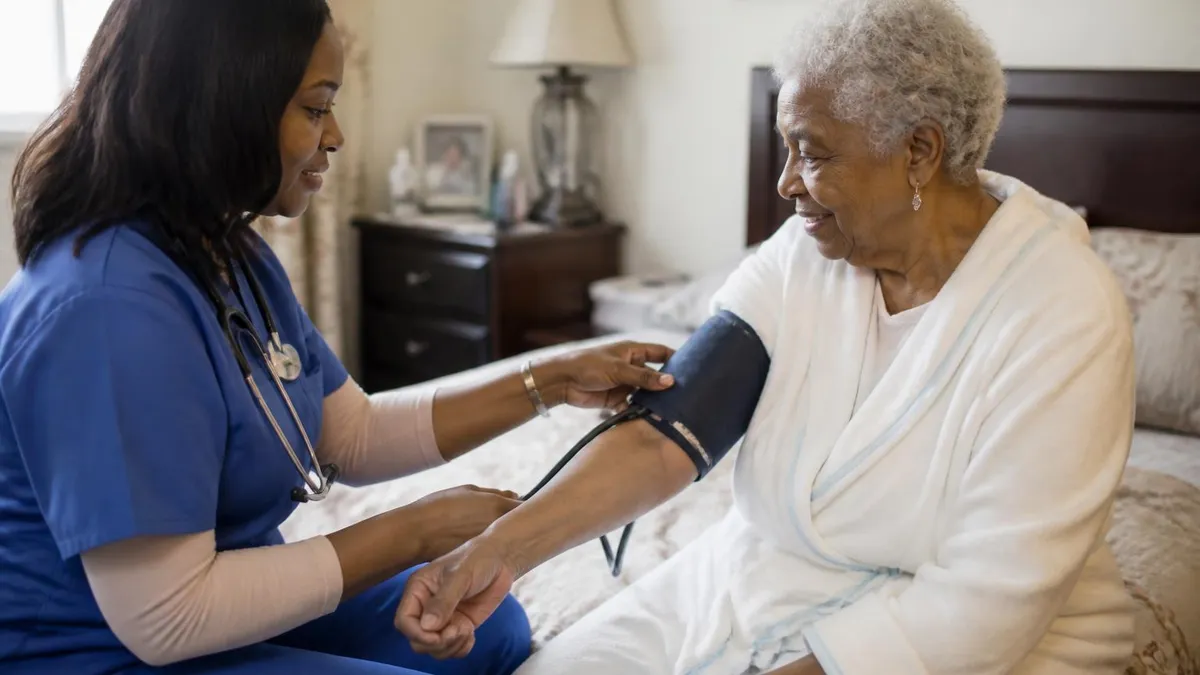
Pros and Cons of Becoming a Certified Home Health Aide in Brooklyn
- +High job demand — NYC projects continued HHA shortages through 2030 with thousands of annual openings
- +Fast path to employment — most programs complete in 2-6 weeks, far shorter than most healthcare credentials
- +Flexible scheduling — many agencies offer morning, afternoon, evening, and overnight shifts to match your availability
- +Meaningful work — direct patient contact and personal relationships make this one of healthcare's most rewarding roles
- +Career ladder access — HHA certification opens doors to LPN, RN, and other clinical advancement pathways
- +Multiple employer options — hundreds of LHCSA and CHHA agencies in Brooklyn compete for certified aides
- −Physical demands — the role requires regular lifting, transferring, and repositioning of patients, risking injury
- −Emotional toll — working with seriously ill or declining patients can be emotionally draining over time
- −Variable hours — client cancellations and schedule changes can reduce guaranteed weekly hours unpredictably
- −Travel time — home care involves traveling between multiple patient homes, adding unpaid commute time to shifts
- −Limited benefits at some agencies — smaller LHCSA operators may not offer health insurance or paid time off
- −Documentation burden — electronic visit verification through HHA Exchange and other platforms adds administrative tasks to every visit
HHA Program Enrollment Checklist for Brooklyn Applicants
- ✓Verify the program is listed as approved on the NY State DOH home care training registry before paying any fees
- ✓Confirm the program meets the minimum 75-hour requirement and ask about total hours including clinical time
- ✓Ask for the program's first-time competency evaluation pass rate for the most recent graduate cohort
- ✓Request information about clinical placement sites and supervisor-to-student ratios during hands-on training
- ✓Inquire about CHRC background check initiation timing and any disqualifying conviction categories
- ✓Ask whether the program offers bilingual instruction if English is not your primary language
- ✓Confirm scheduling options match your availability — daytime, evening, or weekend cohort formats
- ✓Clarify the total cost including textbooks, skills lab fees, and competency evaluation registration charges
- ✓Ask about job placement assistance and whether the program has formal hiring partnerships with local agencies
- ✓Determine whether the program qualifies for any workforce development funding, grants, or sliding-scale tuition
Agency-Sponsored Training Can Make Certification Completely Free
Many Brooklyn home care agencies will cover your entire HHA training cost — including textbooks, clinical hours, and competency evaluation fees — in exchange for a 6-12 month employment commitment after certification. If cost is a barrier, contact LHCSA agencies directly before enrolling in a paid program. This pathway also typically includes a guaranteed job offer, eliminating the job search phase entirely and getting you earning income faster than any other certification route available in the New York market.
Understanding the cost structure of HHA training in Brooklyn is essential for making a financially sound decision, especially given the wide range of program prices across the borough. Tuition at private vocational schools typically ranges from $500 to $1,500 for a complete HHA certification program including all required training hours.
This cost usually covers classroom instruction, textbooks and reference materials, skills laboratory fees, and assistance scheduling your state competency evaluation appointment. Some programs include the actual competency evaluation registration fee in this total, while others charge it separately as an additional expense of approximately $100 to $200 depending on the evaluation site.
The most affordable legitimate pathway to HHA certification in Brooklyn is through agency-sponsored training, where the employing home care agency absorbs all training costs in exchange for a post-certification employment agreement. These programs are entirely free to qualifying candidates and typically include a guaranteed job offer, making them the financially optimal choice for individuals who are comfortable committing to a specific employer for the agreement period. The employment commitment is usually six to twelve months, after which you are free to seek employment with any agency while retaining your certification and all credentials earned during the training period.
Workforce development funding represents another significant source of support for Brooklyn HHA training candidates. The New York City Human Resources Administration, the Workforce Innovation and Opportunity Act (WIOA) programs, and various borough-based nonprofit workforce organizations offer grants and subsidies that can cover partial or full training costs for income-qualifying candidates. These programs typically require documentation of income eligibility and sometimes require participation in a broader workforce readiness program that includes resume assistance and job placement support alongside the technical HHA training itself.
For those interested in whether Medicare can play a role in training costs, it is worth noting that Medicare does not cover HHA training expenses for individuals seeking to become aides — it covers HHA services provided to Medicare beneficiaries who need home health care.
However, if you are already working as an aide and your employer is exploring coverage options for the patients you serve, free 2 week hha training near me programs and Medicare's home health benefit structure are distinct topics that are worth understanding separately to avoid confusion when discussing services with patients and their families during your employment.
Community colleges in and near Brooklyn offer HHA training at tuition rates significantly below private vocational schools, often ranging from $200 to $600 for complete programs delivered through continuing education departments. Kingsborough Community College in Manhattan Beach, Brooklyn, is one example of an institution offering allied health workforce training at accessible price points. These programs may have less frequent cohort start dates than private schools — often beginning once or twice per year rather than monthly — but the cost savings and institutional credibility make them worth investigating for candidates whose schedules allow some flexibility in when training begins.
When calculating the true cost of HHA training in Brooklyn, factor in indirect costs beyond tuition: MetroCard transit expenses for commuting to class and clinical sites, any uniforms or personal protective equipment you need to purchase, childcare costs if you have dependent children, and potential lost income from reducing work hours during the training period.
These indirect costs can add $200 to $600 to the effective total cost of training even in the most affordable programs, so building a realistic budget before committing to a start date helps prevent financial stress from derailing your progress partway through what is typically a relatively short but intensively scheduled training period.
After certification, your earning potential in Brooklyn's home care market makes the upfront investment recover quickly. Entry-level HHA positions in Brooklyn currently pay between $17 and $22 per hour depending on the employer, shift differential, and patient complexity. Aides with specialized skills such as dementia care, pediatric experience, or ventilator competency can earn $24 to $28 per hour with certain agencies.
Working full-time at $18 per hour generates approximately $37,400 annually before overtime and differentials, which at many Brooklyn programs represents a full return on training investment within just two to three weeks of beginning paid employment as a newly certified home health aide.
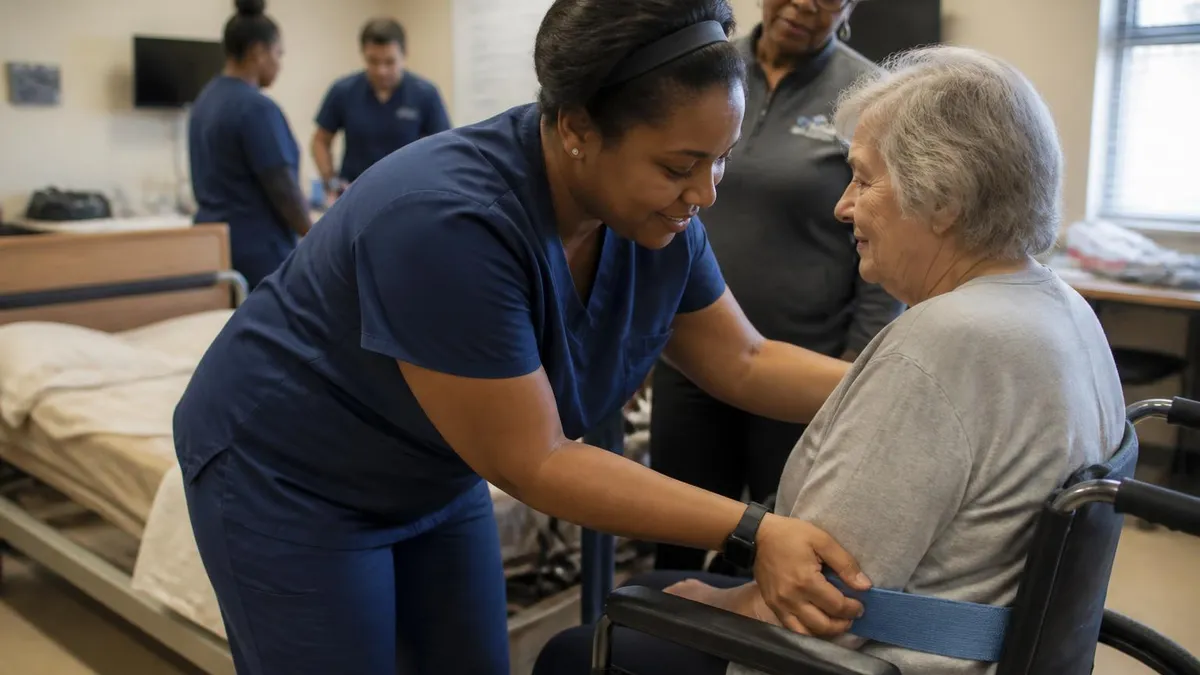
New York's CHRC (Criminal History Record Check) is mandatory for all home care workers and must be initiated before you can begin working with patients, even during clinical training supervised by a nurse. Processing typically takes 5-15 business days, but delays do occur. Certain convictions — including some drug offenses and crimes against persons — may disqualify applicants permanently or require a lengthy review. Do not quit your current job or turn down other work until your CHRC clearance is confirmed, as delays or denials can significantly impact your certification timeline and initial employment start date.
Once you have completed your HHA training program and passed the state competency evaluation, navigating the employment landscape in Brooklyn's home care sector requires understanding several key platforms and systems. HHA Exchange is the most widely used workforce management platform among New York home care agencies, and your HHA Exchange login credentials will become a central tool in your day-to-day work life as a certified aide. Through the HHA Exchange platform, agencies broadcast available client assignments, aides confirm or decline visits, and electronic visit verification (EVV) is recorded to satisfy state and federal compliance requirements under Medicaid managed care contracts.
Your HHA Exchange login is typically established by your employing agency after you accept a job offer and complete new hire onboarding paperwork. The agency's human resources or scheduling coordinator creates your account, sets your initial password, and walks you through the platform's basic functions during orientation.
The HHA login process is straightforward — you access HHA Exchange through either a web browser on any computer or through the HHA Exchange mobile app on a smartphone — and most aides become comfortable with basic scheduling and visit confirmation functions within their first week of employment without significant technical difficulty or confusion about the platform's interface design.
Brooklyn's home care agencies vary significantly in their size, culture, patient populations, and employment practices, so choosing your first employer carefully sets the tone for your early career experience. Larger agencies like Visiting Nurse Service of New York, Personal Touch Home Care, and Cooperative Home Care Associates (CHCA) offer more structured onboarding, stronger benefits packages, and more reliable scheduling than smaller operators, but they may also have more bureaucratic environments that feel impersonal compared to smaller community-based agencies.
CHCA in particular is notable as a worker-owned cooperative that offers profit sharing and a strong voice in workplace governance for its member-workers, which some aides find makes employment there significantly more satisfying than at conventionally structured agencies.
For Brooklyn candidates interested in the CDPAP (Consumer Directed Personal Assistance Program), this Medicaid-funded program allows certain consumers to hire and direct their own personal assistants, including family members in some cases. CDPAP aides are not required to hold formal HHA certification in all circumstances, which makes it a distinct pathway from the standard LHCSA employment model. However, holding HHA certification makes CDPAP candidates more competitive and opens the door to supplementing CDPAP income with traditional home care assignments during periods when CDPAP client schedules leave open availability hours in your weekly work calendar.
Professional development opportunities for Brooklyn HHAs continue to expand as larger home care systems invest in career ladder programs to reduce turnover and build internal talent pipelines. Some Brooklyn hospitals and health systems — including NYU Langone Brooklyn, Maimonides Medical Center, and NewYork-Presbyterian Brooklyn Methodist — have formal partnerships with affiliated home care agencies that allow high-performing HHAs to access CNA bridge programs, LPN bridge programs, and even subsidized RN degree programs at reduced or no cost to the employee.
These pathways represent remarkable career mobility for individuals who enter the healthcare workforce through HHA certification and demonstrate strong performance and commitment to clinical excellence throughout their employment tenure.
Staying current with regulatory changes is an ongoing responsibility for certified HHAs in New York. The state legislature and Department of Health periodically update training hour requirements, competency evaluation protocols, and in-service education requirements, and aides who fall out of compliance risk suspension of their ability to work in regulated home care settings.
Your employing agency is required to track your compliance status and notify you of upcoming requirements, but taking personal responsibility for monitoring these requirements — rather than relying entirely on your agency's administrative staff — protects your career continuity against administrative oversights that can sometimes occur in busy agency environments.
For those still researching whether this career is the right fit before committing to enrollment, the best approach is to speak directly with working Brooklyn HHAs about their day-to-day experiences. Many community organizations, workforce development centers, and faith-based institutions host career information sessions where current aides share their experiences candidly.
These sessions provide far more realistic preparation than any program brochure or agency website, giving prospective students insight into both the genuine rewards of home care work and the practical challenges that require resilience, patience, and strong self-care practices to manage sustainably over a full career in this deeply human-centered field.
Preparing effectively for the New York State HHA competency evaluation requires understanding exactly what will be tested and building systematic practice habits in the weeks before your scheduled evaluation date. The written portion of the competency evaluation covers a defined set of content domains including personal care skills, safety and emergency procedures, infection control and standard precautions, basic nutrition and fluid intake, patient rights and confidentiality, and communication with care team members. Knowing the domain structure allows you to allocate your study time proportionally rather than reviewing all content equally regardless of its representation on the actual examination.
The hands-on skills demonstration component of the NY HHA competency evaluation is where many candidates experience the most anxiety, but thorough preparation during clinical training hours and dedicated practice in the days before evaluation significantly reduces the risk of performance errors under pressure.
Evaluators select five skills at random from a master list that typically includes handwashing, oral care, bathing, dressing assistance, range of motion exercises, transfer techniques, vital signs measurement, and several others. Practicing each skill on the complete list to the point of automatic, confident execution — rather than merely reading about the correct procedure — is the preparation strategy that most consistently predicts successful first-attempt performance.
Many Brooklyn training programs offer mock evaluation sessions in the days immediately preceding your scheduled competency evaluation date. These mock sessions simulate the actual evaluation environment, including the presence of an evaluator, the random skill selection process, and the time pressure of performing skills correctly on the first attempt. Candidates who participate in at least one full mock evaluation before their actual test date report significantly lower anxiety levels and higher confidence during the real evaluation, translating to measurably better performance on the hands-on skills component where calm, deliberate execution is essential to demonstrating clinical competency satisfactorily to state-approved evaluators.
Study resources for the written portion of the HHA evaluation are widely available, including the practice quizzes on this site, official New York State study guides available through training programs, and various textbooks specifically designed for New York HHA candidates. When using practice questions, focus not just on memorizing correct answers but on understanding why each answer is correct and why the distractors are wrong.
This deeper conceptual understanding serves you better on the actual evaluation when questions are phrased differently from the practice materials you studied, as the state evaluation intentionally uses varied phrasing to test true understanding rather than superficial answer memorization from limited study sources.
Time management during the written evaluation is relevant for candidates who experience test anxiety or who are not native English readers. The written portion is not typically severely time-constrained for most candidates, but individuals who read slowly in English should be aware that the test does have a time limit and should practice completing practice question sets within realistic time windows to build comfortable pacing habits.
If you have a documented disability that affects test performance, contact the evaluation site in advance to discuss accommodation procedures, as New York State does provide reasonable accommodations for candidates with documented disabilities in accordance with applicable accessibility and accommodation requirements.
Nutrition, sleep, and physical preparation in the 24-48 hours before your evaluation date are often underestimated factors in performance outcomes. Arriving well-rested and having eaten a balanced meal before the evaluation significantly improves cognitive performance and reduces the physiological symptoms of test anxiety that can impair both recall of knowledge and the fine motor control needed for confident skills demonstration. Wear comfortable clothing that allows free movement for the skills demonstration, arrive at the evaluation site at least 15 minutes early to allow time for check-in paperwork and to orient yourself to the testing environment before the evaluation formally begins.
After passing the competency evaluation, continue practicing and refining your clinical skills through every patient encounter during your first months of employment. The competency evaluation certifies minimum baseline competency, but excellence in home health aide practice is developed through thousands of patient interactions, ongoing mentorship from experienced nurses and colleagues, and continuous reflection on your own clinical judgment and interpersonal communication skills.
Brooklyn's best home care aides describe their certification as the beginning of a professional learning journey rather than its conclusion, and this growth mindset consistently distinguishes the most effective, respected, and well-compensated practitioners in the New York home care workforce over long, fulfilling careers.
HHA Questions and Answers

HHA Job Requirements 2026 — What You Need to Become a Home Health Aide

HHA Classes Near Me 2026 — How to Find and Enroll in Training
How to Pass the HHA Exam on Your First Try

Medicare Coverage for Home Health Aide Services — What's Covered and What Isn't
How to Become a Home Health Aide — Training, Certification & Requirements
About the Author

Registered Nurse & Healthcare Educator
Johns Hopkins University School of NursingDr. Sarah Mitchell is a board-certified registered nurse with over 15 years of clinical and academic experience. She completed her PhD in Nursing Science at Johns Hopkins University and has taught NCLEX preparation and clinical skills courses for nursing students across the United States. Her research focuses on evidence-based exam preparation strategies for healthcare certification candidates.
Join the Discussion
Connect with other students preparing for this exam. Share tips, ask questions, and get advice from people who have been there.
View discussion (8 replies)