
HHA Agency in Brooklyn NY: How to Find, Apply, and Get Hired in 2026 October
🧠 Compare top HHA agencies in Brooklyn NY. Pay rates, CDPAP, training, certification, and how to apply. Real shifts, real pay, no fluff.

Looking for an HHA agency in Brooklyn NY? You've got options — a lot of them. Brooklyn has one of the densest networks of home health aide agencies in the country, and that's not by accident. The borough's aging population, sprawling neighborhoods from Bay Ridge to Brownsville, and the sheer demand for in-home care have created a market where dozens of agencies compete for your time. Some pay well. Some pay late. Some treat you like family. Others treat you like a number on a roster.
So how do you tell them apart? That's what this guide is for. We'll walk through the major Brooklyn HHA agencies, what they actually pay, which neighborhoods they cover, what paperwork you'll need, and how the CDPAP program changes the math if you're caring for a family member. Whether you're a brand-new HHA fresh out of a 75-hour training program or a seasoned aide looking for a better-paying gig, the goal here is simple — give you the real picture so you can pick the agency that actually fits your life.
Quick heads-up before we dive in: pay rates, bonuses, and overtime rules shift constantly in New York. The numbers below reflect what aides have reported recently, but always confirm with the agency directly. And if you're still working toward your NY HHA certificate, scroll down — we cover the training requirements too. Brooklyn is also one of the friendliest boroughs for new HHAs because so many agencies offer free training. You can walk in with no experience, do a 2-3 week course at no cost, and start earning within a month.
Brooklyn HHA By the Numbers
Let's start with the heavy hitters. Brooklyn's HHA market is dominated by a handful of agencies — some national, some local, some that started as small family operations and grew into multi-borough giants. Here's what you need to know about each.
BAYADA Home Health Care runs one of the largest operations in Brooklyn. They're known for steady scheduling, on-time pay, and decent benefits if you hit full-time hours. Their Brooklyn office covers most neighborhoods, and they handle skilled nursing alongside HHA work — meaning there's room to grow if you eventually want to upgrade to CNA or LPN. Pay typically lands in the $17-19/hr range, with overtime kicking in after 40 hours. BAYADA also offers paid sick leave and a 401(k) match after one year — small details that matter when you're trying to build something long-term.
FreedomCare is the big name in CDPAP. If you're caring for a parent, spouse, or family member, FreedomCare lets you get paid to do it — and they've built their whole brand around making that process simple. Pay through CDPAP in Brooklyn runs $18-21/hr depending on the consumer's Medicaid plan. No 75-hour training required for CDPAP caregivers, which is the biggest draw. They handle all the paperwork between you, your family member, and Medicaid — which sounds simple but it's actually the part that trips most people up when they try CDPAP through smaller intermediaries.
All Heart Homecare has a strong reputation in South Brooklyn — Bensonhurst, Sheepshead Bay, Coney Island. They're smaller than BAYADA but tend to give aides more consistent client matches. Pay is competitive at $17-20/hr, and they're known for quick onboarding once your paperwork checks out. Their case managers tend to be hands-on, which is a double-edged sword — great when you need help, annoying when you just want to do your job.
CDPAP: The Family Caregiver Loophole
If you're caring for a family member who qualifies for Medicaid, the Consumer Directed Personal Assistance Program lets them hire you directly — and you get paid. No HHA certificate needed. The consumer (your relative) becomes your employer on paper, and a fiscal intermediary like FreedomCare handles payroll. Pay rates in Brooklyn run $18-21/hr through CDPAP, and you set the schedule together. It's the single best path for people who'd be caring for family anyway.
Personal Touch Home Care has been around Brooklyn since the early 1990s and runs a tight ship. They cover Brownsville, East New York, and Crown Heights heavily, and they're one of the few agencies that still does old-school in-person orientations — which some aides love and others find tedious. Pay sits around $16-18/hr, but they're reliable with paychecks and they do offer paid time off after a year. If you're new to the field and you want to learn the proper way of doing things from people who've been at it for decades, Personal Touch is a solid first stop.
Premier Home Health Care is another solid pick, particularly if you live in Flatbush, Midwood, or Borough Park. They handle a lot of Medicaid Long-Term Care cases and their case managers tend to be responsive. Aides report pay around $17-19/hr with weekly direct deposit — and that weekly pay schedule matters more than people realize when rent is due. Their orientation is shorter than most, and they'll usually place you with your first client within a week of completing paperwork.
Visiting Nurse Service of New York (VNSNY) is the prestige name in NYC home care. They're huge, well-funded, and they treat aides better than most. Benefits, training opportunities, and a clear career ladder. The catch? They're competitive to get into, and they expect punctuality, professionalism, and clean documentation. Pay starts around $18/hr and climbs with experience and certifications. VNSNY also offers tuition assistance — meaningful if you're thinking about climbing to LPN or RN down the road.
Allure HomeCare rounds out the major Brooklyn list. They're growing fast, especially in Russian-speaking and Hasidic communities. Brighton Beach, Borough Park, Williamsburg — Allure has aides who speak Russian, Yiddish, Spanish, and Polish on staff. Pay is in the $17-19/hr range, and they actively recruit bilingual aides. Their case mix skews older — many of their clients are 80+ — so expect a lot of mobility assistance and dementia care work.
Types of HHA Work in Brooklyn
You work for the agency. They handle payroll, taxes, scheduling, and client matching. Pay is steady but slightly lower than CDPAP — typically $16-19/hr in Brooklyn. Best if you want simplicity, benefits, and no admin headaches.
The Medicaid recipient (often a family member) is your employer. A fiscal intermediary handles payroll. No HHA certification required, schedule is flexible, and pay runs $18-21/hr. Best for family caregivers.
Hired directly by the client or family — no agency, no Medicaid. Pay can range $20-30+/hr but you handle your own taxes, no benefits, no backup. Best for experienced aides with a strong client base.
13-hour shifts billed (with mandatory sleep/meal breaks), often paying $200-260/day. You stay overnight at the client's home. Common in Brooklyn for elderly clients with dementia or limited mobility.
Pay matters — but it's not the whole picture. Two aides at the same agency can have wildly different experiences depending on their case manager, their assigned client, and which neighborhood they're working in. Before you sign anything, ask these questions: How often do you get paid? Weekly is the gold standard. Do you cover travel time between cases?
Most agencies don't, which means a commute from Bay Ridge to Bushwick is unpaid. What's the overtime policy? New York requires time-and-a-half after 40 hours, but some agencies game the schedule to avoid it — splitting weeks, capping you at 39 hours, or pushing you onto live-in shifts that don't trigger overtime the same way.
Then there's the question of consistency. Some agencies bounce you between four or five clients a week — different addresses, different needs, different family dynamics every day. Others keep you with one or two regular clients for months at a time. If you value stability, ask upfront how the agency handles case assignment. Tell them you want consistent work with the same clients when possible. The good agencies will respect that. The bad ones will say yes and then send you wherever they need a warm body.
Also worth asking: what happens when a case ends? Clients pass away, get hospitalized, or move to nursing homes. The agency's response in that moment tells you everything. Do they have a replacement client ready? Do you sit at home unpaid for two weeks? That gap matters when bills are due. The best Brooklyn agencies — VNSNY, BAYADA, Allure — usually have a queue of new cases waiting. Smaller agencies might leave you hanging.
HHA Training, Documents, and Scope
One thing nobody tells you when you start: the paperwork is half the job. Every shift, you'll log vital signs, note any changes in the client's condition, document what tasks you completed, and have the client (or a family member) sign off. Sloppy documentation is the fastest way to get written up — or worse, accused of timesheet fraud.
Use the agency's app or paper logs exactly as instructed. If your client refuses care or a family member intervenes, document that too. Cover yourself. The agency will believe documentation over verbal explanations every time, and so will the New York State DOH if anything ever gets investigated.
Brooklyn coverage varies wildly by agency. Some are concentrated in specific neighborhoods. BAYADA and VNSNY blanket the whole borough. Allure leans heavily into Russian and Orthodox Jewish communities. All Heart focuses on South Brooklyn. Personal Touch dominates Brownsville and East New York. If you live in Canarsie, you'll have an easier time finding work with an agency that has clients there — the closer you live to your cases, the less unpaid commute time eats your day. A 20-minute commute four times a week adds up to nearly seven unpaid hours a month.
Most agencies will let you specify your preferred neighborhoods during onboarding. Use that. Don't let them place you 90 minutes away just because they have an opening — that's a recipe for burnout and a quick path to quitting.
Subway access is a huge factor in Brooklyn. Agencies that cover Downtown Brooklyn, Park Slope, and Williamsburg are easy to reach from almost anywhere on the L, F, G, or 2/3. But if your case is in Mill Basin, Marine Park, or Sea Gate, you might need a bus transfer or two — and that eats time. Some aides keep a list of go/no-go zip codes based on transit access alone. It's a smart system.
If an agency promises pay rates well above market ($25/hr+ for standard HHA work), pressures you to sign before reviewing the contract, doesn't explain overtime policy clearly, or asks you to work before paperwork is processed — walk away. Also be wary of agencies that don't verify your HHA registry number or that ask for upfront fees. Legitimate Brooklyn agencies never charge HHAs to work for them. Report suspicious agencies to the NY State Department of Health.
Let's talk about the application process itself. Most Brooklyn HHA agencies accept walk-ins, but you'll move faster if you apply online first. Send a basic resume — even if your only experience is the 75-hour training — and list any relevant certifications: CPR/BLS, first aid, dementia care training, and so on. Agencies want to see that you're serious before they call you in. A cover note that mentions your neighborhood, your availability, and one specific reason you're interested in their agency goes a long way.
The interview is usually short. They'll ask about your availability (live-in vs. hourly, days vs. nights, weekends), your transportation situation (subway is fine for most cases, but having a MetroCard ready helps), and whether you have language skills beyond English. A bilingual HHA in Brooklyn is gold — Russian, Spanish, Yiddish, Mandarin, Haitian Creole, and Polish are all in high demand depending on the neighborhood. If you speak even one of these conversationally, mention it. It can mean an extra dollar or two per hour at some agencies.
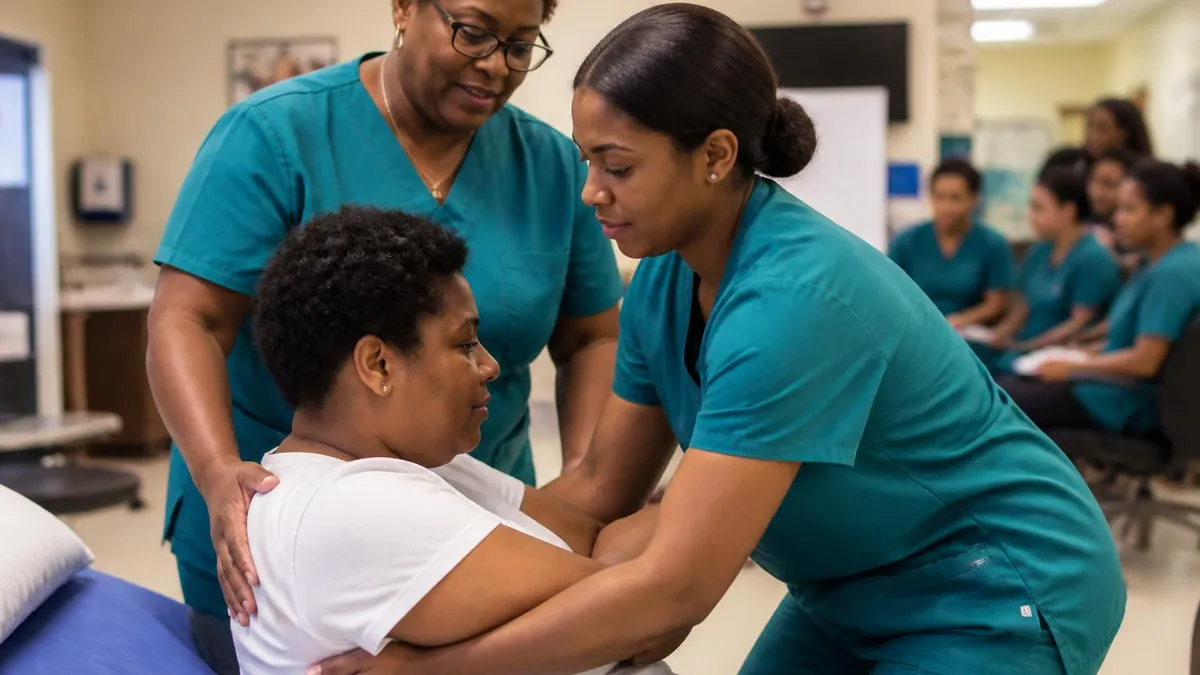
After the interview, expect a skills assessment. Some agencies do this in-office (transfer demos, blood pressure measurement, hand hygiene), others send you to a partner clinic. Either way, prepare. Brush up on transfers, vital signs, and proper PPE use before you show up. Even seasoned aides get tripped up by nervousness — practice the basics until they're automatic. Wear scrubs or business casual to the assessment. First impressions matter, and the case manager evaluating you is also deciding which clients to send you to.
Brooklyn HHA Application Checklist
- ✓Complete the 75-hour NY State HHA training program (free at many Brooklyn agencies)
- ✓Pass the written and practical exams to earn your HHA certificate
- ✓Verify your name and registry number on the NY State Home Care Registry
- ✓Get a current physical, PPD test, and required immunization records
- ✓Prepare ID, Social Security card, and work authorization documents
- ✓Apply to 3-5 Brooklyn agencies simultaneously to compare offers and shift availability
- ✓Ask about pay schedule, overtime policy, travel time, and case consistency before accepting
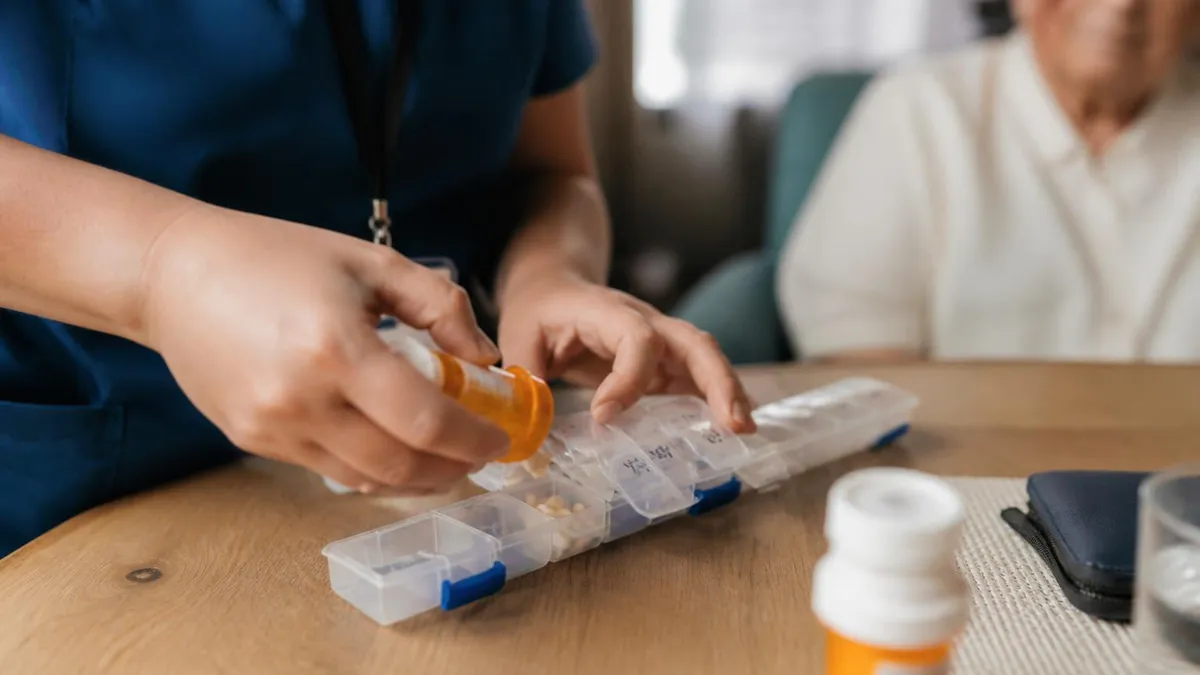
Once you're working, your day will look different from one client to the next. Some shifts are quiet — you make breakfast, help with bathing, watch TV with the client, prep lunch, run a small errand, and write up your notes. Other shifts are intense, especially with dementia clients, post-surgical patients, or anyone managing multiple chronic conditions. You'll juggle medication reminders, mobility assistance, family questions, and the occasional emergency. Knowing when to call 911 vs. when to call the agency's on-call nurse is a skill you'll develop fast.
The emotional side of the work is the part most training programs underplay. You'll become deeply familiar with your clients' lives — their photos, their routines, their fears. You'll meet their adult children, who might be grateful or stressed or both. And eventually, some of your clients will pass away. That's the nature of the work.
Brooklyn agencies vary in how much support they offer aides through those losses. Ask during the interview whether they provide grief support, peer groups, or counseling resources. VNSNY and BAYADA tend to have the most structured aide support programs. Smaller agencies often have nothing formal — you'll lean on coworkers instead.
Brooklyn HHA Work: Pros and Cons
- +Steady demand — Brooklyn has more HHA openings than aides to fill them
- +CDPAP option lets family caregivers get paid without certification
- +Flexible schedules — pick days, nights, weekends, or live-in shifts
- +Free 75-hour training at many agencies if you commit to working post-certification
- +Meaningful work — you make a real difference in someone's daily life
- −Pay caps lower than skilled nursing — $16-22/hr is the typical ceiling
- −Unpaid travel time between clients can eat 1-2 hours per day
- −Physical demands — transfers, bathing, and lifting can strain your back over time
- −Emotional toll of client decline and end-of-life care
- −Some agencies have inconsistent scheduling — feast or famine weeks
If you're weighing whether HHA work is right for you long-term, think about where it can lead. Many Brooklyn HHAs use the role as a stepping stone — bridging to CNA (Certified Nursing Assistant), LPN (Licensed Practical Nurse), or eventually RN. Agencies like VNSNY and BAYADA sometimes offer tuition assistance for aides who want to upgrade their credentials. CUNY schools, NYC College of Technology, and Brooklyn-based career programs run accelerated nursing pathways that fit around HHA work hours. A motivated HHA can go from $17/hr to $40+/hr as an LPN in under two years.
And if you're already certified and just looking for a better deal? Don't be loyal to a bad agency. Brooklyn has too many options. If your current agency pays late, gives you garbage schedules, or doesn't cover overtime properly, apply elsewhere. The market favors aides right now — agencies are actively recruiting and offering sign-on bonuses ($500-1,500 is common) for experienced HHAs willing to switch. Read the bonus terms carefully though — most require you to stay 90 days or longer before the full bonus is paid out.
One last piece of advice — keep your documentation game tight. Save every paystub, every shift log, every certificate of completion. Keep digital copies of your HHA certificate, your registry confirmation, your physical exam, and your immunization records in a folder on your phone. When you switch agencies (and you probably will, more than once), having all of that ready to send by email gets you onboarded in days instead of weeks. And if you ever have a wage dispute, those records are your only proof. Screenshot everything — agency texts, schedule changes, case manager messages.
Brooklyn HHA work isn't glamorous. But it's real, it's needed, and it's stable in a way that few entry-level careers are. The borough's aging population isn't shrinking, the Medicaid programs aren't going away, and CDPAP keeps expanding.
If you show up, do the work, document everything, and pick a good agency — you've got a career that pays the bills and matters to the people in front of you. That's not nothing. Take the time to compare three or four agencies before you commit. The right fit will make every shift easier. The wrong fit will burn you out within months.
HHA Questions and Answers
About the Author

Registered Nurse & Healthcare Educator
Johns Hopkins University School of NursingDr. Sarah Mitchell is a board-certified registered nurse with over 15 years of clinical and academic experience. She completed her PhD in Nursing Science at Johns Hopkins University and has taught NCLEX preparation and clinical skills courses for nursing students across the United States. Her research focuses on evidence-based exam preparation strategies for healthcare certification candidates.
Join the Discussion
Connect with other students preparing for this exam. Share tips, ask questions, and get advice from people who have been there.
View discussion (8 replies)