
Home Health Aide in Baltimore MD: HHA Jobs by City, Certification, and Career Guide
Find home health aide in Baltimore MD jobs, HHA certification tips, and city-by-city salary data. ✅ Start your HHA career today.

If you are searching for a career as a home health aide in Baltimore MD, you are entering one of the fastest-growing segments of the American healthcare workforce. Baltimore's aging population, combined with a strong network of home care agencies, makes the city a prime destination for HHA professionals at every stage of their career. Whether you are just beginning your journey toward HHA certification or you are an experienced aide looking to advance, understanding the local market can make all the difference in landing the right position.
The HHA exchange platform has become a central hub for thousands of home health agencies across the United States, streamlining scheduling, documentation, and compliance workflows. Aides who understand how to use HHA exchange login portals and digital care tools are increasingly preferred by employers, especially in metro areas like Baltimore, Washington DC, and Philadelphia where agencies manage large caseloads. Familiarity with these platforms signals professionalism and readiness to employers from day one.
Demand for certified home health care aide workers is projected to surge by 22 percent nationally through 2032, according to the Bureau of Labor Statistics — a rate far above average for all occupations. In Maryland specifically, the Department of Health has implemented stricter training requirements, meaning that candidates who complete a state-approved home health aide training program stand out in a competitive hiring pool. Certification is no longer optional for most positions; it is the baseline expectation.
City-by-city variation in HHA pay is significant and often overlooked by job seekers. A home health aid in Baltimore can earn between $14 and $19 per hour depending on the agency, shift type, and patient acuity, while aides in suburban Anne Arundel or Howard County may see slightly different wage scales based on local cost of living and agency competition. Knowing these differences before you apply helps you negotiate smarter and choose the right employer.
Completing your home health aide certification through a state-approved program typically takes between 75 and 120 hours of combined classroom instruction and supervised clinical practice. Maryland requires a minimum of 100 hours, which is above the federal floor of 75 hours. Programs are offered through community colleges, vocational schools, and many home care agencies themselves, often at reduced or no cost to employees who commit to a work agreement after training.
For those who want to explore hha jobs near me without relocating, it is important to research which Baltimore neighborhoods have the highest density of home care clients. Areas like Towson, Catonsville, and Essex have strong senior populations and consistent demand for in-home care services. Agency recruiters in these areas are often actively hiring and may offer sign-on bonuses, flexible scheduling, and paid mileage to attract qualified candidates.
This guide covers everything you need to know about HHA jobs across major US cities, with a deep focus on Baltimore, certification requirements, the HHA exchange system, and how to build a lasting career in home health care. Whether you are comparing cities, preparing for your competency evaluation, or simply trying to understand what the job entails day-to-day, the sections below will walk you through every step of the process with real data and actionable advice.
HHA Careers by the Numbers

HHA Jobs by City: What You Need to Know
One of the strongest mid-Atlantic markets for HHAs. Maryland requires 100 training hours, and Baltimore agencies actively recruit year-round. Average pay ranges from $14 to $19 per hour with many agencies offering paid mileage and flexible scheduling options.
Philadelphia's dense urban population drives consistent HHA demand. Pennsylvania requires 75 training hours at minimum. Many agencies in Philly offer bilingual positions and specialized dementia care tracks, which can increase hourly rates by $2 to $4.
DC-area HHAs benefit from some of the highest wages in the country, averaging $17 to $22 per hour. The District requires separate licensure from Maryland and Virginia, so cross-border workers must verify their credentials with each jurisdiction's health department.
NYC pays among the highest HHA wages nationally — $18 to $25 per hour — driven by high cost of living and union coverage. New York requires a 75-hour training program plus a competency evaluation administered by the state Department of Health.
Chicago's growing elderly population and robust Medicaid Home Services Program create sustained demand. Illinois mandates 40 clock hours of classroom training plus 16 hours of supervised practical work, making entry easier and faster than in many East Coast states.
Understanding the requirements for home health aide training is the essential first step before applying to any agency in Baltimore or any other city. Maryland's rules are administered by the Department of Health and Mental Hygiene, which mandates a minimum of 100 hours of training split between classroom instruction and supervised clinical experience. Programs must cover personal care skills, nutrition, infection control, safety procedures, client rights, and emergency response — all areas that will also appear on your competency evaluation at the end of training.
A home health aide training program typically runs four to six weeks when scheduled full-time, though part-time evening and weekend options are available at many community colleges and vocational schools in the Baltimore area. Institutions like Community College of Baltimore County (CCBC) and Medtech College offer accredited programs that meet Maryland's requirements. Some private home care agencies sponsor their own training and will waive the tuition cost in exchange for a 12-month employment commitment — a smart path for candidates who need to minimize upfront expenses.
After completing your training hours, you must pass a competency evaluation that consists of a written (or oral) knowledge test and a practical skills demonstration. In Maryland, this evaluation is administered by a state-approved testing organization such as Prometric. The written section typically contains 50 multiple-choice questions covering the curriculum areas above, while the practical portion asks you to demonstrate five randomly selected clinical skills in front of an evaluator. Passing both sections earns you placement on the state's Nurse Aide Registry, which is required before most agencies will hire you.
Obtaining your home health aide certificate is not a one-time event — Maryland requires ongoing continuing education to maintain active status. Aides must complete a minimum of 12 hours of in-service training annually, covering topics selected by their employing agency. These in-service sessions often focus on updates to infection control protocols, changes in documentation requirements within the HHA exchange platform, or specialized care techniques for clients with dementia or complex medical needs.
For those who want to accelerate their credentials, it is worth exploring whether your prior healthcare experience qualifies you for a training waiver. Maryland allows certain individuals — including active or former Certified Nursing Assistants (CNAs), military medical personnel, and nursing students — to challenge the competency evaluation without completing the full training program. If you hold a current CNA certification in good standing, contact the Maryland Board of Nursing to confirm your eligibility for this exemption before enrolling in a training program unnecessarily.
You can also explore home health aide certification online free pathways that some employers and nonprofits offer through digital learning platforms. While Maryland does not allow the full 100-hour requirement to be completed entirely online, certain didactic components can be taken through approved distance-learning modules. This hybrid model is especially popular among caregivers who are already working part-time and need scheduling flexibility while completing their certification requirements.
Financial assistance for training is available through several channels in Baltimore. The Maryland Workforce Exchange administers workforce development grants that can cover tuition for eligible applicants, particularly those who are unemployed or transitioning careers. Additionally, some Baltimore City social services programs specifically fund home health aide training as part of their healthcare workforce pipeline initiatives. Researching these options before paying out of pocket can save candidates hundreds or even thousands of dollars in upfront costs.
HHA Exchange Login, Tools, and Platform Features
HHA exchange is a cloud-based electronic visit verification (EVV) and scheduling platform designed specifically for home health agencies. It allows agencies to dispatch aides, verify visit times via GPS or telephony check-in, manage client care plans, and generate compliance reports required by state Medicaid programs. As of 2020, federal law mandates EVV for all personal care and home health services billed to Medicaid, making a platform like HHA exchange essential for agencies across every state.
For aides, the HHA exchange login gives you access to your daily schedule, client care notes, visit history, and any messages from your care coordinator. Many agencies require aides to clock in and clock out through the app at the start and end of every shift, creating a real-time audit trail. Understanding how to navigate the platform confidently — including how to flag missed tasks or document client observations — is a skill that employers increasingly treat as a baseline requirement during the hiring process.
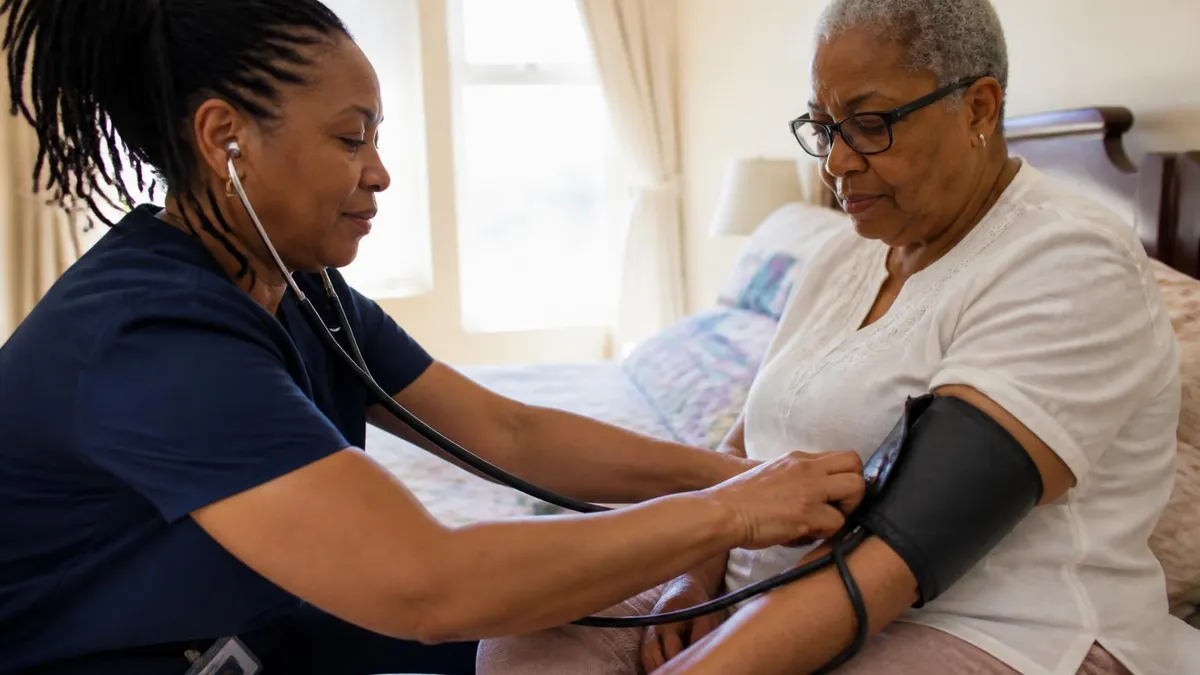
Is a Career as a Home Health Aide Right for You?
- +High and growing job demand ensures strong employment security through 2032
- +Flexible scheduling options including part-time, weekends, and overnight shifts
- +Meaningful one-on-one client relationships that many aides find deeply rewarding
- +Low barrier to entry — training takes weeks, not years, and costs are often employer-subsidized
- +Clear career pathway from HHA to CNA to LPN to RN with stackable credentials
- +Geographic flexibility — HHA certification transfers across most states with reciprocity
- −Physically demanding work involving lifting, transferring, and assisting clients with mobility
- −Median wages remain below $32,000 annually, limiting financial security without supplemental income
- −Emotional burnout is common, especially when working with clients who have terminal conditions
- −Irregular hours and last-minute schedule changes can disrupt work-life balance
- −Solo work environment with limited immediate peer support during difficult client situations
- −Exposure to infectious illness is an inherent occupational risk requiring consistent PPE discipline
HHA Certification Checklist: Steps to Become a Certified Home Health Care Aide
- ✓Research state-specific training hour requirements for the state where you plan to work.
- ✓Enroll in a state-approved home health aide training program at a community college or agency.
- ✓Complete all required classroom instruction hours covering personal care, nutrition, and safety.
- ✓Fulfill supervised clinical practice hours under a licensed nurse or evaluator.
- ✓Register for the state competency evaluation through an approved testing organization.
- ✓Pass the written or oral knowledge test covering all curriculum areas.
- ✓Successfully demonstrate five practical skills during the in-person skills evaluation.
- ✓Confirm your placement on the state Nurse Aide Registry after passing both evaluation components.
- ✓Gather all required employment documents: ID, Social Security card, proof of training completion, and immunization records.
- ✓Create a profile on HHA exchange or your agency's scheduling platform and complete the digital onboarding process.
Maryland Pays Above the National HHA Average
Maryland HHAs earn a mean hourly wage of approximately $16.40 according to BLS Occupational Employment data — roughly 8 percent above the national median. Baltimore City and the surrounding counties consistently rank among the highest-paying markets in the state, with agencies in the Inner Harbor and Towson corridors competing aggressively for qualified aides through sign-on bonuses and enhanced benefit packages.
Salary growth for home health aide professionals is directly linked to specialization, tenure, and the types of clients you serve. Entry-level aides in Baltimore typically start at $14 to $15 per hour, but those who develop expertise in areas such as pediatric home care, ventilator-dependent clients, or dementia care can command $18 to $22 per hour within two to three years of experience. Agencies that serve medically complex clients generally pay more because the skill requirements and liability exposure are higher.
The fastest route to higher HHA wages is pursuing additional credentials that expand your clinical scope. Many Baltimore aides use their HHA experience as a springboard to the Certified Nursing Assistant (CNA) credential, which typically adds $2 to $4 per hour to base pay. From there, the pathway to Licensed Practical Nurse (LPN) or Registered Nurse (RN) opens up through community college nursing programs, many of which grant credit for prior home health experience. Several Baltimore institutions, including Morgan State University and CCBC, offer evening and weekend nursing tracks designed specifically for working healthcare aides.
Benefits packages vary considerably across Baltimore's home care agencies, and total compensation should always factor into your job choice rather than hourly rate alone. Larger regional agencies often provide health insurance, paid time off, mileage reimbursement at the IRS standard rate (67 cents per mile as of 2024), and 401(k) matching. Smaller independent agencies may offer higher hourly rates to compensate for leaner benefit structures. Understanding the full compensation picture before signing an employment agreement helps you make decisions that align with your financial goals.
Shift differentials represent another meaningful income opportunity for Baltimore HHAs. Evening shifts (3 PM to 11 PM) typically add $0.50 to $1.50 per hour above base pay, and overnight or live-in positions can pay a flat daily rate ranging from $150 to $250 depending on the client's care complexity. Weekends and holidays often carry similar differentials. Aides who are willing to work non-standard hours can meaningfully increase their annual take-home pay without changing employers or completing additional training.
Geographic arbitrage within the Baltimore metro area is also worth considering. Anne Arundel County, Howard County, and Baltimore County all have active home care markets with slightly different wage profiles than Baltimore City. Some aides find that accepting clients 10 to 15 miles outside the city center — where competition for aides is lower — allows them to negotiate higher hourly rates or secure more consistent full-time hours. If you have reliable transportation and your agency reimburses mileage, expanding your service radius can significantly boost your earnings.
Union membership is a growing factor in the Baltimore HHA market. SEIU 32BJ and SEIU 1199 have organized workers at several larger home care agencies in Maryland, and union members typically earn wages 15 to 25 percent above non-union counterparts, along with stronger job security protections and employer-paid health coverage. If you are considering agencies where workers are represented, you can check union status through the Maryland AFL-CIO's directory or by contacting the agency directly during your job search.
Long-term career planning for hha jobs professionals should include deliberate decisions about which patient populations you focus on. Aides who build a track record with high-acuity or pediatric clients often receive priority scheduling — meaning more guaranteed hours — and are the first candidates considered for supervisory or care coordinator roles when agencies promote from within. Expressing this kind of career ambition early in your tenure signals to employers that you are a long-term investment worth developing.
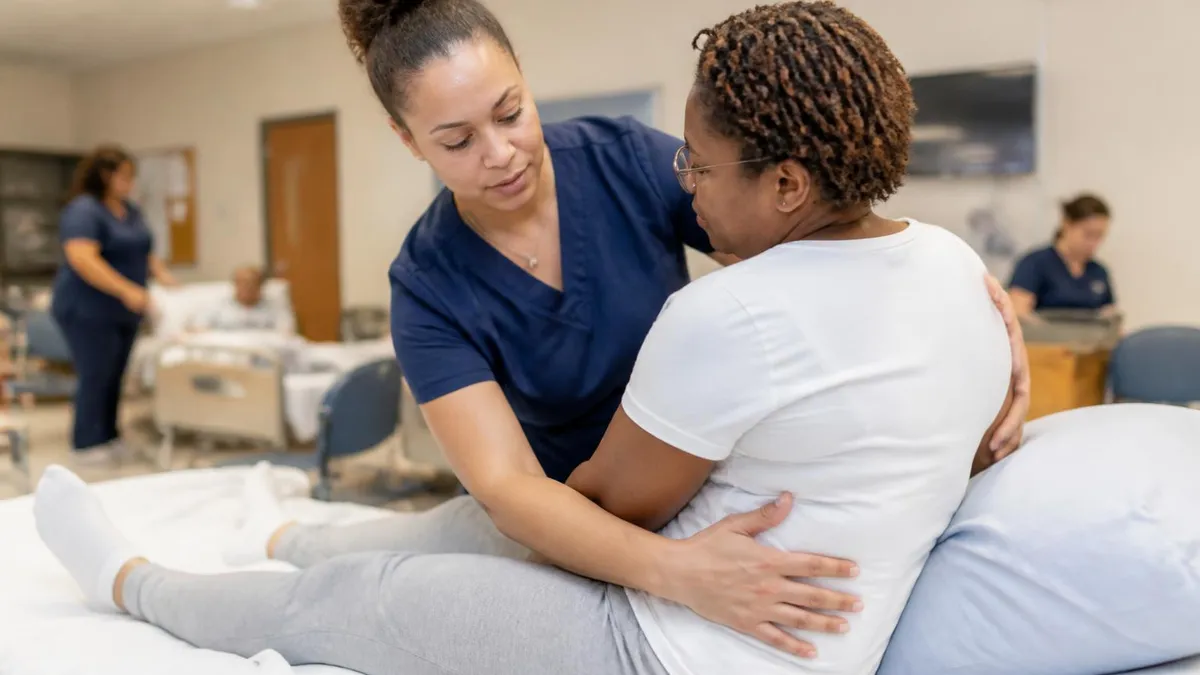
In Maryland, it is illegal for a home care agency to employ you as a home health aide until your name appears on the state Nurse Aide Registry. Working without active registry placement exposes both you and the agency to significant penalties. Always confirm your registry status through the Maryland Board of Nursing website before accepting your first client assignment.
Landing your first HHA job in Baltimore requires more than a completed certification — it requires a targeted job search strategy that matches your schedule, transportation options, and client care preferences. Start by identifying the ten largest home care agencies operating in your target neighborhoods, then research each one's online reputation through employee reviews on Indeed and Glassdoor. Pay particular attention to comments about scheduling consistency, supervisor support, and whether the agency follows through on promised pay rates and benefits.
Your resume for an HHA position should be no longer than one page and should lead with your certification status and the date you were added to the Maryland Nurse Aide Registry. List any relevant clinical experience — including volunteer work, personal caregiving for family members, or CNA training — even if unpaid. Employers in the home care sector understand that many candidates are entering the workforce for the first time and weigh demonstrated compassion and reliability as heavily as formal work history.
The interview process at most Baltimore home care agencies includes a background check, drug screening, tuberculosis (TB) test, and reference verification before you receive a formal offer. TB testing is a state requirement for all direct care workers in Maryland and must be completed by a licensed healthcare provider. Many agencies have an on-site or partnered clinic where they handle all pre-employment screenings at no cost to the applicant. Ask about this during your initial phone screen so you can plan the timeline accordingly.
Networking within Baltimore's home care community can open doors that online job boards often miss. Local churches, community centers, and senior centers frequently post home care job opportunities or can connect you with families seeking private-pay aides. The Baltimore City Mayor's Office of Employment Development also maintains a healthcare job board with listings from both agency and private employers. These community-based channels often yield positions with more personalized working relationships and greater schedule flexibility than large agency placements.
If you are exploring opportunities beyond Baltimore, researching the requirements for hha jobs in Philadelphia is a natural next step, since Pennsylvania's training requirements differ from Maryland's and cross-state credentialing is not automatic. Each state maintains its own Nurse Aide Registry, and while some states have reciprocity agreements, Maryland and Pennsylvania require separate applications. Understanding these nuances before you apply saves time and prevents frustrating delays in your start date.
Consider the agency's use of technology as a quality signal during your job search. Agencies that use modern platforms like HHA exchange for scheduling and documentation tend to be better organized, more compliant with state regulations, and more likely to pay accurately and on time. During your interview, ask whether the agency uses electronic visit verification and how aides are trained on the platform. A well-structured answer indicates an employer that takes operations seriously and invests in its workforce.
Finally, understanding the difference between agency employment and independent (private-pay) caregiving can help you choose the right model for your situation. Agency employment provides workers' compensation coverage, liability insurance, and a predictable caseload managed by a coordinator. Independent caregiving offers higher per-hour rates but requires you to manage your own taxes, insurance, and client relationships. Most new HHAs in Baltimore begin with agency employment to build experience and references before considering independent work, which is a sound approach given the complexities of running a solo care practice.
Preparing for your HHA competency evaluation requires a structured study approach that mirrors the actual exam format. Maryland's evaluation covers eight major content domains: personal care skills, nutrition and hydration, safety and emergency procedures, infection control, client rights and independence, communication, basic restorative services, and mental health and social needs. Allocate your study time proportionally — personal care skills and infection control together account for the largest share of practical evaluation tasks and deserve the most practice time.
Practice tests are among the most effective preparation tools available to HHA candidates. Research consistently shows that retrieval practice — actively recalling information through quiz questions rather than passively rereading notes — produces stronger long-term memory retention. Aim to complete at least three to five full-length practice tests before your evaluation date, reviewing every incorrect answer to understand why the correct choice is right rather than simply memorizing the answer itself.
For the practical skills portion of your evaluation, physical repetition with a training partner or mannequin is irreplaceable. The five skills assessed on test day are randomly selected from a pool of approximately 25 skills defined by the state. Practice all 25 skills to proficiency, paying special attention to the infection control steps — handwashing protocol, glove use, and proper waste disposal — that must be correctly demonstrated at the start of every skill regardless of which task is being evaluated. Evaluators deduct points for skipped infection control steps even when the primary skill is performed correctly.
Time management during both the written and practical sections matters more than many candidates expect. The written portion typically allows 90 minutes for 50 questions, which sounds generous, but anxiety and unfamiliar question phrasing can slow you down if you have not practiced under timed conditions. Set a personal target of no more than 90 seconds per question during practice to build the pacing habit before test day. If you finish early, use remaining time to revisit flagged questions rather than submitting immediately.
On the day of your evaluation, arrive at the testing site at least 30 minutes early with two valid forms of identification and any documentation your testing organization requires, such as your training completion certificate. Dress professionally and bring any personal care supplies (gloves, hand sanitizer) that your evaluator has advised you to have on hand. Some testing centers provide all supplies; others require candidates to bring their own. Confirm the requirements with your testing organization at least one week before your appointment to avoid preventable surprises.
After passing your evaluation and receiving your registry placement, take the first 90 days of employment seriously as a proving period. New aides who demonstrate punctuality, accurate documentation, and genuine client rapport during the initial probationary period are far more likely to receive preferred scheduling, faster pay increases, and access to specialized training opportunities. Your reputation within the agency's care coordination team is built during this window, and it directly influences the quality of clients and hours you are offered going forward.
Keeping up with changes in the home health aide training landscape is an ongoing responsibility for every working aide. State requirements, federal EVV mandates, and Medicaid billing rules evolve regularly, and agencies expect their workforce to stay current. Subscribe to your state's Department of Health newsletter, follow professional associations like the National Association for Home Care and Hospice (NAHC), and take advantage of any continuing education your agency offers beyond the minimum annual hours. This commitment to ongoing learning is what separates career-oriented aides from those who stall at entry level.
HHA Questions and Answers

What Is HHA? Home Health Aide Duties, Training, and Certification Explained

Home Health Aide Jobs Philadelphia: Your Complete Career Guide

HHA Job Requirements 2026 — What You Need to Become a Home Health Aide

Home Health Aide Scheduling Software and HHA Exchange: The Complete Guide for 2026

HHA Practice Test
About the Author

Registered Nurse & Healthcare Educator
Johns Hopkins University School of NursingDr. Sarah Mitchell is a board-certified registered nurse with over 15 years of clinical and academic experience. She completed her PhD in Nursing Science at Johns Hopkins University and has taught NCLEX preparation and clinical skills courses for nursing students across the United States. Her research focuses on evidence-based exam preparation strategies for healthcare certification candidates.
Join the Discussion
Connect with other students preparing for this exam. Share tips, ask questions, and get advice from people who have been there.
View discussion (8 replies)