
MetroTech FDNY: Inside the Brooklyn Headquarters of New York's Bravest
Metrotech FDNY Brooklyn HQ: history, dispatch operations, training & what happens inside. ✅ Complete guide for FDNY candidates and enthusiasts.

The metrotech fdny headquarters complex in downtown Brooklyn sits at the center of one of the largest and most respected fire departments in the world. Located at 9 MetroTech Center in the heart of the MetroTech business district, this facility serves as the operational nerve center for a department that protects more than 8.3 million New Yorkers across five boroughs. When fires break out, when medical emergencies strike, and when disasters unfold anywhere in New York City, the coordination and command that shapes the response often traces back to this Brooklyn address.
The FDNY's move to MetroTech was part of a broader transformation that modernized how the department managed its sprawling operations. Before the MetroTech era, FDNY administrative and communications functions were spread across multiple older facilities that had grown dated and inefficient. The new headquarters brought together critical offices, dispatch operations, and administrative leadership under a single modern roof, dramatically improving how the department could coordinate its more than 11,000 uniformed members and roughly 3,000 civilian employees working across 218 firehouses citywide.
For aspiring firefighters and current FDNY candidates, understanding MetroTech is more than a piece of trivia. The headquarters houses offices that oversee hiring, testing, and certification — functions that directly affect every person working toward a career in New York's fire service. The Fire Department's Bureau of Personnel, parts of its training administration, and numerous support divisions operate out of MetroTech, making it a place that candidates may need to visit at several points in their career journey.
The complex also houses one of the most technologically sophisticated emergency dispatch systems in the country. The FDNY's emergency communications bureau manages 911 calls, fire and EMS dispatch, and real-time resource coordination from facilities connected to the MetroTech hub. Every year, the department processes more than 1.5 million emergency incidents, and the systems based at MetroTech play a crucial role in ensuring that units are deployed quickly and efficiently to where they are needed most across the five boroughs.
Beyond its operational functions, MetroTech FDNY headquarters carries significant historical and symbolic weight for the department. The facility was built during a period when New York City was reinvesting in its public safety infrastructure following the fiscal crises of earlier decades. Its construction represented a commitment to giving the FDNY the modern tools and facilities it needed to serve a growing and increasingly complex city. Walking through its corridors, you encounter the administrative backbone of an institution with roots stretching back to 1865.
For firefighters who train hard and aspire to join this legendary department, knowing the geography and functions of MetroTech matters because it contextualizes how the FDNY operates as an organization. Understanding headquarters gives you insight into how decisions flow from leadership to the firehouses, how resources are allocated across the city, and how the department balances its dual missions of fire suppression and emergency medical services. This article explores every key dimension of MetroTech FDNY — its history, its operations, and what it means for anyone pursuing a career with New York's Bravest.
FDNY MetroTech by the Numbers

History of FDNY's Move to MetroTech Center
Early FDNY Headquarters Era
MetroTech Development Begins
FDNY Relocates to Brooklyn
Emergency Communications Modernization
Continued Expansion & Upgrades
At the heart of MetroTech FDNY operations lies one of the most sophisticated emergency dispatch and communications systems in the United States. The department's Emergency Communications Bureau (ECB) processes fire and EMS calls 24 hours a day, seven days a week, 365 days a year without interruption. Dispatchers use computer-aided dispatch (CAD) technology to track unit availability, incident locations, and resource deployment in real time. This allows them to assign the closest appropriate units to each call while maintaining coverage across all city neighborhoods simultaneously.
When a New Yorker dials 911 for a fire or medical emergency, the call is routed to the appropriate Public Safety Answering Point (PSAP). For FDNY incidents, that means specialized fire and EMS dispatchers who are trained specifically in emergency response protocols. Unlike a generalist 911 operator, FDNY dispatchers understand fire behavior, building types, resource requirements for different incident categories, and the geography of New York City in granular detail. Their training is extensive and ongoing, reflecting the complexity of coordinating responses across the five boroughs.
The CAD system used by the FDNY can automatically recommend dispatch assignments based on unit locations, incident type, and current workload. However, experienced dispatchers apply professional judgment to override or modify those recommendations when circumstances warrant. A dispatcher who knows that a particular ladder company is already handling a difficult high-rise assignment, or that a certain block has historically required additional resources, can make nuanced decisions that improve outcomes on the ground. This blend of technology and human expertise defines the MetroTech communications operation.
Radio communications are another critical dimension of what happens at MetroTech. The FDNY operates on a complex radio system that must allow firefighters operating in dense concrete buildings, deep subway tunnels, and sprawling outdoor environments to maintain contact with dispatch and with each other. The department has invested heavily in repeater infrastructure, digital radio systems, and redundant communications pathways to ensure that firefighters in the field are never cut off from support. Monitoring and managing these radio systems is a continuous operational function at the Brooklyn headquarters.
Major incidents trigger a cascade of notifications and responses that flow through the MetroTech communications infrastructure. A working structural fire, for example, may require simultaneous dispatch of engine companies, ladder companies, battalion chiefs, a rescue company, safety officers, and EMS units. Coordinating all of these resources — ensuring they are going to the right address, that the right amount is dispatched, that relief units are staged — requires the systems and personnel housed at and connected to MetroTech to work in precise synchronization. The margin for error in this coordination is essentially zero.
Beyond day-to-day incident management, MetroTech also serves as the hub for major emergency planning and special operations coordination. When the city faces a weather emergency, a large public event, a building collapse, or a mass casualty incident, the FDNY's incident command structures and communications resources are activated at an improved level. The operational flexibility built into MetroTech's systems allows the department to scale its response capabilities rapidly when New York faces extraordinary demands. This scalability was demonstrated dramatically during events like Hurricane Sandy in 2012, when the FDNY managed an unprecedented surge in emergency calls.
For candidates preparing to join the FDNY — whether as firefighters, EMTs, or paramedics — understanding how dispatch and communications work at MetroTech provides critical context for the department's operational culture. The FDNY's efficiency depends on clear communication, strict protocols, and a shared understanding of how information flows from the street to headquarters and back. These themes appear throughout the department's training programs and are reflected in the content covered on FDNY certification exams and entry-level assessments.
Key Bureaus and Divisions Operating at MetroTech FDNY
The Bureau of Operations at MetroTech oversees the deployment of the FDNY's fire suppression resources across all five boroughs. This division manages battalion assignments, company scheduling, special operations units, and tactical planning. It is responsible for ensuring that every neighborhood in the city has adequate fire protection coverage at all times, which requires constant analysis of staffing levels, apparatus availability, and geographic risk factors.
Fire operations staff at MetroTech work closely with field commanders and borough offices to respond to emerging trends — whether that means surges in construction-related fires, seasonal hazards like heat waves that stress aging infrastructure, or new building types that require updated tactical approaches. The bureau also manages special units including rescue companies, hazmat teams, and marine operations, which require unique expertise and coordination beyond standard engine and ladder deployments.
Centralized Headquarters: Benefits and Challenges for the FDNY
- +Unified command allows faster coordination across all five boroughs during major incidents
- +Consolidated administrative functions reduce bureaucratic delays in hiring, promotions, and personnel decisions
- +Modern technology infrastructure at MetroTech supports advanced dispatch and communications systems
- +Single headquarters improves accountability and oversight for leadership and policy decisions
- +Colocation of fire and EMS administration strengthens the integration of both services
- +Central location in Brooklyn provides relatively equitable geographic access to all boroughs
- −A single headquarters creates a potential single point of failure for administrative continuity
- −Distance from Manhattan limits immediate physical response capacity for senior leadership to major incidents
- −Large headquarters complex can feel bureaucratic and impersonal to firehouses and field personnel
- −High real estate costs in the MetroTech area create ongoing budget pressures for facility maintenance
- −Centralizing functions in one building increases cyber and physical security risks to critical systems
- −Candidates and civilians traveling from outer boroughs like Staten Island face long commutes to reach headquarters
Pros and Cons at a Glance
| Pros | Cons |
|---|---|
| Unified command allows faster coordination across all five boroughs during major incidents | A single headquarters creates a potential single point of failure for administrative continuity |
| Consolidated administrative functions reduce bureaucratic delays in hiring, promotions, and personnel decisions | Distance from Manhattan limits immediate physical response capacity for senior leadership to major incidents |
| Modern technology infrastructure at MetroTech supports advanced dispatch and communications systems | Large headquarters complex can feel bureaucratic and impersonal to firehouses and field personnel |
| Single headquarters improves accountability and oversight for leadership and policy decisions | High real estate costs in the MetroTech area create ongoing budget pressures for facility maintenance |
| Colocation of fire and EMS administration strengthens the integration of both services | Centralizing functions in one building increases cyber and physical security risks to critical systems |
| Central location in Brooklyn provides relatively equitable geographic access to all boroughs | Candidates and civilians traveling from outer boroughs like Staten Island face long commutes to reach headquarters |
Visiting MetroTech FDNY Headquarters: What Candidates Need to Know
- ✓Bring a valid government-issued photo ID every time you visit MetroTech — security checkpoints require identification for all visitors.
- ✓Confirm your appointment date, time, and specific office location before traveling, as the MetroTech complex includes multiple buildings.
- ✓Arrive at least 15 minutes early for any scheduled appointment to allow time for security screening and building navigation.
- ✓Bring all required documents in organized folders — personnel staff will not reschedule appointments for missing paperwork.
- ✓Dress professionally for any hiring-related visit — first impressions matter and staff notice how candidates present themselves.
- ✓Check the FDNY's official website or your hiring coordinator's contact information for current access protocols, which can change.
- ✓Use public transit when possible — parking in downtown Brooklyn near MetroTech is limited and expensive on weekdays.
- ✓Carry copies of all submitted application materials so you can reference them if staff have questions about your file.
- ✓Note the direct phone number for the specific bureau you are visiting in case you need to notify them of a delay.
- ✓After any official appointment at headquarters, request written confirmation of next steps and expected timelines for your process.
MetroTech Processes Over 11,000 Personnel Files Annually
The FDNY's Personnel Bureau at MetroTech manages career records, promotions, and hiring processes for more than 11,000 uniformed members and thousands of civilian employees. Candidates who understand this administrative scale know why processes can take months and why having complete, accurate documentation from day one is essential to avoiding delays in their hiring timeline.
For anyone seriously pursuing a career with the FDNY, the path from civilian to uniformed firefighter or EMS professional runs through a carefully structured set of requirements that are administered, tracked, and ultimately decided through processes connected to MetroTech headquarters. Understanding the full arc of this pathway — from initial exam registration through academy graduation — helps candidates approach the process with realistic expectations and effective preparation strategies. The FDNY career pipeline is competitive, rigorous, and lengthy by design, because the department needs to be confident in the character, fitness, and knowledge of every person it puts in uniform.
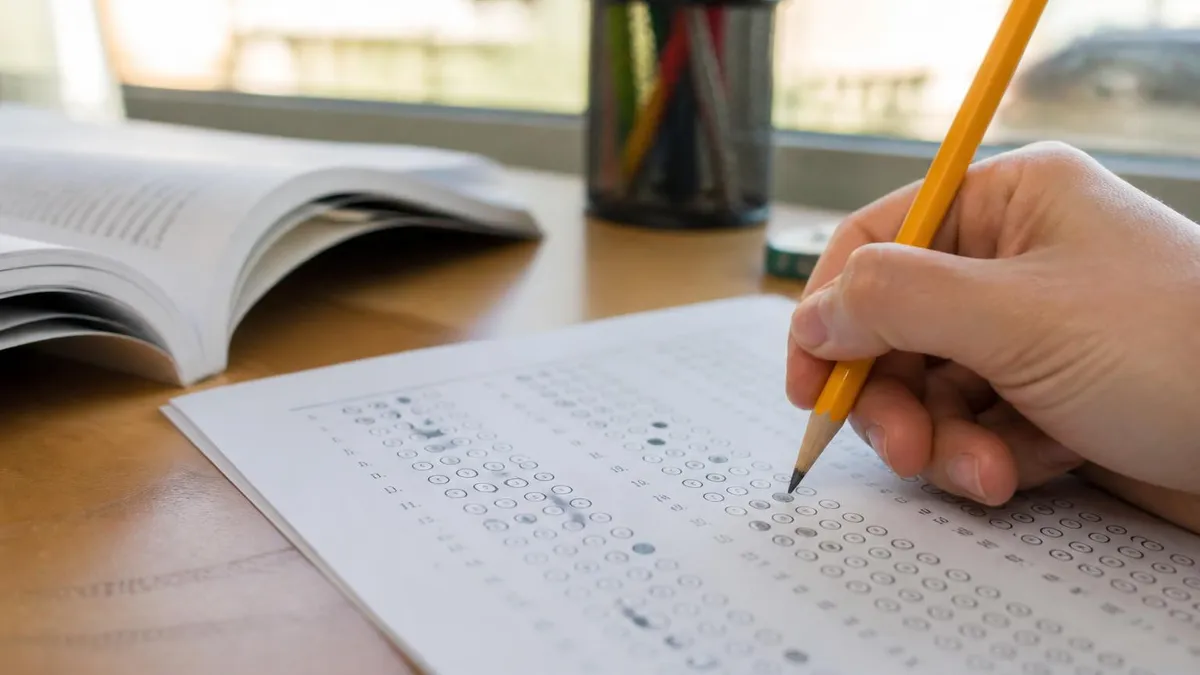
The written examination is the first major milestone for firefighter candidates. Administered by DCAS and coordinated with the FDNY, the written exam tests cognitive ability, reading comprehension, logical reasoning, and spatial awareness. Scores on this exam determine candidates' position on the civil service eligibility list, which governs the order in which people are called for subsequent hiring steps. A strong written exam score does not guarantee a job, but a weak score can effectively end candidacy even before the physical and medical screening phases begin.
Physical fitness standards for FDNY candidates are among the most demanding in any American public safety agency. The Candidate Physical Ability Test (CPAT) assesses functional fitness across multiple tasks that simulate firefighting activities — stair climbing with added weight, hose dragging, equipment carrying, ladder raising, and search and rescue simulations. Candidates who fail any component must remediate and retest. The physical demands of firefighting are unforgiving, and the FDNY's screening process reflects that reality without compromise.
Background investigation is another intensive phase of FDNY hiring that is managed through personnel functions at MetroTech. Investigators examine criminal history, driving records, employment history, financial records, and personal references. The FDNY holds its members to high standards of integrity and personal conduct, and any discrepancies or concerning patterns in a candidate's background can result in disqualification. Candidates are advised to be fully honest on all paperwork, as discovered inconsistencies are treated more seriously than the underlying issues they might have tried to conceal.
Medical and psychological evaluations are conducted at department facilities and are coordinated through MetroTech's personnel systems. The medical evaluation is comprehensive, examining vision, hearing, cardiovascular fitness, musculoskeletal health, and overall physical capacity to perform firefighting duties. The psychological evaluation assesses candidates' emotional stability, decision-making under stress, and suitability for a career that involves regular exposure to trauma, danger, and high-pressure situations. Both evaluations must be passed before a candidate can be appointed to the Fire Academy.
Once appointed, new firefighters attend the FDNY Fire Academy on Randalls Island, a grueling 18-week program that is one of the most demanding recruit training experiences in the country. The Academy covers fire behavior, building construction, forcible entry, laddering, hose operations, search and rescue, hazardous materials awareness, and emergency medical response, among many other subjects. Probationary firefighters who successfully complete the Academy are assigned to firehouses across the city, where they continue to learn under the mentorship of experienced officers and senior firefighters.
EMS career pathways follow a parallel but distinct structure, with candidates needing to hold current New York State EMT or paramedic certification before applying. EMS hiring processes are similarly competitive and involve written exams, medical evaluations, and background investigations. Both fire and EMS career tracks ultimately lead to the same destination: serving New York City under the FDNY banner, with the full operational support infrastructure — including everything managed at MetroTech — behind every shift.
FDNY civil service eligibility lists established by written exam scores typically expire after four years. Candidates who do not receive an appointment before the list expires must take the exam again when it is next offered. Monitor the DCAS and FDNY official websites closely for exam announcements, as testing opportunities may occur only once every few years. Missing the registration window can reset your timeline by years.
Preparing effectively for the FDNY written examination requires a structured and disciplined approach that goes well beyond casual reading. The exam tests specific cognitive skills under timed conditions, and candidates who train those skills systematically consistently outperform those who rely on general intelligence or last-minute review. Treat exam preparation the way a firefighter treats physical fitness training — with regularity, progressive challenge, and honest self-assessment of strengths and weaknesses. The MetroTech-connected hiring process rewards candidates who demonstrate consistent effort across every phase.
Reading comprehension is typically the largest component of the FDNY written exam. Candidates must be able to quickly and accurately extract key information from written passages — incident reports, operational procedures, building descriptions — and answer questions based solely on what the text states. Practicing with unfamiliar passages on a daily basis builds the speed and accuracy needed to perform well under exam-room time pressure. Focus especially on passages about emergency procedures, public safety regulations, and technical operational content, as these mirror the style and subject matter of actual exam questions.
Spatial reasoning and map reading are also heavily tested. Candidates may be asked to interpret floor plans, follow directions on street maps, or visualize how objects are arranged in three-dimensional space based on two-dimensional diagrams. These skills are directly relevant to firefighting, where spatial awareness in smoke-filled buildings can be the difference between successful rescue and disorientation. Practicing with architectural drawings, city maps, and spatial puzzles specifically strengthens performance on this exam component.
Memory and observation questions ask candidates to study information for a set period and then answer questions about it after the material is removed. This format tests the kind of situational awareness and detail retention that effective firefighters must demonstrate constantly on the job. Training this skill requires deliberate practice — studying images, reading passages, or reviewing diagrams, then testing your recall accuracy and speed. Many candidates underestimate this component until they practice it and discover how much their natural recall varies under test conditions.
Mathematical reasoning appears on the exam in the form of straightforward arithmetic and basic problem-solving questions rather than advanced mathematics. Candidates should be comfortable with percentages, ratios, unit conversions, and basic geometry. These questions are generally not difficult for well-prepared candidates, but rushing through them under time pressure can lead to careless errors. Building a habit of checking arithmetic carefully and showing work — even mentally — helps prevent avoidable mistakes on what are usually straightforward point opportunities.
Practice tests are among the most valuable preparation tools available to FDNY candidates. Taking full-length timed practice exams under realistic conditions builds both content knowledge and test-taking stamina. Candidates who regularly take practice tests can identify their weakest topic areas early in the preparation process and allocate their study time accordingly rather than spending equal effort across areas where they are already strong. Review every incorrect answer carefully to understand not just the right answer but why the wrong answer was wrong.
For comprehensive FDNY exam preparation, using dedicated resources focused specifically on the department's exam content is far more efficient than generic test prep materials. The topics covered — building construction, emergency procedures, community engagement, and operational knowledge — are specific to the FDNY context and benefit from study materials tailored to that content. Exploring dedicated metrotech fdny resources, radio codes, and department-specific knowledge bases alongside practice tests creates a preparation regimen that builds both exam skill and genuine professional understanding of the department you are working to join.
Beyond the written exam, candidates who stand out in the FDNY hiring process demonstrate a genuine understanding of what the department does, how it is organized, and why its work matters. This kind of contextual knowledge — which includes understanding places like MetroTech and what happens there — signals to evaluators that a candidate is not just looking for a job but is committed to a career and an institution.
The FDNY has a deeply ingrained culture of professionalism, brotherhood and sisterhood, and service, and candidates who can speak knowledgeably about the department's operations make stronger impressions at every stage of the hiring process.
Physical preparation must run parallel to written exam preparation throughout the candidacy process. The CPAT is a physically demanding test that requires specific athletic capabilities — cardiovascular endurance, muscular strength, functional movement patterns — that take months to develop. Candidates who begin physical training six to twelve months before their expected CPAT date give themselves the best chance of performing well without injury. Work with a structured training program that includes stair climbing with weight, loaded carries, pulling exercises, and cardiovascular conditioning to build the specific capacities the test measures.
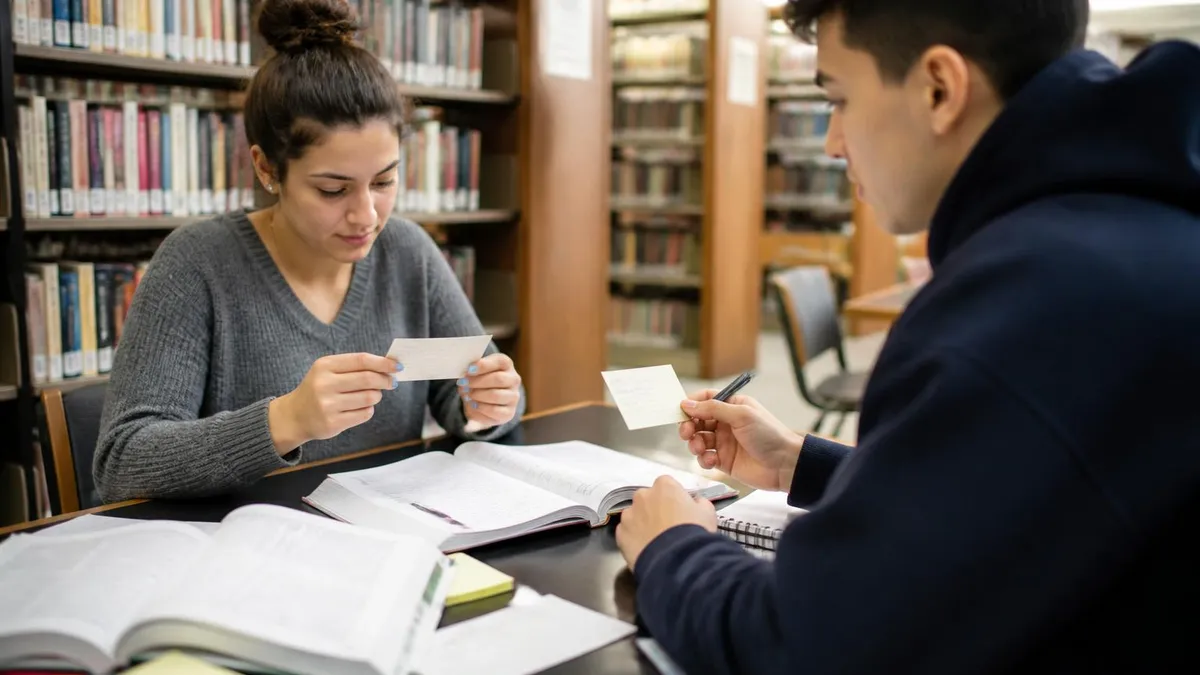
Study groups are an underutilized resource for many FDNY candidates. Preparing alongside others who are working toward the same goal provides accountability, the opportunity to quiz each other, and the motivation that comes from shared effort. Many successful FDNY recruits cite their preparation partners as crucial to their success. Online communities, local community centers, and firefighter preparation programs at some New York gyms all provide opportunities to connect with fellow candidates who can become study group members.
Mentorship from current FDNY members is another resource that can dramatically improve a candidate's preparation and understanding of the department. Many firefighters and EMS professionals are willing to speak with serious candidates about their experiences, offer advice on preparation, and share insights about department culture and expectations. Reaching out through official FDNY community programs, local firehouses, or professional networks can open doors to these mentorship relationships. Always approach potential mentors respectfully and with specific, thoughtful questions rather than generic requests for help.
Time management during the hiring process itself is as important as time management during exam preparation. The FDNY hiring pipeline involves multiple steps spread over a period that can last one to three years from initial exam to Fire Academy appointment. Candidates who stay organized — tracking deadlines, keeping paperwork current, maintaining fitness, and staying in communication with hiring staff when appropriate — navigate this long process far more successfully than those who treat each step as a separate and isolated event.
The final weeks before the written exam should focus on consolidation rather than learning new material. Review your weakest areas, take two to three full practice exams under timed conditions, and ensure your basic logistics are settled — knowing the exam location, required documents, arrival time, and what to eat and sleep the night before. Exam day performance is significantly affected by physical and mental state, so prioritize rest, hydration, and a calm pre-exam routine over last-minute cramming that adds stress without adding knowledge.
Joining the FDNY is one of the most competitive and rewarding career paths available in New York City. The process is demanding precisely because the work is demanding, and MetroTech headquarters — with its operational complexity, its administrative reach, and its role as the coordinating center for a department that never sleeps — embodies the scale and seriousness of that commitment. Prepare thoroughly, stay persistent, and understand that every step of the process is designed to ensure that those who wear the FDNY uniform are truly ready for what that honor requires.
FDNY Questions and Answers
FDNY 10 Codes: Complete Guide to Fire Department Radio Communication
FDNY vs NYPD Hockey Game: Inside New York's Bravest vs Finest Heroes on Ice Rivalry
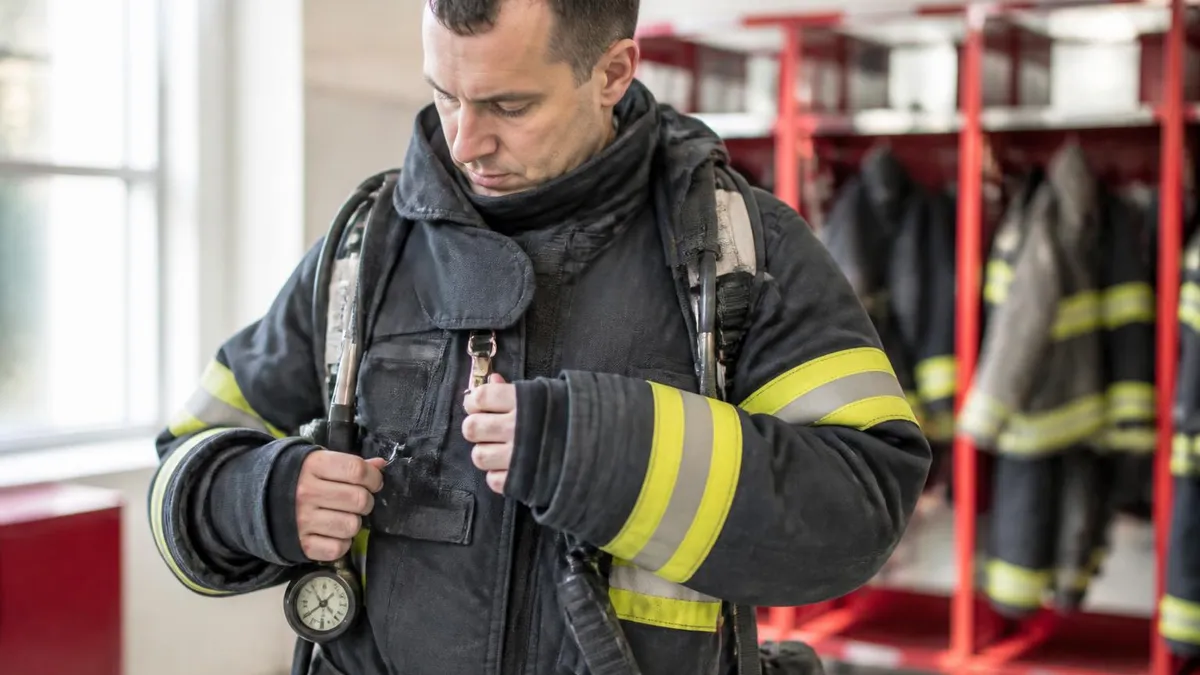
FDNY Runs and Workers: What the Numbers Really Mean
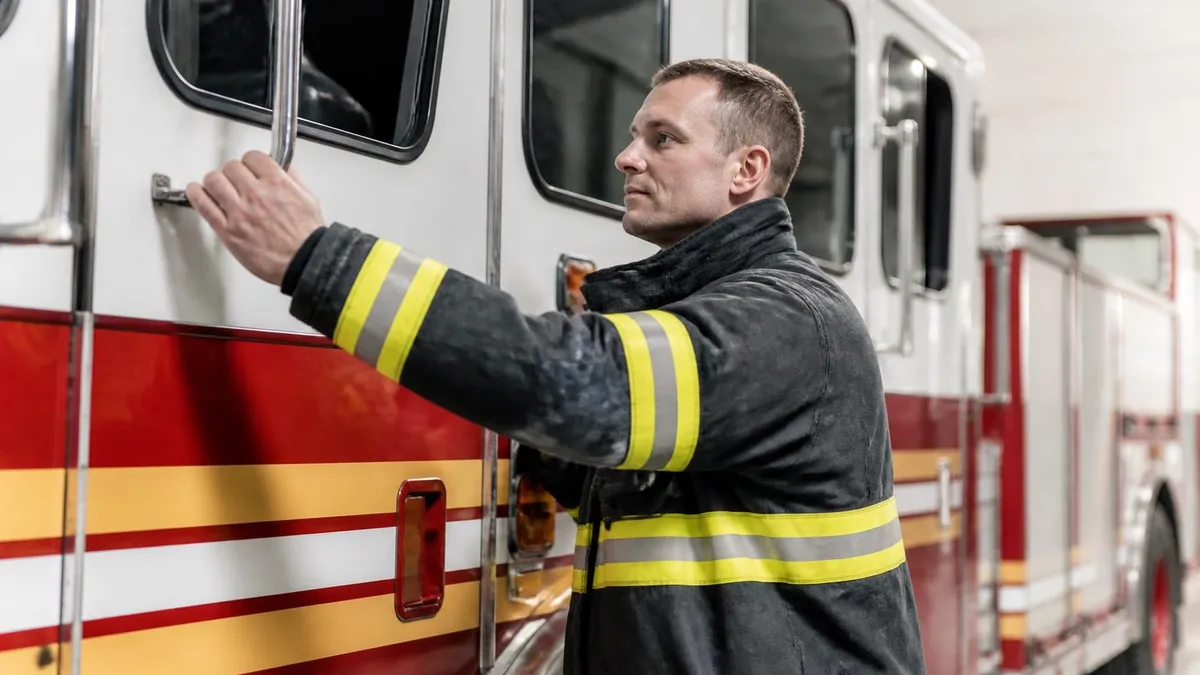
FDNY Firefighter Career: Roles, Heroes and How to Become One

FDNY Scanner: How to Listen to New York's Bravest in Real Time
About the Author
Law Enforcement Trainer & Civil Service Exam Specialist
John Jay College of Criminal JusticeMarcus B. Thompson earned his Master of Arts in Criminal Justice from John Jay College of Criminal Justice and served 12 years as a law enforcement officer before transitioning to full-time academy instruction. He is a POST-certified instructor who has prepared candidates for police entrance exams, firefighter assessments, and civil service examinations across dozens of agencies.
Join the Discussion
Connect with other students preparing for this exam. Share tips, ask questions, and get advice from people who have been there.
View discussion (9 replies)