
Medical Esthetician Jobs: Career Paths, Salaries, Settings, and How to Land Your First Role in 2026
Medical esthetician jobs guide: roles, salaries by setting, employers, licensing, and how to land your first clinical skincare position in 2026.
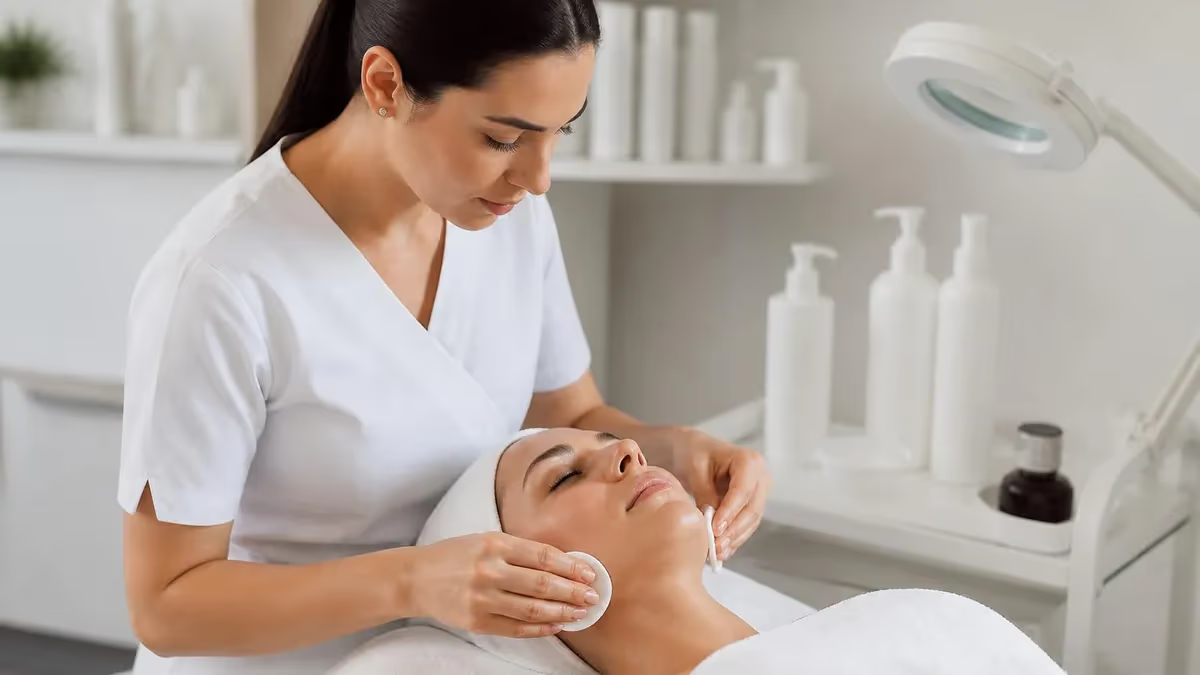
Medical esthetician jobs sit at the intersection of clinical healthcare and licensed skincare, and demand for them has climbed steadily as dermatology practices, plastic surgery clinics, and medical spas expand across every major U.S. metro. If you are already a licensed esthetician, or weighing how to become one, the medical track offers higher pay, more advanced procedures, and a more stable patient base than traditional spa work. This guide breaks down roles, settings, salary ranges, employer types, and the realistic path from licensure to a clinical chair.
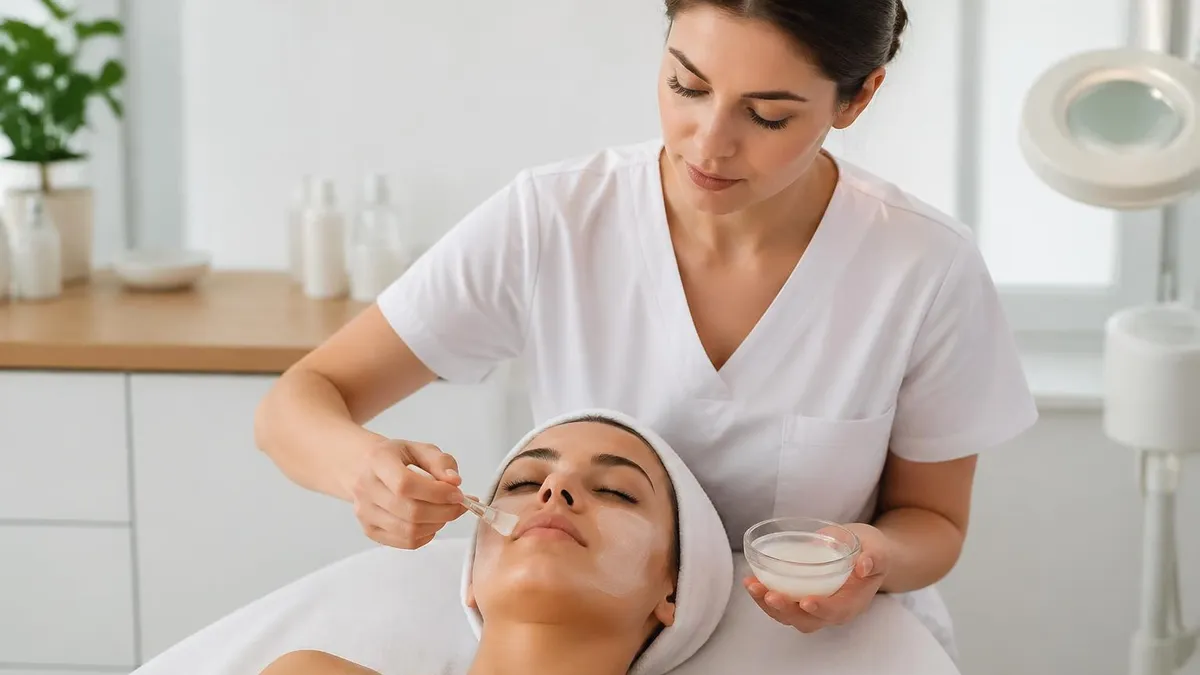
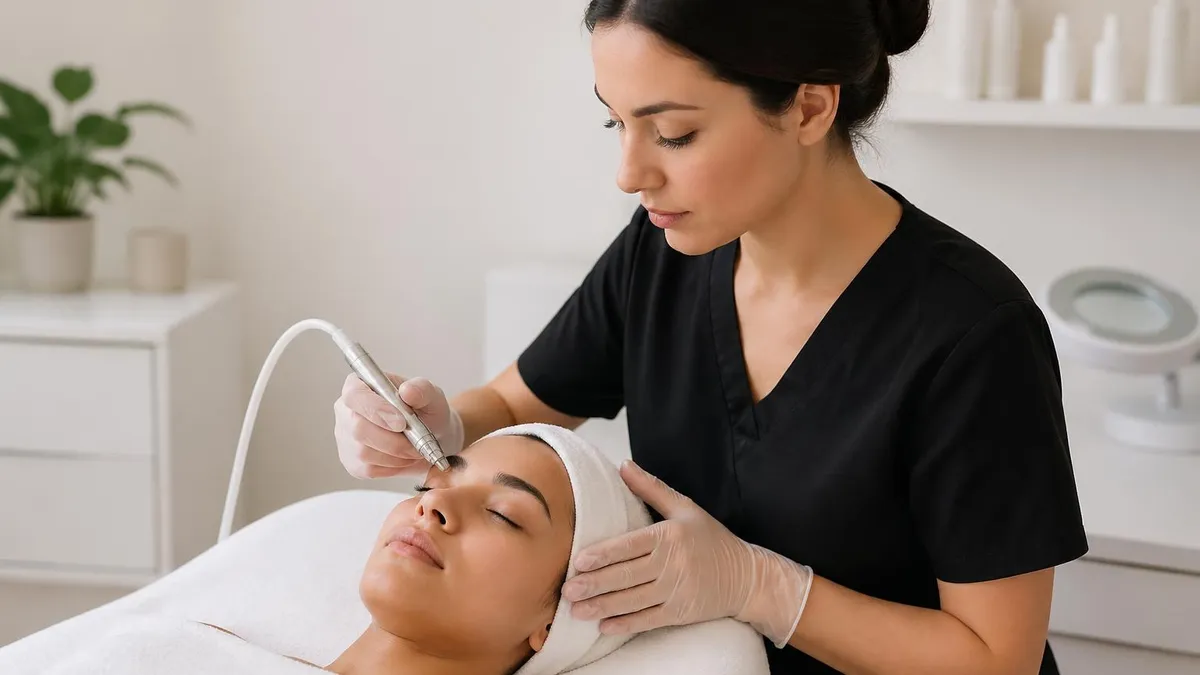
The phrase medical esthetician is not a separate state license in most jurisdictions. Instead, it describes a licensed esthetician who works inside a physician-supervised setting, typically a dermatologist, plastic surgeon, or cosmetic medicine MD. The work involves chemical peels, microdermabrasion, dermaplaning, LED therapy, pre and post-procedure care, and assisting with laser, microneedling, and injector appointments. The clinical environment changes the pace, the documentation requirements, and the client expectations dramatically.
Job titles vary by employer. You will see medical esthetician, clinical esthetician, aesthetic specialist, skincare specialist, laser technician, and aesthetic nurse extender used somewhat interchangeably on Indeed, LinkedIn, and ZipRecruiter. Reading the duties section matters more than the title. Some postings require laser certification, others want experience with specific device brands like Hydrafacial, Clear + Brilliant, Moxi, or BBL. A few want experience charting in EMR systems like ModMed, Nextech, or Aesthetic Record.
Compensation is the single biggest reason estheticians migrate from spas into medicine. Bureau of Labor Statistics data lists the median wage for skincare specialists around $43,000, but medical settings routinely pay $55,000 to $85,000 once commission and product sales are included. In high-volume Beverly Hills, Manhattan, Miami, and Dallas practices, top performers clear six figures. Curious how location and setting move the needle? Compare the broader esthetician employment opportunities data before you negotiate.
The hiring market in 2026 favors candidates who arrive job-ready. That means a current state license, a portfolio of before-and-after photos, hands-on experience with at least two device categories, and a working vocabulary around Fitzpatrick types, contraindications, and post-care protocols. Practices want someone who can step into a treatment room within two weeks of hire, not someone they must train from scratch for three months on basic protocols.
Throughout this guide, you will find specific numbers, employer examples, interview questions, and the credential stacking strategy that separates the candidates who get callbacks from the ones who get ghosted. Whether you are still in school, recently licensed, or transitioning from a day spa, the medical side of esthetics rewards preparation, professionalism, and a clinical mindset more than any other corner of the beauty industry.
Read straight through, or use the sidebar to jump to salary, settings, the application checklist, or the FAQ at the end. Every section is built around concrete decisions you will face: which employer to target, which devices to learn first, how to handle the working interview, and what to negotiate beyond base pay.
Medical Esthetician Jobs by the Numbers
Common Medical Esthetician Job Titles and Where They Work
Works under a dermatologist or plastic surgeon performing peels, dermaplaning, extractions, and pre and post-op skincare. Heavy charting and patient education focus, often paid hourly with quarterly bonuses tied to retention.
Medical spa role centered on Hydrafacial, microneedling, LED, and chemical peels. Strong retail and treatment-package sales expectation. Commission structure typically 8-15% of services plus 10% of skincare retail.
Requires additional laser certification and state-specific authorization. Performs IPL, hair removal, vascular treatments, and pigment correction under physician supervision. Pay premium of $8-15 per hour over standard esthetics.
Preps patients for neurotoxin and filler appointments, manages numbing, photographs, charts, and handles post-care follow up. Often a stepping stone for RNs but open to estheticians in many states.
Three to five years clinical experience required. Trains new hires, manages inventory, owns treatment protocols, and often runs the practice's social media or before-and-after photography. Base salary $60-80K plus production bonus.
Medical esthetician salaries depend on four variables that compound: geography, setting, payment structure, and personal book of business. The base hourly rate in a dermatology clinic in Tulsa might sit at $22, while a Manhattan plastic surgery practice could start at $32 plus commission. Both are reasonable; both reflect cost of living and patient volume. Understand the structure before you accept anything in writing, because the offer letter rarely captures the full earning picture.
Hourly versus commission is the first split. Roughly 40% of medical practices pay straight hourly, often $20 to $30 per hour, with no commission but a guaranteed forty-hour week and full benefits. Another 35% pay a lower base, perhaps $15 to $18 hourly, plus commission of 30 to 45% on services they personally perform. The remaining 25% use a hybrid where you earn the higher of hourly or commission, which protects you during slow weeks while rewarding production.
Retail commission stacks on top of services. Most clinical practices sell physician-dispensed lines like SkinCeuticals, Skinbetter, ZO Skin Health, Obagi, Alastin, and Revision. Commission ranges from 8% to 15% of net retail. A consistent producer who recommends a $400 corrective regimen to two patients a day quickly adds $12,000 to $20,000 to annual income. Practices track this carefully and the top quartile of estheticians double their base just on retail.
Geography shifts the curve meaningfully. California, New York, Massachusetts, and Washington average 22% higher than the national median. Florida, Texas, and Arizona have huge medical spa markets with strong demand but slightly lower base pay offset by lower state income tax. The Mountain West and Carolinas have grown the fastest since 2022, with new medical spas opening monthly and signing bonuses of $2,000 to $5,000 appearing in postings for the first time.
Experience compounds aggressively in this field. Year one estheticians average $42,000 to $52,000 in clinical settings. By year three, with a steady book of returning patients and one or two device certifications, $65,000 to $78,000 is normal. Senior estheticians with five-plus years, laser certification, and a personal social media following routinely earn $85,000 to $110,000. Practice owners who built strong solo books sometimes leave to launch their own treatment rooms within established practices on a booth-rental model.
Benefits frequently outweigh a few dollars of base pay. Look for paid product allowances ($800 to $2,400 yearly is common), free or discounted treatments, paid CE hours, malpractice coverage, 401(k) match, and health insurance. A practice paying $24 hourly with full benefits and $2,000 in CE often nets more than $28 hourly with no perks. Always run the full math before comparing offers.
Finally, ask about the patient pipeline. A clinic with three injectors and two surgeons feeds the esthetician room steadily; a brand-new medical spa with one part-time MD may have you sitting empty for hours. During interviews, ask how many active patients the practice sees weekly, what percentage convert to esthetics, and what marketing the front desk does on your behalf. The answers predict your real income better than any posted range.
Where Medical Esthetician Jobs Live
Dermatology offices are the most stable medical esthetics environment. Patient volume is steady year-round, insurance handles much of the dermatologist's load, and the cash-pay cosmetic side feeds the esthetician room. Expect heavy peel work, post-procedure care after Mohs surgery, and pediatric acne education. Documentation is intense because everything ties to a medical chart.
Hiring practices favor candidates who understand isotretinoin contraindications, biopsy aftercare, and the difference between treating a melanoma patient versus a routine acne client. Pay is often hourly with bonuses, benefits are excellent, and turnover is low. If you want steady hours, predictable schedule, and a clinical learning curve, dermatology offers the strongest foundation in the industry.
Medical Esthetician Career: Pros and Cons
- +Higher base pay than spa or salon work, often by 20 to 40 percent
- +Access to advanced devices like lasers, RF microneedling, and IPL
- +Clinical learning curve that sharpens your medical vocabulary every week
- +Health insurance, 401(k), and paid time off are standard in most clinics
- +Stable patient base that returns every four to six weeks for maintenance
- +Direct collaboration with dermatologists, surgeons, and aesthetic nurses
- +Clear promotion path into lead, trainer, or laser specialist roles
- −Documentation and EMR charting eat 15 to 25 percent of your day
- −Strict appearance, attendance, and HIPAA standards leave less room for personality
- −Sales pressure on skincare retail can feel uncomfortable for newer estheticians
- −Some practices schedule patients back-to-back with little room to breathe
- −Adverse events like burns or allergic reactions require calm, fast escalation
- −First-year roles often require relocation if you live outside a major metro
Medical Esthetician Job Application Checklist
- ✓Current, unrestricted state esthetician license verified online
- ✓Updated resume tailored to clinical work, not spa work, with device names listed
- ✓Portfolio of 15 to 25 before-and-after photos with signed patient releases
- ✓Two professional references from licensed providers or instructors
- ✓Certifications for at least one advanced modality, such as Hydrafacial or microneedling
- ✓Working knowledge of an EMR system listed on your resume
- ✓Cover letter that names the supervising physician by name and references their work
- ✓LinkedIn profile updated with clinical keywords and treatment specialties
- ✓Professional headshot in scrubs or polished business attire
- ✓Liability insurance quote ready to discuss, even if employer provides coverage
- ✓Mock consultation script practiced for the working interview
- ✓Salary range researched on Glassdoor, Indeed, and AmSpa for your specific metro
Most offers are decided in the first 90 days, not the interview
Hiring managers in medical aesthetics evaluate new estheticians on three metrics during the probationary period: clinical safety, rebooking percentage, and retail attachment. Hit 70% rebooking and 25% retail attachment in your first quarter and you will be invited to expand into laser or injector-assist roles. Miss them and the conversation gets short fast.
Credential stacking is what separates the candidate who gets the offer from the candidate who gets the polite rejection. A core esthetics license is the floor, not the ceiling. Every medical practice expects you to bring at least one specialty certification on top of state licensure, and the strongest applicants arrive with two or three. The good news is that most of these certifications take a weekend, cost between $300 and $1,500, and pay for themselves within the first month on the job.
Start with chemical peels and dermaplaning. These are the daily bread of clinical esthetics, and manufacturer-led courses from PCA Skin, SkinCeuticals, ZO Skin Health, and Image Skincare are widely respected. Each course gives you a branded certificate plus protocol manuals you can reference on day one. Add a microneedling certification next, ideally from SkinPen, Rejuvapen, or Eclipse, since these are the three device brands that show up most often in job postings.
Laser certification is the highest-leverage credential you can add. State rules vary widely: Florida and Arizona allow trained estheticians to fire most laser devices under medical supervision, while New York and New Jersey restrict laser use to RNs, PAs, and MDs. Check your state board first. If you are in a permissive state, a 40-hour laser safety course plus device-specific training opens doors to roles paying $30 to $45 hourly with strong production bonuses.
Hydrafacial certification is almost a default at this point. The device sits in nearly every medical spa and many dermatology offices, and the brand offers free certification through their authorized partner network. Most candidates complete it during the first week on the job, but listing it on your resume signals that you understand the dominant device in the market. Even without owning the certification, mentioning that you trained on the platform during school is worth noting.
Beyond devices, consider the ASCP or AHCC professional memberships. Both provide affordable liability insurance, monthly education credits, and access to job boards practices actually post on. Some clinics require proof of independent liability coverage even when they carry their own policy. The $239 to $279 annual membership often pays back in a single covered claim or one CE module that levels up your protocol knowledge for a patient case.
Education choices matter long before licensure, too. Programs vary widely in clinical hours, device exposure, and externship quality. If you are still researching schools, study how curriculum maps to medical work and ask about clinical externships in dermatology or plastic surgery. The right esthetician schools partner directly with local practices and place students into externships that frequently convert to full-time roles after graduation.
Continuing education is required by every state board on a two-year cycle, but treat it as a strategic investment rather than a checkbox. Pick CE that matches the next role you want. Want laser? Take a laser physics module. Want injector-assist work? Take an advanced anatomy and facial mapping course. Want to lead a team? Add a business or social media course. Every CE certificate is a line on your resume that signals direction and ambition to hiring managers.
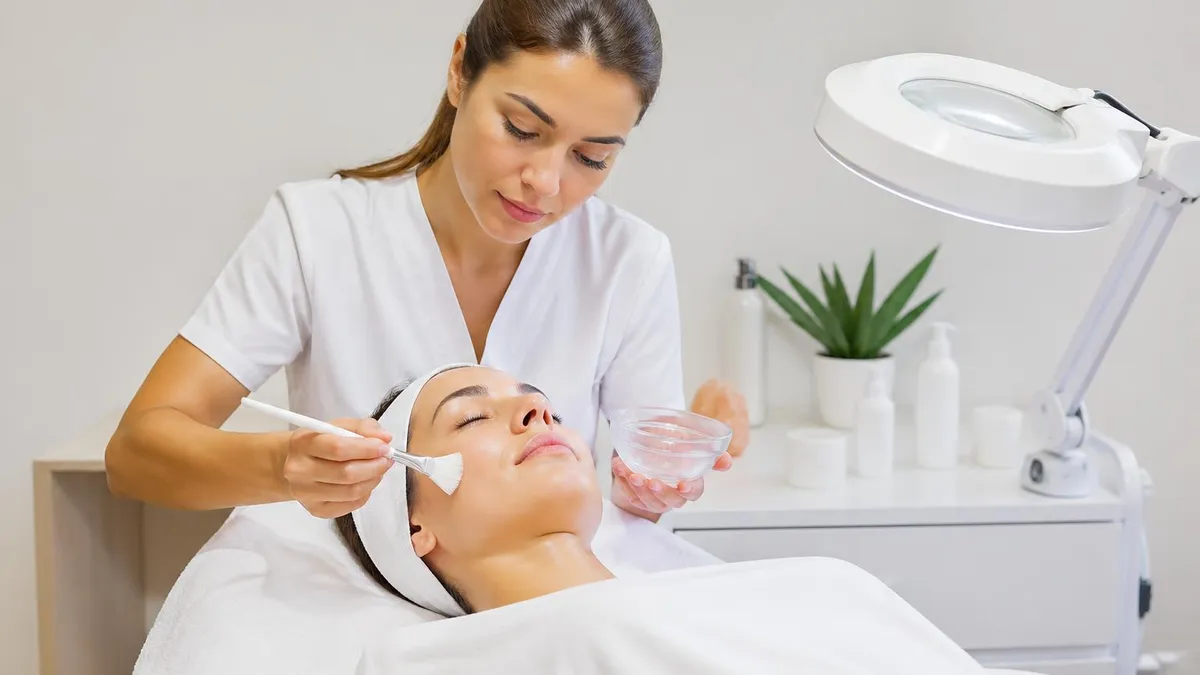
Procedures legal for medical estheticians in one state can be a license violation in another. Microneedling beyond 0.3mm, laser hair removal, and chemical peels above 30% glycolic acid are restricted differently in California, Texas, Florida, New York, and Arizona. Always verify your state board's current scope before accepting any role that lists these duties. Working outside scope can cost you your license, regardless of who supervised you.
The medical esthetics interview is structurally different from a spa or salon interview. Expect at least two rounds: a phone screen with the practice manager and an in-person working interview with the lead esthetician or supervising physician. The working interview is where roles are decided, and it is also where most candidates lose the offer by underpreparing. Treat it like a clinical practical exam, because that is exactly what it is.
Phone screens last 20 to 30 minutes and focus on logistics, licensure verification, and whether your salary expectations align with the budget. Bring the practice's website open in front of you. Mention specific services they offer, the supervising physician by name, and a recent before-and-after they posted on Instagram. Hiring managers tell us they cut roughly half of candidates here purely on the basis of preparation. Generic answers signal that you applied to fifty places this week.
Working interviews typically run two to four hours, often unpaid, and may include a live consultation, a model treatment, and a written knowledge check. The model is sometimes another staff member, sometimes an existing patient willing to be a test subject. You will be evaluated on draping, sanitation, consultation flow, treatment timing, and post-care education. Bring your own kit if invited to, including gloves, headbands, fan brush, and a small mirror for the consultation.
Prepare for the technical questions. Common ones include: walk us through a Fitzpatrick assessment, when would you decline a chemical peel, how would you handle a patient who reacts adversely to a treatment, what is your retail attachment philosophy, and how do you document a clinical session. None of these are trick questions; all of them have textbook answers you should be able to deliver in under 60 seconds without hesitation or filler words.
Bring artifacts that show your work. A printed portfolio with consent-released before-and-afters, a one-page list of devices and modalities you have hands-on time with, and copies of your license, malpractice insurance, and certifications all signal that you take the role seriously. Most candidates show up with a phone and a smile. Showing up with documents puts you in the top decile immediately.
Negotiate with data. Bring screenshots of comparable roles in your metro, AmSpa salary survey data, and your specific retail and rebooking numbers from previous roles if you have them. Practices respect candidates who know their worth and ask for it specifically. Vague requests for more money get vague rejections. A request for $26 hourly plus 12% retail commission with the rationale behind each number gets serious consideration.
Finally, send a thank-you email within 24 hours and follow up at the one-week mark if you have not heard back. Hiring decisions in private practice are often delayed by a partner who is in surgery or on vacation. A polite, brief check-in keeps your name at the top of the inbox.
Once you receive an offer, request 48 hours to review it in writing. Verbal offers should always be followed by an offer letter that spells out base, commission structure, benefits, and start date. If a practice will not put it in writing, that is itself useful information about what working there will be like.
Once you have an offer in hand, the first 90 days set the trajectory of your entire role. Most practices use a probationary window during which they assess whether you fit the clinical culture, hit production targets, and follow protocol. Approach this period with the same intensity you used during interviews. Show up early, learn names quickly, and ask thoughtful questions about why protocols exist rather than just memorizing the steps. Curiosity earns mentorship; complacency earns silence.
Build relationships with the front desk team early. They control your book. The receptionist who likes you will fill cancellations, slot you into the right new-patient consults, and steer the cash-pay cosmetic crowd toward your room. The one who does not will route the lucrative work elsewhere. Bring them coffee on Mondays, learn their birthdays, and never blame them publicly for scheduling errors. It is a small investment with a massive return on your monthly income.
Master the practice's EMR system in the first two weeks. Whether it is ModMed, Nextech, Aesthetic Record, Boulevard, Zenoti, or Mindbody, sloppy charting causes more terminations in medical esthetics than poor clinical skills. Document every consultation, every product applied, every post-care instruction, and every photograph with timestamps. A clean chart protects you legally, makes the supervising physician trust you, and demonstrates that you take patient safety seriously.
Track your own numbers from day one in a simple spreadsheet: services performed, retail attached, rebooks scheduled, and any cancellations or no-shows. Bring this data to your 30, 60, and 90 day reviews. Estheticians who walk into reviews with documented production data get raises and expanded responsibilities. Those who walk in empty handed get vague feedback and the same pay. Owning your numbers also tells you objectively whether the role is working for you financially.
Invest in your patient experience constantly. Remember small details: a patient mentioning a vacation, a wedding, a sensitivity to lavender. Note these in the chart and reference them at the next visit. Patients in medical esthetics pay $150 to $600 per treatment and return only when the personal touch makes the price feel worth it. The clinical skill is table stakes. The relationship is the differentiator that converts a one-off appointment into a five-year monthly client.
Plan your next move during year one. Where do you want to be at month 18? Lead esthetician? Laser specialist? Practice owner? Map the credentials and experience you need and start collecting them quarterly. Free CE from manufacturers, weekend laser courses, and shadowing the injectors during slow afternoons all compound. Estheticians who treat the first role as a launchpad rather than a destination tend to double their income within three years.
If you are still in the planning phase and have not yet enrolled in school, read our detailed breakdown of how to become an esthetician to understand the timeline, costs, and state-by-state hour requirements. Make sure the program you choose has externships in clinical settings, because spa-only externships will leave you needing to retrain on basic clinical protocols before any medical practice will hire you for a real treatment chair.
Esthetician Questions and Answers
About the Author
Licensed Cosmetologist & Beauty Licensing Exam Specialist
Paul Mitchell SchoolsMichelle Santos is a licensed cosmetologist with a Bachelor of Science in Esthetics and Salon Management from Paul Mitchell School. She has 16 years of salon industry experience and 8 years preparing students for state cosmetology board exams in theory, practical skills, and sanitation. She specializes in licensure preparation for cosmetologists, estheticians, and nail technicians.
Join the Discussion
Connect with other students preparing for this exam. Share tips, ask questions, and get advice from people who have been there.
View discussion (3 replies)