
Esthetician Job Description: Duties, Skills, Salary & Career Path (2026)
Learn the full esthetician job definition — duties, salary, licensing, and career paths. 🎯 Everything you need to know before entering this growing field.

Understanding the esthetician job definition is the first step toward building a rewarding career in the beauty and wellness industry. An esthetician — sometimes spelled aesthetician — is a licensed skin care professional trained to cleanse, analyze, and treat the skin using a wide range of techniques, tools, and products.
From performing deep-cleansing facials and chemical exfoliation to advising clients on daily skin care routines, the esthetician's role sits at the intersection of science, artistry, and client service. If you are curious about what is a esthetician and whether this career is right for you, read on for a thorough breakdown of every aspect of the profession.
The demand for estheticians in the United States has grown steadily over the past decade, fueled by rising consumer interest in self-care, preventive dermatology, and non-invasive cosmetic procedures. According to the U.S. Bureau of Labor Statistics, employment for skincare specialists is projected to grow faster than average across all occupations, making this one of the more stable choices in the personal care sector. Spas, dermatology clinics, medical offices, resorts, and even cruise lines all hire licensed estheticians, which means job seekers enjoy a genuinely diverse range of environments to explore.
The day-to-day work of an esthetician varies significantly by setting. In a day spa, the focus tends to be on relaxation-based treatments such as aromatherapy facials, eyebrow shaping, and full-body exfoliation wraps. In a medical or clinical setting, estheticians may assist dermatologists with pre- and post-procedure skin preparation, laser treatment protocols, and advanced chemical peels that require physician oversight. This breadth of specialization means that no two career trajectories look exactly the same, and professionals can pivot between environments as their interests and skills evolve over time.
Educational requirements for estheticians typically involve completing a state-approved cosmetology or esthetics program, which ranges from around 260 to 1,500 clock hours depending on the state. After finishing school, candidates must pass a written and practical state board examination to earn their esthetician license. The licensing process ensures that all practitioners meet a consistent baseline of knowledge in areas including skin anatomy, sanitation and infection control, product chemistry, and client consultation techniques. Without a valid license, it is illegal to perform esthetic services professionally in any U.S. state or territory.
Compensation for estheticians varies based on experience, specialization, geographic location, and the type of establishment where they work. Entry-level estheticians working in traditional day spas often earn between $30,000 and $42,000 annually, while experienced professionals in medical settings or high-end urban spas can command salaries well above $60,000 per year. Tips, commission on retail product sales, and bonuses for achieving performance targets can add thousands of dollars to a practitioner's annual income, making the effective earnings picture considerably brighter than base salary figures alone suggest.
Soft skills matter just as much as technical proficiency in this profession. The ability to communicate clearly with clients, read body language, manage appointment schedules, and handle product recommendations tactfully are all critical components of long-term success. Estheticians who invest in ongoing education — attending advanced training workshops, pursuing certifications in specialized modalities such as microneedling or LED light therapy, and staying current with ingredient science — typically outpace their peers in both client retention and earning potential. Continuous learning is not optional; it is the engine that drives a sustainable esthetics career.
This guide covers everything an aspiring or practicing esthetician needs to know: the full scope of job duties, licensing requirements, salary benchmarks by specialization, the pros and cons of different work settings, and the concrete steps you can take right now to advance your career. Whether you are a high school student researching your future, a cosmetology school graduate preparing for boards, or a working esthetician ready to level up, you will find actionable information in every section below.
Esthetician Career by the Numbers

Core Esthetician Job Duties & Responsibilities
Estheticians assess each client's skin type, tone, and condition using visual inspection and touch. They document findings, identify contraindications, and develop customized treatment plans. Thorough consultations build trust and ensure safe, effective service delivery every time.
Core services include deep-cleansing facials, enzyme peels, and superficial chemical exfoliation with AHAs and BHAs. Estheticians perform extraction of comedones, apply customized masks, and use steamers or high-frequency tools to enhance results for each skin type.
Waxing, threading, and sugaring are among the most frequently requested services. Estheticians must understand contraindications — such as retinol use or active skin conditions — to avoid adverse reactions. Proper technique and sanitation are essential for safe, efficient removal.
Estheticians guide clients in choosing take-home products that extend the results of in-treatment services. Understanding ingredient science — retinoids, peptides, SPF formulations — allows professionals to educate clients meaningfully and contribute to the spa's retail revenue goals.
Maintaining a safe, state-board-compliant workspace is a non-negotiable duty. This includes disinfecting tools, tracking client intake forms, following OSHA guidelines, and keeping accurate service records. Violations can result in license suspension, so diligence in this area is critical.
Earning an esthetician license is the foundational requirement that separates hobbyists from professionals, and the path to licensure follows a fairly consistent structure across the United States even though the specific hour requirements differ by state. Prospective estheticians must first enroll in a state-approved esthetics or cosmetology program at an accredited school. These programs cover theoretical coursework in skin anatomy and physiology, microbiology, product chemistry, and business practices alongside hands-on practical training in facial techniques, body treatments, and hair removal. Choosing the right program is a pivotal decision that shapes your technical foundation and professional network for years to come.
The number of required training hours is perhaps the most variable element of the licensing process across states. California, for example, requires 600 hours of esthetics training, while states like Iowa mandate only 260 hours. New York sits in the middle at 600 hours, and some states with more comprehensive requirements reach up to 1,500 hours for a full cosmetology license that includes esthetics endorsements. Students researching how long is esthetician school should check their specific state board's requirements, since attending a program that falls short of required hours means starting over — an expensive and time-consuming mistake to avoid.
After completing school, candidates must pass both a written theory examination and a practical skills examination administered by their state's cosmetology or barbering board. The written portion typically covers 100 to 200 multiple-choice questions across topics such as sanitation and safety, skin analysis, treatment protocols, and applicable state laws. The practical portion requires candidates to demonstrate specific skills on a live model or mannequin, including proper draping, extraction technique, mask application, and use of electrical equipment. Some states use the National-Interstate Council of State Boards of Cosmetology (NIC) exam, while others administer their own proprietary board tests.
Maintaining licensure requires ongoing education in most states. Continuing education units (CEUs) must be earned during each renewal cycle, which is typically every one to two years. CEU courses may cover advanced treatment modalities, updated infection-control protocols, or emerging ingredient science. Some practitioners choose to pursue voluntary specialty certifications from organizations such as the Associated Skin Care Professionals (ASCP) or the National Coalition of Estheticians, Manufacturers/Distributors and Associations (NCEA). These credentials signal a higher level of expertise to employers and clients alike and can meaningfully improve job placement outcomes.
The cost of becoming a licensed esthetician includes tuition for esthetics school (ranging from roughly $3,000 to $15,000 depending on program length and institution type), state exam application fees (typically $50 to $200), and initial license fees (usually $25 to $150). Students must also budget for kit supplies, textbooks, and uniforms. While some community colleges offer more affordable programs, private career schools often provide more flexible scheduling options for working adults. Financial aid, scholarships from beauty industry foundations, and employer-sponsored tuition assistance can help defray these upfront costs significantly.
For those interested in the medical side of esthetics, additional credentials are often required beyond the base esthetician license. A medical esthetician typically works under physician supervision and may need training in laser safety (OSHA Laser Safety Officer certification), microneedling protocols, or advanced chemical peel concentrations that exceed the scope of standard esthetics practice. Some states require a separate license endorsement or physician delegation agreement before a licensed esthetician can perform these advanced procedures. Researching the specific scope-of-practice laws in your state is essential before marketing any service that straddles the line between cosmetic and medical treatment.
Once licensed, estheticians must keep their credentials active by meeting renewal requirements on time. A lapsed license means you cannot legally perform services, which can interrupt employment and damage client relationships. Many state boards offer online renewal systems, making the process straightforward as long as practitioners track their renewal dates carefully. Setting a calendar reminder six months before expiration gives ample time to complete any remaining CEU requirements and submit the renewal application without the stress of a last-minute scramble.
Esthetician Salary: What You Can Earn by Setting
Estheticians working in day spas and traditional salons typically earn between $30,000 and $48,000 per year in base salary. Tips can add another $5,000 to $15,000 annually depending on client volume and location. Urban spas in high cost-of-living cities like New York, Los Angeles, and Chicago tend to pay at the higher end of this range, while rural or suburban locations may start closer to $28,000.
Commission structures vary widely in this setting. Some spas offer a flat hourly rate, while others pay a commission of 40–60% on services performed plus a percentage of retail sales. Estheticians who build a loyal client base and consistently hit retail targets can realistically reach $55,000 or more annually in a full-commission spa model, especially if they work full-time hours and maintain high client retention rates year over year.

Is a Career as an Esthetician Right for You?
- +Strong job growth projected at 17% — significantly above the national average for all occupations
- +Diverse work environments including spas, medical offices, resorts, cruise ships, and freelance settings
- +Relatively short and affordable training period compared to other healthcare or beauty credentials
- +Meaningful client relationships built over time create a satisfying and personally rewarding work experience
- +Multiple specialization options — from oncology esthetics to advanced laser treatments — keep the work intellectually stimulating
- +Tips and retail commissions can substantially increase base earnings, especially in high-volume settings
- −Physical demands are significant — standing for extended periods, repetitive hand motions, and exposure to chemicals can lead to fatigue and injury
- −Income can be inconsistent, especially in commission-only or freelance settings where client volume fluctuates seasonally
- −Irregular hours including evenings and weekends are common in spa and resort settings, affecting work-life balance
- −Ongoing continuing education and license renewal costs add up over a career and require proactive time management
- −Scope-of-practice limitations vary by state and can restrict certain high-demand services without additional credentials
- −Emotional labor is real — managing difficult clients, handling complaints, and maintaining a positive demeanor during long shift days can be draining
Pros and Cons at a Glance
| Pros | Cons |
|---|---|
| Diverse work environments including spas, medical offices, resorts, cruise ships, and freelance settings | Physical demands are significant — standing for extended periods, repetitive hand motions, and exposure to chemicals can lead to fatigue and injury |
| Relatively short and affordable training period compared to other healthcare or beauty credentials | Income can be inconsistent, especially in commission-only or freelance settings where client volume fluctuates seasonally |
| Meaningful client relationships built over time create a satisfying and personally rewarding work experience | Irregular hours including evenings and weekends are common in spa and resort settings, affecting work-life balance |
| Multiple specialization options — from oncology esthetics to advanced laser treatments — keep the work intellectually stimulating | Ongoing continuing education and license renewal costs add up over a career and require proactive time management |
| Tips and retail commissions can substantially increase base earnings, especially in high-volume settings | Scope-of-practice limitations vary by state and can restrict certain high-demand services without additional credentials |
Essential Skills Every Esthetician Must Master
- ✓Accurately identify all six major skin types and adapt treatment protocols for each client accordingly.
- ✓Perform safe manual extractions using proper technique to minimize post-treatment redness and scarring risk.
- ✓Apply and remove wax, sugar, and threading methods for facial and body hair removal with consistent results.
- ✓Operate high-frequency, galvanic, microcurrent, and LED devices according to manufacturer and state board guidelines.
- ✓Select and layer active ingredients — retinoids, AHAs, BHAs, niacinamide — based on client skin goals and contraindications.
- ✓Conduct thorough intake consultations, document health history, and identify contraindications before every service.
- ✓Communicate product recommendations clearly so clients understand the benefit and commit to a home-care regimen.
- ✓Maintain a sanitary, state-board-compliant workspace including proper disinfection of all reusable tools between clients.
- ✓Manage appointment scheduling, retail inventory, and service records using salon management software efficiently.
- ✓Stay current with continuing education requirements and voluntarily pursue advanced certifications in emerging modalities.
Retail Sales Can Double Your Effective Hourly Rate
Estheticians who consistently recommend and sell take-home skin care products often earn as much from retail commission as from service income. In many spa environments, a 10–15% commission on product sales means that an esthetician who moves $5,000 in retail monthly adds $6,000 to $9,000 to their annual income — without a single extra appointment on the books. Treat every consultation as an education opportunity, not a sales pitch, and retail income follows naturally.
The range of esthetician employment opportunities available in today's market is broader than many people entering the field realize. Traditional day spas remain the most common employer, offering new graduates a supportive team environment and a steady client flow to help build foundational skills. However, dermatology practices, plastic surgery centers, oncology departments, hotel and resort spas, fitness clubs, theatrical and film productions, and even military installations all employ licensed estheticians in various capacities. Understanding what does an esthetician do across these diverse settings helps practitioners make informed choices about where to launch or pivot their careers.
Medical esthetics has emerged as one of the fastest-growing niches within the field. A medical esthetician works in a clinical environment under the supervision or delegation of a physician, nurse practitioner, or physician assistant. In this role, they may perform treatments such as Hydrafacial therapy, microneedling with platelet-rich plasma (PRP), photorejuvenation using intense pulsed light (IPL), and pre- and post-operative skin preparation for surgical patients. The clinical environment demands rigorous attention to infection control, documentation accuracy, and patient safety protocols that align with healthcare — not just cosmetic — standards of care.
Oncology esthetics is a specialized and compassionate niche that has grown substantially as cancer treatment centers recognize the value of skin care support for patients undergoing chemotherapy and radiation. Oncology-trained estheticians complete additional coursework through programs such as the Society of Oncology Esthetics (SOLE) to understand how cancer treatments affect the skin, immune system, and overall health status. They use gentle, fragrance-free products and modified techniques to provide comfort and improve quality of life for patients without triggering adverse reactions during an already difficult treatment period.
The resort and hotel spa sector offers estheticians an appealing blend of professional development and lifestyle perks. Luxury hotel spas in destinations like Scottsdale, Miami, and Napa Valley often provide competitive base wages, comprehensive benefits, and the opportunity to work with an international clientele. These environments also tend to invest heavily in staff training, meaning estheticians can learn new modalities on the job while being compensated for their time. Advancement to lead esthetician or spa director positions is a realistic medium-term goal for high performers in hotel and resort settings.
Entrepreneurship is an increasingly popular path, especially among estheticians who have accumulated three to five years of employed experience and built a personal client following. Independent estheticians may rent a booth or suite within an established salon or spa, sublease space in a medical office, or operate a home-based studio where local regulations permit.
The appeal of self-employment includes scheduling autonomy, the ability to curate a specialized menu of services, and the potential for higher earnings per hour. The challenges include managing all overhead costs, handling marketing and social media independently, and navigating the administrative demands of running a small business.
Teaching and education represent another fulfilling direction for experienced estheticians. Licensed cosmetology schools employ esthetician instructors to teach theory and practical skills to the next generation of professionals. This path typically requires an additional instructor's license or permit from the state board, as well as a minimum number of years of licensed practice. Curriculum development, student mentorship, and contributing to national educational standards through organizations like the American Association of Cosmetology Schools (AACS) are all aspects of the educator role that appeal to practitioners who are passionate about the profession's future.
Brand educator and product representative roles within cosmetic and professional skin care companies offer yet another career trajectory. Companies such as Dermalogica, Image Skincare, Eminence Organics, and SkinCeuticals employ licensed estheticians as brand ambassadors, technical educators, and account managers who train spa staff on professional product lines. These positions often involve travel, trade show presence, and the opportunity to influence how thousands of practitioners across the country formulate their treatment menus. The combination of technical credibility and communication skill required makes this a natural fit for estheticians who excel at both artistry and education.

Services that are legally performed by a licensed esthetician in one state may require a nurse, physician, or additional medical credential in another. Before advertising any advanced treatment — including microneedling, laser hair removal, or chemical peels above certain concentrations — verify your state board's current scope-of-practice rules. Performing out-of-scope services exposes you to license revocation, civil liability, and potential criminal charges even if the client provides written consent.
Advancing your esthetics career requires a deliberate strategy that combines ongoing education, smart specialization, and proactive networking. The most successful estheticians do not simply wait for opportunity to find them — they actively pursue advanced certifications, attend industry trade shows like IECSC (International Esthetics, Cosmetics & Spa Conference), and cultivate relationships with suppliers, fellow practitioners, and physicians who can serve as referral partners. The beauty industry rewards those who stay visible, curious, and connected to the broader professional community.
One of the most impactful decisions a career-minded esthetician can make is choosing a specialization that aligns with both market demand and personal interest. Popular high-value specializations include oncology esthetics, laser and light-based treatments, advanced chemical peels, lymphatic drainage massage, and brow and lash artistry. Specializing signals expertise to potential employers and clients, allows you to charge premium service prices, and reduces the career burnout that can come from performing the same general services indefinitely. Research what certifications are recognized and respected in your local market before investing in specialty training programs.
Building a strong online presence has become as important for estheticians as technical skill itself. Potential clients routinely search for an aesthetician vs esthetician in their area and make booking decisions largely based on reviews, social media profiles, and before-and-after photo galleries. Platforms like Instagram, TikTok, and Google Business Profile are powerful tools for showcasing your work, educating followers on skin health topics, and driving new client inquiries. Investing even a few hours per week in content creation and review management can yield a compounding return in bookings and referrals over time.
Mentorship is an underutilized resource in the esthetics profession. Connecting with a more experienced practitioner — whether through a formal mentorship program at your spa, a professional association, or an organic relationship built at a trade event — accelerates both skill development and career trajectory in ways that formal education alone cannot replicate. A good mentor shares insights about navigating workplace dynamics, managing difficult clients, pricing services appropriately, and avoiding the common mistakes that cause new estheticians to struggle in their first few years of practice.
Professional association membership provides a combination of credibility, resources, and community that is well worth the annual dues. The Associated Skin Care Professionals (ASCP) and the National Coalition of Estheticians, Manufacturers/Distributors and Associations (NCEA) both offer liability insurance packages, continuing education opportunities, business tools, and advocacy on behalf of the profession at the state and federal level. Being an active member — attending chapter events, contributing to working groups, or volunteering at industry conferences — increases your visibility and opens doors that are otherwise hard to knock on from the outside.
Tracking your professional development in a portfolio is a practical habit that pays dividends during job searches and salary negotiations. Document every advanced training course you complete, every certification you earn, and every specialized technique you add to your repertoire. Collect anonymized before-and-after photographs (with client consent) to illustrate the quality and range of your work. A well-organized digital portfolio hosted on your own website or a professional platform like Behance positions you as a serious, growth-oriented practitioner and distinguishes you immediately from candidates who rely solely on a resume to tell their story.
Finally, do not underestimate the power of financial literacy in building a sustainable esthetics career. Whether you are employed or self-employed, understanding how to track income, manage expenses, set aside taxes, and plan for retirement is essential.
Self-employed estheticians in particular benefit from working with an accountant who understands the beauty industry, since deductible expenses — professional supplies, continuing education, booth rent, uniforms, and a portion of home-office use — can significantly reduce taxable income. Taking control of your financial picture from day one of your career sets the foundation for long-term security and the freedom to make career choices based on passion rather than financial desperation.
Preparing for the esthetician state board examination is one of the most stressful milestones in a new esthetician's journey, but a structured study approach makes the process far more manageable. Begin by obtaining your state board's official candidate information bulletin, which outlines exactly which topics appear on the written test and the specific skills evaluated during the practical portion.
Many candidates make the mistake of studying generic esthetics textbooks without cross-referencing the actual exam blueprint, which leads to over-preparation in some areas and dangerous gaps in others. Know exactly what your state tests — and build your study plan around that knowledge.
Active recall practice is the most effective study technique supported by cognitive science research on professional exam preparation. Rather than passively rereading notes or highlighting textbook chapters, quiz yourself — or use practice test platforms designed for your specific exam. Writing out answers from memory, explaining concepts aloud as if teaching them to a classmate, and applying spaced repetition to difficult topics all produce measurably better retention than passive review. Students who integrate consistent practice testing into their preparation routinely outperform those who spend twice as many hours simply reading the material without self-testing.
The practical examination component deserves specific, deliberate rehearsal in addition to written test preparation. Practice each required skill with a timer running so that you internalize the sequence and pace needed to complete tasks within the allotted time.
Ask your esthetics school instructors or classmates to observe and critique your technique, paying particular attention to sanitation steps — which are frequently where candidates lose points — and proper client communication during simulated consultations. Recording yourself on video is a surprisingly effective technique for identifying subtle errors in posture, draping, or tool handling that you cannot perceive in the moment while focused on the procedure itself.
Test anxiety is a real obstacle for many candidates, and addressing it proactively is as important as content preparation. Develop a pre-exam routine that includes adequate sleep in the days leading up to the test, physical exercise to manage stress hormones, and a calm morning routine that avoids last-minute cramming. Arrive at the testing location early enough to complete any required check-in paperwork without rushing.
During the exam, use controlled breathing techniques if you encounter difficult questions — pause, exhale slowly, and trust your preparation before selecting an answer. Most candidates who fail their first board attempt cite inadequate practical preparation and exam-day anxiety rather than insufficient content knowledge as the primary reasons for not passing.
After passing your state boards and beginning work as a licensed esthetician, the learning does not stop — it accelerates. The real world introduces variables that no textbook fully anticipates: a client who reacts unexpectedly to a product you have used dozens of times, a treatment that seems straightforward but raises a concern mid-service, or a scheduling conflict that tests your professional composure.
Approach every challenging situation as a learning opportunity and develop the habit of conducting a brief personal debrief after each service day. What went well? What would you do differently? What do you need to research or practice further? This reflective habit compounds over time into an exceptional level of professional mastery.
Networking with other estheticians — including those in different specializations or geographic markets — broadens your perspective and often leads to unexpected opportunities. Join online communities through Facebook groups, Reddit's r/esthetics community, or professional association forums to exchange advice, troubleshoot product or technique questions, and stay aware of emerging trends before they become mainstream.
The beauty industry moves quickly, and practitioners who are embedded in active professional communities absorb new information faster than those who work in isolation. Collaboration is not competition; most successful estheticians freely share knowledge because a rising tide lifts all boats in a profession that benefits from improved consumer trust and awareness.
Remember that the esthetician job definition is not static — it evolves with advances in cosmetic science, shifting consumer expectations, and changes in state and federal regulations governing the scope of esthetic practice. The practitioners who thrive over long careers are those who embrace change as an opportunity rather than a threat, stay curious about new modalities and ingredients, and continue investing in themselves long after their initial license is secured.
Your license is the beginning of the journey, not the destination, and the depth of impact you can have on your clients' confidence and skin health is virtually unlimited when you approach the profession with dedication, integrity, and a genuine desire to serve.
Sample Esthetician Practice Questions
Try these questions from our free Esthetician practice tests. The correct answer and an explanation follow each question.
What is the minimum concentration of isopropyl alcohol recommended for disinfecting non-porous surfaces in an esthetician setting?
- A. 50%
- B. 60%
- C. 70%
- D. 90%
Answer: C. 70%
A 70% isopropyl alcohol solution is the standard minimum concentration effective for disinfecting non-porous surfaces in salon and spa environments.
Under Standard Precautions, when must an esthetician wear gloves during a service?
- A. Whenever there is a possibility of contact with blood, body fluids, or non-intact skin
- B. Only when the client discloses a known bloodborne illness
- C. Only during extractions if the client requests it
- D. Gloves are optional and based solely on personal preference
Answer: A. Whenever there is a possibility of contact with blood, body fluids, or non-intact skin
Standard Precautions, established by the CDC, require gloves any time there is a potential for contact with blood, body fluids, mucous membranes, or broken skin — regardless of the client's disclosed health status — because infections may be present without visible signs or prior disclosure.
A client presents with skin that feels tight and shows fine surface flaking, yet produces normal amounts of oil under a Woods lamp. What condition is most likely present?
- A. Dry skin (alipidic)
- B. Dehydrated skin
- C. Combination skin
- D. Seborrheic dermatitis
Answer: B. Dehydrated skin
Dehydrated skin lacks water content, not oil, so sebum production remains normal. Dry (alipidic) skin lacks oil production. The Woods lamp reveals moisture levels and helps distinguish dehydration from true dryness.
What is the main advantage of sugaring over traditional soft wax?
- A. Sugaring paste adheres to the skin rather than the hair
- B. Sugaring can be applied in the direction of hair growth and removed in the direction of growth
- C. Sugaring requires a muslin strip for removal
- D. Sugaring is only suitable for coarse body hair
Answer: B. Sugaring can be applied in the direction of hair growth and removed in the direction of growth
Sugaring paste is applied against the direction of hair growth and flicked off in the direction of growth, which reduces breakage and is gentler on the skin compared to soft wax, which is removed against hair growth.
Esthetician Questions and Answers
Esthetician Resume Skills — Complete Guide (2026)
Esthetician Insurance: Coverage, Costs & Tax Write-Offs
Medical Esthetician Jobs: Career Paths, Salaries, Settings, and How to Land Your First Role in 2026

Esthetician State Board Exam Guide: Written and Practical Test Format, Study Tips
Esthetician Career — Pay, Licensing, Specialties & Path (2026)
About the Author
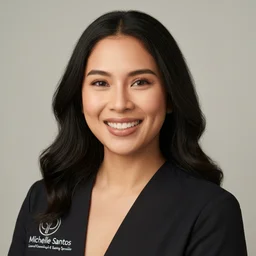
Licensed Cosmetologist & Beauty Licensing Exam Specialist
Paul Mitchell SchoolsMichelle Santos is a licensed cosmetologist with a Bachelor of Science in Esthetics and Salon Management from Paul Mitchell School. She has 16 years of salon industry experience and 8 years preparing students for state cosmetology board exams in theory, practical skills, and sanitation. She specializes in licensure preparation for cosmetologists, estheticians, and nail technicians.