
Theory Test Centre Hull: Complete Guide to Booking, Preparing and Passing Your DVSA Exam
Theory test centre Hull guide: location, booking steps, what to bring & top revision tips. Everything you need to pass first time. ✅
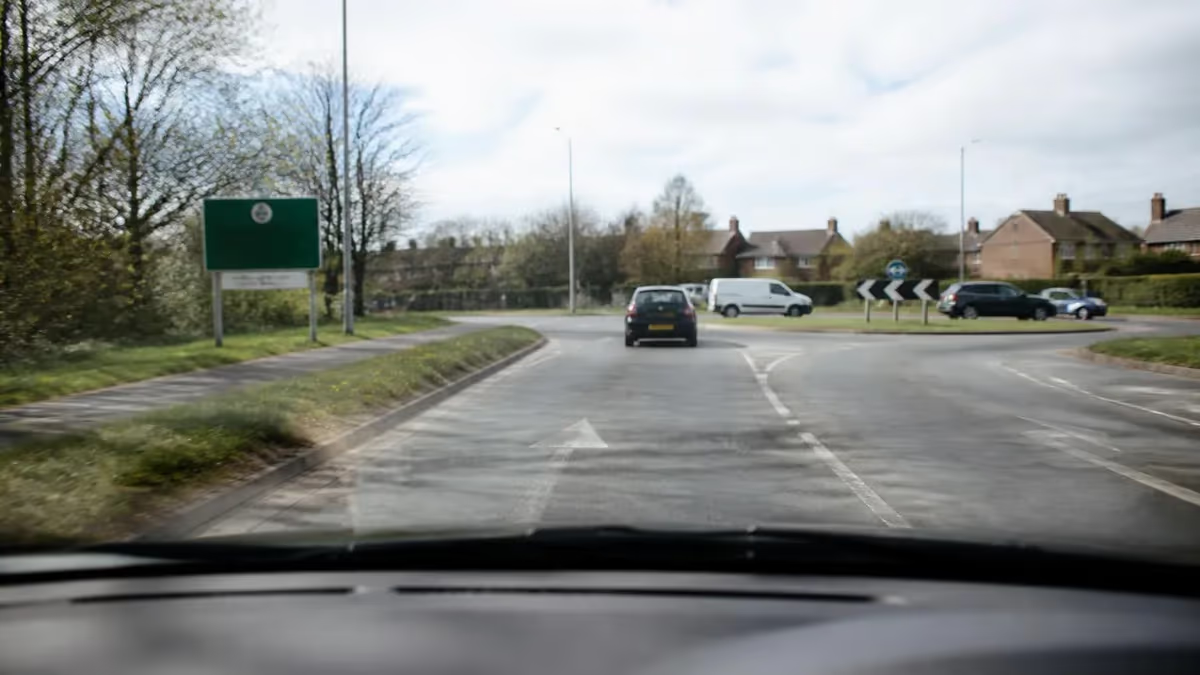
If you are preparing to sit your DVSA driving theory exam in the East Riding of Yorkshire, understanding exactly how the theory test centre hull operates is one of the most important steps you can take before your appointment date. The Hull centre is managed by Pearson VUE on behalf of the DVSA and handles hundreds of candidate appointments every week, covering car, motorcycle, lorry, bus, and coach licence categories. Knowing the location, check-in procedure, and what to expect inside the venue will significantly reduce pre-test anxiety and help you focus entirely on demonstrating your knowledge on the day.
Hull sits at the heart of the East Riding road network, and the local test centre serves candidates from across a wide catchment area that includes Beverley, Cottingham, Hessle, Brough, Withernsea, and Goole. Many candidates also travel from the East Lincolnshire coast and from parts of the East Midlands when their own local centres are fully booked. Understanding the travel options available — whether you plan to drive, cycle, use the bus, or arrive by train — will help you avoid unnecessary stress and ensure you arrive refreshed and mentally sharp well before your scheduled slot.
The DVSA theory test itself is split into two distinct parts: the multiple-choice question bank and the hazard perception video clips. Both sections must be completed during the same appointment, and you must pass both to receive your overall pass certificate. The multiple-choice section for car candidates contains 50 questions drawn from the official DVSA question bank, and you must score at least 43 out of 50.
The hazard perception section presents 14 video clips, 13 of which contain one developing hazard and one clip that contains two, giving a maximum score of 75, of which you need at least 44. Missing either threshold means a full resit is required.
Candidates often underestimate how much logistical preparation affects their performance on the day. Arriving at the wrong address, struggling to find parking, or forgetting an acceptable form of photographic identity can mean your appointment is cancelled and your fee is forfeited.
The DVSA is clear that you must bring your valid UK photocard driving licence and, if your licence does not show your current address or was issued before 1998, you will also need your signed paper counterpart. Foreign nationals and those holding non-UK licences should check the DVSA website for the exact documentation requirements applicable to their circumstances before travelling to the Hull centre.
Revision quality is arguably the single biggest factor separating first-time passes from repeat candidates. The official DVSA learning materials — the Highway Code, Know Your Traffic Signs, and the official DVSA theory test app — cover every topic that appears in the question bank. However, structured practice under timed, exam-like conditions is what truly builds the retrieval speed and confidence needed to work through 50 questions in 57 minutes without second-guessing your answers. Many successful candidates combine the official materials with third-party platforms that provide randomised mock tests, immediate feedback, and detailed explanations for every question and distractor.
The hazard perception element deserves dedicated preparation time separate from your multiple-choice revision. Many candidates who score comfortably in the question section fall short on hazard perception because they have not practised the specific skill of spotting developing hazards as early as possible while avoiding the temptation to click repeatedly, which triggers the cheating detection algorithm and scores that clip zero.
The key is to click once when you first notice a hazard developing — a car pulling out, a pedestrian stepping into the road, or a cyclist drifting — and then click again only if the situation escalates in a clearly distinct way.
This guide covers everything you need to know about attending the Hull theory test centre: exact address and transport links, the check-in process, permitted items, the format of each test section, a structured revision plan, common mistakes to avoid, and what happens after you receive your result. Whether you are a first-time candidate sitting your car test or a professional driver preparing for a category C or D licence, the information here will help you arrive prepared, confident, and ready to pass.
Hull Theory Test Centre by the Numbers

Hull Theory Test Centre: Location and Getting There
Find the Centre Address
Arrive by Train or Bus
Arrive by Car
Plan Your Journey Time
Check In at Reception
Enter the Test Room
Knowing exactly what to bring to your appointment at the Hull theory test centre will prevent one of the most common and entirely avoidable causes of test cancellation. The absolute minimum requirement is your valid UK photocard driving licence. The name and address on the licence must match the details on your DVSA booking.
If they do not match — for example because you have recently moved and have not yet updated your licence — you risk being turned away and forfeiting your £23 fee. Updating your address with the DVLA before your test date costs just £14 online and takes only a few minutes.
Candidates who hold a paper driving licence issued before 1998 must bring both the paper licence and a valid passport, since the passport provides the photographic identification that older paper licences do not include. If you have lost your passport and hold only an old paper licence, contact the DVLA to apply for a photocard licence before you book your theory test. The DVSA does not accept National Identity Cards, bus passes, student cards, or any other form of identification that is not specifically listed on its website.
On arrival, you will be required to empty your pockets and place all personal items — including your mobile phone, keys, wallet, watch, and any food or drink — into a small locker provided in the waiting area. You are not permitted to take any of these items into the testing room. The only exception is a basic, non-programmable calculator for certain professional licence categories, but this does not apply to standard car theory tests. Ear defenders may be requested from the supervisor if you find the ambient sound of other candidates typing distracting.
The check-in process typically takes five to ten minutes. A test administrator will verify your identity by comparing your face with your licence photograph and with a live photograph taken at the centre on the day. You will be asked to read a brief declaration confirming that you understand the test conditions, including the rule that clicking in a pattern during hazard perception clips will result in a score of zero for that clip. You will then be escorted to your assigned workstation in the testing room.
The testing room contains individual computer workstations separated by dividers to prevent candidates from seeing one another's screens. Each workstation is equipped with a standard keyboard and mouse, and the test interface is designed to be straightforward even for candidates who are not confident with computers. Before the questions begin, an on-screen tutorial walks you through exactly how to answer multiple-choice questions, how to flag questions you want to review, and how the hazard perception clips work. The tutorial lasts approximately three minutes and does not count towards your test time.
Candidates with specific learning difficulties or physical disabilities can request reasonable adjustments when booking their appointment. Options include additional time, a reader to read questions aloud, a translated version of the multiple-choice questions in one of the many languages supported by Pearson VUE, or an audio version of the questions in English. These adjustments must be requested at the time of booking and cannot be arranged on the day of your appointment. Supporting documentation from a qualified professional may be required to confirm the nature of the difficulty.
After the test is complete, you will be directed back to the waiting area where the test administrator will print your result notification. This document shows your score in each section, confirms whether you passed or failed, and — if you passed — provides the certificate reference number that your driving instructor and test examiner will need to verify before scheduling your practical driving test. Keep this document safe; the DVSA does not issue duplicate paper certificates, and you will need the reference number when booking your practical test through the GOV.UK portal.
Theory Test Format: What to Expect at Hull
The multiple-choice section presents 50 questions drawn at random from the official DVSA question bank, which contains over 700 questions across 14 topic categories including alertness, attitude, safety and your vehicle, safety margins, hazard awareness, vulnerable road users, other types of vehicle, vehicle handling, motorway rules, rules of the road, road and traffic signs, documents, accidents, and vehicle loading. You have 57 minutes to answer all questions, and you can navigate freely between questions, flag any you are unsure about, and return to review your answers before submitting. The pass mark is 43 out of 50.
Each question is presented as a scenario or direct knowledge question with four answer options, of which only one is correct. A small number of questions may ask you to identify a correct response from an image, such as a traffic sign or road marking. There is no penalty for guessing, so if you are genuinely unsure about a question it is always better to select your best guess rather than leaving it unanswered. Use the flagging feature for any questions where you want to double-check your reasoning before final submission.
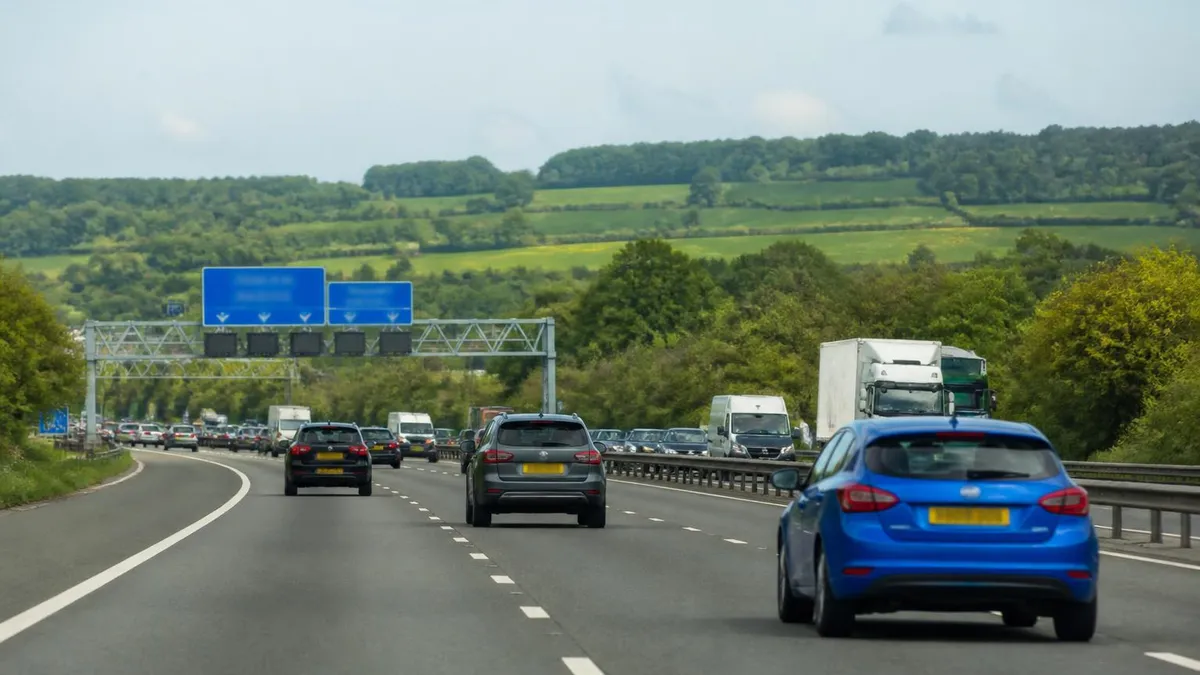
Sitting Your Theory Test in Hull: Advantages and Challenges
- +Excellent transport links via Hull Paragon Interchange make the centre accessible without a car
- +Central city-centre location with multiple car parks within easy walking distance
- +Covers a wide catchment area serving candidates from Beverley, Goole, Cottingham and the East Riding
- +All licence categories handled at one venue, including LGV, PCV, CPC and motorcycle tests
- +Pearson VUE's modern testing facilities provide a consistent, professionally managed exam environment
- +Reasonable adjustments and translated tests available for candidates with additional needs
- −City-centre location means parking costs can add to the overall expense of your test day
- −Busy periods — particularly weekday mornings — can mean longer waiting times at popular booking windows
- −Candidates travelling from the Holderness coast or Wolds villages face longer journey times than those in the city
- −No dedicated candidate car park; public car parks nearby can fill quickly during market days and events
- −Weekend appointment availability is more limited than weekday slots due to reduced Saturday-only hours
- −Rescheduling fees apply if you cancel within three clear working days of your appointment
Theory Test Day Checklist for Hull Candidates
- ✓Confirm your appointment date, time, and the exact centre address at Wykeland House, 48 Ferensway, Hull, HU2 8LN
- ✓Check that your photocard driving licence is valid and shows your current name and address
- ✓Plan your route to the centre and check for any road closures or engineering works on your travel day
- ✓Aim to arrive at least 15 minutes before your appointment time to allow for check-in
- ✓Charge your phone before leaving home, but remember you cannot take it into the testing room
- ✓Eat a light meal beforehand — hunger impairs concentration, but a heavy meal can cause drowsiness
- ✓Complete at least one full timed mock test the evening before to confirm your revision is on track
- ✓Review the Highway Code sections on road signs, motorway rules, and vulnerable road users as a final warm-up
- ✓Practise at least five hazard perception clips to calibrate your clicking timing before the real test
- ✓Get a full night's sleep — fatigue is one of the most significant and underestimated causes of poor test performance
The most common reason candidates fail is the hazard perception section — not the multiple-choice questions
DVSA statistics consistently show that a significant proportion of candidates who fail the theory test do so because they fall short on hazard perception rather than on the multiple-choice section. Dedicating at least one-third of your total revision time to watching and responding to hazard perception clips — using official DVSA material or accredited simulators — is the single most effective adjustment you can make if you are worried about passing. Do not leave hazard perception preparation until the final days before your appointment.
Building an effective revision strategy for your Hull theory test appointment requires more than simply reading the Highway Code from cover to cover. While the Highway Code remains the definitive reference document for UK driving rules and is the source from which the DVSA question bank is drawn, passive reading does not build the kind of active retrieval that exam conditions demand. The most effective approach combines structured reading of core reference material with regular, timed practice testing that mimics the exact conditions of the real exam.
Start your revision at least four to six weeks before your intended test date, particularly if you are new to driving or have limited familiarity with UK road rules. In the first week, work through the Highway Code methodically, paying particular attention to the sections on road signs, signals given by authorised persons, lane discipline, motorway driving, and rules for vulnerable road users including pedestrians, cyclists, horse riders, and motorcyclists. These topics consistently generate the highest proportion of questions in the DVSA question bank and are areas where candidates who have been driving informally may have significant knowledge gaps.
From week two onwards, shift the majority of your revision time towards active practice testing. Use a platform that draws questions from the full official DVSA bank, randomises the order of questions and answer options, provides immediate explanations for every correct and incorrect answer, and tracks your progress across topic categories so you can identify your weakest areas. Aim to complete at least one full 50-question timed mock test every day, reviewing every question you answered incorrectly or flagged as uncertain before moving on to the next session.
Topic-based drilling is a highly effective supplement to full mock tests. If your practice data shows that you consistently score below 80% on, for example, the vehicle loading or motorway rules categories, spend dedicated revision sessions working through every question in those categories until your accuracy improves.
The DVSA question bank is finite — approximately 700 questions for car candidates — which means that intensive, systematic practice will eventually result in exposure to the majority of questions that could appear on your real test. However, focus on understanding the reasoning behind each correct answer rather than simply memorising answer patterns, since the DVSA periodically updates the wording and scenario details of questions.
For hazard perception revision, use the official DVSA hazard perception practice clips available through the GOV.UK website or the DVSA's own app, which provides the most accurate simulation of the real test interface. When practising, always watch the clips in a quiet environment where you can concentrate fully on the road scene ahead.
Develop the habit of scanning the full width of the frame — not just the centre — since developing hazards frequently appear at the edges of the image or in mirrors. Narrate what you see aloud as you watch: pedestrians near the kerb, vehicles waiting at junctions, cyclists alongside parked cars — this active observation habit translates directly into faster hazard recognition in the real test.
The two weeks immediately before your appointment should focus on consolidation rather than learning new material. Continue completing daily mock tests to maintain your speed and accuracy, but avoid introducing entirely new topic areas at this stage as this can create confusion and erode confidence. Use any gaps between mock tests to re-read flagged sections of the Highway Code, particularly the rules you found hardest during earlier revision sessions. Ensure you have also reviewed Know Your Traffic Signs, the DVSA's official publication on road signs, since sign recognition questions represent a substantial proportion of the multiple-choice section.
On the final evening before your test, complete one last timed mock test to confirm your scores are consistently above the pass mark, then stop revising. Cramming late into the night before an exam is counterproductive — the retrieval benefit of a few additional hours of reading is vastly outweighed by the cognitive impairment caused by insufficient sleep.
Lay out everything you need for the morning — driving licence, journey directions, any snacks or water for the journey — so that the morning of your test is as calm and organised as possible. A rested, focused candidate who has done four weeks of structured preparation will almost always outperform an exhausted candidate who studied until midnight.
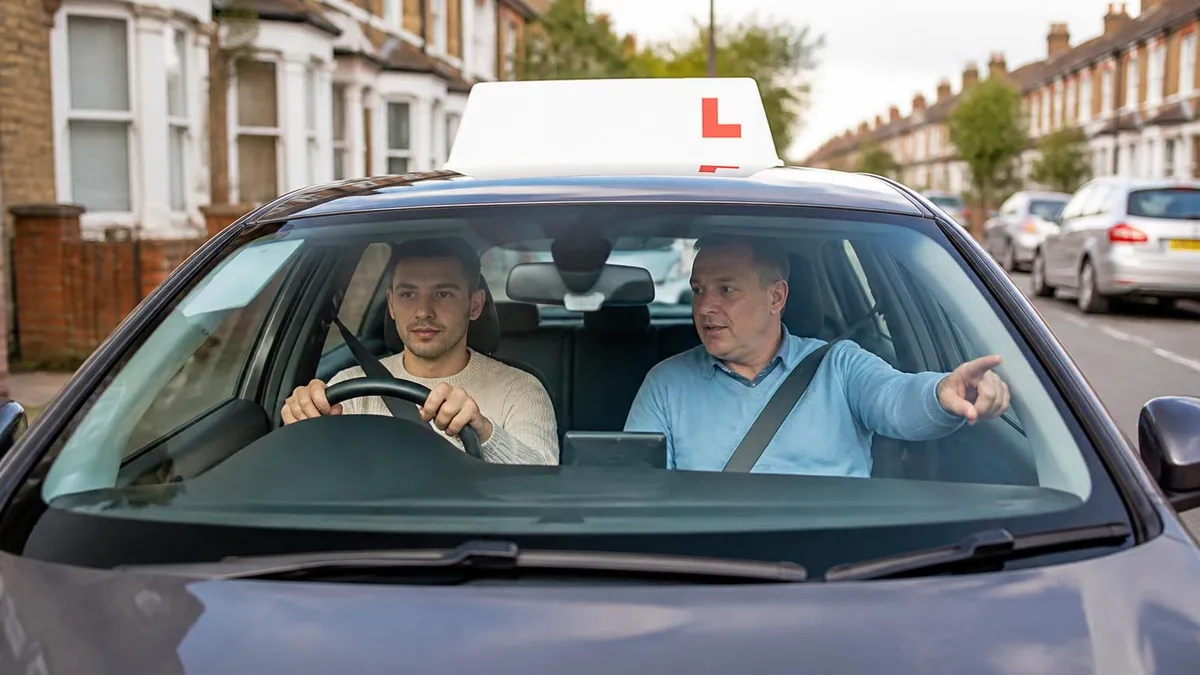
If you need to cancel or reschedule your Hull theory test appointment, you must do so at least three clear working days before your appointment date or you will lose your £23 fee entirely. Cancellations made with more than three clear working days' notice receive a full refund. To reschedule or cancel, log in to your GOV.UK booking account or call the DVSA contact centre. Do not contact the Hull test centre directly — all booking changes must be made through the central DVSA system.
Once you have received your result at the Hull theory test centre, the next steps depend on whether you passed or need to resit. If you passed, your result notification includes a theory test pass certificate reference number that is valid for two years from the date of your test. You must book and pass your practical driving test within this two-year window.
If your theory test pass expires before you complete your practical test, you will need to resit the theory test and pay the full £23 fee again, regardless of how close you were to passing the practical. This two-year clock applies to all licence categories including car, motorcycle, LGV, and PCV.
Booking your practical driving test is straightforward once you hold a valid theory test pass. You will need your driving licence number, your theory test pass certificate number, and your driving instructor's personal reference number if you are booking through an approved driving instructor. Practical test fees vary by licence category and by whether you choose a weekday or weekend appointment. Car practical tests cost £62 on weekdays and £75 on evenings and weekends. LGV and PCV practical tests are significantly more expensive due to the specialist examiners and equipment required.
If you did not pass your theory test at Hull, your result notification will show your scores in each section and highlight which section or sections fell below the required pass mark. You must wait at least three clear working days before you can rebook another appointment. There is no limit on the number of times you can resit the theory test, but each attempt requires full payment of the test fee. Use the feedback from your failed attempt — specifically the topic areas where your multiple-choice score was weakest — to focus your revision for the resit.
Candidates who fail the hazard perception section despite passing the multiple-choice section should treat their resit preparation as primarily a hazard perception problem. Watch the DVSA's own practice clips repeatedly, focusing on the precise moment at which each hazard begins to develop rather than at the point where it has fully emerged. Review the DVSA's guidance on what constitutes a developing hazard versus a static hazard, since many candidates click too late because they are waiting for the hazard to become obvious rather than responding at the earliest moment of development.
Your theory test pass certificate is not a physical card — it is a reference number printed on your result notification letter and stored in the DVSA's digital system. Your driving instructor and the practical test booking system can verify your pass status using this reference number. Keep the letter in a safe place, but be aware that even if you lose the paper document, your examiner can still verify your pass directly with the DVSA system on the day of your practical test using your driving licence number alone.
Professional licence holders — particularly those sitting LGV or PCV tests — should note that passing the theory test is only one component of a multi-stage licensing process. After passing the theory test, LGV candidates must also pass a hazard perception test with a higher pass mark, a case study module, a module 3 off-road practical manoeuvres test, and a module 4 on-road driving test.
Each module must be booked and passed separately, and there are time limits between some modules. Planning the full sequence of tests carefully before beginning the process will help avoid gaps that cause certificates to expire before the full licence is obtained.
If you need further information about specific aspects of the Hull centre's procedures, reasonable adjustments, or the documentation requirements for non-standard circumstances, the DVSA's contact centre is available Monday to Friday from 08:00 to 16:00. The GOV.UK theory test pages are updated regularly and represent the most reliable source of current fee information, booking availability, and procedural guidance. For revision resources, practice tests, and exam preparation support tailored to the DVSA question bank, continue exploring the resources available throughout this site.
Practical preparation for your test day goes well beyond revision. One area that many candidates overlook is the psychological dimension of exam performance. Test anxiety — the heightened stress response triggered by high-stakes assessments — can significantly impair working memory, slow reaction times, and cause candidates to second-guess answers they would answer correctly in a relaxed setting.
Understanding that some level of pre-test nervousness is normal and does not predict failure is an important first step. The majority of candidates who prepare thoroughly and arrive well-rested will find that nerves subside within the first few minutes of the multiple-choice section once they begin encountering familiar questions.
Breathing exercises are a simple and evidence-backed technique for managing acute test anxiety. Slow, diaphragmatic breathing — inhaling for four counts, holding for two counts, and exhaling for six counts — activates the parasympathetic nervous system and reduces the physiological arousal associated with anxiety. Practise this technique during your revision sessions so that it becomes a familiar and effective tool you can deploy in the waiting room at the Hull centre before your appointment is called. Even two or three minutes of controlled breathing can meaningfully reduce your heart rate and sharpen your focus.
Time management within the multiple-choice section is a skill that deserves deliberate practice. Some candidates work through questions too slowly, spending excessive time on difficult questions and then finding themselves rushed towards the end of the 57-minute allowance. Others work too quickly and make careless errors on questions they know well.
The optimal approach is to work at a steady pace of approximately one minute per question, flagging any question that takes longer than 90 seconds and returning to it in a review pass after you have answered all 50 questions. This ensures that harder questions do not eat into the time you need for straightforward ones.
For the hazard perception section, adopt a consistent mental routine for each clip. As each new clip begins, scan the full frame and mentally note the road environment: the type of road, the speed limit if shown, the number and type of other road users visible, and any potential sources of hazard such as junctions, parked vehicles, pedestrian crossings, or vulnerable road users.
This environmental scan takes only two or three seconds but primes your attention for the specific hazards most likely to develop in that context. Studies of expert drivers consistently show that this kind of structured scanning is associated with faster and more accurate hazard detection than passive watching.
After your test — whether you passed or are planning a resit — reflect honestly on your preparation process. If you passed, consider what worked well and why, so you can apply those methods to subsequent driving milestones. If you need to resit, use your score report to identify the specific categories where your multiple-choice performance was weakest, and treat those as priority areas in your resit preparation.
Do not simply repeat the same revision approach that did not produce a pass — vary the methods, use different practice resources, and consider whether working with your driving instructor on theory test preparation sessions might accelerate your progress.
For candidates preparing for the practical driving test that follows the theory pass, the habits built during theory test revision are directly applicable to on-road performance. The Highway Code rules you studied for the theory test are the same rules your practical examiner expects you to demonstrate on the road. Candidates who develop a thorough understanding of road signs, right-of-way rules, safe following distances, and vulnerable road user considerations during theory preparation consistently find that this knowledge translates into stronger performance during their practical driving lessons and test.
Finally, remember that the theory test is not the end goal — it is the gateway to a lifetime of safe, confident driving. The knowledge you acquire during theory test preparation, from understanding why motorway speed limits exist to recognising the early signs of driver fatigue, will serve you on every journey you take after passing. Approach your revision not as a box-ticking exercise but as an investment in the skills and awareness that will keep you, your passengers, and other road users safe for decades to come.
DVSA Questions and Answers
UK Theory Test Pass Mark: Car, Bike, LGV, PCV & ADI Scores

Free Theory Test App: The Complete UK Guide to Choosing, Using and Passing With Mobile Practice in 2026

Cancelling Driving Test: The Complete UK Guide to Refunds, Rebooking and Avoiding Lost Fees in 2026
Theory Test Certificate: Complete UK Guide to Passing and Using Your DVSA Pass Letter in 2026
UK Driving Test Pass Rate: Complete 2026 Guide to Statistics, Centre Comparisons and How to Beat the Odds
About the Author

Licensed Driving Instructor & DMV Test Specialist
Penn State UniversityRobert J. Williams graduated from Penn State University with a degree in Transportation Management and has spent 20 years as a certified driving instructor and DMV examiner consultant. He has personally coached thousands of applicants through written knowledge tests, skills assessments, and commercial driver licensing programs across more than 30 states.