
Best Time to Book a Driving Test: Complete UK Guide to Getting the Slot You Want in 2026 September
Find the best time to book a driving test in the UK. Tips on slots, waiting times, cancellations & how to save money. ✅ Full 2026 September guide.
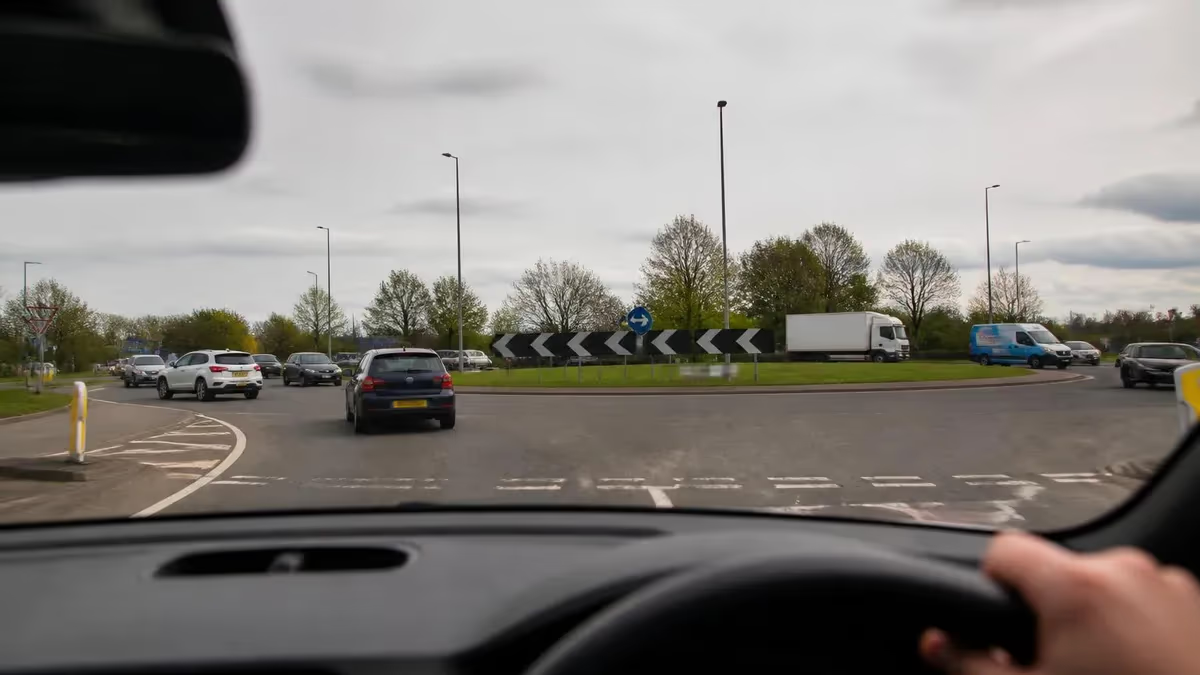
Knowing the best time to book a driving test can mean the difference between waiting three months for a slot and getting behind the wheel within weeks. The DVSA manages practical driving test appointments through its official booking portal, but demand consistently outstrips supply in most parts of England, Scotland, and Wales. Understanding how the system works — and how to work with it — gives you a real competitive edge over the thousands of other candidates refreshing the same booking page every day.
Driving test waiting times in 2026 remain stubbornly long in many urban areas. In cities like London, Birmingham, and Manchester, candidates routinely face waits of eight to fourteen weeks even when booking as far in advance as possible. In rural areas, the picture can be slightly better, but popular rural test centres still fill up quickly once new slots are released. The key is knowing when those slots become available and being ready to claim them the moment they appear.
The DVSA releases new appointment slots on a rolling basis, typically making slots available approximately six weeks in advance, though this varies. Many experienced instructors and candidates have noticed that new slots tend to appear in the early hours of the morning — often between midnight and 8am — as the system processes cancellations and newly opened windows. Checking the booking portal first thing in the morning, or last thing at night, therefore gives you a statistically better chance of finding availability.
Cancellation slots represent one of the most underutilised opportunities in the system. When another candidate cancels their test — which happens more often than you might expect, particularly in the 24–48 hours before a test date — their slot becomes immediately available for other candidates to claim. These short-notice slots are impossible to catch manually unless you happen to be checking at exactly the right moment. Third-party monitoring apps and browser-based alert services have grown in popularity precisely because they automate this process, though you should verify any such service is compliant with DVSA terms before signing up.
Timing your test strategically around the time of year also matters more than most candidates realise. Spring and early summer — particularly April, May, and June — tend to see the highest demand for test slots as candidates who started lessons in January or February reach readiness. This creates additional pressure on availability during an already busy period. Conversely, November and December see somewhat lower demand because fewer people begin learning to drive in autumn, which can translate into shorter waiting times if you are flexible about your test date.
The day of the week matters too. Tuesday, Wednesday, and Thursday slots are typically busiest because many candidates prefer to avoid Monday (which can feel rushed after a weekend) and Friday (when traffic patterns can be less predictable in some areas). Booking a Monday morning or a Friday afternoon slot may therefore yield faster availability without any meaningful downside to your test performance. Equally, early morning slots — 8am or 8:30am — are often released first and can be less competitive than mid-morning appointments that many candidates prefer.
For a broader view of what it takes to prepare thoroughly for your DVSA assessments, including key pass-mark thresholds and what scores you need to achieve, you can find useful context in our guide to driving test booking tips. Combining smart booking strategy with solid preparation is the surest route to success — and the advice throughout this article will help you do exactly that.
UK Driving Test Booking by the Numbers

How the DVSA Booking System Works
Create or Log In to Your DVSA Account
Enter Your Test Centre Preferences
Browse the Available Slots Calendar
Confirm and Pay for Your Slot
Monitor for Better Slots After Booking
Confirm Readiness and Attend Your Test
The best days of the week to attempt booking a driving test slot are Monday and Tuesday, and the reasoning is largely statistical. Most candidates book over the weekend when they have spare time, which means the system experiences its highest traffic from Friday evening through Sunday night. By Monday morning, that surge has passed, and any slots released over the weekend that were not immediately claimed — or cancellations processed on Sunday night — remain visible with slightly less competition. Logging in early on Monday morning consistently gives candidates a cleaner look at what is actually available.
Time of day is equally important. The DVSA booking portal processes cancellations and new slot releases continuously, but the bulk of activity happens in specific windows. Early morning between 6am and 9am sees a fresh batch of slots appear, partly because this is when the system carries out overnight maintenance releases and partly because candidates who planned to check before work are only just logging on.
The period between midnight and 1am is also productive — night owl candidates and automated checking tools compete for slots during this window, but there are genuinely more available at that hour than at peak afternoon times.
Seasonal timing plays a bigger role than many candidates appreciate. The post-summer period — September and October — can offer slightly better slot availability than spring, because the annual wave of school leavers who began lessons in June or July is only just starting to reach test-readiness.
If you can plan your learning timeline to target an autumn test, you may find that the choice of available dates is meaningfully wider. That said, October and November see more wet weather and reduced daylight, which some candidates find more stressful for their test, so weigh the availability advantage against your confidence in driving in those conditions.
Geographic flexibility can unlock dramatically faster test access. If you are willing to travel 20 or 30 miles further than your nearest test centre, you may find that waiting times drop by four to six weeks. Smaller towns and market towns particularly tend to have more consistent availability than city centres. The test itself is designed to assess your ability to drive safely in the road environment around the test centre, so driving on slightly unfamiliar roads should not present a problem to a candidate who is properly prepared and comfortable with their driving in general.
Instructor availability is another factor that shapes when you should book. Even if you secure a test slot four weeks away, that is only valuable if your instructor is available to give you a final lesson immediately beforehand. Speak to your instructor before locking in a test date, and ideally confirm a pre-test lesson slot at the same time as you book the test. Many instructors operate very full diaries, particularly in spring and early summer, and discovering that your instructor is unavailable the week before your test is a source of entirely preventable stress.
Rescheduling an existing test to an earlier date is one of the most effective and underutilised strategies available to candidates. Once you hold any test booking — even one that is several months away — you have the right to log back into the portal and move that booking to any earlier slot that becomes available, without losing your place in the queue. This means your best strategy is to book the earliest available slot immediately, and then actively monitor for something better. Think of your initial booking as a backstop guarantee rather than your final test date.
Understanding these patterns transforms your approach from passive waiting to active management of the process. The system rewards candidates who engage with it regularly and strategically, rather than those who book once and forget about it. A few minutes of checking each morning over several weeks can save you a month or more of waiting time — and getting to your test date sooner means all that preparation stays fresh and your confidence remains high at the crucial moment.
Cancellation Slot Strategies: How to Find Earlier Test Dates
The simplest approach is to log into the DVSA booking portal daily and check for newly available slots at your preferred test centre. Set a reminder on your phone for 6:30am and again at 11pm, as these two windows consistently yield the most newly available appointments. Keep your card details saved and be ready to confirm within 60 seconds — popular slots disappear extremely quickly, often within minutes of appearing on the system.
Manual checking works best if you are flexible about which date or time you accept. Rather than looking for a specific day, browse the full calendar and jump on any slot that is earlier than your current booking. You can always reschedule again if something even better appears. The main disadvantage is that manual checking requires discipline and consistency — missing a few days of checks can mean missing the cancellation slot you needed.
Booking Early vs. Waiting for a Better Slot: Pros and Cons
- +Secures your place in the queue — you always have a guaranteed test date as a fallback
- +Gives you a fixed goal to work towards, which motivates more consistent practice
- +Allows you to rebook to an earlier slot if one becomes available without losing anything
- +Reduces anxiety from the uncertainty of not having a test booked at all
- +Gives your instructor a clear timeline for planning your remaining lessons
- +Early bookings sometimes coincide with periods of lower examiner demand, potentially improving your experience
- −A long wait time between booking and test day can lead to skills plateau or loss of momentum
- −If you book too early before you are ready, the pressure of a looming test date can cause anxiety
- −You may need to pay a rescheduling fee if you want to move the test more than once
- −Test centres in preferred locations may still be fully booked even weeks in advance
- −Waiting times mean theory test passes (valid for two years) can begin to expire if booking is repeatedly delayed
- −Circumstances can change — illness, instructor availability, or life events may force a last-minute cancellation and lost fee
Driving Test Booking Checklist: Everything You Need Before You Click Confirm
- ✓Confirm your theory test pass is still valid — it expires two years from the pass date, and you cannot book a practical test if it has lapsed.
- ✓Have your provisional driving licence number ready — you will need this to log into the DVSA booking portal and to verify your identity.
- ✓Agree a target test date range with your instructor before you begin searching for slots.
- ✓Check availability at two or three different test centres, not just your nearest one, to maximise your options.
- ✓Set up a daily reminder to check the booking portal at 6:30am and 11pm to catch newly released cancellation slots.
- ✓Have your debit or credit card details ready before you start browsing — popular slots can disappear within minutes.
- ✓Confirm your instructor is available for a pre-test lesson in the week before your chosen test date.
- ✓Read the full list of documents you must bring on test day — arriving without the correct ID is an instant fail.
- ✓Note the cancellation deadline (at least three clear working days before your test) to protect your right to a full refund.
- ✓After booking, continue monitoring for earlier slots — you can move your booking for free if something better appears.
New cancellation slots are most commonly released between midnight and 8am
Analysis of candidate booking patterns consistently shows that the majority of available cancellation slots appear in the DVSA system during early morning hours. Setting a daily alarm for 6:30am and spending just two minutes checking the portal can save you four to six weeks of waiting time compared to checking only during business hours. This single habit is one of the most effective strategies any candidate can adopt.
One of the most common mistakes candidates make during the booking process is assuming that the test centre listed first in the portal is their only realistic option. The DVSA operates over 380 test centres across Great Britain, and while not all of them will be convenient for your location, there are almost always two or three centres within reasonable travelling distance of any candidate. Checking multiple centres simultaneously expands your window of opportunity considerably and is always worth the extra few clicks it requires.
Another widespread error is booking a test before genuinely being ready. The pressure of a looming test date can feel motivating, but booking too early and then arriving at the test underprepared is both expensive and demoralising. The practical test costs £62 on a weekday, and failing means not only rebooking and repaying that fee but also waiting through another extended availability cycle. The financial and emotional cost of a failed test taken prematurely is almost always higher than the cost of waiting an extra two or three weeks to be truly ready.
Many candidates also overlook the importance of timing their test to align with ideal road and weather conditions. While you cannot control the weather on a specific date weeks in advance, you can make sensible choices about time of day. Rush hour tests — typically 7:30–9am and 4:30–6pm in urban areas — expose candidates to heavier traffic, more aggressive driving behaviours from other road users, and a more demanding overall environment. If you have the choice, booking a mid-morning slot between 9:30am and 11:30am gives you the best combination of moderate traffic volume and good natural light.
The school run period is a particularly important consideration for tests in suburban and semi-rural areas. From 8am to 9am and again from 3pm to 4pm on school days, roads near primary and secondary schools experience disproportionate congestion and unpredictable pedestrian movements. An examiner will assess how you handle this, but the risk of encountering a genuinely hazardous situation created by poor driving from other road users is statistically higher during these windows. A 10am or 11am slot sidesteps the school run entirely.
Public holidays and bank holidays are another timing consideration. The DVSA charges a premium rate — £75 rather than the standard £62 — for tests conducted on Saturdays and bank holidays. More importantly, traffic patterns on these days can be unusual, with a mix of leisure traffic that behaves differently from weekday commuter patterns.
If you are someone who has primarily practised on weekday roads, testing on a bank holiday Monday may introduce unfamiliar scenarios. Conversely, if you feel confident handling varied traffic conditions, a Saturday test can work well, and the slightly higher fee is often justified by the flexibility it provides.
Failing to read the DVSA communications carefully is another costly mistake. The confirmation email and text message you receive after booking include critical information: the exact address of the test centre, what documents to bring, and what time to arrive. Many test centres share car parks or postcodes with nearby businesses, and candidates who rely on sat-nav alone sometimes arrive at the wrong location. Arrive at the actual test centre — not the car park of the adjacent supermarket — at least ten minutes before your appointment time to allow yourself to settle before the examiner calls your name.
Finally, candidates frequently underestimate how much the booking process itself affects their mindset going into the test. Spending weeks anxiously refreshing the booking portal creates a background level of stress that can still be present on test day. Once you have secured your slot and confirmed a pre-test lesson with your instructor, deliberately step back from the booking system. Trust that your preparation is solid, and direct your mental energy towards practising specific manoeuvres and building confidence, rather than obsessing over whether an earlier slot might appear. Consistent, calm preparation is ultimately the most reliable predictor of a first-time pass.
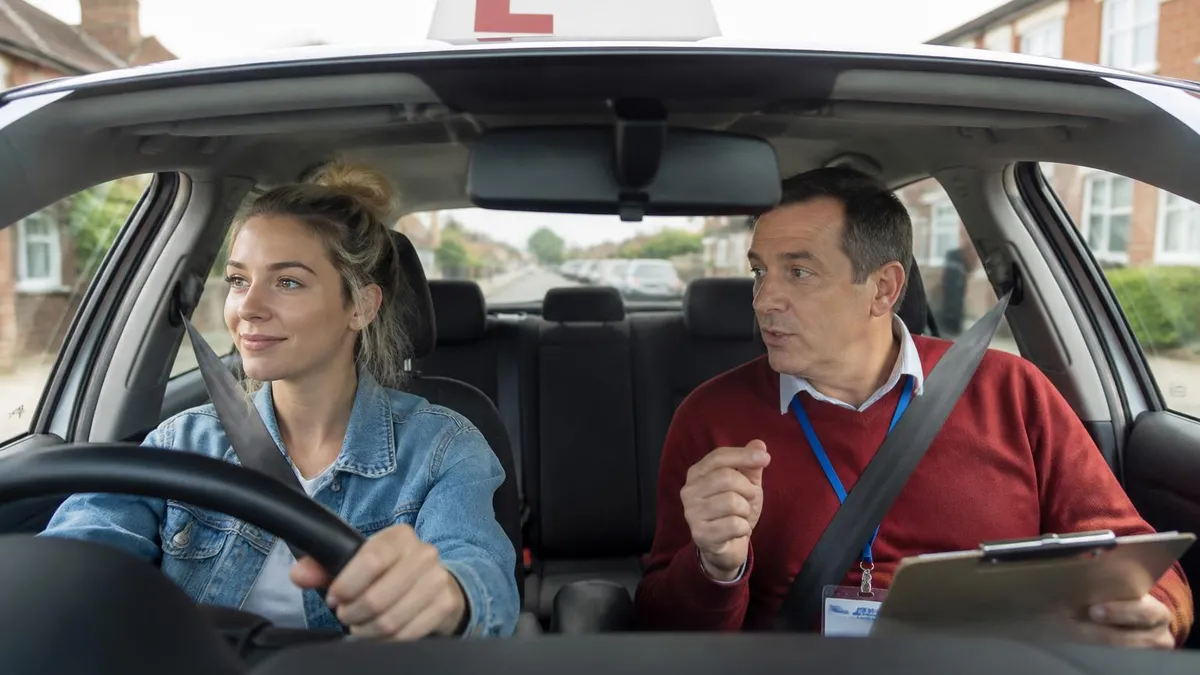
Your DVSA theory test pass certificate is valid for exactly two years from the date you passed. If you do not complete your practical driving test within that two-year window, your theory pass expires and you must retake the theory test in full before you can rebook a practical test. Given current waiting times, candidates who pass their theory test and then delay booking their practical are at genuine risk of running out of time — especially if they face multiple failed practical attempts along the way.
Choosing the right test centre is a decision that deserves more thought than most candidates give it. The obvious instinct is to book at the centre closest to your home, but this is not always the most strategic choice. Test routes vary significantly between centres: some are predominantly urban, requiring competent navigation of roundabouts, traffic lights, and busy pedestrian crossings, while others mix town driving with dual carriageways or country lanes. Choosing a centre whose route profile matches the environment where you have done most of your practice gives you a meaningful advantage.
Information about typical test routes at different centres is widely available through driving school websites, candidate forums, and dedicated route-sharing communities. While examiners are not legally required to follow a specific route and can deviate based on traffic conditions, the general character of any given test centre's routes tends to be consistent. If your instructor is familiar with a particular centre, ask them directly which centre they would recommend for a candidate with your specific strengths and weaknesses — their local knowledge can be genuinely valuable here.
Pass rates vary between test centres too, and while this data should not be over-interpreted, it does provide useful context. The DVSA publishes annual pass rate data by test centre, and you can find this information on the gov.uk website. A centre with a slightly higher local pass rate may reflect easier road conditions, a more experienced pool of candidates taking tests there, or both. Conversely, a lower pass rate at a city centre location might simply reflect the greater inherent difficulty of the driving environment rather than any difference in examiner standards.
Satellite navigation tasks have been a standard component of the practical driving test since 2017, and the sat-nav system used by the DVSA — a Garmin model with a suction mount on the windscreen — may be unfamiliar to candidates who practise primarily with phone-based apps.
It is worth asking your instructor to use a standalone sat-nav device during some of your lessons so you are comfortable glancing at a physical device mounted in a fixed position rather than a phone that moves around. Following sat-nav directions while continuing to scan for hazards, signal appropriately, and maintain road position is a skill that benefits from deliberate practice.
The independent driving section of the test — now lasting twenty minutes, making up roughly half the total test duration — assesses your ability to drive without turn-by-turn instruction from the examiner. You will either follow sat-nav directions or follow a series of road signs towards a stated destination. Many candidates find this section the most nerve-wracking because it requires genuine self-direction rather than response to immediate instruction. Building confidence during lessons by asking your instructor to sit silently for extended stretches while you navigate independently is one of the best ways to prepare for this element.
It is worth noting that the examiner is not looking for perfection during any part of the test. The marking system distinguishes between minor faults (a single lapse that did not create danger), serious faults (a potentially dangerous error), and dangerous faults (an action that created actual danger). You are allowed up to fifteen minor faults before the test is failed on that basis alone.
Understanding this marking framework can reduce anxiety about small errors during the test — a minor fault is not catastrophic, and maintaining composure after a small mistake is itself an important driving skill that the examiner is watching for.
The practical test typically lasts around forty to fifty minutes from the moment you leave the test centre car park to the moment you return. During that time, you will complete an eyesight check, a vehicle safety question (the show-me question, answered while driving), a manoeuvre such as a bay park or parallel park, the independent driving section, and general driving including various road types.
Knowing this structure in advance — and having practised each element repeatedly — means there are no surprises on the day, which is precisely the kind of mental readiness that translates into confident, safe driving under observation.
In the final weeks before your test, the most valuable thing you can do is consolidate what you already know rather than trying to learn entirely new skills. Most experienced driving instructors advise against attempting new manoeuvres or unfamiliar road types in the last seven to ten days before a test. Instead, focus on refining the skills you have already developed, building consistency, and practising the specific types of junctions, roundabouts, or road layouts you find most challenging. Consistency under pressure is what the examiner is ultimately assessing.
Mock tests with your instructor are one of the most effective final preparation tools. A mock test replicates the experience of being assessed by an unfamiliar observer, following sat-nav directions without prompting, and performing manoeuvres under pressure. Many candidates discover during mock tests that their driving is actually very solid — and that knowledge is enormously confidence-building. If your mock test reveals specific weaknesses, you still have time to address them. Either way, the mock test experience means the real test feels familiar rather than alien.
Managing your schedule in the days immediately before your test makes a measurable difference to your performance. Avoid booking your test at the end of a very busy or stressful week. Ensure you get a full night's sleep the night before — sleep deprivation measurably impairs reaction time and decision-making, both of which are directly assessed during the practical test. Eat a proper breakfast on test morning, give yourself plenty of time to travel to the test centre, and arrive slightly early so you are not flustered or rushed when you meet your examiner.
On the morning of your test, a final lesson with your instructor immediately beforehand — ideally finishing thirty to forty-five minutes before your appointment time — is strongly recommended. This lesson serves several purposes: it warms you up physically and mentally, allows you to run through any last-minute questions with your instructor, and means you arrive at the test centre already in a driving mindset rather than cold from a morning at home. Many candidates report that the transition from lesson to test feels seamless when they follow this approach.
During the test itself, communicate with your examiner if you are genuinely unsure about something safe to do. If you are uncertain whether to proceed at a junction, it is entirely acceptable to wait until you are confident — examiners do not penalise appropriate caution. What they do note is reckless or hesitant behaviour that creates unnecessary risk. Treat the examiner as a passenger whose safety you are responsible for, and your natural driving instincts will generally guide you correctly through ambiguous situations.
After the test — whether you pass or need to retake — use the examiner's debrief constructively. Examiners provide verbal feedback at the end of every test, identifying the specific faults recorded and where in the route they occurred. If you pass, this feedback still helps you understand which areas to continue developing as a newly qualified driver. If you need to retake, the debrief gives you precise, actionable information about what to focus on in further lessons, making your preparation for the retest far more targeted and efficient than a general review.
The journey from booking your first test slot to receiving your full driving licence is one that rewards patience, strategy, and consistent preparation in equal measure. The candidates who pass first time are rarely those who got lucky — they are the ones who understood the booking system, planned their preparation intelligently, practised deliberately under conditions that mirrored the test, and arrived on test day with confidence built on genuine competence. Every element of the advice in this guide is designed to help you become exactly that kind of candidate.
DVSA Questions and Answers
UK Theory Test Pass Mark: Car, Bike, LGV, PCV & ADI Scores

Free Theory Test App: The Complete UK Guide to Choosing, Using and Passing With Mobile Practice in 2026

Cancelling Driving Test: The Complete UK Guide to Refunds, Rebooking and Avoiding Lost Fees in 2026
Theory Test Certificate: Complete UK Guide to Passing and Using Your DVSA Pass Letter in 2026
Driving Test Nerves: The Complete UK Guide to Calming Anxiety and Passing First Time in 2026
About the Author

Licensed Driving Instructor & DMV Test Specialist
Penn State UniversityRobert J. Williams graduated from Penn State University with a degree in Transportation Management and has spent 20 years as a certified driving instructor and DMV examiner consultant. He has personally coached thousands of applicants through written knowledge tests, skills assessments, and commercial driver licensing programs across more than 30 states.