
Book Driving Test NI: DVA Centres, Fees and How to Apply 2026
🟢 Book driving test NI guide — how to book through nidirect, DVA test centres, fees, eligibility, test format, pass rates and R-driver rules.

Booking a driving test in Northern Ireland is the final step before earning a full driving licence. Driving tests in Northern Ireland are administered by the Driver and Vehicle Agency (DVA), the equivalent of the GB-based DVSA but operating under separate regulations and a separate booking system. The DVA runs approximately 15 driving test centres across Northern Ireland with locations in Belfast, Newtownards, Lisburn, Newry, Omagh, Coleraine, Cookstown, Craigavon, Mallusk, Larne and others, providing reasonable geographic coverage across the region. Practice with the free DVSA UK Driving Theory practice test on PracticeTestGeeks (7 questions with answer explanations).
The booking process happens through nidirect.gov.uk, the Northern Ireland government services portal. Candidates need their full provisional driving licence number, their theory test pass certificate number, and a debit or credit card for the fee. The practical driving test fee in 2026 is £65 for weekday tests and £95 for evening, weekend and bank holiday tests — a separate fee schedule set by the Department for Infrastructure, higher than GB DVSA pricing. Tests last approximately 40 minutes and cover an eyesight check, vehicle safety questions, set manoeuvres, general driving and a short period of independent driving.
Northern Ireland has unique aspects that distinguish driving there from GB. The R-driver scheme requires drivers in their first year after passing to display R-plates and observe a 45 mph speed limit on roads where the limit is otherwise higher. The R-driver period applies regardless of age. Other distinct rules include the requirement for L-drivers to have a fully licensed accompanying driver age 21 or older with three years' full licence experience. The structure of theory and practical tests aligns broadly with GB but the booking and administration are entirely separate.
This guide explains how to book your driving test in Northern Ireland through nidirect, the locations and characteristics of DVA test centres, fees and payment methods, eligibility rules, what to expect on test day, the documents to bring, the post-test pass and fail processes, the R-driver scheme that applies to all newly-qualified drivers in NI, and the practical strategies for getting your test booked at a convenient time and centre during the high-demand periods that affect Northern Ireland test scheduling.
Free DVSA UK Driving Theory Study Tools
Interactive DVSA UK Driving Theory resources on PracticeTestGeeks, free to start:
- DVSA UK Driving Theory flashcards — review key terms and concepts card by card
- DVSA UK Driving Theory study guide — topic-by-topic overview of what the exam covers
- DVSA UK Driving Theory cheat sheet — one-page printable summary for last-minute review
Book driving test NI in 30 seconds
Driving tests in Northern Ireland are administered by the DVA, not DVSA. Book through nidirect.gov.uk after passing your theory test. The practical test fee is £65 weekday or £95 evening and weekend. About 15 DVA test centres across NI in cities including Belfast, Newtownards, Lisburn, Newry and Omagh. Tests last 40 minutes covering eyesight, vehicle safety, manoeuvres and general driving. After passing, R-driver rules apply for the first 12 months including a 45 mph maximum on certain roads.
The DVA test centres span Northern Ireland with most candidates booking the centre nearest to where they have been having driving lessons. The largest centres operate Monday through Saturday with multiple test slots per day; smaller rural centres may offer fewer days per week. Centre locations include Belfast (multiple sites), Newtownards, Lisburn, Newry, Omagh, Coleraine, Cookstown, Craigavon, Mallusk, Larne, Enniskillen, Magherafelt, Ballymena, Limavady and Strabane. Each centre serves its catchment area and uses local routes for the on-road portion of the test.
Booking requires three items in advance. Your full provisional driving licence number from the photocard. Your theory test pass certificate number — both the multiple choice and hazard perception components must be passed before the practical test can be booked. A debit or credit card for the £65 or £95 fee. The booking system at nidirect.gov.uk also accepts payment for additional services like rebooking after a failed attempt. Bookings can typically be made 12 to 24 weeks in advance depending on centre demand.
The waiting times for tests in Northern Ireland have been a persistent issue, with some centres showing 3 to 6 month waits in busy periods. The DVA's cancellation finder on nidirect lets candidates check for newly-released slots from other learners' cancellations. Checking the finder daily during peak periods is how many learners secure earlier test dates. Some learners also book tests at less popular centres farther from their lessons to get an earlier date, accepting the trade-off of taking the test on less familiar roads.
Cancellation rules align with GB conventions. Tests cancelled with at least 3 working days' notice receive a full refund. Cancellations within 3 working days forfeit the fee. Test rescheduling within the 3-working-day window also forfeits the fee. The cancellation finder shows newly available slots in real time. Many learners use both the regular booking system and the cancellation finder concurrently to secure their preferred date and centre.
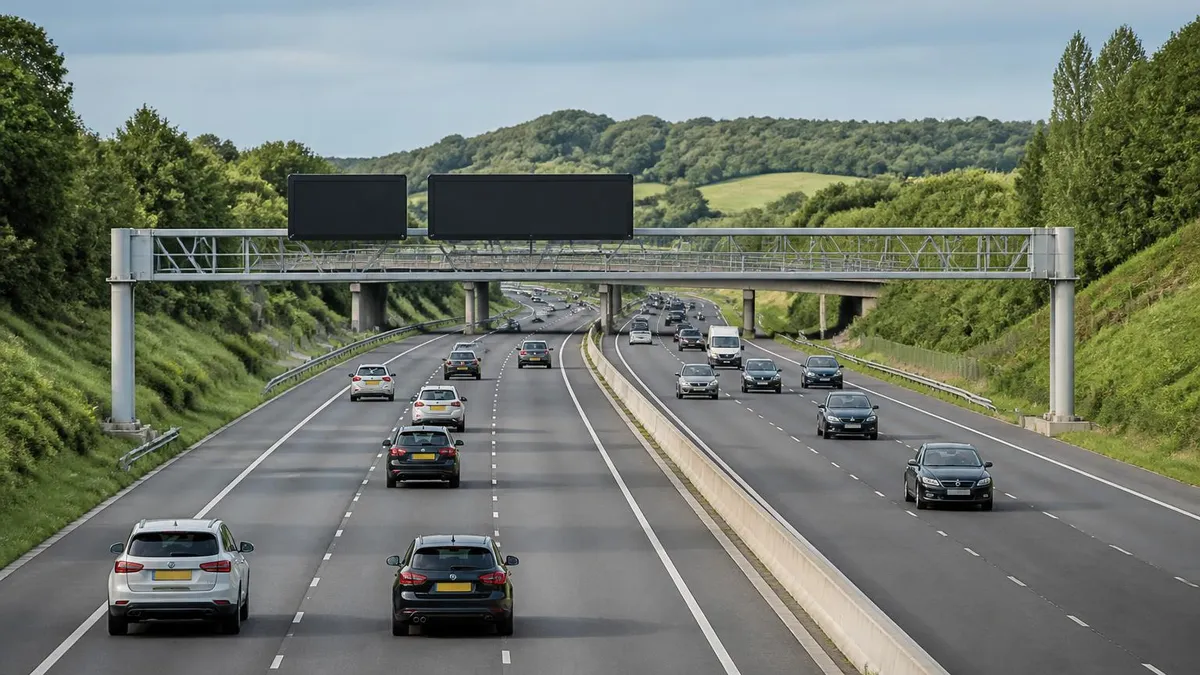
Booking a driving test in NI
Book online through nidirect.gov.uk, the Northern Ireland government services portal. The DVA's driving test booking section walks through the process step by step. Booking is also available by phone for candidates with accessibility needs that prevent online booking. Email and postal booking are not standard options for routine test bookings.
Full provisional driving licence number from the photocard, theory test pass certificate number (both multiple choice and hazard perception components must be passed), and a debit or credit card for the £65 or £95 fee. Without all three items, the booking cannot proceed. Have them ready in front of you before starting the booking process.
£65 for weekday tests (Monday through Friday during normal hours). £75 for evening tests after 4:30 PM, weekend tests and bank holidays. Fees are paid through the booking system at the time of booking. Cancellations with at least 3 working days notice receive a full refund; later cancellations forfeit the fee. Re-booking after failure costs the same fee again.
Tests can typically be booked 12 to 24 weeks in advance depending on centre demand. The DVA's cancellation finder shows newly available slots from other learners' cancellations — checking daily during peak periods often produces earlier dates than the headline waiting list suggests. Some popular centres have months-long waits while less popular centres are far shorter.
The eligibility requirements for sitting the practical test in Northern Ireland are specific. Candidates must hold a current Northern Ireland provisional driving licence — Northern Ireland licences are issued through the DVA, not DVLA which serves Great Britain. The provisional must be at least the licence type matching the test (Category B for cars, separate categories for motorcycles, lorries and buses). Candidates must have passed both parts of the theory test (multiple choice and hazard perception) within the past two years before the practical test can be booked.
Eyesight requirements are checked at the test centre before the driving begins. Candidates must read a number plate from the appropriate distance — 20 metres for new-style number plates introduced in 2001 onward, 20.5 metres for older-style plates. Glasses or contacts may be worn for the eyesight check. If you wear them for the eyesight check, you must wear them throughout the driving test. Failing the eyesight check ends the test before driving begins, with no refund of the fee.
Vehicle requirements for the test are similar to GB. The car must have valid insurance for driving tests, valid MOT (if older than 4 years in NI, slightly different from GB's 3 years), valid road tax, no warning lights on the dashboard, an extra interior rear-view mirror for the examiner, L-plates clearly displayed front and back, four wheels, working seat belts and a fully functioning speedometer reading in both miles per hour and kilometres per hour. Most learners use their driving instructor's vehicle, which is already configured to test standards.
The driving instructor relationship is important throughout the preparation period and through the test itself. Approved Driving Instructors (ADIs) in Northern Ireland are registered with the DVA. The DVA's website lists registered ADIs by area. Most candidates take 30 to 50 hours of professional lessons over several months before testing. The ADI's familiarity with the specific test centre, examiner styles and local routes provides meaningful advantage on test day. Family-supervised practice is allowed but should be combined with professional instruction for best results.
DVA test centres and characteristics
Multiple test centres serve the Belfast area including Belfast (main), Mallusk, Lisburn and Newtownards. Belfast centres typically have the longest waiting times due to high demand. Routes cover urban traffic conditions including major arterial roads and busy junctions. Pass rates are typically slightly below the NI average given urban route complexity. Familiar with manoeuvres in tight urban spaces.
The driving test format in Northern Ireland follows the same broad structure as GB but with NI-specific test routes. The test takes about 40 minutes from start to finish. The eyesight check happens first.
The show me, tell me vehicle safety questions follow — one tell me question (explaining how you would perform a check before driving away) and one show me question (demonstrating a check while driving). One of four reversing manoeuvres is requested at some point during the drive. About 10 minutes of independent driving requires you to follow either traffic signs or directions from the examiner without specific turn-by-turn instructions.
The DVA does not currently include sat nav-led independent driving in the same way DVSA does in GB. The independent driving section in NI is typically based on following road signs and verbal directions given upfront. Confirm the current format with your instructor before the test as procedures evolve. Examiners assess the same fault categories as GB — driving faults (minor errors), serious faults (compromised safety) and dangerous faults (actual danger). Up to 15 driving faults are allowed; one serious or dangerous fault fails the test.
Pass rates for the practical driving test in Northern Ireland have averaged around 57% in recent years, somewhat above the GB average of approximately 50%. The higher pass rate reflects route characteristics, examiner standards and the demographic profile of NI test takers. Pass rates vary by centre, with rural centres typically at higher rates and Belfast centres at lower rates. Choosing a centre carefully based on pass rate data is one of the few candidate-controlled factors that influences outcomes.
Show me, tell me questions in the NI test draw from a published list available on nidirect. Examples include checking the brake fluid level, cleaning the windscreen, demisting the rear window and operating the rear fog lights. Each question covers a basic vehicle safety check that any responsible driver should be able to perform. Get either question wrong and you receive a driving fault; get both wrong and you receive a serious fault that fails the test outright. Practice the published questions with your instructor before test day.
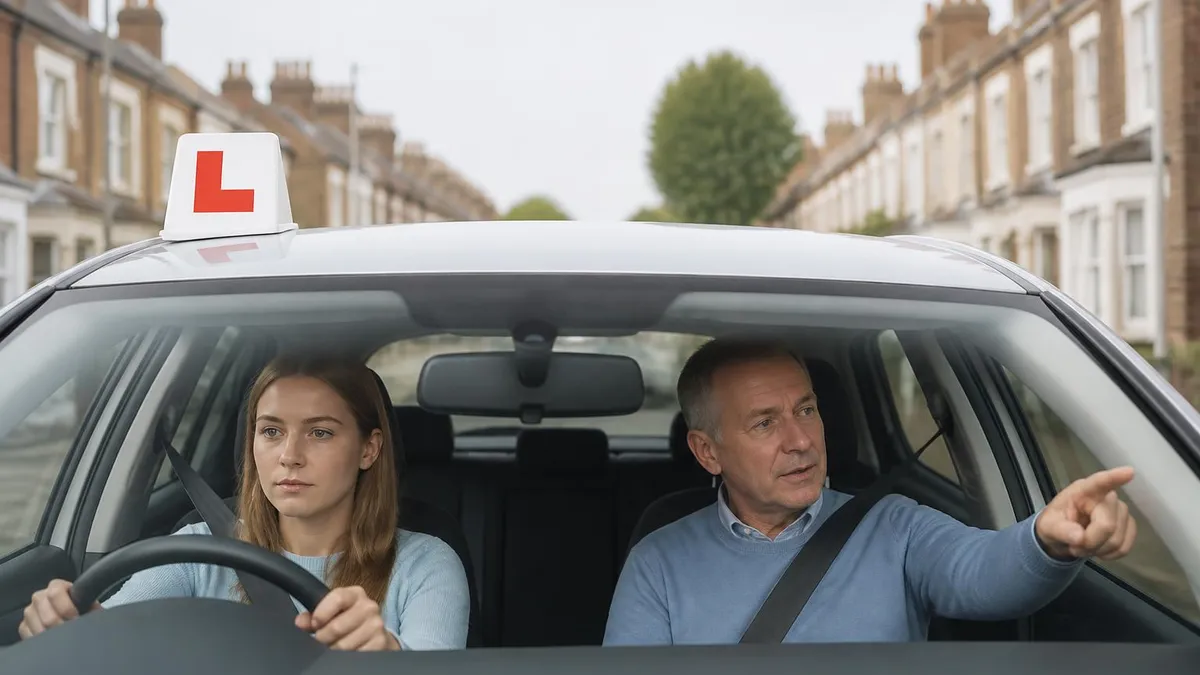
Newly qualified drivers in Northern Ireland become R-drivers (restricted drivers) for the first 12 months after passing. R-drivers must display R-plates on the front and rear of the vehicle and observe a maximum speed limit of 45 mph on all roads regardless of the posted limit. This applies to all newly qualified drivers regardless of age. The restriction lifts automatically after 12 months. Failure to display R-plates or exceeding the 45 mph limit produces fines and penalty points that count toward the new driver penalty threshold.
The R-driver scheme is unique to Northern Ireland and surprises some new drivers who research the GB-based new driver rules instead. The 45 mph speed limit applies on all roads where the posted limit is otherwise higher, including motorways and dual carriageways. Roads with limits at 30 mph or 40 mph are unaffected by the R-driver rule because the posted limit is already at or below 45 mph. R-plates must be visible from the front and rear of the vehicle; the same plates used for L-driver display can be reused.
Beyond the R-driver scheme, the new driver penalty system in Northern Ireland imposes stricter consequences for traffic offences in the first two years after passing. Accumulating 6 or more penalty points within the first 2 years results in licence revocation. The driver must then reapply for a provisional licence and pass both theory and practical tests again. The 2-year probation period is the price of being a new driver and reflects the substantially higher accident risk in the first months of independent driving.
For motorway driving as a newly-qualified R-driver, the 45 mph limit means you must use the leftmost lane only. Motorway driving while keeping to 45 mph in 60-70 mph traffic is a real challenge that some newly-qualified drivers handle by avoiding motorways entirely during the R-driver year. Others adapt by driving carefully in the leftmost lane and accepting the slower journey times. Either approach is reasonable; the 45 mph rule is non-negotiable for the 12-month period.
For passing the test and immediately wanting to take a long journey, the R-driver restriction applies from the moment of passing. There is no grace period before R-driver rules begin. Plan accordingly — if you are passing and immediately driving home from a centre 100 miles away, the R-driver rules apply during that drive. Have the R-plates ready in your car or in the test vehicle so they can be applied immediately upon hearing the pass result.
Book driving test NI checklist
- ✓Pass both theory test components within the past 2 years
- ✓Hold a current Northern Ireland provisional driving licence
- ✓Have your provisional licence number to hand
- ✓Have your theory test pass certificate number
- ✓Have a debit or credit card ready for the £65 or £95 fee
- ✓Choose a test centre — local convenience or strategic pass rate
- ✓Check cancellation finder for earlier slots
- ✓Confirm vehicle insurance, MOT and road tax for the test vehicle
- ✓Buy R-plates ready for use immediately after passing
For learners considering travelling to a different test centre to get a higher pass rate or shorter wait, the calculation in NI is similar to GB. Rural centres in Omagh, Coleraine and Cookstown often have higher pass rates and shorter waits than Belfast centres. The trade-off is the unfamiliar test routes — your instructor's lessons have been on Belfast roads, not Omagh roads. Travelling 30 to 50 miles to a centre with better odds makes sense if you can take a few practice lessons there beforehand to learn the local routes.
For learners on tight budgets who want to maximise their pass probability, the most cost-effective approach is to invest in additional lessons rather than rebooking after failures. Each test attempt costs £65 to £95; ten extra hours of lessons before the first test typically cost £300 to £450 but substantially improve pass odds. Many learners take 30 to 50 hours of lessons before testing; rushing the test with fewer hours often leads to multiple failed attempts and higher total cost than investing properly upfront.
For learners with disabilities or specific accessibility requirements, the DVA accommodates a range of needs. Learners who require an adapted vehicle, additional time, communication support (sign language interpretation), or a parking space close to the test centre entrance can request adjustments at the time of booking. Some test centres have ground-floor or step-free access; others may require advance arrangement for wheelchair access. The accessibility information for each centre appears on its nidirect page.
For learners hoping to drive in GB after passing in NI, the licence transfers smoothly. A full Northern Ireland driving licence is valid for driving in Great Britain immediately upon issue. The R-driver rules apply only in Northern Ireland; once you cross the Irish Sea, the GB new driver rules apply (which are different from the R-driver scheme). Learners planning to study or work in GB after passing should familiarise themselves with the GB new driver rules including the 6-point penalty threshold within 2 years that triggers licence revocation.
For the actual test day in Northern Ireland, the standard advice applies. Arrive 10 to 15 minutes before your scheduled test time. Bring your provisional driving licence and any documentation needed. Make sure your test vehicle has adequate fuel for at least 40 minutes of driving and is in clean working order. Wear comfortable clothing and shoes suitable for driving. The DVA centres typically have small waiting areas with seats and information posters; bring something to read or simply wait patiently for the examiner to call your name.
For post-test feedback, the DVA examiners provide brief verbal debrief after the test along with a written list of any faults committed. Even passing learners benefit from understanding their weaker areas because the feedback identifies habits that may cause problems in independent driving. Failed learners get a clear roadmap for what to work on before the next attempt. The DVA charges the same £65 or £95 fee for retests, so investing in extra lessons targeting specific weaknesses produces better outcomes than rushed rebookings.
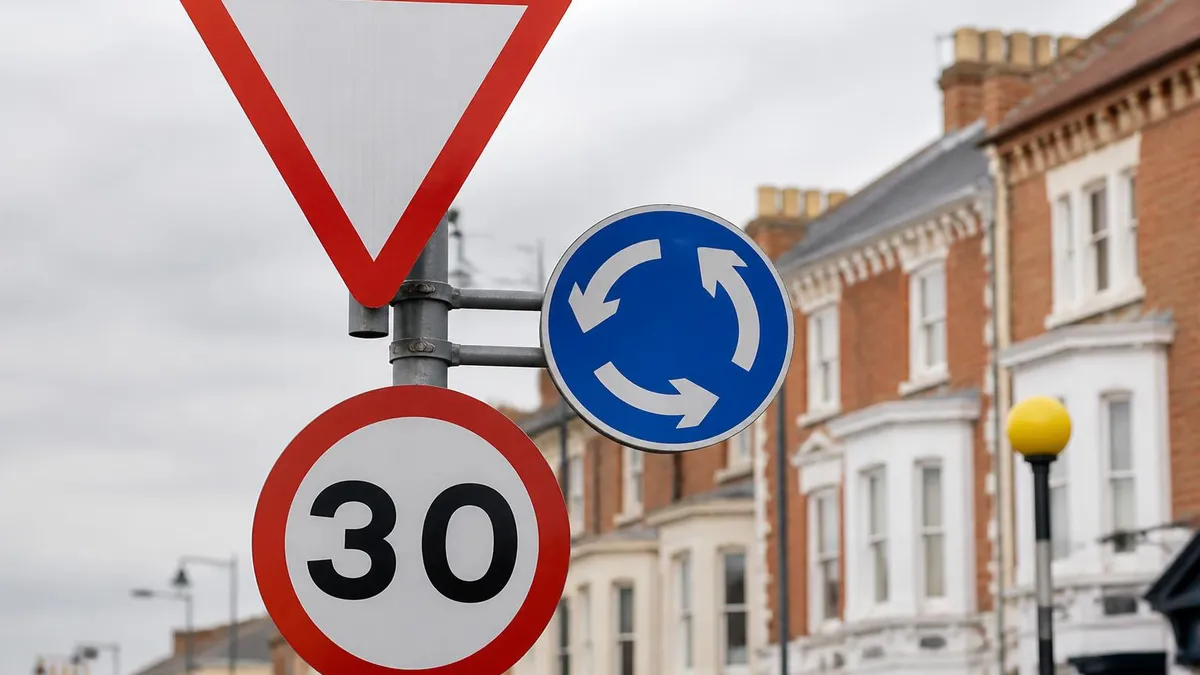
Book driving test NI quick numbers
DVSA: upcoming dates and official changes
- Updated Oct 19, 2026: Eligibility (Car practical driving test) is now Theory pass usually required; 185 days' residency in England, Wales or Scotland (previously Theory pass usually required; 185 days' GB residency).
- Updated Oct 19, 2026: Time limit (Independent driving) is now 20 to 35 minutes (previously 20 to 35 minutes).
- Updated Oct 19, 2026: Eligibility is now Age 17+ (16 with higher-rate PIP mobility); provisional licence required (previously Age 17+ (16 with higher-rate PIP mobility), provisional licence required).
Facts verified Oct 20, 2026 against Driver and Vehicle Standards Agency (DVSA), GOV.UK. Dates that have passed are removed automatically.
- The hazard perception part of the UK driving theory test consists of 14 video clips. (Driver and Vehicle Standards Agency (DVSA), GOV.UK)
- The UK driving theory test multiple-choice part has 50 questions. (Driver and Vehicle Standards Agency (DVSA), GOV.UK)
- The UK car practical driving test involves driving for around 35 minutes. (Driver and Vehicle Standards Agency (DVSA), GOV.UK)
- The independent driving part of the UK car practical test lasts 20 to 35 minutes. (Driver and Vehicle Standards Agency (DVSA), GOV.UK)
- The pass mark for the hazard perception part of the UK driving theory test is 44 out of 75. (Driver and Vehicle Standards Agency (DVSA), GOV.UK)
- The pass mark for the multiple-choice part of the UK driving theory test is 43 out of 50. (Driver and Vehicle Standards Agency (DVSA), GOV.UK)
- The UK car practical driving test costs £62 on weekdays. (Driver and Vehicle Standards Agency (DVSA), GOV.UK)
- The UK car theory test costs £23. (Driver and Vehicle Standards Agency (DVSA), GOV.UK)
- After failing the UK driving theory test you must wait at least 3 working days before taking it again. (Driver and Vehicle Standards Agency (DVSA), GOV.UK)
Facts verified Oct 20, 2026 against Driver and Vehicle Standards Agency (DVSA), GOV.UK. Dates that have passed are removed automatically.
DVSA Exam at a Glance
| Item | Detail | Official source |
|---|---|---|
| Number of questions (Hazard perception) | 14 video clips | Driver and Vehicle Standards Agency (DVSA), GOV.UK |
| Number of questions (Multiple-choice questions) | 50 multiple-choice questions | Driver and Vehicle Standards Agency (DVSA), GOV.UK |
| Time limit (Car practical driving test) | Around 35 minutes of driving | Driver and Vehicle Standards Agency (DVSA), GOV.UK |
| Time limit (Independent driving) | 20 to 35 minutes | Driver and Vehicle Standards Agency (DVSA), GOV.UK |
| Time limit (Multiple-choice questions) | 57 minutes | Driver and Vehicle Standards Agency (DVSA), GOV.UK |
| Passing score (Hazard perception) | 44 out of 75 | Driver and Vehicle Standards Agency (DVSA), GOV.UK |
| Passing score (Multiple-choice questions) | 43 out of 50 | Driver and Vehicle Standards Agency (DVSA), GOV.UK |
| Exam fee (Car practical driving test (weekday)) | £62 on weekdays | Driver and Vehicle Standards Agency (DVSA), GOV.UK |
| Exam fee (Car theory test) | £23 | Driver and Vehicle Standards Agency (DVSA), GOV.UK |
| Retake policy | Wait at least 3 working days | Driver and Vehicle Standards Agency (DVSA), GOV.UK |
| Validity | 2 years | Driver and Vehicle Standards Agency (DVSA), GOV.UK |
| Eligibility | Age 17+ (16 with higher-rate PIP mobility); provisional licence required | Driver and Vehicle Standards Agency (DVSA), GOV.UK |
| Eligibility (Car practical driving test) | Theory pass usually required; 185 days' residency in England, Wales or Scotland | Driver and Vehicle Standards Agency (DVSA), GOV.UK |
| Score release | At the test centre, same day | Driver and Vehicle Standards Agency (DVSA), GOV.UK |
| Registration opens | Online booking 6am–11:40pm | Driver and Vehicle Standards Agency (DVSA), GOV.UK |
| Testing window (Car practical driving test) | Released 24 weeks ahead, 6am every Monday | Driver and Vehicle Standards Agency (DVSA), GOV.UK |
Facts verified Oct 20, 2026 against Driver and Vehicle Standards Agency (DVSA), GOV.UK. Dates that have passed are removed automatically.
Strategies for booking
The simplest choice. Familiar test routes from lessons, minimal test day travel, your instructor knows the centre's typical examiner styles. Best for most learners who do not have specific reasons to choose elsewhere. Belfast and Greater Belfast centres often have the longest waits but offer the most lesson time on the routes.
The DVA's cancellation finder on nidirect shows newly available slots from other learners' cancellations. Checking daily during peak periods often produces earlier dates than the headline waiting list suggests. Combine with regular booking — book the next available slot, then check the finder for earlier slots and reschedule if a better one appears.
Centres in Omagh, Coleraine, Cookstown and Enniskillen often have substantially shorter waiting times than Belfast centres. Travelling 30 to 50 miles to a less busy centre saves months of waiting at the cost of taking the test on less familiar roads. Add a few practice lessons in the new area to mitigate the unfamiliarity.
Rural centres in NI typically have higher pass rates than Belfast centres due to less complex traffic conditions and more predictable routes. Travelling to a higher-pass-rate centre can be strategic if you can get a few practice lessons there. The pass-rate advantage is meaningful for borderline candidates whose first attempt could go either way.
For learners who fail the practical test and need to rebook, the procedure is the same as the original booking. Pay the £65 or £95 fee through the nidirect booking system, choose the next available slot at your preferred centre, and continue lesson preparation in the interim. The minimum waiting period between attempts is 10 working days; this rule prevents same-week rebooking that produces another failure. Use the time deliberately for additional practice on the specific areas the examiner identified as weak.
For learners considering an intensive driving course at a remote location specifically to test there, the option exists in Northern Ireland but is less common than in GB. Some driving schools offer compressed 5 to 10 day intensive courses with a test booked on day 7, 9 or 11. Cost typically £900 to £1,500 plus the test fee. Suits some learners who want fast results; less suited to learners who need spaced practice over months. Choose course providers based on reviews and pass rate transparency.
DVSA: Pros and Cons
- +DVSA exam preparation strengthens your knowledge across all domains
- +Passing the exam proves competency to employers and clients
- +Study materials and practice tests are widely available
- +Exam-based credentials are portable across states and employers
- +Clear exam objectives help focus your study plan effectively
- −Exam anxiety can affect performance — practice tests help reduce it
- −Registration fees are non-refundable if you miss your test date
- −Limited retake opportunities may apply with waiting periods
- −Exam content updates periodically — use current study materials
- −Testing center availability may require advance scheduling
Sample DVSA UK Driving Theory Practice Questions
Try these questions from our free DVSA UK Driving Theory practice tests. The correct answer and an explanation follow each question.
You are driving past a parked ice cream van on a residential street. What is the main hazard you should be anticipating?
- A. The van's refrigeration unit may be leaking.
- B. Children running out into the road from behind the van.
- C. The driver suddenly pulling out without indicating.
- D. Litter being dropped from the van's serving window.
Answer: B. Children running out into the road from behind the van.
Ice cream vans attract children, who may be excited and less aware of road safety. They can run into the road unexpectedly, often from behind the van where they are hidden from your view. You must reduce your speed significantly and be prepared to stop.
You are driving a car towing a small trailer on a UK motorway. What is the maximum speed at which you are legally permitted to travel?
- A. 50 mph
- B. 70 mph
- C. 60 mph
- D. The same as cars, but you must stay in the left-hand lane
Answer: C. 60 mph
The national speed limit for a car towing a trailer or caravan on a motorway is 60 mph. This is lower than the 70 mph limit for cars, motorcycles, and car-derived vans not towing a trailer.
While driving, you approach a sign with a red triangle pointing downwards. What is the primary instruction of this sign?
- A. Warning of a hazard ahead
- B. Give way to traffic on the major road
- C. Stop, even if the road is clear
- D. Information about a tourist attraction
Answer: B. Give way to traffic on the major road
The inverted red triangle is the 'Give Way' sign. You must give way to traffic on the road you are joining. Unlike other triangular signs which warn of a potential hazard, this one gives a direct order to yield priority.
When driving in wet conditions, what is the minimum time gap you should leave between your vehicle and the one in front?
- A. A one-second gap
- B. A two-second gap
- C. A three-second gap
- D. A four-second gap
Answer: D. A four-second gap
The Highway Code advises that in wet weather, you should double the normal two-second gap to at least a four-second gap. This is because your vehicle will take longer to stop on a wet surface, and the increased distance provides a safer stopping margin.
Take the full DVSA UK Driving Theory practice test
For a fuller set of questions on this topic, see our book driving test ni resource.
For a fuller set of questions on this topic, see our free hazard perception test resource.
For a fuller set of questions on this topic, see our theory mock test resource.
DVSA Questions and Answers
How this page was made: written with AI tools and published by Nathan Beja, founder of Practice Test Geeks, who is responsible for its content. Exam facts are checked against the official sources listed below. Not reviewed by a subject-matter expert. Editorial policy
Sources & references
Exam facts on this page (fees, format, dates, passing scores) are checked against these official sources; the date is our last check. Editorial policy
- gov.uk — Eligibility, registration, test dates, passing score, retake policy, score release, score validity, time limit, exam format · verified Oct 2026