
DMV Written Test: Format, Topics, and How to Pass First Time 2026 September
DMV written test guide: 📝 format and structure, topics covered, study materials, common mistakes, and proven strategies for passing first attempt.

The DMV written test (also called knowledge test or permit test) assesses driver knowledge of state driving laws, road signs, and safe driving practices required for obtaining learner's permit or driver's license. Test format varies by state but typically 25-50 multiple-choice questions with 80% passing score required. Whether you're new driver preparing for first license, parent helping teen prepare, or recent move requiring new state license, understanding DMV written test format and content helps prepare effectively for first-attempt passing.
For DMV written test specifically, several patterns matter. Format varies by state (typically 25-50 questions). Passing score typically 80%. Computer-administered at most modern DMV offices. Specific content drawn from state driver handbook. Some states allow online testing. Each state has specific requirements. Quality state-specific preparation through official handbook substantially better than generic preparation missing state-specific content.
For state variation specifically, requirements vary substantially. California: 36 questions, pass with 30+ correct. Texas: 30 questions, pass with 21+ correct. Florida: 50 questions, pass with 40+ correct (40 traffic + 10 signs). New York: 20 questions, pass with 14+ correct. Each state determines own format. Quality state-specific research before preparation essential — preparing using wrong state's materials reduces effectiveness substantially.
This guide covers DMV written test comprehensively: format and structure, topic coverage, study materials, preparation strategies, common mistakes, and tips for first-attempt passing. Whether you're starting preparation or final review, you'll find practical context here for effective preparation.

Format: Multiple choice (25-50 questions typical)
Passing score: Typically 80% required
Topics: Traffic laws, road signs, safe driving practices
Source: State driver handbook (free download)
Cost: Usually included with permit/license fees
For specific test content specifically, DMV written test covers several core topic areas. Traffic laws and regulations specific to state. Road signs and signals. Safe driving practices. Drug and alcohol awareness. Sharing road with other vehicles, bicyclists, pedestrians. Specific state-specific topics. Each content area requires preparation. Quality preparation through state driver handbook covers all required topics systematically.
For specific traffic laws specifically, traffic laws form substantial test content. Speed limits in various contexts. Right-of-way rules. Specific lane usage requirements. Traffic signal meanings. Specific intersection rules. Each traffic law area covered in test. Quality traffic law knowledge through systematic study substantially better than fragmentary knowledge from informal sources missing specific state requirements.
For specific road signs specifically, road signs major test content area. Regulatory signs (red, octagon STOP). Warning signs (yellow diamond). Information signs (various colors). Specific sign meanings critical knowledge. Each sign category requires recognition. Quality sign recognition through visual study cards or handbook images supports test passing through immediate sign meaning recall during test pressure. The DMV handbook guide covers state handbook details.
For specific safe driving practices specifically, safe driving questions test practical knowledge. Following distances. Defensive driving. Specific weather driving. Distracted driving prevention. Drug and alcohol effects on driving. Each safe driving topic important for both test and actual driving. Quality safe driving knowledge through handbook study supports both passing test and developing safe driving habits useful throughout driving career.
For specific study materials specifically, several quality study sources support preparation. Official state driver handbook (most authoritative source — free download from state DMV website). DMV practice tests (online, often free). Mobile apps for permit test preparation. Specific paid study courses. Driver education courses (often required for younger drivers). Each material type serves different needs. Quality material selection includes official handbook plus practice tests for systematic preparation. The DMV practice test guide covers practice resources.
DMV Written Test Topics
Speed limits, right-of-way rules, lane usage, traffic signal meanings, intersection rules, parking regulations. Substantial content area requiring detailed state-specific knowledge.
Regulatory signs (red, octagonal STOP), warning signs (yellow diamond), information signs (various colors), construction signs (orange). Visual recognition of standard sign shapes and colors.
Following distances, defensive driving, weather conditions, distracted driving, sharing road with cyclists/pedestrians/motorcycles. Practical safe driving knowledge.
Drug and alcohol effects on driving, BAC limits, implied consent laws, penalties for impaired driving. Specific state DUI/DWI laws and enforcement.
For specific preparation strategies specifically, several effective preparation approaches. Read entire state driver handbook carefully (most important resource). Take multiple practice tests until consistently scoring well. Identify weak areas requiring focus. Review traffic signs systematically. Specific schedule of preparation over days/weeks. Each strategy element supports passing. Quality preparation through systematic handbook reading plus practice tests substantially better than just taking practice tests without handbook study.
For specific recommended schedule specifically, optimal preparation typically 1-2 weeks. Day 1-3: read state driver handbook covering all content. Day 4-7: take practice tests, identify weak areas. Day 8-10: focus on weak areas, re-read relevant handbook sections. Day 11-14: final practice tests building confidence. Each schedule element serves specific purpose. Quality systematic schedule typically more effective than crammed last-minute study.
For specific online preparation specifically, online practice tests substantially valuable preparation. Many state DMV websites offer official practice tests. Various third-party sites offer practice questions. Mobile apps available for various states. Specific practice variety supports comprehensive preparation. Each online resource extends preparation. Quality online practice through multiple sources better than single source providing limited question variety.
For specific test day specifically, several test day preparation elements matter. Bring required documents (varies by state). Allow extra time for paperwork. Adequate sleep night before. Light meal before test. Specific identification documents per state requirements. Each preparation element supports test performance. Quality test day preparation reduces preventable performance issues from logistics or stress factors. The DMV test guide covers test day specifics.
For specific common mistakes specifically, several common mistakes reduce passing chances. Not reading official state handbook. Relying solely on memory of road signs without systematic study. Insufficient practice tests. Specific incorrect answers about state-specific laws. Each mistake type preventable through better preparation. Quality awareness of common mistakes helps avoid them through deliberate preparation strategy.
DMV Written Test Preparation Approaches
Self-directed preparation:
- Cost: Free (handbook + free practice tests)
- Time: 1-2 weeks typical
- Resources: State handbook + online practice tests
- Best for: Self-disciplined learners
- Approach: Read handbook, then practice tests, then weak area focus

For specific online testing options specifically, some states allow online DMV written testing. California, Texas, and several other states offer online testing for certain situations. Specific eligibility (age, license type, prior testing). Convenience of taking from home. Specific proctoring requirements. Each online testing option has specific eligibility. Quality online testing eligibility verification through state DMV website helps determine if available for your specific situation.
For specific failure handling specifically, failed test has specific consequences. Wait period before retake (varies by state, often 1-7 days). May need to pay another testing fee. Specific weak area focus for retake. Each retake provides another opportunity. Quality retake preparation through reviewing wrong answers and weak topic areas substantially better than retaking immediately without addressing failure causes.
For specific permit vs license written test specifically, written test typically taken for permit. Some states require additional written component for license. Permit allows supervised driving for practice. License after practice and successful behind-the-wheel test. Specific permit-to-license progression. Each step has specific requirements. Quality understanding of progression helps plan path from no driving privilege to full license.
For specific senior driver retesting specifically, some states require periodic driving test for older drivers. Vision tests common across states. Written test sometimes required at specific ages. Behind-the-wheel test sometimes required. Specific state policies vary. Each senior driver requirement supports continued safe driving. Quality understanding of state requirements helps senior drivers prepare for periodic testing as required.
For specific moved-to-new-state requirements specifically, recent move to new state requires obtaining new state license. Specific time limit to obtain new license (often 30-90 days). May need to take written test in new state. Behind-the-wheel test sometimes required. Specific state policies vary. Each new state license requirement varies. Quality understanding helps recent movers comply with new state requirements timely.
Most authoritative DMV written test preparation source is official state driver handbook — free download from state DMV website. Practice tests valuable but third-party materials sometimes contain outdated or incorrect information. Always verify questionable practice test content against official handbook. State driving laws change periodically and only official handbook reflects current requirements. Quality preparation through official handbook plus practice tests using official handbook content substantially better than relying on potentially outdated third-party sources without official verification. Don't trust 'general' DMV preparation materials — state-specific content critical for actual test passing.
For specific time pressure specifically, DMV written test typically not extreme time pressure. Computer-administered tests usually allow adequate time. No need to rush through questions. Specific time per question varies by state. Each question deserves careful reading. Quality unhurried test approach substantially better than rushing producing avoidable errors from misreading questions or answers due to time pressure that often doesn't actually exist.
For specific question reading specifically, careful question reading critical for success. Read entire question before considering answers. Note specific qualifiers (always, never, sometimes). Watch for double negatives. Specific question structures sometimes trap careless readers. Each careful reading prevents avoidable errors. Quality reading skills substantially affect test scores beyond pure knowledge. Many failures result from misread questions despite knowing material.
For specific answer elimination specifically, when uncertain, eliminate clearly wrong answers. Multiple choice format allows narrowing options. Educated guess from remaining options better than random guess from all options. Specific elimination strategies improve guess quality. Each elimination supports better outcomes when knowledge incomplete. Quality elimination strategies salvage points on uncertain questions where pure guessing would likely produce wrong answers.
For specific final preparation specifically, day before test review elements important. Light review of weak topic areas. Adequate sleep (no all-night cramming). Confirm test appointment details. Review test day requirements. Specific final preparation supports calm test performance. Each preparation element matters. Quality final preparation through brief targeted review better than intensive cramming producing fatigue affecting test performance.
For specific motor vehicle codes specifically, state motor vehicle codes form legal basis for test content. Specific code sections cover various driving topics. Handbook summarizes code in accessible form. Specific code details rarely tested directly but understanding helps. Each code reference supports specific knowledge. Quality understanding of motor vehicle code structure through handbook helps appreciate why specific test content matters in actual driving context.
DMV Written Test Preparation Checklist
- ✓Download free state driver handbook from official state DMV website
- ✓Read entire handbook carefully covering all topic areas
- ✓Take multiple practice tests identifying weak areas
- ✓Focus additional study on weak topic areas
- ✓Schedule test only after consistently scoring well on practice tests
For specific older driver considerations specifically, older drivers face specific test situations. Vision concerns may require correction. Memory and processing speed may slow. Specific accommodation requests possible. Each consideration affects testing experience. Quality preparation accounting for individual factors supports successful testing across age groups. Many older drivers successfully complete DMV testing through systematic preparation.
For specific second language considerations specifically, many states offer DMV testing in multiple languages. Spanish particularly common. Various other languages available in some states. Specific language availability published by state DMV. Each language option extends accessibility. Quality test in primary language substantially better than testing in less-comfortable language reducing performance through language complications during knowledge testing.
For specific accessibility accommodations specifically, DMV provides accommodations for various disabilities. Reader assistance for vision impairment. Sign language interpretation. Specific accommodations per ADA requirements. Each accommodation supports accessible testing. Quality accommodation requests in advance through state DMV procedures support successful testing across diverse abilities.
For specific commercial license testing specifically, CDL written tests substantially different from regular DMV tests. More substantial knowledge required. Multiple endorsement tests for various commercial driving authorizations. Specific CDL preparation distinct from regular driver preparation. Each CDL element requires specific preparation. Quality CDL preparation through CDL-specific resources rather than relying on regular driver preparation knowledge for substantially different commercial driving examination content.
For specific motorcycle endorsement specifically, motorcycle endorsement requires separate written test. Motorcycle handbook separate from regular driver handbook. Specific motorcycle topics tested. Behind-the-wheel test requires actual motorcycle. Each motorcycle test element separate from regular driver testing. Quality motorcycle-specific preparation through motorcycle handbook and motorcycle-specific practice tests essential for motorcycle endorsement testing.
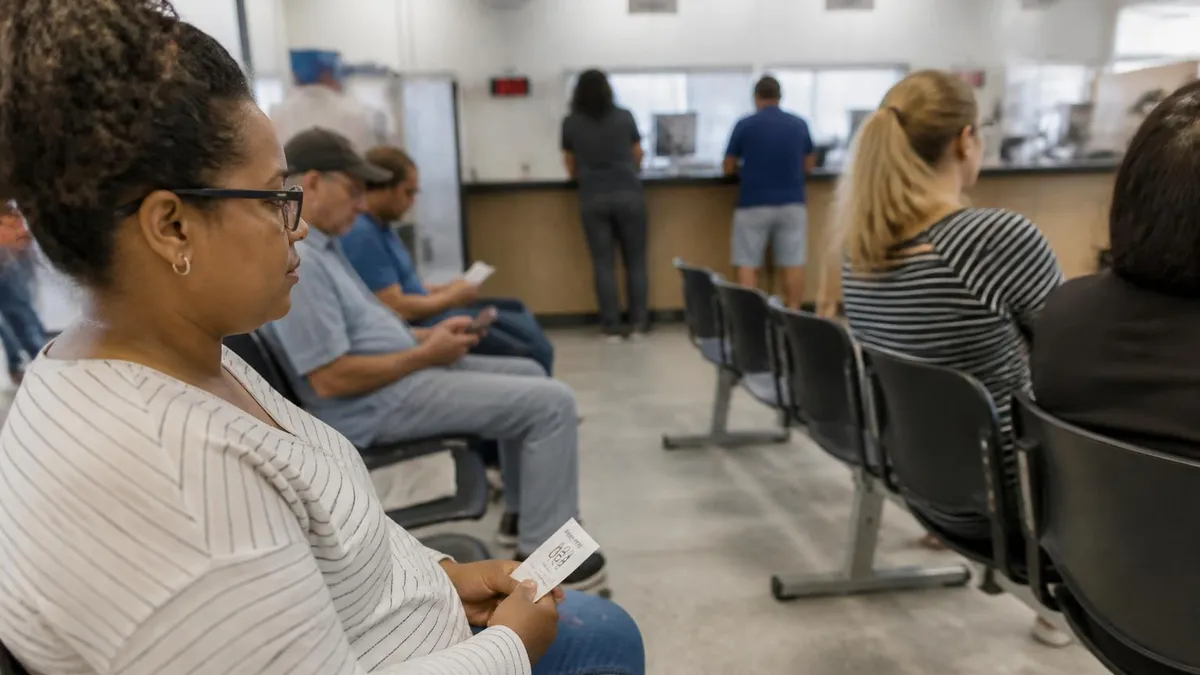
For specific test scheduling specifically, scheduling DMV written test through state DMV varies by state. Some states allow walk-ins. Other states require appointments. Online appointment systems common. Specific scheduling logistics vary. Each scheduling element affects test access. Quality scheduling planning reduces wait times — busy DMV offices can have substantial appointment availability delays particularly for popular times. The DMV appointment guide covers scheduling details.
For specific required documents specifically, DMV testing requires specific documents. Identification documents (varies by state). Proof of residency. Social Security card or number. Specific other documents per state. Each document required for testing eligibility. Quality document preparation through verifying state-specific requirements before DMV visit prevents wasted trips when documents inadequate for testing eligibility.
For specific permit duration specifically, learner permits valid for specific period (typically 6 months to 2 years depending on state). During permit period, permitted to drive with licensed adult supervisor. Specific supervised driving requirements vary. Permit progression to license after meeting specific requirements. Each permit period element supports learner driver development. Quality use of full permit period building skills substantially better than rushing to license test before adequate experience accumulated.
For specific behind-the-wheel test specifically, behind-the-wheel test follows passing written test typically. Demonstrates actual driving skill. Approximately 15-30 minutes of supervised driving. Specific maneuvers tested. Pass required for license. Each behind-the-wheel element evaluates practical driving capability. Quality preparation through supervised driving practice during permit period substantially better than minimal practice followed by behind-the-wheel test attempt.
For specific younger driver requirements specifically, drivers under 18 face additional requirements. Driver's education courses often required. Supervised driving hour requirements (often 30-50 hours including night driving). Specific graduated licensing restrictions. Each younger driver requirement supports safe entry to driving. Quality compliance with younger driver requirements supports both license eligibility and actual driving safety during high-risk first years of driving.
For specific vision requirements specifically, vision tests required at most DMVs. Specific vision standards vary by state. Glasses or contacts allowed for those needing them. Failed vision test requires correction before testing. Each vision requirement ensures basic safety. Quality vision verification before test through optometrist visit if any concerns prevents preventable test delays from vision issues identified at DMV.
For specific test anxiety specifically, test anxiety affects DMV test performance for some candidates. Familiarity with format reduces anxiety. Multiple practice tests build confidence. Adequate sleep and nutrition before test. Specific anxiety management techniques. Each anxiety reduction supports performance. Quality anxiety management can substantially improve scores by enabling actual knowledge demonstration rather than anxiety-affected reduced performance during DMV testing for candidates affected by testing anxiety despite adequate knowledge preparation.
For specific test environment specifically, DMV testing environment varies. Computer testing stations at most modern DMVs. Quiet testing area typically. Time limits per question or overall test. Specific testing environment supports concentration. Each environment element affects performance. Quality awareness of testing environment helps mental preparation for actual testing conditions reducing surprise from unfamiliar testing context potentially affecting performance during high-stakes DMV testing situations for first-time test takers.
DMV Written Test Quick Facts
Key Facts at a Glance
| Item | Value | Details |
|---|---|---|
| Typical question count range by state | 25-50 | |
| Typical passing score required | 80% | |
| Typical adequate preparation time | 1-2 weeks | |
| Typical question format | Multiple choice |
Common DMV Test Mistakes
Relying on practice tests alone without reading state handbook. Practice tests valuable but handbook is authoritative source. State-specific content best learned through official handbook reading.
Using other states' materials or generic DMV preparation. Each state has specific laws and test content. State-specific materials essential for accurate preparation.
Taking only one or two practice tests before scheduling actual test. Multiple practice tests until consistent passing scores substantially improve actual test performance.
Reading questions hastily and missing important qualifiers or details. DMV tests typically allow adequate time — careful reading better than rushing through producing avoidable errors.
DMV Written Test Considerations
- +Free preparation through official state handbook
- +Multiple choice format with clear correct answers
- +Reasonable preparation time (1-2 weeks typical)
- +Practice tests widely available online for free
- +Pass enables learner permit for behind-the-wheel practice
- −State-specific content requires state-specific preparation
- −Some states have substantial content volume
- −Failure delays driving privileges and requires retake fee
- −Some test content rarely encountered in actual driving
- −Visual sign recognition requires systematic study beyond reading
DMV Questions and Answers
About the Author
Licensed Driving Instructor & DMV Test Specialist
Penn State UniversityRobert J. Williams graduated from Penn State University with a degree in Transportation Management and has spent 20 years as a certified driving instructor and DMV examiner consultant. He has personally coached thousands of applicants through written knowledge tests, skills assessments, and commercial driver licensing programs across more than 30 states.
Join the Discussion
Connect with other students preparing for this exam. Share tips, ask questions, and get advice from people who have been there.
View discussion (9 replies)