
DMV Test Guide: Pass Your Written, Vision, and Driving Exams 2026 September
💡 Pass your DMV exam on the first attempt. Practice questions with detailed answer explanations, hints, and instant scoring.

Getting ready for your dmv test doesn't have to feel overwhelming. Whether you're a first-time driver or renewing after years on the road, the process is simpler than most people think — and the right preparation makes all the difference. Millions of Americans take some form of DMV exam every year, and the pass rates climb dramatically when you study with targeted materials beforehand. In fact, drivers who use structured study resources pass at nearly double the rate of those who walk in cold.
A solid dmv practice test is the single best tool you can use. Practice exams mirror the real thing: same question format, same topic distribution, same time pressure. They expose the gaps in your knowledge before test day so you can fix them instead of guessing. Many states now let you take a dmv test online through approved platforms, which means you can drill questions from your couch at midnight if that's what works for you.
Don't overlook the dmv vision test either. Every state requires some version of a screening — usually a Snellen chart — and failing it can delay your entire appointment. If you wear corrective lenses, bring them. Some offices offer the dmv eye test on a machine rather than a wall chart, but the standard is 20/40 in at least one eye. The rest of this guide breaks down every exam type, state-specific quirks, and the study strategies that actually move the needle.

The dmv vision test trips up more applicants than you'd expect. It's not a deep ophthalmology exam — just a quick screening — but if you haven't had your eyes checked recently, it can catch you off guard. Most DMV offices use a standard Snellen chart or an automated machine, and you need at least 20/40 acuity in one eye to pass. Some states, like California and Texas, require 20/40 in both eyes for an unrestricted license.
If you fail the dmv eye test, don't panic. You'll typically get a referral to an optometrist, and once you bring back a signed form showing corrected vision, you can finish your appointment. The restriction code on your license just means you need glasses or contacts while driving. Around 60% of American adults use some form of vision correction, so it's extremely common.
A few states have additional color-vision or peripheral-vision checks for commercial licenses. These aren't part of the standard passenger-vehicle screening, but they're worth knowing about if you're pursuing a CDL. The bottom line: schedule an eye exam before your DMV visit if it's been more than a year. It's a ten-minute appointment that can save you a wasted trip.
State requirements vary more than most people realize. A dmv eye test in Virginia, for example, follows slightly different protocols than one in Oregon. The virginia dmv practice test covers road signs, right-of-way rules, and pavement markings specific to the Commonwealth — topics that don't always appear on other states' exams. Virginia also requires a two-hour online driver-improvement course for first-time applicants under 19, something no neighboring state mandates.
You can take a dmv test online in many states now — at least the knowledge portion. Virginia, California, and several others offer remote proctored options or allow approved third-party platforms to administer practice versions. The convenience factor is huge: no waiting room, no appointment scheduling, just you and the questions. Real exam attempts still usually happen in person, but studying online gets you 90% of the way there.
Other states with unique quirks include New York (which requires a five-hour pre-licensing course) and Texas (which lets parent-taught driver education count toward your requirements). Knowing your state's specific rules before you walk in saves time and prevents the frustration of being turned away for missing paperwork. A quick visit to your state's DMV website — or a targeted practice test — can reveal these requirements in minutes. Don't assume that what worked in one state applies in another, because the differences are real and they matter on test day.
DMV Test Types Explained
The written knowledge test covers traffic laws, road signs, and safe-driving practices. Most states pull from a bank of 100–300 questions, and you'll see 25–50 on your actual exam. Topics include speed limits, right-of-way rules, DUI laws, and pavement markings. Study your state's driver handbook — it's the single best resource.
The california dmv practice test is one of the most searched study tools in the country — and for good reason. California's written exam includes 46 questions (36 on traffic laws, 10 on road signs), and you need at least 38 correct to pass. That's an 83% threshold, slightly above the national average. The state handbook runs over 100 pages, so targeted practice tests help you zero in on what actually shows up.
Your dmv driving test is a separate appointment from the written exam in most states. California schedules them weeks apart, which gives you time to log supervised driving hours. The behind-the-wheel portion lasts about 20 minutes and covers basic maneuvers: lane changes, turns, speed control, and observation habits. Examiners use a standardized scoring sheet, and you're allowed up to 15 critical errors before failing.
Other high-population states follow similar structures. Texas uses a 30-question format with an 80% pass rate requirement. Florida's exam has 50 questions — 20 on road signs and 20 on traffic laws — plus a separate vision screening. Georgia, Illinois, and Ohio each have their own question counts and passing thresholds, but the core material overlaps heavily. Regardless of your state, the strategy is the same: read the handbook, take practice tests until you're consistently scoring above 90%, then book your appointment. Don't wait until you feel ready — schedule the exam and let the deadline motivate your study sessions.
If you're prepping for dmv written test practice, repetition is your best friend. The questions on your actual exam are drawn from a larger bank, and the more times you cycle through practice sets, the more of that bank you'll see. Most successful test-takers complete at least five full-length practice exams before sitting for the real thing. That's not overkill — it's the sweet spot where recall becomes automatic.
The dmv new york road test has its own reputation. New York requires a five-hour pre-licensing course before you can even schedule the behind-the-wheel exam, and the road test itself happens in real traffic — no closed courses. You'll drive through intersections, make turns across traffic, and parallel park on an actual street. The virginia dmv practice test follows a similar real-world format, though Virginia uses a different scoring rubric.
One underrated strategy: take your practice tests under timed conditions. The real written exam gives you a set window (usually 25–30 minutes), and practicing under that pressure helps you manage pacing. Don't just study until you know the answers — study until you can recall them quickly and confidently under a clock.
Online vs. In-Person DMV Test Prep
- +Practice anytime from your phone or laptop — no scheduling needed
- +Instant score feedback shows exactly which topics to review
- +Most online platforms are free and cover all 50 states
- +Timed mode simulates real exam pressure accurately
- +Track your progress across multiple attempts with score history
- +Access hundreds of questions beyond the official handbook
- −Screen fatigue can reduce focus during long study sessions
- −Some free sites use outdated or inaccurate question banks
- −No substitute for reading your state's official driver handbook
- −Online practice can't simulate the road test portion
- −Easy to rush through questions without truly learning the material
- −Wi-Fi or connectivity issues may interrupt timed practice
Your dmv permit test is the gateway to supervised driving in every state. Pass it, and you get a learner's permit that lets you practice behind the wheel with a licensed adult in the passenger seat. Fail it, and you're looking at a waiting period — usually a week or two — before you can try again. The dmv written test covers the same material whether you're 16 or 60, though some states offer simplified versions for renewals.
The format is straightforward in most places. You'll answer multiple-choice questions pulled from your state's driver handbook. California gives you 46 questions, New York gives you 20, Texas gives you 30. The passing threshold ranges from 70% to 83% depending on your state. What trips people up isn't the difficulty — it's the specificity. Questions about exact following distances, precise BAC limits, and obscure sign meanings are where most wrong answers pile up.
Here's what most study guides won't tell you: the questions that appear most often aren't the hard ones. They're the foundational rules — right-of-way at four-way stops, meaning of yellow traffic lights, when to use headlights. Master those basics first, then tackle the edge cases. You'll pass faster and retain more. Many applicants spend too much time memorizing obscure rules while ignoring the bread-and-butter questions that make up 70% of every state's exam.
DMV Test Day Checklist
- ✓Read your state's driver handbook cover to cover — at least once
- ✓Complete at least 5 full-length practice tests with 90%+ scores
- ✓Bring valid photo ID and proof of residency
- ✓Bring proof of insurance and vehicle registration (for road tests)
- ✓Wear corrective lenses if your prescription requires them
- ✓Arrive 15 minutes early to handle paperwork
- ✓Bring payment for testing and license fees
- ✓Review road sign shapes and colors the night before
- ✓Get a full night's sleep — fatigue kills focus
- ✓Eat a light meal before your appointment to stay sharp
The dmv practice permit test is especially valuable for teens and their parents. Most states require applicants under 18 to log a certain number of supervised driving hours before taking the road test — typically 50 hours, with 10 at night. A practice permit test helps verify that a teen actually understands the rules before they start accumulating those hours. It's a safety checkpoint built into the graduated licensing system.
There's also the question of the dmv test for seniors over 70. Several states require periodic knowledge or vision retests for older drivers. California, for instance, doesn't allow online renewal after age 70 — you must visit a DMV office in person and pass a vision screening. Illinois requires a written test for drivers over 75. These policies are designed to catch age-related changes in reaction time and visual acuity, not to punish experienced drivers.
If you're helping an older family member prepare, a dmv test online practice session is a low-pressure way to refresh their knowledge. The rules haven't changed drastically, but sign designs and road-marking conventions have evolved. A quick practice run highlights what's different without the stress of a formal testing environment. You can sit together, work through questions one at a time, and discuss the reasoning behind each answer — turning test prep into a conversation rather than an ordeal.
Searching for a dmv practice test california? You're not alone — California has more licensed drivers than any other state, and its exam is notoriously detail-heavy. The 46-question format means you need to know more material than a 20-question state like New York. Focus on California-specific rules: U-turn restrictions, carpool lane regulations, and the state's unique cell phone laws for drivers under 18.
Whether you're looking for a 2026 or just want to confirm that your study materials are current, check the publication date on your state's handbook. Most states update their handbooks annually to reflect new laws — things like hands-free device requirements, e-scooter regulations, and updated speed limits near schools. Using outdated materials is one of the most common mistakes test-takers make.
The good news: once you pass, you're done for years. Most states issue licenses valid for 4–8 years, and renewal is usually a simple online process unless you need a vision retest. Put in the effort now, pass on your first attempt, and you won't think about the DMV again for half a decade. That's a solid return on a couple of weeks of focused study — less time than most people spend choosing a new phone.
Some websites sell "guaranteed pass" question dumps claiming to contain the exact questions from your state's exam. These are almost always outdated or fabricated. DMV question banks rotate regularly, and memorizing specific answers without understanding the underlying rules will backfire on test day. Stick to official handbooks and reputable practice platforms.
Taking a dmv test practice session seriously means treating it like the real exam. Set a timer, sit in a quiet room, put your phone on silent, and work through the questions without peeking at answers. That last part matters — checking answers mid-test gives you a false sense of readiness. You need to experience the discomfort of uncertainty so you know exactly which topics to revisit.
The ca dmv practice test mirrors California's actual exam format closely. You'll see questions on traffic laws, road signs, and situational judgment — like what to do when an emergency vehicle approaches from behind or how to handle a tire blowout at highway speed. These scenario-based questions are where practice tests really shine, because they force you to apply rules rather than just recall them.
One more thing worth mentioning: don't cram the night before. Spaced repetition — studying a little every day over one to two weeks — beats a marathon session every time. Your brain consolidates information during sleep, so shorter sessions followed by rest outperform longer sessions followed by anxiety. Start studying at least a week before your appointment, and you'll walk in feeling genuinely prepared. The drivers who pass on their first attempt almost always describe the same thing: the real test felt easier than their practice sessions, because they'd already seen harder questions at home.
DMV Practice Test Questions
Prepare for the DMV - Department of Motor Vehicles exam with our free practice test modules. Each quiz covers key topics to help you pass on your first try.
DMV Alabama Permit Test
DMV Exam Questions covering Alabama Permit Test. Master DMV Test concepts for certification prep.
DMV Alaska Permit Test
Free DMV Practice Test featuring Alaska Permit Test. Improve your DMV Exam score with mock test prep.
DMV Alaska Roads & Signs Test
DMV Mock Exam on Alaska Roads & Signs Test. DMV Study Guide questions to pass on your first try.
DMV Alaska Written Test
DMV Test Prep for Alaska Written Test. Practice DMV Quiz questions and boost your score.
DMV Arizona Roads & Signs Test
DMV Questions and Answers on Arizona Roads & Signs Test. Free DMV practice for exam readiness.
DMV California Drug and Alcohol Test
DMV Mock Test covering California Drug and Alcohol Test. Online DMV Test practice with instant feedback.
DMV General Drug and Alcohol Test
Free DMV Quiz on General Drug and Alcohol Test. DMV Exam prep questions with detailed explanations.
DMV Permit Test
DMV Practice Questions for Permit Test. Build confidence for your DMV certification exam.
DMV Practice Test
DMV Test Online for Practice Test. Free practice with instant results and feedback.
Common dmv test questions fall into predictable categories. You'll almost certainly see questions about four-way stop procedures, the meaning of flashing yellow and red lights, proper following distances, and when to yield to pedestrians. These aren't trick questions — they're testing whether you've internalized the basics. The trick is that the wording can be deceptively similar across answer choices, so read carefully before selecting.
If you're preparing for the ny dmv learners permit test, know that New York's format is shorter but not easier. You'll face 20 multiple-choice questions and need at least 14 correct — plus you must get at least 2 of the 4 traffic-sign questions right. New York also requires that five-hour pre-licensing course, which covers topics like alcohol awareness and defensive driving. It's a classroom session, not an online module, unless you qualify for an approved virtual option.
Across all states, the pattern holds: read the handbook, take practice tests, review your mistakes, repeat. There's no shortcut, but there's also no mystery. The DMV isn't trying to fail you. They're testing whether you know enough to be safe on the road. Prove that you do, and you'll have your license in hand before lunch. Remember that every question on the exam traces back to a specific page in the handbook — if you can find the source for each wrong answer, you'll never miss it again.
DMV Questions and Answers
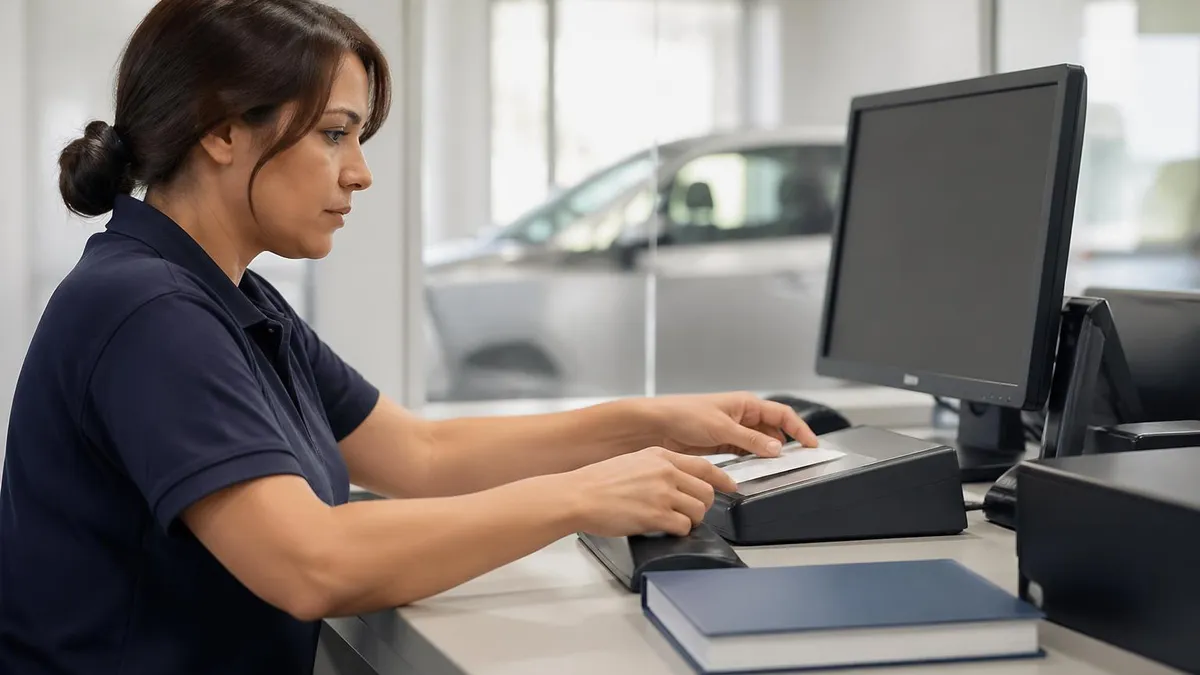
DMV Permit Test: Study Tips, Practice Questions, and State Requirements
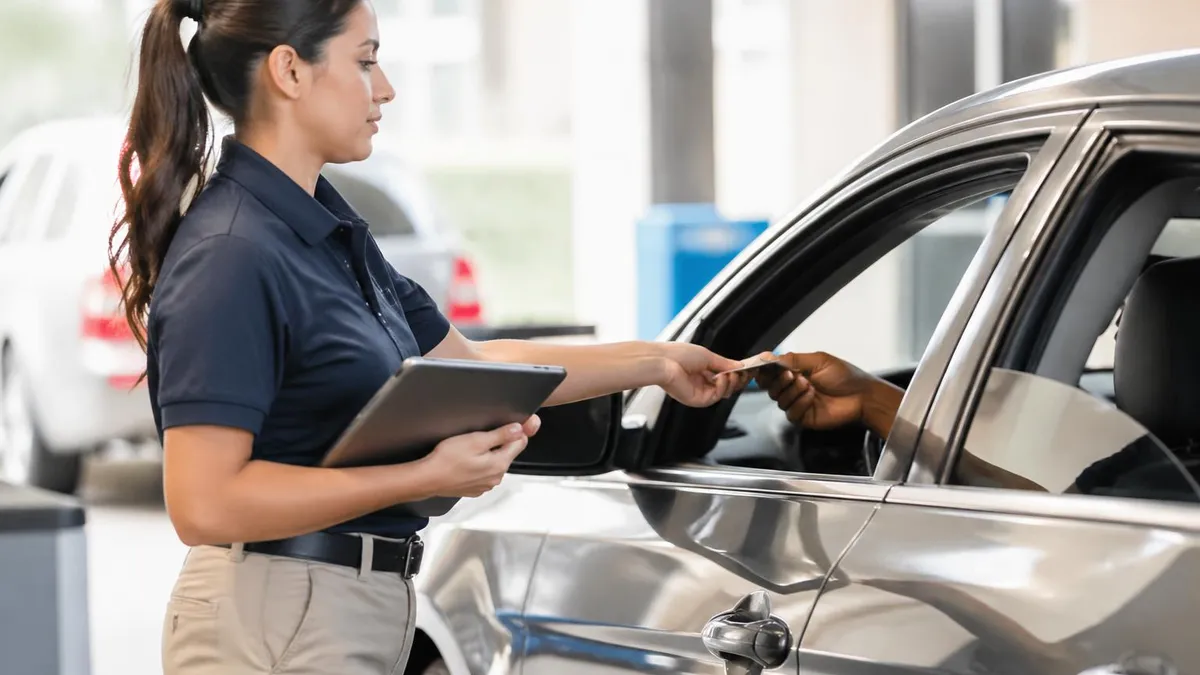
Guide Signs, CDL Study Guide & DMV Complete Guide for 2026
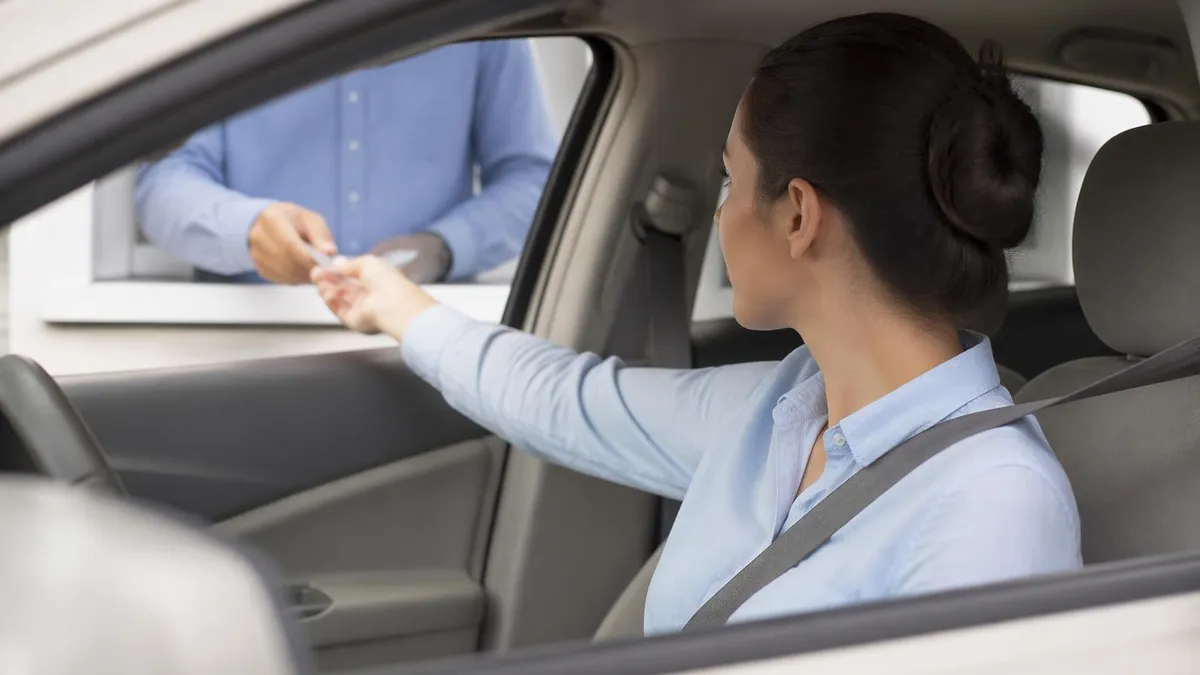
Driver Training Programs: Find Schools Near You and Free CDL Options

DMV Appointment Guide: How to Schedule Your Visit in Every State
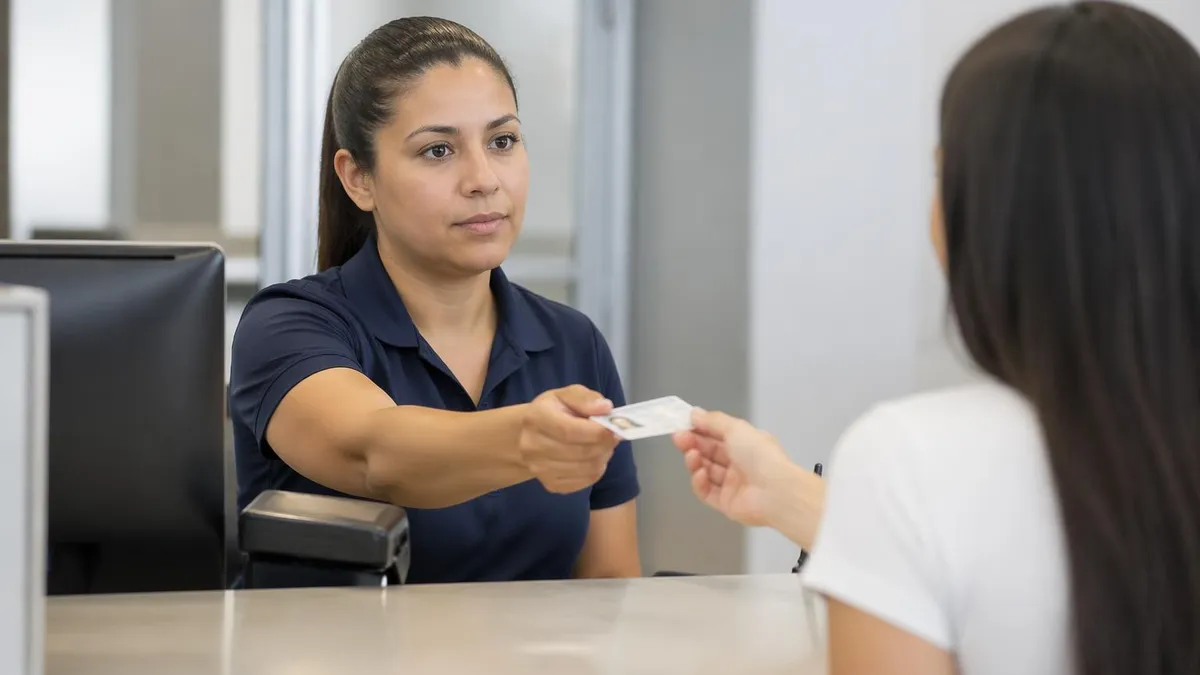
DMV Forms and Services: Everything You Need for Vehicle Registration
About the Author
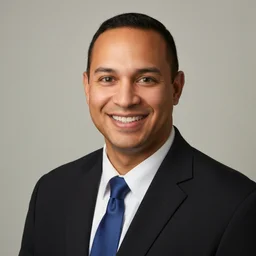
Licensed Driving Instructor & DMV Test Specialist
Penn State UniversityRobert J. Williams graduated from Penn State University with a degree in Transportation Management and has spent 20 years as a certified driving instructor and DMV examiner consultant. He has personally coached thousands of applicants through written knowledge tests, skills assessments, and commercial driver licensing programs across more than 30 states.
Join the Discussion
Connect with other students preparing for this exam. Share tips, ask questions, and get advice from people who have been there.
View discussion (9 replies)