
Colorado DMV Walk-In Locations: How to Talk to a DMV Customer Service Representative
Need a DMV customer service representative? ✅ Find Colorado DMV walk-in locations, contact tips, and how to speak to a rep in NY and beyond.
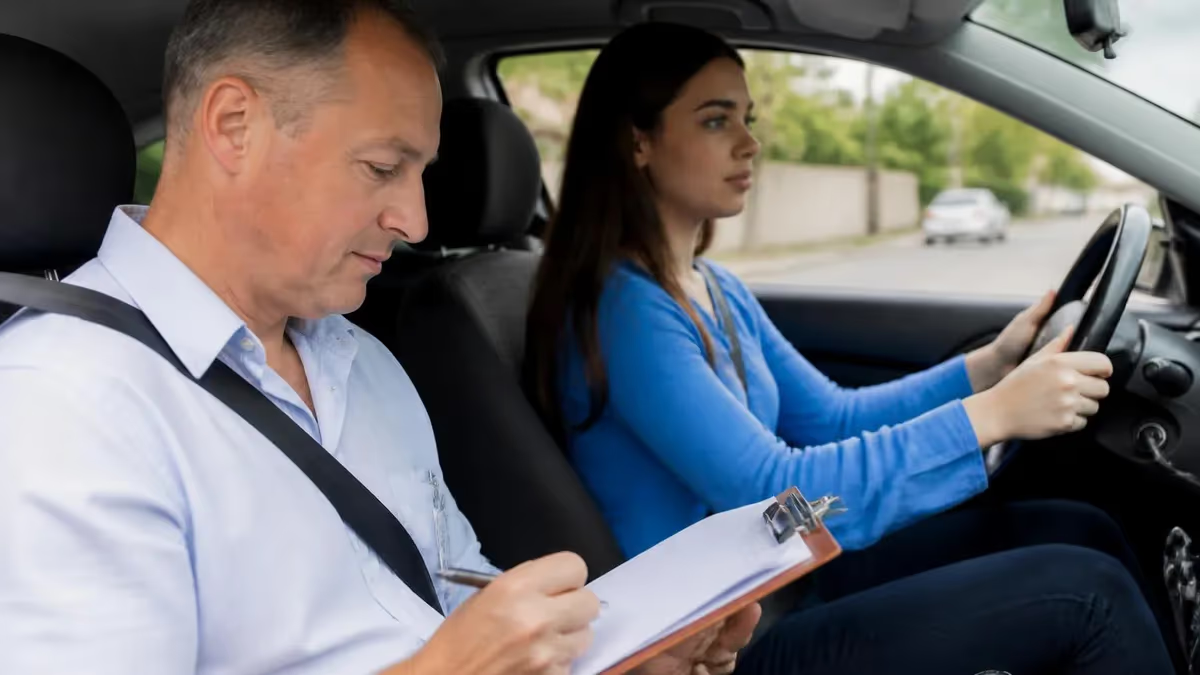
Finding the right colorado dmv walk in locations can save you hours of frustration, whether you need to register a vehicle, renew a license, or resolve a title dispute. A dmv customer service representative is your primary point of contact for almost every transaction the Department of Motor Vehicles handles, from answering questions about documentation requirements to processing real-time updates on your driving record. Knowing where to go — and when — is the first step toward a smooth DMV experience. You can also check our guide on dmv walk in procedures to understand what to expect before you arrive.
The Colorado DMV operates dozens of driver license offices and motor vehicle offices across the state, and not all of them offer the same services. Some locations handle only driver licensing, while others process vehicle titles, registrations, and commercial driver permits. Before you plan a trip, you need to confirm that your chosen branch offers the specific service you require. Driving across town only to discover that your closest office does not handle title transfers wastes your entire afternoon and leaves your errand unfinished.
Walk-in availability varies significantly by county and time of year. Urban offices in Denver, Aurora, and Colorado Springs typically see the heaviest foot traffic, meaning wait times can stretch to two hours or more during peak periods — often the first week of the month, lunch hours on Fridays, and the days immediately following federal holidays. Rural and suburban offices in places like Pueblo, Fort Collins, and Grand Junction tend to move faster, though they may operate on reduced hours or close early on certain days of the week.
Colorado has been steadily expanding its online and appointment-based service options over the past several years, but walk-in service remains essential for transactions that require original documents, biometric collection (such as photos for REAL ID), or in-person verification of identity. If your situation falls into any of these categories, you will need to physically visit a DMV office and interact with a customer service representative face to face. Understanding how the appointment and walk-in queues work together can dramatically reduce your wait time.
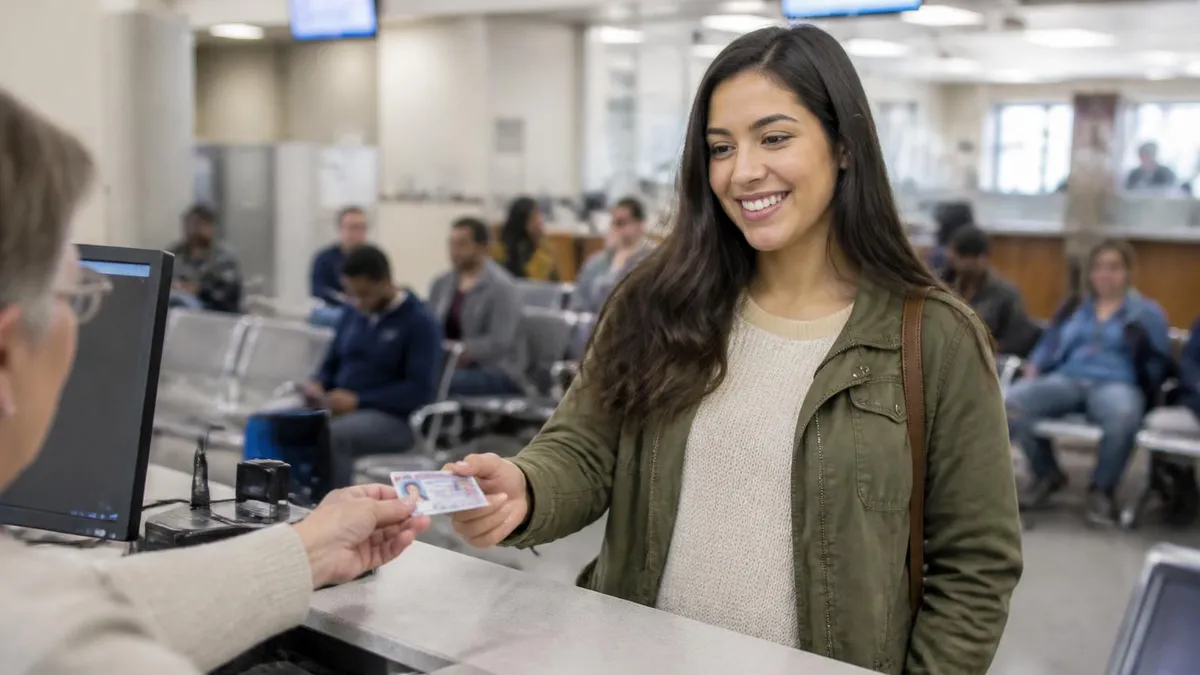
A DMV representative working at a walk-in counter handles an enormous variety of tasks each day. They verify identity documents, check vehicle history through state databases, collect fees, issue temporary permits, and answer questions about state-specific regulations that are not always clearly explained online. These professionals go through structured training programs and, in many states, must pass a standardized certification exam before they can work independently at a public-facing window. Their knowledge base spans consumer protection laws, vehicle safety standards, and fraud prevention protocols.
Whether you are visiting a Colorado office for the first time or trying to figure out how to navigate the DMV system in another state entirely, the fundamentals are the same: arrive prepared, bring the right documents, understand the queue system, and know which representative can help with your specific need. The sections below break down everything you need to know about walk-in DMV service, how to reach a representative by phone or online, and what to expect when you sit down at the counter.
This article also addresses one of the most common searches people make: how do i speak to a dmv representative in ny, which has its own appointment-heavy system quite different from Colorado's walk-in model. We cover state-by-state differences so you can navigate confidently no matter where you live or where your vehicle is registered.
Colorado DMV Walk-In Service by the Numbers
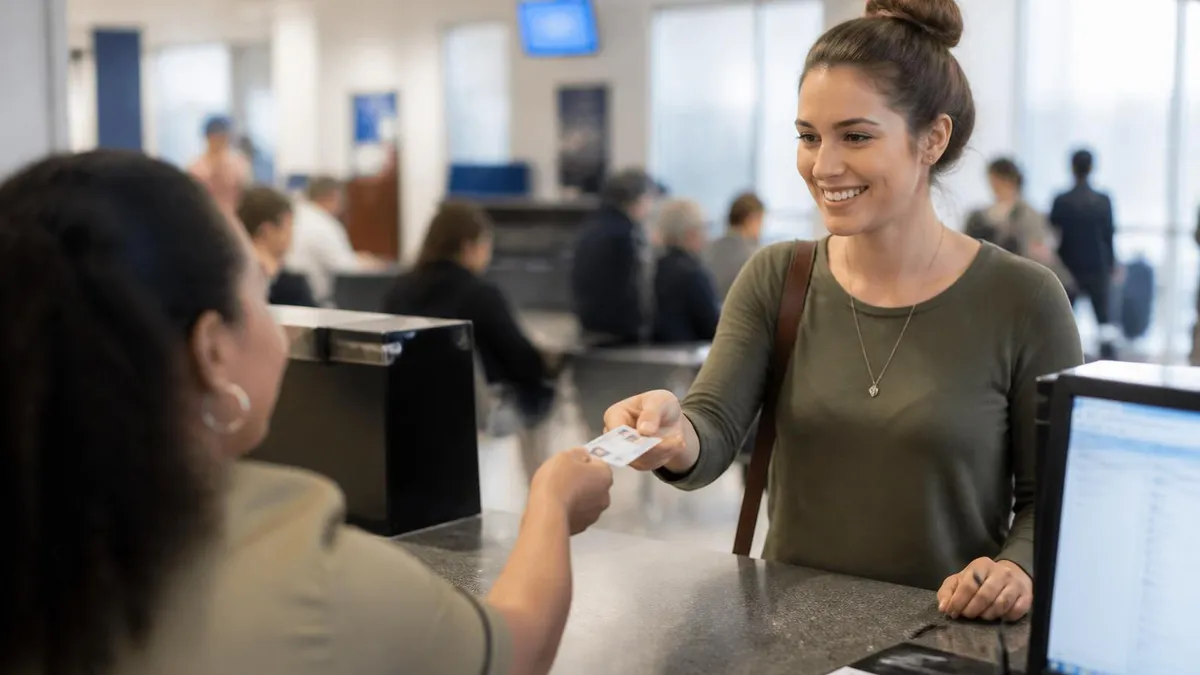
How to Navigate a Colorado DMV Walk-In Visit
Locate the Right Office
Check Hours and Wait Times
Gather Required Documents
Take a Number and Wait
Meet With Your DMV Representative
Complete Payment and Collect Documents
A dmv customer service representative is far more than a window clerk — they are a trained government professional responsible for verifying identity, preventing fraud, enforcing state motor vehicle law, and serving as the public face of the Department of Motor Vehicles. In Colorado and most other states, representatives complete weeks of classroom and on-the-job training before handling transactions independently. They must learn a complex matrix of rules governing everything from out-of-state title transfers to the specific requirements for commercial driver's license endorsements.
The scope of a DMV representative's responsibilities extends well beyond handing out forms. When a customer arrives with a salvage title from another state, the representative must cross-reference that state's regulations with Colorado's equivalent standards and determine whether additional inspection or bonding is required. When someone presents documents that appear inconsistent — such as a name on a Social Security card that does not perfectly match the name on a birth certificate — the representative must follow a written protocol for identity discrepancy resolution without making unauthorized assumptions or creating barriers to lawful service.
Consumer protection is a major component of the representative's daily work. Colorado law requires DMV staff to inform customers of their rights when disputing a fee, to provide written documentation of any denial, and to escalate unresolved complaints to a supervisor or the DMV's consumer relations office within a defined timeframe. Representatives who work in vehicle registration also need to flag potential odometer fraud, VIN discrepancies, and lien holder irregularities — all of which require immediate escalation and documentation in the state's vehicle database.
Vehicle inspections and safety standards represent another area where DMV representatives play a critical gatekeeping role. While sworn law enforcement officers and certified inspection stations conduct most physical inspections, the DMV representative at the counter is responsible for reviewing inspection certificates, verifying their authenticity, and ensuring that vehicles with open safety recalls are flagged before new registrations or title transfers are finalized. In some states, representatives are authorized to place administrative holds on vehicles that have failed mandatory emissions tests.
Representatives who work in specialty units — such as the commercial driver license (CDL) division or the dealer licensing bureau — develop even deeper expertise over time. A CDL unit representative, for example, must understand federal Motor Carrier Safety Administration (FMCSA) regulations, medical certification requirements for commercial drivers, and the complex federal/state interplay that governs hazardous materials endorsements. These specialists often serve as the primary resource for trucking companies, bus operators, and school districts that need to manage large fleets of commercially licensed drivers.
Career advancement for DMV representatives typically follows a structured path from entry-level customer service agent to senior representative, lead representative, and eventually supervisory or administrative roles. Salary ranges vary by state and county, but in Colorado, entry-level representatives earn approximately $38,000–$45,000 annually, with senior representatives and supervisors reaching $55,000–$70,000 or more. Benefits packages in Colorado's state employment system are consistently rated among the best available to public-sector workers, including pension contributions, comprehensive health insurance, and generous leave accrual policies.
Preparing for the DMV representative certification exam is a serious undertaking. The standardized test covers consumer protection statutes, vehicle inspection procedures, fraud detection, administrative law, and customer service best practices. Practice tests that mirror the exam format are one of the most effective preparation tools available, and using them regularly helps candidates identify knowledge gaps weeks before they sit for the actual assessment.
How to Speak to a DMV Representative: State-by-State Guide
If you are wondering how do i speak to a dmv representative in ny, the answer depends heavily on your transaction type. New York's DMV operates a centralized contact center reachable at (518) 473-5595, but hold times can exceed 45 minutes during peak periods. For in-person service, NY DMV offices in New York City and other major urban areas are strictly appointment-based — walk-in service is limited to a small number of same-day slots released each morning via the online scheduler.
Upstate New York offices in counties like Erie, Monroe, and Albany tend to have shorter wait times and occasionally accept walk-ins without prior appointments. NY DMV also offers a robust online transaction system that handles renewals, address changes, driving record requests, and registration stickers without any need to contact a representative at all. Before calling or visiting, check the NY DMV website to confirm whether your specific task can be completed entirely online, saving you significant time.

Walk-In vs. Appointment: Which Is Better for Your DMV Visit?
- +No advance planning required — show up on your own schedule
- +Ideal for simple, fast transactions like paying a registration fee or picking up a form
- +Same-day resolution for urgent situations such as an expired license discovered the morning of travel
- +No risk of missing a scheduled appointment due to unexpected changes in your day
- +Allows you to speak immediately with a representative about a complex or unusual situation
- +Walk-in availability lets you choose the least-busy office location on any given day
- −Wait times can exceed 90 minutes at urban Colorado DMV offices during peak periods
- −No guaranteed service — if the office closes while you are in queue, you must return another day
- −Difficult to plan around for complex transactions requiring multiple document reviews
- −Higher stress environment compared to arriving with a confirmed appointment time
- −Walk-in queues may be suspended entirely on high-volume days such as the day before a registration deadline
- −Fewer services available at walk-in windows compared to full-service appointment slots in some locations
DMV Walk-In Preparation Checklist: What to Bring and Do
- ✓Verify that your chosen DMV office offers the specific service you need before leaving home.
- ✓Download and complete any required forms from the official state DMV website to save counter time.
- ✓Bring your current driver's license or state ID even if it is expired — representatives need to view it.
- ✓Pack two separate proofs of Colorado residency issued within the past 90 days.
- ✓Carry your original Social Security card or an official SSA verification letter.
- ✓Bring a certified check, money order, or debit/credit card — many DMV offices no longer accept personal checks.
- ✓Take a photo of all documents before leaving home so you have digital copies if originals are questioned.
- ✓Arrive at least 30 minutes before the office opens if you anticipate a high-demand day.
- ✓Use the DMV's online wait time estimator or virtual queue app if available in your county.
- ✓Write down your specific questions in advance so you do not forget anything once you are at the counter.
Wednesday Morning Is the Fastest Time to Walk In
Colorado DMV offices consistently report their shortest walk-in queues on Wednesday mornings between 8:00 AM and 10:30 AM. Tuesdays are the second-best option. Avoid the last three business days of any month — vehicle registration deadline traffic spikes wait times by 40–60% compared to mid-month averages. If your transaction is flexible, scheduling around these patterns can cut your total office time from 90 minutes to under 30.
Effective preparation before your DMV walk-in visit can transform a potentially stressful two-hour ordeal into a quick, efficient transaction. The most common reason customers leave a DMV office without completing their transaction is missing documentation — not long wait times. Representatives are legally prohibited from completing certain transactions without specific original documents, no matter how compelling your explanation may be. Understanding exactly what you need before you arrive is therefore the single most impactful thing you can do to guarantee same-day success.
Colorado's vehicle registration process illustrates this point clearly. To register a newly purchased vehicle, you need the signed title from the seller, a completed emission test certificate (if your county requires it), proof of valid Colorado auto insurance, and a completed DR 2698 title application form. If the vehicle has an out-of-state title, the requirements expand further: you may need a VIN inspection completed by a law enforcement officer or certified VIN inspector, the original out-of-state title with all assignments properly completed, and documentation showing any active liens have been released or will be honored by a Colorado lienholder.
For driver's license transactions, Colorado's REAL ID requirements add another layer of documentation complexity. To obtain a REAL ID-compliant license or ID, you must present: one proof of legal presence (U.S. passport, birth certificate, or permanent resident card), one proof of Social Security number, and two proofs of Colorado residency. All documents must be originals — photocopies, even notarized ones, are not accepted for REAL ID purposes. The representative will scan each document into the state system and return the originals to you immediately after verification.
Understanding the difference between driver license offices and motor vehicle offices in Colorado is critical for planning your visit correctly. Driver license offices handle license issuance, renewals, REAL ID applications, driving record requests, and DUI reinstatement procedures. Motor vehicle offices — operated at the county level, not by the state — handle vehicle registration, title transfers, license plate issuance, and related transactions. These are separate offices in many counties and may be located in entirely different buildings. Confusing the two is one of the most common reasons people waste a trip.
Colorado also operates self-service kiosks at select locations and third-party DMV partners (such as auto dealerships and certain insurance offices) that can handle limited transactions on behalf of the state. These alternative service points are ideal for straightforward renewals where no documentation changes are needed. However, for any transaction involving identity verification, new documentation, a name change, or a first-time application, you must visit a staffed DMV counter and work directly with a customer service representative who has the authority and database access to complete the transaction.
Customers who experience long wait times or service disputes have formal escalation pathways available to them. Every Colorado DMV office posts contact information for the regional manager and the central consumer affairs office. If a representative denies your request and you believe the denial is incorrect, you have the right to request a written explanation and to submit a formal administrative review. The review process is straightforward but does take time — typically 15–30 business days — so it is not a solution for urgent matters, but it is an important protection against arbitrary or inconsistent application of DMV rules.
For commercial license applicants and fleet operators, Colorado DMV also offers dedicated business service lines and specialty windows at select offices. Calling ahead to identify whether your nearest office has a commercial services specialist on duty can save significant time. These specialists handle DOT number applications, IFTA fuel tax permits, apportioned plate registrations, and commercial driver medical certification — transactions that a standard walk-in counter representative may not be fully equipped to process without supervisor assistance.
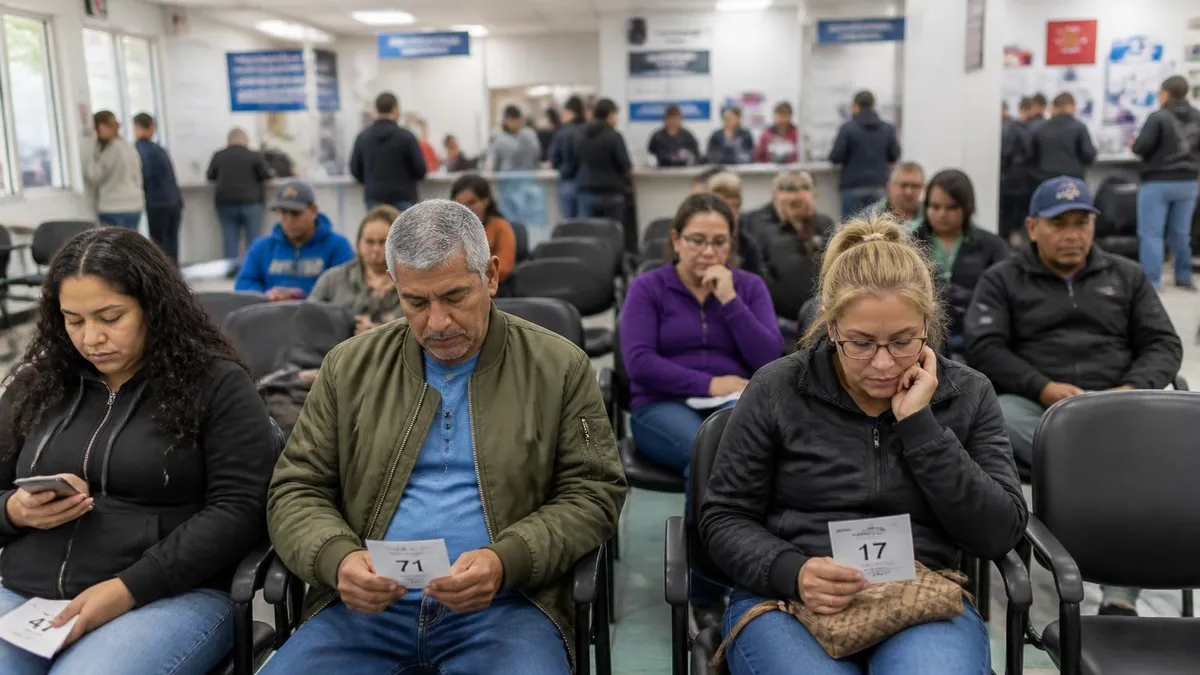
As of May 7, 2025, the federal REAL ID Act is fully enforced for domestic air travel and access to federal facilities. If your Colorado driver's license does not display a gold star in the upper corner, you will need a passport or other TSA-accepted document to board domestic flights. Visit a Colorado driver license office with your REAL ID documentation package before your next travel date — walk-in service for REAL ID is available but may require longer wait times due to the document verification process.
If you are studying to become a dmv customer service representative, understanding the exam content and structure is the foundation of effective preparation. The DMV representative certification exam typically covers four broad domains: consumer protection and dispute resolution, vehicle inspections and safety standards, administrative procedures and records management, and customer service best practices. Each domain tests a different aspect of the knowledge base you will use daily at the counter, and weaknesses in any area can cost you passing marks even if your overall knowledge is strong.
Consumer protection and dispute resolution is consistently one of the most heavily weighted domains on DMV representative exams nationwide. You need to know the specific rights customers have when a transaction is denied, the documentation required for a formal administrative appeal, the timeframes within which the DMV must respond to complaints, and the federal and state laws that govern privacy of motor vehicle records. The Driver's Privacy Protection Act (DPPA) is particularly important — violations can result in criminal penalties, and representatives are expected to know its requirements thoroughly before their first day at a public window.
Vehicle inspections and safety standards represent the second major knowledge domain. Representatives learn to read and verify inspection certificates from authorized inspection stations, identify vehicles subject to mandatory safety recalls using the National Highway Traffic Safety Administration (NHTSA) database, and recognize common forms of odometer fraud or title washing. While representatives do not conduct physical inspections themselves, they serve as the last administrative checkpoint before a vehicle receives official state approval — a responsibility that carries real public safety implications.
Exam preparation materials should closely mirror the format of the actual test. Official state study guides, when available, are your primary resource. Supplement these with practice tests that use realistic multiple-choice questions across all four knowledge domains. Time yourself as you work through practice questions, since the actual exam is timed and unfamiliarity with exam pacing causes many otherwise-prepared candidates to run short on time near the end. Aim to complete practice tests in 80% of the allotted time so you have a comfortable buffer on exam day.
Study groups and peer review sessions are underutilized but highly effective preparation strategies. Working through difficult questions with other candidates forces you to articulate your reasoning out loud, which reveals gaps in understanding that silent reading often misses. If your state offers a pre-exam orientation session or a candidate handbook, treat both as required reading — they often contain explicit information about which topics carry the most weight and what format to expect for particularly complex question types.
Field experience, even informal, is one of the best supplements to book study. If you know someone who works at a DMV office, ask if you can shadow them for a day to observe real customer interactions.
Alternatively, visiting a DMV as a customer and paying close attention to how the representative handles different transaction types — the questions they ask, the databases they access, the forms they generate — provides practical context that no textbook can fully replicate. This observational approach is especially valuable for understanding the pace, tone, and judgment calls that define the role in practice rather than in theory.
Once you have passed your exam and begun working as a DMV representative, continuing education keeps your skills current. State motor vehicle laws change regularly, and representatives are expected to apply updated rules from the effective date of new legislation — not after a lengthy retraining period. Subscribe to your state DMV's internal communications, attend any offered professional development sessions, and build a habit of reviewing updates to the state vehicle code at least quarterly.
The representatives who advance most quickly in their careers are consistently those who treat ongoing learning as a professional standard rather than an occasional obligation. For additional exam practice resources, explore the dedicated practice tests linked throughout this article to sharpen your knowledge before test day.
Walking into a DMV office with confidence comes from preparation — knowing what to bring, who you will speak with, and what rights you have if something goes wrong. Whether you are a Colorado resident navigating a title transfer or a future dmv representative studying for your certification exam, the underlying principle is the same: knowledge reduces friction. Every minute you spend preparing before your visit or before your exam is a minute you will not spend waiting, guessing, or repeating a failed attempt.
For Colorado residents, the state's DMV website at dmv.colorado.gov remains the most reliable source of current fee schedules, document requirements, and office hours. Information on third-party websites — including general articles like this one — should always be verified against the official source, since fees and requirements change with legislation and are updated with varying degrees of speed across the web. When in doubt, call the Colorado DMV customer service line at (303) 205-5600 and speak directly with a representative who can give you real-time accurate information for your specific situation.
Customers who face repeated difficulty reaching a live representative by phone should consider using the Colorado DMV's online chat feature during business hours, which connects you with a representative for text-based assistance without any hold time. The chat function handles most informational inquiries instantly and can generate official confirmation emails that you can save and reference during your office visit. This is particularly useful for customers preparing complex transactions such as estate vehicle transfers, lien releases, or bonded title applications.
For out-of-state drivers who have recently moved to Colorado, the state gives you 30 days from establishing residency to obtain a Colorado driver's license and 90 days to register your vehicle. These deadlines are enforced by law enforcement and can result in citations if missed — don't assume your previous state's license gives you indefinite grace. The clock starts on your first day of Colorado residency, which is legally defined as the day you establish a primary dwelling place in the state, not the day you formally change your address on official documents.
Commercial drivers and holders of specialty endorsements — such as hazardous materials, passenger, or school bus — face additional requirements when transferring their licenses to Colorado. Federal regulations require that certain medical certifications and endorsement tests be completed before a new state license is issued, and Colorado CDL specialists at designated offices can walk you through the exact requirements based on your current endorsement profile. Attempting to handle a CDL transfer at a standard walk-in counter rather than a CDL-designated office is a common mistake that results in unnecessary delays and return trips.
The DMV representative exam itself tests candidates on the very scenarios described throughout this article — the knowledge needed to handle complex title situations, consumer complaints, inspection certificate anomalies, and commercial licensing edge cases. Excelling on this exam requires not just memorization of rules but a genuine understanding of why those rules exist and how they protect both the state's interests and the public's right to fair, consistent treatment. The best candidates approach their preparation the same way they will approach their career: with curiosity, thoroughness, and a commitment to getting the details right.
Ultimately, the DMV's reputation — for better or worse — is built almost entirely by the interactions customers have with the people behind the counter. A knowledgeable, professional representative who explains requirements clearly, resolves disputes fairly, and treats every customer with respect can transform a dreaded government errand into a genuinely positive experience. That standard of service is worth preparing for, whether you are the customer planning your next visit or the candidate preparing to join the team serving Colorado's 5.8 million residents.
DMV Questions and Answers

DMV Customer Service Representative: Complete Career Guide & Permit Test Practice
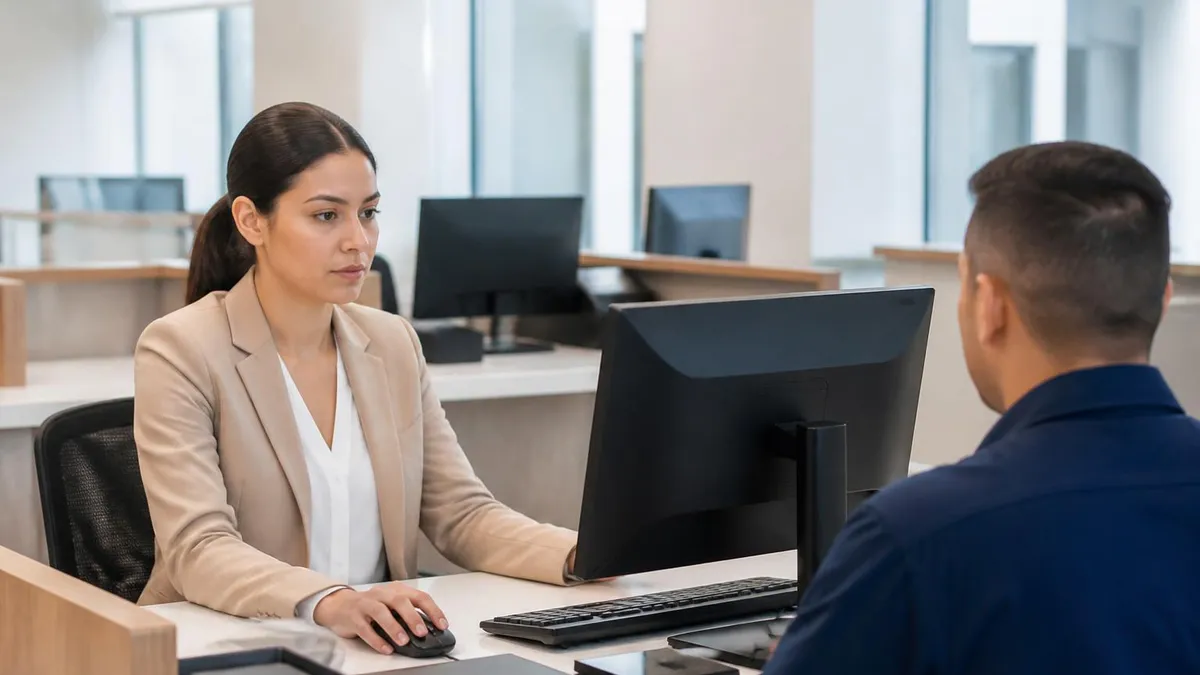
DMV Drivers License: Application, Tests, REAL ID and Renewals

How to Get a Car Title from DMV: Complete Guide for 2026

CT DMV Road Test Appointment: Complete 2026 Guide to Scheduling, Preparation, and Passing Your Connecticut Driving Exam
DMV Customer Service Representative: How Many Questions Are on the DMV Written Test and How to Reach a Rep
About the Author
Licensed Driving Instructor & DMV Test Specialist
Penn State UniversityRobert J. Williams graduated from Penn State University with a degree in Transportation Management and has spent 20 years as a certified driving instructor and DMV examiner consultant. He has personally coached thousands of applicants through written knowledge tests, skills assessments, and commercial driver licensing programs across more than 30 states.
Join the Discussion
Connect with other students preparing for this exam. Share tips, ask questions, and get advice from people who have been there.
View discussion (8 replies)