
DMV Customer Service Representative: How Many Questions Are on the DMV Written Test and How to Reach a Rep
🆕 Wondering how many questions the DMV written test has and how to reach a DMV customer service representative? Get formats, pass marks, and prep tips for 2026 September.
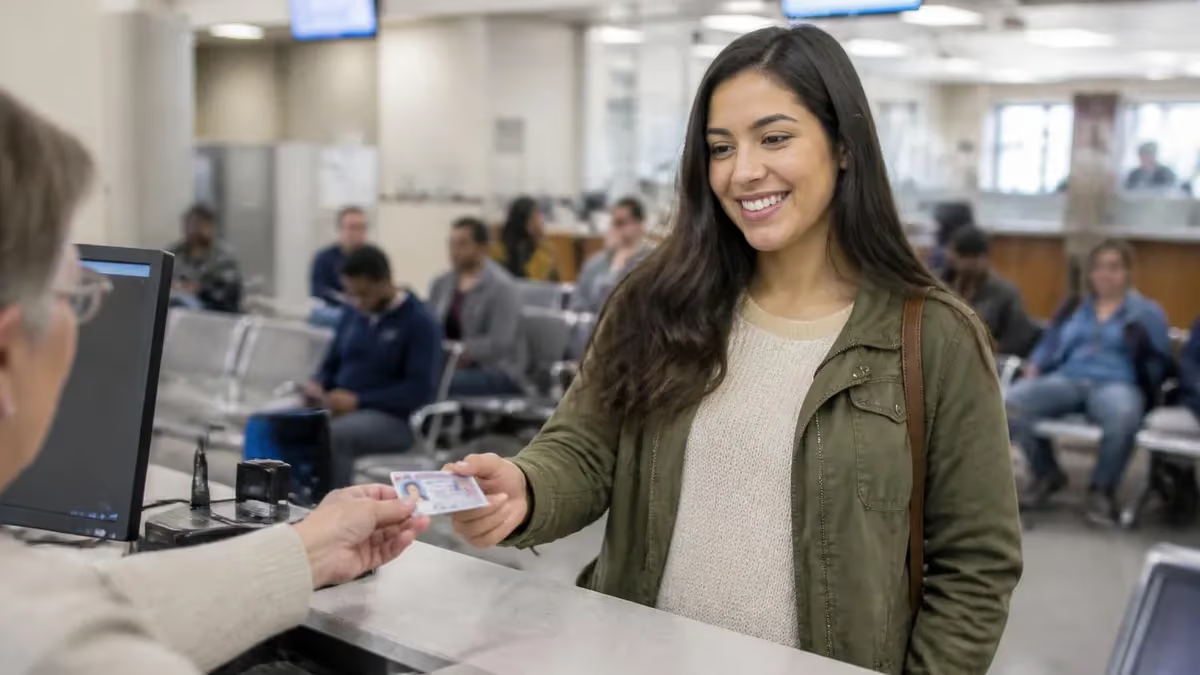
If you are getting ready for your knowledge exam, the first thing most applicants ask is how many question dmv written test versions actually contain, because the count shapes how you study and how much margin for error you have. The honest answer is that it varies by state. Most states give you between 20 and 50 questions, and you usually need to answer roughly 80 percent correctly to pass. Knowing the exact number for your state removes guesswork and lets you build a realistic study plan that targets the right amount of material.
Beyond the question count, a surprising number of test-takers also need to reach a human being at the agency to resolve scheduling problems, document errors, or eligibility questions. That is where a DMV customer service representative becomes essential. A representative can confirm your appointment, explain why your application stalled, or clarify which documents you still owe. Understanding both sides of the process, the exam itself and the support channels, makes the entire experience far less stressful and dramatically improves your odds of passing on your first attempt without unnecessary return trips.
This guide blends the two themes together because they genuinely overlap in real life. You might schedule your test online, hit a snag, and need to call a rep to fix it before you can even sit the exam. We will walk through typical question counts state by state, the passing scores, the categories of questions you will face, and the practical steps for getting a live person on the phone. By the end, you will know exactly what to expect at the counter and on the screen.
Many applicants underestimate the breadth of the material. The exam is not just about memorizing the speed limit on a residential street. It pulls from traffic signals, right-of-way rules, parking regulations, alcohol and drug laws, and the meaning of dozens of road signs. If you want a focused refresher on signage specifically, our breakdown of dmv written test questions covers the symbols and colors that trip up the most people. Pairing signage practice with general rules-of-the-road study is the most efficient path to a passing score.
The role of the customer service representative has also grown as agencies push more services online. Self-service kiosks and websites handle renewals and address changes, but they cannot interpret a confusing rejection notice or override a system error. When the automated tools fail you, a knowledgeable representative is the difference between a same-day fix and weeks of delay. Throughout this article we treat the rep as a tool in your kit, just as important as your study materials, because both contribute to a smooth licensing journey.
Finally, remember that preparation pays for itself. Every state charges a fee to retest, and a failed attempt can cost you a wasted day off work and a long round trip. Investing a few focused hours in practice questions and confirming your appointment details with a representative beforehand is far cheaper than failing and starting over. The remainder of this guide gives you the concrete numbers, the channels, and the strategies you need to walk in confident and walk out licensed.
DMV Written Test by the Numbers

Written Test Format by State
| Section | Questions | Time | Weight | Notes |
|---|---|---|---|---|
| Road Signs | 12 | 10 min | 26% | Shapes, colors, symbols |
| Traffic Laws | 18 | 15 min | 39% | Right-of-way, speed, signals |
| Safe Driving Practices | 10 | 10 min | 22% | Following distance, hazards |
| Alcohol & Penalties | 6 | 5 min | 13% | DUI, license points |
| Total | 46 | 30-45 min | 100% |
The number of questions on your exam depends entirely on where you live, so it pays to confirm the figure for your state before you study. California, for example, gives first-time applicants a 46-question test and requires at least 38 correct answers to pass, which works out to roughly 83 percent. New York uses a 20-question multiple-choice exam where you must answer 14 correctly, including at least two of the four road-sign questions. Texas administers a 30-question test with a 70 percent passing threshold. These differences matter because they change how many mistakes you can afford.
Florida offers a 50-question exam covering road rules and signs, with a 40-correct passing standard. Illinois uses a 35-question format, while Ohio splits its exam into separate signs and rules sections. The takeaway is that there is no single national answer, but the typical range lands between 20 and 50 questions with an 80 percent pass mark. Once you know your state's count, you can reverse-engineer your study target: if you can afford only eight wrong answers, every practice session should aim to push your accuracy above 90 percent for a comfortable cushion.
Question categories are remarkably consistent across states even when the totals differ. Almost every exam draws from four buckets: road signs, traffic laws, safe driving practices, and impairment penalties. Road signs test your recognition of shapes and colors, such as the octagon for stop or the yellow diamond for warning. Traffic laws cover right-of-way at intersections, speed limits in school zones, and the meaning of solid versus broken lane lines. Safe driving questions probe following distance, blind spots, and how to respond to skids or hydroplaning.
The impairment and penalties section is where many people lose points because they assume it is common sense. In reality, the questions test specific numbers: the blood alcohol concentration limit of 0.08 percent for adult drivers, the zero-tolerance thresholds for drivers under 21, and the point values assigned to violations like speeding or running a red light. Memorizing these exact figures is essential because the answer choices are designed to look similar. A practice test that drills these numbers repeatedly will cement them far better than passive reading of the handbook.
If you want to see how the signage portion alone is structured, our dedicated breakdown of dmv written test questions walks through each sign family with examples. Combining that resource with full-length practice exams gives you both depth on the trickiest subtopic and breadth across the whole test. The most successful applicants alternate between the two: a focused signage drill one day, a complete timed mock exam the next, then a review of every missed question to close the gaps before test day arrives.
Another factor that changes the experience is whether your state offers the test on a touchscreen kiosk, a paper form, or online at home. Touchscreen exams give instant feedback and often let you skip and return to questions. Paper tests are graded by a clerk and may take longer. A growing number of states permit supervised online testing for learner permits, especially for applicants under 18 who take it with a parent present. Knowing your format helps you practice in the same mode, which reduces surprises and steadies your nerves on the day itself.
How to Reach a DMV Representative
The fastest way to reach a dmv representative for most people is the state hotline printed on the back of your renewal notice or on the agency website. Call during off-peak hours, typically mid-morning on Tuesday through Thursday, to shorten your wait. Have your license number, last four of your Social Security number, and any reference number ready before you dial so the rep can pull your record immediately.
Phone menus can be frustrating, so learn the trick of pressing zero or saying "representative" repeatedly to bypass the automated tree. If you are wondering how do i speak to a dmv representative in ny, the New York DMV uses 518-486-9786 for general inquiries, and pressing the option for license or registration questions usually routes you to a live agent faster than the main menu.
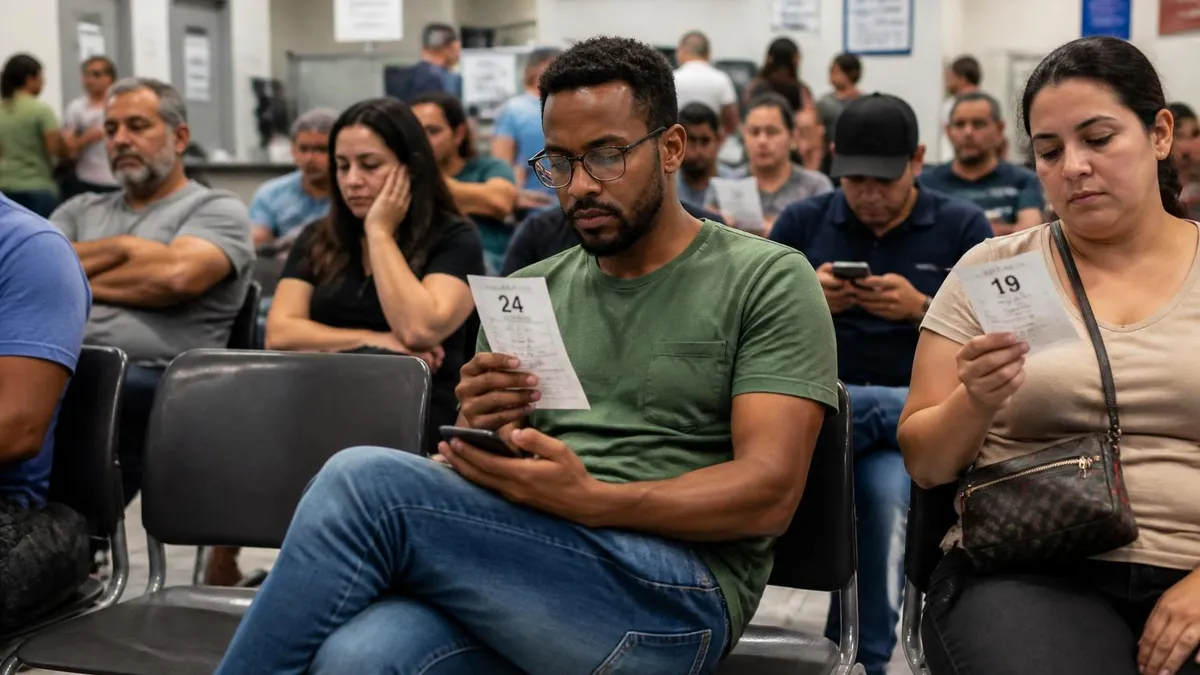
Online Self-Service vs. Calling a DMV Representative
- +A live representative can override system errors a kiosk cannot fix
- +Reps interpret confusing rejection notices in plain language
- +Phone agents confirm appointment details instantly
- +In-person staff can process complex document issues same-day
- +Chat provides a written transcript you can reference later
- +Supervisors can apply overrides front-line clerks cannot
- −Phone hold times can exceed 30 minutes at peak hours
- −Automated menus often bury the live-agent option
- −Field office visits may require a multi-hour wait without an appointment
- −Chatbots sometimes loop without resolving the real issue
- −Reps cannot waive statutory fees or change the law
- −Inconsistent answers between agents can cause confusion
DMV Written Test Day Preparation Checklist
- ✓Confirm your appointment time with a representative the day before
- ✓Verify exactly how many questions your state's test contains
- ✓Bring valid proof of identity and residency documents
- ✓Bring the required application fee in an accepted payment method
- ✓Complete at least three full-length practice exams beforehand
- ✓Review all missed practice questions and the relevant handbook page
- ✓Memorize the BAC limit and zero-tolerance thresholds
- ✓Get a full night of sleep before the exam
- ✓Arrive at least 15 minutes early to allow for check-in
- ✓Silence your phone and store it as instructed before starting
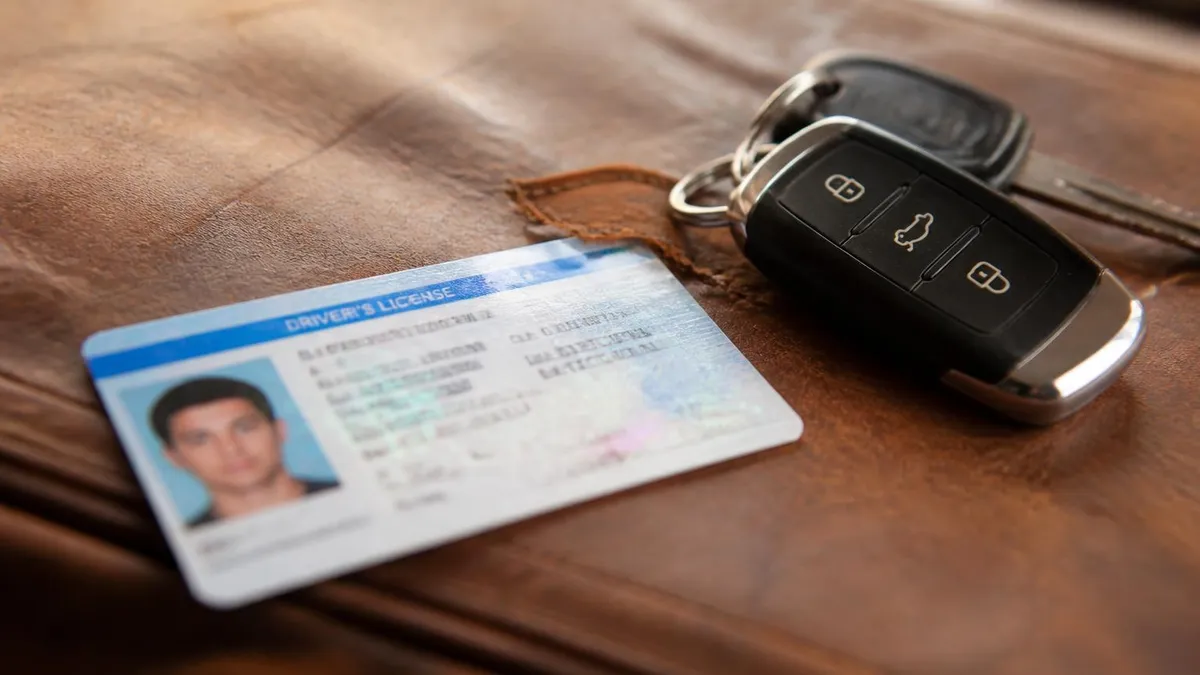
Confirm your slot first
A five-minute call to a DMV customer service representative the day before your exam confirms your appointment, your required documents, and your fee. This single step prevents the most common reason applicants are turned away at the counter: a missing document or an unconfirmed booking that quietly fell off the schedule.
Passing scores deserve a closer look because the threshold determines your real margin for error. In a state with a 46-question exam and an 83 percent pass mark, you can miss only eight questions. In a 20-question state requiring 14 correct, you can miss six but must also clear sub-requirements on signs. These narrow margins mean a single careless mistake on a question you actually knew can be the difference between passing and a wasted trip, which is why timed practice that mimics test pressure is so valuable for building accuracy under stress.
Retake policies also vary and carry real costs. Many states let you retest the same day or after a short waiting period, but some require you to wait one to seven days between attempts. After a set number of failures, often three, you may have to pay the application fee again or wait longer before retrying. California, for instance, allows three attempts on one application fee, after which you must reapply. Knowing these rules in advance helps you decide whether to retest immediately or take more time to study.
The waiting period between attempts is actually a hidden opportunity. If you fail, request a breakdown of which categories you missed; many states show your weak areas on the result slip. Use that data to target your review rather than re-studying everything. A focused 48-hour cram on the two categories that tripped you up is far more effective than a scattershot review of the entire handbook. This targeted approach is exactly how repeat test-takers turn a near-miss into a confident pass on their next visit.
It is worth understanding why people fail in the first place. The most common reasons are not lack of intelligence but lack of specific recall. Applicants confuse the meaning of similar-looking signs, mix up right-of-way rules at four-way stops, or guess on the exact numbers in the alcohol section. Each of these failure modes is preventable with the right practice. Drilling questions until the correct answer feels automatic, rather than reasoned out under time pressure, is the single biggest predictor of a first-time pass across every state.
Representatives play a role here too. If you believe your test was scored incorrectly, or if a technical glitch on the kiosk lost your answers, a representative can investigate and, in legitimate cases, arrange a retest without penalty. Document the issue immediately, get the name of the proctor, and ask to speak with a supervisor before you leave the building. The closer you raise the concern to the moment it happened, the more likely the agency is to resolve it in your favor and waive any retake fee.
Finally, do not overlook the value of language and format accommodations. Most states offer the written exam in multiple languages and provide audio versions or extra time for applicants with disabilities or documented reading difficulties. A representative can tell you what accommodations are available and how to request them in advance. Arranging this support ahead of time removes a major source of anxiety and ensures the exam measures your knowledge of driving rules rather than your test-taking conditions, which is exactly what the licensing process is meant to assess.
Several states require a mandatory waiting period of one to seven days between failed written test attempts, and some charge a new application fee after three failures. Confirm your state's exact retake rules with a representative before test day so a single failure does not derail your timeline unexpectedly.
Avoiding common mistakes starts well before you reach the testing window. The single biggest error applicants make is showing up without the correct documents, which results in being turned away before the exam even begins. Each state publishes an exact list of acceptable identity, residency, and Social Security documents, and the requirements tightened further under federal REAL ID rules. A quick call to a representative to confirm your specific document set is the cheapest insurance you can buy against a wasted trip and a rescheduled appointment.
The second frequent mistake is under-preparing on the categories people assume are easy. Many test-takers spend hours on road signs, which are relatively intuitive, while neglecting right-of-way scenarios and the precise penalty numbers that actually sink them. Balance your study time across all four categories in proportion to how heavily each is weighted on your state's exam. If traffic laws make up 39 percent of the questions, they deserve roughly 39 percent of your study hours, not an afterthought the night before.
A third pitfall is misreading questions under time pressure. Exam writers deliberately include answer choices that are correct in a different context but wrong for the specific scenario described. Read every word, especially qualifiers like "always," "never," "unless," and "except," because a single missed word flips the right answer. Slow, careful reading costs only a few extra seconds per question and prevents the careless errors that account for a large share of failed attempts among otherwise well-prepared applicants.
On the customer-service side, a common mistake is calling without your information ready, which forces the representative to put you on hold or call back. Before you dial, gather your license or permit number, the last four digits of your Social Security number, your date of birth, and any confirmation or reference numbers. Having these in front of you lets the rep verify your identity instantly and spend the call solving your problem rather than collecting basic data, which can cut a fifteen-minute call down to five.
Many applicants also forget to keep a paper trail. Whenever a representative gives you guidance, write down the date, the agent's name or ID, and a summary of what you were told. If a later interaction contradicts that advice, your notes give you leverage to escalate and get the original commitment honored. For renewals and registration questions that often accompany a test visit, our guide to dmv written test questions shows how documentation prevents the same disputes that derail counter visits every day.
The last mistake worth flagging is treating the exam as a one-time gamble rather than a skill you can train. Applicants who fail once often blame bad luck, but the data shows that those who complete multiple full-length practice tests pass at dramatically higher rates. Practice exposes you to the exact phrasing the real test uses, builds recall speed, and surfaces your weak spots while there is still time to fix them. Approach the written test as a measurable skill, drill deliberately, and the pass becomes a near-certainty rather than a hopeful roll of the dice.
With the format and the support channels covered, the final piece is a practical preparation routine you can actually follow in the weeks before your exam. Start by downloading your state's official driver handbook, because every question on the test is drawn directly from it. Read it once cover to cover to build a mental map, then return to the sections that correspond to the four heavily tested categories. Reading for understanding the first time and for memorization the second time is far more effective than a single passive skim.
Next, layer in active practice. Passive reading creates the illusion of competence, but answering questions reveals what you truly know. Aim to complete at least one full-length practice exam every two or three days in the final two weeks, and treat each one as a diagnostic. After every attempt, review not only the questions you missed but also the ones you guessed correctly, because a lucky guess is a gap that will eventually catch up with you on the real exam when the pressure is on.
Spacing your study sessions matters more than cramming. Research on memory consistently shows that several short sessions spread across many days produce far stronger recall than one long marathon. Twenty focused minutes each evening for two weeks will beat a single six-hour session the night before. This is especially true for the number-heavy penalty section, where the specific figures fade quickly unless you revisit them repeatedly over time until they are locked into long-term memory.
Use the day before the exam for confirmation rather than new learning. Call a representative to verify your appointment, documents, and fee, then do a light review of your most-missed questions. Avoid trying to absorb new material at the last minute, which tends to increase anxiety without improving recall. A calm, well-rested mind retrieves information far more reliably than an exhausted one crammed with freshly half-learned facts, so prioritize sleep and confidence over a final desperate study push.
On exam day itself, arrive early, breathe, and read each question completely before looking at the answers. Eliminate the choices you know are wrong to improve your odds on anything you are unsure about, and never leave a question blank if your state does not penalize guessing. Trust the preparation you have done; the patterns you drilled in practice will surface naturally when you stay calm and methodical rather than rushing through to finish first.
After you pass, keep your momentum for the road test that often follows. The same disciplined approach of confirming requirements with a representative, practicing deliberately, and documenting every interaction will serve you just as well behind the wheel. Scheduling, document prep, and clear communication with the agency turn what feels like an intimidating bureaucratic gauntlet into a series of manageable, predictable steps. Treat each stage with the same focus, and the entire licensing process becomes something you control rather than something that happens to you.
DMV Questions and Answers

DMV Road Sign Test: Complete Guide to Passing on Your First Try in 2026

DMV Written Test Cheat Sheet: The Complete 2026 Study Guide for First-Time Passers

Schedule DMV Road Test Wisconsin: Complete 2026 Booking Guide for First-Time Test Takers

DMV License Plate Renewal: Complete Guide to Renewing Your Tabs, Stickers and Registration (2026)

Colorado DMV Renew Registration: Complete 2026 Guide to Renewing Your Vehicle Tags Online, By Mail, and In Person
About the Author
Licensed Driving Instructor & DMV Test Specialist
Penn State UniversityRobert J. Williams graduated from Penn State University with a degree in Transportation Management and has spent 20 years as a certified driving instructor and DMV examiner consultant. He has personally coached thousands of applicants through written knowledge tests, skills assessments, and commercial driver licensing programs across more than 30 states.
Join the Discussion
Connect with other students preparing for this exam. Share tips, ask questions, and get advice from people who have been there.
View discussion (8 replies)