
How to Get a Car Title from DMV: Complete Guide for 2026 September
Learn how to get a car title from DMV in 2026 September. A DMV customer service representative explains fees, steps & requirements. ✅
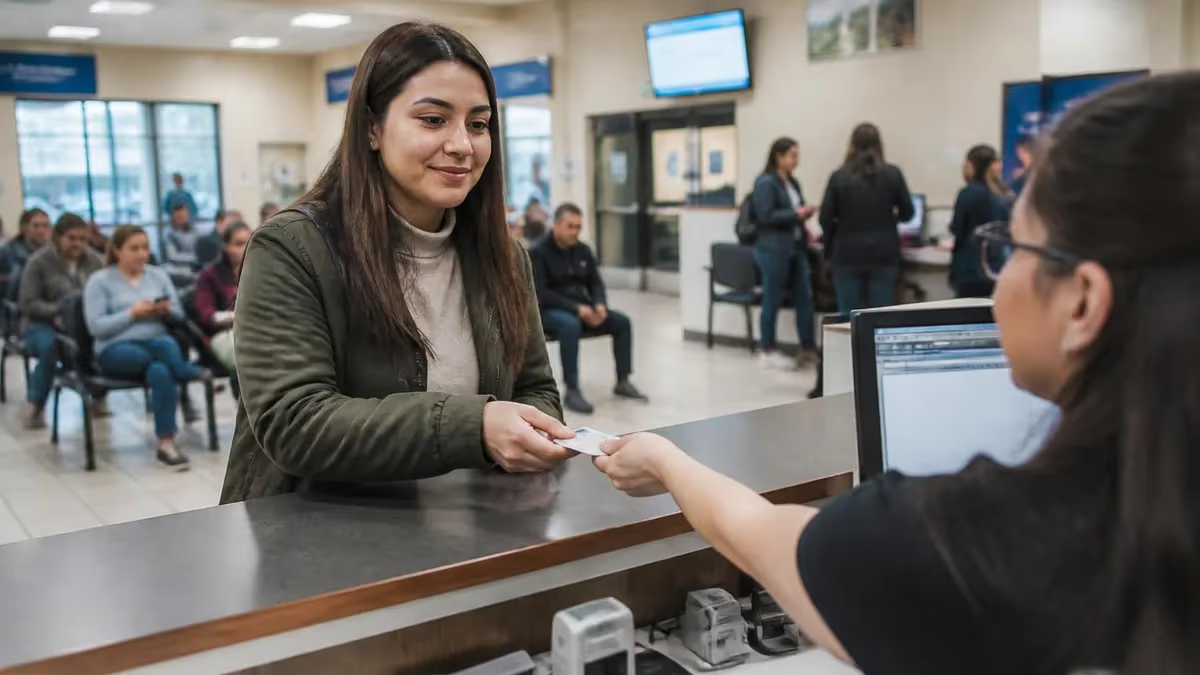
Getting a car title from DMV is one of the most important transactions any vehicle owner will complete, and understanding exactly how the process works can save you hours of frustration at your local office. A DMV customer service representative is your first point of contact whenever questions arise about title transfers, duplicate titles, or lienholder releases — and knowing what documents to bring before you arrive makes every interaction faster and smoother.
Whether you purchased a brand-new vehicle from a dealership, bought a used car from a private seller, or inherited a vehicle from a family member, the DMV title process follows a structured path that this guide covers in full detail.
A car title is the legal document that proves ownership of a motor vehicle. Unlike the registration sticker on your license plate — which simply confirms that your vehicle is authorized to operate on public roads — the title is the deed to your automobile. Lenders require a clear title before approving an auto loan, and buyers in any private sale are entitled to receive a properly signed title at the time of purchase. Losing track of this document or allowing errors to remain uncorrected can create serious problems when you eventually sell or trade in the vehicle.
Many drivers are surprised to learn that the title process varies meaningfully from state to state. Some states issue an electronic lien and title (ELT) system where the paper title is held digitally by a lender until the loan is paid off, while others still mail a paper certificate directly to the owner or the lienholder. The DMV representative at your local office is trained to explain which system your state uses and what timeline to expect after you submit your application.
Before visiting a DMV office, it pays to gather every document on the required list. A missing bill of sale, an unsigned odometer disclosure statement, or an incorrect VIN on the purchase paperwork can delay the process by days or even weeks. Staff members known as DMV customer service representatives handle these transactions hundreds of times per week, so they can quickly spot errors that an untrained eye would miss — but they can only work with what you bring them.
Fees are another area where confusion is common. Title fees, sales tax, transfer fees, and late penalties can stack up quickly, especially if weeks have passed since the date of purchase. Most states set a hard deadline — often 10 to 30 days after the sale date — for the new owner to apply for title transfer. Missing that window triggers penalty fees that a DMV representative cannot waive without supervisory approval, so acting promptly is always the right strategy.
This guide also covers how to reach a live representative when you cannot visit in person. Residents asking how do I speak to a DMV representative in NY or in any other state will find that phone queues, online chat systems, and DMV branch appointments are all viable options depending on the urgency of the issue. You can also explore dmv car title resources through PracticeTestGeeks to sharpen your knowledge of vehicle documentation rules before your appointment.
Finally, if you are preparing for a career as a DMV customer service representative, understanding the vehicle title workflow is one of the core competencies tested on the DMV representative exam. From verifying chain of ownership to explaining lien release procedures, representatives must master title law details that affect every customer who walks through the door. The sections below break down every stage of the process so both consumers and aspiring representatives can approach the DMV with confidence.
DMV Car Title by the Numbers

How to Transfer a Car Title: Step-by-Step Process
Obtain the Signed Title from the Seller
Complete the Bill of Sale and Odometer Disclosure
Gather Supporting Documents
Visit the DMV or Submit Online
Pay All Applicable Fees and Taxes
Receive Your New Title
The documents you bring to the DMV when applying for a car title are the single biggest factor determining how smoothly your visit goes. At a minimum you will need the existing title signed by the previous owner, a completed title transfer application form (available on your state DMV website or at the counter), a valid government-issued photo ID such as a driver's license or passport, and payment for all applicable fees. If the vehicle is newly purchased from a dealership, the dealer typically handles the title application on your behalf within a set number of business days after delivery.
For private-party purchases, the buyer bears full responsibility for initiating the title transfer. This means verifying before you leave the seller's location that the title is free of alterations, that the seller's signature appears in the correct box, and that the odometer reading matches what is written on the disclosure statement. A single crossed-out word or correction on the face of a title — even if initialed — may cause a DMV customer service representative to reject the document and require a bonded title or a court order to resolve the discrepancy.
Sales tax is assessed differently depending on which state you register the vehicle in, not necessarily where it was purchased. If you bought a vehicle in another state, you will pay your home state's applicable sales or use tax rate when you apply for title and registration. Some states offer a credit for taxes already paid in the state of purchase, while others require the full home-state rate regardless. Ask a DMV representative about your state's specific reciprocity rules to avoid being surprised at the counter.
Lien releases are a commonly overlooked piece of the title puzzle. If the previous owner financed the vehicle, a lender's name appears on the title as a lienholder. That lender must issue a formal lien release — typically a letter on company letterhead or an electronic notification to the DMV — before the title can be reissued in the new owner's name without a lien noted. Allow extra time for this step; some financial institutions take two to three weeks to process and mail a lien release after the final loan payment is received.
Fees vary considerably from state to state and sometimes even from county to county within the same state. The base title fee can range from as little as $10 in some jurisdictions to over $85 in others. Add county clerk fees, technology surcharges, and late penalties and the total can reach well over $150 in certain situations.
Checking your state DMV website for a complete fee schedule before your visit prevents sticker shock at the counter and ensures you bring sufficient payment in an accepted form — many DMV offices still limit payment options to cash, check, or money order for title transactions.
Some states have authorized third-party tag agencies or title companies to process DMV title applications on behalf of residents. These private agents often have shorter wait times than state DMV offices, though they may charge an additional service fee for their convenience. Make sure any third-party agency you use is officially licensed by the state DMV to process title work — unlicensed title agents have been the source of title fraud cases in several states, leaving buyers without valid ownership documentation despite paying in full.
If you are a licensed DMV representative studying the title process for the certification exam, pay particular attention to scenarios involving out-of-state titles, salvage titles, and rebuilt title certifications. Each category requires additional documentation and separate inspection requirements. The consumer protection angle — ensuring buyers are not defrauded by sellers concealing salvage or flood history — is a major theme in the DMV representative exam content, and it runs directly parallel to the document verification duties a title clerk performs every day.
DMV Representative: Title Types You Need to Know
A clean title is the standard certificate of ownership issued when a vehicle has never been declared a total loss, salvaged, or flood-damaged. Lenders and private buyers strongly prefer vehicles with clean titles because the ownership history is straightforward and the vehicle's value has not been diminished by a prior insurance write-off. When a DMV customer service representative processes a clean title transfer, the workflow is the most streamlined: verify signatures, confirm the VIN, calculate taxes, and issue the new title.
Clean title vehicles are the easiest to finance, insure, and resell. Buyers should always run a vehicle history report and cross-reference the title status before completing any private-party purchase. A discrepancy between what a seller claims and what the title shows — or what a history report reveals — is an immediate red flag that a DMV representative is trained to identify and flag during the title verification process. Understanding what a clean title looks like and what it legally guarantees is a foundational skill for anyone preparing for the DMV representative exam.

In-Person vs. Online DMV Title Transactions: Pros and Cons
- +In-person visits allow a DMV representative to immediately spot document errors and request corrections on the spot
- +Cash and money order payments are accepted in person, avoiding online processing fees
- +Complex transactions — like bonded titles or court-ordered titles — are handled more efficiently face to face
- +Same-day title issuance or expedited processing is sometimes available only at physical offices
- +Representatives can verify physical VIN plates against documents in person, reducing fraud risk
- +Questions about fees, taxes, and deadlines can be answered in real time without waiting on hold
- −In-person DMV visits often involve long wait times, especially at high-traffic urban offices
- −Office hours are limited to weekdays during business hours in most states, making it difficult for working adults
- −Travel time and parking costs add to the overall inconvenience of an in-person visit
- −Online portals may not support all title transaction types, limiting digital options for complex cases
- −Online submissions take longer to process since representatives review documents in batches, not in real time
- −Technical issues with state online portals can delay submissions or lose uploaded documents
DMV Car Title Transfer: Complete Preparation Checklist
- ✓Obtain the original title signed by the seller in the correct signature block before leaving the sale location.
- ✓Confirm the VIN on the title matches the VIN plate on the vehicle's dashboard and door jamb.
- ✓Secure a completed odometer disclosure statement signed by both buyer and seller for vehicles under ten years old.
- ✓Request a lien release letter from the seller's lender if any lienholder is named on the existing title.
- ✓Complete your state's title transfer application form, available online or at any DMV branch.
- ✓Bring a valid government-issued photo ID such as a current driver's license or passport.
- ✓Obtain proof of current auto insurance meeting your state's minimum liability coverage requirements.
- ✓Calculate the estimated sales tax owed based on the vehicle purchase price and your state's tax rate.
- ✓Check your state's title transfer deadline — typically 10 to 30 days from the date of sale — to avoid late fees.
- ✓Confirm accepted payment methods at your DMV office before arriving, as some locations do not accept credit cards.
Always Request a Vehicle History Report Before Buying
A DMV customer service representative cannot legally disclose prior title history to a prospective buyer — that information is protected under federal driver privacy laws. Run an independent vehicle history report using the VIN before any purchase to uncover salvage designations, odometer rollbacks, flood damage, or previous out-of-state registrations that a seller may not voluntarily disclose.
The DMV customer service representative plays a far more significant role in the car title process than most vehicle owners realize. At the surface level, representatives accept applications, verify documents, and collect fees. But their actual function is much more nuanced: they serve as the front-line defense against title fraud, odometer tampering, and the resale of vehicles with undisclosed damage histories. Every title transaction that passes through a representative's hands represents a legal transfer of property rights, and processing it incorrectly can expose both the DMV and the consumer to significant legal liability.
Representatives receive specialized training on how to detect altered titles. A title that has been chemically erased and rewritten, a VIN that does not match the year the title was issued, or a signature that appears in the wrong section of the form are all signs that a document may have been fraudulently modified. State DMV training programs teach representatives to examine titles under ultraviolet light when forgery is suspected and to cross-reference the VIN against the state's database of stolen vehicles before processing any transfer.
The question of how do I speak to a DMV representative in NY — or any other state — comes up constantly when customers face complex title situations they cannot resolve through online portals. In New York, the DMV customer service line is staffed during regular business hours, and customers can also make appointments at regional offices for title-related issues. Many states have expanded their phone and chat support in recent years specifically because title problems — a deceased owner listed on a title, a VIN mismatch, a forged signature — genuinely require human expertise to resolve.
A DMV representative who handles vehicle titles must also be conversant in inheritance procedures. When a vehicle owner passes away, the title transfer process involves probate law, estate executors, and sometimes court orders — none of which follow the standard private-sale workflow. Representatives trained on these edge cases can guide grieving families through the correct paperwork path without requiring them to retain an attorney for what is, at its core, a straightforward transfer of titled property.
Fleet vehicles present another specialty area. Businesses that own multiple vehicles must understand that fleet title management differs from consumer title management in several ways: corporate authorization letters are required, the registered owner is a legal entity rather than a person, and tax exemptions may apply depending on the nature of the business. A DMV representative who works at a busy commercial office will handle fleet transactions regularly and must be familiar with the additional documentation requirements that apply to business-owned vehicles.
Out-of-state title transfers add yet another layer of complexity. When you move to a new state or purchase a vehicle registered in another state, you typically have 30 to 90 days — depending on your new state's law — to obtain a local title and registration.
The incoming DMV office will need the original out-of-state title, a new-state title application, proof of insurance, and in many cases a VIN inspection performed by a law enforcement officer or DMV inspector to confirm the vehicle is not stolen. A DMV representative will walk you through every step of this process and identify any additional state-specific requirements that apply.
Aspiring DMV representatives who are studying for the certification exam will find that title law questions appear consistently across every practice exam category. Consumer protection scenarios often hinge on title issues: was the buyer given proper notice of salvage history? Was the odometer reading accurately disclosed? Was the lien released before the seller transferred the title? Mastering these scenarios not only helps you pass the exam but prepares you for the genuine complexity of title work you will encounter in the role from day one.
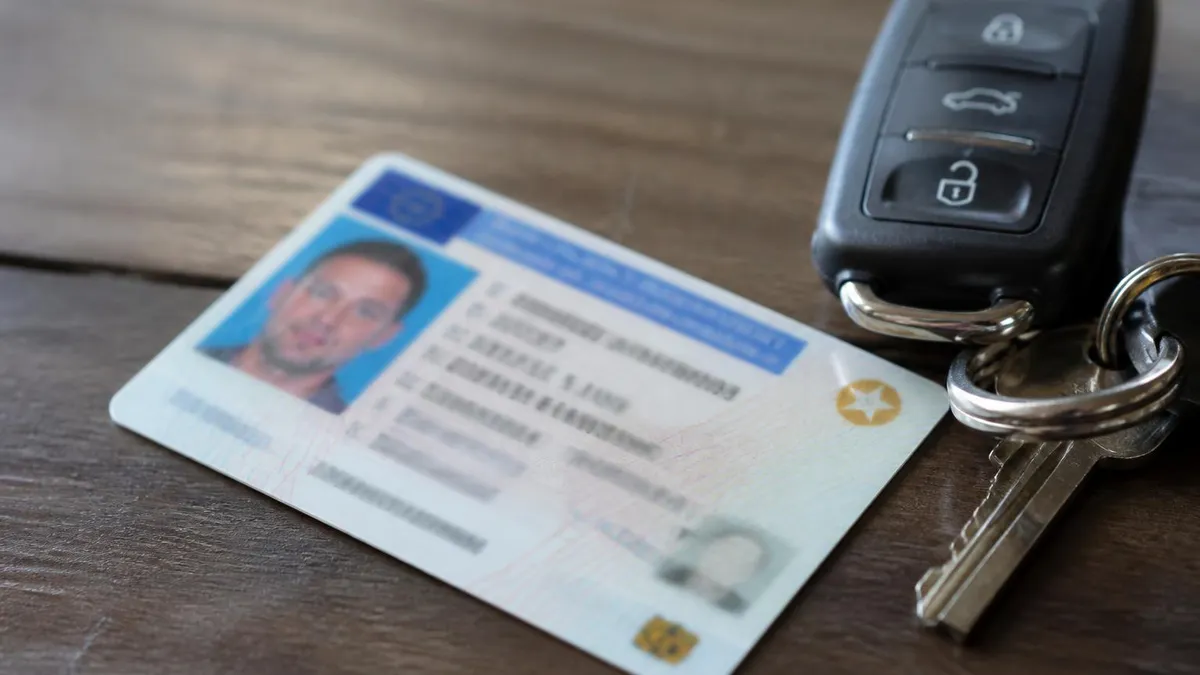
Most states impose a strict 10- to 30-day deadline to complete a car title transfer after the date of sale. Missing this window triggers late penalty fees ranging from $25 to $125 or more depending on your state. In some states, operating a vehicle with an unprocessed title transfer is also a traffic infraction. Act immediately after any vehicle purchase to avoid compounding fees and legal complications.
For anyone preparing for the DMV representative exam, the car title module is one of the most content-rich sections in the entire curriculum. Title law intersects with consumer protection statutes, federal odometer disclosure regulations, state vehicle codes, and civil liability principles — making it a topic that rewards deep study rather than surface memorization. The exam tests not just what the rules are but why they exist and how a representative is expected to apply them in real-world customer interactions that do not always follow the textbook scenario.
Consumer protection is the organizing principle behind most title regulations. When a buyer pays tens of thousands of dollars for a vehicle, they are entitled to accurate information about what they are purchasing. The requirement that sellers disclose salvage history, flood damage, and odometer readings directly on the title protects buyers from misrepresentation. A DMV representative who catches a discrepancy between a declared odometer reading and the vehicle's maintenance records — or who notices that a salvage designation was somehow omitted — is performing a consumer protection function every bit as important as any fraud investigation unit.
Dispute resolution is another area where DMV representatives earn their stripes in title-related matters. A buyer who discovers after the fact that a vehicle they purchased has an undisclosed lien, a salvage history, or a title defect may file a formal complaint with the DMV. Representatives who handle dispute intake must document the complaint thoroughly, gather all relevant title records, and route the case to the appropriate resolution department. The DMV representative exam's dispute resolution module covers exactly these procedures, and strong performance on that portion of the test signals readiness for the real challenges of the job.
Technology is rapidly changing how title transactions are processed. Electronic lien and title systems — now in use in most states — eliminate the paper title entirely when a lender holds a security interest in a vehicle. Instead of a physical certificate, the title record exists only in the state database, accessible to lenders and DMV staff through secure portals.
When the loan is paid off, the lender electronically releases the lien, the title is updated in the system, and the owner can request a paper title if desired. DMV representatives must be equally comfortable navigating both paper and electronic title systems to serve the full range of customers they encounter.
Title washing is one of the most serious fraud schemes that a DMV representative may encounter. This practice involves registering a salvage or otherwise branded title vehicle in a state that does not recognize the existing brand, obtaining a clean title in that state, and then selling the vehicle to an unsuspecting buyer in a third state.
Federal and state task forces specifically target title washing, and DMV representatives are trained to recognize the multi-state registration patterns that often indicate this type of fraud is underway. Reporting suspected title washing to supervisors and law enforcement is part of a representative's professional responsibility.
Bonded titles represent a separate but important subset of title work that DMV representatives must understand thoroughly. When a vehicle owner cannot produce a valid title — because it was lost by a prior seller, the vehicle was abandoned, or the paperwork trail is otherwise broken — many states allow a bonded title process.
The owner purchases a surety bond for a set amount (usually 1.5 times the vehicle's market value), files an affidavit explaining the circumstances, and the DMV issues a bonded title valid for a specified period, typically three to five years. If no competing ownership claim surfaces during that period, a clear title is then issued. Representatives guide customers through this complex process regularly.
Whether you are a consumer navigating your first private-party vehicle purchase or a career professional preparing for the DMV representative certification exam, investing time in understanding the full scope of car title procedures pays meaningful dividends. You can deepen that knowledge through the practice resources available on PracticeTestGeeks, which cover every topic area tested on the DMV representative exam including the consumer protection and vehicle inspection modules that directly relate to title work.
Practical preparation for both car title transactions and the DMV representative exam starts with understanding the most common mistakes that consumers and test-takers make and taking deliberate steps to avoid them. For consumers, the number one mistake is failing to verify lien status before completing a purchase.
A seller who still owes money on a vehicle can legally transfer the title only with the lender's involvement, but not every seller volunteers this information. Running a basic title check using your state DMV's online VIN lookup tool takes less than five minutes and can prevent you from taking on someone else's debt obligation unknowingly.
For aspiring DMV representatives, the most common exam preparation mistake is over-relying on passive reading rather than active practice testing. The DMV representative exam is scenario-based: you are given a realistic customer situation and asked to identify the correct procedural response, the applicable regulation, or the consumer protection concern at stake. Reading through the study manual once builds general familiarity, but repeatedly working through practice questions — especially questions you get wrong — builds the situational fluency that the exam actually measures. Aim for at least 200 practice questions across all topic areas before your test date.
Time management during the actual DMV representative exam is a skill that deserves deliberate practice as well. The exam typically allocates enough time to answer each question thoughtfully, but candidates who spend too long on difficult questions early in the test run the risk of rushing through easier questions later. A common strategy is to answer all questions you are confident about first, flag the uncertain ones, and return to them with whatever time remains. This approach ensures you accumulate every point available from questions within your current knowledge base before spending time on the hardest items.
Study schedules matter. Candidates who begin preparing for the DMV representative exam two to three months before their scheduled test date consistently outperform those who cram in the final two weeks. The material spans multiple domains — motor vehicle law, consumer protection, vehicle inspections, title procedures, customer service protocols, and state administrative procedures — and each domain requires multiple exposure cycles before it sticks reliably under exam conditions. Build a weekly study plan that rotates through domains rather than spending all your time on one area you find interesting at the expense of others you find dry.
Real-world exposure accelerates learning in ways that reading alone cannot replicate. If you have a friend or family member who has recently bought or sold a vehicle, talk through the title transfer experience with them. Better yet, offer to accompany them to the DMV for the transaction. Watching a DMV customer service representative walk through the document verification process, explain the fee breakdown, and issue the title application receipt makes the textbook concepts concrete and memorable. Many successful exam candidates credit observational experiences like this as the moment the material finally clicked.
Mock exams under timed conditions are the final and most important preparation tool. Set aside blocks of time where you complete full-length practice tests without looking anything up, scoring yourself honestly, and reviewing every incorrect answer before moving on. The goal is not just to learn the right answer to a specific question but to understand the reasoning behind it so that you can apply that same reasoning when the exam presents a novel scenario. PracticeTestGeeks offers multiple full-length practice sets across the DMV representative exam topic areas to support exactly this kind of deliberate, high-quality study practice.
On exam day itself, arrive early, bring valid identification, and treat the process the same way you would treat a professional meeting. Nervousness is natural, but candidates who have put in genuine preparation hours — not just passive reading but active practice testing and real-world observation — consistently find that the exam feels manageable rather than overwhelming.
The knowledge you have built about car title procedures, consumer protection principles, and DMV operational workflows will serve you well not just on the test but throughout a rewarding career helping the public navigate one of the most important bureaucratic processes in their financial lives.
DMV Questions and Answers

DMV Customer Service Representative: Complete Career Guide & Permit Test Practice

DMV Drivers License: Application, Tests, REAL ID and Renewals

CT DMV Road Test Appointment: Complete 2026 Guide to Scheduling, Preparation, and Passing Your Connecticut Driving Exam
DMV Customer Service Representative: How Many Questions Are on the DMV Written Test and How to Reach a Rep

DMV Representative Practice Test PDF (Free Printable 2026)
About the Author
Licensed Driving Instructor & DMV Test Specialist
Penn State UniversityRobert J. Williams graduated from Penn State University with a degree in Transportation Management and has spent 20 years as a certified driving instructor and DMV examiner consultant. He has personally coached thousands of applicants through written knowledge tests, skills assessments, and commercial driver licensing programs across more than 30 states.
Join the Discussion
Connect with other students preparing for this exam. Share tips, ask questions, and get advice from people who have been there.
View discussion (8 replies)